OBJECTIVES:To investigate (i) the prevalence of sport specialisation among New Zealand youth and differences based on age, gender and sport, and (ii) the association between specialisation level and injury history. DESIGN:Cross-sectional. SETTING:Sport NZ's Voice-of-the-Participant online survey. PARTICIPANTS:15,334 youth aged 8-17 years, across eight major sports. MAIN OUTCOME MEASURES:Demographic data (age, gender, ethnicity), sport participation hours, specialisation level (low, moderate, high), and injury history over the past 12 months. RESULTS:Overall, 12% of youth were highly specialised, with sport-specific variation (range 3-20%). High specialisation increased with age and was more common in males than females. Relative to low specialisation, the odds of reporting an injury were higher for moderate (OR = 1.25, 95% CI [1.14-1.35]) and high (OR = 1.53, 95% CI [1.36-1.72]) specialisation levels. This trend held across age and gender groups, though the magnitude of association varied by sport. CONCLUSION:Sport specialisation is present in NZ young people, increases with age and varies by sport. Findings suggest there is an association between the degree of specialisation and injury history. This association is consistent across age groups and genders but varies across sports.
Research literature concludes that caring touch contributes to physical and psychological wellness. However, in health practice, touch is constructed as acceptable in some situations and not in others. Utilising interviews with nurses and other health professionals, the aim of this study was to explore the discourses shaping the role and purpose of caring touch in health practice. Poststructural methodology, drawn from the work of Michele Foucault, was employed to make visible what discourses of caring touch were legitimised or marginalised in a health setting. At times, caring touch was constructed as an expression of humanness, whilst at others it was expressly part of a professional practice. Findings showed that discourses shaping choices to engage in acts of caring touch with patients were linked to the social construction of the relationship between the patient and the professional. Whilst some practitioners talked about integrating caring touch into practice with little difficulty, for others, caring touch was constructed as an 'extra'. Discourses that shaped professional subjectivities were key to those differences. Findings from this paper build on existing understandings of caring touch in literature by highlighting the unique interplay of discourses in practice.
INTRODUCTION:Concussion can cause lasting cognitive, physical, and emotional challenges, impacting academic performance. New Zealand secondary schools lack sufficient knowledge and resources to support affected students. We co-designed and implemented the Framework for Management of Concussion in New Zealand Secondary Schools (FRANCS). AIM:To explore experiences and perceptions of school stakeholders during 2 years of FRANCS implementation. METHODS:Sixty-nine participants from 12 schools (students, parents, staff, and healthcare providers) took part in semi-structured interviews or focus groups. Data were analyzed using framework analysis to identify themes. RESULTS:Four themes were developed: (1) Flexibility of implementation - friend or foe; (2) Owning the process; (3) The process is too onerous; and (4) External context and confounders. CONCLUSION:FRANCS' flexibility enabled some schools to adapt and integrate it into existing communication pathways, supporting students' return-to-learn. Others faced challenges, resource limitations, and low engagement. Effective implementation requires initial external support to tailor FRANCS to school contexts, establish communication and monitoring systems, and embed return-to-learn processes.
OBJECTIVES:World Rugby's 'Recognise and Remove' process facilitates immediate removal of players with suspected concussion from community-level games to enhance player safety. The aim of this study was to explore community stakeholders' perceptions of the 'Recognise and Remove' process, and its influence on concussion management decisions. DESIGN:Pragmatic, qualitative descriptive study. METHODS:This study utilised semi-structured interviews and focus groups with 62 community rugby stakeholders from New Zealand schools and clubs. Reflexive thematic analysis was used to analyse the data. RESULTS:Four main themes were developed: i) If in doubt, sit them out; ii) hypervigilance and a pendulum that has swung too far; iii) decisions have consequences: the influence of uncertainty and pressure; and iv) the mandatory stand-down period can be counter-productive. Most participants emphasised the importance of the process, placing player welfare above all else. However, several participants believed that improved concussion awareness had created hypervigilance which in their opinion is detrimental to the game. Immediate decision-making to remove a player was becoming increasingly challenging under pressure. Finally, the mandatory stand-down period was a primary driver for player non-disclosure, and feelings of stress experienced by team leads/physiotherapists when uncertainty surrounded the suspected concussion. CONCLUSIONS:Most participants emphasised the importance of the 'Recognise and Remove' process. Yet, a concerning subset of participants expressed dissatisfaction with the process, leading to hesitancy when deciding to remove a player from the field. Collaborative strategies to improve stakeholders' acceptance of the process are critical to avoid unintended consequences.
BACKGROUND:Community perceptions of injury risk can impact participation rates and may influence attitudes and behaviours around prevention efforts. Understanding how end-users think about concussion-related risk and the need for prevention is critical for the design and implementation of interventions. This study aimed to explore community rugby union stakeholders' perceptions of concussion risk and the need for prevention. METHODS:This pragmatic, qualitative descriptive study utilised semi-structured interviews and focus groups with 62 school- and club-level community rugby stakeholders (provincial union representatives, players, coaches, school/club sport administrators, team leads (managers), physiotherapists, nurses and doctors) from across New Zealand during the 2022 rugby season. Reflexive thematic analysis was used to analyse the data. RESULTS:Three themes were developed from the data. The theme 'concussion risk: a spectrum of concern' included a spectrum of beliefs ranging from 'concussions are a problem' to the belief that concussions are only a problem if not managed well or that it has always been part of the game, and the risks are being exaggerated. A second theme, 'focus on technique and conditioning, or is injury just the nature of the game?', described beliefs in the importance of technique and conditioning or contrary beliefs such as 'as long as there is contact, there will be concussion'. A third theme, 'conflicting concussion narratives', described the tendency of some participants to move back and forth across the spectrum of risk and prevention perceptions, depending on the context. CONCLUSIONS:Findings reveal a diversity of perspectives on how concussions should be managed or prevented. Balancing these perspectives is critical. This involves addressing unfavourable beliefs, prioritizing both prevention and effective management and community-wide education.
ABSTRACTBackgroundConcussion‐related guidelines appear to be inconsistently implemented in secondary schools in Aotearoa New Zealand. The purpose of this qualitative Participatory Action Research study was to describe key school stakeholders' perceptions of their current concussion management processes.MethodsSeventeen focus groups, two dyad, and nine individual interviews were conducted with stakeholders (n = 95) from six secondary schools and healthcare clinics, exploring their perceptions of barriers and facilitators to concussion management. We used thematic analysis to analyze data.ResultsOur analysis identified five overarching and inter‐relating themes: Hit or miss, the need for a clear pathway; the school context; aligning attitudes and enacting values; concussion knowledge and education; and complexity of concussion. The effectiveness of concussion management in secondary school settings is shaped by the dynamic interaction of these five themes.Implications for School Health Policy, Practice, and EquityThese findings highlight the need to develop a context‐sensitive framework that can assist schools with real‐world implementation of concussion management guidelines, for both sports and non‐sports related concussions.ConclusionsThe intent to support students was evident among most stakeholders yet appeared to be limited by lack of structured processes to follow, resources, unfavorable attitudes towards concussion management, and lack of knowledge.
This study employed a case study approach to explore ethical conduct in Scholarship of Teaching and Learning (SoTL) research. Originating within biomedical research, the remit of ethics review bodies now commonly extends to assessing SoTL projects. Set within a health faculty at a university in Aotearoa New Zealand, we examined student and academic perspectives on ethical conduct in SoTL research to gauge how their values align with those who decide on ethical standards of research involving them. Drawing on reflexive thematic analysis, our findings reflect tensions between the relational and cultural values of SoTL and the biomedically based values of ethics review. Conflict within the dual role of the academic as both teacher and researcher, whilst of concern to ethics review bodies and academics, is not recognised as being as problematic by students, who do not feel pressure to participate. A greater focus on the learning opportunities afforded to students through SoTL research participation is warranted.
We implemented a FRAmework for maNaging Concussions in 12 New Zealand secondary Schools (FRANCS) in 2022 and 2023. The aims of this study were to describe the characteristics of students with concussion utilising the framework and to assess the implementation outcomes as reported by the school stakeholders. Assistant research fellows (ARFs) met weekly with students with concussion, assessing the mechanism of injury and concussion-related symptoms. An implementation survey was administered to school staff at the end of each year. Demographic data, concussion characteristics, and implementation outcomes were summarised. Open-ended survey questions were analysed using content analysis. Eighty-two students (23 girls) diagnosed with a concussion met with the ARFs. Most concussions were sports related (89%). The Mdn (range) Concussion Symptom Score at the first and last meetings were 22/75 (0, 53, n = 84) and 6/75 (0, 55, n = 31) respectively. Twenty-one of 24 school stakeholder ratings suggested that FRANCS was successfully implemented, and 22 would use FRANCS beyond project completion. Support provided by the ARFs and FRANCS’ processes were highly valued. Challenges included lack of time and inconsistent buy-in from some students, parents, staff, and coaches. FRANCS can be adapted to individual schools’ contexts and buy-in, and good communication processes are needed from all members of the school community to sustain the processes.
Participant input in determining ethical conduct in research has the potential to play a greater role in shaping research ethics. Our study explored perspectives on ethical conduct in Scholarship of Teaching and Learning (SoTL) research from forty-two students from two universities, one in Sweden and one in Aotearoa New Zealand (NZ), where ethics review requirements for tertiary SoTL research significantly differ. A combination of global and local values informed participants' decisions. Commonly, students expected participation to be voluntary and informed, with grades protected. Students considered participation in SoTL research based on the trustworthiness of the teacher. We found two local differences. Firstly, a utilitarian justification was present within participatory decisions of the Swedish cohort, while a justice lens predominated among NZ students. Secondly, hands-on learning experiences may help nurture the capacity for moral judgment about research and research ethics. This appeared more likely in Sweden, where fewer ethics review restrictions exist for SoTL research.
INTRODUCTION:Concussion guidelines exist for Aotearoa New Zealand schools for safe return-to-learn/sports, yet are infrequently implemented. We previously co-designed a framework for managing concussion in schools with school and sports stakeholders and students with concussion and their parents, and piloted the framework in 12 schools. AIM:We explored perceptions of key national, regional, and local stakeholders regarding the value of a FRAmework for maNaging Concussion in Schools (FRANCS) and develop recommendations for wider-scale implementation. METHODS:Using Participatory Action Research, we invited representatives from national and regional healthcare, education, and sporting organisations to participate in semi-structured interviews and focus groups. Forty-five participants were included, and we used thematic analysis for the data. RESULTS:We defined three main themes. The first theme, 'the school-sport-healthcare nexus', describes the intersection of existing school, sport, and healthcare contexts for management of students with concussions. The second theme, 'FRANCS opportunities and refinement', centred on participants' perceptions of factors of the framework that may influence its implementation. The third theme, 'making it work on a larger scale', related to the need for coordinated efforts and collaborations among various agencies and stakeholders to support a national roll-out. DISCUSSION:Participants believed there was high value in a national adoption of FRANCS to address significant challenges faced by schools in supporting students with concussion. Competing priorities, concussion knowledge and beliefs, resources, and existing policies were identified to potentially influence wider implementation.
Objective To explore compliance with an electronically facilitated concussion management pathway (CMP) that operationalises the current community rugby recommendations. Design Prospective mixed-methods study. Setting Three provincial unions. Participants Community male and female rugby players (n=1540). Interventions (or Assessment of Risk Factors) The CMP comprised of an App that recorded players' baseline assessment, derived from elements of the SCAT5, logged 'suspected' concussions, notified stakeholders about the 'suspected' concussion and triggered a referral to a general practitioner (GP) for assessment. GPs could review players' assessment history at the time of diagnosis and medical clearance through a web-portal linked to the App. Outcome Measures To determine players' compliance with the recommended steps in the CMP following a suspected concussion, all interactions with the App and web-portal were documented and all stakeholders were interviewed post-season. Main Results 200 'suspected' concussions were reported over the 2019 season with 142 of these logged. Of these, 108 were confirmed via a medical diagnosis with 103 subsequently being medically cleared. Ten diagnoses were obtained at ED; baseline assessments were used for comparison in 75% of the diagnosis and medical clearance assessments. A strong theme that emerged from the interviews was the value of a clearly defined process. One stakeholder reported, 'This [CMP] makes a difference to players, to the game … New Zealand Rugby has stood-up and said 'we've recognised a problem, we're being proactive and starting at the grassroots.' Conclusions The use of technology to operationalise the recommended CMP resulted in a strong uptake and compliance in community rugby. This information is being used to refine the CMP processes.
OBJECTIVE:Concussion is a serious concern in sport, with the potential to cause short- and long-term health consequences. These concerns highlight the need for the translation of concussion management guidelines into use in real-world sports settings. This qualitative study explores community rugby players' concussion experiences as part of New Zealand Rugby's concussion management pathway. METHODS:Semi-structured interviews were conducted with 36 rugby players (35 males and 1 female; 22 played at school and 14 at club-level; mean age 19.8 ± 4.8) Thematic analysis was utilized to analyze data. RESULTS:Four themes were identified i) the symptom journey, ii) the role of a dedicated concussion management pathway in shaping players' experiences, iii) the influence of coaches and physiotherapists, and iv) rugby culture. Support received as part of the concussion management pathway, and from individuals who were part of players' concussion journey, deeply impacted their overall experience. However, players identified insufficient guidance while returning to school/work. At times, the sport's collective cultural values made it difficult for players to enact positive concussion management behavior. CONCLUSION:The findings highlight the importance of a defined management pathway to support players' recovery. Addressing negative aspects of rugby's collectivist culture remains critical for optimal concussion management and recovery.
Players who lack the knowledge to recognise the signs and symptoms of concussions may be less likely to disclose their injury. New Zealand Rugby's Community Concussion Initiative includes an interactive education session highlighting peer-recognition of concussions. This mixed-method study examined the effect of an education session on high school players’ concussion knowledge and attitudes as well as the impact of player demographics on these variables. Focus groups were used to explore player experiences. The RoCKAS-ST was used to measure concussion knowledge/attitudes before and after the education session. Multiple linear regression examined associations between demographic variables, including school decile (relative wealth of the geographic region the school serves), and pre-education concussion knowledge/attitudes scores. Wilcoxon signed-rank tests compared pre-concussion and post-concussion knowledge/attitudes scores. Qualitative data were analysed via thematic analysis. Overall, 532 players completed questionnaires; 75 players participated in focus groups. Pasifika players had lower concussion knowledge than NZ Europeans ( p < .001). Mid-decile schools had higher concussion attitudes scores than low decile schools ( p < .001). Pre-education and post-education session concussion attitudes and knowledge scores did not differ significantly, suggesting the one-off education session was not successful in improving these outcomes. Players identified: (i) the education session to be valuable, but some uncertainties remained; (ii) the importance of player comfort, interaction and comprehension; (iii) the need for role models, real stories and regular content refreshers. Requests for presenter diversity, support and easily understood information were more prominent in Māori/Pasifika and low-decile groups. Greater consideration of these factors is necessary in the development of education interventions.
Effective methods to improve decision-making in sports officiating, particularly with the current and ongoing issues with in-person training, means new remote training methods must be developed. Traditional training of officials occurs primarily as “in-person coaching” at matches, with supporting training manuals and 2D broadcast analysis. However, live matches present difficulties in implementation, while manuals and 2D broadcast videos may not sufficiently ensure learning transfers to real situations. Due to its ease of use, first-person perspective, and ability to analyze live and post-event remotely, 360° virtual reality video technology (360° VR) offers an alternative technological solution for developing decision-making accuracy for sports officials across multiple sports. This study sought to assess the ecological validity (EV) of using 360° VR technology to enable remote teaching of decision-making. Decision-making quality and accuracy in softball umpires were similar when using 360° VR and the traditional method (2D broadcast footage), but 360° VR received significantly higher EV values than the 2D broadcast videos. In addition, interviewed participants expressed excitement about using 360° VR to augment traditional umpiring manuals and rulebooks. The results show that 360° VR has the potential to enhance or replace traditional remote learning methods for decision-making in softball umpires and allow softball learning to reach a much wider umpire audience.
Objectives: Understanding key stakeholders' perceptions around the value of baseline testing, as well as barriers or facilitators experienced as part of the process, may assist with the decision-making process of whether to implement baseline testing in community sport. This study explored coaches', players' and physiotherapists' perceptions of the perceived value, barriers and facilitators of baseline testing as part of New Zealand Rugby's Design: The study employed a pragmatic, qualitative descriptive design. Methods: Semi-structured interviews were used to explore participants' perceptions. In total, 73 individual interviews were conducted. The sample consisted of 36 players, 13 coaches and 24 physiotherapists involved in NZR's concussion management pathway. Interviews were audio-recorded and transcribed verbatim. Data were analysed using thematic analysis. Results: In terms of perceived value, baseline testing was reported to play a role in i) facilitating a positive concussion culture; ii) positive perceptions of rugby and player safety and iii) enhancing concussion management as part of the pathway. Barriers and facilitators of the baseline testing process included i) stakeholder buy-in as critical driver of the process and ii) contextual and operational factors. Although contextual and operational challenges exist, these participants, as key stakeholders in the process, perceived the value of baseline testing to be more important than the barriers experienced. Conclusions: The value of baseline testing extends beyond concussion assessment and management, by enhancing community concussion awareness, attitudes and player safety. The findings of this study may assist in the decision-making process around inclusion of pre-season baseline testing in community rugby. (c) 2024 The Author(s). Published by Elsevier Ltd on behalf of Sports Medicine Australia. This is an open access article under the CC BY license (http://creativecommons.org/licenses/by/4.0/).
Background Concussion baseline testing has drawn criticism regarding its clinical utility in the community setting. Recent studies have suggested that baseline testing may have additional advantages, such as improving players' concussion-related decisions. Objective As part of New Zealand Rugby's community concussion management pathway, this study examined coaches', players', and physiotherapists' perspectives of the perceived value, barriers, and facilitators of baseline testing. Design A descriptive, pragmatic qualitative design was used for the investigation. Setting Club and school-level rugby union in New Zealand. Participants Participants included 13 coaches, 36 players, and 24 physiotherapists who were involved in the concussion management program. Assessment Participant perceptions were investigated using semi-structured interviews. Thematic analysis was used to analyse the data. Results Stakeholder buy-in was reported to be a key driver to the success of baseline testing. Operational and contextual elements were both barriers to and facilitators of the baseline testing process. According to participants, baseline testing had a favourable impact on i) concussion knowledge, and awareness, and created a positive culture around concussion; ii) perception that New Zealand rugby is taking player welfare seriously and ii) contributed to overall concussion care as part of the concussion management pathway. Although operational and contextual difficulties exist, these participants —who are significant stakeholders in the process — felt that the benefits of baseline testing exceeded the drawbacks. However, the magnitude of contextual and operational barriers may necessitate further consideration and support. Conclusion Baseline testing may have benefits beyond supporting the clinical assessment of concussion, by enhancing community awareness and knowledge, and by cultivating a positive culture around concussions. The results of this study could be used to further inform decision-making regarding the inclusion of pre-season baseline testing in community rugby.
The potential adverse consequences associated with poor concussion management highlights the need to improve the translation of concussion guidelines into consistent use in real-world sport settings. To facilitate this process, New Zealand Rugby developed a community concussion management pathway to support concussion recognition, diagnosis, and management. This study adopted a pragmatic, descriptive qualitative approach to explore key stakeholders' perceptions of the concussion management pathway, with the aim to inform policy and practice. Interviews were conducted with 123 participants, including players, parents, coaches, healthcare professionals, and school and provincial union representatives. The framework method was used to analyze data. Themes were organized according to the principles of realist process evaluation that considers contextual factors and mechanisms influencing a program's operation to produce specific outcomes. Contextual factors influencing the concussion management pathway's implementation included governing bodies' support, existing local resources, general concussion attitudes, or concussion severity. The optimal functioning of the concussion management pathway (mechanism) was influenced by (i) pathway resources, (ii) roles and relationships, (iii) buy-in and support towards the concussion management pathway, and (iv) diligence and communication. Outcomes identified included (i) hitting the target (optimally managed and enhanced awareness) or (ii) missing the mark (dissatisfaction or management gaps). Overall, participants found the concussion management pathway valuable. However, the acceptability of certain policy-related aspects and the underlying attitudes associated with these perceptions, are some areas requiring further investigation and support. Tailoring programs according to end-users' perceptions is crucial in developing context-sensitive interventions appropriate for a specific setting. These findings may act as a foundation for investigations of concussion management in other settings.
Systems thinking is used extensively in organizational research as a framework to understand individual and organizational learning, adaptation, and change. However, systems thinking has had limited application in sport coaching research. In this study, we draw on a systems thinking framework to investigate Sport New Zealand’s recently conceptualized and implemented coach development program known as Coach Developer Aotearoa. To do so, we employ an interpretive phenomenological analysis to analyze the semistructured interview data gathered from the original six-member, Coach Developer Aotearoa design team. Our initial deductive analysis revealed that the participants acquired a more sophisticated understanding of coach development as they interrogated their own personal, collective, and societal assumptions. Specifically, concepts of learner-centeredness, active learning, and reflection, and a greater emphasis on cultural sensitivities replaced traditional behaviorist perspectives of coaching development. In our discussion, informed by our further abductive analysis, we describe the challenges faced by Sport New Zealand when looking to promote their new vision across the New Zealand sport landscape. In doing so, we offer emergent understanding and raise awareness about the possibilities that an alternative definition of critical reflection could offer when seeking systemic change on such a large scale.
Rationale/Purpose: Little research has been completed in a New Zealand sport context exploring the industry-academic nexus. The purpose of this study is to examine the efficacy of a collaboration between a sport organisation and researchers to provide insights learned from the key partners' perceptions. Design/Methodology/Approach: Within a case study design, a qualitative thematic analysis of data gathered from semi-structured interviews with seven participants was employed to gain understanding of the partnership. Findings: All respondents acknowledged the significant benefits of the industry-academic nexus and deemed the reciprocal relationship central to the project's success, although there was some diffident sentiment about acknowledgement of contributions. Practical Implications: Insights from the nexus, such as shared vision, delineating partnership parameters, a good people "fit", and recognising equality in a partnership, could enhance the efficacy of community-focused partnership projects. Research Contribution: This study broadens the understanding of industry-academia partnerships in a sport setting, reinforcing and extending the work on collaboration theory. The findings reinforce Mayer and Kenter's (2016) collaborative framework and extends their nine elements of collaboration success including grounded and practically based academics, for industry to be open to the value of research, engagement of an insider researcher, and respect for all partners' contributions.
Adolescent concussions can potentially lead to cognitive and behavioural changes, affecting concentration and performance at school and in other activities. Although the Ministry of Education provides web-based guidelines for post-concussion student support, the implementation of these in the school setting is limited. Due to the complex school environment, a pragmatic methodology is needed to co-design implementation with relevant community stakeholders. We outline the protocol for designing and implementing a FRAmework for maNaging Concussions in New Zealand Secondary Schools (FRANCS) to support safe return to learn and activity for students. The framework draft was co-designed by school stakeholders and will be refined at organisational levels. We describe the theoretical underpinnings that informed the study design and outline the project phases. We use a systems thinking approach, Community Based Participatory Action Research, and Appreciative Inquiry approaches to co develop FRANCS with community, policy, and professional stakeholders. The implementation and evaluation phases of FRANCS is guided by Step 5 of the Intervention Mapping protocol, Implementation outcomes, and Realist process evaluation. FRANCS will be adaptable to the context of individual secondary schools in Aotearoa New Zealand, ensuring that return-to-learning and -activity guides are implemented to support students who have sustained a concussion.
 Danielle Salmon合作论文数23
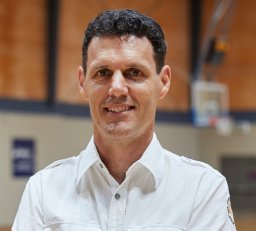 Chris Whatman合作论文数Institute of Sport & Recreation Research New Zealand, Auckland University of Technology22
 Sierra Keung合作论文数17
 Marelise Badenhorst合作论文数Institute of Sport and Exercise Medicine (ISEM) Division of Orthopaedic Surgery, Stellenbosch University16S John Sullivan合作论文数14
 Amanda Clacy合作论文数14
 Gisela Sole合作论文数School of Physiotherapy, University of Otago13
 Janelle Romanchuk合作论文数Hlth Safety & Welf, New Zealand Rugby Union12Ian Murphy合作论文数9
 Johna Register-Mihalik合作论文数Department of Exercise and Sport Science, College of Arts and Sciences, The University of North Carolina at Chapel Hill9
 Zachary Yukio Kerr合作论文数Department of Exercise and Sport Science, College of Arts and Sciences, The University of North Carolina at Chapel Hill9
 Kirsten Spencer合作论文数Sport Technol Res Grp, Auckland Univ Technol7
 James Brown合作论文数Leeds Beckett University6
 Sarah-Kate Millar合作论文数Auckland University of Technology6Godbold Rosemary合作论文数6
 Jason Chua合作论文数Otago Med Sch, Univ Otago5
 Oliver W. A. Wilson合作论文数Dept Kinesiol, Penn State Univ5
 Patricia Lucas合作论文数University of Bristol Bristol5Deborah Payne合作论文数Departments of Microbiology, Dermatology, and Obstetrics and Gynecology, University of Texas Medical Branch;and Department of Laboratory Medicine, Henderson General Hospital;Henderson General Hospital, University of Texas Medical Branch5
 Rex W Thomson合作论文数4Jennifer Nikolai合作论文数3Karen Rasmussen合作论文数3Andrew Lenton合作论文数3
 Mark L Fulcher合作论文数3
 Adrian Farnham合作论文数3
 Michael Naylor合作论文数University of Michigan;Southern New Hampshire University;Washtenaw Community College3
 Alice Theadom合作论文数Faculty of Health and Environmental Sciences, Auckland University of Technology;National Institute for Stroke and Applied Neurosciences, Auckland University of Technology3
 Jenny C Clarke合作论文数3
 Amanda Lees合作论文数3
 Anthony R.H. Oldham合作论文数3
 Philip Schluter合作论文数University of Canterbury3
 Pedro Silva合作论文数Electromechanical Department, University of Beira Interior3Simone Spencer合作论文数2Klazina Van Der Vis合作论文数2Jody McGowan合作论文数2
 Jeremy William Hapeta合作论文数Sch Sport Exercise & Nutr, Massey Univ2
 Ahmed Rachid合作论文数Laboratory of Innovative Technologies, University of Picardie Jules Verne2
 John O'Sullivan合作论文数School of Medical Sciences, Faculty of Medicine and Health, The University of Sydney2
 Justin Andrew Richards合作论文数2England Mike合作论文数2
 Harrison Craig B合作论文数a Sports Performance Research Institute New Zealand, AUT University2
 Trish Bradbury合作论文数2
 Patria A. Hume合作论文数Faculty of Health and Environmental Science, Sports Performance Research Institute New Zealand (SPRINZ), Auckland University of Technology2
 Duncan A. Reid合作论文数2P. Hume合作论文数1Jules Lough合作论文数1
 Chris Krageloh合作论文数1
 Dwayne Woolliams合作论文数Sch Sport & Recreat, Auckland Univ Technol1
 Dion Enari合作论文数Sch Sport & Recreat, Auckland Univ Technol1




