Cancer survivors often experience long-term consequences affecting their Health-Related Quality of Life (HRQoL). Sociodemographic factors, clinical characteristics, and health-related behaviours influence HRQoL, making some individuals vulnerable to adverse HRQoL. This study develops linear regression and machine learning models to predict HRQoL two-year post-diagnosis and to identify key vulnerability factors. This longitudinal study included data of survivors of seven cancer types. Nineteen predictor variables were derived from questionnaires completed within three months post-diagnosis (baseline) from the Netherlands Cancer Registry. Linear regression, random forest, XGBoost, neural network, and Support Vector Machine (SVM) regressors were employed to predict the EORTC QLQ-C30 summary score 1.5–2.5 years post-diagnosis. Permutation testing assessed vulnerability factors. The analyses included 4,538 individuals. All models achieved similar R2 (0.3) and RMSE (9) scores. Linear regression, random forest, XGBoost, and SVM models identified lower physical, cognitive, and emotional functioning at diagnosis, along with more comorbidities, cancer type (especially endometrial), and higher BMI as the top vulnerability factors. Treatment, age, and education were not associated with vulnerability. All models tended to overestimate low HRQoL which might be due to the limited number of observations with low HRQoL values. The predictors used in this analysis explained only 30
Studies on patient-reported outcomes (PROs) among cancer survivors are increasing but are most often limited to PRO and clinical data. To better understand the underlying biological mechanisms that mediate a decline in health after cancer, several PROFILES-registry studies were enriched with biological data. This paper summarizes lessons learned from collecting blood samples to obtain biomarker data among survivors and controls in large-scale ambulatory cohort studies. These lessons address financial challenges, ethical issues, insurance, legal matters, standardization of assessment, recruitment, communication with participants, lab facilities and protocols, transportation, the need for a biobank, and the value of a normative population. We also describe our experiences with collecting remote blood samples in these studies among cancer patient populations and a study in our normative population to illustrate these issues further.
The European Organisation for the Research and Treatment of Cancer Myeloma module (EORTC QLQ-MY20) assesses health-related quality of life in patients with multiple myeloma (MM). Treatment advances and increased survival rates prompted the conduct of the assessment of the content validity of the QLQ-MY20 and inform modification. Two literature reviews were conducted to generate a list of MM issues and review measurement properties. Patients (n = 93) and healthcare professionals (n = 20), largely across Europe, were interviewed to assess the relevance/importance and identify any missing issues from the list, (inclusive of original MY20 issues). Pre-specified criteria were used to retain important/relevant issues specific to MM and/or MM treatment. A conceptual framework was developed based on the elicited issues. The resulting conceptual framework for 24 provisional items included domains of pain, neuropathy, infection, edema, tiredness, weight loss, ocular, oral, restlessness/agitation, and hair loss. Eleven items assessed issues captured by the original QLQ-MY20. New items aim to capture the current MM disease experience including side effects of novel MM therapies. Preliminary evaluation of psychometric properties and international validation field testing of the proposed 24 item module is planned following debriefing interviews with MM patients to identify/rectify potential problems in administration and to identify missing/redundant concepts.
Bij onderzoekers in het psychosociaal oncologisch onderzoek werd geïnventariseerd welke rol diversiteit en inclusiviteit in hun onderzoek spelen, welke barrières ze ervaren en welke strategieën ze toepassen om hun onderzoek representatiever te maken. Onderzoekers op de mailinglijst van het Psychosociaal Oncologisch OnderzoeksCOnsortium Nederland ontvingen een online vragenlijst met open en gesloten vragen over diversiteit en inclusiviteit van hun onderzoek, en ervaren barrières en toegepaste strategieën om hun onderzoek inclusiever te maken. Open antwoorden werden thematisch geanalyseerd. Daarnaast werd een online focusgroep in Teams gehouden waarin strategieën werden beoordeeld op verwachte inspanning en effect volgens de Impact Plan Benadering. Alle auteurs namen deel; de focusgroep werd voorgezeten door FM. Ze zijn gepromoveerde onderzoekers binnen de psychologie, epidemiologie en gezondheidswetenschappen. Zestig respondenten vulden de vragenlijst in. Van hen had 28
As the EORTC Quality of Life Group (QLG) approaches its 50th anniversary in 2030, this paper reflects on the group’s development and outlines strategic priorities emerging from its January 2026 strategy meeting. Its more than 1400 current members from 43 countries work to support that patient reported outcomes (PROs) are measured rigorously, interpreted meaningfully, and valued consistently throughout the cancer care pathway. Since the introduction of it’s core questionnaire (EORTC QLQ-C30) in 1993, EORTC QLG measures have become the most widely used in cancer research worldwide. As the cancer care landscape becomes increasingly complex, we highlight the QLG’s ongoing impact and long-term sustainability, with the aim of inspiring other international research and oncology networks. We summarise key developments to date, including the design of its modular measurement strategy, whereby core questionnaires are complemented by additional modules and items from the Item Library. Subsequent initiatives have focused on enhancing the relevance and usability of measures in cancer clinical trials, increasing measurement flexibility to support a broader range of purposes including survivorship, economic evaluation, and routine clinical care, and facilitating outcomes interpretation. Our future work will both sustain the legacy of the past 45 years and shape the next era. We outline ongoing developments within the group and the wider research landscape that underscore the need for a clear future strategy, structured around six pillars: Innovation, research, methodology, and implementation; Policy, stakeholder management, and global outreach; Leadership and funding; Internal collaboration; People development; Patient engagement.
ObjectivesThe primary objective of this project was to explore the challenges related to the implementation of patient-reported outcome measures (PROMs) in myeloma, lymphoma and leukaemia patients undergoing chimeric antigen receptor T-cell (CAR-T) and T Cell engager bispecific antibody (BsAbs) therapies. The secondary aims focused on identifying and promoting opportunities to optimise PROM use for improved alignment, consistency, and interpretability of PROM data related to these innovative treatments.MethodsData was collected through online focus groups and interviews with patients, carers, representatives of patient organisations from myeloma, lymphoma, leukaemia communities, researchers, industry, regulatory and payer representatives. The information was transcribed for qualitative thematic analysis, using a deductive–inductive mixed approach.ResultsA total of 38 individuals participated; 14 interviews were conducted with 16 participants and two focus groups were conducted with 15 and 19 participants in each. Challenges reported included the unique complexities within trials of CAR-T and BsAbs in haematologic cancers such as the logistical challenges in the early post-infusion period for CAR-T and the wide variety of different BsAbs side-effects for patients occurring over different time periods. Further difficulties included balancing stakeholders’ expectations, and uncertainties about what to measure and when.ConclusionsCAR-T and BsAbs therapies present distinct challenges for PROM to capture treatment-related side effects and burden accurately. Use of generic and disease-specific instruments risk missing key elements of patients’ experiences and the use of ad-hoc strategies to complement these tools presents challenges for evidence synthesis. Clearer guidance, including early high-frequency assessments, systematic inclusion of patient-important domains currently under-captured, continued PRO data collection beyond clinical progression and transparent and comprehensive reporting of PRO findings will lead to substantial improvements in understanding the impact of CAR-T and BsAbs treatments.
Symptoms after cancer and its treatment challenge the well-being of cancer survivors. Little is known about symptom co-occurrence and the burden experienced by cancer survivors. This study aims to estimate a symptom burden measure based on symptom clusters using self-reported symptoms in cancer survivors. The study utilized data on 40,766 cancer survivors (i.e., breast, prostate, colon, rectum, lung, melanoma, lymphoma, head/neck) diagnosed 2010-2019 from the Danish nationwide SEQUEL cohort. Twenty-two symptoms were assessed 2-12-years after diagnosis using validated self-reported instruments. Symptom severity was dichotomized into none/low versus moderate/severe. Exploratory factor analysis derived a structural equation model (SEM) describing the co-occurrence of symptoms in terms of latent variables (symptom clusters) from a subset of data (training data, n=28,076). Symptom scores for each cluster were estimated from the SEM and used as measures of symptom burden across cancer types in the remaining data (test data=9,366). The SEM included six symptom clusters: a pain-fatigue cluster, peripheral neuropathy and oedema cluster, gastrointestinal and urological symptoms cluster, psychological symptoms cluster, head and neck region symptoms cluster, and respiratory symptoms and infections cluster. Survivors of lymphoma, lung, and head/neck cancer had a higher symptom burden across all six clusters. Our study is the first to propose the use of SEM to quantify symptom burden in cancer survivors and demonstrate robust summaries of symptom burden across six symptom clusters. This approach may facilitate more nuanced comparisons of symptom burden across clinical and demographic groups and support targeted symptom management.
BACKGROUND:This study aimed to determine whether: 1) sleep quality was associated with overall survival (OS) among a heterogeneous sample of cancer survivors; 2) this association differed per cancer diagnosis; 3) aspects of sleep quality (e.g., sleep latency, daytime dysfunction) were associated with OS among a subsample of colorectal cancer (CRC) survivors; and 4) adjustment for depressive symptoms changed these associations. METHODS:Several cohorts from the population-based PROFILES registry, including adult cancer survivors diagnosed between 1990 and 2014 with 11 cancer diagnoses, were used. Data on sleep quality (3 categories: no, non-clinically, and clinically important sleep quality impairment) was collected through the insomnia scale of the EORTC QLQ-C30 and the PSQI for CRC survivors only (n = 1245). Clinical data were obtained through the Netherlands Cancer Registry. Cox regression analysis was used to assess adjusted hazard ratios (HRs). RESULTS:7195 participants were included, of which 36 % died (median follow-up since inclusion, 9 years). Clinically impaired sleep quality was associated with lower OS (HR, 1.17[1.05; 1.30]) compared to no sleep problems. Stratification by cancer diagnosis suggested a consistent pattern. After adjusting for depressive symptoms, sleep quality was no longer significantly associated with OS (HR, 1.10[0.97; 1.24]). Daytime dysfunction and long sleep duration were significantly associated with lower OS in CRC survivors, also after adjustment for depressive symptoms. CONCLUSION:Cancer patients reporting clinically low sleep quality had a lower OS. However, this might be partly explained by patients' depressive symptoms. In CRC survivors, daytime dysfunction and long sleep duration were, independent of depressive symptoms, related to lower OS.
ABSTRACT Comprehensive insights are lacking into why patients with hematological malignancies (HMs) receive no cancer‐directed treatment. We evaluated socio‐demographic and cancer‐related characteristics, decision‐making rationales, and overall survival in patients with three common HMs―diffuse large B‐cell lymphoma (DLBCL), symptomatic multiple myeloma (MM), and acute myeloid leukemia (AML)―who do not receive cancer‐directed treatment, using the nationwide Netherlands Cancer Registry. A total of 26 945 patients diagnosed with DLBCL (47%), symptomatic MM (29%), or AML (25%) between 2014 and 2021 were included. About 16% of the patients did not receive cancer‐directed treatment, ranging from 26% in AML to 15% in DLBCL and 10% in MM. The primary reason for not receiving cancer‐directed treatment in all three HMs was related to physical condition. The second main reason was patient/family choice in DLBCL and MM, whereas in AML it was rapid disease progression. In female patients, patient/family choice was a more prevalent reason for not receiving cancer‐directed treatment than in male patients. Patients with a lower socio‐economic position more often did not receive cancer‐directed treatment. Median OS varied by reason for not receiving cancer‐directed treatment, with the shortest OS in patients experiencing rapid disease progression or death before treatment initiation (0·4 to 0·6 months).
ABSTRACT:Patient-reported outcomes (PROs) give direct insights into the treatment's impact on patient's life and complement clinical outcomes. However, since the advent of chimeric antigen receptor T-cell therapy (CAR-T), PROs have been underreported. Particularly, little is known about long-term health-related quality of life (HRQoL) and dimensions such as mental- and social well-being, working life, and financial burden. Therefore, we evaluated multidimensional PROs in a cross-sectional study among European patients who received CAR-T for hematologic malignancies. Patients completed validated questionnaires (EQ-5D-5L/EORTC-QLQ-C30/PCL-5/modified-iPCQ) and ad hoc items on treatment experiences, unmet care needs, and HRQoL. The survey was available online (January-October 2023) in 7 languages. Outcomes were compared with the European general population, a matched CAR-T-naive cohort with hematologic malignancies and across subgroups, using established thresholds for clinically important differences/problems and regression models. From 10 European countries, 389 patients participated (>1 year post-CAR-T: 56%). Mean EQ-VAS was 73.1 (standard deviation, 18.5). HRQoL was similar or better than reference cohorts, except for role-, social-, and cognitive-functioning. Physical-functioning problems were most frequently reported (41%), particularly by women, older individuals, and those who experienced neurotoxicity. The latter subgroup also reported more cognitive- and social-functioning problems. Anxiety regarding disease recurrence (76%), infections (66%) and long-term side effects (59%) was common. Among working-age patients, 72% could continue paid work after CAR-T. Younger patients (32%) reported more financial difficulties than older patients (9%). This study shows favorable general HRQoL after CAR-T compared with reference cohorts. However, a notable proportion of patients experienced problems in physical-, mental- and social well-being. We identified high-risk subgroups and care needs that should be addressed during follow-up.
OBJECTIVES:Across patient-reported outcome measures (PROMs), the European Organization of Research and Treatment of Cancer Quality of Life Questionnaire Core 30 (EORTC QLQ-C30) is one of the most widely used among patients with cancer. Patients may also complete other PROMs such as forms of the Patient-Reported Outcomes Measurement Information System (PROMIS®). The objective of this study was to develop crosswalks between the EORTC QLQ-C30 physical, role, social and emotional functioning, fatigue and global health status/quality of life (QoL) scales and their corresponding PROMIS® scales. STUDY DESIGN AND SETTING:In a single group-design, using the Netherlands Patient-Reported Outcomes Following Initial Treatment and Long-term Evaluation of Survivorship (PROFILES) registry, patients of various cancers were invited to complete the EORTC QLQ-C30 and PROMIS® forms from September to December 2022. Data were randomly divided into a calibration and validation set. Crosswalks were developed using equipercentile equating and their predictive performance was assessed in terms of standardized mean absolute errors (SMAEs) and intraclass correlations (ICCs). RESULTS:The total sample consisted of 1972 cancer patients (mean age 61 years; 55% female). We developed 15 crosswalks. Their SMAE was generally satisfactory (below 0.50) and comparable in the calibration and validation datasets. The highest precision was found for the physical functioning and fatigue crosswalks, followed by role functioning, emotional functioning and depression. The lowest precision was found for the EORTC QLQ-C30 to PROMIS® general health, general QoL, and anxiety scores. Almost all ICC were above 0.70, except for EORTC QLQ-C30 to PROMIS® anxiety/depression and PROMIS® to EORTC social functioning. CONCLUSION:We developed valid crosswalks for multiple scales of the EORTC QLQ-C30 and PROMIS®. The established concordance tables can be used to convert scores in both directions and are valid for group level analyses. The crosswalks from EORTC emotional functioning toward PROMIS® anxiety and depression demonstrate suboptimal performance and should therefore be used carefully.
Dexrazoxane has been studied for its ability to prevent anthracycline-induced cardiac dysfunction (AICD) in several trials but its use in clinical practice remains limited. This is related to the low to moderate quality of the generated evidence, safety concerns and restricted prescribing indications. Additional randomized trials are needed before this drug can be routinely integrated into cardio-oncology clinical practice. To describe the rationale and design of the HOVON 170 DLBCL – ANTICIPATE trial. This trial aims to establish the efficacy and safety of dexrazoxane for the primary prevention of AICD in patients diagnosed with Diffuse Large B-Cell Lymphoma (DLBCL) treated with six cycles R-CHOP21 chemo-immunotherapy. This is a multicenter, parallel-group, open-label, phase III trial, randomizing 324 patients between either no cardioprotective treatment or dexrazoxane from the first R-CHOP cycle. The primary and co-primary endpoints are the incidence of AICD within 12 months of registration and the percentage of patients with complete metabolic remission at the end-of-treatment PET-CT respectively. The trial is registered at the EU Clinical Trials Register (EU-CT number 2023-505377-32) and ClinicalTrials.gov (NCT06220032). The medical research ethics committee approved the trial in May 2024. Recruitment has started in September 2024 and is expected to last for three years. This trial is poised to contribute crucial evidence concerning the efficacy and safety on the use of dexrazoxane in the primary prevention of AICD. The trial is anticipated to address critical knowledge gaps and offer important insights into the value of dexrazoxane in cardio-oncology practice.
We investigated the course of fatigue, neuropathy, psychological distress and their impact on HRQoL among diffuse large B-Cell Lymphoma (DLBCL) survivors up to 13 years after diagnosis, and compared it to an age- and sex-matched population. DLBCL survivors diagnosed between 2004 and 2011, who survived ≥ 1 year were selected from the Netherlands Cancer Registry. Survivors completed annual questionnaires 2009-2019, including EORTC QLQ-C30, EORTC CLL-17 and the Hospital Anxiety and Depression Scale. Linear mixed models were used to assess symptom trends and HRQoL associations over time. 302 survivors (response rate 84%) completed a median of three questionnaires. Fatigue improved slightly over time but neuropathy and psychological distress remained unchanged; persistent symptoms were reported by 25%, 28%, and 23% of survivors, respectively. Having two or more comorbidities was associated with higher symptom levels (βfatigue = 7.8, p-value < 0.001; βneuropathy = 6.7, p-value = 0.003; βpsychological distress = 2.2, p-value < 0.001). Having received seven to eight cycles of (R-)CHOP14 was associated with higher neuropathy levels (β = 14.5, p < 0.001) and non-(R-)CHOP treatments were associated to high fatigue levels (β = 14.0, p-value = 0.02) and psychological distress (β = 4.3, p-value = 0.01). Higher symptom levels were associated with poorer HRQoL. One in four DLBCL survivors reported persistent fatigue, neuropathy or psychological distress, negatively impacting their HRQoL. Routine symptom monitoring is essential to identify needs and guide supportive care referrals.
Health literacy (HL) has been found to affect perceived information provision (PIP), satisfaction with information provision, and health-related quality of life (HRQoL) in patients with cancer. Patients with a rare cancer are confronted with challenges, such as a lack of information. The aim of this study was to explore the impact of HL on PIP, satisfaction with information provision, and on HRQoL in rare compared to common cancer patients.A population-based study was conducted using the PROFILES registry. Patients with rare (n = 385) and common (n = 1,692) cancer were included. Within group associations (low/medium HL, high HL, rare cancer, common cancer) were assessed. Regression analyses were used to assess associations between HL, PIP, satisfaction, and HRQoL, taking cancer group into account.Within the low/medium HL group, no statistically significant differences were found between rare and common cancer patients. Yet, within the high HL group, rare cancer patients scored significantly lower on all PIP-categories (except PIP-medical tests), satisfaction and HRQoL. Within the rare cancer group, patients with low/medium HL scored lower, compared to those with high HL, on PIP-medical tests and PIP-treatment, while within the common cancer group, patients with low/medium HL scored lower on all PIP-categories, satisfaction and HRQoL (all: p<0.05).Information needs might vary between patients with a different HL level and/or cancer group. Healthcare professionals should take individual needs into account, with a special focus on patients with a rare cancer and low/medium HL, in order to convey information in an understandable, patient-tailored way.
With the increasing prevalence of comorbidity in an ageing population, it is crucial to better understand the impact of comorbidity on health-related quality of life (HRQoL) after lymphoma or multiple myeloma (MM) diagnosis. We included 261 newly diagnosed patients (67
 Lonneke van de Poll合作论文数58
 Floortje Mols合作论文数CoRPS - Center of Research on Psychology in Somatic Diseases, Tilburg University42
 Olga Husson合作论文数CoRPS - Center of Research on Psychology in Somatic diseases, Tilburg University27
 Nicole Ezendam合作论文数19
 Lindy Arts合作论文数14
 Kim Cocks合作论文数Clinical Trials Research House, University of Leeds14
 Belle de Rooij合作论文数CoRPS - Center of Research on Psychological and Somatic Disorders, Tilburg University13
 Schoormans Dounya合作论文数13Nijziel Marten R合作论文数13Charalampia Kyriakou合作论文数12
 Djamila E Issa合作论文数11
 Anne Bredart合作论文数Institut Curie11
 Carien Creutzberg合作论文数Department of Radiation Oncology, Leiden University Medical Center;Faculteit Geneeskunde, Leiden University10
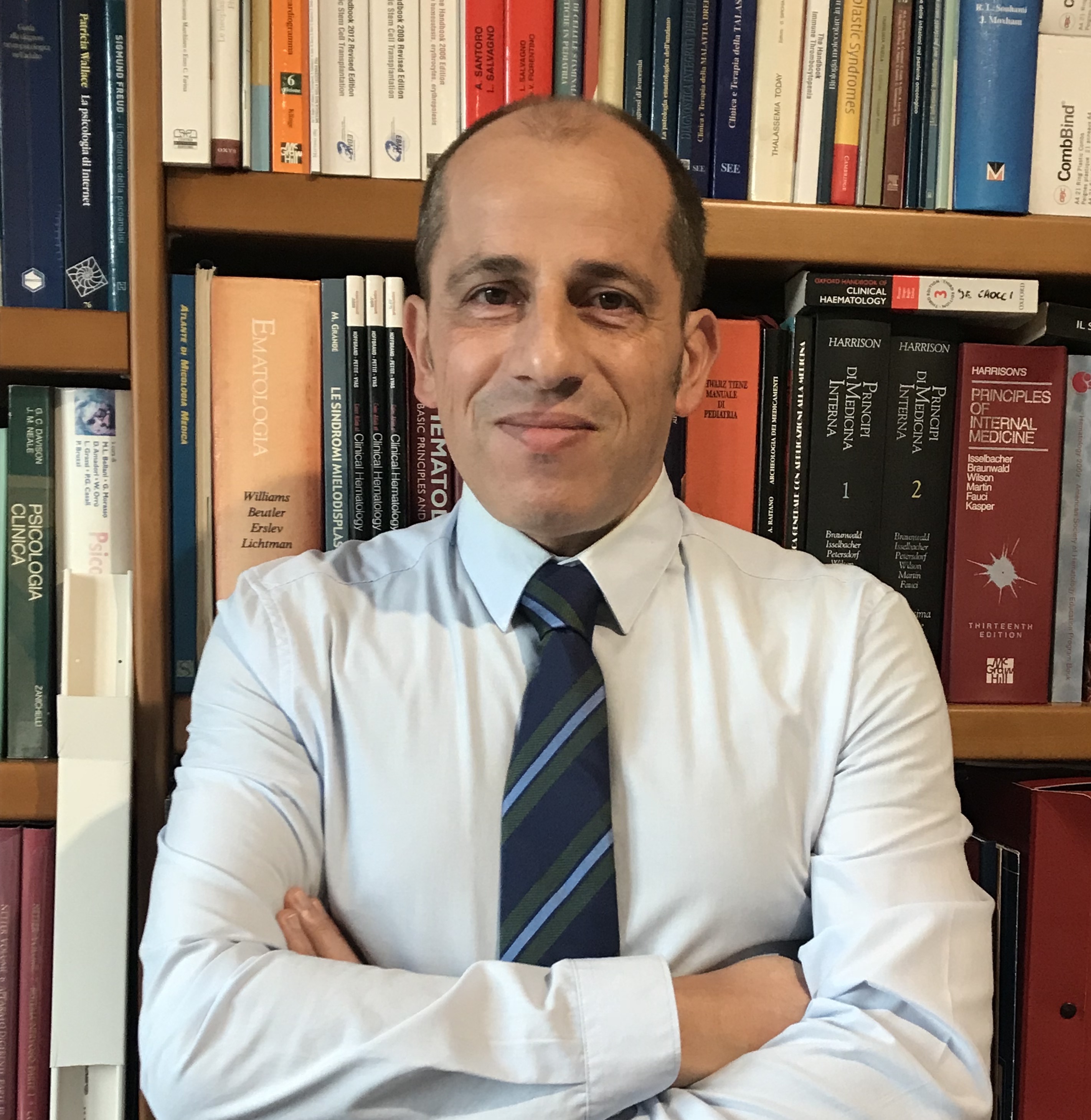 Giovanni Caocci合作论文数Dipartimento di Scienze mediche e sanità pubblica, Università degli Studi di Cagliari10Nicole Horevoorts合作论文数9Eduardus F M Posthuma合作论文数9L.V. Van De Poll-Franse合作论文数9L. van de Poll-Franse合作论文数7Lidwine W Tick合作论文数7
 Jan Willem Coebergh合作论文数Department of Public Health, Erasmus University Medical Center7
 Fabio Efficace合作论文数7
 Sally J Wheelwright合作论文数School of Health Sciences, Faculty of Environmental and Life Sciences, University of Southampton7Afke Ekels合作论文数6Johannes M Giesinger合作论文数Department of Psychiatry and Psychotherapy, Innsbruck Medical University6Kieffer Jacobien M合作论文数6
 Omar Shamieh合作论文数6
 Sandra Beijer合作论文数Maastricht UMC+6
 Meeke Hoedjes合作论文数6
 Stefano Molica合作论文数Hull University Teaching Hospitals NHS Trust;Azienda Ospedaliera Pugliese Ciaccio6Geraldine R Vink合作论文数5
 Jens Lehmann合作论文数Univ Hosp Psychiat 2, Med Univ Innsbruck5
 S. Malak合作论文数5
 Raijmakers Natasja合作论文数Department of Medical Oncology, Erasmus MC Rotterdam5
 Pieter Sonneveld合作论文数Erasmus University Rotterdam;Department of Hematology, Erasmus MC5
 Neil Aaronson合作论文数Division of Psychosocial Research & Epidemiology, The Netherlands Cancer Institute5
 Duska Petranovic合作论文数Department of Haematology, Rijeka University Hospital5
 Krzysztof Tomaszewski合作论文数4
 Waleed Alrjoub合作论文数4d fitzsimmons合作论文数4
 Laura Grant合作论文数4
 Christian Scholz合作论文数Dept Haematol & Med Oncol, Vivantes Hosp Urban4
 Tracey A Young合作论文数Regent Court (ScHARR), University of Sheffield4Pallis Athanasios G合作论文数Department of Medical Oncology, University General Hospital of Heraklion4
 Pauline A J Vissers合作论文数Integraal Kankercentrum Nederland4
 Noortje Thielen合作论文数4Peter Fayers合作论文数Institute of Applied Health Sciences, University of Aberdeen;School of Medicine, Medical Sciences & Nutrition, University of Aberdeen4
 Francesco Cottone合作论文数4Tolley Chloe合作论文数4




