Water is one of the most vital natural resources and is essential to a nation’s socioeconomic growth. Rivers continue to be the primary source of surface water, nonetheless. About 252.8 million hectares make up the whole catchment area of India’s many big, medium and minor rivers. The Indian subcontinent’s largest river basin is the Ganga basin. It originated in the state of Uttarakhand and occupies more than one-fourth of the nation’s land area. The Ganga basin is home to around half of the country’s class 1 and class 2 towns, most of which dispose of their waste in the Gangetic River system. The increasing pollution of river systems poses a significant challenge to water quality management and public health. In this study, total 18 water samples were collected from different locations to evaluate the Ganga River’s physicochemical and microbiological quality from Uttarakhand (Gaumukh) to the Bay of Bengal (Gangasagar) to determine the effects of anthropogenic activities. The study utilized crisp data summaries of key water quality parameters, including pH, total dissolved solids, total suspended solids, biochemical oxygen demand, chemical oxygen demand, and total coliform, guided by the distribution of waste discharge points. The most probable number (MPN) test is the important and observable method employed here to assess the estimation of coliform count; biochemical tests were performed for the characterisation of the bacteria isolated. An analysis of the whole Ganga River revealed that the overall middle stretch has more anthropogenic activities than the upper and lower stretch. In this study, the quantity of indicator bacteria found in the sacred Ganga water will be the main emphasis, and the water quality and health implications will be extensively examined. Since water is essential to all living things, including humans, and its quality and cleanliness are important for human health, particularly when considering microbial contamination.
Abiotic stress is widely used to drive lipid accumulation in microalgae, yet stress is typically applied as a binary treatment, leaving the dose dependence and the point at which beneficial stimulation gives way to damage - poorly defined. Here we resolve the ultraviolet-B (UV-B) intensity dose-response of two green microalgae, C. vulgaris and C. humicola , across a graded series (0, 5, 10, 15 W m − 2 ; with an additional 20 W m − 2 level for photochemistry) and analyse it within a formal hormesis framework. Storage-associated products followed biphasic dose-response curves with optima at 7–10 W m − 2 : total lipid increased by up to 286% in C. vulgaris and protein by 212% in C. humicola , while carotenoid and chlorophyll a peaked near 7 W m − 2 . In contrast, oxidative-damage markers (malondialdehyde, H 2 O 2 , electrolyte leakage) and antioxidant defenses rose monotonically through the highest dose, and photosystem II (PSII) efficiency (F v /F m ) declined from the lowest dose, indicating a photosynthetic cost incurred before the productivity optimum. Model selection decisively favoured biphasic over monotonic fits for the productive parameters (ΔAICc up to 18.6). Multi-response desirability optimization, jointly maximizing lipid, carotenoid and biomass, identified an operational eustress optimum of approximately 8 W m − 2 (7.7 for C. vulgaris , 8.8 for C. humicola ). These results define a quantitative eustress-distress threshold for UV-B and reframe stress-based lipid induction as a tractable dose-optimization problem. As the optimum is interpolated from discrete doses, it should be confirmed with intermediate exposures.
Fungal cell factories serve as a robust platform for sustainable biomanufacturing, owing to their unparalleled metabolic diversity, enzymatic properties, and resilience to diverse environmental conditions. Recent advances in fungal biotechnology have vastly enhanced the potential for fungi to be used in the production of renewable bioenergy and functional biomaterials. Concurrent advances in systems biology, metabolic engineering, and synthetic biology have enabled the fine-tuning of metabolic fluxes to facilitate the enhanced biosynthesis of biofuels, including bioethanol, biodiesel, biogas, and biohydrogen, as well as mycelium-derived biopolymers. The lignocellulolytic fungi like Trichoderma reesei, Aspergillus niger, and Phanerochaete chrysosporium have been the main organisms of focus with respect to engineering, which enhances hydrolytic enzyme excretion, growth on substrates, and redox balance in these fungi. This engineering work parallels a new ability in omics technologies and CRISPR–Cas genome editing, permitting the facilitation and identification of regulation of biosynthetic gene clusters responsible for lipid accumulation, secondary metabolite production, and nanomaterial synthesis in fungi. Furthermore, new fungal-derived biomaterials have been reported, such as chitosan, β-glucans, and mycelium composites, which have been advanced as biodegradable alternatives to plastics and building materials derived from petroleum. This review critically reviews some of the more recent developments in respect of the reprogramming of fungal metabolism, process intensification strategies and integrated biorefinery applications. This will illustrate the convergence of fungal systems biology with the principles of circular bioeconomy and point out the technological, economic, and regulatory bottlenecks which need to be overcome to fully realise the potential of fungi as the biofactories of the future for the sustainable production of energy and materials.
The present study explores the green synthesis of silver nanoparticles (AgNPs) using Stachytarpheta indica extract as a reducing and stabilizing agent. The synthesized nanoparticles were characterized using UV-Vis spectrophotometry, Fourier-transform infrared (FTIR) spectroscopy, and scanning electron microscopy (SEM). UV-Vis analysis confirmed the successful formation of AgNPs with a characteristic surface plasmon resonance (SPR) peak at 420 nm, indicative of well-dispersed and stable nanoparticles. FTIR spectroscopy identified functional groups, such as hydroxyl (-OH) and carbonyl (C=O), involved in nanoparticle stabilization. SEM imaging revealed distinctive floral-shaped nanostructures with an approximate size of 11.5 µm at 1000X magnification, suggesting effective bio-reduction by phytochemicals. These findings align with previous studies on plant-mediated AgNP synthesis, reinforcing the potential of S. indica for eco-friendly nanotechnology applications. The synthesized AgNPs exhibit promising characteristics for antimicrobial and biomedical applications, highlighting their significance in sustainable nanoscience.
The rhizosphere microbiome plays a critical role in plant health and productivity by fostering beneficial microbial interactions that support nutrient cycling, stress tolerance, and disease suppression. In the context of Dendrobium, understanding its interactions is essential for optimizing cultivation and promoting sustainable agricultural practices. This review explores the rhizosphere microbiome of Dendrobium, focusing on the mechanisms and microbial interactions that contribute to plant health, stress tolerance, and growth and their implications for sustainable agriculture. This study highlights the diverse composition of microbial communities in the Dendrobium rhizosphere, including key bacteria (e.g., Pseudomonas fluorescens and Bacillus subtilis), fungi (e.g., Glomus spp.), and biocontrol agents (Trichoderma spp.), and discusses their roles in nutrient cycling, disease suppression, and plant growth promotion. This review emphasizes the significance of plant-microbe signaling, such as the production of flavonoids, phytohormones, and strigolactones, in shaping the microbial environment and enhancing plant resilience. Additionally, it addresses modern techniques for analyzing microbial communities, including metagenomics and next-generation sequencing, and their applications in advancing precision agriculture. Future research should focus on bridging knowledge gaps related to genotype-microbiome interactions, exploring emerging microbial consortia and enhancing the integration of microbiome management in precision agriculture systems to improve plant health and productivity.
The global production of agricultural and food commodities has increased significantly over the past decades to meet the growing demand for food, driven by population growth, urbanization, and changes in dietary habits. This increased production has inevitably led to a substantial rise in the generation of agricultural and food processing wastes, which pose significant environmental challenges. The United Nations Environment Programme (UNEP) Food Waste Index Report 2024 highlights a global annual food waste of 1.05 billion tons. The UNEP plays a crucial role in achieving Sustainable Development Goal (SDG) 12.3, which aims to halve per capita global food waste (FW) at the retail and consumer levels and reduce food losses along production and supply chains globally by 2030. Thus, there is an urgent need to mitigate this accumulating waste through eco-friendly and economically viable techniques. With the advent of circular economy principles, food waste is increasingly being seen as a valuable resource for the production of valuable bioproducts. This review paper discusses innovative processes and technologies driving this transformation. This article emphasizes the imperative of transforming waste biomass residues into value-added products as a key step towards achieving sustainability goals and fostering a circular economy.
Antimicrobial resistance (AMR) represents a critical global health threat, significantly impacting treatment outcomes, increasing mortality, and imposing economic burdens. It also hinders progress towards Sustainable Development Goal (SDG) 3: Good Health and Well-being. Among the most concerning resistant pathogens is Methicillin-resistant Staphylococcus aureus (MRSA), a multidrug-resistant bacterium whose genetic adaptability and rapid evolution have rendered many conventional antibiotics ineffective. The clinical and agricultural use and misuse of antimicrobial agents is hastening the development of resistant strains, and there is an urgent need for new therapeutics to address this issue. Endophytic fungi live asymptomatically within plant tissues and have great potential as a largely unexplored source of structurally diverse secondary metabolites that can exhibit potent antibacterial properties. This review aims to highlight the classes of fungal metabolites that are active against MRSA, including alkaloids, polyketides, terpenoids, peptides, flavonoids, and quinones, while describing their mechanisms of action, which include inhibition of cell wall biosynthesis, disruption of biofilm production, and inhibition of nucleic acid or protein synthesis. The review will also highlight the ecological relevance of endophytes and structure-activity relationships (SAR) as they relate to drug development. By aligning with aspects of the "One Health" prescription for integrating the health of humans, animals, and the environment, the present review highlights the viability of endophytic fungi as compelling players in the global response to AMR-and brings the potential of the use of natural products in a more sustainable manner to promote and develop more antimicrobial strategies in all sectors.
Tremendous increase in anthropogenic activities and natural disasters have created long term negative impacts to the crop productivity as well as on our ecosystem. In the debate regarding the ongoing ecosystem fluctuations, there is a need to explore an efficient, cost-effective, target-oriented and less manpower-based technologies for sustainable development. Microbial engineering provides a better solution for the growth of a healthy environment and higher agricultural productivity over the existing methods and resolved the challenges worldwide related to development of sustainable agriculture and greener ecosystems. In recent years, researchers are working on the development of different advanced microbial engineering strategies such as gene editing, CRISPR/Cas9, and RNAi to enhance the potential of microorganisms towards higher plant productivity and degradation of pollutants. The present review focused on the potential applications of genetically engineered microbial inoculants for sustainable agriculture and greener ecosystem development.
Anthropogenic activities and increasing human population has led to one of the major global problems of heavy metal contamination in ecosystems and to the generation of a huge amount of waste material biomass. Hexavalent chromium [Cr(VI)] is the major contaminant introduced by various industrial effluents and activities into the ecosystem. Cr(VI) is a known mutagen and carcinogen with numerous detrimental effects on the health of humans, plants, and animals, jeopardizing the balance of ecosystems. Therefore, the remediation of such a hazardous toxic metal pollutant from the environment is necessary. Various physical and chemical methods are available for the sequestration of toxic metals. However, adsorption is recognized as a more efficient technology for Cr(VI) remediation. Adsorption by utilizing waste material biomass as adsorbents is a sustainable approach in remediating hazardous pollutants, thus serving the dual purpose of remediating Cr(VI) and exploiting waste material biomass in an eco- friendly manner. Agricultural biomass, industrial residues, forest residues, and food waste are the primary waste material biomass that could be employed, with different strategies, for the efficient sequestration of toxic Cr(VI). This review focuses on the use of diverse waste biomass, such as industrial and agricultural by-products, for the effective remediation of Cr(VI) from aqueous solutions. The review also focuses on the operational conditions that improve Cr(VI) remediation, describes the efficacy of various biomass materials and modifications, and assesses the general sustainability of these approaches to reducing Cr(VI) pollution.
Fruits are food we eat every day. It is usually listed as an entire fruit, juice, beverage, or still drink, etc., on diet charts worldwide. Fruit is a great source of key nutrients such as vitamins, minerals, and antioxidants that help prevent diabetes, cancer, and heart disease. The demand for food that is microbiologically safe has been highlighted in recent years due to rising consumer awareness. In this research primary goal was to isolation of microorganisms from fresh fruit samples and to specify enumeration of bacteria in fresh fruit available in Ayodhya market, Uttar Pradesh, India.
Pollution caused by dyes is a major environmental threat, posing adverse impacts on humans, animals, and plants. Therefore, the remediation of such pollutants is essential to protect the environment. This study aimed to conduct physicochemical and bacteriological analyses of textile wastewater to isolate and identify potential native bacterial strains for the decolorization of Congo red dye. Physical and nutritional process parameters were optimized to achieve maximum decolorization. The biological and chemical oxygen demands of the analyzed textile waste water were found to be above the recommended limits. In this study, 19 Congo red -decolorizing bacteria were isolated, with one bacterial culture capable of growing at a higher dye concentration of 300 mg/L. This bacterium was characterized biochemically and genetically (using 16S rRNA sequencing) and identified as the Pseudomonas aeruginosa MT-2 strain. A maximum decolorization of 94.0% was achieved at an initial dye concentration of 150 mg/L, 35°C, and pH 8.0 under static conditions. The bacterial culture also showed resistance to heavy metals such as arsenic, lead, and chromium. The biodegradation of Congo red dye was confirmed through UV-vis spectral analysis and Fourier transform infrared spectrophotometry. The findings of this study demonstrate the high remediation potential of the MT-2 strain, making it suitable for possible use in dye biodecolorization at contaminated sites.
Hexavalent chromium [Cr (VI)] is considered as a toxic heavy metal in water bodies, posing global environmental and health risks. It has various detrimental impacts on the environment and human beings. The remediation of such toxicants from polluted sites has become essential for the good health of our ecosystem. Adsorption is a sustainable and eco-friendly solution for the efficient removal of such toxic heavy metals. In this study, the potential of an agro-waste material like rice husk (adsorbent) was investigated for remediation of the Cr(VI), and various parameters affecting the adsorption process were optimized to obtain the optimal conditions for effective remediation. By utilizing rice husk, the maximum 96.5% of Cr(VI) remediation efficiency was observed at an initial Cr(VI) level of 100 mg/L, pH 2, temperature 40oC with an adsorbent dosage of 26 g/L. The fourier transform infrared (FTIR) spectroscopy of rice husk with and without Cr (VI) indicated the functional group involvement in the metal adsorption. This study highlights the potential of agricultural waste, rice husk as an effective adsorbent material that may possibly employed in the remediation of Cr (VI) at a larger level.
Plant-microbe interactions are pivotal for ecosystem dynamics and sustainable agriculture, and are influenced by various factors, such as host characteristics, environmental conditions, and human activities. Omics technologies, including genomics, transcriptomics, proteomics, and metabolomics, have revolutionized our understanding of these interactions. Genomics elucidates key genes, transcriptomics reveals gene expression dynamics, proteomics identifies essential proteins, and metabolomics profiles small molecules, thereby offering a holistic perspective. This review synthesizes diverse microbial-plant interactions, showcasing the application of omics in understanding mechanisms, such as nitrogen fixation, systemic resistance induction, mycorrhizal association, and pathogen-host interactions. Despite the challenges of data integration and ethical considerations, omics approaches promise advancements in precision intervention and resilient agricultural practices. Future research should address data integration challenges, enhance omics technology resolution, explore epigenomics, and understand plant-microbe dynamics under diverse conditions. In conclusion, omics technologies hold immense promise for optimizing agricultural strategies and fortifying resilient plant-microbe alliances, paving the way for sustainable agriculture and environmental stewardship.
Competence of microalgae consortia -1 ( Chlorococcum humicola and Tetradesmus sp. ) and consortia -2 ( Chlorococcum humicola, Scenedesmus vacuolatus and Tetradesmus sp. ) was analyzed by examining their adaptability potential in wastewater under different light intensities (20 W/m 2 and 40 W/m 2 ). The results depicted highest decline in nutrients and metal concentration (40 -90%) at light intensity of 40 W/m 2 by consortia -1 and consortia -2 treated with wastewater (50%, 100%). The result of metal remediation was further confirmed by fourier transform infrared spectroscopy (FTIR) which reflected occurrence of different functional groups in selected consortia. Moreover, light intensity of 40 W/m 2 induced neutral -lipid accumulation (1750 cm -1 ) in consortia -1 as depicted in FTIR spectra. The maximum active photosystem-II reaction center (79.75%), quantum yield (26.17%) and performance index (195.8%) revealed that light intensity (40 W/m 2 ) and wastewater augmented functioning of photosystem-II in consortia -1 than consortia -2. Further, consortia -2 appeared more sensitive to oxidative stress as the concentration of oxidative stress markers (5.73 -6.39 folds) was amplified after treatment with wastewater at light intensity of 40 W/m 2 . The prodigious tolerance potential towards different light intensities and wastewater concentration of consortia -1 may be attributed to increased activity of ascorbic acid (1.16 folds), proline (1.32 folds), cysteine (2.80 folds), superoxide dismutase (3.44 folds), catalase (2.52 folds) and glutathione reductase (1.90 folds). However, abundance of saturated fatty acid (41.34%) together with high cetane number (59.07) indicated that consortia 2 can produce excellent quality biofuel at 20 W/m 2 while consortia -2 at 40 W/m 2 . Overall, consortia 1 appeared competent in terms of photosynthetic performance, remediation efficiency and antioxidant defense mechanism under 20 W/m 2 and 40 W/m 2 while consortia -2 showed quality biodiesel production at 20 W/m 2 . Thus, algal consortia based on photosynthetic performance and defense responses along with excellent biodiesel quality under different light intensity and wastewater concentration can serve as the promising biosystem for biomass and bioenergy production.
Magnetic nanoparticles ( MNPs ) are promising tools for biomedical applications, particularly in molecular imaging using magnetic resonance imaging ( MRI ) . The unique magnetic properties of MNPs, combined with their similarity in size to biological objects, make them ideal candidates for in situ imaging probes. The present study explores the use of magnetic nanoparticles ( MNPs ) as contrast agents in magnetic resonance imaging ( MRI ) for improved diagnostic accuracy. Specifically, the study investigates the MR contrast properties of polyethylene glycol-coated gadolinium oxide nanoparticles ( PEG@GONPs ) in fi ve different biological fl uids. The nanoparticles were synthesized using the polyol route and their size, shape, and morphology were characterized using TEM, SEM, and FT-IR spectroscopy. The magnetic resonance ( MR ) relaxivity of PEG@GONPs was studied in different biologically relevant media, and results revealed highest relaxivity in plasma as compared to other media. In addition, comparative analysis of proton relaxivity of the synthesized nanoparticles was carried out with a well-known gadolinium-based contrast agent, Omniscan, in various medium. The present fi ndings revealed that PEG@GONPs can serve as an effective contrast agent for MRI imaging in biological fl uids such as plasma, which is crucial for preclinical diagnosis of specific diseases and lesions. The high relaxivity observed in plasma could be attributed to the interaction of the nanoparticles with plasma proteins, amplifying their magnetic properties which further improve their ability to produce contrast in MR images.
 Rajeeva Gaur合作论文数22
 Prabhash K. Pandey合作论文数Department of Biochemistry, Dr. Ram Manohar Lohia Avadh University19Farrukh Jamal合作论文数17
 Soni Tiwari合作论文数12
 d p singh合作论文数11
 Tripathi Manikant合作论文数Centre of Excellence, Dr. Ram Manohar Lohia Avadh University10
 Atul Kumar Upadhyay合作论文数9Gaur Manogya Kumar合作论文数9Sangram Singh合作论文数8
 Surendra Sarsaiya合作论文数8Tanim Arpit Singh合作论文数Maharaja Ranjit Singh Coll Profess Sci7
 Pradeep Kumar Singh合作论文数Dept Biochem, Dr Rammanohar Lohia Avadh Univ7
 Laxmi Kant Pandey合作论文数Project Directorate on Foot and Mouth Disease, Indian Veterinary Research Institute Campus7
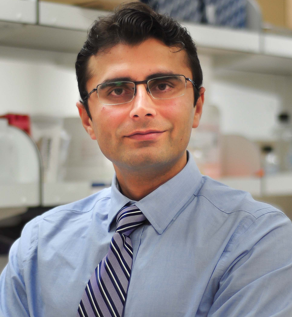 Pankaj K. Singh合作论文数Department of Oncology Science, College of Medicine, University of Oklahoma;Stephenson Cancer Center, University of Oklahoma7Trashi Singh合作论文数5Shikha Bansal合作论文数5
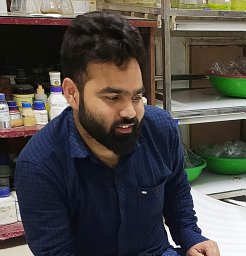 Dig Vijay Singh合作论文数Div Environm Sci, Sher E Kashmir Univ Agr Sci & Technol5
 Pathak Neelam合作论文数Department of Biosciences, Integral University5
 Anupam Guleria合作论文数4Archana Jain合作论文数4
 Saroj Bala合作论文数4
 Prem Chandra合作论文数School for Environmental Sciences, Babasaheb Bhimrao Ambedkar University (A Central) University4
 Krishna Mohan Poluri合作论文数Department of Biochemistry &Molecular Biology, University of Texas Medical Branch;Department of Biochemistry & Molecular Biology, University of Texas Medical Branch4
 Dinesh Kumar合作论文数4
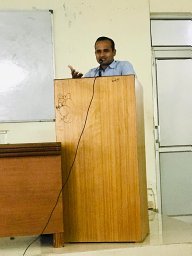 Awadhesh Kumar Shukla合作论文数Faculty of Science, Banaras Hindu University4
 Verma Tuhina合作论文数Department of Microbiology, Dr. R.M.L. Avadh University4Sadanand Maurya合作论文数3
 Babita Thakur合作论文数3Anamika Chaturvedi合作论文数3
 Pranjali Pranjali合作论文数3
 Femina Sobin合作论文数3
 Janardan Yadav合作论文数Jindal Global Business Sch, OP Jindal Global Univ3Saket Mishra合作论文数Madhya Pradesh Pollution Control Board3
 Sukhminderjit Kaur合作论文数Univ Inst Biotechnol, Chandigarh Univ3Lav Singh合作论文数3
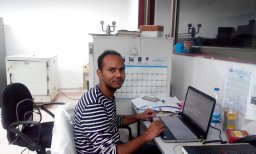 Jayant Dewangan合作论文数Div Toxicol & Expt Med, CSIR Cent Drug Res Inst3
 Shalini Verma合作论文数Dept Appl Mech, Motilal Nehru Natl Inst Technol3
 Sandip Chatterjee合作论文数3Dr Ritu Raj合作论文数3
 Anup K. Ghosh合作论文数Mat Res Lab, Banaras Hindu Univ3
 Atul Upadhyay合作论文数Faculty of Agriculture, University of the Ryukyus3Gauri Saxena合作论文数Department of Botany, Lucknow University3
 Neeraj Khare合作论文数National Physical Laboratory Cryogenics Division Dr K. S. Krishnan Road 110 012 New Delhi India3
 Srikanta Kumar Rath合作论文数Toxicology Division;Central Drug Research Institute;Chhattar Manzil Palace;Chhattar Manzil Palace, Central Drug Research Institute3
 Theeshan Bahorun合作论文数Touro College of Pharmacy, New York, USA3
 Shivaraman Pandey合作论文数2
 Shiv Kumar合作论文数2
 Ashok Kumar合作论文数2
 Piyali Maity合作论文数CUNY, City Coll New York2




