INTRODUCTION:Residents in long-term institutional care (LTIC) settings are at risk of malnutrition, sarcopenia, and frailty. In the Older Persons Exercise and Nutrition (OPEN) randomized study, the impact of exercise and nutrition was analyzed. This secondary analysis focused on caregiver time (CGT). METHODS:The 3-month intervention included repeated sit-to-stand exercises and two protein-enriched supplements daily. CGT was assessed in both dementia and somatic units using the Resource Utilization in Dementia instrument. Non-linear methods were applied due to skewed data. RESULTS:The sample consisted of 102 persons (intervention group [IG] n = 52, control group [CG] n = 50). CGT in the IG was significantly lower at follow-up, adjusted for baseline CGT, in the dementia units, that is, 55 min/day and resident, compared to 83 min/day in the CG (odds ratio 0.668 [0.473-0.945]; p = 0.022). DISCUSSION:A structured exercise and nutrition program was associated with reduced CGT in the dementia, but not the somatic, LTIC units. CLINICAL TRIAL REGISTRATION:This study has been registered with the number protocol of ClinicalTrials.gov Identifier: NCT02702037.
Background:Providing informal care to people with dementia living at home can be challenging and may cause caregiver stress and depression. Interventions delivered through mobile apps provide innovative solutions for community-based social care professionals to address the increasing support needs of family caregivers (FCs) of people with dementia. Objective:This study aimed to examine, among FCs of people with dementia living at home, (1) the potential association between professional support provided through a mobile app and caregiver stress and depressive symptoms, (2) types of support provided through chat interactions between FCs and social care professionals, and (3) how support provided through a mobile app relates to changes in caregiver stress and depressive symptoms. Methods:A mixed methods pilot study integrated quantitative pre- and postintervention data with qualitative logged chat data. FCs of people with dementia living at home (n=35) were recruited to test a tailor-made mobile app over 8 weeks. The primary and secondary outcome measures were caregiver stress and depressive symptoms, respectively. Descriptive statistics were used to summarize sociodemographic factors; inferential statistics were used to analyze mean differences in outcomes pre- and postintervention. FCs were divided into 3 groups based on changes in caregiver stress scores between pre- and postintervention. Generalized linear model analyses determined the association between participation in the intervention and caregiver stress and depressive symptoms, adjusting for age, gender, and relationship to the person with dementia. Logged chat data were analyzed using summative content analysis to identify types of support provided and received. Changes in caregiver stress were integrated with chat data to determine patterns in types of support received. Results:The mean age of FCs was 69.4 (SD 11.9) years, with most being women (28/35, 80%), partners (24/35, 68.6%), and living with the person with dementia (26/35, 74%). The mean score of caregiver stress was marginally higher postintervention (24.1, SD 9.3) than preintervention (23.9, SD 9.2), whereas the mean score of depressive symptoms decreased from pre- (6.5, SD 5.1) to postintervention (6.2, SD 5.2). These differences were not statistically significant. Regression analyses showed that participation in the intervention was not statistically significantly associated with caregiver stress (β=0.171, α=.05; P=.86) or depressive symptoms (β=-0.293, α=.05; P=.75) after adjusting for age, gender, and relationship to the person with dementia. However, mixed methods analysis at the subgroup level suggested that frequent tailored support by social care professionals delivered through a mobile app may reduce caregiver stress among FCs of people with dementia living at home. Conclusions:The study highlights the importance of providing frequent and individualized support to meet the needs of FCs of people with dementia. Findings from this study may help community-based social care providers plan and organize digital support content provided to FCs of people with dementia living at home.
BackgroundThe ageing population and the rise of persons with dementia (PWD) living at home have increased the need for support by family caregivers (FC). Research suggests that most FCs are unprepared for the complex role of informal caregiving. The use of mobile applications (apps) provide a cost-effective and efficient opportunity for community-based social care professionals to provide tailor-made support to FCs. The literature indicates that there are limited mobile apps available to meet the needs of the FCs to PWD living at home. The aim of this study was to explore how social care professionals and FCs to PWD living at home experience providing and receiving support through a tailor-made mobile app named STAV.MethodsA qualitative descriptive design was applied. Data were collected through semi-structured interviews with 11 community-based social care professionals and 19 FCs of PWD living at home. The data were analyzed inductively using thematic analysis.ResultsThe social care professionals and the FCs' experience of providing and receiving support through a mobile app was represented by the following themes: Accessibility to support - Bridging the gap, Engaging from a distance, and Limitations of the support.ConclusionsThis study highlights the need for FCs to PWD to receive support that is tailor-made to their needs as caregivers. The findings from this study can help community-based social care providers plan and organize long-distance support for FCs to PWD living at home. The findings further support the use of a mobile app as a complement to traditional means of support for FCs to PWD which can facilitate their knowledge, awareness, and self-care management.
Drawing on data from ethnographic fieldwork and interprofessional focus group discussions, this study enquires into staff's everyday life on a geriatric ward to explore and understand conditions for engaging in narrative relations in in-patient geriatric care. Avoiding individualistic understandings of narrative practices, we applied a narrative-in-action methodology built on a relational understanding of narrativity, where individual narratives are not separated from social and cultural features. This helped us explore how individual interpretations of the conditions for everyday practices come together with broader social or cultural understandings to gain situated insights about how these are continuously related and reformed by one another in everyday situations of geriatric care. The findings offer insights into the opportunities to engage in narrative relations based on how healthcare staff on a geriatric ward interpret conditions for their practices, and how they act based on such interpretations. While some interpretations were associated with attitudes and activities encouraging narrative relations, others simultaneously thwarted narrative relations by enacting task-orientation, division, or a focus on measurable biomedical or function-related outcomes. Moreover, the findings suggest and discuss consequences of the tensions created as interpretations are enacted in everyday healthcare situations, thus questioning assumptions about conditions as something static and linear.
BACKGROUND:The majority of persons with dementia (PWD) are mainly cared for by their family members in the home. Evidence is however scarce on family caregivers' psychosocial burden and quality of life in Asian countries including Malaysia. This study describes the baseline data of a telephone-delivered psychoeducational intervention study and examines the determinants of outcome measures (caregiver burden, depressive and anxiety symptoms, quality of life and caregiving self-efficacy) among Malaysian family caregivers to PWD. METHODS:This was a cross-sectional study originated from the baseline survey of a randomized control trial of 121 family caregivers recruited from lists of PWD who were registered at memory and psychiatry clinics in three tertiary care hospitals in Malaysia. The participants were assessed for caregiver burden by the Zarit Burden Interview, depressive and anxiety symptoms by the Hospital Anxiety and Depression Scale, quality of life by the Control, Autonomy, Self-Realization, and Pleasure Scale, and caregiving self-efficacy by the Revised Scale for Caregiving Self-Efficacy. RESULTS:Prevalence of caregiver burden was 69.4%, depressive symptoms 32.2% and anxiety symptoms 32.2%. Family caregivers to PWD having perceived peer support e.g., social/family/friend/significant other supports were less likely to report caregiver burden, depressive and anxiety symptoms, and more likely to report higher levels of quality of life and caregiving self-efficacy. Being married and PWD's ability to self-care were associated with lesser likelihood of experiencing caregiver burden, depressive and anxiety symptoms. The other determinants of greater probability of reporting better quality of life were caregivers' employment and having Islamic faith. Marital status (married), PWD's ability to self-care, spousal relationship with PWD and shared caregiving process were associated with higher likelihood of reporting caregiving self-efficacy. CONCLUSION:Caregiver burden, depressive and anxiety symptoms are prevalent in family caregivers to PWD in Malaysia. Social support and caregiving related factors influence family caregivers' quality of life and caregiving self-efficacy. Implementing psychoeducational intervention and support in the psychiatry and memory clinics may help improve the psychosocial burden, quality of life and caregiving self-efficacy in family caregivers of PWD. TRIAL REGISTRATION:ISRCTN14565552 (retrospectively registered).
Background A less developed professional identity negatively influences a person’s mental well-being and is suggested to potentially affect quality of care and thus clients’ well-being. Literature indicates that a strong developed professional identity is to strive for. In Flanders, Belgium, cultural and legislative challenges negatively impact the professional development of occupational therapists.Aim/objectives To explore the professional identity development of Flemish occupational therapists, with a focus on significant events shaped by aspects of self-efficacy.Method Five Flemish occupational therapists were interviewed twice. The semi-structured and open follow-up interviews were all conducted online. Data was analysed by using a narrative- and narrative slopes analysis.Results Similar and unique experiences emerged: occupational therapy appeared as an unexpected career choice, clinical placements were important, getting and staying in the work field has its challenges, and continuously improving themselves. Self-efficacy fluctuated during their whole journey.Conclusion Five unique narratives, raise awareness of potentially vulnerable events in becoming an occupational therapist.Significance This study highlights the importance of actively reflecting on how to support students, novice, and senior therapists in developing and nurturing their professional identity (e.g. continued professional development, strong supervisor relationship, interprofessional education).
Purpose The use of narration in healthcare has been accentuated as a response to the requested shift towards person-centred care. The notion of narrative relations refers to a process of involving several people in mutual and ongoing narrative exchange. This study aimed to explore how and where narrative relations may be adopted and enacted in everyday healthcare practice. Methods The study has a qualitative, explorative design. Seven interprofessional focus group discussions with healthcare staff were prompted by vignettes. A multidisciplinary team of healthcare staff (n = 31) were recruited on a geriatric ward. Data were analysed using a constant comparative method. Results A core theme shows how narrative relations are adopted and enacted both as part of an approved practice—the work procedures commonly approved as part of healthcare, and as a disregarded practice where covert but important narrative relations take place to support fundamental qualities of healthcare. Moreover, the findings consider arenas of healthcare practice where approved or disregarded practices are enacted in the clinic frontstage and the clinic backstage. Conclusions Narrative relations may take place in different arenas of healthcare practice yet simultaneously become a cohesive force interconnecting those arenas and uphold continuity. Impeded narrative relations in one arena may have unintended consequences in another.
AIMS AND OBJECTIVES:To explore healthcare professionals' experiences and reflections about narration in their everyday work.BACKGROUND:The need for integrated and people-centred healthcare for older adults has highlighted the relevance of narration in healthcare practice. Although theoretical foundations vary, different frameworks building on narration have been proposed for translating person-centredness philosophies into practice. However, to understand how theoretical knowledge on narration can be adopted into clinical work, we need to learn how healthcare staff understand narration from their experiential knowledge and practice.DESIGN:The research process followed guidelines from Constructivist Grounded Theory as described by Charmaz. The study adheres to the COREQ guidelines.METHODS:Data collection entailed interprofessional focus groups discussions with healthcare staff (n = 31). Vignettes depicting realistic scenarios were used to encourage participants to reflect on clinical practice. Data were analysed via a constant comparative method.RESULTS:One core theme arose from the analysis. The core theme showed how narration was a relational process that people engaged in to pursue and uphold several foundational qualities in healthcare practice presented in the following subthemes: preventing simplistic understandings of people and situations; supporting trustful relations; supporting continuity and coherence; and learning from coworkers. However, a minor theme raised awareness of narrative relations as a double-edged sword.CONCLUSIONS:By acknowledging the mutual and multifacetted nature of narration in everyday practice, this study shows how healthcare professionals' engagement in narrative relations may contribute to upholding several foundational qualities which resonate with philosophies of person-centredness in everyday healthcare practice.RELEVANCE TO CLINICAL PRACTICE:Recognition of both the advantages and possible risks embedded in narrative relations in healthcare practice emphasises the obligation to collectively reflect on the repercussions of narrative relations in any local context.PATIENT OR PUBLIC CONTRIBUTION:Healthcare professionals contributed by sharing their experiential knowledge and reflections on narration in practice.
Exercise and protein for function and self-confidence - The OPEN model for community care of older persons Experiences from the COVID-19 pandemic indicate the need to introduce care routines for health promotion among recipients of care for older persons. A treatment model with daily repeated sit-to-stand exercises in combination with oral protein supplements twice daily has been evaluated in community care for older persons in the Stockholm Region; the Older Person's Exercise and Nutrition (OPEN) Study. The 3-month controlled study included 102 residents. A substantial part of the residents were able to follow the intervention, and to maintain or improve their chair-rising capacity, while also increasing their weight and muscle mass. Interview studies showed that the participants found the OPEN concept was easy to adopt, gave increased self-confidence and an increased sense of hope. The staff perceived the intervention as a potentially positive concept. The OPEN model is a method that may contribute to a health-promoting way of working in the care of older persons.
Purpose: Health-related quality of life (HRQoL) is an important patient-related outcome for the assessment of interventions and treatments in older people. Understanding underlying mechanisms for HRQoL is crucial for improving care, rehabilitation and symptom relief. This study examined the associations between HRQoL and frailty, sarcopenia, dependence of ADL, physical function and nutritional status in older nursing home (NH) residents. Patients and Methods: This is a cross-sectional study employing baseline data from the Older Person's Exercise and Nutrition (OPEN) study. Residents >= 75 years and able to stand up from seated position, residing in eight nursing homes in Sweden, were recruited. The EuroQoL 5-dimension Questionnaire (EQ-5D-5L, 0-1) was used to assess HRQoL. For exposure, the FRAIL and SARC-F questionnaires, Bergs Balance Scale, Functional Independence Measure (FIM), and Mini Nutritional Assessment-Short Form (MNA-SF) were used, including chair-stand test, walking speed and some biochemical markers. Descriptive and inferential statistics including linear regression models were applied. Results: Data from 113 residents (59% women, mean age 85 years) revealed a mean EQ-5D index of 0.76. After relevant adjustments, factors associated with low HRQoL were sarcopenia (p<0.001), cognitive function (p<0.001), dependence in ADL (p=0.002), low plasma-albumin (p=0.002) and impaired nutritional status (p=0.038). Conclusion: This study displays evidence that modifiable conditions like sarcopenia and malnutrition are related to HRQoL in older NH residents. Such findings indicate a potential for physical exercise, including muscle training, and improved nutritional routines, including protein supplementation, to enhance nursing home care. Future studies, in larger NH populations, on exercise and nutrition for effects on HRQoL are needed.
Objectives: Interindividual response variability to nutrition and exercise interventions is extensive in older adults. A group of nursing home (NH) residents participated in a combined intervention. The objective of this post-hoc analysis was to identify factors associated with intervention response measured by change in physical function and body composition. Design: Post-hoc analyses in the Older Person's Exercise and Nutrition study, a 2-arm randomized trial. The primary outcomes were 30-second Chair Stand Test and composite scores combining physical function and fat-free mass. A secondary outcome was intervention adherence. A 12-week intervention of sit-to-stand exercises and protein-rich nutritional supplements did not improve chair-stand capacity vs control on intention-to-treat basis. Setting and Participants: Residents >75 years of age from dementia and somatic units in eight NHs in Sweden. Methods: Logistic regressions were performed to define factors associated with response (maintenance/ improvement) or nonresponse (deterioration) in 30-second Chair Stand Test, and with intervention adherence. Linear regressions were performed to explore factors associated with response in composite scores. Results: Mean age of participants (n = 52 intervention, n = 49 control) was 85.8 years. Sarcopenia was occurring in 74%. Sarcopenia at baseline (P = .005) and high adherence to nutritional supplements (P = .002) increased the odds of response. Higher independence in daily activities increased the odds of adherence to sit-to-stand exercises (P =.027) and the combined intervention (P = .020). Allocation to the intervention group and higher self-perceived health were associated with higher composite scores. Conclusions and Implications: NH residents with baseline sarcopenia, better self-perceived health, and high adherence to nutritional supplements benefitted most from a combined nutrition and exercise intervention regarding chair-stand capacity and composite scores of function and fat-free mass. Adherence was related to higher grade of independence. Understanding factors associated with response and adherence to an intervention will help target susceptible residents in most need of support and to optimize the outcome. (c) 2021 The Authors. Published by Elsevier Inc. on behalf of AMDA The Society for Post-Acute and Long-Term Care Medicine. This is an open access article under the CC BY-NC-ND license (http:// creativecommons.org/licenses/by-nc-nd/4.0/).
In accordance with Swedish national dementia guidelines, persons with dementia residing in nursing homes should have the possibility to participate in everyday occupations. Securing choices and desires for participating in occupations is challenging due to the nature of dementia and is not evident in empirical studies regarding nursing home residents. to describe gaps in participation in everyday occupations among persons with dementia living in a nursing home, as reported by a proxy respondent. To record the congruence or discrepancy between doing and wanting to do, the Occupational Gaps Questionnaire was used. Results were analysed with descriptive statistics. The respondents scored that over half of the persons with dementia had two or more occupational gaps and one-fourth wanted to participate in minor shopping. However, less than two percent were deemed to do this activity. Persons with dementia living in nursing homes risk restrictions in participation. Securing valuable information regarding individuals’ choices and desires, adhering to the persons' inherent rights to expression, can be the first step in promoting participation in everyday occupations. Occupational therapists with their unique theoretical knowledge can facilitate participation in occupations, supporting the citizenship of nursing home residents.
BACKGROUND:The interactions between nursing home (NH) staff and their residents are crucial not only for the atmosphere at the NH but also for achieving care goals. In order to test the potential effects of daily physical activities (sit-to-stand (STS) exercises) combined with oral nutritional supplementation (ONS), a randomized intervention trial (the Older Person's Exercise and Nutrition (OPEN) Study) was performed in NH residents. One aspect of the study was to interview and report the NH staff's experiences of supporting the residents in fulfilling the intervention.METHODS:In this qualitative study, individual and focus group interviews were performed in eight NH facilities with NH staff who had assisted residents in performing the 12-week ONS/STS intervention. An interview guide developed for this study was used to assess staff experiences of the intervention and its feasibility. The transcribed interviews were analyzed inductively following a constant comparative method and with input from experts in the area, described in Grounded Theory as a reliable technique for researchers to form theory and hypothesis in unexplored areas.RESULTS:Three main themes relating to the health-promoting intervention emerged. These included: 1) insights into attitudes towards health in general and NH care specifically; 2) intervention-related challenges, frustrations and needs, and 3) aspects of collaboration and opportunities. The overarching hypothesis derived from the analysis reads: A health-promoting intervention such as the OPEN-concept has great potential for integration into NH life if a combined empathic and encouraging attitude, and a structure to keep it sustainable, are in place.CONCLUSIONS:NH staff experienced the health-promoting intervention as a potentially positive concept, although it was suggested that it works best if introduced as a general routine in the unit and is integrated into the daily planning of care.TRIAL REGISTRATION:ClinicalTrials.govIdentifier: NCT02702037 . Date of trial registration February 26, 2016. The trial was registered prospectively.
BACKGROUND:Research claims that 'learning by doing' creates new thinking, often leading to new practice.OBJECTIVES:The aim was to explore and describe the staff learning process from the first to the second year when adopting person-centred care into clinical practice in a nursing home for persons with dementia.METHOD:The data consisted of poster texts from staff and written notes by researchers obtained from the group discussions. The study involved 24 care units (200 staff). Content analysis was chosen as method to explore the learning process.RESULT:The staff described the actions that they took during year 1 and year 2, in which five categories emerged, activities, environment, information, priorities and staff routines. With researchers' analysis the categories together created the learning process and formed a sub-theme. They further formed an overarching theme from simplicity to complexity and consensus. Staff changes year 1 pertained more to planning and doing, while year 2 changes constituted a larger complexity of person-centred care with reflection, collaborative learning and a mind-set change.CONCLUSION:Staff chose the development area, and the learning process was illuminated by the researchers. This underscores the value to visualise and verbalise the steps of change as well as include these steps in the design of an implementation process. The concept of person-centred care could be viewed on different levels. The findings may contribute to a more comprehensive understanding of staff learning process when implementation of person-centred care.IMPLICATIONS FOR PRACTICE:Making staff's learning process visible can be a guide for improvement and change from a generic care towards person-centred care. The Regional Board of Research Ethics approved the study (Reg no. 2010/1234-31/5).
Experiences calling for meaning-making, such as encountering moral dilemmas or existential issues, are ineluctable in the everyday circumstances of persons on a geriatric ward, both patients and professionals. Narratives are a key form for constructing meaning and a powerful tool for expressing and understanding subjective experiences related to living and ageing. Furthermore, narratives can contribute to shifting healthcare towards a more person-centred and humane practice. However, there seems to be tension between individualistic and relational understandings of narratives in healthcare, which raises questions about how to access the experiences and stories of older persons in clinical practice. Using ethnographic data, narrative theory and an interpretative methodology, this study explores how narrative meaning-making processes take place and unfold in everyday practice on a geriatric ward, framed in terms of contextual conditions and person-centred care. Our findings are portrayed in narrative vignettes built around everyday situations on the ward and contribute to a processual understanding of how narrative meaning-making and person-centredness may interrelate and come about in everyday practice. Narrative meaning-making can be understood as an essentially intersubjective and ongoing practice that takes place in seemingly mundane activities, and it engages multiple persons whose meaning-making processes are interconnected and mutually affected by one another. An awareness of the opportunities for narrative meaning-making that exist within the interstices of more traditional healthcare procedures reveals neglected spaces for meaning-making, storytelling and partnership.
Objectives: Nursing home (NH) residents are often undernourished and physically inactive, which contributes to sarcopenia and frailty. The Older Person's Exercise and Nutrition Study aimed to investigate the effects of sit-to-stand exercises (STS) integrated into daily care, combined with a protein-rich oral nutritional supplement (ONS), on physical function, nutritional status, body composition, health-related quality of life, and resource use. Design: Residents in 8 NHs were randomized by NH units into an intervention group (IG) or a control group (CG) (n = 60/group). The IG was a combination of STS (4 times/day) and ONS (2 bottles/day providing 600 kcal and 36 g protein) for 12 weeks. Setting and Participants: The participants resided in NH units (dementia and somatic care), were >= 75 years of age, and able to rise from a seated position. Methods: The 30-second Chair Stand Test was the primary outcome. Secondary outcomes were balance, walking speed, dependence in activities of daily living, nutritional status and body composition, health-related quality of life, and resource use. Results: Altogether, 102 residents (age 86 +/- 5 years, 62% female) completed the study. No improvement in the physical function assessments was observed in the IG, whereas body weight increased significantly (2.05 +/- 3.5 kg, P = .013) vs the CG. Twenty-one (of 52) participants with high adherence to the intervention (ie, at least 40% compliance to the combined intervention) increased their fat free mass (2.12 kg (0.13, 4.26 interquartile range), P = .007 vs CG). Logistic regression analyses indicated that the odds ratio for maintained/improved 30-second Chair Stand Test was 3.5 (confidence interval 1.1, 10.9, P = .034) among the participants with high adherence compared with the CG. Conclusions/Implications: Twelve-week intervention of daily STS combined with ONS in NH residents did not improve physical function, but increased body weight. Subgroup analyses indicated that high adherence to the combined intervention was associated with maintained or improved physical function and a gain of fat free mass. (C) 2020 The Author(s). Published by Elsevier Inc. on behalf of AMDA - The Society for Post-Acute and Long-Term Care Medicine. This is an open access article under the CC BY-NC-ND license (http://creativecommons.org/licenses/by-nc-nd/4.0/).
Objectives To study the prevalence and overlap between malnutrition, sarcopenia and frailty in a selected group of nursing home (NH) residents. Design Cross-sectional descriptive study. Setting Nursing homes (NH). Participants 92 residents taking part in an exercise and oral nutritional supplementation study; >75 years old, able to rise from a seated position, body mass index ≤30 kg/m 2 and not receiving protein-rich oral nutritional supplements. Measurements The MNA-SF and Global Leadership Initiative on Malnutrition (GLIM) criteria were used for screening and diagnosis of malnutrition (moderate or severe), respectively. Sarcopenia risk was assessed by the SARC-F Questionnaire (0–10p; ≥4=increased risk), and for diagnosis the European Working Group of Sarcopenia in Older People (EWGSOP2) criteria was used. To screen for frailty the FRAIL Questionnaire (0–5p; 1–2p indicating pre-frailty, and >3p indicating frailty), was employed. Results Average age was 86 years; 62% were women. MNA-SF showed that 30 (33%) people were at risk or malnourished. The GLIM criteria verified malnutrition in 16 (17%) subjects. One third (n=33) was at risk for sarcopenia by SARC-F. Twenty-seven (29%) subjects displayed confirmed sarcopenic according to EWGSOP2. Around 50% (n=47) was assessed as pre-frail or frail. Six people (7%) suffered from all three conditions. Another five (5%) of the residents were simultaneously malnourished and sarcopenic, but not frail, while frailty coexisted with sarcopenia in 10% (n=9) of non-malnourished residents. Twenty-nine (32%) residents were neither malnourished, sarcopenic nor frail. Conclusions In a group of selected NH residents a majority was either (pre) frail (51%), sarcopenic (29%) or malnourished (17%). There were considerable overlaps between the three conditions.
AIMS AND OBJECTIVES To explore and describe how daily work at a nursing home had been influenced by a quality improvement project, from the perspective of direct care staff. BACKGROUND Deficiencies in nursing home care are widely reported, often with a focus on lack of competence among direct care staff. The present trend in quality development in nursing homes brings direct care staff's perspectives into focus through participatory action research approaches. Still, little is known about how staff experience the impact of such projects on their everyday work. DESIGN The study was designed as an interpretive descriptive study, based on interviews with nursing home staff. The methods were conducted in accordance with the SRQR guidelines. RESULTS The analysis revealed that the participants reasoned on whether the improvement project contributed to their possibilities perform their work at the unit for the benefit of the residents. This was strongly connected to their professional pride. The participants reflected on this through three changes generated by the project: (a) participating in project activities-supporting or threatening daily work at the unit, (b) from performing individual duties towards a shared responsibility and (c) confirming and strengthening competence that brings the everyday situation of residents into focus. CONCLUSION The importance of professional pride identified in this study points towards a need for reducing barriers for direct care staff to express and develop competences they regard as part of their professional identity. The findings also shed some light on competence that brings the everyday situation of residents into focus as a driving force behind lack of compliance and resistance to change. RELEVANCE TO CLINICAL PRACTICE The findings indicate a call for quality development designs to reduce barriers for care staff to express and develop knowledge that they regard as part of their professional identity.
Poor nutrition and age per see add to the development of sarcopenia, i.e. loss of muscle mass and strength, which contributes to increased risk of impaired activities of daily living (ADL) and reduced independence. Protein deficiency plays an important role in the development of sarcopenia. In order to increase the muscle mass protein intake should be combined with physical exercise. A daily physical activity, the sit-to-stand exercise, has been proven to decrease older persons’ dependence in ADL. Our study aims to evaluate the effects of the sit-to-stand exercise in combination with a protein-rich nutritional supplement, on physical function and independence in frail nursing home residents. The resident’s perceptions and experiences of the intervention and the staff’s experiences of supporting the resident to complete the intervention will also be explored.
The aim was to describe the experiences of some university students and the effect on their own learning and professional development by participating in an exchange program. Data were derived from two focus group interviews with students (n=12) who enrolled in a 12-week international exchange program between: (a) the occupational therapy education department at the Institute of Allied Health and Management Sciences in Kampala and its equivalent b) the Karolinska Institutet (KI), Sweden. The findings comprised five categories reflecting the students learning experiences: (1) Learning through the unfamiliar, (2) Differences as catalysts for professional learning, (3) The importance of interaction with others for beneficial learning, (4) Learning related changes in professional identity and one's own persona, and (5) Experienced transfer of learning toward a sustainable lifelong learning style. The findings reflected a spectra of similarities between the students, almost regardless of their background and culture, also that students can learn substantially by being confronted by the unfamiliarity during an international exchange.
 Anne-Marie Bostrom合作论文数Department of Neurobiology, Care Sciences and Society, Karolinska Institutet13
 Tommy Cederholm合作论文数Department of Public Health and Caring Sciences, Uppsala University7
 Anders Wimo合作论文数7Staffan Josephsson合作论文数7Helena Grönstedt合作论文数6
 Franzén Erika合作论文数6Gerd Faxen Irving合作论文数5Åke Seiger合作论文数5
 Kristina Kindblom合作论文数4
 Lisa Herulf Scholander合作论文数4
 Lena Borell合作论文数4David Edvardsson合作论文数4Saarnio Lotta合作论文数3
 Yvette C Luiking合作论文数From the Gastrointestinal Motility Unit, University Hospital Utrecht3
 Zarina Kabir合作论文数3
 Ewa Stenwall合作论文数3Hanne Konradsen合作论文数Department of Clinical Medicine, Faculty of Health and Medical Sciences, University of Copenhagen2
 Per-Olof Sandman合作论文数Department of Neurobiology, Care Sciences and Society, Karolinska Institutet;Department of Nursing, Umeå University2
 Asa Dorell合作论文数2
 Anna Stigsdotter Neely合作论文数Department of Psychology, Umeå University2Po Sandman合作论文数1Aber Sharon Kagwa合作论文数1Marie Tyrrell合作论文数1
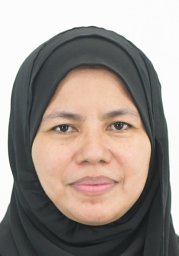 Karimah Hanim Abd Aziz合作论文数Department of Community Medicine, International Islamic University Malaysia1
 Mohd Aznan Md Aris合作论文数Faculty of Medicine, International Islamic University Malaysia1
 Emelie Karlsson合作论文数1
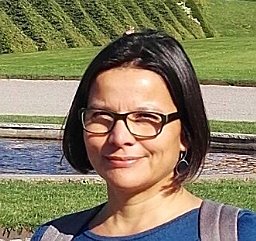 Margarita Mondaca合作论文数Dept Neurobiol Care Sci & Soc, Karolinska Inst1Johansson Karin合作论文数1
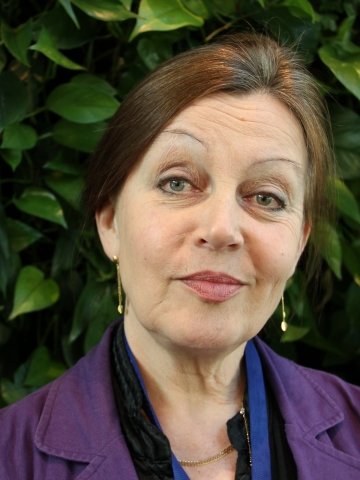 Louise Nygård合作论文数Institutionen för Neurobiologi, Vårdvetenskap och Samhälle, Karolinska Institutet1
 Asa Larsson合作论文数Department of Social and Welfare studies, Linköping University1
 Asa G Craftman合作论文数1
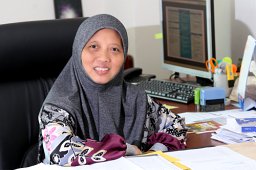 Tohit Noorlaili合作论文数Senior Lecturer and Consultant, Department of Family Medicine.1
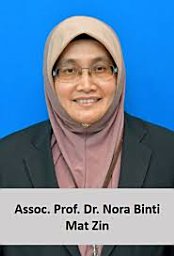 Zin Nora Mat合作论文数1Mandana Fallahpour合作论文数1
 Aileen Bergstrom合作论文数Department of Neurobiology, Care Sciences and Society, Karolinska Institutet1Ingrid Soderback合作论文数1
 Susanne Guidetti合作论文数1
 Hashima E Nasreen合作论文数Research and Evaluation Division, BRAC1Gerd Faxen-Irving合作论文数1
 Julius Kamwesiga合作论文数Rehab in Motion1




