Introduction: Troponin inhibitor3 ( TNNI3 ) is a thin-filament protein that regulates contraction of thick filaments. The role of the switch domain of TNNI3 (aa147-163), which interacts with the calcium-binding pocket of troponin C, is poorly defined. Pathogenic mutations to the switch domain cause restrictive cardiomyopathy in humans, but no therapies exist that address the underlying problem of this mutation at the sarcomeric level. Further, few models of genetic restrictive cardiomyopathy exist to aid in development of new therapies. Hypothesis: Substitution of alanine with valine at position 157 (A157V) in the switch domain of TNNI3 causes restrictive cardiomyopathy by blunting response to adrenergic stimulus. Methods: A known pathogenic mutation to the TNNI3 switch domain (A157V) was identified in a family of patients with cardiomyopathy and restrictive features. A mutant knock-in mouse homozygous for this mutation (A157V) was generated using CRISPR-Cas9 and used to elucidate the function of the switch domain. Results: Compared to wild type controls (WT), mutant A157V mice demonstrate significant restrictive features on invasive hemodynamics that worsen with age but do not show evidence of systolic dysfunction or hypertrophy on echocardiography. Heart size and myocyte cross-sectional area were significantly smaller in mutant A157V mice compared to WT controls. Molecular dynamics simulations revealed reduced TNNI3 activation in response to PKA-mediated phosphorylation at serine23/24. Isolated myocytes from A157V mice demonstrated impaired relaxation, lower peak systolic calcium and delayed reuptake of calcium into the sarcoplasmic reticulum compared to WT controls. Conclusions: The A157V mutation to the switch domain of TNNI3 , a critical regulatory domain that interacts with the calcium binding pocket of troponin C, causes diastolic dysfunction by impairing responsiveness to PKA-mediated phosphorylation of S23/24. This mouse model recapitulates the key restrictive features of human disease and could be used as a platform to study future targeted therapeutics for thin filament cardiomyopathy.
Purpose of review To summarize recent innovations in cardiac rehabilitation and provide a view towards the future of cardiac rehabilitation as it adjusts to the pressures of a global pandemic. Recent findings Although cardiac rehabilitation has been shown to result in a mortality benefit, research continues to enumerate the benefits of cardiac rehabilitation to patient function and quality of life in a growing range of cardiovascular diseases. In addition, new methodologies and new models of cardiac rehabilitation have emerged with the goal of increasing patient referral and participation. Summary Cardiac rehabilitation continues to evolve and adapt to serve a growing and diversifying number of patients with cardiovascular disease with the goal of both decreasing mortality and improving patient function.
 Joshua Fong合作论文数1Paul J. Bushway合作论文数1Kathryn Maysent合作论文数1Kerry Y Kao合作论文数1
 Pam Rajendran Taub合作论文数Department of Medicine, School of Medicine, University of California, San Diego1
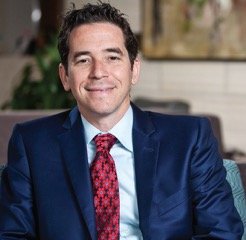
 Robert Scott Ross合作论文数Department of Medicine, School of Medicine, University of California1
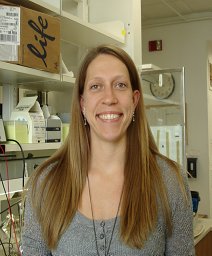
 Eric Adler合作论文数Department of Medicine, UC San Diego1Elizabeth Epstein合作论文数1
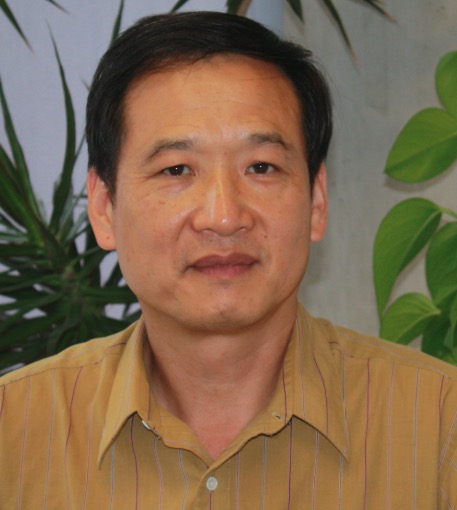
 Makarewich Catherine A合作论文数Cardiovasc Res Ctr, Temple Univ1
 Ju Chen合作论文数Ju Chen Lab, Department of Medicine, School of Medicine, University of California, San Diego1
 Soto-Hermida Angel合作论文数Complexo Hospitalario Universitario de A Coruña (CHUAC),, Universidade da Coruña (UDC),1
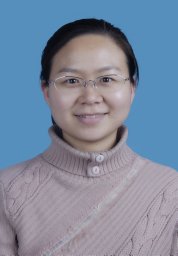 Chen Chao合作论文数School of Medicine, University of California at San Diego;U.S. Veterans Administration, San Diego Healthcare System;and Maastricht University;University of California at San Diego, Maastricht University1Jason M. Duran合作论文数1
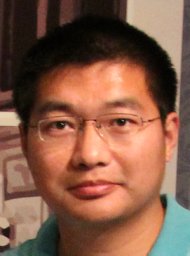 Wei Feng合作论文数1
 Kirk Peterson合作论文数Department of Medicine, University of California San Diego School of Medicine1
 Andrew D. Mc Culloch合作论文数Institute for Engineering in Medicine, University of California, San Diego;Jacobs School of Engineering, University of California, San Diego1Yusu Gu合作论文数1
 Michael Regnier合作论文数Department of Bioengineering, College of Engineering, University of Washington1
 Julijus Bogomolovas合作论文数1




