The residency period constitutes a critical phase of medical training, during which increasing clinical and professional responsibilities influence residents’ well-being. Grounded in the Job Demands-Resources model, this study investigates how burnout and engagement evolve during this period and examines their associations with specific demands, resources, and personality traits. Between 2021 and 2025, data were collected annually via an online survey administered to medical residents from five Belgian universities (n = 1068). Burnout dimensions (i.e., emotional exhaustion, cynicism and reduced professional efficacy) and engagement were assessed alongside their associations with demands, resources, and personality traits. Linear mixed-effects models estimated the relationships between independent and dependent variables. The findings show that emotional exhaustion and cynicism modestly but gradually increased over time, while engagement slightly declined and professional efficacy remained stable. Work–home conflict showed the strongest association with the outcomes, while meaningfulness was identified as the most prominent resource and neuroticism as the strongest personal factor consistently linked to all outcome variables. These findings highlight the urgent need for structural interventions within residency programs to address key demands and strengthen meaningful work, while recognizing neuroticism as a vulnerability factor in protecting residents' well-being. Not applicable.
Introduction:Burnout is a major concern in medical education and healthcare. Despite growing attention, little is known about how burnout and engagement evolve within the different phases of medical education or which factors shape these outcomes within each phase. This study assesses phase-specific trajectories of burnout and engagement and identifies the demands, resources, and personality traits associated with these outcomes. Methods:A prospective cohort study with three annual measurement waves was conducted among medical students and residents (n = 1.257) from all five universities in Flanders, Belgium. Three cohorts (i.e. bachelor students, master students, and residents) were followed for three consecutive years, using an open cohort design. Data were collected annually: at baseline (T0), after one year (T1), and after two years (T2). Linear mixed-effects models and cross-lagged panel analyses were used to examine temporal changes in burnout complaints and engagement; and to identify key demands, resources and personality traits within each cohort. Results:Within each cohort, burnout complaints increased gradually over time, while engagement declined. Within all learning phases, workload and work-home conflict were identified as primary demands, whereas meaningfulness was identified as the main resource, followed by learning opportunities. Neuroticism was positively associated with burnout complaints and negatively with engagement, while perfectionistic strivings correlated positively with engagement. Conclusion:This study demonstrates how burnout complaints and engagement evolve within learning phases in medical education and identifies key determinants underlying these trajectories. Efforts should prioritize reducing perceived workload and work-home conflict, while strengthening meaningfulness and learning opportunities. In addition, acknowledging individual personality traits may help tailor interventions.
People with common mental disorders (CMDs) such as depression and burnout have a high recurrence rate of sickness absence (SA). Few studies have investigated the determinants of sustainable return to work (SRTW) after a CMD. The objective of this study was to identify determinants of SRTW, operationalized as recurrent SA and work ability after the return. Participants were 148 employees that returned to work from April 2022 to January 2024 after CMD-related SA. In this prospective longitudinal cohort study, participants were followed up for one year after their return to work (RTW) by means of five questionnaires. Survival analysis and linear regression were carried out for recurrent SA and work ability outcomes, respectively. By twelve months after initial RTW, 27.9
The high prevalence of burnout in medical education indicates an urgent need to develop and implement effective interventions at both the individual and organisational levels. Currently, there is a shortage of studies that include perspectives from multiple stakeholders, such as medical students, trainees and university staff. Our objective is to identify and discuss interventions from various stakeholders using a bottom-up approach to guide future implementation. A co-creation methodology was adopted, including workshops and a Delphi session, engaging 96 participants. The study included 12 workshops with medical students and trainees in Flanders (Belgium): first-year bachelor students (n = 12), first-year master students (n = 13), first-year General Practice (GP) trainees (n = 14) and first-year specialist trainees (n = 39). Additionally, one Delphi session was held with 18 other relevant stakeholders, including university staff. All workshops were transcribed verbatim and thematically analysed using NVivo. Our results identified interventions to prevent and mitigate burnout among medical students and trainees. On the individual level, participants discussed personalized coaching, annual health assessments and training sessions. On the organisational level, a distinction was made between interventions intended for universities, and those for hospitals and GPs involved in medical training. Six interventions focused on preventing burnout in all contexts (i.e., onboarding programs); three were meant for universities only (i.e., pass-fail system), and six were tailored for hospitals and GPs (i.e., flexibility in scheduling). Through an iterative multistakeholder co-creation process, this study identified interventions to prevent and mitigate burnout within medical education. These interventions span individual and organisational levels, targeting universities, hospitals and GPs. While organisational interventions are increasingly recognized as crucial to address burnout, individual-focused interventions remain predominant in current research. There is a pressing need to further investigate organisational interventions and their combination with individual-focused strategies.
INTRODUCTION:Medical education is associated with considerable demands, often resulting in increased burnout risk and higher dropout intentions. However, longitudinal evidence on how these factors evolve and interact across different stages of training remains limited. This study examines the evolution of dropout intentions throughout medical education, identifies the learning stages most at risk, and investigates the roles of demands, resources, and burnout (i.e. emotional exhaustion and cynicism) in influencing these dropout intentions. METHODS:In a longitudinal cohort study, medical students and residents (n = 1.257) from five Flemish universities completed annual online surveys over three consecutive years (T0-T2). Dropout intentions were assessed as the outcome variable, with emotional exhaustion and cynicism integrated as mediators. Key demands and resources included workload, work-home conflict, meaningfulness, learning opportunities, and the learning environment. Linear Mixed-Effects Models examined changes in dropout intentions across stages, and Structural Equation Modelling tested direct and indirect pathways via emotional exhaustion and cynicism. RESULTS:The results showed a progressive increase in dropout intentions, with the highest levels during residency. Workload and work-home conflict were consistently associated with emotional exhaustion and cynicism, while meaningfulness showed protective effects. Cynicism was the strongest determinant of dropout intentions among students, whereas both cynicism and emotional exhaustion were related to intentions among residents. Indirect effects indicated that workload, work-home conflict, and meaningfulness influenced dropout intentions primarily through cynicism in students, and through both burnout complaints in residents. CONCLUSION:Dropout intentions in medical education are influenced by distinct stage-specific pathways of demands, resources, and burnout complaints. Interventions should target reducing workload and work-home conflict and enhancing meaningful tasks with academic and clinical tasks.
Health surveillance is an important means in preventive medicine which requires human effort. With the increasing shortage of healthcare workers, we are investigating the feasibility to implement self-sampling techniques for continuous remote monitoring. An overview of methods has been collected through literature and feasibility studies have been set up to assess the factors influencing successful implementation. We distinguish two main types of available techniques: self-tests and self-collection tests. With a self-test the worker performs the entire process of collection and interpretation of data, such as apps to assess irregularities in heart rhythm, sleep pattern, physical activity, respiratory rate and skin health. Other examples are online platforms connected with wearables that monitor mental health providing immediate feedback. Emerging technologies are extended reality and chatbots, which still experience important limitations on data security and validity. With self-collection tests a person collects the sample and sends it to the laboratory for analysis, such as volumetric absorptive microsampling that allows collection of human tissues in a minimal invasive way. Urine, saliva and oral buccal cells are promising matrices for simple, rapid and non- or minimally invasive sample collection and can be used for the analysis of a wide range of biomarkers. Self-sampling is a convenient, cost-effective screening strategy. Ethical and juridical aspects are important points to consider. Finally, health management platforms including electronic medical file, integrating wearable, sensor and app interfaces are required in combination with human interaction, empathy and trust to guarantee positive user experiences and validated measurements in an uncontrolled real-world.
Previous research yields inconsistent findings on the effect of telecommuting on health and little knowledge on its explanatory mechanisms. In reply, this study investigated work-home interference, home-work interference and social support from colleagues as explanations (mediators) of the relationship between the extent of telecommuting and psychological distress. We collected 4-wave data during the first wave of the COVID-19 pandemic (April-June 2020) from 5,959 Belgian workers. Using Random Intercept Cross-Lagged Panel Modeling, we investigated within-person processes over time. Results showed that telecommuting predicted work-home interference and social support, with these effects varying by pandemic stage. Also, the effects of the mediators on psychological distress varied over time. No indirect effects from telecommuting to psychological distress via the mediators were found. Our findings suggest that the context presents certain challenges to teleworkers that may make telecommuting demanding in terms of home-work interference and social support, implying the need for tailored support.
ObjectifsÉtudier le risque de contamination par le SARS-CoV-2 selon le métier, en tenant compte des facteurs socioéconomiques associés à l’épidémie.MéthodesL’enquête a été réalisée par questionnaire auprès de travailleurs suivis par six services de prévention et de santé au travail (SPST) franciliens, L’enquête a eu lieu entre novembre 2021 et janvier 2022. Les données comprenaient les circonstances de recueil (type de visite médicale le cas échéant, réponse par mail pour le secteur des intermittents du spectacle), le sexe, l’âge, la commune de résidence, la profession, le secteur d’activité, le statut professionnel, le lieu de travail, les horaires et modes de transport, la pratique du télétravail, l’état de santé général perçu, les comorbidités, et la contamination au coronavirus SARS-CoV-2 avec la date de contamination, les symptômes et l’hospitalisation éventuelle. Des données concernant la commune de résidence ont été collectées : densité de population, pourcentage de logements surpeuplés, désavantage social et taux de mortalité. Le risque de contamination a été examiné en fonction des différentes caractéristiques de la population, dont le métier, par une analyse bivariée (test du Khi-deux). Des régressions logistiques ont été réalisées pour déterminer les facteurs de risque de contamination par le SARS-CoV-2 en considérant les variables individuelles et géographiques associées à la contamination selon la première analyse.RésultatsL’échantillon de données comprenait 3474 travailleurs. Le risque plus élevé de contamination par le SARS-CoV-2 dans les communes défavorisées a été confirmé. En considérant toutes les contaminations, avec ou sans symptômes, les travailleurs des transports étaient les plus à risque ; en considérant uniquement les contaminations avec symptômes, les commerçants de proximité étaient les plus à risque ; ceci à âge, sexe, mode de transport et précarité sociale de la commune de résidence équivalents.ConclusionCette étude apporte des éléments originaux sur le risque professionnel de contamination au SARS-CoV-2 en considérant également les variables sociales. Les travailleurs clés ont été inclus, mais également les professions moins étudiées telles que les journalistes ou les artistes. Les résultats diffèrent selon que toutes les contaminations ont été prises en compte ou uniquement celles présentant des symptômes, soulevant des questions sur les pratiques de dépistage du SARS-CoV-2 parmi les différentes populations. Les données seront combinées avec les données belges collectées avec le même protocole, ce qui devrait améliorer la robustesse de l’étude.
Abstract Introduction Burnout is a work-related mental health problem and causes long-term work disability. Return-to-work interventions for burned-out employees aim to prevent long-term work disability. Research on the effectiveness of return-to-work interventions for burned-out employees shows inconclusive results due to heterogeneity of study population and intervention type (person-directed, workplace-directed). This study aims 1) to synthesize qualitative research evidence perceptions and experiences regarding return-to-work interventions and 2) to identify hypotheses about why some return-to-work interventions are more effective than others. Methods We conducted a systematic search of PubMed, Embase and CINAHL from January 2000 to June 2023. We searched for qualitative or mixed methods studies that included qualitative findings on the experiences and perspectives of people with burnout, care givers, employers or other stakeholders on return-to-work interventions. We identified factors influencing effectiveness of return-to-work interventions using a framework thematic synthesis approach. We assessed the methodological limitations of included studies using the Critical Appraisal Skills Programme (CASP) tool for qualitative research. Results We identified 481 articles after removal of all duplicates. Twelve studies met inclusion criteria and we identified 3 key themes: 1) Burned-out people think the support of health professionals and their family promotes the return-to-work process 2) Adaptations in the workplace are considered to be essential by burned-out patients and line managers 3) Communication between all stakeholders is needed to prepare return to work. Discussion Stakeholders from different domains need to be involved in the return-to-work process of burned-out people. Conclusion An effective return-to-work intervention supports communication between health professionals, the workplace and burned-out people..
BACKGROUND: Long term sick leave (SL) is increasing in Europe, several countries have legislative initiatives to reduce long-term absenteeism. OBJECTIVE: We evaluated the impact of a legally defined return-to-work (RTW) trajectory on the RTW of employees on sick leave in Belgium. METHODS: This was a retrospective register-based cohort study of employees (n = 1416) who followed an RTW trajectory in 2017. We linked workers’ data from a prevention service with social security data. By multinomial logistic regression, we analysed which characteristics predicted the RTW with the same or another employer. RESULTS: One year after their RTW trajectory, 69.2% of the 1416 employees did not RTW; 10.7% returned to work with the same employer and 20.1% with a new employer. Duration of SL was an important predictor for the RTW with both the same employer and another employer. The odds of RTW were lower when the SL duration was > 6 months compared to < 6 months. Marital status, organization-size, and the occupational physician decision had a significant impact on the RTW with the same employer. Age and who initiated the RTW-trajectory were important predictors on the RTW with another employer. CONCLUSIONS: Overall, 30.8% of employees returned to work after their RTW trajectory. A one-size-fits-all approach is not recommended. A stepped approach with an early, informal start of the RTW process is advised. When employees or employers fail to initiate the RTW on their own, a legally defined RTW trajectory could be useful. In particular, RTW with another employer seemed a positive effect of the RTW-trajectory.
Abstract Introduction Bridging the gap between scientific knowledge and the practical implementation remains a challenge within the field of occupational health. Human Design Thinking (HDT), a problem-solving approach rooted in innovation, and co-creation, a collaborative engagement strategy involving stakeholders, hold promise in addressing this gap. We explored the use and the impact of HDT in the process of research valorisation and implementation. Methods The double diamond is a HDT-model consisting of four stages—Discover, Define, Develop, and Deliver—that helps guide the process of problem-solving by emphasizing divergent and convergent thinking at each stage. The iterative and user-centric nature of HDT facilitates the translation of research insights into actionable solutions, while co-creation fosters collaborative involvement of stakeholders. Results The application of HDT and co-creation principles yielded substantial improvements in the valorisation of research outcomes. Complex challenges in occupational health were effectively addressed through innovative interventions, benefiting from diverse stakeholder input. Discussion The integration of HDT and co-creation represents a novel approach to enhance the impact of research in occupational health. The iterative nature of HDT allows for continuous refinement, while co-creation ensures that stakeholders contribute to solution development, increasing acceptance and implementation success. Conclusion We demonstrated the efficacy of HDT and co-creation in the valorisation of research within occupational health. The approach’s collaborative and iterative nature fosters the creation of solutions that address real-world challenges, ensuring a seamless transition from research to implementation. By embracing these principles, the field of occupational health can achieve more effective and sustainable outcomes, ultimately benefiting both workers and employers.
Abstract Introduction In the organizational literature, there has been a recent shift from diversity to inclusion. Empirical results showed that diversity did not always lead to positive outcomes. In order to flourish, employees with different backgrounds need to feel included. Building on the job – demands resources model and the positive psychology, we aim to investigate whether supervisor diversity competence and organizational diversity management predict positive job outcomes (work engagement, performance, organizational citizenship behavior and innovative work behavior) indirectly via employee inclusion. Methods We investigated these relationships in a three-wave online survey study with 967 respondents (time lag of 4 months between subsequent measurement points). We ran a longitudinal autoregressive mediation model using MPlus. Results We found a significant positive relationship between organizational diversity management at Time 1 and inclusion at Time 2. Additionally, we found a significant positive relationship between inclusion at Time 1 and work engagement, performance and organizational citizenship behavior at Time 2. We did not find any significant relationships for innovative work behavior and for any of the variables across Time 2 and 3. No mediation effects were found. Discussion Our hypotheses were partially confirmed. Organizational-level policies regarding diversity and inclusion do contribute to employees’ feeling of inclusion. Inclusion in turn relates to positive job outcomes. Future research may replicate and extend these findings in a larger and more heterogeneous population. Conclusion Our findings contribute to the scientific knowledge on inclusion in the workplace and inform policy makers about strategies to improve inclusion at work.
Abstract Introduction In Belgium, 500.000 employees are on long-term sick leave. Legislation recently changed to increase the employment rate. Adapted work must be proposed for all Return To Work (RTW) trajectories without medical contraindications. For the Determination of final incapacity (DFI) a new procedure is introduced. Objectives Comparison of RTW trajectories carried out by a large Occupational Health Service in 2022 (Q1) to those in 2023 (Q1). Methods 815 RTW Trajectories of 2022 (37.5% for mental disorders, 29.7% for musculoskeletal problems) and 143 Trajectories of 2023 (37.5% mental, 29.7% musculoskeletal problems), were analyzed descriptively. Results of 397 DFI trajectories were also analyzed – 28.7% for mental, 28.5% for musculoskeletal problems. Results and discussion In 2022 (Q1), the occupational physician allows RTW after job adjustments for 30.3% of the employees. Re-integration was more successful for musculoskeletal disorders (36% allowed adapted work) compared to mental problems (23.2%) (p=0.001). In 2023 (Q1), after the new legislation, adapted work was possible for 59.4% (65.5% when musculoskeletal problems versus 53.7% when mental reasons) (p=NS). In DFI trajectories, 87.6% was definitively unfit for the job (87.7% when mental and 88.4% when musculoskeletal problems) – 6.5% of the employees asked for adapted work (2.6% when a mental disorder and 8.8% when musculoskeletal problems) (p=0.05). Conclusion The adjustments in the RTW legislation caused a significant decrease in RTW trajectories. There is a higher demand for adapted work in case of musculoskeletal problems versus mental problems. Early guidance to re-employment into a more suitable job is necessary to increase the employment rate in Belgium.
Abstract Introduction Within the Belgian context, a lot is known about the well-being and the work-related psychosocial risks for employees. However, we know less about the work-related well-being and psychosocial risks of the self-employed. The aim of this study was to develop and validate a holistic job – life demands – resources model to measure risk factors and well-being outcomes specific to the self-employed. Methods We tested this model in a cross-sectional online study with 4358 self-employed participants. To test the relationship between different risk factors and well-being indicators, we used correlation and regression analyses. To examine socio-demographic differences (e.g., gender, age, sector) in both risk factors and well-being indicators, we used Chi-square tests. The analyses were performed in SPSS. Results As expected, we found significant positive relationships between job resources (e.g., recognition) and well-being indicators (e.g., passion for the job), and between job demands (e.g., financial insecurity) and ill-being indicators (e.g., rumination) and significant negative relationships between job resources and ill-being indicators and job demands and well-being indicators. Also as expected, we found several significant differences in job demands – resources and well- and ill-being indicators based on characteristics such as gender, age and sector. Discussion Further research may validate this model in other national contexts. Also, longitudinal studies may shed light on the causal relationship between risk factors and well-being. Conclusion We found evidence for a holistic job – life demands – resources model for the self-employed. The findings from our study may inform programs and campaigns to foster the well-being of the self-employed.
Burnout is a work-related mental health problem and may cause long-term sickness absence. Return-to-work interventions for burned-out people on sick leave aim to prevent long-term work disability. Based on a systematic literature review and focus groups with professionals we made a care pathway that supports return to work for sick-listed people with burnout. This multidisciplinary care pathway contains three essential elements: 1) cooperation between a general practitioner (GP) and a psychologist to correctly diagnose burnout 2) quick referral to a psychologist after start of sickness absence and 3) efficient communication between all stakeholders (including the insurance physician and the occupational physician). The aim of this study is to undertake a process evaluation of the care pathway to assess its feasibility and acceptability. This study is a cluster-randomised feasibility trial, with an embedded process evaluation. Fifty-one general practices and 50 burned-out patients were recruited. Thirty-five patients received the care pathway (intervention group) and 15 patients received care as usual (control group). We used a mixed-Methods: approach: we collected demographic data, logbooks, questionnaires, verbal feedback and conducted semi-structured interviews with patients, GPs and psychologists. The Medical Research Council Framework was used as a guideline to analyze context, reach, dose delivered and dose received of the care pathway. Patients and GPs are of the opinion that the care pathway can support communication between different care givers (e.g. GP, insurance physician, occupational physician). Patients allow GPs to share information with insurance/occupational physicians because they believe this potentially facilitates their return to work. However, GPs do not often share information with insurance/occupational physicians: they forget to share information, lack of time, they don’t know how to contact the insurance/occupational physician. These findings give insight in the communication between different stakeholders, and can be used to further adjust the care pathway.
Burnout is a work-related mental health problem that often causes long-term sickness absence. Return-to-work (RTW) interventions for burned-out sick-listed employees aim to prevent long-term work disability. This systematic review addresses two questions: (1) Which interventions for burned-out sick-listed employees have been studied?; (2) What is the effect of these interventions on RTW?We performed a systematic literature review and searched PubMed, Cochrane Central Register of Controlled Trials, Embase, CINAHL and Web of Science from 1 January 2000 to 31 December 2022. We searched for articles of interventions for burned-out sick-listed employees. We conducted the review in line with the Preferred Reporting Items for Systematic Reviews and Meta-Analysis guidelines. Outcome was RTW.We identified 2160 articles after removal of all duplicates. Eight studies met inclusion criteria. RTW outcomes were number of sick-leave days, sick-leave rates, median period of RTW and worked hours per week. Five studies described person-directed interventions, one described a workplace-directed intervention, one described a combination of both intervention types and one study described all three types of intervention. Only the workplace-directed intervention showed a significant improvement in RTW compared with the comparator group: at 18-month follow-up, 89% of the intervention group had returned to work compared with 73% of the comparator group.Only a limited number of studies have explored interventions specifically focused on burned-out sick-listed employees and the effect on RTW. Due to heterogeneity and moderate to high risk of bias of these studies, no firm conclusions can be drawn on the described interventions and their effect on RTW.The study was registered with the International prospective register of systematic reviews (PROSPERO, registration number: CRD42018089155).
The aim of this chapter is to tap into the buffering role of contextual variables in the stressor-strain relationship, as predicted in the basic model of work psychology of Hans De Witte. Previous studies have examined these relationships primarily from an individual perspective, making it impossible to properly investigate variables as contextual factors. In response, this chapter specifically addressed and tested the buffering roles of organizational communication and procedural justice - both modelled at the individual - and organizational-level - in the relationship between qualitative job insecurity and burnout. Multilevel path analysis was conducted on a sample of 35,558 Belgian employees clustered within 83 organizations from various sectors. In line with previous findings, it was found that organizational communication and procedural justice modelled at the individual level attenuated the positive relationship between qualitative job insecurity and burnout. There was one exception: organizational communication did not moderate the relationship between qualitative job insecurity and the burnout dimension of emotional exhaustion. Besides this, collective organizational communication and procedural justice, modelled at the organizational level, buffered the qualitative job insecurity-burnout relationship (i.e., cross-level interactions). Despite the small effect sizes for the interaction effects, the multilevel approach allows inferences to be made at both the individual and organizational level.
IntroductionBurnout is a growing problem among young researchers, affecting individuals, organizations and society. Our study aims to identify burnout profiles and highlight the corresponding job demands and resources, resulting in recommendations to reduce burnout risk in the academic context.MethodsThis cross-sectional study collected data from young researchers (n = 1,123) at five Flemish universities through an online survey measuring burnout risk, work engagement, sleeping behavior, and the most prominent job demands (e.g., publication pressure) and resources (e.g., social support). We conducted Latent Profile Analysis (LPA) to identify burnout profiles in young researchers and subsequently compared these groups on job demands and resources patterns.ResultsFive burnout profiles were identified: (1) High Burnout Risk (9.3%), (2) Cynical (30.1%), (3) Overextended (2.3%), (4) Low Burnout Risk (34.8%), and (5) No Burnout Risk (23.6%). Each burnout profile was associated with a different pattern of job demands and resources. For instance, high levels of meaningfulness (OR = −1.96) decreased the odds to being classified in the Cynical profile.ConclusionOur findings show that the Cynical profile corresponds to a relatively high number of young researchers, which may imply that they are particularly vulnerable to the cynicism dimension of burnout. Additionally, work-life interference and perceived publication pressure seemed the most significant predictors of burnout risk, while meaningfulness, social support from supervisor and learning opportunities played an important protective role.
The way in which retirement is conceptualized and measured is likely to influence the research findings. The previous literature has addressed a wide range of elements related to the complex work-to-retirement process, such as early, late and partial retirement, statutory retirement, work disability and unemployment paths to retirement, or different types of bridge employment. However, conceptual clarity in terms of connections between the different elements is called for. We introduce a conceptual framework of the work-to-retirement process to guide its future measurement. Together with information on the statutory retirement age, the main elements of the framework are based on employment and pension receipt, acknowledging that these may overlap. The framework is flexible to the user, providing the possibility to add various specifications-e.g. of types of employment, types of pension receipt, unemployment, and being outside the labour force-depending on the study context and aims. The framework highlights the complexity of the work-to-retirement process, bringing forth its multifaceted, multiphased and multidirectional features. Accounting for such complexity in later-life labour market dynamics helps to elaborate what is actually addressed when investigating "retirement". Our conceptual framework can be utilized to enhance well-defined, precise and comparable measurement of the work-to-retirement process in studies.
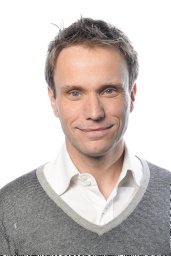 Lode Godderis合作论文数Idewe, External Service for Prevention and Protection at Work, Interleuvenlaan 58, B-3001 Heverlee, Belgium31
 Charlotte Lambreghts合作论文数11
 Tinne Vander Elst合作论文数Research Group for Work, Organization and Personnel Psychology, K.U. Leuven8
 Kaat Goorts合作论文数7Dorina Rusu合作论文数6
 Marc Du Bois合作论文数6
 Jelena Bakusic合作论文数Ctr Environm & Hlth, Katholieke Univ Leuven5
 Annet F. Lenderink合作论文数Netherlands Center for Occupational Diseases/Coronel Institute of Occupational Health, University of Amsterdam5Lieve Vandersmissen合作论文数4Duchesnes Christiane合作论文数4
 Liesbeth Daenen合作论文数4Stefano Mattioli合作论文数3
 Isabelle Boets合作论文数3
 Whitney Van den Brande合作论文数3Philippe Mairiaux合作论文数3
 Jos H Verbeek合作论文数Department of Public and Occupational Health, Amsterdam University Medical Center;University of Eastern Finland3
 Kris Vanhaecht合作论文数Leuven Inst Healthcare Policy, Katholieke Univ Leuven3Schouteden Martijn合作论文数3Stefania Curti合作论文数Dipartimento di Medicina Interna, dell'Invecchiamento e Malattie Nefrologiche, University of Bologna3Liesbeth Aerts合作论文数2
 Hans De Witte合作论文数Faculty of Psychology and Educational Sciences, Katholieke Universiteit Leuven2
 Ingrid Sivesind Mehlum合作论文数2Walter Sermeus合作论文数2Anne-Francoise Donneau合作论文数Department of Medical Informatics and Biostatistics, University of Liege2Elisabeta Pletea合作论文数1Zineb Ouazene合作论文数1François Warin合作论文数1Chris Verbeek合作论文数1
 Els Vanbelle合作论文数1Victoria Mora合作论文数1Godelieve Vandersmissen合作论文数1Emilie Counil合作论文数1
 Charlotte Vanovenberghe合作论文数1Eline Bruneel合作论文数1Florence Konfe合作论文数1Eline Verscheure合作论文数1
 Anke Boone合作论文数1
 Sigrid Dierickx合作论文数Univ Ghent1
 Matranga Domenica合作论文数Department of Sciences for Health Promotion and Mother-Child Care "G. D'Alessandro", University of Palermo;Department of Sciences for Health Promotion and Mother-Child Care "G. D'Alessandro", University of Palermo1
 Taina Leinonen合作论文数1
 Eva Van Gerven合作论文数1
 Manosij Ghosh合作论文数Dept Publ Hlth & Primary Care, Katholieke Univ Leuven1
 Astrid de Wind合作论文数1
 Ellen Delvaux合作论文数1
 Maylis Telle-Lamberton合作论文数Institut de Radioprotection et de Sûreté Nucléaire1
 Laura Maniscalco合作论文数Dipartimento di Chimica e Tecnologie Farmaceutiche, Università degli Studi di Palermo1
 Hans-Martin Hasselhorn合作论文数Department of Safety Engineering;University of Wuppertal;Hopital Hotel-Dieu;Department of Safety Engineering, University of Wuppertal1
 Martin C. Euwema合作论文数University of Leuven1
 Jan Boon合作论文数1




