Background Digital health interventions (DHIs) can extend the reach of disease prevention interventions; however, few are evidence-based, theoretically grounded, or developed for high-risk youth and families. Co-design approaches engage end users in the design and development of the DHI, which can lead to increased accessibility and engagement. Objective This study aimed to describe the adaptation of an evidence-based diabetes prevention program for remote, digital delivery. Methods The adaptation of the in-person intervention was guided by a modified Inclusive Digital Health Intervention Design to Promote Health Equity framework and conducted in collaboration with Hispanic adolescents (n=23) with obesity (BMI ≥95th percentile) and their parents (n=15). Focus groups identified digital, health education, and support needs. An expert and community panel assisted in developing solutions based on these findings. A sample content session with a food tasting experience was created and reviewed by participants. The research team subsequently built a digital platform to host the content. Participants assessed the usability of the platform, including the ease of use, design components, and technical issues. A second meeting of the expert panel provided recommendations for further refinement and feedback. Results Findings from focus groups indicated that most participants (31/36, 86.1%) reported stable internet access and multiple digital devices. With regard to format, a few parents (2/9, 22.2%) preferred synchronous content sessions, while most youth and parents favored asynchronous sessions (7/9, 77.8%) lasting 40 to 60 minutes. Health education needs included interactive content, healthy recipes, and the ability to ask questions. Experts suggested offering asynchronous sessions with monthly synchronous meetings to meet both parent and youth needs. After viewing a sample session, families found the content easy to understand and mostly engaging, with (17/21) 81% participating in the food tasting activity and all participants reporting that the activity was feasible. Experts recommended using a more conversational, interactive teaching style to improve the content and using a food box with nonperishable items to increase the ease of food tasting activities. While the digital platform was functional and easy to use, families highlighted the need for larger font and icon sizes, easier navigation, and better color contrasts. On the basis of this feedback, experts advised creating tutorial videos and an orientation session for platform training. The content and platform will continue to be refined before further evaluation in a 12-week feasibility pilot study. Conclusions The use of a co-design approach provided opportunities to make content more interactive and engaging and to increase the ease of use of the digital platform. Describing the adaptation process using a guiding framework in collaboration with the focus population will inform future studies aiming to adapt evidence-based interventions to a digital platform.
Background: The relationship between abdominal fat depots and cardiometabolic risk among youth is inconclusive due to the cross-sectional nature of existing studies and limitations in assessment methods. In this study, we examined cross-sectional and longitudinal associations of subcutaneous adipose tissue (SAT) and visceral adipose tissue (VAT) with cardiometabolic risk indicators among Mexican adolescents. Methods: Participants (n = 169 at baseline and 134 at follow-up) were assessed for diastolic or systolic blood pressure (DBP or SBP), total cholesterol (TC), high-density lipoprotein cholesterol (HDL-C), low-density lipoprotein cholesterol (LDL-C), triglycerides, glucose, and insulin. VAT and SAT were measured using magnetic resonance imaging. Measures were repeated at 1-year follow-up. Using multilevel linear regression models, the associations among fat depots and cardiometabolic risk indicators were examined. Results: At baseline, SAT measures were cross-sectional and positively associated with glucose, insulin, TC, triglycerides, SBP, and BDP in boys, and DBP in girls, but negatively with HDL-C. VAT measures were cross-sectional and positively associated with glucose, insulin, and SBP and DBP in boys. VAT at L1-L2 was longitudinal and positively associated with insulin, TC, LDL-C, and DBP in boys. Conclusions: Higher levels of SAT and increases in VAT during adolescence may be particularly detrimental to cardiometabolic health, contributing to an increased risk of future diseases. Future intervention and treatment strategies should target VAT to reduce disease risk in this population.
Abstract BackgroundHispanic youth are disproportionately impacted by obesity and subsequent type 2 diabetes (T2D) yet remain underrepresented in diabetes prevention research. Digital health interventions hold promise for increasing the accessibility to and engagement in disease prevention programming, particularly among high-risk populations. However, there is a significant gap in the literature regarding digital T2D prevention programs for adolescents or Hispanic youth. ObjectiveThe objective of this article is to describe the protocol for examining the feasibility of a 12-week digital diabetes prevention program among Hispanic adolescents with obesity. MethodsParticipants (N=40; aged 12-16 years) will be randomized (1:1) to a 12-week intervention group or a control group. Youth in the intervention group will receive access to an e-learning platform with 12 nutrition and wellness video content sessions, a Fitbit Charge 5, and daily SMS text messages grounded in the self-determination theory to promote physical activity. Youth in the standard control group will receive information on diet and physical activity guidelines and guidance on setting behavior change goals. The study findings will focus on the evaluation of feasibility criteria: (1) recruitment of 40 Hispanic adolescents aged 12 to 16 years; (2) retention of 80% of the participants for postassessments; (3) integrity of the study protocol, defined as 70% or higher completion of content sessions and Fitbit wear on 5 days per week or more with response to 80% of SMS text messages when prompted; (4) 10% or lower incidence of technical issues; and (5) 80% or higher satisfaction among participants. ResultsThis study was funded in August 2022 and intervention implementation is ongoing. To date, 35 participants have been enrolled. Study findings will be available before December 2026 and will focus on an evaluation of the a priori feasibility criteria on participant recruitment, data collection, integrity of the study protocol, technical issues, and satisfaction. Study findings will also focus on secondary outcomes. ConclusionsThe feasibility and process evaluation data obtained from this study will provide novel insights on the use of digital T2D prevention strategies among Hispanic youth and families and will inform the development of future digital health interventions among high-risk pediatric populations.
Objective:Family-based health promotion and disease prevention strategies are recommended as best practice; however, there is limited knowledge regarding the family-level factors that influence modifiable behavior risk factors like physical activity (PA) among Latinx adolescents. This study addressed this knowledge gap by using qualitative methods to identify perceptions of family-level factors that influence PA among Hispanic youth. Methods:We conducted semistructured, open-ended interviews with 20 Latinx adolescents (14-16 years) with obesity (body mass index ≥95th percentile) to identify their perceptions of how family influences PA. Content analysis was used to identify emergent themes, which were then compared across demographic factors, other identified themes, and participant-identified personal values. Results:Fourteen adolescents (70%) perceived family factors that facilitated PA. They described family support received as doing PA together, modeling PA, and providing motivational or financial support. Ten adolescents (50%) viewed family as a barrier, more often citing active barriers such as family responsibilities. Across demographics, youth with divorced parents and parents who reported more working hours (≥40 hours per week) perceived their family as less supportive of PA. Additionally, perceptions of family support shaped self-identified health values (eg, being healthy and fit). Conclusions:Family-based obesity prevention strategies should leverage factors that facilitate PA and should be designed to consider factors that serve as barriers to PA among this age group and population. Given that there is little guidance on the development and implementation of family-based obesity-prevention strategies, findings from this study will inform the development of future family-based prevention opportunities among high-risk youth and families.
Background/Objectives: Time spent in sedentary pursuits is associated with adverse metabolic profiles. Adolescents spend 65–75% of their day in sedentary pursuits; however, evidence among youth is less conclusive. This study examined the effects of an acute 4 h bout of sedentary behaviors on cardiometabolic outcomes and energy expenditure in Hispanic adolescents (12–16 years old) with obesity (BMI% ≥ 95th). Methods: This study used a randomized cross-over design to engage participants (N = 12) in two sedentary conditions, an active condition where youth were engaged in two hours of ‘active’ sitting activities (e.g., reading and puzzles) and two hours of passive movie-watching. Whole-room calorimetry was used to assess energy expenditure. Fasting measures of insulin, adiponectin, leptin, and TNF-alpha were collected, followed by post-prandial measures 30 min, 2 h, and 4 h after a standardized meal. Adiposity was assessed using DXA. Results: There was no overall impact of the 4 h sedentary bout on energy expenditure or cardiometabolic risk factors; however, energy expenditure in the active sedentary condition was higher compared to the passive sedentary condition (p = 0.0635, ß estimate = 0.1538). Sex and adiposity did not moderate the relationships among sedentary time, cardiometabolic outcomes, and energy expenditure. Conclusions: Due to power limitations, these results are exploratory; however, they suggest that different types of sedentary behaviors may be more deleterious than others. More studies are needed to understand the context in which sedentary activities occur and the mechanisms by which sedentary pursuits contribute to the development of cardiometabolic disease.
School gardens provide rich outdoor learning opportunities for young children. Practical considerations about garden maintenance, in particular, watering, can impeed success. This manuscript chronicles the development of garden maintenance strategies in Sustainability via Active Garden Education (SAGE). SAGE installed raised-bed gardens and provided a complete curriculum focused on increasing children's active time and improving healthy eating habits while fostering garden stewardship. SAGE was implemented by trained research personnel in four early care and education (ECE) facilities in Houston, Texas (SAGE 1, Summer, 2013), one ECE facility in Phoenix, Arizona (SAGE 2, Spring, 2017), and 24 ECE facilities in Phoenix, Arizona (SAGE 3, Autumn 2017- Spring 2020). ECE facilities offered structured education to preschool-aged children (3-5 years) from low-income families (~70% Hispanic/Latino). The SAGE curriculum was implemented weekly or twice weekly in 1-hour, continuous sessions that included songs, games, and interactive learning activities involving garden maintenance, i.e., watering the garden. In SAGE 1, watering was completed once a week with high observed fidelity (92.9%). Exit interviews demonstrated ongoing garden maintenance after the formal implementation of SAGE was over. SAGE 2 was adapted to increase watering to twice a week, every time the curriculum was implemented with high fidelity (93.8%). Additional water usage for watering the garden twice a week incurred $7.23USD annually in 2017. SAGE 3 was completed at 24 ECE facilities. Gardens cost approximately $251USD (in 2018) in supplies and were easy to install. Watering fidelity was again high (91.4%). The most common reason for not watering was rain. Gardens were watered more consistently when teachers were leading the session (94.7%) compared to when SAGE led the session (88.9%; p < .048). The SAGE studies demonstrated that with modest resources, minimal training and a structured curriculum, preschools can achieve regular garden maintenance, offering unparalleled outdoor learning opportunities for teachers and young children alike.
This chapter discusses how policy and the environment work together to influence physical activity participation with specific setting illustrations. It focuses on physical connections, pathways, and linkages. Transportation between micro-level environments is a primary component of the meso-level environment and should be an important focus for policies encouraging physical activity. Local policies can expand and improve public transportation options to effectively increase physical activity, as the use of buses, subways, and light rails typically involves active transportation to and from established stops or stations. Policies that affect roadway improvements, such as the addition or improvement of bike lanes, pedestrian pathways, and way-finding signage, can also improve transportation-related meso-level environment by increasing physical activity via enhancing safety. The chapter discusses cross-level policy interactions, illustrated by specific examples of particular interest to health researchers and promoters. It describes the level of ecological model of physical activity to emphasize the endless possible combinations of built environments and policies that can co-exist to promote physical activity.
BackgroundDigital health interventions are promising for reaching and engaging high-risk youth in disease prevention opportunities; however, few digital prevention interventions have been developed for Hispanic youth, limiting our knowledge of these strategies among this population. ObjectiveThis study qualitatively assessed the feasibility and acceptability of Fit24, a 12-week goal-setting intervention that uses a Fitbit watch (Fitbit Inc) and theoretically grounded SMS text messages to promote physical activity and sleep among Hispanic adolescents (aged between 14 and 16 years) with obesity. MethodsAfter completing the intervention, a subsample of youth (N=15) participated in an in-depth interview. We categorized the themes into dimensions based on participant perspectives using the Practical, Robust Implementation, and Sustainability Model (PRISM) framework. ResultsParticipants shared positive perceptions of wearing the Fitbit and receiving SMS text messages. Youth were highly engaged in monitoring their behaviors and perceived increased activity and sleep. Almost all youth organically received social support from a peer or family member and suggested the use of a group chat or team challenge for integrating peers into future interventions. However, most youth also expressed the need to take personal responsibility for the change in their behavior. Barriers that impacted the feasibility of the study included the skin-irritating material on the Fitbit watch band and environmental barriers (eg, lack of resources and school schedules), that limited participation in activity suggestions. Additionally, sync issues with the Fitbit limited the transmission of data, leading to inaccurate feedback. ConclusionsFit24 is a promising approach for engaging Hispanic youth in a diabetes prevention program. Strategies are needed to address technical issues with the Fitbit and environmental issues such as message timing. While integrating peer social support may be desired by some, peer support strategies should be mindful of youth’s desire to foster personal motivation for behavior change. Findings from this study will inform future diabetes prevention trials of Fit24 and other digital health interventions for high-risk pediatric populations.
Background: Poor physical activity (PA) and sleep behaviors in Hispanic adolescents contributes to increased risk for type 2 diabetes. Commonly owned digital devices and services like smartphones and text-messaging are highly used among adolescents and are promising intervention tools for reaching this age group. Personal ac-tivity trackers assess activity and sleep, making them ideal tools for addressing these behaviors. We propose to examine the feasibility of a 12-week intervention that uses theoretically grounded text messages and a Fitbit device to improve PA and sleep among Hispanic adolescents with obesity, as compared to a wait-list control group with a Fitbit device only.Methods: Participants (N = 48; 14-16 years) will be randomized (1:1) to the intervention or wait-list control group. Youth in the intervention will receive a Fitbit Charge 5 and daily text messages. Youth in the wait-list control group will receive a Fitbit Charge 5 and information on PA and sleep guidelines.Results: Feasibility will be examined by collecting process evaluation data on the following criteria: (1) recruit 48 Hispanic adolescents 14-16 years; (2) retain 85% of participants for post-assessments; (3) Fitbit wear >= 4 days/ week and respond to 80% of text messages when prompted; (4) <= 10% technical issues; and (5) obtain 80% satisfaction from participants.Discussion: This study will advance our knowledge on the feasibility of digital prevention strategies to promote PA and sleep behaviors to reduce T2D risk among Hispanic youth. If feasible, this approach has the potential to be a scalable, cost-effective diabetes prevention strategy among high-risk youth. Trial registration: NCT04953442, registered on July 8, 2021.
The Physical Activity Guidelines for Americans recommend that for substantial health bene fi ts, adults should achieve at least 150 minutes of moderate-intensity or 75 minutes of vigorous-intensity aerobic activity each week (or an equivalent combination) and engage in muscle-strengthening activities that target the major muscle groups on 2 or more days per week. 1 The health bene fi ts associated with participating in regular physical activity (PA) at these levels are substantial and include lower all-cause and cardiovascular disease mortality, as well as reduced risk of cardiovascular diseases, type 2 diabetes, and cancers of the bladder, breast, colon, endometrium, esophagus, kidney, lung, and stomach. 1,2 Despite robust scienti fi c evidence supporting these guidelines, 1,2 less than half (46.9%) of adults meet aerobic PA guidelines, and only 24.2% of adults meet overall guidelines for aerobic and muscle-strengthening activities. 3
Purpose Tai Chi Easy (TCE) is a low-impact, meditative movement practice that is feasible for breast cancer survivors, even in the face of post-treatment symptoms, and may even serve as a gateway into developing an active lifestyle and improving overall physical activity (PA). In the context of a randomized controlled trial testing effects of an 8-week TCE intervention on breast cancer survivors’ symptoms, we examined the short- (8-week) and long-term (9-month) impact on total PA compared to an educational control group. Methods Participants were recruited from two hospital systems, local community organizations, and different media platforms. Eligible participants were predominant non-Hispanic White (82%), college educated (92%), and middle- to high-income (65%), and most commonly reported stage 1 (40%) or 2 breast cancer (38%). After baseline assessments, participants were randomized to the 8-week TCE intervention ( N =51) or education control ( N =53). Weekly intervention TCE classes were led by a trained instructor. Weekly educational control classes focused on a series of readings and group discussions. Total PA and steps were objectively measured via accelerometry, and the international physical activity questionnaire was used to measure self-reported total PA. Results Multilevel mixed-effects linear regression models revealed no significant short- or long-term changes in objectively measured total PA or steps in either group; however, participants in the intervention reported short- and long-term changes in self-reported total PA. Conclusions TCE is an appropriate PA strategy for survivors that may lead to modest improvements in PA; however, more research is needed to examine the long-term impact on PA as well as other physical and psychological outcomes (i.e., flexibility, mobility, stress). Implications for Cancer Survivors Low-impact, low-intensity activities like meditative movement practices are needed to assist survivors in overcoming post-treatment physical and psychological limitations to initiate a more active lifestyle.
Background Suboptimal rest-activity patterns in adolescence are associated with worse health outcomes in adulthood. Understanding sociodemographic factors associated with rest-activity rhythms may help identify subgroups who may benefit from interventions. This study aimed to investigate the association of rest-activity rhythm with demographic and socioeconomic characteristics in adolescents. Methods Using cross-sectional data from the nationally representative National Health and Nutrition Examination Survey (NHANES) 2011–2014 adolescents (N = 1814), this study derived rest-activity profiles from 7-day 24-hour accelerometer data using functional principal component analysis. Multiple linear regression was used to assess the association between participant characteristics and rest-activity profiles. Weekday and weekend specific analyses were performed in addition to the overall analysis. Results Four rest-activity rhythm profiles were identified, which explained a total of 82.7% of variance in the study sample, including (1) High amplitude profile; (2) Early activity window profile; (3) Early activity peak profile; and (4) Prolonged activity/reduced rest window profile. The rest-activity profiles were associated with subgroups of age, sex, race/ethnicity, and household income. On average, older age was associated with a lower value for the high amplitude and early activity window profiles, but a higher value for the early activity peak and prolonged activity/reduced rest window profiles. Compared to boys, girls had a higher value for the prolonged activity/reduced rest window profiles. When compared to Non-Hispanic White adolescents, Asian showed a lower value for the high amplitude profile, Mexican American group showed a higher value for the early activity window profile, and the Non-Hispanic Black group showed a higher value for the prolonged activity/reduced rest window profiles. Adolescents reported the lowest household income had the lowest average value for the early activity window profile. Conclusions This study characterized main rest-activity profiles among the US adolescents, and demonstrated that demographic and socioeconomic status factors may shape rest-activity behaviors in this population.
Background SMS text message–based interventions are a promising approach for reaching and engaging high-risk youths, such as Hispanic adolescents with obesity, in health promotion and disease prevention opportunities. This is particularly relevant, given that SMS text messaging is widely accessible and available and that adolescents are frequent texters. Including youths in the development of SMS text message content can lead to more acceptable and relevant messaging; however, few studies include this group as cocollaborators. Objective This study aimed to use a co-design process to inform the development of SMS text messages that promote healthy physical activity (PA) and sleep behaviors among Hispanic adolescents with obesity. Methods The co-design framework uses multiple methods across several phases. Self-determination theory and a literature review of SMS text message–based interventions guided the background and research phases. In the co-design phase, Hispanic adolescents (n=20) completed in-depth interviews to identify barriers and facilitators of PA and sleep, preferences for ways to emphasize key self-determination theory constructs (autonomy, competence, and relatedness), and suggestions for making SMS text message content engaging. In the design and content phase, interview findings were used to develop initial SMS text messages, which were then evaluated in the early evaluation phase by experts (n=6) and adolescents (n=6). Feedback from these panels was integrated into the SMS text message content during refinement. Results The background phase revealed that few SMS text message–based interventions have included Hispanic adolescents. Common barriers and facilitators of activity and sleep as well as preferences for ways in which SMS text messages could provide autonomy, competence, and relatedness support were identified in the co-design phase. The youths also wanted feedback about goal attainment. Suggestions to make SMS text messages more engaging included using emojis, GIFs, and media. This information informed an initial bank of SMS text messages (N=116). Expert review indicated that all (116/116, 100%) SMS text messages were age and culturally appropriate; however, some (21/116, 18.1%) did not adequately address youth-identified barriers and facilitators of PA and sleep, whereas others (30/116, 25.9%) were not theoretically adherent. Adolescents reported that SMS text messages were easy to understand (116/116, 100%), provided the support needed for behavior change (103/116, 88.8%), and used mostly acceptable language (84/116, 72.4%). Feedback was used to refine and develop the final bank of 125 unique text messages. Conclusions Using a co-design process, a theoretically grounded, appealing, and relevant bank of SMS text messages promoting healthy PA and sleep behaviors to adolescents was developed. The SMS text messages will be further evaluated in a pilot study to assess feasibility, acceptability, and preliminary efficacy. The co-design process used in this study provides a framework for future studies aimed at developing SMS text message–based strategies among high-risk adolescents. International Registered Report Identifier (IRRID) RR2-10.1016/j.cct.2023.107117
Background: Climate change, increasing recognition of institutionalized discrimination, and the COVID-19 pandemic are largescale, societal events (ie, forces of change) that affect the timing, settings, and modes of youth physical activity. Despite the impact that forces of change have on youth physical activity and physical activity environments, few studies consider how they affect physical activity promotion. Methods: The authors use 2 established frameworks, the ecological model of physical activity and the youth physical activity timing, how, and setting framework, to highlight changes in physical activity patterns of youth in North America that have resulted from contemporary forces of change. Results: North American countries-Canada, Mexico, and the United States-have faced similar but contextually different challenges for promoting physical activity in response to climate change, increasing recognition of institutionalized discrimination, and the COVID-19 pandemic. Innovative applications of implementation science, digital health technologies, and community-based participatory research methodologies may be practical for increasing and sustaining youth physical activity in response to these forces of change. Conclusions: Thoughtful synthesis of existing physical activity frameworks can help to guide the design and evaluation of new and existing physical activity initiatives. Researchers, practitioners, and policymakers are encouraged to carefully consider the intended and unintended consequences of actions designed to respond to forces of change.
Background Nearly one-third of patients with diabetes are poorly controlled (hemoglobin A1c≥9%). Identifying at-risk individuals and providing them with effective treatment is an important strategy for preventing poor control. Objective This study aims to assess how clinicians and staff members would use a clinical decision support tool based on artificial intelligence (AI) and identify factors that affect adoption. Methods This was a mixed methods study that combined semistructured interviews and surveys to assess the perceived usefulness and ease of use, intent to use, and factors affecting tool adoption. We recruited clinicians and staff members from practices that manage diabetes. During the interviews, participants reviewed a sample electronic health record alert and were informed that the tool uses AI to identify those at high risk for poor control. Participants discussed how they would use the tool, whether it would contribute to care, and the factors affecting its implementation. In a survey, participants reported their demographics; rank-ordered factors influencing the adoption of the tool; and reported their perception of the tool’s usefulness as well as their intent to use, ease of use, and organizational support for use. Qualitative data were analyzed using a thematic content analysis approach. We used descriptive statistics to report demographics and analyze the findings of the survey. Results In total, 22 individuals participated in the study. Two-thirds (14/22, 63%) of respondents were physicians. Overall, 36% (8/22) of respondents worked in academic health centers, whereas 27% (6/22) of respondents worked in federally qualified health centers. The interviews identified several themes: this tool has the potential to be useful because it provides information that is not currently available and can make care more efficient and effective; clinicians and staff members were concerned about how the tool affects patient-oriented outcomes and clinical workflows; adoption of the tool is dependent on its validation, transparency, actionability, and design and could be increased with changes to the interface and usability; and implementation would require buy-in and need to be tailored to the demands and resources of clinics and communities. Survey findings supported these themes, as 77% (17/22) of participants somewhat, moderately, or strongly agreed that they would use the tool, whereas these figures were 82% (18/22) for usefulness, 82% (18/22) for ease of use, and 68% (15/22) for clinic support. The 2 highest ranked factors affecting adoption were whether the tool improves health and the accuracy of the tool. Conclusions Most participants found the tool to be easy to use and useful, although they had concerns about alert fatigue, bias, and transparency. These data will be used to enhance the design of an AI tool.
Purpose Obesity in youth increases the risk for type 2 diabetes (T2D) and elevated abdominal adipose tissue and organ fat may be particularly deleterious. The purpose of this study was to examine associations among measures of adiposity including total, visceral, and organ fat (hepatic and pancreatic) and whether these measures were independently associated with glycemia in Latino youth at risk for diabetes. Methods Latino adolescents (47 boys and 32 girls, 13.7 +/- 1.4 years) with obesity (BMIz 2.3 +/- 0.3) were assessed for total fat by DXA and visceral and organ fat by 3 T magnetic resonance imaging. Glycemic indicators included HbA1c, fasting glucose (FG), and 2-h glucose (2-HrG) following an oral glucose tolerance test. Pearson correlations and stepwise linear regression analyses controlling for age and sex were used to examine independent associations between adiposity and glycemia. Results Total fat was associated with visceral (r = 0.66, p = 0.001) and hepatic fat (r = 0.34, p < 0.01) while visceral fat was associated with hepatic (r = 0.42, p < 0.001) and pancreatic fat (r = 0.36, p < 0.001). In stepwise linear regression analysis, hepatic and pancreatic fat were significant predictors of FG, explaining 4.7% and 5.2% of the variance, respectively (total R-2 = 0.14, p = 0.02). Hepatic fat was the only significant predictor of 2-HrG explaining 9.9% of the variance in the model (total R-2 = 0.12, p = 0.03). No measure of adiposity was retained as a significant predictor of HbA1c. Conclusion Hepatic and pancreatic fat were the only adiposity measures independently associated with glycemia but the small amount of variance explained underscores the need for additional T2D biomarkers in high risk youth.
BACKGROUND:Breast cancer survivors (BCS), particularly Latina BCS, experience weight gain and reduced physical activity (PA) post-treatment increasing the risk for recurrence. There is a lack of evidence on the intensity and type of PA needed to engage cultural subgroups and improve clinical outcomes. This study developed and piloted two non-traditional PA interventions among a diverse sample of BCS.METHODS:Twenty BCS (65% Latina; age 25-75) participated in a 2-arm parallel group-randomized pilot study to test the effects of an 8-week Latin dance and Qigong/Tai Chi intervention on PA and body composition. A seven-day pedometer protocol was used to measure steps/week and a bioelectric impedence scale was used to assess BMI and %body fat. T-tests were used to examine preliminary outcomes across both interventions and within intervention arms.RESULTS:There were no significant changes in steps/week, BMI, or %body fat across or in each separate intervention. A small effect size for increase in steps/day was found among participants in the Qigong/Tai Chi arm (0.10) and low-to-moderate effect sizes for reductions in % body fat overall (0.36), and separately for participants in Latin dance (0.26) and Qigong/Tai Chi (0.46).CONCLUSION:Latin dance and Qigong/Tai Chi are engaging and acceptable PA modalities that are promising for improving PA and body fat among diverse, high-risk BCS. Our findings highlight the need to continue to reach and engage high-risk BCS, including Latina survivors, using novel, culturally-sensitive PA interventions. Future studies should extend and more rigorously test these novel approaches to improving outcomes associated with recurrence.
Background Given that today’s adolescents are digital front-runners, technology-based obesity prevention strategies are age-appropriate for this population. The use of remote and wireless technologies may be suitable for extending the reach and engagement of obesity prevention efforts among high-risk Hispanic youths, as this subgroup is disproportionately affected by barriers that limit participation in traditional, in-person interventions. Objective The purpose of this scoping review was to examine the intervention and sample characteristics of technology-based obesity prevention interventions among Hispanic adolescents. We also examined feasibility criteria to assess the acceptability and appropriateness of technology-based strategies among Hispanic youths. Methods A comprehensive search of Embase and PubMed identified 7 studies that met the inclusion criteria. Data were extracted by 2 independent reviewers. Results Of the 7 included studies, half (n=4, 57%) used a randomized control trial design, with equal implementation in school (n=3, 43%) and clinic (n=4, 57%) settings. Studies commonly targeted improvements in diet (n=4, 57%) and physical activity (n=7, 100%), with only 1 (14%) study focused on sedentary behaviors. Just 2 (29%) studies reported the use of behavioral theories or models. Studies focused primarily on youths in early (n=5, 71%) or middle (n=6, 86%) adolescence, and there was limited information reported on socioeconomic status. Only 3 (43%) study conducted formative work, and few (n=3, 43%) reported on acceptability. Only 1 (14%) study reported that materials were available in Spanish and English, and only 1 (14%) study used culturally tailored content. Additionally, 3 (43%) studies used strategies that considered social determinants of health. Conclusions To increase our understanding of the feasibility and effectiveness of technology-based obesity prevention strategies among Hispanic adolescents, there is a need for more feasibility studies that are theoretically grounded and comprehensively report on feasibility-related outcomes. Future studies should also leverage technology to simultaneously address multiple health behaviors beyond diet and physical activity. The result of this review can be used to guide the development of future technology-based obesity prevention strategies among Hispanic adolescents. Trial Registration CliniclaTrials.gov NCT04953442; https://clinicaltrials.gov/ct2/show/NCT04953442
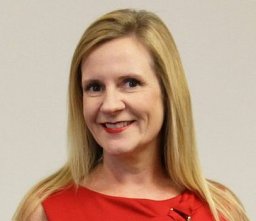 Rebecca Lee合作论文数Texas Obesity Research Center;University of Houston;Texas Obesity Research Center, University of Houston44
 Gabriel Q. Shaibi合作论文数Departments of Preventive Medicine and Physiology & Biophysics;Keck School of Medicine;University of Southern California;Keck School of Medicine, University of Southern California34
 Mama Scherezade K合作论文数University of Houston;The University of Texas M.D. Anderson Cancer Center;University of Houston, The University of Texas M.D. Anderson Cancer Center23Olson Micah L合作论文数20Stephanie L. Ayers合作论文数Southwest Interdisciplinary Research Center, Arizona State University20
 Felipe González Castro合作论文数Edson College of Nursing and Health Innovation, Arizona State University;Center for Health Promotion & Disease Prevention, Arizona State University18Yolanda Konopken合作论文数16
 Colleen Keller合作论文数16Armando Peña合作论文数Coll Hlth Solut, Arizona State Univ15
 Donald L. Patrick合作论文数School of Public Health, University of Washington14
 Allison M. Williams合作论文数School of Earth, Environment & Society, McMaster University13Elva Hooker合作论文数12Lucie Lévesque合作论文数Department of Social and Preventive Medicine, Université de Montréal12
 Teresia M O'Connor合作论文数USDA/ARS Children's Nutrition Research Center, Baylor College of Medicine11
 Kiley Vander Wyst合作论文数Coll Grad Studies, Midwestern Univ10Hu Houchun H合作论文数10
 Tracey A Ledoux合作论文数Children's Nutrition Research Center USDA/ARS, Baylor College of Medicine10Jauregui Edtna合作论文数10Jenny Mendez合作论文数9
 William Knowler合作论文数National Institute of Diabetes and Digestive and Kidney Diseases, National Institutes of Health, United States Department of Health and Human Services9Janiel Pimentel合作论文数8
 Omar A. Contreras合作论文数8
 Luis Ortiz Hernandez合作论文数8Heidi Wildy合作论文数8
 Valentina Hernandez合作论文数Mountain Park Health Center8
 Nathan Chandler Parker合作论文数8Juan Lopez y Taylor合作论文数7Elvia Lish合作论文数7Arlene Fernandez合作论文数7
 Lorna H Mcneill合作论文数7Debbe Thompson合作论文数7Crystal Ramos合作论文数6Jose B. Rosales Chavez合作论文数6
 Simon Barquera合作论文数Nutrition, and Health Research Center, National Institute of Public Health6
 Karen Davis合作论文数Johns Hopkins Bloomberg Sch Publ Hlth6
 Paul A Estabrooks合作论文数Department of Health Promotions, College of Public Health, University of Nebraska Medical Center6Edith Hernandez合作论文数5
 Daniel P. O’Connor合作论文数Laboratory of Integrated Physiology, University of Houston5Neeku Navabi合作论文数4Elizabeth Lorenzo合作论文数4Callie Lopez合作论文数4
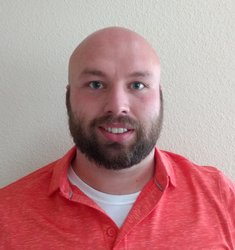 Jacob Szeszulski合作论文数Institute for Advancing Health Through Agriculture, Texas A&M AgriLife Research4Leach Heather J合作论文数4Adamus-Leach Heather J合作论文数4Anel Arriola合作论文数3
 Karla I Galaviz合作论文数School of Kinesiology &Health Studies, Queen's University;School of Kinesiology & Health Studies, Queen's University3ann m pacheco合作论文数3
 Salma Musaad合作论文数Baylor College of Medicine3
 Alejandra Jauregui合作论文数Instituto Nacional de Salud Pública3




