Conventional skin sutures need to be removed after a week or two, requiring a second visit from the patient as well as apprehension in both adult and pediatric cases due to the use of a surgical blade. We evaluated a “self-removable” suturing technique that allows patients or healthcare providers to remove sutures easily without sharp instruments. This knot involves a modified double throw with a remnant loop, enabling removal of the suture by gentle traction. In a pilot study of 16 patients undergoing minor dermatologic procedures, 11/14 (78.6%) sutures were successfully self-removed by the patient attendant under supervision. One had to be removed by physician and two had loosened before removal. Two patients were lost to follow-up. No gaping or delayed healing was noted.
Background The malignancy severity in xeroderma pigmentosum (XP) patients is highly heterogeneous and a score is needed to measure disease burden, prognosticate and evaluate the outcome of various treatment modalities. Objective To develop a malignancy severity score (MSS) for the objective assessment of cumulative non-melanoma skin cancer burden in patients with XP. Methods This prospective case series was conducted in the Department of Dermatology & Venereology at a tertiary centre, over 24 months (January 2023–December 2024). Genetically confirmed xeroderma pigmentosum complementation group C (XPC) patients with biopsy-proven non-melanoma skin cancer (NMSC) were included. Of the 28 screened patients, 12 with current or past biopsy-confirmed NMSC contributed 23 clinical visits; two visits with malignant melanoma (uniformly rated ‘severe’) were excluded, yielding 21 visits for scoring. Suspicious lesions were examined, biopsied and tumour characteristics were documented in a standardised format. Clinical photographs and histopathology reports were independently reviewed by three dermatologists who classified malignancy burden as mild, moderate or severe; final category was determined by majority agreement. A literature-informed malignancy severity score (MSS) was developed, assigning higher weights to high-risk features. Descriptive statistics were applied, Fisher’s exact test assessed associations, Kruskal–Wallis tested score-group relationships and area under the receiver operating characteristics curve (AUROC) evaluated MSS performance ( p <0.05 significant). Results Eight factors were identified to measure malignancy burden in XP patients. Seven factors were scored as low-risk (0) and high-risk (1), while tumour size was graded as low-risk (score 0), moderate-risk (score 1) and high-risk (score 2) to calculate MSS. The final MSS ranged from 0 to 9 where scores 0 to £3 predict a mild group, >3 to <7 predict a moderate group and ≥7 to 9 predict a severe group. The MSS was able to predict a mild group at £3 cutoff with 100.0% (95%CI: 59-100) sensitivity and 85.7% (95%CI: 57-98) specificity and severe group at cutoff ≥7 with 100.0% (95%CI: 40-100) sensitivity and 100% (95%CI: 80-100) specificity. Limitations Because of small sample size, MSS cutoff was derived from small number of mild and severe cases. Therefore, the findings are preliminary and require prospective validation in larger, multicentric cohorts with longer follow-up which should apply statistical models that account for repeated measures. Conclusion The MSS can be used to define the malignancy burden in patients with XP with non-melanoma skin cancers.
Abstract The Vitiligo Signs of Activity Score (VSAS) has been developed as a clinician-observed score to quantify clinically visible signs of vitiligo activity. However, its performance in measuring vitiligo activity has not been studied in detail. The aim of this study was to evaluate VSAS as a tool to measure vitiligo activity. This was a post hoc analysis of a randomized trial comparing oral betamethasone minipulse vs. oral tofacitinib in active vitiligo. VSAS and Vitiligo Disease Activity Score (VDAS) and Vitiligo Disease Improvement Score were evaluated on standardized whole-body photographs by two blinded evaluators. VDAS 60 (≥ 60% improvement from baseline) at 3 months was used as a marker of recent vitiligo activity. Vitiligo was categorized as active or stable (no new lesions or extension since last visit) by an independent expert based on comparison of sequential photographs. For the 54 enrolled patients, data were available for 48 patients at 1 month, 43 patients at 3 months and 41 patients at 6 months. Mean total VSAS showed a positive correlation with VDAS 60 at 3 months (r = 0.34, P = 0.02). Of the subscores, only VSAS-h (hypochromic areas) showed a statistically significant correlation (r = 0.42, P = 0.005) with VDAS 60. No statistically significant correlation was seen between VSAS and the number of new vitiligo macules at 1 month (r = 0.04, P = 0.77) or 3 months (r = 0.09, P = 0.56). The mean (SD) total VSAS was comparable between active and stable vitiligo at 1 month [7.80 (3.43) vs. 8.33 (3.94), P = 0.62] and 3 months [7.80 (3.99) vs. 8.15 (3.28), P = 0.78]. Mean VSAS subscores also showed similar nonsignificant changes. The mean (SD) total VSAS scores declined significantly at 6 months in patients whose disease became stable [9.4 (2.9) vs. 6.3 (3.6), P < 0.001], but not in those whose disease remained active [6.3 (6.5) vs. 5 (5), P = 0.27]. VSAS showed a weak-to-moderate positive correlation with graded vitiligo activity, but could not discriminate between active and recently stabilized vitiligo as a cross-sectional measure. VSAS was responsive to decrease in vitiligo activity.
Papulonecrotic tuberculid (PNT) is a rare hypersensitivity reaction to Mycobacterium tuberculosis, typically seen in immunocompetent individuals but occasionally reported in human immunodeficiency virus (HIV)-positive patients. We describe the case of a 30-year-old HIV-positive male with high-risk sexual behavior presenting with crusted papulopustular lesions and severe headache. Cerebrospinal fluid and venereal disease research laboratory (VDRL) were positive for VDRL and treponema pallidum hemagglutination confirming neurosyphilis, while skin biopsy revealed PNT. This case underscores the diagnostic challenge of differentiating co-infections and id reactions in HIV. The patient improved significantly with anti-tubercular therapy and benzylpenicillin.
Digital dermatology, which is defined as the use of digital technologies that leverage individual- and population-level skin data to improve the diagnosis, treatment, and prevention of skin diseases, has emerged as a critical frontier for bridging persistent gaps in dermatologic care. This transformation holds particular promise for addressing long-standing inequities linked to geography, income, and skin type. According to the Global Burden of Disease 2023 study, skin and subcutaneous diseases remain among the most prevalent global health conditions, contributing substantially to disability-adjusted life years. Digital tools (including teledermatology, artificial intelligence [AI], and large language models) offer new ways to extend diagnosis, education, and patient empowerment to historically underserved populations. However, these same innovations risk amplifying disparities if they are not designed and deployed intentionally. Algorithmic bias, uneven digital access, and the absence of culturally responsive models can undermine progress. In this conceptual and narrative review, we draw on expert dialogues and illustrative literature, including multistakeholder exchanges at the Skin and Digital Summit (2023-2025) and related global forums, to examine how digital dermatology can promote equitable skin health. We focus on 3 interlinked priorities: expanding access through scalable digital platforms, ensuring AI fairness via comprehensive and diverse datasets, and countering dermatological misinformation. Central to the latter is a bot concept described here as a dynamic cycle that analyzes scientific literature; ranks evidence; translates complex research into clear language; and delivers trustworthy, personalized guidance to both consumers and clinicians. By embedding expert oversight and evidence prioritization, such tools can ensure that accurate, actionable information reaches users at the speed and scale of the internet. Drawing on case studies (including lessons from the World Health Organization’s AI skin health app) and insights from the Skin and Digital Summit, we highlight both the transformative potential and the ethical complexities of these digital solutions. To navigate this evolving landscape, we propose the concept of radical dermatology, which confronts the reality that big tech is reshaping skin health whether we like it or not and insists that dermatologists and stakeholders lead the transformation through bold collaboration and unwavering clinical relevance.
Abstract Artificial intelligence (AI) systems, particularly deep learning models, are increasingly used in dermatology for image analysis, triage, remote monitoring, and decision support. For real-world adoption in the Indian dermatology ecosystem, robust validation, transparency, and governance are essential to protect patient safety and equity. This position statement synthesizes guidance from international dermatology societies and major regulatory approaches, and proposes India-adapted recommendations across clinical use, dataset curation, validation standards, ethics, privacy, liability, and policy. We performed a narrative synthesis of position statements from the American Academy of Dermatology (AAD), European Academy of Dermatology and Venereology (EADV), British Association of Dermatologists (BAD), and Australasian College of Dermatologists (ACD); regulatory frameworks, including the European Union Medical Device Regulation (EU MDR), the United States Food and Drug Administration (US FDA) Software as a Medical Device (SaMD) approach, National Institute for Health and Care Excellence (NICE) evidence standards, and Australia’s Therapeutic Goods Administration (TGA). Indian frameworks, including the Central Drugs Standard Control Organisation (CDSCO) Medical Device Rules, Bureau of Indian Standards/International Organization for Standardization (BIS/ISO) standards, the Digital Personal Data Protection (DPDP) Act, and Indian Council of Medical Research (ICMR) artificial intelligence ethics guidance were included. Seven domains were analyzed: governance, evidence generation, data bias, clinical safety, privacy, liability, and education. Principles emphasize clinician-in-the-loop use, prospective multicentric validation in representative Indian settings, skin-of-color inclusivity, transparent labeling and explainability, post-market surveillance, and clearer accountability. While clinical utility and health-economic evidence remain limited, validated and inclusive AI tools can responsibly expand access to quality dermatologic care in India, particularly in underserved areas.
Traditionally, AI research in medical diagnosis has largely centered on image analysis. While this has led to notable advancements, the absence of patient-reported symptoms continues to hinder diagnostic accuracy. To address this, we propose a Pre-Consultation Dialogue Framework (PCDF) that mimics real-world diagnostic procedures, where doctors iteratively query patients before reaching a conclusion. Specifically, we simulate diagnostic dialogues between two vision–language models (VLMs): a DocVLM, which generates follow-up questions based on the image and dialogue history, and a PatientVLM, which responds using a symptom profile derived from the ground-truth diagnosis. We additionally conducted a small-scale clinical validation of the synthetic symptoms generated by our framework, with licensed clinicians confirming their clinical relevance, symptom coverage, and overall realism. These findings indicate that the resulting DocVLM–PatientVLM interactions form coherent, multi-turn consultations paired with images and diagnoses, which we then use to fine-tune the DocVLM. This dialogue-based supervision leads to substantial gains over image-only training, highlighting the value of realistic symptom elicitation for diagnosis.
Background Surgical management is an important option for patients with stable vitiligo unresponsive to medical therapy, yet standardised guidance on its practice has remained limited. Objective To develop consensus-based, evidence-informed recommendations for the surgical management of vitiligo tailored to clinical practice in India, but relevant across diverse settings. Methods Key domains of vitiligo surgery lacking uniform guidance were identified through literature review and preliminary discussions. Draft statements were circulated among a purposively selected panel of expert vitiligo surgeons. Using a modified Delphi process, experts rated statements over five iterative rounds. Consensus was defined as a mean Likert score ≥3.75. Results The final consensus addressed patient selection, stability criteria, contraindications and minimum age considerations; preoperative evaluation and counselling; anaesthesia choices; determinants guiding selection of tissue versus cellular techniques; and recommendations for surgery at special sites. Technical guidance was provided on recipient-site preparation, donor harvesting, trypsinisation, centrifugation, use of inhibitors and wash media, and postoperative dressing. The panel endorsed non-cultured epidermal suspension (NCES) as the preferred method for large lesions, highlighted role-specific techniques for special sites and recommended dressings to remain undisturbed for 5–7 days. Adjunctive therapies such as phototherapy and topical tacrolimus were considered beneficial. Management of postoperative complications, including perilesional halo, was also addressed. Limitations Some recommendations are based on expert consensus due to limited high-quality evidence. Conclusion These consensus-based guidelines provide practical recommendations across the continuum of vitiligo surgery, aiming to harmonise practice, improve outcomes and support individualised decision-making. They also highlight areas where further research is needed to refine standards of care.
Background Radiofrequency tissue volume reduction leads to protein denaturation and necrosis of connective tissue, resulting in scarring followed by retraction of soft tissue. Aim To study the efficacy and safety of intralesional corticosteroids alone versus radioporation-assisted delivery of topical application of triamcinolone acetonide. Methods A single-centre, randomised, non-blinded study included 31 patients (18-65 years), each with at least two comparable keloids. Patients were randomised (1:1) to receive either intralesional corticosteroid or radioporation-assisted topical corticosteroid for five sessions at 3-week interval, with follow-up at 18 and 24 weeks. Results The Vancouver scar scale (VSS) scores improved in both groups, but the radioporation group showed greater reductions in VSS (mean difference +1.21, p = 0.002), vascularity, pigmentation, pliability, and scar height, despite higher baseline values. Limitations Short follow-up precluded relapse assessment. Conclusion Both modalities significantly improved keloids, but radioporation-assisted corticosteroid delivery demonstrated superior efficacy with comparable safety.
Vitiligo is a multifaceted autoimmune skin disease characterized by the loss of epidermal melanocytes, yet its molecular basis remains poorly understood. To address the need for a specialized systems biology interface, we present VIRdb v3.0, an integrative database combining curated transcriptomics-based datasets with differentially expressed genes, a protein-protein interaction network highlighting regulatory hubs, and an enriched library of natural compounds and FDA-approved drugs targeting vitiligo-related proteins. The platform supports pathway enrichment, molecular docking, and cross-disease comparisons with autoimmune disorders to identify shared molecular signatures. Backend redevelopment using the Django framework enables scalability and real-time data integration. The updated platform now also supports z-score normalization of expression data, multi-gene pathway enrichment queries, and comparative gene-gene interaction networks for vitiligo and its comorbid autoimmune conditions. VIRdb v3.0 facilitates hypothesis generation, biomarker discovery, and therapeutic exploration, advancing vitiligo systems biology. The database is freely accessible at https://virdb.sbdaresearch.in/.
Internal medicine involves high-stakes, time-sensitive decisions (such as triaging acute illnesses, escalating care, providing thromboprophylaxis, planning discharges, and managing chronic diseases) often under uncertainty. Risk stratification tools convert limited bedside data into actionable categories. Predictive analytics, by contrast, draws on richer electronic health record data streams to estimate short- or long-term risks in real time. Model performance varies across sites due to differences in data quality, outcome definitions, and workflows; external validation may reveal miscalibration, while alerts can cause alarm fatigue. This review provides a practical framework for clinicians and clinical leaders to appraise, select, and implement predictive models in internal medicine. We map common use cases (like inpatient deterioration, sepsis, acute kidney injury, venous thromboembolism, and readmission) to the clinical decisions they should trigger, emphasising that prediction without an intervention pathway rarely improves outcomes. We outline what to demand before deployment: a clearly specified target population and time horizon; predictor availability and measurement consistency; evaluation beyond discrimination to include calibration and decision-curve analysis; equity checks across key subgroups; and a life-cycle plan for monitoring dataset shift and calibration drift. We also discuss how we can choose thresholds, interpret probabilities at patient bedside and evaluate clinical impact with studies and continued monitoring. Recommendations are aligned with contemporary reporting and appraisal standards for prediction and AI studies (TRIPOD+AI, PROBAST+AI, CONSORT-AI, DECIDE-AI) and with governance and regulatory principles for AI-enabled medical software. The goal is to help internists translate risk scores and EHR-based predictions into safer, more equitable, and measurably effective care pathways. [1].
 Bhushan Kumar合作论文数Departments of Biochemistry and Dermatology;graduate Institute of Medical Education and Research, Post;Departments of Biochemistry and Dermatology|Postgraduate Institute of Medical Education and Research35
 Nikhil Mehta合作论文数30
 Neetu Bhari合作论文数27
 Vinod Kumar Sharma合作论文数26
 Sanjeev Gupta合作论文数25Sahni Kanika合作论文数Department of Dermatology, Venereology and Leprology, Postgraduate Institute of Medical Education and Research25
 Sudheer Arava合作论文数Department of Pathology and Cardiothoracic Surgery, All India Institute of Medical Sciences24Rashi Pangti合作论文数Dept Dermatol & Venereol, All India Inst Med Sci23Seema Sood合作论文数Department of Microbiology, All India Institute of Medical Sciences20
 Rhea Ahuja合作论文数17
 Neha Taneja合作论文数Dept Dermatol & Venereol, All India Inst Med Sci14Apoorva Challa合作论文数13
 Kapil Verma合作论文数13
 Ananya Sharma合作论文数12Ravi Shankar Jangra合作论文数12Sharma Alpana合作论文数12Vk Sharma合作论文数11
 Tembhre Manoj Kumar合作论文数All India Institute of Medical Sciences10
 Neena Khanna合作论文数Department of Dermatovenereology, All India Institute of Medical Sciences10Bhavya Swarnkar合作论文数9Pankhuri Dudani合作论文数9Vishal Gupta合作论文数9Gomathy Sethuraman合作论文数Department of Dermatology, All India Institute of Medical Sciences9Benu Dhawan合作论文数9C Ajith合作论文数8
 Tanvi Dev合作论文数8
 Tekumalla Sindhuja合作论文数Dept Dermatol & Venereol, All India Inst Med Sci8
 Sanjay Singh合作论文数Dept Dermatol & Venereol, All India Inst Med Sci8
 Vishal Gaurav合作论文数7Kanwar Amrinder J合作论文数7
 Binod K Khaitan合作论文数7
 Mahendra Aneet合作论文数7
 Naresh Jindal合作论文数7Kamaldeep Sandhu合作论文数7
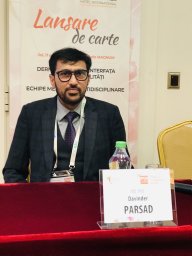 Davinder Parsad合作论文数Department of Dermatology, Venereology and Leprology, Postgraduate Institute of Medical Education & Research7Ayush Jain合作论文数6P. S. Saluja合作论文数6S. Handa合作论文数6
 Saurabh Bhatia合作论文数6
 Suman Patra合作论文数Department of Dermatology, All India Institute of Medical Sciences6Kachhawa Garima合作论文数6Ramam M合作论文数6
 Sujata Mohanty合作论文数Stem Cell Facility, All India Institute of Medical Sciences6
 Rachna Verma合作论文数Department of Microbiology, All India Institute of Medical Sciences6Mp Kapur合作论文数5Deepti Ghia合作论文数5Maninder Kaur合作论文数5
 Henry W. Lim合作论文数Henry Ford Hospital5




