OBJECTIVES: Telecritical care (TCC) refers to the delivery of critical care using telehealth technologies. Despite increasing utilization, significant practice variation exists and literature regarding efficacy remains sparse. The Telecritical Care Collaborative Network sought to provide expert, consensus-based best practice recommendations for the design and delivery of TCC. DESIGN: We used a modified Delphi methodology. Following literature review, an oversight panel identified core domains and developed declarative statements for review by an expert voting panel. During three voting rounds, voters agreed or disagreed with statements and provided open-ended feedback, which the oversight panel used to revise statements. Statements met criteria for consensus when accepted by greater than or equal to 85% of voters. SETTING/SUBJECTS: The oversight panel included 18 multidisciplinary members of the TCC Collaborative Network, and the voting panel included 32 invited experts in TCC, emphasizing diversity of discipline, care delivery models, and geography. INTERVENTIONS: None. MEASUREMENTS AND MAIN RESULTS: We identified ten core domains: definitions/terminology; care delivery models; staffing and coverage models; technological considerations; ergonomics and workplace safety; licensing, credentialing, and certification; trust and relationship building; quality, safety, and efficiency, research agenda; and advocacy, leading to 79 practice statements. Of 79 original statements, 67 were accepted in round 1. After revision, nine were accepted in round 2 and two in round 3 (two statements were merged). In total, 78 practice statements achieved expert consensus. CONCLUSIONS: These expert consensus recommendations cover a broad range of topics relevant to delivery of TCC. Experts agreed that TCC is most effective when delivered by care teams with specific expertise and by programs with explicit protocols focusing on effective communication, technical reliability, and real-time availability. Interventions should be tailored to local conditions. Although further research is needed to guide future best practice statements, these results provide valuable and actionable recommendations for the delivery of high-quality TCC.
Introduction: Prior to the COVID-19 pandemic, tele-critical care (TCC) pharmacists evaluated patients at multiple ICUs across this healthcare system using clinical decision support (CDSS) alerts for abnormal laboratory values. To increase provider capacity for higher acuity activities, a critical care pharmacist emergency protocol (CCPEP) was enacted, allowing TCC pharmacists to manage therapy in multiple domains. The purpose of this review was to characterize TCC pharmacist interventions prior to and after CCPEP implementation. Methods: This multi-center, multi-ICU, retrospective observational quality improvement project evaluated TCC pharmacist interventions documented from September 1, 2019, through November 30, 2019 (pre-CCPEP) compared with September 1, 2020, through November 30, 2020 (post-CCPEP). Descriptive statistics were reported. Results: In the pre-CCPEP period, 1448 interventions were performed in 655 unique patients (mean 2.2 interventions/patient) across 10 ICUs as compared to 2115 interventions in 861 unique patients (mean 2.5 interventions/patient) across 8 ICUs post-CCPEP, a 46.1% increase in the total number of interventions. Glycemic control interventions decreased from 38.7% to 26.4% of interventions, while medication management interventions increased from 28.3% to 41.3% from the pre- to post-CCPEP period, respectively. In medication management, sedation and analgesia interventions increased from 57 (13.9%) in the pre-CCPEP period to 251 (28.8%) in the post-CCPEP period, cardiovascular medication recommendations decreased from 60 (14.6%) to 50 (5.7%), and gastrointestinal agent recommendations increased from 8 (2%) to 68 (7.8%). Electrolyte management, venous thromboembolism prophylaxis, and stress ulcer prophylaxis intervention rates remained similar. Conclusions: Implementation of a CCPEP facilitated more interventions by TCC pharmacists than CDSS review alone, especially in general medication management. Increased sedation and analgesia interventions in the post-CCPEP period suggest enhanced complexity of recommendations. More patients were intervened on in the post-CCPEP period with more interventions per patient, which may be due to increased census and acuity in addition to the CCPEP. Future directions include pursuing clinical pharmacist practitioner status in the TCC space.
Introduction: While critical care pharmacists have demonstrated expertise in medication optimization, adverse drug events avoided, cost-containment and education, much of this data is derived from bedside practice. Griffiths and colleagues reported on the impact of tele-critical care (TCC) pharmacy services with virtual rounds three days per week and showed a positive impact on medication optimization. This quality improvement project characterized the interventions made by a TCC pharmacist during virtual rounds Monday through Friday at a small urban hospital without bedside critical care pharmacists. Methods: This retrospective quality improvement project characterizes the number and types of interventions documented by the TCC pharmacists in an eight-bed intensive care unit (ICU) from May 1, 2021 through April 30, 2022. Descriptive statistics were reported. Results: During this study period, TCC pharmacists participated in virtual rounds for a total of 254 days, excluding major holidays. A total of 1,534 interventions were completed in 243 unique patients with 6.3 interventions per patient. Approximately 6 interventions were completed per day. Fifty-nine percent were male with a median age of 62 years. Medication management interventions accounted for 78% of the total. Discontinuing medication(s) was most common at 39.6% followed by adding a medication to the patient’s regimen at 13%. Glycemic control interventions were 7% of the overall interventions completed. Conclusions: As recommended by the 2020 position paper on critical care pharmacy services, telemedicine is an option for providing comprehensive medication management if bedside pharmacists are not available. As demonstrated, TCC pharmacists participating in virtual rounds provided comprehensive medication management and influenced medication therapy. Future directions include presentation to pharmacy and critical care leadership to support clinical pharmacist practitioner status and additional TCC pharmacists.
Introduction: Critically ill patients undergo stressful states while in the intensive care unit (ICU) and thus have alterations in bowel habits, including constipation in 20-83% and diarrhea in 3.3-78%. Patients frequently receive opioid analgesics to assist with sedation and pain control. Appropriate bowel management is essential to prevent further complications during the ICU stay. The purpose of this study is to examine the various bowel preparations (BP) used in ICU patients, time to first bowel movement after initiation or escalation of a BP, and reason for BP discontinuation. Methods: This multi-center, multi-ICU, retrospective observational review evaluated tele-critical care pharmacist interventions documenting initiation or change in BP from January 2, 2021 to June 30, 2021. Interventions were excluded if the BP was renewed, duplicate therapy and/or change in formulation. Descriptive statistics were used to describe the data. Results: One hundred ninety-six unique patients had at least one BP intervention. Baseline characteristics include 55% male, average age of 64 years, a BMI of 32.9, and 66% COVID-19 positive. One hundred seventy-four unique patients had a BP initiated or added on to current therapy, while 62 unique patients had current therapy escalated. The median days to first bowel movement after initiation or addition of a BP was 5.4 days (range 0-19). Ninety-eight percent of patients received an opioid, either continuous infusion or oral, and 90% received enteral nutrition. Docusate and senna were the primary BPs added when a regimen was initiated. Then, polyethylene glycol was added as the next BP. Lactulose and bisacodyl suppositories were added as 4th line treatment if the patient had not experienced a bowel movement. Methylnaltrexone was used in 1 patient. Fifty-two unique patients had one or more medications from their current bowel regimen discontinued due increased stool output, diarrhea, multiple bowel movements within last 24 hours, or the patient refusing the medication. Conclusions: Initiation of BPs in critically ill patients, especially if receiving an opiate, may be delayed. Bowel regimen initiation should be considered when the patient is placed on opiate therapy. If the patient continues to have a delayed response to therapy, prompt escalation of therapy may be warranted.
Background: To enhance patient care during the COVID-19 pandemic, tele-critical care (TCC) pharmacists within Atrium Health (AH) managed therapy in multiple domains under a Critical Care Pharmacist Emergency Protocol Agreement (CCPEPA).Methods: This was a multicenter, retrospective quality improvement (QI) study conducted at AH's North Carolina facilities to compare TCC pharmacist interventions between shifts (timeframes 1 and 2), identify and categorize medication management interventions (timeframe 3), and to assess how the CCPEPA was utilized during these different timeframes.Results: After removing duplicate patients and interventions that were recorded in overlapping timeframes, 5681 interventions were performed on 1665 unique patients. Timeframe 1 documented 2150 interventions on 861 patients with an average of 37.2 interventions/shift on first shift and 14.3 interventions/shift on second shift. Medication management (46.5%) was the most common activity on first shift whereas glucose management activities (42.8%) were most common on second shift. During timeframe 2, the full time TCC pharmacists documented 710 interventions on 395 patients with an average of 15.8 interventions/shift on first shift and 11.3 interventions/shift on second shift. Activity results were similar to timeframe 1. During timeframe 3, 2331 medication management interventions were performed on 700 patients, averaging 18.4 interventions/day, including medication discontinuation (39.2%), medication addition (15.7%), and order clarification (11.8%). The most common medication class was sedation and analgesia (26.3%).Conclusions: The CCPEPA provided TCC pharmacists various opportunities to enhance patient care and practice at the top of their license. First shift hours with proactive patient review for both faculty and full-time TCC pharmacists resulted in more interventions per shift and increased medication management interventions. These QI initiatives demonstrate the benefit of having TCC pharmacists as part of the healthcare team. Within AH, the success of the CCPEPA protocol has supported advocating for Clinical Pharmacist Practitioner status and increases in TCC pharmacist staff.
Everhart, Sonia; Kosmisky, Desiree; Griffiths, Carrie; Smith, Katelyn PharmD Candidate Author Information
Background Critical care services have expanded over the last decade to include tele-ICU. In 2015, Atrium Health’s pharmacy services began covering tele-ICU patients from 3–11 PM. In 2017, dayshift tele-ICU pharmacy services were added on Monday, Wednesday and Friday from 8 AM to 12 PM. Cutting-edge technology and software integration allow alerts to be generated in areas of abnormal glucose, electrolyte and lactate levels. This analysis was conducted to describe the interventions recommended during dayshift hours. Methods Data collected from 1 August 2017 to 30 June 2018, the first 11 months of dayshift pharmacist coverage, include number of charts reviewed per shift, interventions and specific types logged, if the intervention was tied to an alert and if it was accepted or rejected. Interventions can originate from alerts or from proactive assessment by the pharmacist. Descriptive statistics were reported. Results On average, 41 charts were reviewed per shift. Over an 11-month period, 1024 interventions were made for 634 patient chart reviews. Some 89% of all interventions were accepted or accepted with modifications. Of the total interventions, 37 (3.6%) were adverse drug events avoided and 658 (64.4%) were interventions unrelated to alert data. Medication management accounted for 44.3% of all interventions. Discussion Proactive assessment rather than alert review resulted in the majority of interventions, demonstrating that reviewing every ICU patient is vital for improving patient care. Determining optimal avenues for intervention delivery and integration with the bedside multidisciplinary teams remains one of the biggest challenges. Dayshift innovations included weekly virtual rounds and providing drug information for the bedside teams.
Kosmisky, Desiree; Griffiths, Carrie; Everhart, Sonia; Smith, Katelyn PharmD Candidate Author Information
INTRODUCTION: Tele-critical care (TCC) use expanded dramatically during COVID19 pandemic. As a result of anticipated surges in ICU capacity and increased patient acuity secondary to the pandemic, this healthcare system enacted a critical care pharmacist emergency protocol (CCPEP) allowing critical care pharmacists to manage therapy in multiple domains, ultimately increasing provider bandwidth for additional patient review and higher acuity activities. The purpose of this study was to characterize TCC pharmacist interventions made using the CCPEP comparing first shift versus second shift. METHODS: This multi-center, multi-ICU, retrospective observational review evaluated TCC pharmacist interventions documented from September 1, 2020 through November 30, 2020 for first shift vs. second shift. Prospective chart review occurred for each ICU status patient on first shift, while patient review on second shift was in response to alerts or new admissions. Descriptive statistics were reported. RESULTS: A total of 2152 (1266 on 1st shift and 886 on 2nd shift) documented pharmacist interventions were made during the 3-month period using the critical care pharmacist emergency protocol for 861 unique patients (52.1% on 1st shift). An average of 2.8 interventions per patient were made on 1st shift and 2.1 interventions per patient on 2nd shift. In addition to interventions made for glucose, electrolyte management, stress ulcer prophylaxis and venous thromboembolism prophylaxis, the most common interventions (873/2150, 40%) were categorized as medication management. First shift had 588 interventions versus 2nd shift with 285 interventions. Examples of these interventions overall include sedation, analgesia, and paralytic management (35%);dose adjustments (13%);vasopressor management (4%);fluid management (3%) and clustering care for patients (3%). Adverse drug events avoided totaled 103, with 84% of interventions occurring on 2nd shift. CONCLUSION: Proactive review of patients led to more medication management interventions through use of the CCPEP. The use of the CCPEP expanded pharmacist practice during the COVID-19 pandemic to practice at the top of their license. Future directions include using this data as justification for clinical pharmacist practitioner status and additional critical care pharmacist positions.
Background In 2015, Atrium Health (AH) established second shift pharmacy services in the tele-critical care (TCC) setting to optimize medication therapy and serve as a drug information resource to facilities across the health care system. TCC pharmacy services expanded to the first shift in July 2017. In September 2017, the first shift pharmacist began participating in virtual multidisciplinary rounds 1 day per week, which increased to 3 days per week in October 2019 at AH Lincoln, a community hospital with a 10-bed intensive care unit (ICU). Methods This was a nonrandomized retrospective cohort study of adult ICU patients at AH Lincoln across two different time periods. The primary outcome was the number and type of pharmacy interventions made on rounding day(s) vs nonrounding days and first vs second shifts. Data are reported using descriptive statistics. Results During time period 1, a total of 1174 patients were admitted to the ICU for a total of 2115 patient days, with an average length of stay (LOS) of 1.8 days (SD +/- 1.8 days). During time period 2, a total of 812 patients were admitted to the ICU for a total of 1775 patient days with an average LOS of 2.2 days (SD +/- 2.7 days). During time period 1, a total of 753 interventions (297 on first shift and 456 on second shift) were performed as compared to time period 2, which had 1276 interventions (816 on first shift and 460 on second shift). For both time periods, the most common intervention on the first shift was medication management (45%) vs glycemic control (36%) on the second shift. Conclusions The addition of TCC pharmacy services to AH Lincoln has resulted in a positive impact on medication management, with the largest impact demonstrated through virtual rounding by the first shift TCC pharmacist.
Griffiths, Carrie1; Kosmisky, Desiree2; Everhart, Sonia3; Marshall, Karen4 Author Information
Purpose: A review of the implementation and development of telepharmacy services that ensure access to a critical care-trained pharmacist across a healthcare system. Summary: Teleintensive care unit (tele-ICU) services use audio, video, and electronic databases to assist bedside caregivers. Telepharmacy, as defined by the American Society of Health-System Pharmacists, is a method in which a pharmacist uses telecommunication technology to oversee aspects of pharmacy operations or provide patient care services. Telepharmacists can ensure accurate and timely order verification, recommend interventions to improve patient care, provide drug information to clinicians, assist in standardization of care, and promote medication safety. This tele-ICU pharmacy team is one of the only entirely clinical-based tele-ICU pharmacy models among the tele-ICU programs across the United States. The use of technology for customized alert generation and intervention proposal with medication orders and chart notation are unique. In a 34-month period from September 2015 to July 2018, more than 110 000 alerts were generated and 13 000 interventions were performed by telepharmacists. Conclusions: Tele-ICU pharmacists employ limited resources to provide critical care pharmacy expertise to multiple sites within a healthcare system during nontraditional hours with documented clinical and financial benefits. Further study is needed to determine the impact of tele-ICU pharmacists on ICU and hospital length of stay, morbidity, and mortality.
Learning Objectives: Bloodstream infections (BSI) initially require broad-spectrum antimicrobial agents. Conventional organism detection and susceptibility reporting require patients to remain on empiric coverage for 48 to 72 hours, potentially delaying receipt of appropriate antimicrobial therapy. Antibiotic utilization is improved when rapid blood culture identification (BCID) tests are implemented in conjunction with pharmacist-managed antimicrobial stewardship programs (ASP). Currently, positive BCID result assessment is provided by the hospital system’s ASP during first shift. We hypothesized a collaborative effort with tele-ICU pharmacist coverage during 2nd shift would provide increased bandwidth of the service ensuring appropriate antibiotic prescribing for BSI. Methods: Data collected from March 2017 through June 2018 for positive results called to tele-ICU pharmacists included patient location, total calls per shift and total time spent by the pharmacist. The number of positive results requiring provider contact to escalate therapy as well as those requiring no intervention were assessed. Descriptive statistics were reported. Results: To date, 1,379 positive results have been called for 1,297 unique patients in acute care, rehabilitation, and long-term acute care facilities across the healthcare system. Eighty-one percent of these calls needed no further intervention. Thirteen percent required provider notification for therapy modification. We consulted with infectious disease providers for antimicrobial recommendations in 1%. Twenty-eight percent or 418 of the total results were for adult ICU patients. A median of 4 calls were completed per night (IQR 3 to 6). The average time required to complete each call was 8 minutes + 1.7 minutes. Conclusions: Tele-ICU pharmacists intervened for 13% of positive BCID results to ensure optimal antimicrobial coverage for all patients per developed algorithm. This collaborative effort between tele-ICU pharmacy and ASP ensures appropriate patient care during a time of limited resources.
Background: Sedation of mechanically ventilated patients should optimize comfort and safety while avoiding over-sedation and adverse outcomes. To our knowledge, characteristics associated with attaining target sedation are unknown. Objectives: Evaluate current sedation practice at a single center and explore which patient characteristics are associated with attaining target sedation. Methods: This is a single-center, retrospective chart review of sedated, ventilated patients in a medical/surgical ICU. Demographic and clinical data were collected. Univariate and multivariate logistic regression analyses were used with attaining target sedation as the dependent variable. Results: Of the 100 patients included (median 60.5 years), 50 attained target sedation. Univariate analyses (a = 0.10) revealed factors associated with target sedation were age (P = 0.08), history of alcohol abuse (P = 0.08), multiple comorbidities (P = 0.09), and delirium monitoring (P = 0.002). Multivariate analysis revealed an association between delirium monitoring/documentation and attaining target sedation (P = 0.005; OR 9.2; 95% CI 2.3-36.8). Conclusions: Patients without appropriate delirium monitoring/documentation had significantly reduced likelihood of achieving target sedation. (C) 2018 Elsevier Inc. All rights reserved.
 Desiree Kosmisky合作论文数19
 Carrie L Griffiths合作论文数School of Pharmacy, Wingate University13Karen Marshall合作论文数2
 Theresa Davis合作论文数1
 Teresa Rincon合作论文数1Sanjay Subramanian合作论文数1Sai P Haranath合作论文数1Benjamin K Scott合作论文数1Jaspal Singh合作论文数1Israel Villanueva合作论文数1
 Donna Armaignac合作论文数Baptist Health South Florida1
 Lisa-Mae Williams合作论文数1
 Krzysztof Laudanski合作论文数Department of Anesthesiology and Critical Care, Perelman School of Medicine, University of Pennsylvania1
 Scruth Elizabeth Ann合作论文数School of Nursing and Midwifery, Australian Catholic University1Anderson William合作论文数1
 Peter Pappas合作论文数Center for Outcomes and Effectiveness Research and Education, School of Medicine, The University of Alabama at Birmingham;Division of Infectious Diseases, The University of Alabama at Birmingham1
 Marilyn Hravnak合作论文数School of Nursing, University of Pittsburgh1
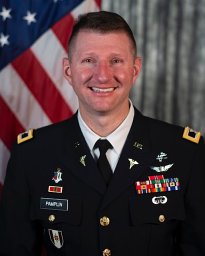 Jeremy C. Pamplin合作论文数1
 Matthew R Goede合作论文数Surgery, University of Nebraska Medical Center1




