Leveraging the Wasserstein distance—a summation of sample-wise transport distances in data space—is advantageous in many applications for measuring support differences between two underlying density functions. However, when supports significantly overlap while densities exhibit substantial pointwise differences, it remains unclear whether and how this transport information can accurately identify these differences, particularly their analytic characterization in finite-sample settings. We address this issue by conducting an analysis of the information processing capabilities of the one-dimensional Wasserstein distance with finite samples. By utilizing the Poisson process and isolating the rate factor, we demonstrate the capability of capturing the pointwise density difference with Wasserstein distances and how this information harmonizes with support differences. The analyzed properties are confirmed using neural spike train decoding and amino acid contact frequency data. The results reveal that the one-dimensional Wasserstein distance highlights meaningful density differences related to both rate and support.
This study aimed to develop a predictive neurobiomarker by integrating spectral power and connectivity features derived from intracranial electroencephalography (iEEG) during memory encoding to estimate subsequent memory performance. We analyzed iEEG data from 12 epilepsy patients with electrodes implanted in the hippocampus and amygdala while they performed an item-memory task. Power spectral density (PSD) and coherence (Coh) features were extracted across canonical frequency bands. We evaluated the predictive value of these features individually and in combination (PSD and Coh) for behavioral memory performance using Gaussian process regression models. Time-frequency analysis revealed significant differences between correct and incorrect trials, particularly in the mid-gamma (50–100 Hz) and theta (4–8 Hz) bands. The highest prediction performance was achieved by combining PSD and Coh features from hippocampal and amygdala channels in the mid-gamma band, yielding a high coefficient of determination (R² = 0.8064). These findings highlight the importance of coordinated hippocampus–amygdala activity in memory formation and demonstrate that encoding-related neural signals can reliably predict subsequent memory performance. The proposed neurobiomarker provides a neural basis for the real-time assessment of encoding quality and may support future cognitive rehabilitation systems that detect insufficient encoding and deliver timely feedback to enhance learning efficiency.
Meditation is an accessible mental practice associated with emotional regulation and well-being. Loving-kindness meditation (LKM), a specific subtype of meditative practice, involves focusing one's attention on thoughts of well-being for oneself and others. Meditation has been proven to be beneficial in a variety of settings, including therapeutic applications, but the neural activity underlying meditative practices and their positive effects are not well understood. It has been difficult to understand the contribution of deep limbic structures given the difficulty of studying neural activity directly in the human brain. Here, we leverage a unique patient population, epilepsy patients chronically implanted with responsive neurostimulation devices that allow chronic, invasive electrophysiology recording to investigate the physiological correlates of LKM in the amygdala and hippocampus of novice meditators. We find that LKM-associated changes in physiological activity were specific to periodic, but not aperiodic, features of neural activity. LKM was associated with an increase in γ (30 to 55 Hz) power and an alternation in the duration of β (13 to 30 Hz) and γ oscillatory bursts in both the amygdala and hippocampus, two regions associated with mood disorders. These findings reveal the nature of LKM-induced modulation of limbic activity in first-time meditators.
Achieving goals in real-life situations—from fetching a glass of water to landing a dream job—often requires planning based on experience and executing a sequence of actions. Neurophysiological research in animal models has indicated that the orbitofrontal cortex (OFC) mediates relationships between memory, actions, and outcomes and the hippocampus and other medial temporal lobe (MTL) regions are known to be critical for rapid learning, but little is known about how these areas interact to support rapid learning and retrieval of goal-directed action sequences in humans. Here, we leverage a rare opportunity to investigate human OFC gamma oscillations and examine the coordination between the OFC and MTL during a continuous multi-step task that requires applying recently acquired experience to guide behavior. We used multisite intracranial electroencephalography (iEEG) recordings while participants searched for a hidden goal in an animated game to study neural activity in both brain areas during goal-directed behavior. Hippocampal ripples—brief high-frequency oscillations reflecting synchronized neuronal firing—are known to support memory consolidation during sleep, but their role during active memory retrieval and updating remains unclear. We found that OFC gamma activity was modulated by both memory demands and ripples in the hippocampus and adjacent structures. Notably, ripple-coupled OFC gamma during exploration was associated with subsequent task performance. We propose that hippocampal ripples mark a narrow window, supporting hippocampal-cortical communication required for successful goal encoding for future behaviors. ### Competing Interest Statement R. C. O'Reilly is Chief Scientist at the Astera Obelisk lab and eCortex Inc., which may derive indirect benefit from the work presented here. The other authors declare no competing interests. Office of Naval Research, N00014-20-1- 2578
Hippocampal neuronal activity at a time preceding stimulus onset affects episodic memory performance. We hypothesized that neuronal activity preceding an event supports successful memory formation; therefore, we explored whether a characterized encoding-associated brain activity, viz. the neuronal activity preceding a stimulus, predicts subsequent memory formation. To address this issue, we assessed the activity of single neurons recorded from the hippocampus in humans, while participants performed word memory tasks. Human hippocampal single-unit activity elicited by a fixation cue preceding words increased the firing rates (FRs) and predicted whether the words are recalled in a subsequent memory test; this indicated that successful memory formation in humans can be predicted by a preceding stimulus activity during encoding. However, the predictive effect of preceding stimulus activity did not occur during retrieval. These findings suggest that the preparative arrangement of brain activity before stimulus encoding improves subsequent memory performance.
Most of previous studies related to decoding memory task have focused on the interpretation of neurophysiological characteristics during the memory task. Some studies have attempted to decode the performance of the memory task using brain activity measured in a retrieval session. The aim of this study is to decode the results of a memory task using intracranial EEG (iEEG) measured before (pre-encoding phase) and during (encoding phase) an encoding session in advance of a retrieval session. iEEG data were measured from two epilepsy patients during a memory task, and the power spectral densities of the iEEG data were extracted as decoding features. Event-related spectral perturbation (ERSP) in high-beta band (24 – 30 Hz) showed the significant difference between correctly and incorrectly memorized items in common along with the unique patterns of each patient. The mean decoding accuracy was 74.0% and 73.2% for pre-encoding phase and encoding phase, respectively, demonstrating the possibility of decoding the results of a memory task before and during an encoding session.
Successful recognition has been known to produce distinct patterns of neural activity. Many studies have used spectral power or event-related potentials of single recognition-specific regions as classification features. However, this does not accurately reflect the mechanisms behind recognition, in that recognition requires multiple brain regions to work together. Hence, classification accuracy of subsequent memory performance could be improved by using functional connectivity within memory-related brain networks instead of using local brain activity as classifiers. In this study, we examined electroencephalography (EEG) signals while performing a word recognition memory task. Recorded EEG signals were collected using a 32-channel cap. Connectivity measures related to the left hemispheric fronto-parietal connectivity (P3 and F3) were found to contribute to the accurate recognition of previously studied memory items. Classification of subsequent memory outcome using connectivity features revealed that the classifier with support vector machine achieved the highest classification accuracy of 86.79 ± 5.93% (mean ± standard deviation) by using theta (3–8 Hz) connectivity during successful recognition trials. The results strongly suggest that highly accurate classification of subsequent memory outcome can be achieved by using single-trial functional connectivity.
Despite increased awareness of the lack of gender equity in academia and a growing number of initiatives to address issues of diversity, change is slow, and inequalities remain. A major source of inequity is gender bias, which has a substantial negative impact on the careers, work-life balance, and mental health of underrepresented groups in science. Here, we argue that gender bias is not a single problem but manifests as a collection of distinct issues that impact researchers' lives. We disentangle these facets and propose concrete solutions that can be adopted by individuals, academic institutions, and society.
Prediction of successful memory encoding is important for learning. High-frequency activity (HFA), such as gamma frequency activity (30–150 Hz) of cortical oscillations, is induced during memory tasks and is thought to reflect underlying neuronal processes. Previous studies have demonstrated that medio-temporal electrophysiological characteristics are related to memory formation, but the effects of neocortical neural activity remain underexplored. The main aim of the present study was to evaluate the ability of gamma activity in human electrocorticography (ECoG) signals to differentiate memory processes into remembered and forgotten memories. A support vector machine (SVM) was employed, and ECoG recordings were collected from six subjects during verbal memory recognition task performance. Two-class classification using an SVM was performed to predict subsequently remembered vs. forgotten trials based on individually selected frequencies (low gamma, 30–60 Hz; high gamma, 60–150 Hz) at time points during pre- and during stimulus intervals. The SVM classifier distinguished memory performance between remembered and forgotten trials with a mean maximum accuracy of 87.5% using temporal cortical gamma activity during the 0- to 1-s interval. Our results support the functional relevance of ECoG for memory formation and suggest that lateral temporal cortical HFA may be utilized for memory prediction.
Background: Despite its potential to revolutionize the treatment of memory dysfunction, the efficacy of direct electrical hippocampal stimulation for memory performance has not yet been well characterized. One of the main challenges to cross-study comparison in this area of research is the diversity of the cognitive tasks used to measure memory performance. Objective: We hypothesized that the tasks that differentially engage the hippocampus may be differentially influenced by hippocampal stimulation and the behavioral effects would be related to the underlying hippocampal activity. Methods: To investigate this issue, we recorded intracranial EEG from and directly applied stimulation to the hippocampus of 10 epilepsy patients while they performed two different verbal memory tasks - a word pair associative memory task and a single item memory task. Results: Hippocampal stimulation modulated memory performance in a task-dependent manner, improving associative memory performance, while impairing item memory performance. In addition, subjects with poorer baseline cognitive function improved much more with stimulation. iEEG recordings from the hippocampus during non-stimulation encoding blocks revealed that the associative memory task elicited stronger theta oscillations than did item memory and that stronger theta power was related to memory performance. Conclusions: We show here for the first time that stimulation-induced associative memory enhancement was linked to increased theta power during retrieval. These results suggest that hippocampal stimulation enhances associative memory but not item memory because it engages more hippocampal theta activity and that, in general, increasing hippocampal theta may provide a neural mechanism for successful memory enhancement. (C) 2020 The Author(s). Published by Elsevier Inc.
Previous studies have reported conflicting results regarding the effect of direct electrical stimulation of the human hippocampus on memory performance. A major function of the hippocampus is to form associations between individual elements of experience. However, the effect of direct hippocampal stimulation on associative memory remains largely inconclusive, with most evidence coming from studies employing non-invasive stimulation. Here, we therefore tested the hypothesis that direct electrical stimulation of the hippocampus specifically enhances hippocampal-dependent associative memory. To test this hypothesis, we recruited surgical patients with implanted subdural electrodes to perform a word pair memory task during which the hippocampus was stimulated. Our results indicate that stimulation of the hippocampus during encoding helped to build strong associative memories and enhanced recollection in subsequent trials. Moreover, stimulation significantly increased theta power in the lateral middle temporal cortex during successful memory encoding. Overall, our findings indicate that hippocampal stimulation positively impacts performance during a word pair memory task, suggesting that successful memory encoding involves the temporal cortex, which may act together with the hippocampus.
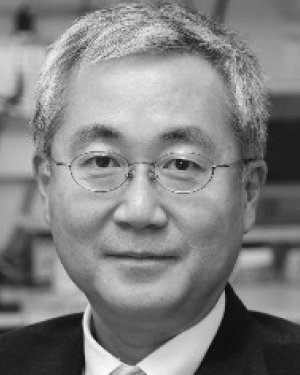 Chung Chun Kee合作论文数Dept Neurosurg, Seoul Natl Univ Hosp5
 Kim June Sic合作论文数5
 Ignacio Saez合作论文数Haas School of Business and Helen Wills Neuroscience Institute, University of California;Haas School of Business and Helen Wills Neuroscience Institute, University of California3
 Jack J. Lin合作论文数Department of Neurology, University of California-Irvine2
 Joni D. Wallis合作论文数1Keunsoo Ham合作论文数1Adam E Saad合作论文数1William K. Chang合作论文数1Richard Jimenez合作论文数1Chuyun Pyo合作论文数1
 Allison Maree Waters合作论文数1
 Ilina Bhaya-Grossman合作论文数1Hyung-Tak Lee合作论文数1
 Christina Maher合作论文数School of Biomedical Engineering, The University of Sydney1Yvonne M. Fonken合作论文数Helen Wills Neurosci Inst, Univ Calif Berkeley1
 Deborah Marciano合作论文数Helen Wills Neuroscience Institute, University of California, Berkeley1
 Chris Holdgraf合作论文数International Computer Science Institute1
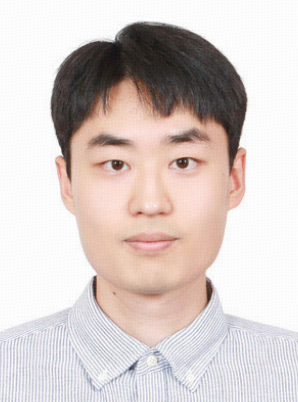 Cheongjae Jang合作论文数Artificial Intelligence Research Institute, Hanyang University1
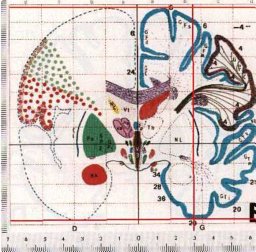 Brooke Staveland合作论文数Dept Psychiat, Stanford Univ1Daniel D Cummins合作论文数Dept Orthopaed Surg, Univ Calif San Francisco1
 Zachariah R Cross合作论文数University of South Australia1Adeen Flinker合作论文数Department of Neurology, Department of Medicine, New York University1
 Celeste Kidd合作论文数Department of Psychology, University of California, Berkeley1Dylan Riley合作论文数Department of Italian Studies, University of California, Berkeley1
 Dani S. Bassett合作论文数Department of Bioengineering, University of Pennsylvania;Departments of Physics & Astronomy, School of Arts & Sciences, University of Pennsylvania;Santa Fe Institute1
 Sabine Kastner合作论文数Neuroscience of Attention & Perception Laboratory, Princeton Neuroscience Institute, Princeton University;Department of Psychology, Princeton University1
 Boorman Erie D合作论文数Centre for Functional MRI of the Brain, University of Oxford1
 Laura Kray合作论文数Center for Equity, Gender, and Leadership, Haas School of Business, University of California, Berkeley1
 Llorens Anaïs合作论文数INSERM UMR 751, Aix-Marseille Université Marseille1
 Tzovara Athina合作论文数Dept Psychiat Psychotherapy & Psychosomat, Univ Zurich1
 Young James J合作论文数Mount Sinai School of Medicine1
 Fedor Panov合作论文数1
 Aurelie Bidet-Caulet合作论文数Brain Dynamics and Cognition Team, Lyon Neuroscience Research Center;CNRS UMR5292, University of Lyon 1;Lyon Neuroscience Research Center, University of Lyon 11
 Maria V. Ivanova合作论文数1
 Woorim Jeong合作论文数1
 Elizabeth Buffalo合作论文数Department of Physiology & Biophysics, School of Medicine , University of Washington;Neuroscience Division, Washington National Primate Research Center1Marcuse Lara V合作论文数1
 Pinheiro-Chagas Pedro合作论文数Cognitive Neuroimaging Unit, Institut National de la Santé et de la Recherche Médicale (INSERM) U992;NeuroSpin Center, Institute of BioImaging Commissariat à l'Energie Atomique (CEA), Gif/Yvette, France;Developmental Neuropsychology Laboratory, Universidade Federal de Minas Gerais (UFMG),;Institute of BioImaging Commissariat à l'Energie Atomique (CEA),, Universidade Federal de Minas Gerais1
 Colin W. Hoy合作论文数National Institute of Mental Health, National Institutes of Health1
 Stephanie Ries合作论文数Helen Wills Neurosci Inst, Univ Calif Berkeley1
 Martin Stéphanie合作论文数Helen Wills Neuroscience Institute, University of California Berkeley;Department of Bioengineering, École Polytechnique Fédérale de Lausanne Lausanne;Helen Wills Neuroscience Institute, University of California Berkeley1
 Rosa Dominguez-Faus合作论文数UC Davis, University of California1
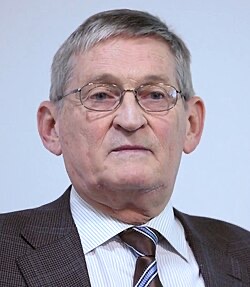 Robert Thomas Knight合作论文数Department of Psychology, University of California, Berkeley1
 Helen S Mayberg合作论文数The Nash Family Center for Advanced Circuit Therapeutics, Icahn School of Medicine at Mount Sinai;Department of Psychiatry and Behavioral Sciences, School of Medicine, Emory University1
 Maya Geva-Sagiv合作论文数Department of Neurobiology, Weizmann Institute of Science1
 Richard J. Davidson合作论文数Center for Healthy Minds, Waisman Center, College of Letters & Science, University of Wisconsin-Madison;Department of Psychology, School of Medicine, University of Wisconsin-Madison;Healthy Minds Innovations, Inc.1
 Kia Nobre合作论文数Department of Psychology, Yale University;Wu Tsai Institute, Yale University;The Brain & Cognition Laboratory, Yale University;Center for Neurocognition and Behavior, Yale University;Oxford Neuroscience Committee, University of Oxford;Department of Experimental Psychology, University of Oxford;Department of Psychiatry, University of Oxford1
 Marta Kryven合作论文数Faculty of Computer Science, Dalhousie University1
 Keehyoung Joo合作论文数1




