To review trauma in the very old as a distinct form of critical illness, focusing on assessment, care pathways and outcomes. Among very old adults, trauma is predominantly related to low-energy falls, yet is associated with substantial morbidity and mortality. Frailty, multimorbidity, and polypharmacy influence injury recognition, treatment decisions, and recovery, and current care pathway remain heterogeneous. Improved outcomes depend on early recognition, routine frailty informed assessment, and integrated multidisciplinary care aligned with patient goals. Trauma in very old adults represents a growing and distinct form of critical illness, reflecting demographic aging and increasing levels of frailty, multimorbidity, and dependency. Unlike younger populations, where trauma is typically driven by high-energy mechanisms, injury in older adults most commonly results from low-energy falls. Despite this, the consequences are often severe, with high rates of hemorrhage, traumatic brain injury and thoracic trauma, and subsequent multi-organ dysfunction requiring critical care. Age-related physiological changes, combined with multimorbidity and polypharmacy, alter responses to injury and may mask early signs of deterioration. As a result, commonly used triage systems frequently underestimate injury severity in older patients, contributing to under-triage and delays in access to specialist trauma care. Frailty is increasingly recognized as a key determinant of outcomes, influencing survival, length of stay, and functional recovery, and should be routinely assessed early in the patient pathway. Assessment of frailty and intrinsic capacity in the Emergency Department is often challenging, particularly when relatives or caregivers are unavailable to provide collateral history. Older adults should receive an in-depth assessment and documentation of pre-injury status and prior wishes; however, this is inconsistently performed in routine trauma practice. Management of older trauma patients is complex and often fragmented across specialties, with significant variability in care pathways. Decision-making is further complicated by prognostic uncertainty and the need to align interventions with patient values and baseline function. While ICU admission may improve outcomes in selected patients, survival is frequently accompanied by complications, such as delirium, sarcopenia, and long-term functional impairment. Optimizing outcomes requires a coordinated, multidisciplinary approach that integrates trauma and geriatric principles, emphasizing early recognition, tailored resuscitation, comprehensive assessment of frailty, and patient-centered care. Future priorities include improving triage accuracy and injury recognition, standardizing care pathways, and focusing on meaningful recovery in this vulnerable population.
RATIONAL AND OBJECTIVE:The perception of frailty among older, racialised minority migrants living in the UK has not yet been explored. Set against a backdrop of enduring health inequality in older age, whereby ethnicity is a constant corelative factor, and the increasing use of frailty scores and measures to make clinical decisions; knowing how older, racialised minority migrants understand and make sense of frailty is essential. METHODS:Photovoice and biographical interviews were used to explore the experience of getting older among 73 participants of 6 different racialised groups living in a UK city. Braun and Clarke's reflexive thematic analysis was used to analyse talk about frailty. RESULTS:Many of the participants hadn't heard the term frailty and had no understanding of what it might mean. Three key themes were identified across participant talk. (i) Frailty is meaningless, (ii) stigma discourse prevails and (iii) the feeling of frailty ebbs and flows. Trends observed across the themes related to use of English and length of time in the UK. The first theme was more likely to be the case for participants who spoke little English and for those who hadn't been living in the UK for long. CONCLUSION AND IMPLICATIONS:Healthcare professionals must consider that older, racially minoritised patients may have never encountered the term frailty before in any type of setting. This will have a direct impact on candidacy and the negotiated access to and uptake of healthcare services.
Background:Our aim was to develop and evaluate the electronic frailty index+, a prognostic tool, including four integrated prognostic-decision models, to stratify older people into subgroups for targeting key interventions. Methods:Prognostic model development, internal validation and external validation using large data sets and longitudinal cohort study data, with decision curve and health economic analysis. Population:Patients aged 65+ years. Key outcomes:The 12-month outcomes for prognostic models: new home care package care home admission emergency department attendance/hospitalisation with fall/fracture all-cause mortality. Statistical methods:We developed and internally validated models for our key outcomes in one large data set. We used internal-external cross-validation for the home care model and full external validation for the remaining three models in a second large data set. We used CARE75+ to investigate additional predictive value of clinical measures practical for primary care. Decision curve analysis:We translated the prognostic models into a framework to support clinical decision-making. Health economic evaluation:We integrated the falls prediction models with effect size estimates from network meta-analysis to examine potential cost savings. Results:We used data from 660,417 patients in SAIL, 88,947 in Connected Bradford and 252 CARE75+ participants. Model performance was promising in internal-external cross-validation, with average calibration slope 1.00 (95% confidence interval 0.99 to 1.01), average calibration-in-the-large -0.01 (95% confidence interval -0.02 to 0.01), average observed/expected ratio 0.99 (95% confidence interval 0.98 to 1.01) and average C-statistic 0.81 (95% confidence interval 0.81 to 0.81). Emergency department attendance/hospitalisation with fall/fracture:Model performance was promising on internal and external validation, although with some evidence for overprediction of falls risk, with calibration slope 1.25 (95% confidence interval 1.24 to 1.27), calibration-in-the-large -0.931 (95% confidence interval -0.938 to -0.920), observed/expected ratio 0.43 (95% confidence interval 0.42 to 0.44), C-statistic 0.83 (0.82 to 0.83). Care home admission:Model performance was promising on internal validation, but it showed some miscalibration on external validation, with calibration slope 0.75 (95% CI 0.74 to 0.76), calibration-in-the-large -1.60 (-1.62 to -1.58) and observed/expected ratio 0.25 (95% CI 0.24 to 0.25), C-statistic of 0.86 (95% CI 0.86 to 0.86). All-cause mortality:The model showed excellent performance across the full range of predicted risks on external validation, with average calibration slope 1.00 (0.98 to 1.01), average calibration-in-the-large -0.23 (-0.27 to -0.19), average observed/expected ratio 0.77 (0.75 to 0.79) and average C-statistic 0.83 (0.82 to 0.83). Economic modelling:Modelling indicated that provision of multifactorial assessment and treatment for people with an annual falls risk of ≥ 40% has the largest cost reduction per targeted person (£1025). Discussion:All four prediction models have promising predictive performance, although some had evidence of overprediction of risk (miscalibration). Decision curve analysis indicates potential clinical utility, and economic modelling provides novel information for policy-makers and commissioners. Future work:Future research should include model impact studies to evaluate use of the models in routine care. Limitations:We were unable to complete external validation of the home care prediction model. Study registration:This study is registered as ClinicalTrials.gov ID NCT04113174. Funding:This award was funded by the National Institute for Health and Care Research (NIHR) Health Technology Assessment programme (NIHR award ref: 127905) and is published in full in Health Technology Assessment; Vol. 30, No. 61. See the NIHR Funding and Awards website for further award information.
This is a narrative review of the literature concerning the emergency clinical assessment for older people with critical illness or injury. Frailty is a stronger independent predictor of mortality and functional outcomes from critical care than age alone. Clinical structures and processes can be frailty-attuned to account for these outcomes by considering value-based domains alongside conventional assessment. Optimising critical care for older people living with frailty requires a paradigm shift from survival-centred to person-centred, frailty-attuned assessment and decision-making, in which recognising what matters most to the individual is both clinically and ethically intrinsic. Frailty, multimorbidity, and altered physiology each and together shape the presentation, management, and outcomes for older people with critical illness. This narrative review of the field argues that the structures and processes of geriatric critical care must align with the outcomes that matter to older people living with frailty. This extends the scope of consideration beyond assumptions which may necessarily be restorative or curative, to focus on those interventions which are most achievable and desirable. Frailty is a stronger predictor of mortality, functional decline, and health-related quality of life than age alone. Yet frailty screening changes nothing, unless there is a corresponding change in clinical approach. We review the ABCDE-Frailty framework, operationalising frailty-attuned assessment in standard emergency evaluation using the 5Ms: Mind, Mobility, Medications, Multicomplexity, and Matters most. Person-centred decision-making, incorporating shared value- and goal-based understanding, provides the ethical and clinical foundation for proportionate treatment in critical situations. Avoiding non-beneficial intervention is not therapeutic nihilism but rather its opposite: care directed towards dignity, function, and the outcomes people themselves would choose. A paradigm shift is required, from survival-centred to person-centred, frailty-attuned geriatric critical care.
Objectives To evaluate the feasibility of conducting a full-scale randomised controlled trial to assess the clinical and cost-effectiveness of the MAINTAIN intervention, designed to support recovery and independence following a fall among people living with dementia.Design Pilot cluster randomised controlled trial (c-RCT).Setting Community-based healthcare services across six UK sites representing primary and secondary care settings.Participants 31 participant-carer dyads were recruited. Eligibility criteria included a diagnosis of dementia and a recent fall. Exclusion criteria included severe comorbidity precluding participation. The consent rate was 84%, and retention at follow-up was 81%.Interventions The MAINTAIN intervention comprised tailored, home-based therapy sessions delivered by trained professionals, focusing on functional recovery, confidence and re-engagement in daily activities, compared with usual care. The intervention was delivered over 12 weeks with booster sessions up to week 24, with the full trial period lasting 28 weeks.Primary and secondary outcome measures Feasibility outcomes included recruitment and retention rates, intervention adherence and data completeness for outcome and economic measures. Exploratory outcomes assessed functional performance and quality of life. Feasibility outcomes were assessed at baseline, 12 weeks and 28 weeks.Results Recruitment occurred over an 8-month period (September 2023-April 2024) across six UK sites. Most intervention participants (89%) attended at least 60% of planned sessions. Completion rates for outcome and economic data were high, indicating strong acceptability and feasibility of both the intervention and trial procedures.Conclusions The pilot c-RCT demonstrated that recruitment, retention and intervention delivery were feasible and well accepted. Findings support progression to a definitive trial to evaluate the effectiveness and cost-effectiveness of the MAINTAIN intervention.Trial registration number ISRCTN16413728 (International Standard Randomised Controlled Trial Number registry).
BACKGROUND:Studies have shown that the Hospital Frailty Risk Score (HFRS) is significantly associated with length of stay, in-hospital mortality, and costs in people aged 75 years and older. However, its applicability to hospitalised adults of all ages is unclear. We aimed to examine the association between the HFRS and these three outcomes in a nationally representative sample of adults aged 18 years and older, admitted for emergency hospital care. METHODS:The analytical sample comprised 1 478 554 emergency hospital admissions for 653 294 patients-a 5% random sample of all emergency admissions for those aged 18 years and older to any English National Health Service acute hospital between April 1, 2011, and March 31, 2019. Admissions were categorised into zero (HFRS=0), low (0< HFRS <5), intermediate (5≤ HFRS ≤15), or high (HFRS >15) frailty risk categories. We analysed the association between these categories and three outcomes: length of stay (Poisson model), in-hospital death (probit model); and hospital costs (generalised linear model). Models controlled for patient characteristics and temporal effects and were run separately across nine age groups (18-24 years, 25-34 years, 35-44 years, 45-54 years, 55-64 years, 65-74 years, 75-84 years, 85-94 years, and ≥95 years). FINDINGS:The prevalence of high frailty risk increased with age, from 210 (0·2%) of 96 296 admissions for those aged 18-24 years to 9414 (42·0%) of 22 431 admissions for those aged 95 years and older. There were significant associations between frailty risk and both length of stay and costs across all age groups; the magnitude of the associations increased with age. For example, for those aged 18-24 years with high frailty risk, length of stay was 4·5 days (95% CI 3·8-5·3) longer and costs were £1217 higher (796-1638) than for someone with a zero frailty risk. For those aged 95 years and older with high frailty risk, length of stay was 15·3 days (13·5-17·1) longer and costs were £2557 higher (2234-2880) than for someone with a zero frailty risk. The association between frailty risk and in-hospital mortality increased up to age 65-74 years-those in this age group with high frailty risk had a probability of dying in hospital that was 2·3% greater (1·99-2·61) than those with zero frailty risk. This association decreased for older age groups. INTERPRETATION:Although designed for people aged 75 years and older, the HFRS was significantly associated with length of stay, in-hospital death, and hospital costs for all adults admitted to hospital, with a greater magnitude of effect with increasing age. Frailty dashboards that use the HFRS for older people could be extended to all people aged 18 years and older, offering the potential for holistic, frailty attuned interventions for younger people, such as earlier life course interventions to delay or prevent frailty and related outcomes. FUNDING:National Institute for Health and Care Research.
While simulation is routinely used by practitioners in many sectors, it is still not part of the hospital manager's standard toolkit. One of the barriers to adoption often described is lack of trust: people trust models that they were involved in developing, but not necessarily those developed for other hospitals, no matter how similar. However, generic models designed to be applicable anywhere also face challenges, as potential users may distrust this one-size-fits-all approach. This paper presents a new approach to tackling this problem. Initially a "semi-generic" model is developed, namely a model that is applicable to a small group of hospitals that have some particular feature in common, e.g., geographical location/size. The semi-generic version is then tested extensively with stakeholders, first from within the initial group of hospitals and later from outside it. Finally, based on feedback from all the stakeholders, the model is adapted to make it fully generic, i.e., applicable to any hospital. The approach is illustrated by a system dynamics model which allows users to test the system-wide impact of five evidence-based interventions for older people in hospital Emergency Departments. Initially developed for one specific region, the fully generic version can be used anywhere in England.
Falls among people with dementia often result in physical and psychological repercussions, leading to reduced independence and increased economic burden on healthcare systems. Although this population faces heightened fall risks, robust evidence for effective home-based interventions remains scarce. This study used a multiple-methods process evaluation as part of a pilot cluster randomised controlled trial, guided by a realist approach. The study was conducted across six UK sites (three intervention and three control). Fidelity assessments were conducted on routine data collection, intervention delivery, multidisciplinary team (MDT) meetings, and supervision sessions. Semi-structured interviews were carried out with people with dementia, caregivers, and therapists delivering the intervention. The Maintain intervention achieved high fidelity in home assessments and intervention implementation, with participants attending an average of 15 of the 22 planned sessions. Qualitative analysis indicated that regular home visits enhanced engagement and motivation. MDT support boosted therapists' confidence, particularly in addressing complex cases. While most participants felt they met their functional goals and reported improved confidence, challenges included geographic variability in service delivery due to staff capacity, fear of secondary falls, and inconsistent referral pathways. Therapists’ perceptions of advanced dementia influenced the intervention's execution. The dyadic approach encouraged activity engagement but occasionally increased caregiver responsibilities. The Maintain intervention was feasible and well-received, showing potential for improving daily living activities and quality of life in people with dementia. A future trial should focus on standardising MDT support, incorporating strategies to address falls-related anxiety, and developing sustainable post-intervention maintenance plans. Adaptations, such as video consultations, may mitigate workforce constraints and enhance accessibility.
Abstract Key to managing frailty is to first measure it. Until recently, there was no hospital coding for frailty, which meant that it was not visible to commissioners in routine datasets, despite the wealth of studies highlight poor outcomes for older people living with frailty. AFN has created the Hospital Frailty Risk Score (HFRS), which generates a frailty risk from routine codes included in NHS datasets. This allows commissioners and providers to ‘see’ frailty across their system. We have designed and implemented easy to use tools that allow any NHS staff to look at frailty risk profiles in any NHS organisation, to support improvement activity. The HFRS tool has been downloaded by 122 health systems in England. Patient safety is fundamental to AFN and reducing the harm older people are exposed to in hospital is the main aim of the programme and sites participating in the network. To achieve this and spread best practice the AFN delivery team use a specific QI approach, primarily the Model for Improvement, focusing on Plan-Do-Study-Act cycles to build change in local systems. The team deliver events each year for all participating teams to support teams and enable sharing of experience. Site visits comprise discussion about the local context, plans for change and a discussion about possible barriers, as well as a walk-though the patient pathway with patient safety as the absolute focus. Each participating hospital has an allocated QI Associate to support the team to plan, deliver and measure improvements. AFN has linked closely with other campaigns that support the safety and improve the care of older people, such as ‘end PJ paralysis’ and ‘no decision about me without me’.
To validate the Hospital Frailty Risk Score (HFRS) in Chinese hospital settings, describing how patients are allocated to frailty risk groups and how frailty risk is associated with length of stay (LoS) and hospital costs. Retrospective observational study. Forty-eight hospitals in Lvliang City, Shanxi Province, China. Patients aged 75 years or older hospitalised between 1 January 2022 and 31 December 2023 (n = 34,731). A logistic regression model examined the association between long length of stay (LoS) and frailty risk. A generalised linear model assessed the association between hospital costs and frailty risk. Subgroup analyses of age group, sex, and hospital tiers were conducted. 22.2
The COVID-19 pandemic had a profound impact on the management and delivery of acute healthcare. To tackle the pandemic, hospitals redesigned their organisational models to provide a rapid increase in acute care assessment and treatment capacity for patients with COVID-19 whilst also trying to maintain delivery of care for patients with non-COVID-19 healthcare needs. This capacity to adjust and recover after COVID-19 might be shaped by both measures taken by acute hospitals and wider hospital pre-pandemic characteristics. The aim of this study is to examine how hospital characteristics in acute care are associated with recovery of elective activity after the height of the COVID-19 pandemic compared to pre-pandemic levels. Using patient-level data from Hospital Episode Statistics aggregated at monthly-trust level for all English National Health Service (NHS) acute hospital trusts in 2019 and 2021, we estimate the associations between hospital recovery rate and hospital pre-pandemic characteristics by employing linear regressions of the proportional change over time in elective activity against a set of explanatory variables related to supply factors (e.g., hospital size, workforce, type of hospital, regional location), demand factors (e.g., population need, patient case-mix) and time factors. On average, English NHS acute hospital trusts did not fully recover from the COVID-19 pandemic in 2021. The results show that the explanatory variables are not systematically associated with hospital recovery rate, excepting regional differences. Hospital trusts not located in London, especially in the North of England, are associated with a lower recovery (less resilience) of total elective activity and orthopaedic and vascular surgical elective activity. The implication for policy development is that the evolution of hospital recovery rates in elective activity varied across English regions, especially for high-volume and high-risk elective specialties, with better recovery in London than elsewhere.
Background: The inclusion of clinical frailty in the assessment of patients planned for major surgery has proven to be an independent predictor of outcome. Since approximately half of all patients in the UK diagnosed with oesophagogastric (OG) cancer are over 75 years of age, assessment of frailty may be important in selection for surgery. Materials and methods: This retrospective cohort study applied the Hospital Frailty Risk Score to data obtained from the NHS Secondary Uses Service electronic database for patients aged 75 years or older undergoing oesophagectomy and gastrectomy between April 2017 and March 2020. Descriptive statistics were performed to assess the effect of patient frailty on length of stay, 30-day readmission, and 30-day mortality rates. These outcomes were compared with those published by the National Oesophago-Gastric Cancer Audit. Results: Over 90% of the 1775 patients identified according to the age and resection criteria exhibited some degree of frailty. The median length of stay and 30-day readmission rate increased as patient frailty increased following both oesophagectomy and gastrectomy, as did the 30-day mortality rate following gastrectomy. Conclusion: Frailty is a dynamic state and increasing age alone should not be a barrier to receiving the most appropriate treatment. Introducing standardized assessment of clinical frailty for patients with OG cancer to identify this cohort of patients earlier might enable targeted screening for frailty syndromes. This could facilitate the enhanced delivery of more holistic, frailty-attuned, approaches to person-centred care, and evidence-based treatment pathways for improved patient outcomes.
RATIONALE:Many service users with neurological conditions do not meet the recommended physical activity requirements. Cultivating early and ongoing access to physical activity and exercise opportunities is vital to improve or maintain function and general health in this vulnerable group. AIM:To evaluate the impact of a pathway that aimed to facilitate access and adherence to physical activity and exercise for service users with neurological conditions. METHODS:A London-based NHS healthcare team providing community neurorehabilitation developed a pathway in co-production with public health, local authority, third sector parties and service users to facilitate physical activity and exercise opportunities. First, NHS neurophysiotherapists offered a bespoke programme on exercise, physical activity and education to service users for up to 12 weeks. The pathway continued in local gyms, supported by a fitness instructor, for at least a further 12 weeks. Using a pre-post design, outcomes relating to function, strength and physical activity were recorded at baseline, 6-12 weeks (health care) and 6 weeks later (telephone survey after transition to local gyms). Data analysis was descriptive. RESULTS:Thirty-five service users (20 men), mean (SD) age 60 (15), with a range of neurological conditions, were eligible and included. Ten participants dropped out: eight (23%) for medical reasons, two (6%) for other reasons. Due to the COVID-19 pandemic, four (11%) service users could not transition when facilities closed in March 2020. Analysis showed potential beneficial effects on function, strength and physical activity for service users as well as reduced waiting times to access the NHS and local gyms. CONCLUSION:Outcomes suggested the pathway enabled service users to access and adhere to physical activity and exercise following neurorehabilitation. This evaluation included small numbers but could inform service development and future studies.
Introduction: Frailty is associated with adverse outcomes among patients attending emergency departments (EDs). While multiple frailty screens are available, little is known about which variables are important to incorporate and how best to facilitate accurate, yet prompt ED screening. To understand the core requirements of frailty screening in ED, we conducted an international, modified, electronic two-round Delphi consensus study. Methods: A two-round electronic Delphi involving 37 participants from 10 countries was undertaken. Statements were generated from a prior systematic review examining frailty screening instruments in ED (logistic, psychometric and clinimetric properties). Reflexive thematic analysis generated a list of 56 statements for Round 1 (August-September 2021). Four main themes identified were: (i) principles of frailty screening, (ii) practicalities and logistics, (iii) frailty domains and (iv) frailty risk factors. Results: In Round 1, 13/56 statements (23%) were accepted. Following feedback, 22 new statements were created and 35 were re-circulated in Round 2 (October 2021). Of these, 19 (54%) were finally accepted. It was agreed that ideal frailty screens should be short (<5 min), multidimensional and well-calibrated across the spectrum of frailty, reflecting baseline status 2-4 weeks before presentation. Screening should ideally be routine, prompt (<4 h after arrival) and completed at first contact in ED. Functional ability, mobility, cognition, medication use and social factors were identified as the most important variables to include. Conclusions: Although a clear consensus was reached on important requirements of frailty screening in ED, and variables to include in an ideal screen, more research is required to operationalise screening in clinical practice.
The absence of a consensus-based reference standard for urinary tract infection (UTI) research adversely affects the internal and external validity of diagnostic and therapeutic studies. This omission hinders the accumulation of evidence for a disease that imposes a substantial burden on patients and society, particularly in an era of increasing antimicrobial resistance. We did a three-round Delphi study involving an international, multidisciplinary panel of UTI experts (n=46) and achieved a high degree of consensus (94%) on the final reference standard. New-onset dysuria, urinary frequency, and urinary urgency were considered major symptoms, and non-specific symptoms in older patients were not deemed indicative of UTI. The reference standard distinguishes between UTI with and without systemic involvement, abandoning the term complicated UTI. Moreover, different levels of pyuria were incorporated in the reference standard, encouraging quantification of pyuria in studies done in all health-care settings. The traditional bacteriuria threshold (105 colony-forming units per mL) was lowered to 104 colony-forming units per mL. This new reference standard can be used for UTI research across many patient populations and has the potential to increase homogeneity between studies.
Background Falls are common in older adults and can devastate personal independence through injury such as fracture and fear of future falls. Methods to identify people for falls prevention interventions are currently limited, with high risks of bias in published prediction models. We have developed and externally validated the eFalls prediction model using routinely collected primary care electronic health records (EHR) to predict risk of emergency department attendance/hospitalisation with fall or fracture within 1 year.Methods Data comprised two independent, retrospective cohorts of adults aged >= 65 years: the population of Wales, from the Secure Anonymised Information Linkage Databank (model development); the population of Bradford and Airedale, England, from Connected Bradford (external validation). Predictors included electronic frailty index components, supplemented with variables informed by literature reviews and clinical expertise. Fall/fracture risk was modelled using multivariable logistic regression with a Least Absolute Shrinkage and Selection Operator penalty. Predictive performance was assessed through calibration, discrimination and clinical utility. Apparent, internal-external cross-validation and external validation performance were assessed across general practices and in clinically relevant subgroups.Results The model's discrimination performance (c-statistic) was 0.72 (95% confidence interval, CI: 0.68 to 0.76) on internal-external cross-validation and 0.82 (95% CI: 0.80 to 0.83) on external validation. Calibration was variable across practices, with some over-prediction in the validation population (calibration-in-the-large, -0.87; 95% CI: -0.96 to -0.78). Clinical utility on external validation was improved after recalibration.Conclusion The eFalls prediction model shows good performance and could support proactive stratification for falls prevention services if appropriately embedded into primary care EHR systems.
Aim Frailty results from age‐associated declines in physiological reserve and function and is prevalent in older people. Our aim is to examine the association of the Hospital Frailty Risk Score (HFRS) with adverse events in older patients hospitalized with community‐acquired pneumonia (CAP) and hypothesise that frailty is a comparable predictor of outcomes in CAP versus traditional severity indices such as CURB‐65. Methods Retrospective review of electronic medical records in patients ≥65 years with CAP admitted to a tertiary hospital from 1 January to 30 April 2021. Patients were identified using ICD codes for CAP and categorized as high risk (>15), intermediate risk (5–15) and low risk (<5) of frailty using the HFRS. Results Of 429 patients with CAP, 53.8% male, mean age of 82.9 years, older patients (85 vs. 79.7 years, P < 0.001) were at higher risk of frailty. Using the HFRS, 47.6% were deemed at high risk, 35.9% at intermediate risk, and 16.6% at low risk of frailty. Multivariate logistic regression shows that HFRS was more strongly associated (≥7 days, OR 1.042, CI 1.017–1.069) than CURB‐65 (OR 0.995, CI 0.810–1.222) with long hospital length of stay (LOS), while CURB‐65 (Confusion, Urea >7mmol/L, Respiratory rate >30, Blood pressure, age => 65 years old) was more strongly associated with mortality at 30, 90 and 365 days, compared with the HFRS. Comparing the values for the area under the receiver operator characteristic curve, the HFRS was found to be a better predictor of long LOS, while CURB‐65 remains a better predictor of mortality. Conclusions Patients with high risk of frailty have higher healthcare utilization and HFRS is a better predictor of long LOS than CURB‐65 but CURB‐65 was a better predictor of mortality. Geriatr Gerontol Int 2024; 24: 135–141 .
Background: Half of people with chronic limb-threatening ischaemia (CLTI) have frailty. This study aimed to describe the associations of frailty with cognition, disability and quality of life (QoL) among CLTI patients over 1 year following surgical or endovascular procedures. Methods: A single-centre prospective cohort study was undertaken. Patients undergoing a procedure for CLTI between May 2019 and May 2021 were eligible (minimum age >65 initially; >50 from November 2019). Participants underwent preoperative assessments for frailty, physical and cognitive function, disability, mood, disease-specific QoL (Vascular QoL questionnaire (VascuQoL)) and generic health-related QoL (EuroQoL EQ-5D-5L). Follow-up was at 3 months (clinic or telephone) and 12 months (telephone). Baseline frailty was assessed using both the Edmonton frail scale (EFS) and the clinical frailty scale (CFS). Frailty during follow-up was re-assessed at 3 and 12 months using the CFS as it can be performed via telephone. Associations of baseline frailty with disability, QoL and mood scores during follow-up were investigated using repeated measures mixed models. Results: Ninety-nine patients completed the baseline assessments. Forty-five (45%) were classified as frail by the EFS. Frailty was associated with a higher prevalence of cognitive impairment based on the Montreal cognitive assessment (52% vs 17%; p<0.001). Eighty-seven patients were eligible for follow-up. Baseline frailty (EFS) was associated with worse QoL scores at all timepoints (VascuQoL p=0.001; EQ-5D-5L p<0.001). Both those with and without frailty at baseline (EFS) had modest improvement in QoL scores at 12 months (VascuQoL p<0.001; EQ-5D-5L p=0.001). Barthel index (disability) scores were lower for those with frailty at baseline (EFS) (p<0.001) and decreased slightly over 12 months for both groups (p=0.007). Five patients (12%) transitioned from frailty to non-frailty at 12 months based on the CFS. However, 10 patients (23%) transitioned from non-frailty to frailty. Conclusions: CLTI patients with frailty have worse QoL and greater disability both pre- and post-intervention. However, they demonstrate similar QoL benefit to those without frailty at 1 year following intervention. Baseline frailty assessment is important to inform prognostic discussions, expectations and shared decision making in CLTI.
 John Gladman合作论文数62
 Adam Gordon合作论文数Wolfson Institute of Population Health, Queen Mary University of London35Pip Logan合作论文数33Rowan H Harwood合作论文数32
 Judi A Edmans合作论文数31Kay Phelps合作论文数30
 James van Oppen合作论文数Dept Hlth Sci, Univ Leicester27
 Jay Banerjee合作论文数26Janet Darby合作论文数School of Medicine, Faculty of Medicine and Health Sciences, The University of Nottingham25
 Rachel Elliott合作论文数Division of Population Health, Health Services Research and Primary Care, The University of Manchester25Emma Regen合作论文数25Lucy Bradshaw合作论文数Medical School, Faculty of Medicine & Health Sciences, University of Nottingham25
 Franklin Matthew合作论文数24
 Andrew Street合作论文数Department of Health Policy, London School of Economics and Political Science24
 Vladislav Berdunov合作论文数School of Pharmacy, University of Nottingham22Lukasz Tanajewski合作论文数22Georgios Gkountouras合作论文数21Nadia Frowd合作论文数19
 Kristian Pollock合作论文数School of Health Sciences, Faculty of Medicine and Health Sciences, The University of Nottingham19
 Stuart G Parker合作论文数Populat Hlth Sci Inst, Newcastle Univ19Justine Schneider合作论文数18
 Sarah Goldberg合作论文数School of Health Sciences, Faculty of Medicine and Health Sciences, The University of Nottingham18Jane Dyas合作论文数18
 Davina Porock合作论文数Centre for Research in Aged Care, Edith Cowan University;School of Nursing and Midwifery, Edith Cowan University18
 Sarah Lewis合作论文数Division of Epidemiology and Public Health, School of Medicine, Faculty of Medicine and Health Sciences, University of Nottingham17Spencer Karen合作论文数17
 Graham Martin合作论文数Department of Health Sciences, University of Leicester17
 Helen Roberts合作论文数Southampton Biomedical Research Centre, National Institute for Health and Care Research16Eilís Keeble合作论文数Nuffield Trust14Foster Pippa E R合作论文数14Rob Jones合作论文数13
 Martin Bardsley合作论文数The Health Foundation13
 Laia Maynou-Pujolras合作论文数Department of Health Policy, London School of Economics and Political Science12
 Jenny Neuburger合作论文数Department of Health Services Research and Policy, London School of Hygiene and Tropical Medicine12
 Ariti Cono合作论文数London Sch Hyg & Trop Med12Sandeepa Arora合作论文数11
 Joshua Kraindler合作论文数11David Kocman合作论文数11
 Simon Mooijaart合作论文数Department of Gerontology and Geriatrics, Leiden University Medical Centre;Institute for Evidence-Based Medicine in Old Age11
 Nickel Christian Hans合作论文数Department of Emergency Medicine, University Hospital Basel11
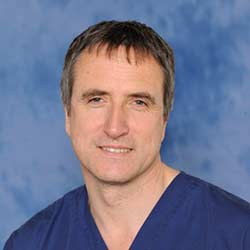 Tim Coats合作论文数Department of Cardiovascular Sciences, University of Leicester11
 Tracey Sach合作论文数School of Primary Care, Population Sciences and Medical Education, University of Southampton11
 Suzanne Mason合作论文数School of Health and Related Research;University of Sheffield;School of Health and Related Research, University of Sheffield11Patricia McCue合作论文数10Elizabeth Fisher合作论文数10Chris Sherlaw-Johnson合作论文数9Paul Smith合作论文数9Thompson Deborah合作论文数9Kate Robertson合作论文数8




