Background: Patients with chronic obstructive pulmonary disease (COPD) and suboptimal peak inspiratory flow rate (sPIFR) may not benefit optimally from dry powder inhalers (DPI) because of inadequate inspiratory flow. Nebulized bronchodilators may provide a better alternative. We compared bronchodilation with the long-acting muscarinic antagonist (LAMA) revefenacin for nebulization versus the DPI LAMA tiotropium, in patients with COPD and sPIFR (< 60 L/min against the resistance of Diskus (R)). Methods: This was a randomized, double-blind, double-dummy, 28-day Phase 3b study in patients with COPD enrolled based on sPIFR. The primary endpoint was trough forced expiratory volume in 1 second (FEV1) on Day 29 for revefenacin for nebulization versus tiotropium HandiHaler (R) DPI. Results: We enrolled 206 patients with mean (standard deviation) age, 65 (8) years; percent predicted FEV1, 37 (16)%, PIFR, 45 (12) L/min. In the intent-to-treat (ITT) population, revefenacin improved trough FEV1 from baseline; however, the difference versus tiotropium was not significant (least squares [LS] mean difference [standard error], 17.0 [22.4] mL, P=0.4461). In a prespecified analysis of patients with FEV1 < 50% predicted, revefenacin produced an LS mean difference (95%confidence interval [CI]), 49.1 (6.3-91.9) mL in trough FEV1 and 103.5 (7.7-199.3) mL in forced vital capacity versus tiotropium. Revefenacin produced >100 mL increase in FEV1 in 41.6%versus 34.4% of patients with tiotropium in ITT and 41.4% versus 25.7% of patients in FEV1 < 50% predicted populations. Conclusions: Revefenacin did not produce significant improvements in FEV1 versus tiotropium in the ITT population, but increased trough FEV1 in patients with FEV1 < 50%predicted and sPIFR.
This article contains information on the experimental design and methods on how the safety and tolerability data concerning patients with moderate to very severe chronic obstructive pulmonary disease (COPD) were obtained. This is in addition to our original research article. [1] We have also provided information on the clinical laboratory tests that were conducted. Further interpretation and discussion of the data are demonstrated in the article "Revefenacin, a Once-daily, Lung-selective, Long-acting Muscarinic Antagonist for Nebulized Therapy: Safety and Tolerability Results of a 52-week Phase 3 Trial in Moderate to Very Severe Chronic Obstructive Pulmonary Disease." [1].
The cardiovascular safety of revefenacin, an anticholinergic indicated for the maintenance treatment of patients with chronic obstructive lung disease (COPD), was evaluated in phase 3 trials in patients with moderate to very severe COPD. No clinically meaningful changes in 12-lead electrocardiogram recordings were observed with up to 52 weeks of once-daily revefenacin 88 or 175 μg. In a pooled analysis of Studies 0126 and 0127, the incidence of prolonged QT interval corrected for heart rate using the Fridericia correction formula (QTcF; >450 msec) for revefenacin 88 μg (n = 23, 5.6%) and revefenacin 175 μg (n = 23, 5.9%) was similar to that for placebo (n = 22, 5.3%). In Study 0128, the incidence of prolonged QTcF was similar in the revefenacin 175 μg (n = 25, 7.7%) and tiotropium (n = 26, 7.3%) groups and lower in the revefenacin 88 μg (n = 15, 4.2%) group. There were four major adverse cardiac events (MACEs) in Study 0126 (one, two, and one in the placebo, revefenacin 88 μg, and revefenacin 175 μg groups, respectively), no MACEs in Study 0127 and 26 MACEs in Study 0128 (9, 10 and 7 in the revefenacin 88 μg, revefenacin 175 μg and tiotropium groups, respectively). In Study 0128, only one MACE was considered possibly/probably related to revefenacin (atrial fibrillation in the revefenacin 175 μg group). Thus, revefenacin may provide beneficial nebulized therapy for patients with COPD without further elevating their risk of cardiovascular events.
Revefenacin is a novel once‐daily, lung‐selective, long‐acting muscarinic antagonist developed as a nebulized inhalation solution for the maintenance treatment of chronic obstructive pulmonary disease. In a randomized, 4‐way crossover study, healthy subjects received a single inhaled dose of revefenacin 175 µg (therapeutic dose), revefenacin 700 µg (supratherapeutic dose), and placebo via standard jet nebulizer, and a single oral dose of moxifloxacin 400 mg (open‐label) in separate treatment periods. Electrocardiograms were recorded, and pharmacokinetic samples were collected serially after dosing. The primary end point was the placebo‐corrected change from baseline QT interval corrected for heart rate using Fridericia's formula, analyzed at each postdose time. Concentration‐QTc modeling was also performed. Following administration of revefenacin 175 and 700 µg, placebo‐corrected change from baseline QTcF (ΔΔQTcF) values were close to 0 at all times, with the largest mean ΔΔQTcF of 1.0 millisecond (95% confidence interval [CI], −1.2 to 3.1 milliseconds) 8 hours postdose and 1.0 millisecond (95%CI, −1.1 to 3.1 milliseconds) 1 hour postdose after inhalation of revefenacin 175 and 700 µg, respectively. Revefenacin did not have a clinically meaningful effect on heart rate (within ±5 beats per minute of placebo), or PR and QRS intervals (within ±3 and ±1 milliseconds of placebo, respectively). Using concentration‐QTc modeling, an effect of revefenacin > 10 milliseconds can be excluded within the observed plasma concentration range of up to ≈3 ng/mL. Both doses of revefenacin were well tolerated. These results demonstrate that revefenacin does not prolong the QT interval.
Purpose: Revefenacin, a long-acting muscarinic antagonist for nebulization, has been shown to improve lung function in patients with chronic obstructive pulmonary disease. Here we report pharmacokinetic (PK) and safety results from two multicenter, open-label, single-dose trials evaluating revefenacin in subjects with severe renal impairment (NCT02578082) and moderate hepatic impairment (NCT02581592). Subjects and methods: The renal impairment trial enrolled subjects with normal renal function and severe renal impairment (estimated glomerular filtration rate <30 mL/min/1.73 m(2)). The hepatic impairment trial enrolled subjects with normal hepatic function and moderate hepatic impairment (Child-Pugh class B). Subjects received a single 175-mu g dose of revefenacin through nebulization. PK plasma samples and urine collections were obtained at multiple time points for 5 days following treatment; all subjects were monitored for adverse events. Results: In the renal impairment study, the maximum observed plasma revefenacin concentration (C-max) was up to 2.3-fold higher and area under the concentration-time curve from time 0 to infinity (AUC(inf)) was up to 2.4-fold higher in subjects with severe renal impairment compared with those with normal renal function. For THRX-195518, the major metabolite of revefenacin, the corresponding changes in C-max and AUC(inf) were 1.8- and 2.7-fold higher, respectively. In the hepatic impairment study, revefenacin C-max and AUC(inf) were 1.03- and 1.18-fold higher, respectively, in subjects with moderate hepatic impairment compared with those with normal hepatic function. The corresponding changes in THRX-195518 C-max and AUC(inf) were 1.5- and 2.8-fold higher, respectively. Conclusion: Systemic exposure to revefenacin increased modestly in subjects with severe renal impairment but was similar between subjects with moderate hepatic impairment and normal hepatic function. The increase in plasma exposure to THRX-195518 in subjects with severe renal or moderate hepatic impairment is unlikely to be of clinical consequence given its low antimuscarinic potency, low systemic levels after inhaled revefenacin administration, and favorable safety profile.
Background Revefenacin is a long-acting muscarinic antagonist that was recently approved for the nebulized treatment of chronic obstructive pulmonary disease (COPD). Although shorter duration studies have documented the efficacy of revefenacin in COPD, longer-term efficacy has not been described. In a recent 52-week safety trial, revefenacin was well tolerated and had a favorable benefit-risk profile. Here we report exploratory efficacy and health outcomes in patients receiving revefenacin 175 μg or 88 μg daily during the 52-week trial. Methods In this randomized, parallel-group, 52-week trial (NCT02518139), 1055 participants with moderate to very severe COPD received revefenacin 175 μg or 88 μg in a double-blind manner, or open-label active control tiotropium. Results Over the 52-week treatment period, both doses of revefenacin, as well as tiotropium, elicited significant (all p < 0.0003) improvements from baseline in trough forced expiratory volume in 1 s (FEV 1 ). The trough FEV 1 profile (least squares mean change from baseline) for revefenacin 175 μg ranged from 52.3–124.3 mL and the trough FEV 1 profile for tiotropium ranged from 79.7–112.8 mL. In subgroup comparisons, the effect of revefenacin on trough FEV 1 was comparable in patients taking concomitant long-acting β-agonists, with or without inhaled corticosteroids, with patients who were not taking these medications. There were statistically significant ( p < 0.05) improvements in all measured health status outcomes (evaluated using St. George’s Respiratory Questionnaire, COPD Assessment Test, Clinical COPD Questionnaire and Baseline and Transition Dyspnea Index) from 3 months onward, in all treatment arms. Conclusions Significant sustained improvements from baseline in trough FEV 1 and respiratory health outcomes were demonstrated for 175-μg revefenacin over 52 weeks, further supporting its use as a once-daily bronchodilator for the nebulized treatment of patients with COPD. Trial registration NCT02518139 ; Registered 5 August 2015.
Background: Revefenacin, a novel, lung-selective, long-acting muscarinic antagonist, has been developed for nebulized therapy for chronic obstructive pulmonary disease (COPD). We present the results of replicate Phase III efficacy and safety studies of revefenacin in patients with moderate to very severe COPD. Methods: In 2 double-blind, parallel-group studies, (Study 0126 and Study 0127), patients >= 40 years old were randomized to revefenacin 88 mu g, revefenacin 175 mu g or placebo administered once daily by standard jet nebulizer for 12 weeks. The primary endpoint was 24-hour trough forced expiratory volume in 1 second (FEV1) on day 85. Secondary efficacy endpoints included overall treatment effect (OTE) on trough FEV1 and peak FEV1 (0-2 hours after first dose). Safety assessments included treatment-emergent adverse events. Results: At day 85, revefenacin 88 mu g and 175 mu g improved trough FEV1 versus placebo in Study 0126 (by 79 mL [p=0.0003] and 146 mL [p<0.0001]) and Study 0127 (by 160 mL and 147 mL; both p<0.0001). Compared with placebo, pooled data of revefenacin 88 mu g and 175 mu g increased OTE trough FEV1 by 115 mL and 142 mL (both p<0.001) and increased peak FEV1 by 127 mL and 129 mL (both p<0.0001). Revefenacin 175 mu g demonstrated greater improvements in FEV1 in concomitant long-acting beta2-agonist patients and in more severe patients than revefenacin 88 mu g. Adverse events were minor. Conclusions: Revefenacin, administered once daily for 12 weeks to patients with moderate to very severe COPD, demonstrated clinically significant improvements in trough FEV1 and OTE FEV1. Revefenacin was generally well tolerated with no major safety concerns.
Marie T Borin 1 Arthur Lo 2 Chris N Barnes Srikanth Pendyala David L Bourdet 1Department of Clinical and Translational Pharmacology, Theravance Biopharma US, Inc., South San Francisco, CA, USA; 2Department of Drug Metabolism and Pharmacokinetics, Theravance Biopharma US, Inc., South San Francisco, CA, USA; 3Department of Biostatistics, Theravance Biopharma US, Inc., South San Francisco, CA, USA; 4Department of Clinical Development, Inflammation and Immunology, Theravance Biopharma US, Inc., South San Francisco, CA, USA Purpose: Revefenacin, a long-acting muscarinic antagonist for nebulization, has been shown to improve lung function in patients with chronic obstructive pulmonary disease. Here we report pharmacokinetic (PK) and safety results from two multicenter, open-label, single-dose trials evaluating revefenacin in subjects with severe renal impairment (NCT02578082) and moderate hepatic impairment (NCT02581592). Subjects and methods: The renal impairment trial enrolled subjects with normal renal function and severe renal impairment (estimated glomerular filtration rate <30 mL/min/1.73 m). The hepatic impairment trial enrolled subjects with normal hepatic function and moderate hepatic impairment (Child-Pugh class B). Subjects received a single 175-μg dose of revefenacin through nebulization. PK plasma samples and urine collections were obtained at multiple time points for 5 days following treatment; all subjects were monitored for adverse events. Results: In the renal impairment study, the maximum observed plasma revefenacin concentration (Cmax) was up to 2.3-fold higher and area under the concentration–time curve from time 0 to infinity (AUCinf) was up to 2.4-fold higher in subjects with severe renal impairment compared with those with normal renal function. For THRX-195518, the major metabolite of revefenacin, the corresponding changes in Cmax and AUCinf were 1.8and 2.7-fold higher, respectively. In the hepatic impairment study, revefenacin Cmax and AUCinf were 1.03and 1.18-fold higher, respectively, in subjects with moderate hepatic impairment compared with those with normal hepatic function. The corresponding changes in THRX-195518 Cmax and AUCinf were 1.5and 2.8-fold higher, respectively. Conclusion: Systemic exposure to revefenacin increased modestly in subjects with severe renal impairment but was similar between subjects with moderate hepatic impairment and normal hepatic function. The increase in plasma exposure to THRX-195518 in subjects with severe renal or moderate hepatic impairment is unlikely to be of clinical consequence given its low antimuscarinic potency, low systemic levels after inhaled revefenacin administration, and favorable safety profile.
BACKGROUND:Prior replicate 12-week phase 3 trials demonstrated that once-daily doses of revefenacin inhalation solution at 88 μg and 175 μg produced significant bronchodilation over 24 h post dose in patients with moderate to very severe chronic obstructive pulmonary disease (COPD). The objective was to characterize the safety profile of revefenacin 88 μg and 175 μg over 52 weeks of treatment. METHODS:In this randomized, parallel-group, 52-week trial (NCT02518139), 1055 participants with moderate to very severe COPD received revefenacin 88 μg or 175 μg in a double-blind manner, or open-label active control tiotropium. RESULTS:Treatment-emergent adverse events (AEs) were comparable across all treatment groups (n [%] patients; revefenacin 88 μg, 272 [74.7%]; 175 μg, 242 [72.2%]; tiotropium, 275 [77.2%]). Numerically fewer COPD exacerbations (n [%] patients) were observed with revefenacin 175 μg (73 [21.8%]) than with 88 μg (107 [29.4%]) or tiotropium (100 [28.1%]). Serious AEs were comparable with revefenacin 88 μg (58 [15.9%] and tiotropium (58 [16.3%]), but were lower with revefenacin 175 μg (43 [12.8%]), and mortality was low. In patients using revefenacin 88 μg or tiotropium with a concurrent long-acting β-agonist (LABA) product, the incidence of AEs was slightly higher than without concurrent LABA. LABA did not affect the incidence of AEs for patients who received revefenacin 175 μg. CONCLUSIONS:Revefenacin was generally well tolerated over 52 weeks of treatment, and had a safety profile that supports its use as a long-term once-daily bronchodilator for the nebulized treatment of COPD.
SESSION TITLE: Obstructive Lung Diseases 2 SESSION TYPE: Original Investigation Posters PRESENTED ON: 10/10/2018 01:00 PM - 02:00 PM PURPOSE: Revefenacin, a once-daily, lung-selective, long-acting muscarinic receptor antagonist in clinical development for the nebulized treatment of chronic obstructive pulmonary disease (COPD), produces sustained bronchodilation with limited systemic adverse events (AEs). As cardiovascular (CV) disease is highly prevalent in COPD patients, we evaluated CV safety data from 3 randomized trials of revefenacin, and a thorough QT study in healthy subjects. METHODS: CV safety data were assessed in a phase 1, placebo- and positive-controlled thorough QT study in healthy subjects receiving therapeutic (175 μg) and supratherapeutic (700 μg) inhaled single doses of revefenacin (Study 0136, N=48). The potential association between daily nebulized revefenacin 88 μg and 175 μg and CV safety was evaluated in patients with moderate to very severe COPD in 2 identical, 12-week, placebo-controlled, phase 3 trials (Study 0126, N=619; Study 0127, N=611), and an active-controlled, 52-week, phase 3 safety trial (Study 0128, N=699). An independent external clinical events committee (CEC) performed blinded review and adjudication of all prespecified major CV AEs (MACE) in studies evaluating COPD patients. RESULTS: Single doses of revefenacin did not have a clinically meaningful effect on cardiac repolarization (QTcF) in healthy subjects. No clinically meaningful changes in 12-lead ECG recordings were observed with up to 52 weeks of daily revefenacin 88 μg and 175 μg in patients with COPD. The incidences of prolonged QTcF interval (>450 msec) were similar in the placebo (4.9% and 5.8%), revefenacin 88 μg (6.3% and 4.9%) and revefenacin 175 μg (5.1% and 6.7%) arms of Studies 0126 and 0127, respectively. In Study 0128, the incidences of prolonged QTcF were similar in the revefenacin 175 μg (7.7%) and tiotropium (7.3%) groups, and slightly lower in the revefenacin 88 μg group (4.2%). No CV-related treatment-emergent AEs were reported with single-dose revefenacin at doses of 175 μg and 700 μg in healthy subjects. After CEC adjudication, there were 4 MACE in Study 0126 (2, 1, and 1 in the revefenacin 88 μg, revefenacin 175 μg, and placebo groups, respectively), zero MACE in Study 0127, and 26 MACE in Study 0128 (9, 10, and 7 in the revefenacin 88 μg, revefenacin 175 μg, and tiotropium groups, respectively). Only 1 of these MACE was considered related to revefenacin (atrial fibrillation in the revefenacin 175 μg group in Study 0128). CONCLUSIONS: Revefenacin for nebulization does not prolong QT interval. No increased risk of MACE was identified in clinical trials up to 52 weeks in duration. CLINICAL IMPLICATIONS: Once-daily revefenacin over periods of up to 1 year is associated with acceptable CV safety and, thus, may provide beneficial nebulized therapy for patients with COPD. DISCLOSURES: No relevant relationships by Chris Barnes, source=Web Response Consultant relationship with Theravance Biopharma Please note: >$100000 Added 03/09/2018 by Marie Borin, source=Web Response, value=Consulting fee Employee relationship with Theravance Biopharma Please note: >$100000 Added 03/08/2018 by David Bourdet, source=Web Response, value=Salary No relevant relationships by Borje Darpo, source=Web Response Advisory Committee Member relationship with Mylan Inc Please note: $1001 - $5000 Added 03/02/2018 by James Donohue, source=Web Response, value=Honoraria Removed 03/02/2018 by James Donohue, source=Web Response Advisory Committee Member relationship with Sunovion Pharmaceuticals Please note: $1001 - $5000 Added 03/02/2018 by James Donohue, source=Web Response, value=Consulting fee Advisory Committee Member relationship with Mylan Inc Please note: $1001 - $5000 Added 03/02/2018 by James Donohue, source=Web Response, value=Consulting fee No relevant relationships by Gregory Feldman, source=Admin input Employee relationship with Theravance Please note: >$100000 Added 03/02/2018 by Srikanth Pendyala, source=Web Response, value=Salary Research funds to institution relationship with Astra Zeneca Please note: $20001 - $100000 Added 03/09/2018 by Sanjay Sethi, source=Web Response, value=Grant/Research Support Advisory Committee Member relationship with Astra Zeneca Please note: $5001 - $20000 Added 03/09/2018 by Sanjay Sethi, source=Web Response, value=Consulting fee Speaker/Speaker's Bureau relationship with Boerhinger Ingelheim Please note: $5001 - $20000 Added 03/09/2018 by Sanjay Sethi, source=Web Response, value=Honoraria Advisory Committee Member relationship with Boerhinger Ingelheim Please note: $1001 - $5000 Added 03/09/2018 by Sanjay Sethi, source=Web Response, value=Consulting fee Advisory Committee Member relationship with Glaxo Smith Kline Please note: $5001 - $20000 Added 03/09/2018 by Sanjay Sethi, source=Web Response, value=Consulting fee Clinical Event adjudication committee relationship with Pulmonx Please note: $5001 - $20000 Added 03/09/2018 by Sanjay Sethi, source=Web Response, value=Consulting fee Advisory Committee Member relationship with Sunovion Please note: $1001 - $5000 Added 03/09/2018 by Sanjay Sethi, source=Web Response, value=Consulting fee Advisory Committee Member relationship with Theravance Please note: $1001 - $5000 Added 03/09/2018 by Sanjay Sethi, source=Web Response, value=Consulting fee Advisory Committee Member relationship with Circassia Please note: $1001 - $5000 Added 03/09/2018 by Sanjay Sethi, source=Web Response, value=Consulting fee
SESSION TITLE: Obstructive Lung Diseases 2 SESSION TYPE: Original Investigation Posters PRESENTED ON: 10/10/2018 01:00 PM - 02:00 PM PURPOSE: Revefenacin is a novel, lung-selective, long-acting muscarinic receptor antagonist being developed for nebulized treatment of COPD. Previous studies have suggested that suboptimal PIFR in patients with COPD may indicate individuals who could benefit from nebulized therapy vs a dry powder inhaler (DPI). We assessed the efficacy of once-daily revefenacin (175 μg) compared with tiotropium in patients with moderate to very severe COPD and PIFR <60 L/min. METHODS: In this randomized, double-blind, double-dummy, parallel group study, revefenacin administered by standard jet nebulizer or tiotropium delivered via the Handihaler® was dosed once daily for 28 days. PIFR (best of 3, using the InCheck® device) was performed at screening, randomization, and end of study. FEV1, FVC, and IC were measured at baseline and/or peak on days 1 and 29. Safety was assessed via the collection of adverse events (AEs). RESULTS: A total of 207 subjects was enrolled (mean [± SD]: age, 65 [8] yrs; 60% male; percent predicted FEV1, 37 [15]%; PIFR, 42 [11] L/min; mMRC dyspnea scale ≥2, 75%). While there were numerical improvements in the intent to treat population favoring revefenacin over tiotropium for change from baseline trough FEV1 and FVC on day 28, the Δ trough values did not meet statistical significance (Δ trough FEV1: 15.7 (22.3) mL, p=0.4811; Δ trough FVC: 69.6 (42.9) mL, p=0.1040). In the predetermined analysis of subjects with more severe obstruction (FEV1 ≤50% predicted [GOLD 3/4]) representing approximately 80% of the study population, there were nominally statistically significant greater improvements in both trough FEV1 and FVC for revefenacin as compared with tiotropium (Δ trough FEV1: 47.3 [21.8] mL, p=0.0302; Δ trough FVC: 99.9 [48.7] mL, p=0.0407). Subgroups with lower PIFR cut points (<50, <40 L/min) had a more pronounced effect. No changes in IC were noted. No new AEs were noted for either product, though numerically fewer events occurred in the revefenacin treatment group (subjects with AEs: tiotropium 20%, revefenacin 5%). One serious AE, a severe COPD exacerbation, was recorded in the tiotropium group. CONCLUSIONS: In the first prospective repeat-dose study of its kind in patients with low PIFR, nebulized revefenacin was not able to achieve statistically significant improvements over tiotropium in the ITT population. Of note, in patients with severe to very severe COPD (FEV1 <50% predicted) and PIFR <60 L/min, revefenacin by nebulization provided greater improvement in lung function than tiotropium delivered by HandiHaler®. CLINICAL IMPLICATIONS: If approved, revefenacin could become the first once-daily bronchodilator to be available for COPD patients who require or prefer nebulized therapy. DISCLOSURES: No relevant relationships by Chris Barnes, source=Web Response Employee relationship with Theravance Biopharma Please note: >$100000 Added 03/02/2018 by Glenn Crater, source=Web Response, value=Salary Employee relationship with Theravance Biopharma Please note: $20001 - $100000 Added 03/02/2018 by Glenn Crater, source=Web Response, value=Ownership interest Advisory Committee Member relationship with AstraZeneca Please note: $1-$1000 Added 11/27/2017 by Donald Mahler, source=Web Response, value=Honoraria Advisory Committee Member relationship with BoehringerIngelheim Please note: $1001 - $5000 Added 11/27/2017 by Donald Mahler, source=Web Response, value=Honoraria Speaker/Speaker's relationship with BoehringerIngelheim Please note: $1001 - $5000 Added 11/27/2017 by Donald Mahler, source=Web Response, value=Honoraria Advisory Committee Member relationship with GlaxoSmithKline Please note: $5001 - $20000 Added 11/27/2017 by Donald Mahler, source=Web Response, value=Honoraria Speaker/Speaker's Bureau relationship with Grifols Please note: $1001 - $5000 Added 11/27/2017 by Donald Mahler, source=Web Response, value=Honoraria Advisory relationship with Mylan Please note: $1001 - $5000 Added 11/27/2017 by Donald Mahler, source=Web Response, value=Honoraria $100000 Added 03/02/2018 by Edmund Moran, source=Web Response, value=Salary Employee relationship with Theravance Biopharma Please note: >$100000 Added 03/02/2018 by Edmund Moran, source=Web Response, value=Ownership interest Advisory Committee Member relationship with astra zeneca Please note: $5001 - $20000 Added 03/02/2018 by Jill Ohar, source=Web Response, value=Consulting fee Advisory Committee Member relationship with GSK Please note: $1001 - $5000 Added 03/02/2018 by Jill Ohar, source=Web Response, value=Consulting fee Advisory Committee Member relationship with sunovion Please note: $5001 - $20000 Added 03/02/2018 by Jill Ohar, source=Web Response, value=Consulting fee Employee relationship with Theravance Please note: >$100000 Added 03/02/2018 by Srikanth Pendyala, source=Web Response, value=Salary
Introduction: Revefenacin (REV), a novel, lung-selective, LAMA delivered via nebulizer, is well tolerated and demonstrated increased trough FEV1 in patients with moderate to very severe COPD over 12 weeks. Objectives: Assess COPD exacerbation data associated with once-daily REV (88 µg & 175 µg) in patients with moderate to very severe COPD participating in a phase 3 REV clinical trial program. Methods: Once-daily REV was administered via a standard jet nebulizer in 2 replicate, 12-wk, randomized, double-blind, placebo-controlled, parallel-group, ph3 trials (0126 & 0127), and a 52-wk, randomized, double-blind (REV arms), active control (tiotropium [TIO] arm), parallel-group ph3 trial (0128). The studies weren’t enriched for patients with frequent exacerbations. Results: Pooled data analysis from Studies 0126 and 0127 showed REV nominally reduced COPD exacerbation burden by 15%–18% vs placebo. In Study 0128, REV 175 µg was associated with numerically fewer COPD exacerbations (moderate & severe COPD exacerbations) than REV 88 µg and TIO 18 µg. Conclusions: Analyses of ph3 data indicate that once-daily REV for up to 52 wks was associated with a reduction in COPD exacerbation in patients with moderate to very severe COPD, with REV providing additional benefit over TIO. The absence of selection for exacerbation-prone patients, small sample sizes, and therefore the lack of statistical power must be accounted for when interpreting these positive trends.
SESSION TITLE: COPD: Advances in Pharmacotherapy SESSION TYPE: Original Investigation Slide PRESENTED ON: Tuesday, October 31, 2017 at 11:00 AM - 12:15 PM PURPOSE: RATIONALE Revefenacin, a novel once-daily, long-acting muscarinic antagonist, is under development for the nebulized long-term maintenance treatment of chronic obstructive pulmonary disease (COPD). We previously reported that revefenacin 88 and 175 μg significantly improved FEV1 (trough, peak and overall treatment effect p≤0.001) in replicate 3-month studies in patients with moderate to very severe COPD. Adverse events were similar between the two doses of revefenacin and placebo. In a subgroup of patients, we examined the 24-hour profile of FEV1 following 3 months’ treatment with revefenacin at doses of 88 and 175 μg. METHODS: In these replicate, 12-wk, double-blind, parallel-group, placebo-controlled studies (NCT02459080, NCT02512510), 1256 participants with moderate to very severe COPD were randomized (1:1:1) to one of three treatment groups (placebo [n=429] or revefenacin 88 μg [n=425] or 175 μg [n=402]). The primary endpoint was 24-hour trough forced expiratory volume in 1 second (FEV1) on day 85. A subgroup of patients [n=264] underwent 24-hour serial spirometry following the last dose on day 84. RESULTS: Baseline demographics (mean age 64 years; 50% male; 49% current smokers) and clinical characteristics (post ipratropium percent predicted FEV1 median [SD]: 54 [13.6] %; baseline FEV1 median [SD]: 1.32 [0.49] L) were well matched across treatment groups for the total population. In the 24-hour bronchodilation profile, revefenacin 88 µg (n=92) and 175 µg (n=89) showed consistent and sustained improvements in FEV1 of 111-185 mL and 154-269 mL, respectively, compared with placebo during the entire 24-hour period as assessed via serial spirometry. All time points were statistically significantly different from placebo for each dose of revefenacin (all p<0.01). CONCLUSIONS: Treatment with revefenacin via nebulization demonstrated a long duration of bronchodilation that supports a 24-hour dosing profile in this serial spirometry sub-study. CLINICAL IMPLICATIONS: Revefenacin could, if approved, be the first once-daily long-acting muscarinic receptor antagonist (LAMA) to be available as a nebulized therapy for those patients who require, or prefer, nebulized COPD therapy. DISCLOSURE: James Donohue: Consultant fee, speaker bureau, advisory committee, etc.: JD has served as an ad hoc advisor and received honorarium on 3 occasions Srikanth Pendyala: Employee: SP is an employee of Theravance Biopharma US, Inc Chris Barnes: Employee: CNB is an employee of Theravance Biopharma US, Inc Edmund Moran: Employee: EJM is an employee of Theravance Biopharma US, Inc Glenn Crater: Employee: GDC is an employee of Theravance Biopharma US, Inc Revefenacin is currently in phase 3 clinical trials
SESSION TITLE: New Perspectives in COPD Morbidity SESSION TYPE: Original Investigation Slide PRESENTED ON: Sunday, October 29, 2017 at 07:30 AM - 08:30 AM PURPOSE: Revefenacin, a novel once-daily, long-acting muscarinic antagonist (LAMA), is under development as a nebulized maintenance treatment of chronic obstructive pulmonary disease (COPD). We reported that revefenacin 88 and 175 μg significantly improved the forced expiratory volume in 1 second (trough, peak, and overall treatment effect; P≤0.001) in replicate 3-month studies. Adverse events were similar between the two doses and placebo. In this secondary analysis, we measured changes in health status using the St George’s Respiratory Questionnaire (SGRQ) and COPD Assessment Test (CAT). METHODS: In these replicate, 3-month, double-blind, parallel-group studies, 1256 participants with moderate to very severe COPD were randomized (1:1:1) to one of three treatment groups (placebo [n=429], revefenacin 88 μg [n=425], or 175 μg [n=402]). We administered the SGRQ (secondary endpoint) and CAT (exploratory endpoint) as patient-reported outcomes at baseline and on day 85, using both responder (defined as participants with a score decrease of ≥4) and change from baseline analyses. RESULTS: SGRQ total scores were similar between the two studies at baseline. In Study 0126, nominally significant, clinically relevant improvements in SGRQ were observed with revefenacin vs placebo in both responder (odds ratios [ORs] for revefenacin/placebo: revefenacin 88 µg, 2.06 [P=0.0203]; revefenacin 175 µg, 2.11 [P=0.0183]) and total score (least square [LS] mean placebo-adjusted changes from baseline: revefenacin 88 µg, -4.68 [P=0.0001]; revefenacin 175 µg, -4.16 [P=0.0009]) analyses. In Study 0127, however, only the change from baseline analysis at 175 µg reached statistical significance over placebo (due to a greater than expected placebo response), despite similar responder (ORs for revefenacin/placebo: revefenacin 88 µg, 1.31 [P=0.3719]; revefenacin 175 µg, 1.26 [P=0.4402]) and total score (LS mean placebo-adjusted changes from baseline: revefenacin 88 µg, -1.30 [P=0.2705]; revefenacin 175 µg, -2.58 [P=0.0209]) changes. The 175 µg dose demonstrated greater odds of showing improvement using 8-point and 12-point improvement responder definitions in both studies relative to the 88 µg dose. CAT results were generally consistent with SGRQ and will be presented in the poster. CONCLUSIONS: Replicate 3-month studies demonstrated improvements in the health status of COPD patients treated with revefenacin. Study 0126 demonstrated statistically significant improvements in both SGRQ and CAT. In Study 0127, a greater than expected placebo response precluded replication of Study 0126 results. An ongoing longer-term study may help further elucidate the effects of revefenacin on health status. CLINICAL IMPLICATIONS: Maintenance treatment with revefenacin may improve the health status of patients with COPD. Assuming a favorable regulatory review, revefenacin may become the first once-daily nebulized bronchodilator for the maintenance treatment of COPD. DISCLOSURE: James Donohue: Consultant fee, speaker bureau, advisory committee, etc.: JD has served as an ad hoc advisor and recieved honorarium on 3 occasions Srikanth Pendyala: Employee: SR is an employee of Theravance Biopharma US, Inc. Chris Barnes: Employee: CNB is an employee of Theravance Biopharma US, Inc. Edmund Moran: Employee: EJM is an employee of Theravance Biopharma US, Inc. Glenn Crater: Employee: GDC is an employee of Theravance Biopharma US, Inc. Revefenacin is currently being evaluated in phase 3 clinical trials
Rationale: Prior studies demonstrated that once-daily REV doses of 88 & 175µg produced significant bronchodilation in COPD patients. We report the results of replicate phase 3 efficacy trials. Methods: In these 12-wk trials (NCT02459080, NCT02512510), 1255 subjects with COPD received nebulized REV 88µg (n=428), 175µg (n=425), or PBO (n=402). The primary endpoint (EP) was 24-h trough FEV1 change from baseline to day 85. Secondary EPs included peak FEV1 change from baseline to day 1. Labs, ECGs, and AEs were collected. Concomitant LABA or ICS/LABA therapy was allowed in 40% of subjects. Results: Baseline demographics (age 64 y; 50% male; 49% current smokers) and spirometry (post-BD FEV1 54%, 1.32L) were similar across groups. Table 1 shows efficacy EPs. AEs (Table 2) and SAEs were similar across treatment groups. No significant findings in labs or ECGs were seen. Conclusion: Once daily nebulized revefenacin at 88 and 175µg appeared well tolerated. Improvements in trough and peak FEV1 were clinically and statistically significant. A 12-mo study (NCT02518139) is ongoing.
Poster abstracts are evaluated based on the following criteria: significance of the problem to healthy aging or medication management; innovativeness of ideas, methods, and/or approach; methodological rigor of methods and approach; presentation of finding; implications identified for future research, practice, and/or policy; and clarity of writing. Submissions are not evaluated through the peer-reviewed process used by . Industry support is indicated, where applicable. Presenting author is in italics. The poster abstract presentation is supported by the ASCP Foundation.
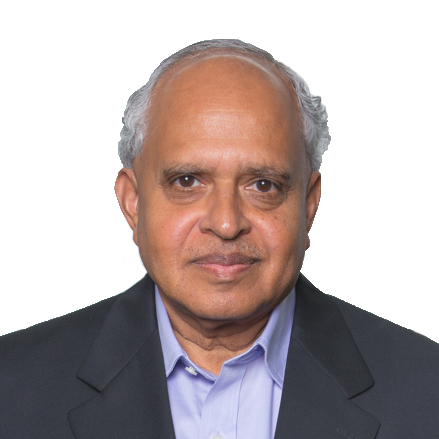 Viswanathan Natarajan合作论文数Department of Pharmacology and Regenerative Medicine, College of Medicine, The University of Illinois at Chicago43
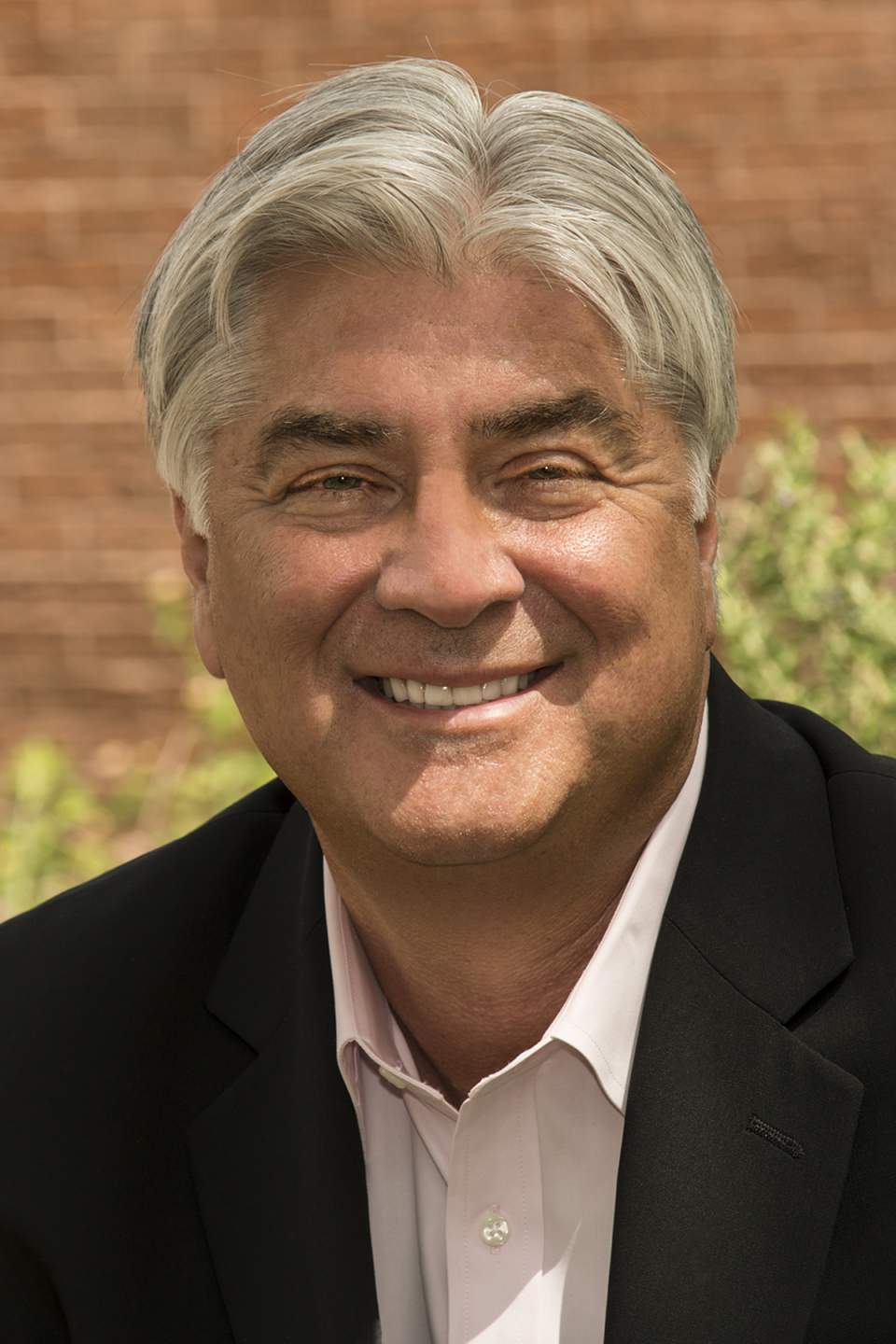 Joe G Garcia合作论文数College of Medicine, University of Arizona;Scripps Research Insitute, University of Florida;The Herbert Wertheim UF Scripps Institute for Biomedical Innovation & Technology., University of Florida23
 Irina Gorshkova合作论文数23Donghong He合作论文数20Chris Barnes合作论文数15
 Glenn D Crater合作论文数15
 Evgeny Berdyshev合作论文数Department of Medicine, National Jewish Health13
 Yutong Zhao合作论文数Graduate University of Chinese Academy of Sciences, Graduate University of Chinese Academy of Sciences12Edmund J. Moran合作论文数11Usatyuk Peter V合作论文数10
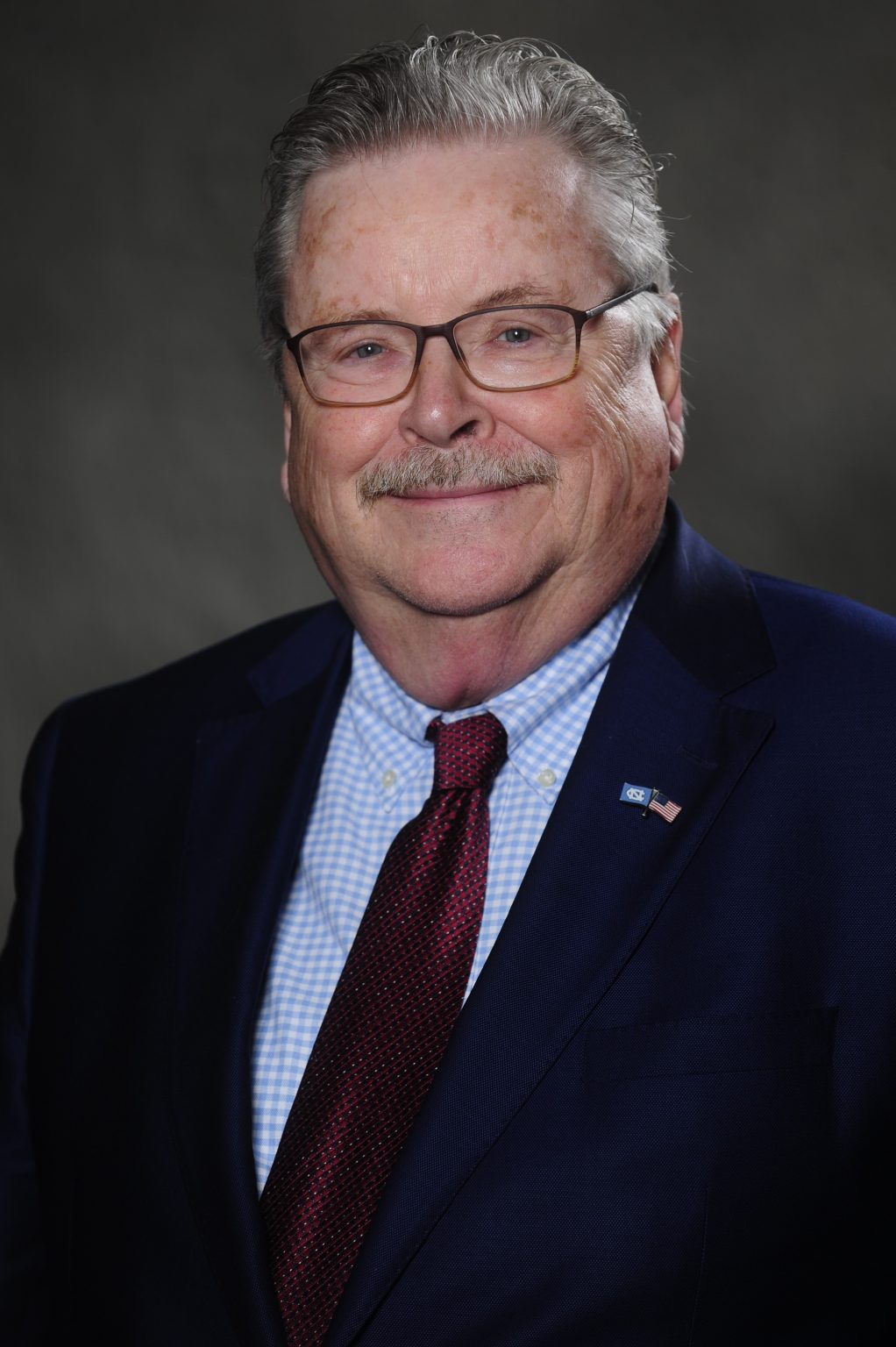 James F. Donohue合作论文数Division of Pulmonary Diseases and Critical Care Medicine, Department of Medicine, School of Medicine, University of North Carolina at Chapel Hill9Haumann Brett合作论文数8Sanjay Sethi合作论文数7
 Satish Kalari合作论文数City of Hope, Beckman Research Institute7David L. Bourdet合作论文数7
 Longshuang Huang (黄龙双)合作论文数School of Pharmaceutical Sciences, Shanghai Jiao Tong University6Feldman Gregory合作论文数6Harijith Anantha合作论文数6
 Sekhar P. Reddy合作论文数Department of Environmental Health Sciences, Johns Hopkins University Bloomberg School of Public Health6Jaideep Moitra合作论文数6P Usatyuk合作论文数5Vijay Mohan合作论文数5Ma Wenli合作论文数5Kanteti V Prasad合作论文数COMPUTER SCIENCE AND ENGINEERING - Chalmers University of Technology5
 Neil Barnes合作论文数Dept of Allergy and Clinical Immunology;National Heart & Lung Institute;Dept of Allergy and Clinical Immunology, National Heart & Lung Institute5S. Kalari合作论文数4Marie T Borin合作论文数4P. V. Usatyuk合作论文数4
 Panfeng Fu (傅攀峰)合作论文数Ningbo University Health Science Center4Sashwati Roy合作论文数Division of General and Gastrointestinal Surgery, College of Medicine, The Ohio State University4Savita Khanna合作论文数Davis Heart and Lung Research Institute, The Ohio State University Medical Center4
 Chandan K. Sen合作论文数McGowan Institute for Regenerative Medicine, University of Pittsburgh School of Medicine;Mary Ann Liebert, Inc.;Bioengineering MDPI;JoVE;Genes and Nutrition;DNA & Cell Biology4
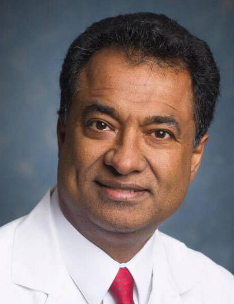 Victor J. Thannickal合作论文数Department of Medicine, School of Medicine, Tulane University4J. Usha Raj合作论文数4Liliana Moreno-Vinasco合作论文数4Lorna Dean合作论文数3E. J. Moran合作论文数3Tao Bai合作论文数3
 Patrick Singleton合作论文数Dept Civil & Environm Engn, Utah State Univ3Gary T. Ferguson合作论文数Division of Pulmonary Sciences and Critical Care Medicine, University of Colorado;Pulmonary Research Institute of Southeast Michigan;Michigan State University3Oskouian Babak合作论文数3Garzon Steve合作论文数3
 Julie Saba合作论文数School of Medicine, University of California, San Francisco3Narsa M. Reddy合作论文数3
 Steven Dudek合作论文数Division of Pulmonary, Critical Care, Sleep and Allergy, Department of Medicine, College of Medicine, University of Illinois3Sara M. Camp合作论文数3RK Stern合作论文数2H Donghong合作论文数2B Gorshko合作论文数2




