The transition toward a sustainable bioeconomy relies on efficient biomass valorisation processes, which critically depends on the ability to predict and control the flow behaviour of solid biomaterials like lignocellulosic biomass (LCB). However, the rheological properties of LCB remain difficult to characterise due to its intrinsic complexity, including broad particle size distributions, irregular and non-spherical morphologies, presence of moisture and additional variability arising from biological and seasonal factors. Building on these challenges, this study investigates how particle-scale properties influence LCB macroscopic flow under quasi-static and dense regimes, using wood sawdust as a model material. Beech and fir sawdust were characterised then tested under above mentioned flow regimes using a shear cell, a powder rheometer and a rotating drum. Under quasi-static conditions, flow function coefficient (FFC) values ranged from 5.2 to 9.8 for both materials, indicating easy-flowing behaviour. In dense regimes, FT4 tests showed that beech required higher mechanical energy than fir to achieve steady flow, while rotating drum experiments revealed cohesion indices of 0.15–0.22 for beech and 0.20–0.28 for fir. Additionally, experimental videos were analysed using Particle Image Velocimetry (PIV) to assess internal flow dynamics. These results demonstrate that flow behaviour is strongly influenced by particle size and shape, with fibrous and irregular morphologies promoting interlocking and entanglement.
The use of Additive Manufacturing for the fabrication of chemical reactors for flow chemistry is a promising field as it can lead to several improvements over more standard equipment. In this work, two different reactors were fabricated and compared: a Honeycomb monolith reactor with straight channels and a Periodic Open Cell Structure reactor. The Honeycomb monolith reactor was used as an example of a standard reactor (not necessarily additive manufactured) while the Periodic Open Cell Structure is a promising new type of reactor, which improves some key features, such as contact surface area and porosity. The two reactors were manufactured by Stereolithography technology with a high temperature resin and their internal surfaces were chemically activated by the grafting of palladium. For the surface activation, a two-step procedure was developed, firstly using NaOH and in a second step an aqueous solution of Na2PdCl4. After activation, a heterogeneous catalytic reaction was used to characterize the performance of the two fabricated reactors. The chosen reaction was the Suzuki-Miyaura reaction, which is commonly used in the pharmaceutical industry. The experimental results showed that, for equal contact surface area, the new designed reactor had better performance compared to the standard geometry.
A simplified AM2 model was developed to characterize mussel solid-state anaerobic digestion. This model considers two different substrates for mussels' degradation: the mussel meat and the mussel juice obtained after sanitization. This model was implemented to characterize the anaerobic degradation of Mytilus edulis species. This model was verified, implemented, and validated in 60 L batch reactors in mesophilic conditions. Two different experiments were used to calibrate kinetics using reaction invariants and an interior point optimization method. A conditioning study and a sensitivity analysis were done and had shown a better sensitivity with delayed substrate injections throughout the experiment with a factor of 10. An 88.6 % accumulation of methane yield of the BMP measurement was observed, corresponding to 57.7 % volatile removal with a minimum mass balance of 96.1 %. Additionally, the model proposed in this study was able to successfully predict the two characteristic methane yield peaks observed during solid-state anaerobic digestion.
Anaerobic digestion (AD) is a promising way to produce renewable energy. The solid-state anaerobic digestion (SSAD) with a dry matter content more than 15% in the reactors is seeing its increasing potential in biogas plant deployment. The relevant processes involve multiple of evolving chemical and physical phenomena that are not crucial to conventional liquid-state anaerobic digestion processes (LSAD). A good simulation of SSAD is of great importance to better control and operate the reactors. The modeling of SSAD reactors could be realized either by theoretical or statistical approaches. Both have been studied to a certain extent but are still not sound. This paper introduces the existing mathematical tools for SSAD simulation using theoretical, empirical and advanced statistical approaches and gives a critical review on each type of model. The issues of parameter identifiability, preference of modeling approaches, multiscale simulations, sensibility analysis, particularity of SSAD operations and global lack of knowledge in SSAD media evolution were discussed. The authors call for a stronger collaboration of multidisciplinary research in order to further developing the numeric simulation tools for SSAD.
A coupling distributed solid-state anaerobic digestion model was developed and performed considering a simplified AM2 model and a saturated Mobile-Immobile water Model (MIM). This model allows considering both microporosity and macroporosity evolutions as well as the impact on biological kinetics. This model was adapted, implemented and validated on cattle manure in mesophilic conditions and carried out in a solid-state leach-bed reactor. Three 60 L sacrificial leach-bed reactors were used to determine hydrodynamics and kinetic parameters in a calibration-validation approach. A sensitivity analysis was conducted and has shown a high value of hydrolysis kinetics on outputs variables (until 92% for accumulated methane yield and 72% for volatile fatty acids accumulation) which confirmed the necessity to identify accurately the hydrolysis parameter before calibration step. Finally, the solutes present inside each mobile and immobile region evolved in a different way confirming the model relevance.
Optimization of solid-state anaerobic digestion on cattle manure and damp grass were performed simultaneously and combined to a bootstrapping tool to significantly decrease the number of experiments for a methane yield optimization. 15 batch reactors at lab scale were launched two times respecting a mix surface response methodology. A numerical method called Bootstrapping was used to verify results significance. Results have shown a significant influence with a p-value between 10-8 and 10-11: the optimal parameter values depend on the substrate composition with a maximal p-value of 5.60.10-2. The methane yield reached 156.19 NL & sdot; kgVS-1 for a mixture of cattle manure and damp grass, and 142.92 NL & sdot; kgVS-1 for cattle manure only. The bootstrapping were validated with a standard error lower than 3% in comparison with ANOVA method, which confirms that the mix surface response methodology combined to bootstrapping is an innovative and efficient way to optimize solid-state anaerobic digestion process.
The lack of rheological characterization of coarse biomass limits the design, operation and optimization of continuous Dry Anaerobic Digestion (D-AD) processes. In this work, three alternative rheological devices for the determination of rheological behavior of coarse biomass were scale-up and calibrated; the slump test, the consistometer and the shear-box. The applicability and limitations of each device were evaluated using artificial mixtures of straw-cattle manure prepared using raw and shredded Wheat Straw (WS). The slump test and consistometer results suggest that the yield stress increases exponentially from 43 to 882 Pa with the WS content increase, reducing the flowability. Cohesion and friction angle measures using the shear-box were between 1.39 and 3.17 kPa and 11.0 and 28.89° respectively. This work represents an advance in the setting-up of standardized methods to the rheological determination of coarse biomass.
In this paper, we are interested in the study of an inverse problem that occurs during the pressing of rapeseeds, where some physical parameters influence on rapeseed oil extraction yield. Our objective is to identify the consolidation coefficient of the press cake, the inverse characteristic time of consolidation in press cake, and inside the rapeseed in order to increase the rapeseed oil extraction yield. Three questions will be addressed: the identifiability, the identification, and the stability of the inverse problem. Finally, we provide numerical results to confirm the theoretical results.
Le but de cette étude est de concevoir et de valider un ensemble de réacteurs et de compteurs de gaz permettant d’étudier la méthanisation en voie sèche à l’échelle laboratoire. L’intérêt de cet ensemble est de permettre la mise en oeuvre d’essais sur des substrats solides complexes, tels que des fumiers pailleux, tontes d’herbe et biodéchets, avec des quantités mises en jeu significatives, tout en préservant la structure et les caractéristiques physiques des substrats à étudier (pas de prétraitements préalables tels que broyage ou séchage). Il permet également d’agir sur les paramètres physiques clés, tel que la composition en substrats, l’immersion du massif et la recirculation de l’inoculum. Sa conception permet de réaliser deux types d’expériences : un suivi de production de méthane et une expérience de traçage au sein du massif solide. Le suivi de la production de méthane peut s’effectuer pour une composition en substrats donnée, pour laquelle l’immersion et les contraintes de recirculation sont déterminées. Cela permet des expériences d’optimisation de ces paramètres, notamment par les méthodes fournies par les plans d’expériences. Le traçage permettra quant à lui de déterminer le temps de séjour de la phase liquide au sein du massif solide. La création de cet ensemble a suivi un processus de conception classique : génération d’idées, sélection du produit, développement du produit puis tests et comparaison à la littérature. Les deux premières étapes de création ont été effectuées par une veille bibliographique, puis par conception assistée par ordinateur à l’aide de l’outil AutoCAD 2020. L’ensemble ainsi créé a ensuite été construit en deux prototypes successifs afin de perfectionner sa mise en oeuvre. Le modèle final a enfin été mis en oeuvre en conditions réelles de méthanisation en voie sèche afin de valider son fonctionnement et de comparer les résultats obtenus à la littérature.
Cette étude vise à évaluer la capacité d’une sonde à rayons ultraviolets (UV) à estimer simultanément les teneurs en nitrate et nitrite en sortie d’une unité de biofiltration en postdénitrification. L’estimation de ces deux espèces est compliquée du fait de la très grande similitude de leur spectre UV et de la présence d’autres molécules absorbantes dans l’UV. Celle-ci est pourtant indispensable au développement d’algorithmes de contrôle, seuls à même de garantir un résiduel en nitrite et nitrate conforme aux exigences de la directive cadre sur l’eau. La sonde WTW Nitra Vis 705 IQ NI a été calibrée puis validée en laboratoire sur un effluent réel dans une gamme de 0 à 3,5 mgN/L en nitrite. Elle a ensuite été installée en sortie d’une unité de biofiltration de la station de Seine Centre afin d’évaluer sa capacité à prédire les dynamiques de concentrations en nitrites et nitrates. Le suivi a montré que, moyennant une calibration multipoint pour le nitrite et multilinéaire pour le nitrate, il est possible de mesurer simultanément et dynamiquement le nitrite dans la gamme 0-5 mgN/L avec une précision de 0,2 mgN/L et le nitrate dans la gamme 0-10 mgN/L avec une précision de 0,3 à 0,4 mgN/L. Les mesures en ligne de protoxyde d’azote dissous, effectuées sur site au moyen de sondes ampérométriques, montrent que la dynamique est similaire à celle du nitrite en fonction du ratio DBO/N-NO3– appliqué, et que l’on obtient une meilleure corrélation du protoxyde d’azote avec le nitrite (R2 = 0,72) comparativement à la somme nitrite + nitrate (R2 = 0,52).
Flax (Linum usitatissinum L.) oil is an important source of α-linolenic (C18:3 ω-3). This polyunsaturated fatty acid is well known for its nutritional role in human and animal diets. Understanding storage lipid biosynthesis in developing flax embryos can lead to an increase in seed yield via marker-assisted selection. While a tremendous amount of work has been done on different plant species to highlight their metabolism during embryo development, a comprehensive analysis of metabolic flux in flax is still lacking. In this context, we have utilized in vitro cultured developing embryos of flax and determined net fluxes by performing three complementary parallel labeling experiments with 13C-labeled glucose and glutamine. Metabolic fluxes were estimated by computer-aided modeling of the central metabolic network including 11 cofactors of 118 reactions of the central metabolism and 12 pseudo-fluxes. A focus on lipid storage biosynthesis and the associated pathways was done in comparison with rapeseed, arabidopsis, maize and sunflower embryos. In our hands, glucose was determined to be the main source of carbon in flax embryos, leading to the conversion of phosphoenolpyruvate to pyruvate. The oxidative pentose phosphate pathway (OPPP) was identified as the producer of NADPH for fatty acid biosynthesis. Overall, the use of 13C-metabolic flux analysis provided new insights into the flax embryo metabolic processes involved in storage lipid biosynthesis. The elucidation of the metabolic network of this important crop plant reinforces the relevance of the application of this technique to the analysis of complex plant metabolic systems.
This work discusses the influence of different metal hydride storage bed configurations. The objective was to design and optimize a solid-state hydrogen storage for a nonpolluting mobility. A study of the absorption and desorption dynamics of a loose powder bed was performed first, followed by three different storage bed configurations: compacted Ti-Mn alloy powder, alternated Ti-Mn alloy compacts with stainless steel fins and compacted [Ti-Mn alloy/Stainless steel] powder mixture. A numerical model was developed to simulate the heat transfer and the hydrogen absorption and desorption rates. The alternation and compact mixture configurations gave better heat transfer efficiencies, absorption and desorption rates and increased hydrogen storage densities. Indeed, an efficient heat transfer (between the tank and its surrounding fluid), a tailored porosity of the metal hydride storage bed and the addition of high thermal conductivity materials allowed the overall storage performance to be improved. Thus, the required time for loading/unloading hydrogen was reduced drastically. The alternation configuration would offer the additional advantage of a simple, inexpensive and efficient recycling procedure.
Undesired agglomeration of powders, known as caking, results in the loss of product quality and is unacceptable in many powder industries. Information on how ambient conditions influence the cake strength is essential to prevent caking. Although there are a lot of existing methods to form caked samples and even more to characterize them, there is still no consensus regarding these methods. Repeatability is rarely evaluated and the comparative studies remain infrequent. As a deliquescent powder, sucrose is characterized by a threshold Relative Humidity (RH), called Deliquescence Relative Humidity (DRH), above which it turns into an aqueous solution. Partially deliquesced crystals are linked by liquid bridges of aqueous solution. When the RH is decreased below the DRH, these liquid bridges recrystallize into solid bridges to form a hard cake. In this study, an accelerated caking device was developed to obtain homogeneous caked samples of sucrose under controlled conditions. Three mechanical tests were compared on the basis of their sensitivity and repeatability: the uniaxial compression test, the diametrical compression test (tensile test) and the shear test. The varying parameter was the amount of water uptaken before drying, and the data were fitted by cross-validated local linear nonparametric regression. The best mechanical test was found to be the shear test, giving a sharp failure of the cake along a predetermined failure surface and a linear relationship between the cake strength and the amount of water uptaken. (C) 2018 Published by Elsevier Ltd.
Due to severe mathematical modeling and calibration difficulties open-loop feedforward control is mainly employed today for wastewater denitrification, which is a key ecological issue. In order to improve the resulting poor performances a new model-free control setting and its corresponding “intelligent” controller are introduced. The pitfall of regulating two output variables via a single input variable is overcome by introducing also an open-loop knowledgebased control deduced from the plant behavior. Several convincing computer simulations are presented and discussed.
The recent popularity of post-denitrification processes in the greater Paris area wastewater treatment plants has caused a resurgence of the presence of nitrite in the Seine river. Controlling the production of nitrite during the post-denitrification has thus become a major technical issue. Research studies have been led in the MOCOPEE program (www.mocopee.com) to better understand the underlying mechanisms behind the production of nitrite during wastewater denitrification and to develop technical tools (measurement and control solutions) to assist on-site reductions of nitrite productions. Prior studies have shown that typical methanol dosage strategies produce a varying carbon-to-nitrogen ratio in the reactor, which in turn leads to unstable nitrite concentrations in the effluent. The possibility of adding a model-free control to the actual classical dosage strategy has thus been tested on the SimBio model, which simulates the behavior of wastewater biofilters. The corresponding "intelligent" feedback loop, which is using effluent nitrite concentrations, compensates the classical strategy only when needed. Simulation results show a clear improvement in average nitrite concentration level and level stability in the effluent, without a notable overcost in methanol.
We consider some Wi-Fi access points (AP) communicating with some stations while being in the carrier sense area of neighbor AP. This corresponds to usual scenarios in local area networks, set-top boxes in houses, intelligent transportation systems, etc. First, using the network simulator ns-3, we observe interesting phenomena, depending on the number of pairs and its parity, confirming previous experiments and models of the literature. Short chains give high disparity in throughput. Moreover, adding a pair (i.e., an AP) can drastically change the throughput of a far ones. We also point out a notable asymptotic behavior. We show that the same phenomena appear while varying the number of stations per AP, the sending rate or the chain geometry. Second, we provide a new analytic model by considering the probability for a station to send data while its neighbors are waiting. This powerful model leads to a non-linear system of equations matching very well the N's-3 simulations. It is scalable and permits to study accurately both short and very large chains. In particular, we show interesting properties related to the fairness. Third, we apply our results to some practical cases. Thanks to our model, we are able to compute the optimal settings of the stations for ensuring the fairness in the scenarios listed above.
Comprehension of metabolic pathways is considerably enhanced by metabolic flux analysis (MFA-ILE) in isotope labeling experiments. The balance equations are given by hundreds of algebraic (stationary MFA) or ordinary differential equations (nonstationary MFA), and reducing the number of operations is therefore a crucial part of reducing the computation cost. The main bottleneck for deterministic algorithms is the computation of derivatives, particularly for nonstationary MFA. In this article, we explain how the overall identification process may be speeded up by using the adjoint approach to compute the gradient of the residual sum of squares. The proposed approach shows significant improvements in terms of complexity and computation time when it is compared with the usual (direct) approach. Numerical results are obtained for the central metabolic pathways of Escherichia coli and are validated against reference software in the stationary case. The methods and algorithms described in this paper are included in the sysmetab software package distributed under an Open Source license at http://forge.scilab.org/index.php/p/sysmetab/.
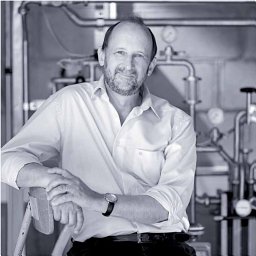 Andre Pauss合作论文数Département Génie chimique, University of Technology of Compiègne17
 Vincent Rocher合作论文数10
 T. Ribeiro合作论文数5A. Coutu合作论文数4Sabrina Guérin-Rechdaoui合作论文数4
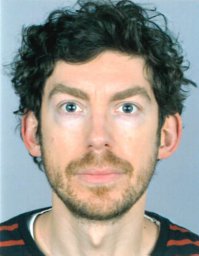 Mikel Leturia合作论文数Centre de recherche Royallieu, Université de technologie de Compiègne4S. Guérin合作论文数3
 Sabrina Guerin合作论文数3Olivier Schoefs合作论文数3Khashayar Saleh合作论文数3Sam Azimi合作论文数3Jean-Pierre Yvon合作论文数3M.A. Hernandez-Shek合作论文数2m bulo合作论文数2
 Arnaud Coutu合作论文数GeoLab, Inst Polytech UniLaSalle2S Azimi合作论文数2
 Xiaojun Liu合作论文数ESCOM, Univ Technol Compiegne2
 Julien Le Roux合作论文数LEESU UPEC, Univ Paris Est Creteil2
 Ribeiro Thierry合作论文数2
 Laura ANDRE合作论文数2
 A. Filali合作论文数UMR5504, CNRS2
 Stephane Frenot合作论文数INRIA Ares – CITI Lab, INSA Lyon2
 Bertrand Ducourthial合作论文数2
 Michel Fliess合作论文数École Polytechnique;CNRS2Edvina Lamy合作论文数Laboratoire Central des Ponts et Chaussées Division Eau et Environnement, Route de Bouaye, BP 4129, 44341 Bouguenais, France2Ghislaine Blanchard合作论文数2
 Cedric Join合作论文数Centre de Recherche en Automatique de Nancy;Universite Henri Poincare;Centre de Recherche en Automatique de Nancy, Universite Henri Poincare2
 Nicolas Delestre合作论文数Laboratoire psi – insa de Rouen2
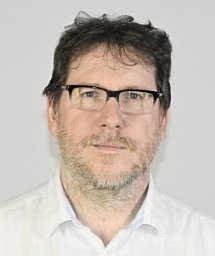 Régis Moilleron合作论文数Centre d'Enseignement et de Recherche sur l'Eau, la Ville et l'Environnement (CEREVE),, Université Paris 12-Val-de-Marne2Michel Vayssade合作论文数2
 Jean Bernier合作论文数2
 Patrice Y Simard合作论文数Microsoft Live Labs2S. Guérin-Rechdaoui合作论文数1C. Paffoni合作论文数1Anthony Marconi合作论文数1Julien Bollon合作论文数1
 Anthony Degournay合作论文数1
 Emmanuel Lefrancois合作论文数1P. Peultier合作论文数1Elias Daouk合作论文数1
 Franco Otaola合作论文数1
 Manuel Alejandro Hernandez Shek合作论文数1A. Brandely合作论文数1Sophie Samain合作论文数1
 Benali Mohammed合作论文数1Sébastien Acket合作论文数1
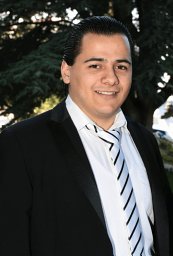 Georges Sadaka合作论文数1Rossez Yannick合作论文数1
 Cyril Lemaire合作论文数1




