We describe biochemically and functionally validated primary bile acid malabsorption caused by novel biallelic SLC10A2 variants in a child initially diagnosed with Crohn's disease. Pediatric IBD cohort reanalysis identified PBAM-compatible genotypes, supporting selective testing when clinical features are suggestive.
The rising incidence of pediatric Clostridioides difficile infection (CDI), particularly in medically complex patients, calls for novel, individualized treatments. While fecal microbiota transplantation (FMT) is well-described for recurrent CDI, this report describes the first pediatric case of fulminant CDI with toxic megacolon successfully treated with FMT. This critically ill patient experienced failure of standard-of-care antibiotics and was a poor surgical candidate due to neutropenia and abdominal radiation for rhabdomyosarcoma. Ultimately, FMT rapidly resolved the patient's symptoms without adverse events. FMT should be considered for pediatric fulminant CDI.
Abstract Background Clostridioides difficile (C. difficile) infection (CDI) is the most common healthcare-associated infection in the US. Use of molecular diagnostics may be contributing to increasing incidence due to the high sensitivity of these testing modalities, leading to over-diagnosis in persons with asymptomatic colonization. Colonization with C. difficile is common in early infancy. Laxative use may cause diarrhea and confound CDI diagnosis. Misdiagnosis of CDI can lead to over-treatment, increased hospital costs, prolonged hospital stay, misrepresentation of the true incidence of infection, and hospital penalties. Given the high sensitivity of molecular testing methods, diagnostic stewardship is critical to reduce inaccurate clinical diagnosis and inappropriate treatment.Figure 1:Percent of C. difficile tests ordered that were not indicated. SBAR: Situation, Background, Assessment, and Recommendation; UCL: Upper Control Limit; LCL: Lower Control Limit. Methods Starting in January 2021, using Plan-Do-Study-Act (PDSA) cycles, we implemented and evaluated strategies to decrease unindicated C. difficile testing at our institution, focusing on patients <1-year-old and those receiving laxatives. Interventions included: (1) Electronic medical record (EMR) alert the time of order entry, (2) rejection of specimens by the laboratory for patients with a negative test within the past 7 days, (3) creation of a clinical pathway for C. difficile diagnosis and management, (4) targeted educational sessions to promote appropriate testing and pathway awareness, and (5) feedback to units with high EMR alert override rates. Results From January 2021 (baseline) to April 2024, the percentage of C. difficile tests sent on patients aged ≤1 year or receiving laxatives decreased from a mean baseline of 20.5% to 15.5% (Figure 1). Conclusion This multidisciplinary quality improvement initiative leveraged EMR alerts, clinical practice guidance, laboratory acceptance criteria, and targeted clinician education to reduce unindicated C. difficile testing, increasing the likelihood that positive tests reflect disease rather than colonization. Disclosures Ana M. Vaughan-Malloy, MD, MPH, Asana: Stocks/Bonds (Public Company)|Aurora: Stocks/Bonds (Public Company)|Ayr Wellness: Stocks/Bonds (Public Company)|Bionano Genomics: Stocks/Bonds (Public Company)|Butterfly Network: Stocks/Bonds (Public Company)|Canopy Growth: Stocks/Bonds (Public Company)|Cresco Labs: Stocks/Bonds (Public Company)|CRISPR Therapeutics: Stocks/Bonds (Public Company)|Cronos Group: Stocks/Bonds (Public Company)|Curaleaf Holdings: Stocks/Bonds (Public Company)|Editas Medicine: Stocks/Bonds (Public Company)|Green Thumb Industries: Stocks/Bonds (Public Company)|High Tide: Stocks/Bonds (Public Company)|Iovance Biotherapeutics: Stocks/Bonds (Public Company)|Jushi Holdings: Stocks/Bonds (Public Company)|Moderna: Stocks/Bonds (Public Company)|Organigram Holdings: Stocks/Bonds (Public Company)|Pacific Biosciences of California: Stocks/Bonds (Public Company)|Personalis: Stocks/Bonds (Public Company)|Pfizer: Stocks/Bonds (Public Company)|SNDL: Stocks/Bonds (Public Company)|Terrascend: Stocks/Bonds (Public Company)|Tilray Brands: Stocks/Bonds (Public Company)|Trulieve: Stocks/Bonds (Public Company)
OBJECTIVE:To report the effectiveness and tolerability of treating children with primary and recurrent Clostridioides difficile infection (CDI) with fidaxomicin in a real-world, multicenter cohort. STUDY DESIGN:We performed a multicenter, retrospective, observational study of fidaxomicin treatment for primary or recurrent CDI in children ages 12 months to 18 years old identified from 2013 to 2021 at 5 centers via electronic medical records. Outcomes included assessment of clinical response at day 14 after initiation of fidaxomicin treatment and clinical and microbiologic outcomes at day 60 after initiation of fidaxomicin treatment in the initial responders. RESULTS:Of the 95 patients included in this study, 84 (88.4%) were treated with fidaxomicin for a recurrent CDI, and 82 (86.3%) had at least one medical or surgical comorbidity. At the completion of fidaxomicin treatment (ie, by day 14 after initiation), 50 patients (52.6%) had a clinical cure and an additional 29 (30.5%) had improvement of symptoms. Among 79 patients who responded to fidaxomicin treatment, 17 (21.5%) had a clinical and microbiologically confirmed recurrence of CDI by day 60, likely representing relapse. Patients with inflammatory bowel disease were less likely to achieve clinical cure at day 14 (OR 0.27 (95% CI 0.11, 0.70)), but 20 patients with inflammatory bowel disease who had initial clinical cure or response did not have a demonstrable increased risk of recurrence at day 60. The most common adverse events reported during therapy were abdominal pain and nausea. CONCLUSIONS:In this retrospective, real-world study, fidaxomicin for children with CDI appears to be well tolerated and is associated with low rates of treatment failure.
Fecal Microbiota Transplant (FMT) has shown some success in treating inflammatory bowel diseases (IBD). There is emerging evidence that host engraftment of donor taxa is a tenet of successful FMT. We undertook a double-blind, randomized, placebo-controlled pilot study to characterize the response to FMT in children and young adults with mild to moderate active Crohn's disease (CD) and ulcerative colitis (UC). Subjects with CD or UC were randomized to receive antibiotics and weekly FMT or placebo in addition to baseline medications. We enrolled 15 subjects aged 14-29 years. Four subjects had CD, and 11 had UC. Subjects exhibited a wide range of microbial diversity and donor engraftment. Specifically, engraftment ranged from 26 to 90% at week 2 and 3-92% at 2 months. Consistent with the current literature, increases over time of both alpha diversity (p < 0.05) and donor engraftment (p < 0.05) correlated with improved clinical response. We discovered that the post-antibiotic but pre-FMT time point was rich in microbial correlates of eventual engraftment. Greater residual alpha diversity after antibiotic treatment was positively correlated with engraftment and subsequent clinical response. Interestingly, a transient rise in the relative abundance of Lactobacillus was also positively correlated with engraftment, a finding that we recapitulated with our analysis of another FMT trial.
Objectives: We sought to evaluate the safety and effectiveness of fecal microbiota transplantation (FMT) for recurrent Clostridioides difficile infection (CDI) in pediatric immunocompromised (IC) patients. Methods: This is a multicenter retrospective cohort study of pediatric participants who underwent FMT between March 2013 and April 2020 with 12-week follow-up. Pediatric patients were included if they met the definition of IC and were treated with FMT for an indication of recurrent CDI. We excluded patients over 18 years of age, those with incomplete records, insufficient follow-up, or not meeting study definition of IC. We also excluded those treated for Clostridioides difficile recurrence without meeting the study definition and those with inflammatory bowel disease without another immunocompromising condition. Results: Of 59 pediatric patients identified at 9 centers, there were 42 who met inclusion and no exclusion criteria. Included patients had a median age of 6.7 years. Etiology of IC included: solid organ transplantation (18, 43%), malignancy (12, 28%), primary immunodeficiency (10, 24%), or other chronic conditions (2, 5%). Success rate was 79% after first FMT and 86% after 1 or more FMT. There were no statistically significant differences in patient characteristics or procedural components when patients with a failed FMT were compared to those with a successful FMT. There were 15 total serious adverse events (SAEs) in 13 out of 42 (31%) patients that occurred during the follow-up period; 4 (9.5%) of which were likely treatment-related. There were no deaths or infections with multidrug resistant organisms during follow-up and all patients with a SAE fully recovered. Conclusions: The success rate of FMT for recurrent CDI in this pediatric IC cohort is high and mirrors data for IC adults and immunocompetent children. FMT-related SAEs do occur (9.5%) and highlight the need for careful consideration of risk and benefit.
Fecal microbiota transplantation (FMT) involves the delivery of an entire microbial community from a healthy donor to a recipient with the intention of ameliorating or curing a specific disease. Current evidence strongly supports a role for FMT in the treatment of Clostridiodes difficile infection, with cure rates of approximately 80% to 90%. This success has led to increasing attention for FMT as a potential therapeutic intervention for other conditions associated with disturbances of the intestinal microbiome, including inflammatory bowel diseases, autism spectrum disorder, and obesity. This clinical report endorses the joint society statement by the North American Society for Pediatric Gastroenterology, Hepatology and Nutrition, and the European Society for Pediatric Gastroenterology, Hepatology and Nutrition and is meant to provide the general pediatrician with a broad overview to enable appropriate guidance to families seeking FMT as treatment of a child's condition.
Background Children with inflammatory bowel disease [IBD] are disproportionally affected by recurrent Clostridioides difficile infection [rCDI]. Although faecal microbiota transplantation [FMT] has been used with good efficacy in adults with IBD, little is known about outcomes associated with FMT in paediatric IBD. Methods We performed a retrospective review of FMT at 20 paediatric centres in the USA from March 2012 to March 2020. Children with and without IBD were compared with determined differences in the efficacy of FMT for rCDI. In addition, children with IBD with and without a successful outcome were compared with determined predictors of success. Safety data and IBD-specific outcomes were obtained. Results A total of 396 paediatric patients, including 148 with IBD, were included. Children with IBD were no less likely to have a successful first FMT then the non-IBD affected cohort [76% vs 81%, p = 0.17]. Among children with IBD, patients were more likely to have a successful FMT if they received FMT with fresh stool [p = 0.03], were without diarrhoea prior to FMT [p = 0.03], or had a shorter time from rCDI diagnosis until FMT [p = 0.04]. Children with a failed FMT were more likely to have clinically active IBD post-FMT [p = 0.002] and 19 [13%] patients had an IBD-related hospitalisation in the 3-month follow-up. Conclusions Based on the findings from this large US multicentre cohort, the efficacy of FMT for the treatment of rCDI did not differ in children with IBD. Failed FMT among children with IBD was possibly related to the presence of clinically active IBD.
Background. Fecal microbiota transplant (FMT) is an effective treatment for recurrent Clostridioides difficile infection (CDI). Safety concerns around FMT are increased in immunocompromised populations, such as solid organ transplant (SOT) recipients. Outcomes among adult SOT recipients suggest FMT is efficacious and safe; however, pediatric SOT data are lacking. Methods. We describe the efficacy and safety of FMT among pediatric SOT recipients in a single-center retrospective study from March 2016 to December 2019. Successful FMT was defined as no recurrence of CDI within 2 mo of FMT. We identified 6 SOT recipients ages 4–18 y who received FMT a median of 5.3 y post-SOT. Results. Success after a single FMT was 83.3%. One liver recipient did not achieve cure after 3 FMTs and remains on low-dose vancomycin. One serious adverse event (SAE) occurred; cecal perforation and bacterial peritonitis occurred following colonoscopic FMT coordinated with intestinal biopsy in a kidney transplant recipient. He achieved full recovery and CDI cure. There were no other SAEs. There were no adverse events related to immunosuppression or transplantation status including: bacteremia, cytomegalovirus activation or reactivation, allograft rejection, or allograft loss. Conclusions. In this limited series, efficacy of FMT in pediatric SOT is comparable to efficacy in the general pediatric recurrent CDI population. There may be an increased risk of procedure-related SAE in SOT patients and larger cohort studies are needed.
With the approval and development of narrow-spectrum antibiotics for the treatment of Clostridioides difficile infection (CDI), the primary endpoint for treatment success of CDI antibiotic treatment trials has shifted from treatment response at end of therapy to sustained response 30 days after completed therapy. The current definition of a successful response to treatment (three or fewer unformed bowel movements [UBMs] per day for 1-2 days) has not been validated, does not reflect CDI management, and could impair assessments for successful treatment at 30 days. We propose new definitions to optimise trial design to assess sustained response. Primarily, we suggest that the initial response at the end of treatment be defined as (1) three or fewer UBMs per day, (2) a reduction in UBMs of more than 50% per day, (3) a decrease in stool volume of more than 75% for those with ostomy, or (4) attainment of bowel movements of Bristol Stool Form Scale types 1-4, on average, by day 2 after completion of primary CDI therapy (ie, assessed on day 11 and day 12 of a 10-day treatment course) and following an investigator determination that CDI treatment can be ceased.
A 16-year-old girl was admitted with abdominal pain and bloody diarrhea of 5 weeks’ duration. Colonoscopy revealed multiple friable lesions in the sigmoid colon. A diagnostic test was performed.
Fecal microbiota transplantation (FMT) is a rapidly growing therapy aimed at reconstituting the dysbiotic microbiota of a patient with the beneficial stool microbiota of a healthy individual. The efficacy rates of FMT are very robust for recurrent Clostridioides difficile infection in both children and adults. Although complications of FMT have been reported, it is generally believed to be a safe procedure. Novel indications for FMT are being studied, with the hope that ultimately it may be useful for a variety of disorders. As this field continues to grow, however, it is necessary to consider efficacy, safety, and innovation across the lifespan. There are unique concerns regarding FMT as it pertains to children, adults, and the elderly. In this review, we seek to update clinicians, researchers, and regulators on how these factors must be balanced across the lifespan as we move forward with this innovative therapy.
Insurance companies and pharmacy benefit managers frequently deny prescriptions that are medically necessary but expensive. Physicians may appeal denials by providing insurers with additional clinical information and supporting medical evidence. One component of the appeal process is a well-written letter of medical necessity. The review article below provides guidance for the clinician to write a compelling and powerful letter. Among other components, the letter should include a clear description of the patient's specific case, the medical literature that supports the prescribing physician's choice of therapy, and the adverse consequences (e.g., hospitalization) if the patient does not get the needed medication.
Abstract Background Clostridioides difficile infection (CDI) research is limited by a lack of standardized definitions for clinical response and disease outcomes, which impacts clinical drug development and results comparison between studies. We aimed to assess outcome definitions in CDI therapeutic trials to propose new versions that are clinically relevant, discrete and objective. Methods A multidisciplinary group of CDI experts met monthly to review response endpoints from published clinical trials of antibiotic therapy for CDI. Previously published phase III or IV trials were assessed for outcome definitions. Discussions were held to reach a consensus on new clinical trial endpoints for adults and children to improve the accuracy and clinical relevance of measures of treatment success. Results Significant heterogeneity was noted amongst the primary endpoints in phase III and IV CDI antibiotic treatment trials. Initial clinical cure (ICC), strictly defined as < 3 unformed bowel movements/24 hour, and sustained clinical cure (SCC) were primary outcome measures for recent clinical trials. The strict ICC definition incompletely measures treatment success as assessed in clinical practice and, since ICC is necessary to achieve SCC, may lead to type II error for SCC. A set of proposed alternative outcome definitions was developed using the terms initial response (IR) and sustained response (SR) (Figure 1). IR allows for investigator assessment of overall improvement in CDI response more analogous to clinical practice and will lead to more patients eligible to meet SR. Achievement of SR requires both IR and no need for retreatment of CDI by day 30 after antibiotic completion and is the more relevant endpoint for CDI therapeutic development. The use of a less restrictive IR definition will more accurately capture early responses to treatment and importantly increase the validity of SR. The shortening of follow-up period by 30 days is also anticipated to reduce costs and efforts associated with conducting trials. Timeline of CDI outcome assessments for clinical trials Conclusion The set of definitions proposed here will more accurately capture clinical success and standardize the approach to outcome assessment in trials of CDI therapeutics. Disclosures Carolyn D. Alonso, MD, Cidara Therapeutics: Advisor/Consultant|Merck: Advisor/Consultant Oliver A. Cornely, Prof. Dr., Abbott: Honoraria|Abbvie: Advisor/Consultant|Actelion: Board Member|Al-Jazeera Pharmaceuticals: Honoraria|Allecra Therapeutics: Board Member|Amplyx: Advisor/Consultant|Amplyx: Grant/Research Support|Astellas: Honoraria|Basilea: Advisor/Consultant|Basilea: Grant/Research Support|Biocon: Advisor/Consultant|Biosys: Advisor/Consultant|BMBF: Grant/Research Support|Cidara: Advisor/Consultant|Cidara: Board Member|Cidara: Expert Testimony|Cidara: Grant/Research Support|CoRe Consulting: Stocks/Bonds|Da Volterra: Advisor/Consultant|DLR: Grant/Research Support|DZIF: Grant/Research Support|Entasis: Board Member|EU Directorate-General for Resarch and Innovation: Grant/Research Support|F2G: Grant/Research Support|German Patent and Trade Mark Office: German patent (DE 10 2021 113 007.7)|Gilead: Advisor/Consultant|Gilead: Grant/Research Support|Grupo Biotoscana/United Medical/Knight: Honoraria|Hikma: Honoraria|IQVIA: Board Member|Janssen: Board Member|Matinas: Advisor/Consultant|Matinas: Grant/Research Support|MedPace: Advisor/Consultant|MedPace: Grant/Research Support|MedScape: Honoraria|MedUpdate: Honoraria|Menarini: Advisor/Consultant|Merck/MSD: Grant/Research Support|Merck/MSD: Honoraria|Molecular Partners: Advisor/Consultant|MSG-ERC: Advisor/Consultant|Mundipharma: Grant/Research Support|Mylan: Honoraria|Noxxon: Advisor/Consultant|Octapharma: Advisor/Consultant|Octapharma: Grant/Research Support|Paratek: Board Member|Pardes: Advisor/Consultant|Pfizer: Grant/Research Support|Pfizer: Honoraria|Projektträger Jülich: Grant/Research Support|PSI: Advisor/Consultant|PSI: Board Member|Pulmocide: Board Member|Scynexis: Advisor/Consultant|Scynexis: Grant/Research Support|Seres: Advisor/Consultant|Shionogi: Board Member|Wiley (Blackwell): Editor-in-Chief, Mycoses Kevin W. Garey, PharmD, MS, Acurx Pharmaceuticals: Grant/Research Support|Paratek Pharmaceuticals: Grant/Research Support|Seres Therapeutics: Grant/Research Support|Summit Pharmaceuticals: Grant/Research Support Dale N. Gerding, MD, Destiny Pharma plc.: Advisor/Consultant Stuart Johnson, M.D., Ferring Pharmaceuticals: Membership on Ferring Publication Steering Committee|Ferring Pharmaceuticals: Employee|Summit Plc: Advisor/Consultant Stacy A. Kahn, MD, Lilly: Stocks/Bonds Ciaran P. Kelly, n/a, Artugen: Advisor/Consultant|Facile Therapeutics: Advisor/Consultant|Ferring Pharma: Advisor/Consultant|Finch: Advisor/Consultant|Finch: Advisor/Consultant|First Light Biosciences: Advisor/Consultant|First Light Biosciences: Ownership Interest|Milky Way Biosciences: Advisor/Consultant|Milky Way Biosciences: Grant/Research Support|Pfizer: Advisor/Consultant|Seres Therapeutics: Advisor/Consultant|Summit Therapeutics: Advisor/Consultant Larry K. Kociolek, MD, MSCI, Merck: Grant/Research Support Thomas J. Louie, MD, Artugen: Advisor/Consultant|Artugen: Grant/Research Support|Crestone: Advisor/Consultant|Crestone: Grant/Research Support|Finch Therapeutics: Advisor/Consultant|Finch Therapeutics: Grant/Research Support|Rebiotix: Advisor/Consultant|Rebiotix: Grant/Research Support|Seres Therapeutics: Advisor/Consultant|Seres Therapeutics: Grant/Research Support|summit plc: Advisor/Consultant|summit plc: Grant/Research Support|Vedanta Biosciences: Advisor/Consultant|Vedanta Biosciences: Grant/Research Support Maria Vehreschild, Prof. Dr., 3M: speaker fee|Astellas: Advisor/Consultant|Astellas: speaker fee|biologische heilmittel heel gmbh: Grant/Research Support|BioNtech: Grant/Research Support|EUMEDICA: Advisor/Consultant|Farmak International Holding: Advisor/Consultant|Ferring: Advisor/Consultant|Ferring: Speaker fee|Gilead Sciences: Advisor/Consultant|Immunic AG: Advisor/Consultant|MaaT: Advisor/Consultant|Merck: Advisor/Consultant|Merck: speaker fee|MSD: Advisor/Consultant|MSD: Grant/Research Support|MSD: speaker fees|Pfizer: speaker fee|Roche Molecular Systems: Grant/Research Support|Roche Molecular Systems: speaker fees|SocraRTec R&D GmbH: Advisor/Consultant|Takeda California: Grant/Research Support Professor Mark H. Wilcox, MD, FRCPath, GSK: Advisor/Consultant|GSK: Board Member|GSK: Grant/Research Support|Pfizer: Advisor/Consultant|Phico Therapeutics: Board Member|Seres: Advisor/Consultant|Seres: Board Member|Seres: Grant/Research Support|Summit: Advisor/Consultant|Summit: Grant/Research Support Erik R. Dubberke, MD, MSPH, Abbott: Advisor/Consultant|Ferring: Advisor/Consultant|Ferring: Grant/Research Support|Merck: Advisor/Consultant|Pfizer: Advisor/Consultant|Pfizer: Grant/Research Support|Seres: Advisor/Consultant|Summit: Advisor/Consultant|Synthetic Biologics: Grant/Research Support.
Increasingly, in the United States, the prescribing of high-cost drugs has become a challenge for physicians and other practitioners. Such drugs are highly regulated by third-party payers (aka insurance), as well as pharmacy benefit managers. Not infrequently, a clinician prescribing a medication will have the payment for the prescription denied by the third-party payer, with the end result being a delay in getting a medically necessary medication to a patient. This article highlights the challenges involved in the prior authorization and denial process, with a focus on pediatric inflammatory bowel disease. The article reviews the role of pharmacy benefits managers in restricting access to drugs, and the reasons why denials of medically necessary medications may occur. The article also provides information on how to appeal denials, how to write a letters of medical necessity, and how to conduct a proper peer-to-peer review. Advocacy from patients and clinicians will be important, as we want to reform the process in the future.
Objectives To compare the incidence, epidemiology, testing patterns, treatment, and outcomes of Clostridioides difficile infection (CDI) among hospitalized pediatric patients from 2013 to 2019. Study design The Pediatric Health Information System database was queried for patient admissions (age 0-17 years) with International Classification of Diseases, 9th and 10th edition, codes for diagnoses of CDI with a billing code for a CDI-related antibiotic treatment. Results We identified 17142 pediatric patients, representing 23052 admissions, with CDI. The adjusted annual CDI incidence decreased over the study period from 7.09 cases per 10000 patient-days (95% CI, 6.15-8.18) in 2013 to 4.89 cases per 10000 patient-days (95% CI, 4.03-5.93) in 2019 (P < .001). C difficile-specific testing also decreased during the study period (P < .001). Chronic gastrointestinal conditions (36%) and malignancy (32%) were the most common comorbidities in CDI encounters. Oral metronidazole use decreased during the study period (P < .01) and oral vancomycin use increased (P < .001). Conclusions Our study demonstrates a decrease in CDI incidence in hospitalized pediatric patients, a notable change from prior studies, although this may have been influenced by altered testing patterns. We found a high inci-dence of CDI in patients with cancer and gastrointestinal conditions: groups that warrant targeted evaluation of CDI prevention and treatment.
Coronavirus disease 2019 is associated with a postinfectious multisystem inflammatory syndrome in children (MIS-C). This syndrome is marked by cytokine storm and multiorgan dysfunction, often affecting the gastrointestinal tract, the heart, and the hematopoietic system. We describe the case of a 16-year-old boy with an initial presentation of severe inflammatory bowel disease and concurrent MIS-C. He presented with abdominal pain, diarrhea, and hematochezia and met criteria for the systemic inflammatory response syndrome. Laboratory inflammatory profiling revealed markedly elevated ferritin, D-dimer, C-reactive protein, soluble interleukin 2, and interleukin 6 levels. Endoscopy and colonoscopy revealed severe active gastroduodenitis, patchy colitis, and a normal-appearing terminal ileum. The patient was treated with a combination of steroids, intravenous immunoglobulin, and infliximab, and his symptoms slowly resolved over a 3-week period. In this case, we describe coincident MIS-C with a remarkably severe and difficult-to-treat initial presentation of inflammatory bowel disease and highlight the need to investigate the effect of coronavirus disease 2019 and MIS-C on inflammatory disorders.
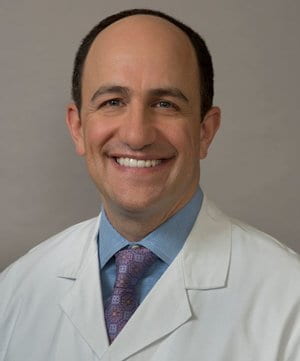 David T. Rubin合作论文数Division of the Biological Sciences, University of Chicago;Digestive Diseases Center, University of Chicago Medicine;MacLean Center for Clinical Medical Ethic;Comprehensive Cancer Center, University of Chicago23
 Nicholson Maribeth R合作论文数Vanderbilt University School of Medicine, Vanderbilt University14
 Rachel Neff Greenley合作论文数Case Western Reserve School of Medicine14Richard Kellermayer合作论文数Department of Microbiology;University of Alabama;Department of Microbiology, University of Alabama12
 Kelly Colleen R合作论文数Alpert Medical School, Brown University10Gumidyala Amitha Prasad合作论文数9Judith R. Kelsen合作论文数9Steven L. Werlin合作论文数9
 Maria M Oliva-Hemker合作论文数Department of Otolaryngology-Head and Neck Surgery, School of Medicine, Johns Hopkins University8Barbara S. Kirschner合作论文数8
 Sonia Michail合作论文数8
 Natasha Poulopoulos合作论文数7
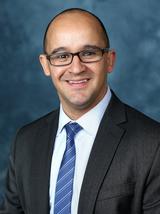 Larry K Kociolek合作论文数Infectious Diseases, Department of Pediatrics, Feinberg School of Medicine, Northwestern University7Jill M. Plevinsky合作论文数Department of Psychiatry, Perelman School of Medicine, University of Pennsylvania7Hourigan Suchitra K合作论文数7
 Zev Davidovics合作论文数Connecticut Children's Medical Center7Joshua D. Noe合作论文数7
 Sahil Khanna合作论文数Division of Gastroenterology and Hepatology, Mayo Clinic;Department of Internal Medicine, Mayo Clinic7Madison Weatherly合作论文数6Kaplan Jess L合作论文数6
 Jessica Allegretti合作论文数6
 Jennifer Walter合作论文数6
 Russell D. Cohen合作论文数University of Chicago Medical Center6Joel Pekow合作论文数Department of Medicine and the Digestive Disease Research Core Center, The University of Chicago6Alka Goyal合作论文数Pediatrics Department, Stanford University6
 Mckenzie Leier合作论文数5Sonia A. Ballal合作论文数5Melissa Kennedy合作论文数5
 M. Kyle Jensen合作论文数Pediatric Gastroenterology, Hepatology and Nutrition, University of Utah School of Medicine5Michael Docktor合作论文数Dept Pediat, Boston Childrens Hosp5
 Tiffany J. Patton合作论文数Department of Pediatrics, The University of Chicago5Nguyen Eve U合作论文数5Jeffery D. Lewis合作论文数5
 Dionysios A. Antonopoulos合作论文数Argonne National Laboratory5Erin Alexander合作论文数4Karen Queliza合作论文数4
 Hilary G Morrison合作论文数4Michael Dole合作论文数4Thomas Moore合作论文数4
 Sonny T M Lee合作论文数Kansas State University4
 Gary D. Wu合作论文数Department of Medicine, Perelman School of Medicine, University of Pennsylvania4
 A. Murat Eren (Meren)合作论文数Helmholtz Institute for Functional Marine Biodiversity, University of Oldenburg;Alfred Wegener Institute, Helmholtz Centre for Polar and Marine Research;Max Planck Institute for Marine Microbiology;Center for Chemical Currencies of a Microbial Planet4
 Tom Delmont合作论文数University of Chicago;University of Chicago4
 Elizabeth Doby Knackstedt合作论文数4
 Loren Laine合作论文数Section of Digestive Diseases, Yale School of Medicine, Yale University;Liver Center, Yale School of Medicine, Yale University;VA Connecticut Healthcare System4
 Monika S. Fischer合作论文数4David L. Suskind合作论文数4
 Ashish Atreja合作论文数Department of Medicine, Icahn School of Medicine at Mount Sinai;UC Davis Health;Rx.Health Scientific4Ranjana Gokhale合作论文数4




