Kuhrau, Shannon1; Masic, Dalila1; Chowdhury, Ibrahim2; Antonios, Nathalie3; Brailovsky, Yevgeniy3; Allen, Sorcha3; Merchant, Karim3; Marginean, Alexandru3; Manshad, Ahmad3; Chan, Lucas3; Porcaro, Katerina3; Morris, Stephen3; Fareed, Jawed3; Rech, Megan3; Darki, Amir3 Author Information
Management of submassive pulmonary embolism (PE) presents a quandary to the treating physician. A proportion of high-risk patients with submassive PE warrant aggressive therapy to reduce right ventricular (RV) strain and pulmonary artery pressures (PAP). Systemic thrombolytic therapy in patients with submassive PE is associated with a 2–3% risk of intracranial hemorrhage and remains controversial. However, anticoagulation often acts slowly, with the PEITHO trial demonstrating a 5% need for rescue thrombolysis among patients receiving anticoagulation alone [1].
SESSION TITLE: Pulmonary Vascular Disease Posters SESSION TYPE: Original Investigation Posters PRESENTED ON: October 18-21, 2020 PURPOSE: Mortality increases in patients presenting with acute pulmonary embolism (PE)when time to therapeutic unfractionated heparin (UFH) exceeds 24 hours. Literature has demonstrated more than half of obese PE patients fail to achieve therapeutic aPTT levels with standard UFH nomograms likely due to a failure of dosing caps and suboptimal dosing. Obesity also increases the likelihood of venous thromboembolism (VTE). Our institution has employed a modified weight-based nomogram for our this population. This study aimed to examine the impact of obesity on achieving therapeutic anticoagulation and its subsequent impact on outcomes. METHODS: Patients with acute submassive PE who received IV UFH were included at our institution. Patients were divided based on body mass index (BMI) =30 kg/m2 and <30 kg/m2. Baseline characteristics were collected. Time to therapeutic aPTT (goal 55-90 sec) was collected per our institution’s nomogram. We also obtained data on administration of heparin bolus, starting dose of heparin, heparin dose at therapeutic aPTT, and time to heparin initiation. Clinical outcomes included: concurrent deep vein thrombosis (DVT), bleeding events utilizing GUSTO criteria, and mortality. RESULTS: A total of 130 patients were included. Of these, 67 were BMI =30 kg/m2 and 63 were BMI <30 kg/m2. Baseline characteristics were similar between groups with the exception of PESI score being higher in the non-obese group (109.6 +/- 42 vs. 135.8 +/- 49.7; p<0.01). There was no difference between groups in administration of heparin bolus (68.7% vs. 69.8%; p=0.67) or time to heparin initiation (22.3 +/- 42.7 vs. 40.1 +/- 90.5 hours; p=0.15). Obese patients received a lower weight-based dose (units/kg/hr) at heparin initiation (15.9 ? 3 vs. 17.9 ? 1.8; p<0.01) and received a lower dose once therapeutic aPTT achieved (15.9 +/- 3 vs. 17.9 +/- 1.8; p<0.01). Both groups achieved a therapeutic aPTT within 24 hours (83.6% vs. 77.8%; p=0.46) and no difference between groups in maintaining therapeutic aPTT (56.7% vs. 56.7%; p=0.68). There were more patients in the obese group that had a concomitant DVT (76.1% vs. 55.6%; p=0.02) but there was no difference in bleeding events among groups (6% vs. 15%; p=0.11). Mortality was higher in the non-obese population (17.9% vs. 38.1%; p=0.01). CONCLUSIONS: Our institutional modified weight-based nomogram led to achievement of therapeutic aPTT within 24 hours in the majority of patients regardless of obesity status. The obese population required lower weight-based doses of heparin to achieve therapeutic aPTTs with no difference in bleeding events. They did have a higher occurrence of concurrent DVTs. The non-obese population did have an increase mortality rate however these patients were more acute as reflected by higher PESI scores. CLINICAL IMPLICATIONS: Modified weight-based nomograms can ensure obese patients achieve therapeutic aPTTs within the optimal 24 hours. DISCLOSURES: No relevant relationships by Sorcha Allen, source=Web Response No relevant relationships by Nathalie Antonios, source=Web Response No relevant relationships by Yevgeniy Brailovsky, source=Web Response No relevant relationships by Lucas Chan, source=Web Response No relevant relationships by Ibrahim Chowdhury, source=Web Response No relevant relationships by Amir Darki, source=Web Response No relevant relationships by Jawed Fareed, source=Web Response No relevant relationships by Jeremiah Haines, source=Web Response No relevant relationships by Shannon Kuhrau, source=Web Response No relevant relationships by Ahmad Manshad, source=Web Response No relevant relationships by Alexandru Marginean, source=Web Response No relevant relationships by Dalila Masic, source=Web Response No relevant relationships by Karim Merchant, source=Web Response No relevant relationships by Stephen Morris, source=Web Response No relevant relationships by Katerina Porcaro, source=Web Response
SESSION TITLE: Pulmonary Vascular Disease Posters SESSION TYPE: Original Investigation Posters PRESENTED ON: October 18-21, 2020 PURPOSE: Patients diagnosed with acute pulmonary embolism (PE) are at an elevated risk for short-term mortality. An accurate prognostic model is important in guiding appropriate management. We aimed to use machine learning (ML) to predict 30-day all-cause mortality in patients diagnosed with acute PE. METHODS: 439 patients (48% men, 61±15 years) diagnosed with acute PE at our institution were retrospectively analyzed. We included 101 variables from a range of domains including demographics, clinical, laboratory, echocardiographic, and CT imaging as candidate predictors. Machine learning algorithms including extreme gradient boosting (XGBoost), gradient boosting machine (GBM), random forest (RF), deep neural networks (DNN), and generalized linear models (GML) were evaluated on their classification performance and validated with 5-fold cross-validation. The PE severity index (PESI) and its simplified version (sPESI) were used as reference models. RESULTS: XGBoost was the best performing model in predicting 30-day all-cause mortality (AUC, 0.922 (95% confidence interval [CI]: 0.890-0.954), followed by GBM (0.911 [0.875-0.947]), DNN (0.868 [0.833-0.903]), GLM (0.865 [0.816-0.914]), RF (0.859 [0.843 to 0.875]), PESI (0.805 [0.749-0.851]), and sPESI (0.754 [0.741-0.846]). Lactate, neutrophil/lymphocyte ratio, red cell distribution, white blood count, history of cancer, and respiratory rate had the highest variable importance values in the XGBoost model. CONCLUSIONS: Compared to conventional risk stratification models, the ML models demonstrated a superior ability to predict short-term all-cause mortality in patients with acute PE. CLINICAL IMPLICATIONS: ML algorithms have the potential to help clinicians rapidly risk stratify patients diagnosed with acute PE. DISCLOSURES: No relevant relationships by Oguz Akbilgic, source=Web Response No relevant relationships by Sorcha Allen, source=Web Response No relevant relationships by Nathalie Antonios, source=Web Response No relevant relationships by Yevgeniy Brailovsky, source=Web Response No relevant relationships by Lucas Chan, source=Web Response No relevant relationships by Ibrahim Chowdhury, source=Web Response No relevant relationships by Amir Darki, source=Web Response No relevant relationships by Jawed Fareed, source=Web Response No relevant relationships by Jeremiah Haines, source=Web Response No relevant relationships by Shannon Kuhrau, source=Web Response No relevant relationships by Ahmad Manshad, source=Web Response No relevant relationships by Alexandru Marginean, source=Web Response No relevant relationships by Dalila Masic, source=Web Response No relevant relationships by Karim Merchant, source=Web Response No relevant relationships by Stephen Morris, source=Web Response No relevant relationships by Katerina Porcaro, source=Web Response
The difference in managing myxoma and pulmonary embolism (PE) emphasizes the importance of prompt diagnosis of left atrial masses. Diagnosis requires a systematic and multidisciplinary approach to treatment. 47 year old healthy woman presented with acute onset left lower abdominal pain and pre-
Targeted thrombolysis improves hemodynamics in patients with intermediate risk pulmonary embolism (PE). Compared to catheter-directed thrombolysis (CDT), ultrasound-assisted thrombolysis (USAT) promotes improved lysis by increasing surface area exposed to the thrombolytic. We aimed to compare
Introduction: The six-minute walk test (6MWT) is a simple and well-validated test to assess functional status and predict morbidity and mortality in several chronic cardiopulmonary disease states. Neutrophil to Lymphocyte ratio (NLR) reflects a pro inflammatory state. Increased platelet to lymphocyte ratio (PLR) has been associated with increase in thrombus burden. Elevated D-dimer to fibrinogen ratio (D/f) reflects fibrinolysis activation. No study has investigated the correlation of these indices with gender differences in 6MWT in patients presenting with pulmonary embolism (PE). Methods: We retrospectively evaluated all acute PE patients from our Pulmonary Embolism Response Team Registry who completed a 6MWT during their initial hospitalization. Differential complete blood count data along with d-dimer and fibrinogen were collected within 24 hours prior to PE diagnosis. Results: A total of 186 patients underwent baseline 6MWT and lab tests between March 2016 and January 2020. The mean walking distance for males (765 ft) was further than females (519 ft; figure 1). NLR, PLR, and D/f did not correlate with 6MWT in males. In females, NLR, PLR, and D/f had a negative correlation with walking distance (r = -0.20, p <0.05; r = -3.0, p<0.01; and r = -0.15, p<0.05; figure 2) Conclusions: Female patients, in our study, had significantly shorter walking distance after acute presentation in PE. This may reflect higher inflammatory and prothrombotic state. Future studies will need to expand on these findings.
Catheter directed thrombolysis (CDT) has become a recommended treatment in high risk pulmonary embolism (PE). Optimal dosing is unknown. We aimed to evaluate the effect of different dosing strategies on fibrinogen concentrations, bleeding events, and outcomes. Patients with acute PE who underwent
SESSION TITLE: Pulmonary Vascular Disease Posters SESSION TYPE: Original Investigation Posters PRESENTED ON: October 18-21, 2020 PURPOSE: Limited data exist on the optimal timing of factor Xa (fXa) inhibitor initiation for acute pulmonary embolism (PE) after catheter-directed thrombolysis (CDT). The objective of this study was to determine the average time to initiation of apixaban and rivaroxaban after completion of CDT and to analyze the effect of timing on clinical markers and safety. METHODS: A retrospective review of patients who underwent CDT from our Pulmonary Embolism Response Team registry was conducted from 2016 to 2020. Patients who received apixaban were compared to those who received rivaroxaban after CDT. The primary outcome was time to fXa inhibitor initiation from the completion of CDT. Secondary outcomes include GUSTO bleeding, CDT characteristics, hemodynamics, echocardiographic parameters, and length of stay. RESULTS: Of the 46 CDT procedures performed during the study period, 38 patients were transitioned to a fXa inhibitor (apixaban n=17, rivaroxaban n=21) before discharge. There were no differences in baseline characteristics, CDT dose or duration, hemodynamic parameters, or change in RV:LV ratio among groups. Unfractionated heparin was started shortly after completion of CDT (4.1 hrs for apixaban vs. 5.1 hrs for rivaroxaban; p=0.86). More patients who received apixaban had a massive PE (23% vs. 5%, p=0.08), were hypotensive on admission (35% vs 5%, p=0.02), and required vasopressor support (18% vs 0%, p=0.04). The average time to apixaban initiation was significantly longer than rivaroxaban (66 hrs vs. 42 hrs, p=0.041). There were no differences in GUSTO bleeding (12% vs. 10%; p=0.82) or length of stay (9.1 vs. 8.2 days; p=0.35) among groups. CONCLUSIONS: The average time to initiation of a fXa inhibitor after completion of CDT was 42 to 66 hours. Timing varied based on initial patient presentation as more patients in the apixaban group presented with a massive PE and experienced subsequent hemodynamic instability. Despite differences in timing of fXa inhibitor initiation, no difference in any type of GUSTO bleeding occurred. Further studies are warranted to determine the optimal time to initiation of fXa inhibitors. CLINICAL IMPLICATIONS: While CDT has become a more widely used treatment option for acute PE, initiation of maintenance anticoagulation post procedure is largely unknown. This study demonstrates when fXa inhibitors can be administered safely and effectively after CDT. DISCLOSURES: No relevant relationships by Sorcha Allen, source=Web Response No relevant relationships by Nathalie Antonios, source=Web Response No relevant relationships by Yevgeniy Brailovsky, source=Web Response No relevant relationships by Lucas Chan, source=Web Response No relevant relationships by Ibrahim Chowdhury, source=Web Response No relevant relationships by Amir Darki, source=Web Response No relevant relationships by Jawed Fareed, source=Web Response No relevant relationships by Jeremiah Haines, source=Web Response No relevant relationships by Shannon Kuhrau, source=Web Response No relevant relationships by Ahmad Manshad, source=Web Response No relevant relationships by Alexandru Marginean, source=Web Response No relevant relationships by Dalila Masic, source=Web Response No relevant relationships by Karim Merchant, source=Web Response No relevant relationships by Stephen Morris, source=Web Response No relevant relationships by Katerina Porcaro, source=Web Response
Acute pulmonary embolism (PE) in the setting of a Patent Foramen Ovale (PFO) and clot-in-transit across the PFO poses a therapeutic dilemma. 64 year old male presented with acute dyspnea 3 weeks after ischemic stroke. CT PE-protocol revealed dilated right ventricle (RV) and proximal bilateral
Current risk models in acute Pulmonary Embolism (PE) have poor positive predictive ability and do not predict response to therapy. We sought to investigate the predictive power of Plasminogen Activator Inhibitor-1 (PAI-1) in acute PE. We analyzed patients who underwent evaluation by the Pulmonary
Despite normal blood pressure (BP), patients with submassive pulmonary embolism (PE) are at significant risk of morbidity and mortality. We sought to evaluate echocardiographic and invasive hemodynamic parameters to aid in risk stratification of patients with submassive PE. We retrospectively
Acute pulmonary embolism (PE) is associated with significant morbidity and mortality. Current risk stratification tools utilize clinical parameters such as blood pressure (BP), cardiac biomarkers, and evidence of right ventricular strain to prognosticate patients with acute PE. We sought to
 Dalila Masic合作论文数12
 Yevgeniy Brailovsky合作论文数Jefferson Heart Institute, Thomas Jefferson University12
 Amir Darki合作论文数12
 Jawed Fareed合作论文数Molecular Pharmacology and Therapeutics11
 Jeremiah Haines合作论文数10Shannon Kuhrau合作论文数8Sorcha Allen合作论文数8Lucas Chan合作论文数8Katerina Porcaro合作论文数7Ibrahim Chowdhury合作论文数7
 Ahmad S. Manshad合作论文数Rush Univ, Med Ctr, Chicago, IL 60612 USA7Nathalie Antonios合作论文数6
 Karim Merchant合作论文数6Alexandru Marginean合作论文数6Kateria Porcaro合作论文数4
 Verghese Mathew合作论文数4Demetrios Doukas合作论文数4Vladimir Lakhter合作论文数Department of Cardiology, Temple University Hospital3
 John J. Lopez合作论文数3
 Estefania Oliveros合作论文数School of Medicine, Central University of Venezuela3Carlos F. Bechara合作论文数3
 Bruce E. Lewis合作论文数Department of Medicine, Stritch School of Medicine, Loyola University Chicago2Syed Ali合作论文数1Sovik De Sirkar合作论文数1Nicolas Krepostman合作论文数1Jason Frazier合作论文数1Joshua Newman合作论文数1
 Parth Desai合作论文数School of Medicine, Wayne State University1
 Ahmed Elkaryoni合作论文数Loyola Stritch School of Medicine1
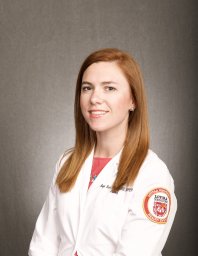 Rech Megan A合作论文数Loyola University Medical Center, John Peter Smith Hospital1
 Collins Matthew Lloyd合作论文数Baystate Med Ctr1
 Debra Hoppensteadt合作论文数Loyola University Chicago1
 Oguz Akbilgic合作论文数Department of Statistics, Operations, and Management Science, The University of Tennessee1R. Anthony Perez-Tamayo合作论文数1




