Cyanobacterial mats profoundly influenced Earth's biological and geochemical evolution and still play important ecological roles in the modern world. However, the biogeochemical functioning of cyanobacterial mats under persistent low-O2 conditions, which dominated their evolutionary history, is not well understood. To investigate how different metabolic and biogeochemical functions are partitioned among community members, we conducted metagenomics and metatranscriptomics on cyanobacterial mats in the low-O2, sulfidic Middle Island sinkhole (MIS) in Lake Huron. Metagenomic assembly and binning yielded 144 draft metagenome assembled genomes, including 61 of medium quality or better, and the dominant cyanobacteria and numerous Proteobacteria involved in sulfur cycling. Strains of a Phormidium autumnale-like cyanobacterium dominated the metagenome and metatranscriptome. Transcripts for the photosynthetic reaction core genes psaA and psbA were abundant in both day and night. Multiple types of psbA genes were expressed from each cyanobacterium, and the dominant psbA transcripts were from an atypical microaerobic type of D1 protein from Phormidium. Further, cyanobacterial transcripts for photosystem I genes were more abundant than those for photosystem II, and two types of Phormidium sulfide quinone reductase were recovered, consistent with anoxygenic photosynthesis via photosystem I in the presence of sulfide. Transcripts indicate active sulfur oxidation and reduction within the cyanobacterial mat, predominately by Gammaproteobacteria and Deltaproteobacteria, respectively. Overall, these genomic and transcriptomic results link specific microbial groups to metabolic processes that underpin primary production and biogeochemical cycling in a low-O2 cyanobacterial mat and suggest mechanisms for tightly coupled cycling of oxygen and sulfur compounds in the mat ecosystem. IMPORTANCE Cyanobacterial mats are dense communities of microorganisms that contain photosynthetic cyanobacteria along with a host of other bacterial species that play important yet still poorly understood roles in this ecosystem. Although such cyanobacterial mats were critical agents of Earth's biological and chemical evolution through geological time, little is known about how they function under the low-oxygen conditions that characterized most of their natural history. Here, we performed sequencing of the DNA and RNA of modern cyanobacterial mat communities under low-oxygen and sulfur-rich conditions from the Middle Island sinkhole in Lake Huron. The results reveal the organisms and metabolic pathways that are responsible for both oxygen-producing and non-oxygen-producing photosynthesis as well as interconversions of sulfur that likely shape how much O2 is produced in such ecosystems. These findings indicate tight metabolic reactions between community members that help to explain the limited the amount of O2 produced in cyanobacterial mat ecosystems.
Course-based undergraduate research experiences (CUREs) for non-science majors (nonmajors) are potentially distinct from CUREs for developing scientists in their goals, learning objectives, and assessment strategies. While national calls to improve science, technology, engineering, and mathematics education have led to an increase in research revealing the positive effects of CUREs for science majors, less work has specifically examined whether nonmajors are impacted in the same way. To address this gap in our understanding, a working group focused on nonmajors CUREs was convened to discuss the following questions: 1) What are our laboratory-learning goals for nonmajors? 2) What are our research priorities to determine best practices for nonmajors CUREs? 3) How can we collaborate to define and disseminate best practices for nonmajors in CUREs? We defined three broad student outcomes of prime importance to the nonmajors CURE: improvement of scientific literacy skills, proscience attitudes, and evidence-based decision making. We evaluated the state of knowledge of best practices for nonmajors, and identified research priorities for the future. The report that follows is a summary of the conclusions and future directions from our discussion.
Lake Huron’s submerged sinkhole habitats are impacted by high-conductivity groundwater that allows photosynthetic cyanobacterial mats to form over thick, carbon-rich sediments. To better understand nutrient cycling in these habitats, we measured the stable isotopic content of carbon and nitrogen in organic and inorganic carbon pools in Middle Island sinkhole, a ~23 m deep feature influenced by both groundwater and overlying lake water. Two distinct sources of dissolved CO2 (DIC) were available to primary producers. Lake water DIC (δ 13C = −0.1 ‰) differed by +5.9 ‰ from groundwater DIC (δ 13C = −6.0 ‰). Organic carbon fixed by primary producers reflected the two DIC sources. Phytoplankton utilizing lake water DIC were more enriched in 13C (δ 13C = −22.2 to −23.2 ‰) than mat cyanobacteria utilizing groundwater DIC (δ 13C = −26.3 to −30.0 ‰). Sinkhole sediments displayed an isotopic signature (δ 13C = −23.1 ‰) more similar to sedimenting phytoplankton than the cyanobacterial mat. Corroborated by sediment C/N ratios, these data suggest that the carbon deposited in sinkhole sediments originates primarily from planktonic rather than benthic sources. 210Pb/137Cs radiodating suggests rapid sediment accumulation and sub-bottom imaging indicated a massive deposit of organic carbon beneath the sediment surface. We conclude that submerged sinkholes may therefore act as nutrient sinks within the larger lake ecosystem.
Cyanobacteria are renowned as the mediators of Earth's oxygenation. However, little is known about the cyanobacterial communities that flourished under the low-O(2) conditions that characterized most of their evolutionary history. Microbial mats in the submerged Middle Island Sinkhole of Lake Huron provide opportunities to investigate cyanobacteria under such persistent low-O(2) conditions. Here, venting groundwater rich in sulfate and low in O(2) supports a unique benthic ecosystem of purple-colored cyanobacterial mats. Beneath the mat is a layer of carbonate that is enriched in calcite and to a lesser extent dolomite. In situ benthic metabolism chambers revealed that the mats are net sinks for O(2), suggesting primary production mechanisms other than oxygenic photosynthesis. Indeed, (14)C-bicarbonate uptake studies of autotrophic production show variable contributions from oxygenic and anoxygenic photosynthesis and chemosynthesis, presumably because of supply of sulfide. These results suggest the presence of either facultatively anoxygenic cyanobacteria or a mix of oxygenic/anoxygenic types of cyanobacteria. Shotgun metagenomic sequencing revealed a remarkably low-diversity mat community dominated by just one genotype most closely related to the cyanobacterium Phormidium autumnale, for which an essentially complete genome was reconstructed. Also recovered were partial genomes from a second genotype of Phormidium and several Oscillatoria. Despite the taxonomic simplicity, diverse cyanobacterial genes putatively involved in sulfur oxidation were identified, suggesting a diversity of sulfide physiologies. The dominant Phormidium genome reflects versatile metabolism and physiology that is specialized for a communal lifestyle under fluctuating redox conditions and light availability. Overall, this study provides genomic and physiologic insights into low-O(2) cyanobacterial mat ecosystems that played crucial geobiological roles over long stretches of Earth history.
Groundwater can be an important source of nutrients and energy to aquatic ecosystems, but quantifying the inputs and biogeochemical importance remains challenging. A series of submerged groundwater vents in northern Lake Huron were examined to determine the linkage between groundwater nutrients and aquatic food webs. We collected samples of key food-web components from groundwater vent and reference habitats and analyzed them for C-13, N-15, and S-34 isotopes. Dissolved inorganic carbon (DIC) in the groundwater was depleted in C-13, while aqueous sulfate was enriched in S-34 (mean differences between groundwater and reference sites were -3.9% and + 12.0%, respectively). Benthic primary producers, macroinvertebrates, and benthivorous fish had significantly lower delta C-13 values in groundwater environments, and benthivorous fish were somewhat depleted (-2.5%) in delta S-34 at groundwater sites compared to reference sites. However, delta N-15 values were not different between groundwater and reference sites, and pelagic components of the ecosystems (plankton and planktivorous and piscivorous fish) were similar in both delta C-13 and delta N-15. These data suggest benthic metazoan communities surrounding groundwater vents are partially linked to groundwater-derived benthic primary production, while planktivorous and piscivorous communities not directly associated with the benthos do not rely on groundwater nutrients.
We investigated functional and structural responses of periphyton communities to simulated nonpoint source (NPS) pollution over a 2-year period. Periphyton communities were examined in three unique but hydrologically connected habitats in the lower Muskegon River: river, wetland, and lake. Our study addressed several major questions: (1) what are the effects of nonpoint source pollutants on periphyton structure and function, (2) to what degree do environmental conditions, including the pollutant delivery system and hydrologic conditions, affect periphyton response, and (3) do periphyton communities show synchronous responses to nonpoint source pollution? Nutrients were added over a 21-day period in each of the four seasons over 2 years. The effect of road salt on metabolism was evaluated in the winter and spring seasons in the river habitat only. In general, the periphyton community showed complex responses to the NPS amendments, but there was little evidence of nutrient limitation in this system based on community structure, biomass accrual, metabolism, or alkaline phosphatase activity. This result was unexpected given the relatively low ambient concentrations of phosphorus. We discuss the possibilities that nutrient delivery was ineffective or that herbivory and/or irradiance might have constrained periphyton growth, but ultimately conclude that our results suggest that periphyton communities in the lower Muskegon River watershed were (1) nutrient-replete, (2) tolerant of short-term salt additions, and (3) influenced more by local conditions (habitat) than by regional (watershed) factors. In systems where nonpoint source pollutant delivery is diffuse and hydrologic residence time is short, the influence of nonpoint source pollutants on periphyton may be either modest or too difficult to detect using traditional endpoints.
Middle Island sinkhole (23m depth) is an underwater karst feature in Lake Huron (MI, USA) inundated with hypoxic, high-conductivity groundwater. Here, microbial mats composed of purple-pigmented filamentous cyanobacteria cover carbon-rich sediments. To study the species diversity of Archaea and Eukarya in this habitat, we constructed clone libraries and sequenced the small subunit ribosomal RNA genes from sediment cores sectioned into five visually distinct layers: the surface cyanobacterial mat (0–0.2cm), an underlying white crystalline layer (0.2–0.5cm), and three sub-sections of black organic-rich sediment chosen from distinct layers in the cores (0.5–2.0cm, 7.5–9.5cm, and 24.5–28.5cm). Clone libraries from the cyanobacterial mat were dominated by eukaryal 18S rRNA gene sequences such as nematodes (Tobrilus gracilis), ciliates (Frontonia vernalis), and tardigrades (Isohypsibius granulifer). Shallow organic-rich sediments shared clones with the overlying mat but also included seed shrimp (Cyprididae sp.) and copepods (Leptodiaptomus spp.). Clone libraries from the deepest sediments were dominated by archaeal sequences similar to known methanogens (Methanosphaerula and Methanosaeta) and uncultivated Archaea, including non-thermophilic Crenarchaeota. Phylogenetic trees revealed representation in diverse eukaryotic and archaeal lineages. By chronicling the species composition of freshwater sinkholes, this study expands our knowledge of microbial communities in habitats influenced by hypoxic, sulfur-rich groundwater.
ABSTRACT Physicochemical characterization, automated ribosomal intergenic spacer analysis (ARISA) community profiling, and 16S rRNA gene sequencing approaches were used to study bacterial communities inhabiting submerged Lake Huron sinkholes inundated with hypoxic, sulfate-rich groundwater. Photosynthetic cyanobacterial mats on the sediment surface were dominated by Phormidium autumnale, while deeper, organically rich sediments contained diverse and active bacterial communities.
Recent underwater explorations have revealed unique hot spots of biogeochemical activity at several submerged groundwater vents in Lake Huron, the third largest of the Laurentian Great Lakes. Fueled by venting groundwater containing high sulfate and low dissolved oxygen, these underwater ecosystems are characterized by sharp physical and chemical gradients and spectacularly colorful benthic mats that overlie carbon‐rich sediments. Here, typical lake inhabitants such as fish and phytoplankton are replaced by communities dominated by microorganisms: bacteria and archaea that perform unique ecosystem functions. Shallow, sunlit sinkholes are dominated by photosynthetic microorganisms and processes, while food webs in deep aphotic sinkholes are supported primarily by chemosynthesis.
In the northern Great Lakes region, limestone sediments deposited some 400 million ybp during the Devonian era have experienced erosion, creating karst features such as caves and sinkholes. The groundwater chemical constituents of the shallow seas that produced these rock formations now contribute to the formation of a unique physical (sharp density gradients), chemical (dissolved oxygen-depleted, sulfate-rich) and biological (microbe-dominated) environment in a submerged sinkhole near Middle Island in freshwater Lake Huron. A variety of methods including aerial photography, physico-chemical mapping, time series measurements, remotely operated vehicle (ROV) survey, diver observations and bathymetric mapping were employed to obtain a preliminary understanding of sinkhole features and to observe physical interactions of the system's groundwater with Lake Huron. High conductivity ground water of relatively constant temperature hugs the sinkhole floor creating a distinct sub-ecosystem within this Great Lakes ecosystem. Extensive photosynthetic purple cyanobacterial benthic mats that characterize the benthos of this shallow sinkhole were strictly limited to the zone of ground water influence.
ABSTRACT To understand the composition and structure of denitrifying communities in the oxygen-deficient zone off the Pacific coast of Mexico, the molecular diversity of nir genes from sediments obtained at four stations was examined by using a PCR-based cloning approach. A total of 50 operational taxonomic units (OTUs) for nirK and 82 OTUs for nirS were obtained from all samples. Forty-four of the nirS clones and 31 of the nirK clones were sequenced; the levels of similarity of the nirS clones were 52 to 92%, and the levels of similarity of the nirS clones were 50 to 99%. The percentages of overlapping OTUs between stations were 18 to 30% for nirS and 5 to 8% for nirK. Sequence analysis revealed that 26% of the nirS clones were related to the nirS genes of Alcaligenes faecalis (80 to 94% similar) and Pseudomonas stutzeri (80 to 99%), whereas 3 to 31% of the nirK clones were closely related to the nirK genes of Pseudomonas sp. strain G-179 (98 to 99%), Bradyrhizobium japonicum (91%), Blastobacter denitrificans (83%), and Alcaligenes xylosoxidans (96%). The rest of the clones, however, were less than 80% similar to nirS and nirK sequences available in sequence databases. The results of a principal-component analysis (PCA) based on the percentage of OTUs and biogeochemical data indicated that the nitrate concentration and oxygen have an effect on the denitrifying communities. The communities at the stations in oxygen-deficient zones were more similar than the communities at the stations in the oxygenated zone. The denitrifying communities were more similar at the stations that were closer together and had similar nitrate levels. Also, the results of PCA based on biogeochemical properties suggest that geographic location and biogeochemical conditions, especially the nitrate and oxygen levels, appear to be the key factors that control the structure of denitrifying communities.
We used real-time PCR to quantify the denitrifying nitrite reductase gene (nirS), a functional gene of biogeochemical significance. The assay was tested in vitro and applied to environmental samples. The primer-probe set selected was specific for nirS sequences that corresponded approximately to the Pseudomonas stutzeri species. The assay was linear from 1 to 10(6) gene copies (r(2) = 0.999). Variability at low gene concentrations did not allow detection of twofold differences in gene copy number at less than 100 copies. DNA spiking and cell-addition experiments gave predicted results, suggesting that this assay provides an accurate measure of P. stutzeri nirS abundance in environmental samples. Although P. stutzeri abundance was high in lake sediment and groundwater samples, we detected low or no abundance of this species in marine sediment samples from Puget Sound (Wash.) and from the Washington ocean margin. These results suggest that P. stutzeri may not be a dominant marine denitrifier.
ABSTRACTThe diversity of ammonia-oxidizing bacteria in aquatic sediments was studied by retrieving ammonia monooxygenase and methane monooxygenase gene sequences. Methanotrophs dominated freshwater sediments, while β-proteobacterial ammonia oxidizers dominated marine sediments. These results suggest that γ-proteobacteria such asNitrosococcus oceaniare minor members of marine sediment ammonia-oxidizing communities.
In this review we survey recent publications employing molecular techniques to investigate the distribution of microbial species in aquatic environments. We analyzed the occurrence of microbial phyla in freshwater and marine habitats and observed patterns of distribution that could be explained by the adaptation of microorganisms to physical and biological parameters that vary in aquatic habitats. The gram-positive bacteria, the Verrucomicrobiales and the α- and γ-subdivisions of the Proteobacteria are distributed throughout a range of aquatic habitats, while other phylogenetic groups appear to be adapted to more narrowly defined environmental niches such as anoxic water and sediments (δ-Proteobacteria) or floating aggregates (Cytophaga-Flexibacter-Bacteroides phylum). β-proteobacterial sequence types have been detected throughout freshwater habitats, but these organisms are largely absent from open ocean environments. Within several of these divisions, clusters of closely related small sub unit ribosomal RNA sequence types have been detected in geographically disparate environments, suggesting that some microbial species are globally distributed. In addition to physical variables such as salinity and pH, biological variables also influence microbial community composition. This was illustrated by changes that occurred in the eukaryotic and bacterial species composition in laboratory mesocosms after a viral outburst. We conclude that physical and biological forces govern the composition of aquatic microbial communities and result in divergent evolutionary histories of the indigenous microbial species.
We have begun to examine the basis for incongruence between hot spring microbial mat populations detected by cultivation or by 16S rRNA methods. We used denaturing gradient gel electrophoresis (DGGE) to monitor enrichments and isolates plated therefrom. At near extincting inoculum dilutions we observed Chloroflexus-like and cyanobacterial populations whose 16S rRNA sequences have been detected in the ‘New Pit’ Spring Chloroflexus mat and the Octopus Spring cyanobacterial mat. Cyanobacterial populations enriched from 44 to 54°C and 56 to 63°C samples at near habitat temperatures were similar to those previously detected in mat samples of comparable temperatures. However, a lower temperature enrichment from the higher temperature sample selected for the populations found in the lower temperature sample. Three Thermus populations detected by both DGGE and isolation exemplify even more how enrichment may bias our view of community structure. The most abundant population was adap ted to the habitat temperature (50°C), while populations adapted to 65°C and 70°C were 102- and 104-fold less abundant, respectively. However, enrichment at 70°C favored the least abundant strain. Inoculum dilution and incubation at the habitat temperature favored the more numerically relevant populations. We enriched many other aerobic chemoorganotropic populations at various inoculum dilutions and substrate concentrations, most of whose 16S rRNA sequences have not been detected in mats. A common feature of numerically relevant cyanobacterial, Chloroflexus-like and aerobic chemorganotrophic populations, is that they grow poorly and resist cultivation on solidified medium, suggesting plating bias, and that the medium composition and incubation conditions may not reflect the natural microenvironments these populations inhabit.
 Bopaiah A. Biddanda合作论文数Annis Water Resources Institute and Lake Michigan Center, Grand Valley State University9
 Scott Kendall合作论文数8
 Garrison T. Sanders合作论文数4Steven A. Ruberg合作论文数4
 Gregory Dick合作论文数Department of Earth & Environmental Sciences, University of Michigan School for Environment and Sustainability;Department of Ecology and Evolutionary Biology, College of Literature, Science, and the Arts, University of Michigan;Cooperative Institute for Great Lakes Research3
 James M. Tiedje (詹姆斯·迪杰)合作论文数Department of Plant, Soil and Microbial Sciences, College of Agriculture & Natural Resources, Michigan State University3
 Jizhong Zhou (周集中)合作论文数Institute for Environmental Genomics, Dodge Family College of Arts and Sciences, The University of Oklahoma;Department of Microbiology and Plant Biology, School of Civil Engineering and Environmental Sciences, The University of Oklahoma;School of Computer Science, The University of Oklahoma;Lawrence Berkeley National Laboratory;School of Environment, Tsinghua University3
 Allan Devol合作论文数School of Oceanography, University of Washington2
 Jain Sunit合作论文数2Zajack Heidi A合作论文数2g zwart合作论文数1Denise L Monti合作论文数1Kelly Wessell合作论文数1Stephen A. Constant合作论文数1James Hewlett合作论文数1Alexander A. Voorhies合作论文数1Kuan Luo (罗宽)合作论文数1
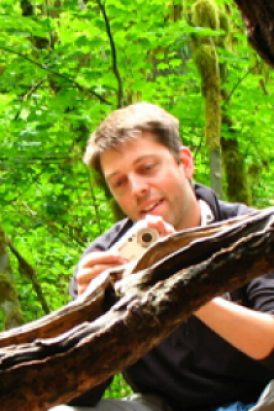 Nathan Sheldon合作论文数Department of Earth and Environmental Sciences, College of Literature, Science, and the Arts, University of Michigan1
 Ballen Cissy合作论文数University of Sydney School of Biological Sciences1
 Paula Soneral合作论文数1
 David M. Ward合作论文数Department of Land Resources and Environmental Sciences, Montana State University1
 Grim Sharon合作论文数The Marine Biological Laboratory Woods Hole1
 Michael J. Bellecourt合作论文数Department of Biochemistry, University of Wisconsin-Madison1
 Blum Jessamina E合作论文数Department of Molecular, Cellular and Developmental Biology, Yale University1
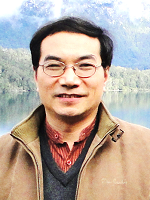 Xueduan Liu (刘学端)合作论文数School of Minerals Processing and Bioengineering, Central South University1
 Sonia M. Tiquia Arashiro (Sonia Tiquia Arashiro)合作论文数Department of Natural Sciences, College of Arts, Sciences, and Letters, University of Michigan-Dearborn1
 Genny Holguin合作论文数1
 Anthony V. Palumbo合作论文数Oak Ridge National Laboratory1
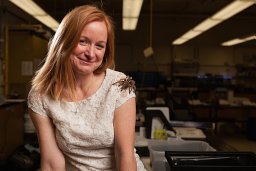 Sehoya Cotner合作论文数University of Minnesota1
 Mary E Ogdahl合作论文数1Cecilia M. Santegoeds合作论文数1
 Sara Brownell合作论文数School of Life Sciences, Arizona State University;Center for Biology and Society, Arizona State University1
 J. Val Klump合作论文数School of Freshwater Sciences, University of Wisconsin-Milwaukee1Niels Birger Ramsing合作论文数1Nathan Hawley合作论文数1
 Craig A. Stricker合作论文数1Wayne R. Lusardi合作论文数1Bopi Biddanda合作论文数1Gregory A. Lang合作论文数1Michael J. Ferris合作论文数1Tane Casserley合作论文数1
 Mary M Bateson合作论文数1
 Alan D. Steinman (Alan Steinman)合作论文数Steinman Lab, Robert B. Annis Water Resources Institute, Grand Valley State University1
 Liyou Wu合作论文数Department of Botany and Microbiology, Institute for Environmental Genomics, University of Oklahoma;Hunan Agricultural University1Richard R. Rediske合作论文数Annis Water Resources Institute, Grand Valley State University1Sadie L. Hebert合作论文数Mayo Clinic1




