In this work, we developed a method using the pH indicator methyl orange and an in-line UV detector to obtain accurate pH profiles for chromatographic applications in the pH range from 3.2-4.5. A linear calibration was used for conversion of the ratio of absorbances at two wavelengths to pH and the method was shown to be relatively insensitive to ionic strength and buffer composition over the range of conditions examined. Methyl orange pH profiles were then validated against both offline and in-line pH probes, as well as a buffer mixing model. The approach was extended to measurements with a protein A column using a small mixer downstream of the column to enable addition of methyl orange prior to UV detection while avoiding column exposure. This approach was then employed in concert with in-line conductivity measurements to examine pH transient effects in a variety of buffer systems, revealing a wide range of pH transient behavior. The rapid response time of methyl orange compared to conventional pH electrodes was shown to yield improved accuracy under certain conditions and the observed data shed light on pH transitions of interest in affinity chromatography.
The production of Fab therapeutics is frequently challenged by an imbalanced expression of light chains (LC) and heavy chains (HC), often resulting in LC-associated impurities. In this work, we evaluated multimodal chromatography as an alternative to affinity chromatography for the removal of an LC impurity. A panel of multimodal CEX and multimodal AEX resins was screened using linear salt and pH gradients to assess Fab monomer and LC impurity selectivities. Product and impurity characterization was carried out using analytical size-exclusion chromatography. Screening data provided insight into the relative contributions of hydrophobic and electrostatic interactions in the Fab and LC impurity selectivities across different multimodal ligands. A previously developed separability scoring metric (Fractional Peak Overlap) was employed to identify Eshmuno HCX and CMM HyperCel as the top resin candidates from the screening data. Finally, bench-scale refinement was carried out to develop an Eshmuno HCX bind-elute step with a 95%-100% recovery and 95%-98% purity of Fab monomer and a CMM HyperCel bind-elute step with a 98%-99% recovery and 98% purity of Fab monomer. This work demonstrates the efficacy of this PD workflow and the utility of multimodal chromatography for removal of LC impurities from Fabs.
The established platform for monoclonal antibody (mAb) purification, centered on Protein A affinity capture and subsequent polishing steps, has enabled large-scale manufacturing of therapeutic antibodies. However, persistent host cell proteins (HCPs), antibody aggregates, and product fragments remain challenging to clear, particularly as novel mAb formats and intensified upstream processes introduce higher impurity loads. In this study, we present transformative mAb purification platforms that combine novel multimodal resins operating in flowthrough mode with conventional Protein A chromatography to address these limitations. Our new platform utilizes LigaGuard for the selective removal of high-risk and persistent HCPs, chromatin, and aggregates by flowthrough affinity chromatography; and a size-exclusion-mixed-mode (SEMM) resin for the efficient removal of product-related low and high molecular weight impurities and residual process-related impurities. Several alternative process configurations were systematically assessed to maximize purification performance and robustness. A novel process configuration comprising an initial impurity-stripping step using LigaGuard followed by a capture step by Protein A chromatography and a polishing step using SEMM resin achieved global yields up to 86 %, with residual product-related impurities <1 %, HCPs <60 ppm, and hcDNA <10 ppb across diverse industrial feedstocks. The proteomic analyses of the polished streams confirmed the depletion of high-risk and persistent HCPs, including hydrolases and polysorbate-degrading enzymes. The use of two flow-through operations flanking a central affinity capture step enhances the performance of the Protein A resin alongside process productivity and robustness to feedstock variability. These results support a new paradigm for mAb purification, offering scalable and robust solutions for both legacy and emerging antibody modalities.
Lentiviral vectors (LVVs) offer distinct advantages including large payload capacity and stable transduction of non-dividing cells, making them well-suited for ex vivo modification of stem or immune cells. However, chromatographic purification of LVVs is hindered by low recoveries, co-elution of product related impurities, and vector instability. In this study, we evaluated arginine hydrochloride (ArgHCl) as an alternative eluent to sodium chloride using CIMmultus™ QA (CIM QA) monoliths. Screening of solution conditions identified that phosphate buffer concentrations between 100-200 mM enhanced infective particle stability. During anion exchange screening experiments using a CIM QA 96-well plate, ArgHCl improved both infectious particle and p24 recoveries, which was corroborated in linear gradient elution (LGE) experiments using the monolith in a disk format. Furthermore, fractions eluted with ArgHCl exhibited improved colloidal stability compared to those eluted with NaCl. Increasing the ArgHCl gradient endpoint concentration to 1.5 M ArgHCl yielded infectious particle recoveries of 71%. Analysis of gradient fractions with nanoflow cytometry revealed a two-peak elution profile, with the more strongly retained peak enriched in vesicular stomatitis virus glycoprotein (VSV-G) positive particles, corresponding to greater infectious particle recoveries. ArgHCl also improved the chromatographic resolution between the initial impurity peak and the secondary peak, enabling improved separation. These findings support the use of ArgHCl and phosphate buffers to enhance recovery during the purification of LVVs using AEX chromatography and highlight the utility of nanoflow cytometry for rapid detection of product-related impurities.
This paper employs a previously developed high-throughput parallel batch adsorption screen with sequential salt step increases to rapidly investigate a set of prototype multimodal anion- (MMA) and cation-exchange (MMC) resins. Experiments were carried out using a model protein library with varying charge and hydrophobic characteristics at several pH conditions. Partition coefficients were calculated from the batch chromatograms and fed into a column (linear salt gradient) simulator to determine peak first moments (elution salt concentration). These results enabled the calculation of one-resin separability scores, quantifying each resin's ability, at a given pH, to separate all proteins in the library. Additionally, a clustering analysis grouped resins with similar chromatographic behavior, revealing correlations between resin chemistry (e.g., functional groups and geometric presentation) and protein elution patterns. Finally, the first moment data sets were used to calculate two-resin separability scores, the ability of two resins to synergistically separate the entire set of proteins from each other. These results indicated that MMC resins containing phthalimide-based moieties in concert with guanidine-containing MMA resins were particularly useful when used in concert. Overall, the presented approach is shown to be an enabling technology for rapidly screening large numbers of ligands and operating conditions for discovery of next-generation chromatographic resins.
Target precipitation offers the possibility of improving the economic and environmental sustainability of monoclonal antibody (mAb) production. We determined the solubility behaviors of several commercially relevant mAbs, in both protein A (ProA) purified and harvested cell culture fluid (HCCF) formats, in the polyethylene glycol (PEG) 3350 and zinc chloride precipitant system at neutral pH. The behaviors of purified mAbs could be classified as Zn2+ - dependent or synergistically ZnCl2 and PEG co-dependent based on the mAb isoelectric point and the presence of weak zinc ligands in solution. The behaviors of mAbs in HCCF form were inconsistent with those in purified form. HCCF dialysis resulted in mAb solubilities that were similar to or lower than those in purified form, achieving > 95 % precipitation yields using no more than 3 mM ZnCl2 and 3 w/v% PEG3350. Further exploration of HCCF pre-processing enabled the platformization of precipitation solution conditions using common, low precipitant dosages. Increasing ZnCl2 and PEG precipitant concentrations resulted in increases in both mAb yield and host cell protein (HCP) contents in the precipitate phase, indicating a tradeoff between mAb purity and yield for a given titer. The addition of imidazole or CaCl2 reduced the carry-over of HCP into the precipitate phase. A limited kinetics study indicated that precipitation kinetics reflects the intrinsic properties of the mAb and its associated impurities rather than buffer conditions. This work provides the mAb solubility behavior and HCCF pre-processing information that is basic to the design of precipitation-based capture processes using the Zn2+ and PEG3350 precipitant system.
A plate-based method was developed to identify protein preferred binding domains for multiple chromatographic conditions in a single parallel experiment. This approach employs covalent labeling with diethylpyrocarbonate (DEPC) followed by enzymatic digestion and mass spectrometry analysis to compare the labeling of proteins in the in-solution and resin-bound state. The differences observed in the labeling data are then used to identify potential binding patches and the results are compared with electrostatic potential and spatial aggregation propensity maps. For proof of concept, the binding of 11 proteins with a range of physicochemical properties on Capto MMC at pH 6 is evaluated. The charge and hydrophobic characteristics of the identified potential binding regions are then examined to classify the chromatographic retention behavior of these proteins. The results of this analysis indicate that, in addition to the charge patches, varying contributions of the hydrophobic patches in these binding regions can play an important role in elucidating and classifying the retention behavior of this protein set. The ability to experimentally determine preferred binding domains of proteins interacting with chromatographic resins using this approach may facilitate the application of this method for a wide range of protein resin systems.
In this work, confocal microscopy is employed to study the loading and fouling behavior in AAV affinity resins as well as the implications of resin reuse with several commercial chromatographic materials and feed mixtures. Resin samples are obtained from both batch and column experiments, and confocal microscopy is carried out to examine the adsorption profiles in the beads after loading, wash, elution, and CIP steps. A comparison of PSDVB-based POROS CaptureSelect (PCS) AAV resins with agarose-based AVIPure AAV9 resins revealed distinct differences in both AAV transport and resin fouling. While AAVs were able to fully access the entire PCS AAV resin under loading onto virgin resin materials, they were restricted to the surface region of the AVIPure AAV9 resin. High resolution X-ray CT scans indicate that the large pores of the PCS media are likely responsible for this enhanced transport. However, AAV transport into full PCS AAV resin volume was found to only occur during the first AAV loading experiment and was not observed when clarified lysate was employed or upon resin reuse. Further, confocal microscopy indicated that fouling of the PCS AAV affinity resins occurred due to deposition and carryover of AAV and residual impurities upon column re-use, likely due to incomplete elution and ineffective column CIP. Interestingly, this residual binding in the region near the resin surface resulted in limiting solute transport in subsequent cycles, likely due to pore occlusion. In contrast, AAV bound to the AVIPure resin was readily eluted and removed during CIP. This study elucidates the impact of resin characteristics, feed constituents, and process conditions on the lifetime and fouling of AAV affinity columns.
Platforms have long been implemented for downstream process development of monoclonal antibodies (mAbs) to streamline development and reduce timelines. These platforms are also increasingly being used for other complex biologics modalities. While development has traditionally been conducted at the lab bench scale in a sequential manner, automated miniaturized and parallelized approaches like RoboColumns and resin plates have also been implemented for chromatographic screening. Additionally, mechanistic modeling for chromatographic separations has also seen increased use for development applications. In this manuscript, we propose a workflow with elements of both high-throughput screening and modeling that provides a streamlined roadmap for early process development. The workflow utilizes automated resin plate screens to both narrow screening conditions and calibrate binding isotherm parameters. Mechanistic models are then used to characterize a robust range of conditions suitable for an early manufacturing process. Miniaturized RoboColumns then confirm the process space, thus completing the development without the use of any traditional lab-scale columns. Case studies demonstrate the utility of this workflow for both cation-exchange (CEX) and multimodal cation-exchange (MMCEX) processes. Process parameter sensitivities across process ranges for the models are compared with typical design-of-experiment (DOE) statistical models. The models are able to predict the mAb product as well as aggregate impurities. This workflow provides a practical method to enable increased process understanding while also reducing timeline and material requirements for development.
While high-throughput (HT) experimentation and mechanistic modeling have long been employed in chromatographic process development, it remains unclear how these techniques should be used in concert within development workflows. In this work, a process development workflow based on HT experiments and mechanistic modeling was constructed. The integration of HT and modeling approaches offers improved workflow efficiency and speed. This high-throughput in silico (HT-IS) workflow was employed to develop a Capto MMC polishing step for mAb aggregate removal. High-throughput batch isotherm data was first generated over a range of mobile phase conditions and a suite of analytics were employed. Parameters for the extended steric mass action (SMA) isotherm were regressed for the multicomponent system. Model validation was performed using the extended SMA isotherm in concert with the general rate model of chromatography using the CADET modeling software. Here, step elution profiles were predicted for eight RoboColumn runs across a range of ionic strength, pH, and load density. Optimized processes were generated through minimization of a complex objective function based on key process metrics. Processes were evaluated at lab-scale using two feedstocks, differing in composition. The results confirmed that both processes obtained high monomer yield (>85%) and removed ∼ 50 % of aggregate species. Column simulations were then carried out to determine sensitivity to a wide range of process inputs. Elution buffer pH was found to be the most critical process parameter, followed by resin ionic capacity. Overall, this study demonstrated the utility of the HT-IS workflow for rapid process development and characterization.
Therapeutic formats derived from the monoclonal antibody structure have been gaining significant traction in the biopharmaceutical market. Being structurally similar to mAbs, most Fc-containing therapeutics exhibit product-related impurities in the form of aggregates, charge variants, fragments, and glycoforms, which are inherently challenging to remove. In this work, we developed a workflow that employed rapid resin screening in conjunction with an in silico tool to identify and rank orthogonally selective processes for the removal of product-related impurities from a Fc-containing therapeutic product. Linear salt gradient screens were performed at various pH conditions on a set of ion-exchange, multimodal ion-exchange, and hydrophobic interaction resins. Select fractions from the screening experiments were analyzed by three different analytical techniques to characterize aggregates, charge variants, fragments, and glycoforms. The retention database generated by the resin screens and subsequent impurity characterization were then processed by an in silico tool that generated and ranked all possible two-step resin sequences for the removal of product-related impurities. A highly-ranked process was then evaluated and refined at the bench-scale to develop a completely flowthrough two-step polishing process which resulted in complete removal of the Man5 glycoform and aggregate impurities with a 73% overall yield. The successful implementation of the in silico mediated workflow suggests the possibility of a platformable workflow that could facilitate polishing process development for a wide variety of mAb-based therapeutics.
This paper employs a high-throughput parallel batch (microtiter plate) adsorption screen with sequential salt step increases to rapidly generate protein elution profiles for multiple resins at different pHs using a protein library. The chromatographic set used in this work includes single mode, multimodal anion-exchange (MMA), and multimodal cation-exchange (MMC) resins. The protein library consists of proteins with isoelectric points ranging from 5.1 to 11.4 with varying hydrophobicities as determined by their retention on hydrophobic interaction chromatography. The batch sequential experiments are carried out using one protein at a time with a wide set of resins at multiple pH conditions, thus enabling simple microtiter plate detection. A mathematical formulation is then used to determine the first moment of the distributions from each chromatogram (sequential step elution) generated in the parallel batch experiments. Batch data first moments (expressed in salt concentration) are then compared to results obtained from column linear salt gradient elution, and the techniques are shown to be consistent. In addition, first moment data are used to calculate one-resin separability scores, which are a measure of a resin's ability, at a specified pH, to separate the entire set of proteins in the library from one another. Again, the results from the batch and column experiments are shown to be comparable. The first moment data sets were then employed to calculate the two-resin separability scores, which are a measure of the ability of two resins to synergistically separate the entire set of proteins in the library. Importantly, these results based on the two-resin separability performances derived from the batch and column experiments were again shown to be consistent. This approach for rapidly screening large numbers of chromatographic resins and mobile phase conditions for their elution behavior may prove useful for enabling the rapid discovery of new chromatographic ligands and resins.
Product association of host-cell proteins (HCPs) to monoclonal antibodies (mAbs) is widely regarded as a mechanism that can enable HCP persistence through multiple purification steps and even into the final drug substance. Discussion of this mechanism often implies that the existence or extent of persistence is directly related to the strength of binding but actual measurements of the binding affinity of such interactions remain sparse. Two separate avenues of investigation of HCP-mAb binding are reported here. One is the measurement of the affinity of binding of individual, commonly persistent Chinese hamster ovary (CHO) HCPs to each of a set of mAbs, and the other uses quantitative proteomic measurements to assess binding of HCPs in a null CHO harvested cell culture fluid (HCCF) to mAbs produced in the same cell line. The individual HCP measurements show that the binding affinities of individual HCPs to different mAbs can vary appreciably but are rarely very high, with only weak pH dependence. The measurements on the null HCCF allow estimation of individual HCP-mAb affinities; these are typically weaker than those seen in affinity measurements on isolated HCPs. Instead, the extent of binding appears correlated with the initial abundance of individual HCPs in the HCCF and the forms of the HCPs in the solution, i.e., whether HCPs are present as free molecules or as parts of large aggregates. Separate protein A chromatography experiments performed by feeding different fractions of a mAb-containing HCCF obtained by size-exclusion chromatography (SEC) showed clear differences in the number and identity of HCPs found in the protein A eluate. These results indicate a significant role for HCP-mAb association in determining HCP persistence through protein A chromatography, presumably through binding of HCP-mAb complexes to the resin. Overall, the results illustrate the importance of considering more fully the biophysical context of HCP-product association in assessing the factors that may affect the phenomenon and determine its implications. Knowledge of the abundances and the forms of individual or aggregated HCPs in HCCF are particularly significant, emphasizing the integration of upstream and downstream bioprocessing and the importance of understanding the collective properties of HCPs in addition to just the biophysical properties of individual HCPs.
The polishing step in the downstream processing of therapeutic antibodies removes residual impurities from Protein A eluates. Among the various classes of impurities, antibody fragments are especially challenging to remove due to the broad biomolecular diversity generated by a multitude of fragmentation patterns. The current approach to fragment removal relies on ion exchange or mixed-mode adsorbents operated in bind-and-gradient-elution mode. However, fragments that bear strong similarity to the intact product or whose biophysical features deviate from the ensemble average can elude these adsorbents, and the lack of a chromatographic technology enabling robust antibody polishing is recognized as a major gap in downstream bioprocessing. Responding to this challenge, this study introduces size-exclusion mixed-mode (SEMM) silica resins as a novel chromatographic adsorbent for the capture of antibody fragments irrespective of their biomolecular features. The pore diameter of the silica beads features a narrow distribution and is selected to exclude monomeric antibodies, while allowing their fragments to access the pores where they are captured by the mixed-mode ligands. The static and dynamic binding capacity of the adsorbent ranged respectively between 30-45 and 25-33 gs of antibody fragments per liter of resin. Selected SEMM-silica resins also demonstrated the ability to capture antibody aggregates, which adsorb on the outer layer of the beads. Optimization of the SEMM-silica design and operation conditions - namely, pore size (10 nm) and ligand composition (quaternary amine and alkyl chain) as well as the linear velocity (100 cm/h), ionic strength (5.7 mS/cm), and pH (7) of the mobile phase - afforded a significant reduction of both fragments and aggregates, resulting into a final antibody yield up to 80% and monomeric purity above 97%.
Although antibody fragments are a critical impurity to remove from process streams, few platformable purification techniques have been developed to this end. In this work, a novel size-exclusion-mixed-mode (SEMM) resin was characterized with respect to its efficacy in mAb fragment removal. Inverse size-exclusion chromatography showed that the silica-based resin had a narrow pore size distribution and a median pore radius of roughly 6.2 nm. Model-based characterization was carried out with Chromatography Analysis and Design Toolkit (CADET), using the general rate model and the multicomponent Langmuir isotherm. Model parameters were obtained from fitting breakthrough curves, performed at multiple residence times, for a mixture of mAb, aggregates, and an array of fragments (varying in size). Accurate fits were obtained to the frontal chromatographic data across a range of residence times. Model validation was then performed with a scaled-up column, altering residence time and feed composition from the calibration run. Accurate predictions were obtained, thereby illustrating the model's interpolative and extrapolative capabilities. Additionally, the SEMM resin achieved 90% mAb yield, 37% aggregate removal, 29% [Formula: see text] removal, 54% Fab/Fc removal, 100% Fc fragments removal, and a productivity of 72.3 g mAbL×h. Model predictions for these statistics were all within 5%. Simulated batch uptake experiments showed that resin penetration depth was directly related to protein size, with the exception of the aggregate species, and that separation was governed by differential pore diffusion rates. Additional simulations were performed to characterize the dependence of fragment removal on column dimension, load density, and feed composition. Fragment removal was found to be highly dependent on column load density, where optimal purification was achieved below 100 mg protein/mL column. Furthermore, fragment removal was dependent on column volume (constant load mass), but agnostic to whether column length or diameter was changed. Lastly, the dependence on feed composition was shown to be complex. While fragment removal was inversely related to fragment mass fraction in the feed, the extent depended on fragment size. Overall, the results from this study illustrated the efficacy of the SEMM resin in fragment and aggregate removal and elucidated relationships with key operational parameters through model-based characterization.
Host-cell proteins (HCPs) are the foremost class of process-related impurities to be controlled and removed in downstream processing steps in monoclonal antibody (mAb) manufacturing. However, some HCPs may evade clearance in multiple purification steps and reach the final drug product, potentially threatening drug stability and patient safety. This study extends prior work on HCP characterization and persistence in mAb process streams by using mass spectrometry (MS)-based methods to track HCPs through downstream processing steps for seven mAbs that were generated by five different cell lines. The results show considerable variability in HCP identities in the processing steps but extensive commonality in the identities and quantities of the most abundant HCPs in the harvests for different processes. Analysis of HCP abundance in the harvests shows a likely relationship between abundance and the reproducibility of quantification measurements and suggests that some groups of HCPs may hinder the characterization. Quantitative monitoring of HCPs persisting through purification steps coupled with the findings from the harvest analysis suggest that multiple factors, including HCP abundance and mAb-HCP interactions, can contribute to the persistence of individual HCPs and the identification of groups of common, persistent HCPs in mAb manufacturing.
Recently, continuous bioprocessing has gained momentum in biomanufacturing and can alleviate many of the hurdles faced in batch or semi-batch operations. Moreover, the parallel development of smart manufacturing (SM) allows the rapid small-scale prototyping and large-scale implementation of continuous bioprocesses. With this background, this paper presents the laboratory-scale implementation of a continuous precipitation-filtration process that can ultimately be used for therapeutic protein capture purification. The experimental setup includes four static mixers, four peristaltic pumps, one hollow fiber dewatering filtration module, and multiple pressure sensors and weigh scales. The system also includes an in-line advanced microscopic particle imaging probe that provides real-time images and derived metrics of the precipitate particle morphologies and a fiber optic 880 nm optical absorbance probe. A polyclonal human serum antibody mixture (hIgG) (10 g/L) was used as a stand-in for a monoclonal antibody therapeutic along with 7 % w/v polyethylene glycol (PEG, volume exclusion agent) and 10 mM zinc chloride (cross-linking agent) as the precipitants to demonstrate the principles of operation and control of a precipitation-based process using SM technology. An integrated input/output (I/O) system was used to acquire pressure, flow rate, and weigh scale data and also to communicate with the pumps to change flow rates in real-time. Edge computers communicate with the I/O system and the imaging probe and host the software layer. The software layer enables real-time data acquisition, data-driven and first-principles model predictions, closed-loop control of precipitate particle morphology using pump flow rate of PEG, and cloud communications with the Clean Energy Smart Manufacturing Innovation Institute Smart Manufacturing Innovation Platform. The paper presents
In this work, we employ a recently developed biophysical technique that uses diethylpyrocarbonate (DEPC) covalent labeling and mass spectrometry for the identification of mAb binding patches to two multimodal cation exchange resins at different pH. This approach compares the labeling results obtained in the bound and unbound states to identify residues that are sterically shielded and thus located in the mAb binding domains. The results at pH 6 for one mAb (mAb B) indicated that while the complementarity determining region (CDR) had minimal interactions with both resins, the FC domain was actively involved in binding. In contrast, DEPC/MS data with another mAb (mAb C) indicated that both the CDR and FC domains were actively involved in binding. These results corroborated chromatographic retention data with these two mAbs and their fragments and helped to explain the significantly stronger retention of both the intact mAb C and its Fab fragment. In contrast, labeling results with mAb C at pH 7, indicated that only the CDR played a significant role in resin binding, again corroborating chromatographic data. The binding domains identified from the DEPC/MS experiments were also examined using protein surface hydrophobicity maps obtained using a recently developed sparse sampling molecular dynamics (MD) approach in concert with electrostatic potential maps. These results demonstrate that the DEPC covalent labeling/mass spectrometry technique can provide important information about the domain contributions of multidomain proteins such as monoclonal antibodies when interacting with multimodal resins over a range of pH conditions.
 Curt Breneman合作论文数School of Science, Rensselaer Polytechnic Institute;Rensselaer Exploratory Center for Cheminformatics Research, Rensselaer Polytechnic Institute;Department of Chemistry and Chemical Biology, Rensselaer Polytechnic Institute39
 Shekhar Garde合作论文数Department of Chemical and Biological Engineering, School of Engineering, Rensselaer Polytechnic Institute37
 Parimal Siddharth合作论文数Howard P. Isermann Department of Chemical and Biological Engineering and Center for Biotechnology and Interdisciplinary Studies, Rensselaer Polytechnic Institute30
 Melissa A. Holstein合作论文数Isermann Department of Chemical and Biological Engineering;Center for Biotechnology and Interdisciplinary Studies, Rensselaer Polytechnic Institute;Center for Biotechnology and Interdisciplinary Studies, Rensselaer Polytechnic Institute26
 David J. Roush合作论文数26Alexander Freed合作论文数26Scott A McCallum合作论文数Dept Biol, Rensselaer Polytechnic Inst24James Woo合作论文数21Wai Keen Chung合作论文数21A Ladiwala合作论文数20Pankaj Karande合作论文数Department of Chemical Engineering, University of California20Ja Moore合作论文数19
 Camille Bilodeau合作论文数Chemica, Rensselaer Polytechnic Institute19Christopher J. Morrison合作论文数19N Tugcu合作论文数18
 Nicholas Vecchiarello合作论文数Ctr Biotechnol & Interdisciplinary Studies, Rensselaer Polytech Inst18
 Chaz Ander Goodwine合作论文数17K Rege合作论文数16
 Ying Hou合作论文数Merck Res Labs, Merck & Co Inc16
 Jonathan Dordick合作论文数Center for Engineering and Precision Medicine, Rensselaer Polytechnic Institute;Department of Chemical and Biological Engineering, Rensselaer Polytechnic Institute15Suresh Vunnum合作论文数15Steven Taylor Evans合作论文数14
 Sanchayita Ghose合作论文数Department of Chemical Engineering, Francis College of Engineering, UMass Lowell14Mark A Snyder合作论文数13
 Scott H Altern合作论文数Department of Chemical and Biological Engineering, Rensselaer Polytechnic Institute12Julie Robinson合作论文数12
 Akshat Mullerpatan合作论文数Howard P. Isermann Department of Chemical & Biological Engineering, Rensselaer Polytechnic Institute;Center for Biotechnology & Interdisciplinary Studies (CBIS),, Rensselaer Polytechnic Institute12
 Abhinav A. Shukla合作论文数Manufacturing Sciences & Technology, Bristol-Myers Squibb, Co.12
 Guhan Jayaraman合作论文数Centre for Biotechnology, Anna University12A Kundu合作论文数11Ka Barnthouse合作论文数11
 Ronit Ghosh合作论文数Department of Chemical and Biological Engineering and Center for Biotechnology and Interdisciplinary Studies, Rensselaer Polytechnic Institute11
 Abraham M. Lenhoff合作论文数Department of Chemical & Biomolecular Engineering, College of Engineering, University of Delaware11Cb Mazza合作论文数10
 Divya Chandra合作论文数Biol Proc Res & Dev, Merck & Co Inc10
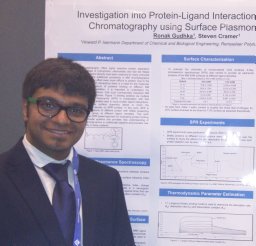 Ronak Gudhka合作论文数Chem & Biol Engn, Rensselaer Polytech Inst10David Robbins合作论文数10Kartik Srinivasan合作论文数10
 Hanne Sophie Karkov合作论文数Center for Biotechnology and Interdisciplinary Studies, Rensselaer Polytechnic Institute10Kr Love合作论文数9F Xia合作论文数9Stefano Menegatti合作论文数9
 J. Christopher Love合作论文数Department of Chemical Engineering, Massachusetts Institute of Technology;Koch Institute for Integrative Cancer Research, Massachusetts Institute of Technology;Alloy Therapeutics, Inc.9
 Suvrajit Banerjee合作论文数9
 N. Sukumar合作论文数Department of Chemistry, University of New Orleans9
 Joel L. Plawsky合作论文数9S Gadam合作论文数9Venkatesh Natarajan合作论文数9Steve Timmick合作论文数8




