Academic publications on human rights violations in Gaza surged after Israel's large-scale destruction following Hamas's 7 October 2023 attack. We analysed the uncoordinated cooperative efforts documented in these works by reviewing publications addressing the health and humanitarian crises in Gaza between October 2023 and April 2024. We present a unified academic voice advocating for recognizing and restoring human rights for the people of Gaza. In the publications, we identified three key themes: 'expression', 'emotionality' and 'expectations'. Many academics openly express how they see Israel's actions in Gaza. In line with the International Court of Justice and the UN Special Rapporteur, they believe Gaza is facing 'apartheid', 'ethnic cleansing', or 'genocide' by Israel. This understanding further takes an emotional toll on academics, as most of them feel it 'painful' to process information and write about hunger, death, destruction and isolation in Gaza. Academics express disappointment in Western political powers that enable Israel's continuing human rights violations in Gaza. At the same time, they demand that political powers take immediate measures to ensure a permanent ceasefire in Gaza and its rebuilding, as some view the UN as a 'soft' body as it is unable to enforce the ceasefire.
To date, there have been little to no studies specifically focused on Australian tertiary education providers’ views on sexual and reproductive health (SRH) education for international students. This study investigated staff perspectives on barriers and opportunities for tertiary education institutions to deliver a comprehensive SRH education specific to international students. We complemented staff perspectives with international students’ opinions to ensure that future strategies came from both staff and international students. We interviewed fifteen staff working at tertiary education providers and conducted two focus groups with a total number of nine international students between August 2022 and July 2023. We used reflexive thematic analysis to interpret the data. Staff and student participants agreed that tertiary education providers should provide SRH education specific to international students. Staff reported systemic and individual barriers that prevented them from providing SRH education. Both staff and student participants proposed some systemic, personal, and interpersonal enablers that would assist education providers to deliver a comprehensive and culturally safe SRH education to international students. These included sustainable funding to create and deliver a national SRH education program that would consist of a national SRH knowledge hub; SRH training for staff and international students; SRH peer education program; SRH outreach team; and SRH-related activities during international student orientation. A comprehensive SRH education program has the potential to increase SRH literacy; reduce stigma and prevent SRH-related issues, including unplanned pregnancies, sexually transmissible infections (STIs), and HIV transmission; and improve international students’ overall health and wellbeing. The Australian governments, both states and federal, should provide sustainable funding and coordinate a national SRH education program specific to international students, and the federal government should update the Education Services for Overseas Student (ESOS) legislation to specifically mention SRH in Standard 6 as an integral part of international students’ health and wellbeing.
Gayborhoods are urban neighborhoods characterized by a high concentration of LGBTQ + residents, businesses, community spaces, and subcultures. Living in gayborhoods may foster a sense of community and belonging that can be particularly beneficial for sexual minority men. However, existing research on gayborhoods has predominantly centered on the experiences of White gay men. The extent to which gayborhoods serve as an inclusive space for ethnically diverse sexual minority men remains largely unexplored. This paper examines the associations of gayborhood residence with LGBTQ + community connectedness, psychological distress, and substance use among ethnically diverse sexual minority men. Utilizing data from the 2023 Gay Asian Men Survey, this paper included 1071 cisgender sexual minority men of Asian backgrounds in Australia. The results indicated that older, middle-class, and gay men were more likely to live in gayborhoods than their younger, lower-class, and bisexual counterparts. The mediation analysis revealed the coexistence of positive and negative impacts of living in gayborhoods. Specifically, gayborhood residence was positively associated with LGBTQ + community connectedness, which was in turn associated with reduced levels of psychological distress but heightened levels of alcohol and drug use. The findings have significant implications for community organizing, mental health support, and substance use prevention. While leveraging gayborhoods to foster support networks and improve mental health among Asian sexual minority men is beneficial, it is equally crucial to address the pressures associated with conforming to community norms, particularly regarding social drinking and recreational drug use.
The health and wellbeing of queer Muslims, a group positioned at the intersection of multiple marginalised identities, remains underexplored in academic literature. This scoping literature review critically analyses existing research on queer Muslim health using the 4M framework (Mega, Macro, Meso, Micro) to identify structural and individual determinants impacting health outcomes. The study highlights the profound influence of intersecting factors such as race, ethnicity, gender, sexuality, geographic location, and socioeconomic status on healthcare access and health outcomes. Findings reveal that dominant epistemological assumptions about queerness and Islam perpetuate stigma, discrimination, and minority stress, leading to adverse health outcomes. Key barriers include inadequate funding, homonormative healthcare policies, and exclusionary cultural expectations within healthcare settings. Conversely, supportive familial, peer, and religious networks, along with access to digital resources, are identified as facilitators of better health outcomes. The review calls for culturally competent, strength-based models of care and emphasises the need for future research to address the diverse health experiences of queer Muslims across different regions and identities.
Despite growing awareness of the experiences of LGBTQ+ communities, there has been relatively little attention given to the issues of exclusion and marginalization that occur within these communities. This gap is particularly significant given the health disparities faced by LGBTQ+ individuals from minority ethnic backgrounds. To address this gap, this paper examines the experiences of intracommunity intersectional discrimination among sexual minority men from minority ethnic backgrounds. Additionally, it proposes an intracommunity stress-coping model that explains how individuals may turn to smoking as a coping mechanism to manage the psychological impact of discrimination within LGBTQ+ communities. This paper is based on data collected from a national behavioral surveillance study in Australia, which included 1056 cisgender sexual minority men of Asian backgrounds. A substantial proportion of participants reported experiencing discrimination based on body size (39.9%) or skin color (36.3%) within LGBTQ+ communities. While the severity of discrimination was found to be positively related to psychological distress, the analysis also revealed the cumulative effects of discrimination based on intersecting identities. Specifically, individuals who experienced discrimination across multiple intersecting identities reported higher rates of psychological distress and smoking behavior. The positive associations between intracommunity intersectional discrimination and smoking behavior were mediated by psychological distress. Given the detrimental impact of intracommunity intersectional discrimination, it is crucial to raise awareness about the stressors within LGBTQ+ communities. Practitioners in mental health services and smoking cessation programs should be equipped with the knowledge and skills to effectively address the intracommunity stress experienced by Asian sexual minority men with multiple marginalized identities.
This chapter examines the experiences, challenges, and strategies involved in conducting meaningful community-engaged research with Lesbian, Gay, Bisexual, Transgender, queer/questioning and other sexuality and gender diverse identities (LGBTQ+) communities across three Asia-Pacific contexts: Australia, Hong Kong, and Singapore. It draws on the multidisciplinary expertise and lived experiences of collaborators working in health, social sciences, and community leadership. Addressing the complexities of multicultural LGBTQ+ health and migration research, the chapter explores structural, interpersonal, and conceptual challenges while critically interrogating Western-centric frameworks of gender, sexuality, and culture. Key strategies for fostering equitable, culturally safe research partnerships are presented, emphasising the importance of centring the voices and priorities of marginalised LGBTQ+ communities by actively involving them throughout the research process, from conception to dissemination. The chapter is grounded in insights from a participatory focus group facilitated by young, culturally diverse LGBTQ+ leaders. Through critical reflections, it identifies opportunities and barriers to advancing community-centred research that can support community well-being and shape inclusive policy and practice.
This article explores LGBTQ + young adults’ schooling and university experiences at the intersection of ethnicity and sexuality in Australia. Using the lenses of sexual citizenship and belonging, a sociomaterial polytextual analysis of the ‘middle’ was conducted with data from qualitative in-depth narrative and photo-elicitation interviews among Lebanese, Indian and Anglo LGBTQ + young adults. The analysis found that while participants had encountered bullying and prejudicial attitudes based on sexuality, gender and ethnicity, many of them had positive experiences at school and viewed university as facilitators of opportunity and discovery. The findings suggest that educational institutions are neither inherently safe nor unsafe; rather, they are important spaces whereby the sociomaterial entanglements of identity, sexual citizenship and belonging are negotiated. Crucially, they demonstrate that minority sexuality, ethnicity and gender themselves are not immutable barriers to participation, and call for strategic investment into spaces that support both student safety and critical discussion.
INTRODUCTION:Cultural inclusion and competence are understood at the most basic level to be the practice of considering culture so as to provide effective services to people of different cultural backgrounds. In order to work better with clients from diverse backgrounds, alcohol and other drug (AOD) services need to offer a service that is designed to be accessible to all people, where systems in place operate in a way that considers different cultural needs. This research aimed to assess the extent to which non-government AOD services in New South Wales are positioned to support cultural inclusion as well as to evaluate the acceptability of a cultural inclusion audit across four AOD sites. METHODS:The research adopted a mixed methods approach comprising of a pre-audit online survey (n = 85) designed to assess AOD services' attitudes and practices towards cultural inclusion, and in-depth interviews that were conducted with nine AOD service staff and four cultural auditors to explore the acceptability of a cultural inclusion audit process. RESULTS:Findings from the survey indicate cultural inclusion practices are limited. Interview data highlight that while staff are not fully aware of what appropriate cultural inclusions entails, they are receptive to and want a cultural inclusion program. DISCUSSION AND CONCLUSIONS:The study illustrates the benefits of implementing a cultural inclusion audit process aimed at raising awareness of what cultural inclusion entails. Including a cultural inclusion service audit is likely to enhance AOD service provision to culturally and linguistically diverse groups and thereby improve treatment outcomes.
Background:Asian-born MSM are a priority population as Australia aims to end HIV transmission, but they reported additional barriers to access PrEP and other HIV prevention methods. This study investigates factors associated with PrEP use among Asian MSM in Sydney and Melbourne, Australia, to inform strategies to improve PrEP uptake in this population. Methods:This was a sub-analysis of a community-based cross-sectional survey conducted from March to June 2021. We recruited participants online in Sydney and Melbourne, Australia. Univariable and multivariable logistic regression analyses were performed to identify the factors associated with PrEP use in the last six months and lifetime. Latent class analyses were used to identify subgroups of Asian MSM sharing similar characteristics related to their risk practices for HIV. Findings:Overall, 870 Asian MSM were included: 288 Oceanian-born Asian MSM and 582 Asian-born MSM. Three latent classes were identified: 1) Asian-born MSM who recently arrived in Australia with limited English, were less likely to use PrEP and at higher risk of HIV infection (e.g., had condomless anal sex with a casual sex partner in the last six months) (4.6%); 2) Asian MSM who were at lower risk of HIV infection and less likely to use PrEP (69.3%) and; 3) Asian MSM who were at substantial risk of HIV infection and more likely to use PrEP (26.1%). Compared to Oceanian-born Asian MSM, those who were born in Southeast Asia (adjusted odds ratio (aOR) = 0.5, 95% confidence interval (CI) 0.3-0.7) and South Asia (aOR = 0.4, 95% CI 0.2-0.8) were less likely to ever use PrEP. Compared to Oceanian-born Asian MSM, those who were born in Southeast Asia (aOR = 0.4, 95% CI 0.3-0.7), Northeast Asia (aOR = 0.5, 95% CI 0.3-0.8) and South Asia (aOR = 0.4, 95% CI 0.2-0.7) were less likely to use PrEP in the last six months. Interpretation:To end HIV transmission in Australia, it will be necessary to develop strategies to improve PrEP access for the significant minority of Asian-born MSM who are at substantial risk of HIV infection. Funding:EPFC and JJO are supported by an Australian National Health and Medical Research Council (NHMRC) Emerging Leadership Investigator Grant (EPFC: GNT1172873 and JJO: GNT1193955). CKF is supported by an Australian National Health and Medical Research Council (NHMRC) Leadership Investigator Grant (GNT1172900).
BACKGROUND:Asian gay, bisexual, and other men who have sex with men (GBMSM) are overrepresented in new HIV diagnoses in Australia. Social engagement with other GBMSM has been associated with HIV testing and pre-exposure prophylaxis (PrEP) uptake. Asian GBMSM may be socially disconnected from LGBTQ+ people, which may increase their HIV risk. This analysis assessed the contribution of social connection on HIV risk among Asian GBMSM.METHODS:Using an online cross-sectional survey of Asian GBMSM in Australia, we measured condomless anal intercourse (CLAI) in the last 6months without PrEP or an undetectable viral load (UVL), i.e. CLAI with a risk of HIV transmission. Bivariable and multivariable logistic regression models were performed to compare demographic characteristics and social engagement of participants who had CLAI without PrEP or UVL to those who had not. Analyses were restricted to participants who reported sex with casual partners in the last 6months.RESULTS:Among 509 participants who had casual partners in the last 6months, 151 (29.7%) reported CLAI without PrEP or UVL. CLAI without PrEP or UVL was negatively associated with full-time employment, and recently being tested for HIV and was positively associated with experiencing discrimination based on sexual orientation. Social engagement with LGBTQ+ people was not associated with CLAI without PrEP or UVL.CONCLUSIONS:CLAI without PrEP or UVL was not related to social connections with LGBTQ+ people but was more likely among Asian men who had experienced sexuality-related discrimination, suggesting that mitigating homophobia and biphobia may assist in improving HIV prevention among Asian GBMSM who live in Australia.
In the recent past, there has been a strong interest in the use of information and communication technology (ICT) to deliver healthcare to ‘hard-to-reach’ populations. This scoping review aims to explore the types of ICT-based health interventions for transgender people, and the concerns on using these interventions and ways to address these concerns. Guided by the scoping review frameworks offered by Arksey & O’Malley and the PRISMA-ScR checklist, literature search was conducted in May 2021 and January 2022 in three databases (PubMed, CINAHL and Scopus). The two searches yielded a total of 889 non-duplicated articles, with 47 of them meeting the inclusion criteria. The 47 articles described 39 unique health projects/programs, covering 8 types of ICT-based interventions: videoconferencing, smartphone applications, messaging, e-coaching, self-learning platforms, telephone, social media, and e-consultation platforms. Over 80% of the health projects identified were conducted in North America, and 62% focused on HIV/sexual health. The findings of this review suggest that transgender people had often been regarded as a small subsample in ICT-based health projects that target other population groups (such as ‘men who have sex with men’ or ‘sexual minority’). Many projects did not indicate whether transgender people were included in the development or evaluation of the project. Relatively little is known about the implementation of ICT-based trans health interventions outside the context of HIV/sexual health, in resource limiting settings, and among transgender people of Asian, Indigenous or other non-White/Black/Hispanic backgrounds. While the range of interventions identified demonstrate the huge potentials of ICT to improve healthcare access for transgender people, the current body of literature is still far from adequate for making comprehensive recommendations on the best practice of ICT-based interventions for transgender people. Future ICT-based interventions need to be more inclusive and specified, in order to ensure the interventions are safe, accessible and effective for transgender people.
Visual stimuli are increasingly used in formal communications and as a qualitative research method, reported to generate a 'different' and 'richer' response than text or language alone. However, the parameters by which this occurs are underexplored. In our research we use images and text as interview stimuli in a project exploring personal wellbeing to compare differences in communication process and outcomes. A visual tool expressing concepts of human needs and aspirations and comparable text was presented on cards. Forty-five people participated in a sorting process and interview. Participants were presented with the text cards or images first in blocked order and asked to select cards relating to their wellbeing. The process was repeated with the alternate mode. A subsection of six participants were presented with text-image combination cards. Thematic analysis was used to find common themes in participant responses and their experiences of the two modalities. Image and text cards both facilitated communication and rapport but elicited different types of responses. Images more commonly provoked emotive responses, tacit knowledge and greater personal involvement leading to cognitive elaboration and richer narrative. We found that participants more easily selected visual themes and considered images more engaging and open to interpretation than text, which were considered fixed in meaning. When visuals were presented with text, the text dominated the meaning. This paper presents a novel form of researcher generated visual elicitation stimuli, to be called 'exploratory visuals'; depicting abstract concepts and narrative scenes to aid communication and understanding of complex information. It proposes an analytical framework combining social semiotic, contextual and cognitive perspectives to understand perceptual differences between words and images and the range of responses elicited.
INTRODUCTION:In recent years, there has been strong interest in making digital health and social tools more accessible, particularly among vulnerable and stigmatised groups such as transgender people. While transgender people experience unique physical, mental and sexual health needs, not much is currently known about the extent to which they use information and communication technologies such as short messaging service and videoconferencing to access health services. In this paper, we discuss our protocol for a scoping review of the literature about the delivery and utilisation of digitally mediated health services for transgender populations. METHODS AND ANALYSIS:This scoping review of the provision and experience of telemedicine among transgender people will follow the methodological framework developed by Arksey and O'Malley. The search will be conducted using three online databases, namely PubMed, CINAHL and Scopus, with additional literature explored using Google Scholar to identify grey literature. Relevant English-language studies will be shortlisted after completing a title and abstract review based on defined inclusion criteria. Following that, a final list of included studies will be compiled after a full-text review of the shortlisted articles has been completed. To enable the screening process, a team of researchers will be assigned refereed publications explicitly referring to the provision and experience of transgender healthcare through telemedicine. Screening performed independently will then collaboratively be reviewed to maintain consistency. ETHICS AND DISSEMINATION:The research is exempt from ethics approval since our analysis is based on extant research into the use of digital technologies in providing healthcare to transgender people. The results of this study will be disseminated through peer-reviewed academic publications and presentations. Our analysis will guide the design of further research and practice relating to the use of digital communication technologies to deliver healthcare services to transgender people.
Drawing on findings from a study of two social generations of gender and sexuality diverse Australians, this paper offers a critical analysis of expectations and experiences of inclusive health care for LGBTQ+ youth. Data were collected by means of individual and focus group interviews with people from two different social generations who grew up in regional or urban Australia: those born in the 1970s (n = 50) and those born in the 1990s (n = 71). Data were analysed inductively to develop insights into what inclusive health care meant, and what this revealed about the potential for fostering belonging in healthcare settings. Findings raise critical questions about how inclusiveness of care might best be understood in encounters between gender and sexual minorities and health professionals. In particular, forms of ‘inclusivity labour’ were observed across the social generations, both in terms of the work involved in seeking to locate supportive services, and in assessing the performance of clinicians in healthcare settings, with implications for the continued engagement of LGBTQ+ young people with essential forms of care. Mobilising contemporary forms of inclusivity labour, including attention to the affective dimensions of healthcare engagement, has the potential to promote both better health and more meaningful experiences of belonging for gender and sexual minorities.
 Muhammad Naveed Noor合作论文数Pathol & Lab Med, Aga Khan Univ6
 Horas TH Wong合作论文数Stanley Ho Centre for Emerging Infectious Diseases, the Chinese University of Hong Kong6
 Peter J. Aggleton合作论文数Cntr Social Research In Health, University of New South Wales6
 Isaac Yeboah Addo合作论文数Centre for Social Research in Health, The University of New South Wales4
 Bryant Joanne合作论文数4
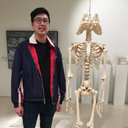 Jason J. Ong合作论文数2
 Robyn Horwitz合作论文数2
 Randolph C. H. Chan合作论文数2
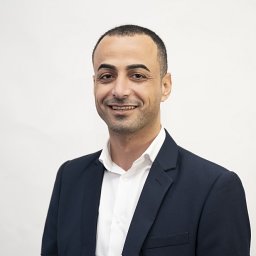 Mohammed AlKhaldi合作论文数Fac Commun Arts & Sci, Canadian Univ Dubai CUD2Alison Jaworski合作论文数2
 Jialiang Cui合作论文数Shatin, Chinese Univ Hong Kong2
 Irene Torres合作论文数Fdn Octaedro2
 Tumwine Christopher合作论文数2
 Christopher Fairley AO合作论文数Melbourne Sexual Health Centre, School of Translational Medicine, Faculty of Medicine, Nursing and Health Sciences, Monash University2Marshall Daniel合作论文数2
 mary lou Rasmussen合作论文数2
 Christy E Newman合作论文数National Centre in HIV Social Research, The University of New South Wales2
 Rob Cover合作论文数2
 Eric Chow合作论文数Melbourne School of Population and Global Health, University of Melbourne;Melbourne Sexual Health Centre, School of Translational Medicine, Faculty of Medicine, Nursing and Health Sciences, Monash University;Melbourne Sexual Health Centre, Alfred Health2Loren Brener合作论文数National Centre in HIV;Social Research;National Centre in HIV|Social Research2Marcus Shengkai Lam合作论文数1Wan Sang Kan合作论文数1
 Limin Mao合作论文数1Karina Reeves合作论文数1
 Warittha Tieosapjaroen合作论文数1Jude Page合作论文数1
 Curtis Chan合作论文数The Kirby Institute, UNSW Sydney1
 Tiffany R Phillips合作论文数Fac Med Nursing & Hlth Sci, Monash Univ1
 Catherine Gomes合作论文数Jewish Care Victoria1Nicholas Apoifis合作论文数School of Social Sciences, Faculty of Arts, Design & Architecture, The University of New South Wales1
 Martin Holt合作论文数Centre for Social Research in Health, University of New South Wales1
 Bavinton Benjamin R合作论文数The Kirby Institute, University of New South Wales1
 Lei Zhang (张磊)合作论文数Global Health Institute, Xi'an Jiaotong University;Department of Epidemiology and Biostatistics, School of Public Health, Health Science Center, Xi'an Jiaotong University1
 Pauline Oosterhoff合作论文数Medical Committee Netherlands Vietnam1
 Asha Persson合作论文数National Centre in HIV;University of New South Wales1
 Deana Leahy合作论文数School of Education, Culture and Society, Faculty of Education, Monash University1
 Toby Lea合作论文数Drug Health Services, Sydney South West Area Health Service1
 Shanton Chang合作论文数Department of Computing and Information Systems at The University of Melbourne1
 Evelyne De Leeuw合作论文数Faculty of Health Sciences, Syddansk Universitet1
 Timothy R. Broady合作论文数School of Psychology, University of Wollongong1




