Secure transactions to secure data from being changed, modified, or manipulated by intruders helps in the validation and transparency of multi-phase transactions. Blockchain systems (BCSs) provide secure transactions, reduce compliance costs, and speed up data transmission procedures. The research community to secure data or transactions has proposed many BCSs. However, the issue with the existing approaches is to take an appropriate decision regarding the intruder’s activities. It is due to the variety of transactions and the uncertainty of the environment; decision makers faced a difficult task in selecting an appropriate BCS for secure transactions. Thus, an appropriate BCS is required for the implementation of the secure transaction system. In this study, we propose a novel decision approach utilizing the new 2-tuple linguistic q-rung picture fuzzy set (2TLq-RPFS) to select an appropriate BCS for reliable transactions. Thus, this work proposes a traditional multi-attributive border approximation area comparison (MABAC) model with the power weighted Hamy mean operator and power weighted dual Hamy mean operator. Finally, a realistic case study for selecting the revolutionary BCS is presented to demonstrate the feasibility and efficacy of the proposed approach. The results of a case study are presented in Subsection 6.1 employing the approach described in Section 5. Ethereum is the best BCS utilizing the 2TLq-RPFWHM operator and Multichain is the BCS utilizing the 2TLq-RPFWDHM operator. Variations in the final results show the robustness of aggregation operators because each operator emphasizes a different aspect of the data.
In the digital age, the exponential growth of data poses significant challenges for analysts and machine learning algorithms in pattern detection due to its high dimensionality. This study addresses the dimensionality problem by leveraging Probabilistic Uncertain Linguistic Term Set (PULTS), which combine Uncertain Linguistic Term Set (ULTS) with associated probabilities to handle uncertainty in decision-making. We introduce the PUL-weighted average operator to integrate the opinions of multiple decision-makers and propose a novel ELimination and Choice Translating REality (ELECTRE-I) method for optimizing alternatives in multiple attribute group decision-making (MAGDM) scenarios. This method is enhanced by the Stepwise Weight Assessment Ratio Analysis (SWARA) method to determine the relative weight of each attribute. By integrating SWARA with the ELECTRE-I method, we develop a comprehensive approach to tackle MAGDM problems using PULTS. A numerical example involving feature selection in image recognition demonstrates the method’s effectiveness and accuracy. Comparative studies highlight the advantages of our approach in producing a small feature set with high classification accuracy. The proposed method offers a robust solution for feature selection in image recognition and other MAGDM problems, significantly improving decision-making accuracy and efficiency. The methodology’s simplicity and computational ease make it applicable across various domains requiring effective dimensionality reduction.
This scientific article focuses on showcasing the technological novelty and the post-pandemic economic impact of implementing augmented reality at Paseo de la Danta, a tourist resort located in the Cesar department. The research was conducted through a case study, analyzing the use of augmented reality in tourism promotion and its effect on generating income at the resort. The results show that the implementation of this technology has allowed for an improvement in the tourist experience, increasing the influx of visitors and, consequently, the economic income generated. Furthermore, in the context of the pandemic, augmented reality becomes a safe alternative for tourism promotion and entertainment, allowing for the economic reactivation of the sector during crisis. In conclusion, this study highlights the importance of technology and innovation in the economic and tourism development of a region, and the need to continue exploring new tools to improve the competitiveness of tourism destinations.
Currently, one of the sectors most affected by the pandemic effect is the tourism sector, especially cultural tourism. The municipality of Manaure, located in the department of Cesar in the northeast of Colombia, has been characterized for having a high potential of the historical and cultural heritage of the department. However, there is a strong weakness concerning the dissemination, use, and appropriation of technology to support the processes of attracting and retaining local and foreign tourists. That is why the application “Enamorate del Cesar” has been developed as an application that combines the inclusion of augmented reality, applying the concept of time capsules and gamification to strengthen cultural tourism in both locals and foreigners. In the specific case of this department, the popular Plaza de Simón Bolívar in the municipality of Manaure has been taken as the epicenter for the use of new technologies applied to the tourism sector. To measure the impact of this application, which is the first one developed for the department of Cesar in Colombia, validation instruments have been designed to validate the use of the application with the community, which has resulted in progress in the processes of appropriation and improvement of the visibility of the cultural heritage. The objective of this article is to show the characteristics of the application and the impact it has generated in the processes of social appropriation of knowledge and post-pandemic economic dynamization.
Online product reviews are evaluations of products shared by customers on various online platforms, such as electronic commerce websites, social media, or dedicated review sites. These reviews offer valuable insights and opinions about products, potentially influencing the purchasing decisions of other prospective buyers. However, due to the vast volume of content provided by internet product evaluations, it can be challenging for new buyers to conduct a comprehensive qualitative assessment of competitive products. Utilizing natural language processing techniques, analyzing online product reviews posted on social media platforms can aid customers in making informed purchasing decisions. Hence, this article employs a 2-tuple linguistic q-rung orthopair fuzzy set for product selection based on online product reviews. In this study, we introduce a novel hybrid approach combining the Criteria Importance through Inter-Criteria Correlation (CRITIC) method with the Weighted Aggregated Sum Product Assessment (WASPAS) method. This hybrid method assists potential customers in evaluating alternative products by considering consumer opinions regarding product performance in the 2-tuple linguistic q-rung orthopair fuzzy environment. Moreover, for multi-attribute group decision-making problems, we develop a weighted average aggregation operator based on the 2-tuple linguistic q-rung orthopair fuzzy set. Finally, we apply the proposed approach to a real evaluation decision, validating its validity and practicality through parameter and comparison analyses.
—The automatic identification of human physical activities, commonly referred to as Human Activity Recognition (HAR), has garnered significant interest and application across various sectors, including entertainment, sports, and notably health. Within the realm of health, a myriad of applications exists, contingent upon the nature of experimentation, the activities under scrutiny, and the methodology employed for data and information acquisition. This diversity opens doors to multifaceted applications, including support for the well-being and safeguarding of elderly individuals afflicted with neurodegenerative diseases, especially in the context of smart homes. Within the existing literature, a multitude of datasets from both indoor and outdoor environments have surfaced, significantly contributing to the activity identification processes. One prominent dataset, the CASAS project developed by Washington State University (WSU) University, encompasses experiments conducted in indoor settings. This dataset facilitates the identification of a range of activities, such as cleaning, cooking, eating, washing hands, and even making phone calls. This article introduces a model founded on the principles of Semi-supervised Ensemble Learning, enabling the harnessing of the potential inherent in distance-based clustering analysis. This technique aids in the identification of distinct clusters, each encapsulating unique activity characteristics. These clusters serve as pivotal inputs for the subsequent classification process, which leverages supervised techniques. The outcomes of this approach exhibit great promise, as evidenced by the quality metrics' analysis, showcasing favorable results compared to the existing state-of-the-art methods. This integrated framework not only contributes to the field of HAR but also holds immense potential for enhancing the capabilities of smart homes and related applications.
The manuscript presents new methodologies for process characterization and control tuning for integrated systems. Integrative systems are widespread in the industrial environment. Some control systems for level, pressure, concentration, and temperature are examples. Although many papers have been published on the subject, no standard has been established, so this remains an open problem. The proposed characterization method consists of deriving the response of the integrating system and applying characterization techniques for self-regulated processes. The proposed tuning method is based on deducing tuning equations for a PD control from the λ tuning rules. The performance of the proposed methods is validated through simulation and experimental tests.
Watershed factors often have overlapping influences. Group decision-making helps account for these ambiguities for better management strategies. To address this issue, the goal of this study is to provide a creative and unique tool known as a 2-tuple linguistic cubic q-rung orthopair fuzzy set (2TLCuq-ROFS) model. For dealing with uncertain and ambiguous information in multi-attribute group decision-making problems, the 2TLCuq-ROF framework is more efficient and superior to other fuzzy sets. The fundamental concept of 2TLCuq-ROFS is reviewed first, followed by the distance formula and operational rules of 2TLCuq-ROF numbers. We propose four novel weighted aggregation operators utilizing 2TLCuq-ROFNs in order to efficiently aggregate the values to investigate a group decision-making problems. Furthermore, the proposed operators combined with the power averaging (PA) operator to establish an extension of the technique for order of preference by similarity to the ideal solution (TOPSIS) method in the 2TLCuq-ROF environment to show the optimal altenative. After that, a multi-attribute group decision-making approach is proposed to resolve a decision-making problem related to watersheds’ hydrological geographical areas, which is the main contribution of this research. The criterion impact loss (CILOS) method is used to determine the weight information of attributes under the 2TLCuq-ROF environment. In this proposed methodology, we incorporate the independent decisions of all experts on the capabilities of alternatives in accordance with their attributes and then rank the alternatives. In addition, we perform the sensitivity and comparative analyses to explain the efficacy of the proposed methodology and the consistency of the results.
Advancements in mobile technology have propelled the rapid progress of remote health monitoring, particularly in the domain of mobile health (mHealth). This progress is underscored by sophisticated smart health monitoring applications designed for mobile devices. mHealth monitoring, a standout area within remote health monitoring, excels in providing continuous health monitoring for patients and enabling remote observation by physicians. These applications cater to ambulatory patients with chronic diseases, offering essential features such as Telemedicine services, doctor availabilitys, and emergency ambulance services. Despite the development of various frameworks for mHealth monitoring, existing review papers often fall short in addressing critical parameters and issues related to Telemedicine. Many reviews provide a broad overview but lack the depth needed to dissect intricate aspects like implementation challenges in Telemedicine, nuances in decision-making applications, and the dynamics of mobility for both patients and healthcare providers. Patient rescue protocols, especially in diverse locations, are also underexplored. To fill this gap, our research delves into these dimensions, providing a nuanced understanding of challenges and opportunities in mobile health monitoring, particularly within the Telemedicine context. Leveraging a comprehensive literature review, we meticulously selected over 100 research articles from reputable databases like ScienceDirect, IEEE Xplore, and Springer. We have assessed and ranked the significance of each article. The study aims to address open issues in telemedicine, contributing valuable insights to enhance remote health monitoring.
— Human activity recognition (HAR) has become a focus of study over the past few years. It is widely used in many fields like health, home safety, security, and energy saving, among others. Research around the health area has evidenced an important increase and a promissory impact on the life quality of a population like the elderly. If we combine sensors and a health condition then we may have a technological solution with methods and techniques that will help us to improve life quality. Smart sensors have become popular. They allow us to monitor data and acquire data in real-time. In HAR, they are used to detect actions and activities like breathing, falling, standing up, or walking. Many commercial solutions use this technology in real-life applications. However, we focused this paper on the Vayaar sensor and the WideFind sensor, two commercial sensors based on ultra-wideband technology, with promising performance, as part of a study developed at the Human Health and Activity Laboratory (H2AL) in the Luleå Tekniska Universitet in Sweden. The study performed a technological and commercial comparison applying machine learning techniques in WEKA for two datasets created with the data gathered from each sensor during an experiment, in which precision and accuracy were analyzed as evaluation parameters of the applied methods. It was identified that random forest (RF) and LogitBoost were the most suitable classifiers to process both WideFind and Vayyar datasets. Random forest had a performance of 85.99% of precision, 85.48% of recall, and 96% of ROC area for the WideFind sensor while LogitBoost had a 69.39% of the performance for precision, 68.89% for recall, and 88.35% of ROC area for the Vayaar sensor.
The use of augmented reality applied to museums to preserve and communicate cultural heritage sustainably is a topic of increasing relevance today. Museums play an essential role in preserving and disseminating culture and history, and augmented reality has emerged as a powerful technological tool to enrich the visitor experience and ensure the sustainable preservation of cultural heritage. The fundamental objective of this literature review is to explore and understand the key contributions that are being made in the field of augmented reality applied to museums, with a focus on sustainability. The literature related to this topic is dispersed in various sources of information, which motivates the need to carry out a detailed and systematic analysis incorporating sustainability aspects. To carry out this analysis, the metaphor of the “tree of science” is used. This metaphor provides a structured approach that is applied in two complementary ways. Firstly, it focuses on collecting and analyzing scientometric statistics that cover data on countries, authors, academic institutions, and research centers involved in developing augmented reality applications for museums with sustainable methodologies. This quantitative perspective offers a global view of the contributions and their geographical scope including their sustainability impact. Secondly, an evolutionary analysis based on the “tree of science” is carried out. This historical approach examines the origin and evolution of contributions in the field of augmented reality applied to museums, from its first manifestations to the most recent innovations, with an emphasis on sustainable practices. This historical approach is essential to understanding the trajectory and development of augmented reality applications in the museum context and their role in promoting sustainable cultural heritage preservation. This review aims to provide a complete and contextualized view of the use of augmented reality in museums for the sustainable preservation and communication of cultural heritage. Through a multidimensional approach encompassing scientometric statistics and historical analysis, we seek to shed light on this technology’s most significant contributions and evolution in the museum sector, with a particular focus on sustainability.
In Pakistan, the assessment of road safety measures within road safety management systems is commonly seen as the most deficient part. Accident prediction models are essential for road authorities, road designers, and road safety specialists. These models facilitate the examination of safety concerns, the identification of safety improvements, and the projection of the potential impact of these modifications in terms of collision reduction. In the context described above, the goal of this paper is to utilize the 2-tuple linguistic q-rung orthopair fuzzy set (2TLq-ROFS), a new and useful decision tool with a strong ability to address uncertain or imprecise information in practical decision-making processes. In addition, for dealing with the multi-attribute group decision-making problems in road safety management, this paper proposes a new 2TLq-ROF integrated determination of objective criteria weights (IDOCRIW)-the qualitative flexible multiple criteria (QUALIFLEX) decision analysis method with a weighted power average (WPA) operator based on the 2TLq-ROF numbers. The IDOCRIW method is used to calculate the weight of attributes and the QUALIFLEX method is used to rank the options. To show the viability and superiority of the proposed approach, we also perform a case study on the evaluation of accident prediction models in road safety management. Finally, the results of the experiments and comparisons with existing methods are used to explain the benefits and superiority of the suggested approach. The findings of this study show that the proposed approach is more practical and compatible with other existing approaches.
This study employs a novel fuzzy logic-based framework to address multi-attribute group decision-making problems commonly encountered in modern astronomy. Our approach utilizes the probabilistic linguistic q-rung orthopair fuzzy set (PLq-ROFS) to handle the inherent uncertainties associated with astronomical data. The PLq-ROFS offers significant advantages over existing fuzzy sets like probabilistic hesitant, linguistic intuitionistic, and linguistic Pythagorean fuzzy sets, which comprise both stochastic and non-stochastic uncertainties simultaneously. To aggregate the probabilistic linguistic decision information effectively, we propose two novel operators: the PLq-ROF weighted power average (PLq-ROFWPA) and the PLq-ROF weighted power geometric (PLq-ROFWPG). These operators form the foundation of a novel method within the PLq-ROF environment. Furthermore, this study integrates the PLq-ROF framework with the VIseKriterijumska Optimizacija I Kompromisno Resenje (VIKOR) model, a widely used decision-making (DM) tool known for its ability to balance group utility maximization with individual regret minimization. This integration leads to the PLq-ROF-VIKOR model, a novel approach for ranking alternative solutions based on the subjective preferences of decision-makers. The effectiveness of the proposed method is demonstrated through a real-world case study in astronomy, accompanied by both parameter and comparative analyses. These analyses highlight the efficiency and accuracy of the PLq-ROF-VIKOR model, ultimately leading to the conclusion that cosmology is the most optimal key finding in this case study.
The Internet of Things is a system of networked devices that can gather, process, and share data through the Internet. The Internet of Things has vast potential to spread widely across various aspects of our lives. The educational process model is undergoing a transformation in which the learning requirements for different students must be fulfilled in various ways. Our study presents a novel multi-attribute group decision-making strategy that examines how the Internet of Things can help to provide the best learning environment while also making the educational process more effective. The probabilistic linguistic T-spherical fuzzy set (PLT-SFS) is a modification of the T-spherical fuzzy set in which the degrees of membership, abstinence, and non-membership are characterized by probabilistic linguistic terms. Then two new aggregation operators, the PLT-SF weighted power average (PLT-SFWPA) operator and the PLT-SF weighted power geometric (PLT-SFWPG) operator, are introduced. After that, an approach to multi-attribute group decision-making based on the analytic hierarchy process is constructed in which the data are aggregated by the PLT-SFWPA operator. To illustrate the validity of the proposed approach, a case study of nine Internet of Things applications for enhancing learning environments is provided.
In the process of multi-attribute group decision-making (MAGDM), the cubic q-rung orthopair fuzzy sets (Cuq-ROFSs) are utilized to express membership and non-membership degrees in the form of interval values to efficiently cope with decision makers’ (DMs’) complex assessment values. To more efficiently capture DM evaluation results in the MAGDM procedure, we offer a novel tool called 2-tuple linguistic cubic q-rung orthopair fuzzy set (2TLCuq-ROFS), which extends Cuq-ROFS by using 2-tuple linguistic (2TL) terms. 2TLCuq-ROFS effectively incorporates the advantages of 2TL and Cuq-ROFS, making them attractive and versatile for depicting attribute values in an uncertain and complex decision-making environment. To effectively aggregate the attribute values in the form of 2-tuple linguistic cubic q-rung orthopair fuzzy numbers (2TLCuq-ROFNs), some Maclaurin symmetric mean (MSM) operators and their weighted forms are presented in this paper. The weight information for attributes is unknown. Therefore, the criteria importance through inter-criteria correlation (CRITIC) method is employed to determine the objective weight information. The purpose of this study is to incorporate a conventional multi-attributive border approximation area comparison (MABAC) framework based on 2TLCuq-ROFNs because it addresses problematic and imprecise decision-making problems by calculating the distance among each alternative and the border approximation area by using 2TLCuq-ROFNs and MSM aggregation operators. First, some basic concepts associated with 2TLCuq-ROFNs and the CRITIC-MABAC procedure are briefly explained. Moreover, an evaluation framework based on the improved CRITIC-MABAC method is established. An explanatory case study related to the risk investment problem in Belt and Road is used to verify the validity and practicality of the designed evaluation framework. In conclusion, by utilizing the CRITIC-MABAC methodology based on proposed operators, we find that _7 is the optimal alternative for risk investment. Furthermore, comparison analysis emphasizes the integrity and prominent features of the proposed methodology and provides various complementary perspectives for investors.
The complex q-rung orthopair fuzzy 2-tuple linguistic set (Cq-ROFTLS), which merges the concepts of complex q-rung orthopair fuzzy sets (Cq-ROFS) and 2-tuple linguistic terms, offers significant advantages in dealing with uncertain and imprecise information during decision-making by effectively representing two-dimensional information within a single set. Notably, the Cq-ROFTLS introduces phase terms that empower experts to express their perspectives flexibly, particularly enhancing its capacity to address periodic elements. To address uncertainty, this approach employs complex values to quantify both membership and non-membership degrees within 2-tuple linguistic environment. Additionally, this research introduces the generalized Maclaurin symmetric mean (MSM) aggregation operator, specifically designed for Cq-ROFTL information. This introduces the Cq-ROFTLMSM and its dual form, the Cq-ROFTL Dual MSM (Cq-ROFTLDMSM), each carrying valuable properties. In cases where the importance of input factors varies, the study proposes the Cq-ROFTL weighted MSM (Cq-ROFTLWMSM) and its dual form, the Cq-ROFTL weighted dual MSM (Cq-ROFTLWDMSM). These operators not only make their debut but also showcase their properties and applications. They flexibly adjust to the significance of inputs, leading to a more refined decision-making process. The methodology extends to address multi-attribute group decision-making (MAGDM) within the Cq-ROFTL framework using the Complex Proportional Assessment (COPRAS) method. The introduction of new aggregation techniques further enhances this approach. A practical illustration involving the selection of the optimal bio-energy production technology (BPT) highlights the real-world effectiveness of the methodology. Through thorough comparisons and a focused exploration of advantages, the study effectively validates the merits of this approach.
Cosmetics can help improve our mood, beautify our looks, and raise our personality in addition to our physical health. The objective of cosmetic brands is to create new, affordable, and simple beauty goods for all consumers in order to impress a large number of individuals. The purpose of this study is to identify the cosmetic brand that, when applied to the skin can provide the desired effect. Presently, it is commonly thought of as a common multi-attribute group decision-making (MAGDM) problem. To thoroughly examine the cosmetic brands, this analysis employs the Criterion Impact Loss (CILOS) with Weighted Aggregated Sum Product Assessment (WASPAS). This study highlights that (1) product factor; (2) pricing factor; (3) distribution channel factor; and (4) consumer communication aspect are four essential attributes that affect individuals’ readiness, a brand’s development, and enhance consumers’ purchase intentions. The weights of the four described attributes are calculated using the CILOS method then ten selected cosmetic brands are ranked using the WASPAS method. The obtained results show that L’Oréal and Coty are the best cosmetic brands to meet individual beauty demands. Finally, we discuss about conclusions, the impact of the study, its limitations, and the possibility of more research.
The agile methodology stands out as a prevalent model for efficient software development, particularly favored for its adaptability and suitability in small-scale projects across various software industries. Nevertheless, its widespread adoption has brought to light certain communication challenges, particularly when applied to large-scale distributed teams. Agile, it appears, may not be the optimal choice for extensive teams engaged in global software development efforts. This study delves into the intricacies of issues faced by teams employing agile in the context of large-scale distributed development, particularly focusing on communication-related challenges and their repercussions. Our approach involved in-depth interviews with diverse developers and teams hailing from various sectors within the software industry. Moreover, we conducted an extensive quantitative analysis, surveying 50 developers representing different distributed teams. The outcomes of our investigation unearthed several communication-related deficiencies that significantly impact the development process. To arrive at these insights, we employed two robust statistical analysis methods: descriptive analysis and regression analysis. The implications of our findings have led us to propose innovative software solutions, bearing distinctive features engineered to mitigate the communication issues often encountered in large-scale software development. These solutions have the potential to enhance the efficiency and effectiveness of agile practices when applied in extensive and globally dispersed development endeavors.
The significant release of carbon emissions due to the combustion of fossil fuels in vehicular operations demands an immediate challenge: addressing carbon emission concerns within the transportation sector. One possible solution is electric cars, despite their high price tag. Solar-powered electric vehicles can effectively resolve this dilemma. This research aims to construct a problem-solving map for reducing carbon emissions in transportation investment projects by highlighting causal relationships between innovative approaches and solar energy development. In this article, we combine 2-tuple linguistic terms and a cubic q -rung orthopair fuzzy set to propose the 2-tuple linguistic cubic q -rung orthopair fuzzy set (2TLCu q -ROFS) to represent the required assessment information. Constructing a problem-solving map for carbon emission reduction requires handling a substantial amount of uncertain and fuzzy data. Our study utilizes the Decision-Making Trial and Evaluation Laboratory (DEMATEL) approach for weighing decision criteria in multi-attribute group decision-making (MAGDM) scenarios and establishing specific connections. We introduce the 2TLCu q -ROF-DEMATEL approach to enhance the effectiveness of solar energy investment projects through a hybrid decision-making strategy. First, we present the definition and operations of 2TLCu q -ROFS. Second, to effectively aggregate 2TLCu q -ROF information, we propose the 2TLCu q -ROF Hamacher (2TLCu q -ROFH) operators, such as the 2TLCu q -ROF Hamacher weighted average (2TLCu q -ROFHWA) operator and the 2TLCu q -ROF Hamacher weighted geometric (2TLCu q -ROFHWG) operator, with their ordered and hybrid forms, respectively. We utilize this approach to develop an innovative problem-solving map of cutting-edge carbon emission reduction strategies for transportation investment projects, demonstrating its effectiveness and validity. Finally, we provide parametric analysis and a comparative study to illustrate why decision experts (DEs) should select our suggested strategy over several others.
The field of healthcare holds significant global importance due to its profound impacts on both individual well-being and the broader healthcare system. It plays a pivotal role in the economic landscape, with far-reaching effects at the local, national, and global levels. Moreover, healthcare stands as a vital source of employment, supporting countless individuals across the world. It is a sector characterized by persistent challenges that have been met with innovation and technological advancements. In this literature review, our goal is to explore the key contributions in the healthcare domain, specifically in the diagnosis of diabetic and hypertensive retinopathy using advanced technologies such as Machine Learning and Artificial Intelligence (AI). The use of these technologies is instrumental in enhancing diagnostic accuracy and patient care. The wealth of research in this field is dispersed across various scholarly databases, presenting an opportunity for an extensive and focused investigation. By combining scientometric analysis with the metaphorical "tree of science," we can gain two valuable perspectives on this domain. The first perspective delves into scientometric statistics, shedding light on countries, authors, academic institutions, and research centers that are at the forefront of developing innovative solutions for diagnosing retinopathy using AI and Machine Learning. The second perspective employs an evolutionary analysis, exploring the origins of seminal research contributions and how they have evolved over time. This literature review underscores the ongoing relevance of leveraging Machine Learning and AI in healthcare, particularly in the diagnosis of retinopathy. Furthermore, the COVID-19 pandemic has accelerated the development of technologies that enable remote diagnosis and care, revolutionizing the healthcare landscape. As we navigate the intricate web of healthcare innovation, this literature review aims to provide a comprehensive understanding of the current state of research and its trajectory in the realm of diabetic and hypertensive retinopathy diagnosis through advanced technologies.
 Muhammad Akram合作论文数Department of Mathematics, University of the Punjab32
 Shariq Aziz Butt合作论文数Department of Computer Science, University of South Asia23
 Aqsa Shafiq合作论文数11
 Paola Patricia Ariza-Colpas合作论文数8Areej Fatima合作论文数7Shumaila Farooq合作论文数6Roberto Cesar Morales-Ortega合作论文数6
 Marlon Alberto Piñeres-Melo合作论文数Faculty of Engineering, Universidad de la Costa6
 Gabriel Pineres-Espitia合作论文数Faculty of Engineering, Universidad de la Costa6
 Salik Khan合作论文数Department of Mycology and Plant Pathology;University of the Punjab;Department of Mycology and Plant Pathology, University of the Punjab6Maribel Romero Mestre合作论文数4Ronald Alexander Vacca Ascanio合作论文数4
 Samina Ashraf合作论文数4
 Hossein Rashmanlou合作论文数Dept Math, Islamic Azad Univ4
 Muhammad Aslam Malik合作论文数4Leidys del Carmen Contreras Chinchilla合作论文数3Andres Felipe Rodriguez-Bonilla合作论文数3
 Jorge Luis Diaz合作论文数3Ghulam Mohy-Ud-Din合作论文数3
 Muhammad Ramzan Saeed合作论文数3Saira Mehboob合作论文数3Muhammad Muneeb ul Hassan合作论文数3Faiza Ziaa合作论文数3
 Emiro de la Hoz Franco合作论文数Universidad de la Costa CUC3
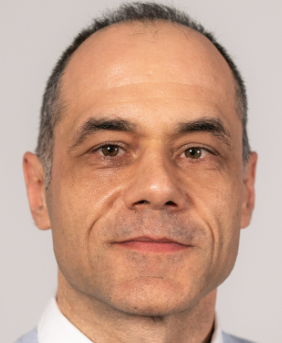 Dragan Pamučar合作论文数Department of Operations Research and Statistics, Faculty of Organizational Sciences, University of Belgrade3
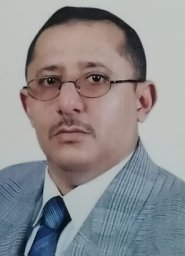 Mohammed Al-shamiri合作论文数3Aniqa Saadat合作论文数2Mamoona Muzammal合作论文数2Jawaria Mohsan Dar合作论文数Univ Punjab, Dept Math, New Campus, Lahore 4590, Pakistan2
 Muhammad Waqar Alam合作论文数Department of Plant Pathology, University of Okara2
 Bijan Davvaz合作论文数Department of Mathematics, Yazd University2
 Urina-Triana Miguel合作论文数Asociación Colombiana de Medicina Interna2
 Florentin Smarandache合作论文数Department of Mathematics, University of New Mexico;Mathematics, Physics, and Natural Science Division, University of New Mexico2
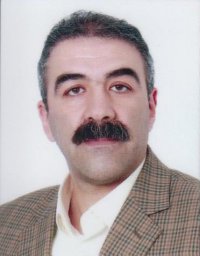 Arsham Borumand Saeid合作论文数Dept Pure Math, Shahid Bahonar Univ Kerman2
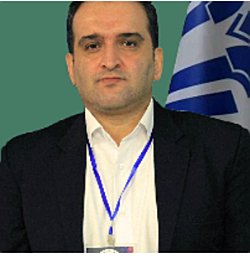 S A. Edalatpanah合作论文数Dept Appl Math, Ayandegan Inst Higher Educ2
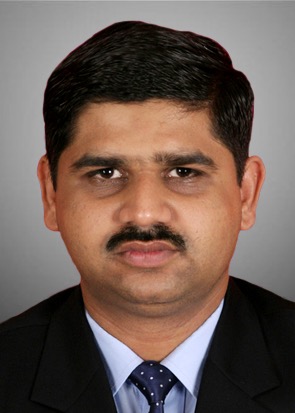 Shaukat Ali合作论文数College of Plant Protection, South China Agricultural University1
 Justina Jane Tahira合作论文数1Ghada Ali合作论文数1
 Arshad Ali合作论文数1
 Tauseef Jamal合作论文数1
 Jose Escorcia-Gutierrez合作论文数1Hafiz M. Riaz合作论文数1
 Harold Combita合作论文数1
 Muhammad Zafar Iqbal合作论文数1Diego Molina-Estren合作论文数1
 Johan David Mardini Bovea合作论文数Comp Sci & Elect Dept, Univ Costa1Samirah Alsulami合作论文数1
 Jorge Mario Cardenas-Cabrera合作论文数University of the Coast1
 Mirary Mantilla Morron合作论文数Fdn Caribe Invest Biomed, Univ Simon Bolivar1




