The explosive growth of video data in recent years has brought higher demands for video analytics, where accuracy and efficiency remain the two primary concerns. Deep neural networks (DNNs) have been widely adopted to ensure accuracy; however, improving their efficiency in video analytics remains an open challenge. Different from existing surveys that make summaries of DNN-based video mainly from the accuracy optimization aspect, in this survey, we aim to provide a thorough review of optimization techniques focusing on the improvement of the efficiency of DNNs in video analytics. We organize existing methods in a bottom-up manner, covering multiple perspectives such as hardware support, data processing, operational deployment, etc. Finally, based on the optimization framework and existing works, we analyze and discuss the problems and challenges in the performance optimization of DNN-based video analytics.
In the astronomical observation field, determining the allocation of observation resources of the telescope array and planning follow-up observations for targets of opportunity (ToOs) are indispensable components of astronomical scientific discovery. This problem is computationally challenging, given the online observation setting and the abundance of time-varying factors that can affect whether an observation can be conducted. This paper presents ROARS, a reinforcement learning approach for online astronomical resource-constrained scheduling. To capture the structure of the astronomical observation scheduling, we depict every schedule using a directed acyclic graph (DAG), illustrating the dependency of timing between different observation tasks within the schedule. Deep reinforcement learning is used to learn a policy that can improve the feasible solution by iteratively local rewriting until convergence. It can solve the challenge of obtaining a complete solution directly from scratch in astronomical observation scenarios, due to the high computational complexity resulting from numerous spatial and temporal constraints. A simulation environment is developed based on real-world scenarios for experiments, to evaluate the effectiveness of our proposed scheduling approach. The experimental results show that ROARS surpasses 5 popular heuristics, adapts to various observation scenarios and learns effective strategies with hindsight.
Certain transients require regular observations over several days at intervals of hours or shorter,which cannot be accomplished by telescopes at a single site.The deployment of globally distributed telescopes at geographic locations of different longitudes enables the periodic monitoring of transients through relay observation.However,the simultaneous relay observation of numerous targets requires a telescope array of multiple telescopes that can be efficiently coordinated,and an automated scheduler for the array.This paper proposes IPROS,an integer programming model relay observation scheduler for a telescope array,that accounts for the entire process of relay observation and is consistent with the practical scenarios.We introduce the integer programming mathematical model for the relay observation scheduling problem with the telescope array,upon which the scheduler is based.Additionally,we propose an algorithm to provide a comprehensive formulation of the optimization objective of minimizing cadence deviation in the model.Experimental results demonstrate that the relay observation scheduler based on the integer programming model can effectively address the telescope array relay observation problem.It shows superiority over a scheduler with non-specific consideration of relay observation in the modeling and a scheduler based on greedy thought.
Modern GPU clusters increasingly comprise diverse heterogeneous GPUs, driven by the continuous release of new GPU models. Achieving a balance between fairness and efficiency when scheduling multi-tenant Deep Learning (DL) training jobs on such clusters is inherently challenging. Existing DL training schedulers largely emphasize fairness through GPU temporal sharing, while the spatial dimension of resource allocation is often underexplored. This oversight can lead to GPU fragmentation and suboptimal system performance. In this paper, we propose STS-Fairness, a spatiotemporal sharing fairness scheduler. STS-Fairness partitions each GPU into multiple isolated slots under a novel spatiotemporal fairness constraint and allocates jobs using a round-based allocation mechanism. We guarantee that STS-Fairness achieves overall performance optimality while satisfying spatiotemporal fairness constraints. The scheduling problem is formulated as an integer nonlinear program (INLP) that is solved to optimality in polynomial time via dynamic programming. We deployed the STS-Fairness framework on both physical and simulated heterogeneous clusters and conducted large-scale experiments. These results demonstrate that STS-Fairness reduces average JCT by 1.2x, shortens makespan by 1.24x, and increases throughput by 1.25x compared to state-of-the-art (SoTA) schedulers.
Geo-distributed computing, a paradigm that assigns computational tasks to globally distributed nodes, has emerged as a promising approach in cloud computing, edge computing, cloud-edge computing, and supercomputer computing (SC). It enables low-latency services, ensures data locality, and handles large-scale applications. As global computing capacity and task demands increase rapidly, scheduling tasks for efficient execution in geo-distributed computing systems has become an increasingly critical research challenge. It arises from the inherent characteristics of geographic distribution, including heterogeneous network conditions, region-specific resource pricing, and varying computational capabilities across locations. Researchers have developed diverse task scheduling methods tailored to geo-distributed scenarios, aiming to achieve objectives such as performance enhancement, fairness assurance, and fault-tolerance improvement. This survey provides a comprehensive and systematic review of task scheduling techniques across four major distributed computing environments, with an in-depth analysis of these approaches based on their core scheduling objectives. Through our analysis, we identify key research challenges and outline promising directions for advancing task scheduling in geo-distributed computing.
The distributed telescope array offers promise for conducting large-sky-area, high-frequency time-domain surveys. Multiple telescopes can be deployed at each observation site, so intrasite observation task scheduling is crucial for enhancing observation efficiency and quality. Efficient use of observable time and rapid response to special situations are critical to maximize scientific discovery in time-domain surveys. Besides, the competing scientific priorities, time-varying observation conditions, and capabilities of observation equipment, lead to a vast search space of the scheduling. So with the increasing number of telescopes and observation fields, balancing computational time with solution quality in observation scheduling poses a significant challenge. Informed by the seminal contributions of earlier studies on a multilevel scheduling model and global scheduler for a time-domain telescope array, this study is devoted to further exploring the site scheduler. Formulating the observation scheduling of multiple telescopes at the site as a cooperative decision-making problem, this paper proposes GRRIS, a real-time intrasite observation scheduling scheme for the telescope array using graph and reinforcement learning (RL). It employs a graph neural network to learn node features that can embed the spatial structure of the observation scheduling. An algorithm based on multi-agent RL is designed to efficiently learn the optimum allocation policy of telescope agents to field nodes. Through numerical simulations with real-world scenarios, GRRIS can achieve up to a 22% solution improvement over the most competitive scheme. It offers better scalability and subsecond decision speed, meeting the needs of observation scheduling control for future distributed telescope arrays.
Nowadays, fast and accurate novelty detection is crucial for public safety and security in surveillance videos. Given the high accuracy of deep learning technique, deep learning based novel detection is a trend. With the huge amount of surveillance videos being generated by surveillance cameras at any time, it is challenging to make novelty detection in surveillance videos efficiently while guaranteeing the accuracy. To address it, we propose a dynamic frame sampling method called ORLNet with both the frame similarity and the intensity of the object movement considered. It is based on the two observations as follows: firstly, there is a high similarity between adjacent frames in a video data. Secondly, in practice, since novel behaviors are always generated by moving targets, we only need to focus on a small number of frames that contain key information which we call key frames. Specifically, ORLNet speeds up surveillance video by setting a reinforcement learning agent to dynamically determine the indexes of key frames at run-time and replace end-to-end inference at non-key frame positions by reusing the last key frame’s calculation. Typically, it defines frame similarity as novelty energy, which is the combination of novel semantic and motion features. On the premise of calculating the distance of novel energy between frames, the calculation of key frames can be reused for other frames corresponding to similar novelty energies, which can thus accelerate novelty detection while maintain accuracy. Finally, we evaluate ORLNet experimentally with two surveillance video datasets by comparing with existing methods. Experimental results show that ORLNet reduces processing time by 42
Cross-matching operation, which is to find corresponding data for the same celestial object or region from multiple catalogues, is indispensable to astronomical data analysis and research. Due to the large amount of astronomical catalogues generated by the ongoing and next-generation large-scale sky surveys, the time complexity of the cross-matching is increasing dramatically. Heterogeneous computing environments provide a theoretical possibility to accelerate the cross-matching, but the performance advantages of heterogeneous computing resources have not been fully utilized. To meet the challenge of cross-matching for substantial increasing amount of astronomical observation data, this paper proposes Heterogeneous-computing-enabled Large Catalogue Cross-matcher (HLC2), a high-performance cross-matching framework based on spherical position deviation on CPU-GPU heterogeneous computing platforms. It supports scalable and flexible cross-matching and can be directly applied to the fusion of large astronomical catalogues from survey missions and astronomical data centres. A performance estimation model is proposed to locate the performance bottlenecks and guide the optimizations. A two-level partitioning strategy is designed to generate an optimized data placement according to the positions of celestial objects to increase throughput. To make HLC2 a more adaptive solution, the architecture-aware task splitting, thread parallelization, and concurrent scheduling strategies are designed and integrated. Moreover, a novel quad-direction strategy is proposed for the boundary problem to effectively balance performance and completeness. We have experimentally evaluated HLC2 using public released catalogue data. Experiments demonstrate that HLC2 scales well on different sizes of catalogues and the cross-matching speed is significantly improved compared to the state-of-the-art cross-matchers.
Location-based cross-matching is a preprocessing step in astronomy that aims to identify records belonging to the same celestial body based on the angular distance formula. The traditional approach involves comparing each record in one catalog with every record in the other catalog, resulting in a one-to-one comparison with high computational complexity. To reduce the computational time, index partitioning methods are used to divide the sky into regions and perform local cross-matching. In addition, cross-matching algorithms have been adopted on high-performance architectures to improve their efficiency. But the index partitioning methods and computation architectures only increase the degree of parallelism, and cannot decrease the complexity of pairwise-based cross-matching algorithm itself. A better algorithm is needed to further improve the performance of cross-matching algorithm. In this paper, we propose a 3d-tree-based cross-matching algorithm that converts the angular distance formula into an equivalent 3d Euclidean distance and uses 3d-tree method to reduce the overall computational complexity and to avoid boundary issues. Furthermore, we demonstrate the superiority of the 3d-tree approach over the 2d-tree method and implement it using a multi-threading technique during both the construction and querying phases. We have experimentally evaluated the proposed 3d-tree cross-matching algorithm using publicly available catalog data. The results show that our algorithm applied on two 32-core CPUs achieves equivalent performance than previous experiments conducted on a six-node CPU-GPU cluster.
Currently, pay-as-you-go cache systems have been widely available as storage services in cloud computing, and users usually purchase long-term services to obtain higher discounts. However, users’ caching needs are not only constantly changing over time, but also affected by workload characteristics, making it difficult to always guarantee high efficiency of cache resource usage. Cache sharing is an effective way to improve cache usage efficiency. In order to incentivize users to share resources, it is necessary to ensure long-term fairness among users. However, the traditional resource allocation strategy only guarantees instantaneous fairness and is not thus suitable for pay-as-you-go cache systems. This paper proposes a long-term cache fairness allocation policy, named as FairCache, with several desired properties. First, FairCache encourages users to buy and share cache resources through group purchasing, which not only allows users to get more resources than when they buy them individually, but also encourages them to lend free resources or resources occupied by low-frequency data to others to get more revenue in the future. Second, FairCache satisfies pay-as-you-go fairness, ensuring that users’ revenue is proportional to the cost paid in a long term. Furthermore, FairCache satisfies truthfulness property, which ensures that no one can get more resources by lying. Finally, FairCache satisfies pareto efficiency property, ensuring that as long as there are tasks in progress, the system will maximize resource utilization. We implement FairCache in Alluxio, and the experimental results show that FairCache can guarantee long-term cache fairness while maximizing the efficiency of system resource usage.
Telescope arrays are receiving increasing attention due to their promise of higher resource utilization, greater sky survey area, and higher frequency of full space-time monitoring than single telescopes. Compared with the ordinary coordinated operation of several telescopes, the new astronomical observation mode has an order of magnitude difference in the number of telescopes. It requires efficient coordinated observation by large-domain telescopes distributed at different sites. Coherent modeling of various abstract environmental constraints is essential for responding to multiple complex science goals. Also, due to competing science priorities and field visibility, how the telescope arrays are scheduled for observations can significantly affect observation efficiency. This paper proposes a multilevel scheduling model oriented toward the problem of telescope-array scheduling for time-domain surveys. A flexible framework is developed with basic functionality encapsulated in software components implemented on hierarchical architectures. An optimization metric is proposed to self-consistently weight contributions from time-varying observation conditions to maintain uniform coverage and efficient time utilization from a global perspective. The performance of the scheduler is evaluated through simulated instances. The experimental results show that our scheduling framework performs correctly and provides acceptable solutions considering the percentage of time allocation efficiency and sky coverage uniformity in a feasible amount of time. Using a generic version of the telescope-array scheduling framework, we also demonstrate its scalability and its potential to be applied to other astronomical applications.
Light-curve data are one of the most important data sources in time domain astronomy research. With the advancement of observation facilities and the continuous accumulation of observation data, and considering the analysis needs of large sample data sets, software or tools based on new technologies, especially artificial intelligence (AI), will be indispensable for light-curve analysis. The light-curve analysis tool designed by an individual will follow its own defined data structure, which will make the tools designed and developed by different individuals incompatible. A unified light-curve data model will be able to solve this compatibility problem, similar to the traditional flexible image transport system (FITS) file format. This paper proposes a light-curve data model named TSCat, designs and implements a data storage engine. The TSCat data model defines the basic metadata and format required for storing optical curve data following the international virtual observatory alliance (IVOA) data format specification system. The TSCat storage engine implements basic operations such as importing, storing, and accessing light-curve data. The function and performance of the TSCat storage engine are evaluated through the actual observation data. The experimental results show that the TSCat data model is complete enough to support the analysis of light curves. TSCat will help support the standardization of the data access level of software and tools in the field of light-curve analysis, and provide a new reference for the specification system of astronomical scientific data formats.
HZSM-5 zeolites as catalysts are conventionally synthesized through three steps: (1) preparation of Na type zeolites; (2) ion exchange into NH4 type; (3) calcination. In this work, binder-free HZSM-5 zeolites with SiO2/Al2O3 ratios of 50–170 were directly synthesized in the shaped form. The acid properties and pore structures of the HZSM-5 samples were appreciably affected by the SiO2/Al2O3 ratio. In addition, these HZSM-5 samples had well preserved micropore structure, and even exhibited superior properties to the conventional one in methanol to hydrocarbon reaction with about 13% higher yield of C5+ hydrocarbons and 63% higher aromatic selectivity. The improved catalytic performance might be attributed to the shortened b-axis, more acid sites, stronger acidity and higher Bronsted to Lewis acid ratios. More importantly, this synthesis method not only greatly simplifies the synthesis process of shaped HZSM-5 zeolites, but also reduces pollution and production cost.
A series of shaped binderless mordenite (MOR) zeolites were prepared through hydrothermal transformation with commercial MOR zeolite as seeds and aluminosilicate as raw materials. To investigate the effect of alkalinity on the crystallization process, samples with different Na2O/SiO2 ratios from 0.041 to 0.12 were synthesized and characterized by XRD, SEM, N2 adsorption-desorption, NH3-TPD, ICP-OES and pyridine adsorption-infrared measurements. It was surprisingly found that alkalinity plays a pivotal role in the formation of the binderless MOR zeolites. At Na2O/SiO2 of 0.041, MOR zeolite could not be formed. Slightly increasing the Na2O/SiO2 to 0.043 and upwards, the binderless MOR zeolite was formed. XRD patterns and SEM images revealed that the primary MOR zeolite particle size increased from 104 nm to 266 nm with the Na2O/SiO2 ratio increasing from 0.043 to 0.10. Further increasing Na2O/SiO2 ratio to 0.12 led to the formation of 0.6-1.6 mu m micro-sized crystals. NH3-TPD and pyridine-adsorbed IR results indicated that the amount and strength of Bronsted acid sites in 8 -membered ring channel (8-MR) decreased with the Na2O/SiO2 ratio increasing to up to 0.10. Superior cata-lytic performance in dimethyl ether carbonylation was observed on the catalyst with a Na2O/SiO2 ratio of 0.043, which exhibited the shortest diffusion path and highest 8-MR Bronsted acid amounts. This work provides a practical way of preparing and optimizing shaped binderless zeolites.
The volcano-shaped relationship is very common in electrocatalytic nitrogen reduction reaction (e-NRR) and is usually caused by the competition between the first and last hydrogenation steps. How to break such a relationship to further improve the catalytic performance remains a great challenge. Herein, using first-principles calculations, we investigate a range of transition-metal (TM)-doped Cu-based single-atom alloys (TM1-Cu(111)) as catalysts for e-NRR. When the adsorption of N2 on the catalysts is strong enough, the inert N2 molecules can be effectively activated for the first hydrogenation step. Meanwhile, the last hydrogenation step is not affected by the scaling relationship and remains easy on all of the catalysts due to the unstable top-site adsorption of NH2, resulting in the break of the volcano-shaped relationship in e-NRR. Thus, only the first hydrogenation step is identified as the potential determining step. Four TM1-Cu(111) catalysts (TM = Re, W, Tc, and Mo) are selected as promising catalysts with limiting potential ranging from -0.38 to -0.56 V, showing outstanding e-NRR activity. Besides, the four catalysts also inhibit the competing hydrogen evolution reaction and long-term stability. Our work provides a guideline for breaking the volcano-shaped relationship in e-NRR and significant in the rational design of highly efficient electrocatalysts.
Designing catalyst to achieve ammonia synthesis at mild conditions is a meaningful challenge in catalysis community. Defective g-C 3 N 4 nanosheet supported single-cluster ruthenium and iron catalysts were investigated for their ammonia synthesis performance. Based on density functional theory (DFT) calculations and microkinetic simulations, Ru 3 single-cluster anchored on defective g-C 3 N 4 nanosheet (Ru 3 /N v -g-C 3 N 4 ) has a turnover frequency (TOF) 5.8 times higher than the Ru(0001) step surface at industrial reaction conditions of 673 K and 100 bar for ammonia synthesis. In other words, similar TOFs could be achieved on Ru 3 /N v -g-C 3 N 4 at much milder conditions (623 K, 30 bar) than on Ru(0001) (673 K, 100 bar). Our computations reveal the reaction proceeds parallelly on Ru 3 /N v -g-C 3 N 4 through both dissociative and alternative associative mechanisms at typical reaction conditions (600–700 K, 10–100 bar); N-N bond cleavage of *N 2 and *NNH from the two respective pathways controls the reaction collectively. With increasing temperatures or decreasing pressures, the dissociative mechanism gradually prevails and associative mechanism recedes. In comparison, Fe 3 /N v -g-C 3 N 4 catalyst shows a much lower catalytic activity than Ru 3 /N v -g-C 3 N 4 by two orders of magnitude and the reaction occurs solely through the dissociative pathway. The finding provides a prospective candidate and deepens the mechanistic understanding for ammonia synthesis catalyzed by single-cluster catalysts (SCCs).
Industrial ammonia synthesis through the Haber-Bosch process operated under harsh reaction conditions leaves ample room for improvement through material design. Designing a catalyst with high activity and low cost is considered as the key to enable large-scale operation under mild conditions. In this work, dilute metal alloys are studied using density functional theory (DFT) calculations and microkinetic modeling to investigate their catalytic performance for ammonia synthesis. Thermochemical scaling relations developed between reaction intermediates and Bronsted-Evans-Polanyi (BEP) relations developed for *N-2 dissociation and *NHx hydrogenation form the basis of microkinetic simulations of reaction rates. A degree of rate control analysis shows that the overall reaction is rate-controlled by either *N-2 dissociation or *NH2 hydrogenation, resulting in a volcano plot for single-atom alloys (SAAs) with Nb-doped Ag(111) SAA siting at the volcano peak. The BEP relationship for N-2 dissociation derived on dimer alloys is closer to the ideal limit in comparison to that obtained on SAAs, leading to higher activities of dimer alloys for ammonia synthesis. Among the dimer alloys, Mo-2/Ag(111) is not only more active than the commercial Ru catalysts but also very stable under real reaction conditions and could potentially be used in industrial processes.
A biased acid site distribution in mordenite (MOR), which refers to the enrichment of acid sites within 8-membered ring (MR) channels, was observed with the addition of N-methyl-2-pyrrolidone (NMP) in the initial gel and verified by the enhanced activity in dimethyl ether (DME) carbonylation reaction. This is the first time that lactam has been proved effective in regulating acid site distribution, and the possible mechanism was investigated.
Hydrophobic zeolites have been considered as effective adsorbents for capturing volatile organic compounds (VOCs). In this contribution, a series of binder-free Y/ZSM-5 zeolite composites were prepared through crystallization of shaped precursors by a vapor-phase transport (VPT) method. The obtained Y/ZSM-5 composites were dealuminated by steaming and hydrochloric acid (HCl). The presence of both ZSM-5 and Y zeolites was verified with XRD. FE-TEM was used to confirm the co-existence of lattice fringes of ZSM-5 and Y in the particles. The samples were also characterized by SEM, N-2 adsorption-desorption and ICP-OES. By selecting toluene (TOL), cyclohexane (CYH), butyl acetate (BAC), methyl ethyl ketone (MEK) and isopropanol (IPA) as representative VOCs of aromatics, alkanes, esters, ketones and alcohols, respectively, the dynamic adsorption performance and temperature-programmed desorption performance of the samples were systematically studied. The results showed that the zeolite composites had larger adsorption capacities for TOL, CYH and BAC than ZSM-5 due to larger surface area, wider pore diameter and higher micropore volume. On the other hand, the adsorption capacities of the composites for MEK and IPA were lower than ZSM-5, indicating that they are more suitable to adsorb larger molecules. The composites also exhibited excellent adsorption performance under humid conditions due to high SiO2/Al2O3 ratios and hydrophobicity. By comparing the temperature corresponding to the maximum of the desorption peaks, it was found that the adsorbates were easier to desorb on the zeolite composites than on ZSM-5. Furthermore, the adsorbents have good regeneration ability due to high thermal stability and hydrothermal stability.
A novel route was developed to synthesize hierarchical MOR through introduction of BEA/MOR zeolite embryos as structural growth inducer (SGI) in the presence of hexadecyltrimethylammonium (CTA+).
 Ce Yu (于策)合作论文数College of Intelligence and Computing, Tianjin University36
 Yaquan Wang (王亚权)合作论文数School of Chemical Engineering and Technology, Tianjin University29
 Shanjiang Tang (汤善江)合作论文数School of Computer Science and Technology, College of Intelligence and Computing, Tianjin University18
 Xiao Wang合作论文数17
 Jian Xiao (肖健)合作论文数College of Intelligence and Computing, Tianjin University17
 Jizhou Sun (孙济洲)合作论文数Tianjin University15Hengbao Chen合作论文数14Hongyao Li合作论文数12Cui Wang合作论文数12Wang Shuhai合作论文数10Fanjun Meng合作论文数10Xu Zhang合作论文数10
 Chunyang Fan (范春阳)合作论文数School of Chemistry and Chemical Engineering, Hainan University8
 Fei Gao合作论文数Tianjin Polytechnic University8Wenrong Liu合作论文数8Jiaxin Lu合作论文数8Taotao Zhao合作论文数8Shuhui Wu合作论文数8Ziyang Wang合作论文数8
 Jingjing Zhao (赵晶晶)合作论文数Dept Nephrol, Tianjin Med Univ8Liying Sun合作论文数7Mingxue Shi合作论文数6
 Aijuan Zhao合作论文数6Lingzhen Bu合作论文数6
 Chenzhou Cui (崔辰州)合作论文数National Astronomical Observatories, Chinese Academy of Sciences6
 Kun Li (李坤)合作论文数College of Intelligence and Computing, Tianjin University6Yi Hu (Yi 义 Hu 胡)合作论文数5
 Yajie Zhang合作论文数5
 ChaoHui Shang (商朝晖)合作论文数National Astronomical Observatories, Chinese Academy of Sciences5
 Yusen Li (李雨森)合作论文数College of Computer Science, Nankai University4
 Zhao Wang (王召)合作论文数School of Chemical Engineering and Technology, Tianjin University4
 Jizeng Wei (魏继增)合作论文数School of Cybersecurity, Tianjin University4
 Xi Wang (王熙)合作论文数School of Science, Beijing Jiaotong University4
 Xiangfei Meng (孟祥飞)合作论文数National Supercomputing Center in Tianjin4
 Wei Shen (沈伟)合作论文数Department of Chemistry, Fudan University4
 Hualong Xu (徐华龙)合作论文数Department of Chemistry, Fudan University4Yaqiong Zhi合作论文数3
 Yifei Mu合作论文数3Mengyao Yang合作论文数3Xiaoxiao Lu合作论文数3
 Zhiqiang Wang (王志强)合作论文数School of Electrical Engineering, Tiangong University3
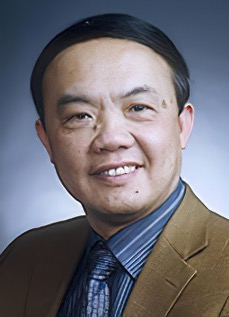 Jiannian Yao (姚建年)合作论文数Institute of Chemistry, Chinese Academy of Sciences;University of Chinese Academy of Sciences3Junming Du合作论文数3
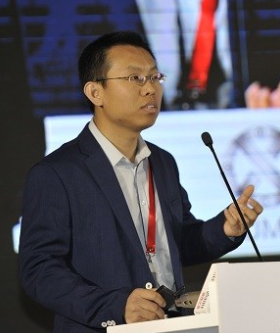 Jinghua Feng (冯景华)合作论文数国家超级计算天津中心3Yisu Yang合作论文数3Xiaoqian Zhu (朱小谦)合作论文数College of Computer, National University of Defense Technology, 410073 Changsha, Hunan, China3Yining Zhang合作论文数2Qing Zhao合作论文数2Siyuan Huang合作论文数2




