The goal of this talk will be to examine the role of objectively assessed sleep, physical activity, and circadian rhythms, and their interrelationships with mood and anxiety disorders as potential early markers of bipolar disorder and MDD in 3 studies of offspring of parents with mood disorders.
Corpse-removal behavior of the red imported fire ant (RIFA) and the effects of lethal substances on RIFA signal communication were investigated in this study. The RIFA corpses, obtained through freezing, ether, 0.25 mg/L thiamethoxam, and starvation to death treatments, and naturally dead red fire ants were subjected to gas chromatography–mass spectrometry to identify the cuticular hydrocarbon profiles that had an effect on the corpse-removal behavior. The results showed that lethal toxic substances altered the epidermal compounds of RIFA and affected their corpse-removal behavior. Lethal toxic substances increased the number of worker touches with corpses and identification time of corpses. In addition, the content of piperidine (1,1′-(1,2-ethanediyl)bis-) on the surface of the corpse was different following the various treatments. Contamination with toxic substances resulted in the increased secretion of piperidine and led to increased identification time of corpses, number of touch with corpses, and total time for removal of corpses. Piperidine content was higher under conditions of natural death (4.67 ± 0.55%) and with thiamethoxam (10.43 ± 0.78%), freezing (0.83 ± 0.25%), and ether treatment (12.50 ± 0.70%) than under starvation treatment (0). The higher content of piperidine led to a longer number of touches with corpses and identification time. Piperidine compounds may be an element in warning information, which could affect the occurrence of different corpse-removal behaviors.
Fatigue is a common "ghost" symptom in patients with multiple sclerosis (MS), an autoimmune disease mediated by T cells that target myelin antigens of the central nervous system. As fatigue has been associated with inflammatory states, its occurrence may negatively impact MS progression. The aim of this study was to evaluate the impact of fatigue on the cytokine profile of patients with relapsing-remitting (RR) MS. For our study, blood were collected from MS patients in clinical remission phase with (n = 15) and without (n = 15) fatigue. Cytokines were detected by ELISA in the plasma and supernatant collected from anti-CD3/anti-CD28-activated T cells or LPS-stimulated monocytes. In some wells, different doses of hydrocortisone (HC) were added at the beginning of the culture. Here, peripheral levels of IL-6 and TNF-α, as well as in vitro production of cytokines related to Th17 (IL-6, IL-17, IL-22, and GM-CSF) or Th1 (IFN-γ) phenotypes, were elevated in fatigued patients and their levels were associated with fatigue severity. The same phenomenon was observed between the production of IL-6, TNF-α, IL-1β, and IL-23 by monocytes and fatigue. Moreover, HC was less efficient in inhibiting in vitro inflammatory cytokine production in patients with fatigue, mainly those produced by both CD8+ T cells and monocytes. Our data, although preliminary, suggests that the occurrence of fatigue, by favoring the in vitro production of Th1/Th17-related cytokines and corticoid resistance, may negatively impact the course of MS.
 Kathleen R Merikangas合作论文数Information Resource Center, National Institute of Mental Health6
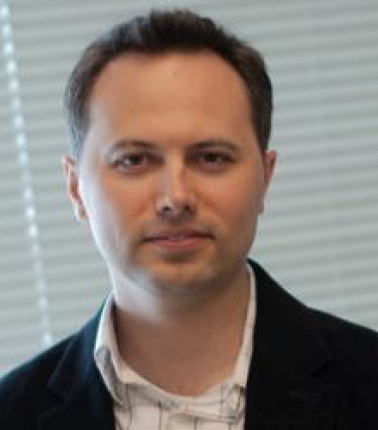 Vadim Zipunnikov合作论文数Biostatistics, Bloomberg School of Public Health, Johns Hopkins University4
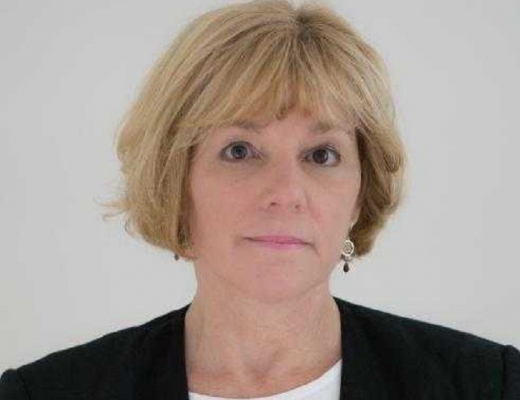 Judy L. Cameron合作论文数Department of Neuroscience, University of Pittsburgh3
 Guo Wei合作论文数3Lihong Cui合作论文数3Michael Milham合作论文数1
 Debangan Dey合作论文数Department of Biostatistics, Johns Hopkins Bloomberg School of Public Health1Andrew Leroux合作论文数Dept Biostat & Informat, Univ Colorado1
 Haochang Shou合作论文数Department of Biostatistics, Epidemiology and Informatics, Perelman School of Medicine, University of Pennsylvania1
 Carlos Zarate Jr合作论文数Division of Intramural Research Program, National Institute of Mental Health1Laura Almasy合作论文数1
 Ian Hickie合作论文数Faculty of Medicine and Health, The University of Sydney;Brain and Mind Centre, The University of Sydney1
 Jeffrey Rogers合作论文数Human Genome Sequencing Center, Baylor College of Medicine1Martin Preisig合作论文数1
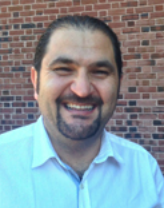 Samer Hattar合作论文数Section on Light and Circadian Rhythms, National Institute of Mental Health, National Institutes of Health1
 Diego C. Fernandez合作论文数School of Medicine, University of Morón1
 Neal D. Ryan合作论文数Department of Psychiatry, University of Pittsburgh;ETUDES Center, University of Pittsburgh1Timothy Q. Duong合作论文数1Mathilde M. Husky合作论文数New York State Psychiatric Institute, Columbia University1




