Background: The specific components of professional first-responder CPR (chest compressions and ventilations) are associated with clinical outcomes following out-of-hospital cardiac arrest (OHCA). Yet, this understanding about best-practices CPR is largely informed by observational rather than randomized evaluation. The First responder Airway and Compression rate Trial (FACT) will evaluate the survival effects of the professional first responder airway management and three compression rates.Design and Setting. FACT is a factorial, cluster-randomized, cross-over trial conducted in a large metropolitan region in the United States by Emergency Medical Services (EMS). Study interventions are allocated according to EMS agency every 4 months.Study subjects. The study plans to enroll ∼4200 adults with nontraumatic OHCA treated by first responder firefighter emergency medical technicians (EMTs).Interventions. Randomized interventions will include the initial EMT airway (mask or i-gel supraglottic airway) and the professional rescuer compression rate (100 or 110 or 120 compressions per minute). Inspiratory and expiratory ventilation volume will be assessed in a subset of subjects. Compression rates will be directed by metronome and assessed through review of the defibrillator recording.Outcomes. The primary outcome is survival to hospital discharge; secondary outcomes include return of spontaneous circulation at the end of EMS care and survival with favorable neurological status classified as Cerebral Performance Category of 1 or 2 at hospital discharge.Subgroup analyses. Planned subgroup analyses include intervention comparisons according to sex, initial rhythm, and BLS CPR strategy (30:2 and 10:1).Inference. Results of the FACT study may inform fundamental approaches to first responder CPR.Clinical Trial Registration: ClinicalTrials.org (NCT05969028)
BACKGROUND:Critically ill trauma and surgical patients are highly catabolic, with expected high protein needs. However, there is uncertainty regarding the amount of protein required to optimize their outcomes. We conducted a single-center, randomized clinical trial to test the hypothesis that supplementing enteral protein intake would improve outcomes. METHODS:Between November 15, 2016, and November 26, 2021, critically ill trauma and surgical patients were randomized either to a treatment arm aimed to deliver 2 g/kg/d of enteral protein or to standard nutritional care. Data were collected and subjects were followed until hospital discharge. Serum transthyretin concentration 14 to 21 days following intensive care unit admission and ventilator-free days were prespecified endpoints. RESULTS:We randomized 500 subjects who were predominantly male (77%), suffered traumatic injuries (86%), and had a median age of 47 years. Those in the treatment arm received twice the amount of protein than those in the control arm (1.2 ± 0.65 g/kg/d vs. 0.6 ± 0.39 g/kg/d averaged over the first 7 days of hospitalization; p < 0.001). We observed no significant difference in mean transthyretin concentrations (difference of means, 0.8 mg/dL; 95% confidence interval, -1.3 to 2.8; p value = 0.46) or ventilator-free days (difference of means, -1.1; 95% confidence interval, -2.8 to 0.6; p value = 0.21). Participants receiving supplemental protein had higher blood urea nitrogen concentrations and were more likely to require reintubation. CONCLUSION:In this clinical trial of critically ill trauma and surgical patients, protein supplementation did not improve outcomes but was associated with increased complications. LEVEL OF EVIDENCE:Therapeutic/Care Management; Level II.
BACKGROUND:N-of-1 trials compare two or more treatment options for a single participant. These trials have been used to study options for chronic conditions such as arthritis and attention deficit hyperactivity disorder. In addition, they have been suggested as a means to study interventions in rare populations that may not be tractable to include in standard clinical trials, such as treatment options for HIV-positive patients in need of organ transplant. Sequential monitoring of accruing data has been well-studied in traditional clinical trials, but these methods have not yet been implemented in N-of-1 trials. However, the option to validly stop an N-of-1 trial early could deliver faster decisions that could directly improve the patient's health. METHODS:In this work, we propose and evaluate a framework to (1) facilitate sequential monitoring in individual N-of-1 trials with a continuous outcome and (2) combine results across a series of already-completed sequentially monitored N-of-1 trials. By employing the block structure common to N-of-1 trials, we suggest that existing approaches to sequential monitoring may be employed when data from one N-of-1 trial are analyzed with a linear mixed-effects model. To combine results across a series of already-completed sequentially monitored N-of-1 trials, we propose combining the naive estimates from constituent trials in a random-effects model with inverse-variance weighting. We evaluate these proposals via simulation. RESULTS:We find that type 1 error can be substantially inflated for N-of-1 trials with a small number of planned blocks but can reach the nominal rate for trials with more planned blocks or those with larger numbers of periods per block or by using a t-value correction. For those settings with acceptable type 1 error, sequential monitoring results in similar power and on average earlier stopping compared with trials with no sequential monitoring. And, as expected, we find that including a larger number of constituent trials in a series reduces the mean-squared error of the combined point estimator. CONCLUSION:Under suitable design considerations, our proposed framework for sequential monitoring can support clinicians in providing important decisions earlier, on average, for patients engaged in N-of-1 trials.
Obstetric ultrasound (OBUS) is recommended as part of antenatal care for pregnant individuals worldwide. To better understand current uses of OBUS in low- and middle-income countries and perceptions regarding potential use of artificial intelligence (AI)-assisted OBUS, we conducted an anonymous online global survey. A total of 176 respondents representing 34 countries participated, including 41% physicians, 49% nurses or midwives, and 6% ultrasound technicians. Most had received OBUS training (72%), reported expertise (60%) and confidence (77%) in OBUS use, and had access to ultrasound (85%). Assessment of gestational age, fetal viability, fetal presentation, and multiple gestation were both the most common OBUS uses and among the most highly prioritized for AI-assisted OBUS development. Most respondents noted ultrasound access was important (84%) and agreed that OBUS improves quality of care (98%) and patient outcomes (97%). Of the 34% expressing reservations associated with using AI-assisted OBUS, healthcare providers not understanding the technology (71%), misdiagnosis (62%), and cost (59%) were the most common. Better understanding the OBUS user, the pregnant individual, and the context, and taking care to ensure responsible, sustainable, and inclusive development and use of AI-assisted OBUS will be critical to successful integration and implementation and to increasing access to OBUS.
BACKGROUND:Despite prophylactic platelet transfusions, hypoproliferative thrombocytopenia is associated with bleeding; historical risk factors include hematocrit (HCT) ≤ 25%, activated partial thromboplastin time ≥ 30 s, international normalized ratio ≥ 1.2, and platelets ≤ 5000/μL. METHODS:We performed a post hoc analysis of bleeding outcomes and risk factors in participants with hematologic malignancy and hypoproliferative thrombocytopenia enrolled in the American Trial to Evaluate Tranexamic Acid Therapy in Thrombocytopenia (A-TREAT) and randomized to receive either tranexamic acid (TXA) or placebo. RESULTS:World Health Organization (WHO) grade 2+ bleeding occurred in 46% of 330 participants, with no difference between the TXA (44%) and placebo (47%) groups (p = 0.66). Overall, the most common sites of bleeding were oronasal (18%), skin (17%), gastrointestinal (11%), and genitourinary (11%). Among participants of childbearing potential, 28% experienced vaginal bleeding. Platelets ≤5000/μL and HCT < 21% (after adjusting for severe thrombocytopenia) were independently associated with increased bleeding risk (HR 3.78, 95% CI 2.16-6.61; HR 2.67, 95% CI 1.35-5.27, respectively). Allogeneic stem cell transplant was associated with nonsignificant increased risk of bleeding versus chemotherapy alone (HR 1.34, 95% CI 0.94-1.91). DISCUSSION:The overall rate of WHO grade 2+ bleeding was similar to previous reports, albeit with lower rates of gastrointestinal bleeding. Vaginal bleeding was common in participants of childbearing potential. Platelets ≤5000/μL remained a risk factor for bleeding. Regardless of platelet count, bleeding risk increased with HCT < 21%, suggesting a red blood cell transfusion threshold above 21% should be considered to mitigate bleeding. More investigation is needed on strategies to reduce bleeding in this population.
Objective:We sought to determine if standard influenza and pneumococcal vaccines can be used to stimulate HIV reservoirs during antiretroviral therapy (ART).Design:A prospective, randomized, double-blinded, placebo-controlled, crossover trial of two clinically recommended vaccines (influenza and pneumococcal).Methods:Persons with HIV on ART (N = 54) were enrolled in the clinical trial. Blood was collected at baseline and days 2,4,7,14, and 30 postimmunizations. Levels of cellular HIV RNA and HIV DNA were measured by ddPCR. Expression of immunological markers on T cell subsets was measured by flow cytometry. Changes in unspliced cellular HIV RNA from baseline to day 7 postinjection between each vaccine and placebo was the primary outcome.Results:Forty-seven participants completed at least one cycle and there were no serious adverse events related to the intervention. We observed no significant differences in the change in cellular HIV RNA after either vaccine compared with placebo at any timepoint. In secondary analyses, we observed a transient increase in total HIV DNA levels after influenza vaccine, as well as increased T cell activation and exhaustion on CD4+ T cells after pneumococcal vaccine.Conclusion:Clinically recommended vaccines were well tolerated but did not appear to stimulate the immune system strongly enough to elicit significantly noticeable HIV RNA transcription during ART.Clinicaltrials.gov identifier: NCT02707692.Conclusion:Clinically recommended vaccines were well tolerated but did not appear to stimulate the immune system strongly enough to elicit significantly noticeable HIV RNA transcription during ART.Clinicaltrials.gov identifier: NCT02707692.
Background: Tranexamic acid (TXA) is an antifibrinolytic agent that reduces bleeding in a multitude of clinical settings from postpartum hemorrhage to trauma. TXA may have clinical effects unrelated to bleeding; plasminogen, the target of TXA, alters immune responses, and TXA appears to decrease the risk of infection in patients undergoing cardiac surgery, as well as joint arthroplasty. Objectives: To address whether TXA alters rates of infection and inflammatory outcomes in patients with hematologic malignancies. Methods: We performed a post hoc analysis of outcomes of patients randomized to receive either TXA or placebo in the double-blinded, multicenter American Trial to Evaluate Tranexamic Acid Therapy in Thrombocytopenia (Clinicaltrials.gov identifier: Results: TXA did not change the overall rate of infections, but the rate of severe infections (Common Toxicology Criteria for Adverse Events grade 3+) was lower in patients who received TXA compared with the placebo group. Patients who experienced grade 3+ infections had higher rates of World Health Organization grade 2+ bleeding and red blood cell transfusion requirements than patients who did not experience a grade 3+ infection, irrespective of treatment group. TXA did not impact other inflammatory outcomes such as mucositis, rash, or graft vs host disease. Conclusion: Patients with hematologic malignancies who received TXA had less severe infections than those who received placebo with no difference in overall rate of infection or other inflammatory outcomes. Further investigation is needed on the impact of TXA on infections in this population.
The American Trial Using Tranexamic Acid (TXA) in Thrombocytopenia (A-TREAT, NCT02578901) demonstrated no superiority of TXA over placebo in preventing World Health Organization (WHO) grade 2 or higher bleeding in patients with severe thrombocytopenia requiring supportive platelet transfusion following myeloablative therapy for hematologic disorders. In this ancillary study, we sought to determine whether this clinical outcome could be explained on the basis of correlative assays of fibrinolysis. Plasma was collected from A-TREAT participants (n = 115) before the initiation of study drug (baseline) and when TXA was at steady-state trough concentration (follow-up). Global fibrinolysis was measured by 3 assays: euglobulin clot lysis time (ECLT), plasmin generation (PG), and tissue-type plasminogen activator (tPA)-challenged clot lysis time (tPA-CLT). TXA was quantified in follow-up samples by tandem mass spectrometry. Baseline samples did not demonstrate fibrinolytic activation by ECLT or tPA-CLT. Furthermore, neither ECLT nor levels of plasminogen activator inhibitor-1, tPA, plasminogen, alpha2-antiplasmin, or plasmin-antiplasmin complexes were associated with a greater risk of WHO grade 2+ bleeding. TXA trough concentrations were highly variable (range, 0.7-10 mu g/mL) and did not correlate with bleeding severity, despite the fact that plasma TXA levels correlated strongly with pharmacodynamic assessments by PG (Spearman r, -0.78) and tPA-CLT (r, 0.74). We conclude that (1) no evidence of fibrinolytic activation was observed in these patients with thrombocytopenia, (2) trough TXA concentrations varied significantly between patients receiving the same dosing schedule, and (3) tPA-CLT and PG correlated well with TXA drug levels.
Point-of-care ultrasound has the potential to help inform assessment, diagnosis, and management of illness in low- and middle-income countries (LMIC). To better understand current ultrasound use, barriers and facilitators to use, and perceptions and practices in LMIC, we conducted an anonymous online global survey targeting healthcare providers training and using ultrasound in LMIC. A total of 241 respondents representing 62 countries participated and most were physicians working in publicly-funded urban tertiary hospitals in LMIC. Most had received ultrasound training (78%), reported expertise (65%) and confidence (90%) in ultrasound use, and had access to ultrasound (88%), utilizing ultrasound most commonly for procedures and for evaluations of lungs, heart, and trauma. Access to an ultrasound machine was reported as both the top barrier (17%) and top facilitator (53%); other common barriers included access to education and training, cost, and competition for use and other common facilitators included access to a probe, gel, and electricity, and acceptance by healthcare providers, administrators, and patients. Most (80%) noted ultrasound access was important and 96% agreed that ultrasound improves quality of care and patient outcomes. Improving access to low-cost ultrasound equipment is critical to increasing ultrasound use among those who are trained.
Introduction Despite prophylactic platelet transfusions, World Health Organization (WHO) grade ≥ 2 bleeding occurs in 50 to 70% of patients with hematologic malignancies and hypoproliferative thrombocytopenia secondary to therapy and/or underlying disease (Gernsheimer et al, Blood 2022). Anemia (hematocrit, HCT ≤ 25%), coagulopathy (activated partial thromboplastin time ≥ 30s, international normalized ratio ≥ 1.2), and platelet count ≤ 5000/µl were independently associated with increased risk of bleeding in the PLADO (platelet dose) trial of 1272 patients with hypoproliferative thrombocytopenia treated between 2004 to 2007 (Uhl et al, Blood 2017). Updated data on bleeding outcomes and risk of bleeding is lacking. Methods We performed a post-hoc analysis of bleeding outcomes and bleeding risk factors in 330 patients with hematologic malignancy and hypoproliferative thrombocytopenia from therapy and/or underlying disease randomized at 3 institutions to receive either tranexamic acid (TXA) or placebo in the double-blinded, multicenter American Trial to Evaluate Tranexamic Acid Therapy in Thrombocytopenia (A-TREAT) (Gernsheimer et al, Blood 2022). Patients received prophylactic platelet transfusions for a platelet count of ≤ 10,000/µl and WHO grade bleeding was assessed daily for 30 days after a platelet count ≤ 30,000/µl and study drug was started. Study drug was discontinued when platelet count was ≥ 30,000/ul for 46 hours without platelet transfusion support or until a maximum of 30 days after treatment activation, whichever came first. Red blood cell (RBC) transfusion was given according to local standard of care. Cox proportional hazards regression with time-varying covariates was used to assess the association of patient characteristics with the risk of a first major (grade 2+) bleeding event. HCT, platelet count, inpatient vs. outpatient status, steroid treatment, and fever were recorded daily. Patients were censored at the first of time of withdrawal, death, or day 30. Results WHO grade ≥ 2 bleeding occurred in 46% of patients overall with no difference between the TXA and placebo groups (TXA 44% versus placebo 47%, p=0.66). Bleeding rates were highest in allogeneic stem cell transplant patients, followed by chemotherapy, followed by autologous stem cell transplant. Overall bleeding rates by organ system showed oral and nasal (18%), skin (17%), gastrointestinal (11%), and genitourinary (11%) bleeding (Table 1). WHO grade ≥ 2 vaginal bleeding occurred in 28% of patients of childbearing potential despite widespread use of hormonal suppression. In a proportional hazards regression model of time to first bleeding event, undergoing allogeneic stem cell transplant was associated with a non-significant increased hazard of bleeding vs chemotherapy (HR 1.32, 95% CI 0.92-1.89), whereas autologous transplant had significantly lower hazard of bleeding vs chemotherapy (HR 0.39, 95% CI 0.20-0.76) (Table 2). HCT < 21% was associated with increased bleeding risk even after adjusting for severe thrombocytopenia (HR 2.71, 29% CI 1.37, 5.36). Platelet count < 5000/µl was also associated with increased risk (HR 3.33, 95% CI 1.67-6.61). Inpatient status, presence of fever, and age did not significantly impact risk of first bleed. Conclusions The overall rate of WHO grade >2 bleeding was similar to historical literature with lower rates of gastrointestinal bleeding than previously reported (31% in PLADO). Vaginal bleeding was common despite standard use of hormonal suppression in patients of childbearing potential. Platelet count < 5000/µl remains a risk factor for bleeding. Regardless of platelet count, bleeding risk increased with HCT < 21% suggesting a red blood cell transfusion threshold higher than 21% is unlikely to mitigate bleeding. More investigation is needed on strategies to reduce bleeding in this patient population.
Background Inability to return to work (RTW) is common after acute respiratory distress syndrome (ARDS). Mismatch in an individual’s job workload and his or her functional ability, termed work ability imbalance, is negatively associated with RTW, but has not been evaluated in ARDS survivors. Object We examine associations between work ability imbalance at 6 months and RTW at 6 months and 12 months, as well as the ability to sustain employment in ARDS survivors. Methods Previously employed participants from the ARDS Network Long-Term Outcomes Study (N=341) were evaluated. Pre-ARDS workload was determined based on the US Occupational Information Network classification. Post-ARDS functional ability was assessed using self-reported 36-Item Short Form Health Survey (SF-36) physical functioning, social functioning and mental health subscales, and Mini-Mental State Examination. ARDS survivors were categorised into four work ability imbalance categories: none, psychosocial, physical, and both psychosocial and physical. Results Almost 90% of ARDS survivors had a physical and/or psychosocial work ability imbalance at both 6-month and 12-month follow-up. Compared with survivors with no imbalance at 6 months, those with both physical and psychosocial imbalance had lower odds of RTW (6 months: OR=0.33, 95% CI=0.13 to 0.82; 12 months: OR=0.22, 95% CI=0.07 to 0.65). Thirty-eight (19%) of those who ever RTW were subsequently jobless at 12 months. Conclusion Interventions aimed at rebalancing ARDS survivors’ work ability by addressing physical and psychosocial aspects of their functional ability and workload should be explored as part of efforts to improve RTW, maintain employment and reduce the financial impact of joblessness.
Abstract Background Pneumonia is the leading infectious cause of death in children aged under 5 years in low- and middle-income countries (LMICs). World Health Organization (WHO) pneumonia diagnosis guidelines rely on non-specific clinical features. We explore chest radiography (CXR) findings among select children in the Innovative Treatments in Pneumonia (ITIP) project in Malawi in relation to clinical outcomes. Methods When clinically indicated, CXRs were obtained from ITIP-enrolled children aged 2 to 59 months with community-acquired pneumonia hospitalized with treatment failure or relapse. ITIP1 (fast-breathing pneumonia) and ITIP2 (chest-indrawing pneumonia) trials enrolled children with non-severe pneumonia while ITIP3 enrolled children excluded from ITIP1 and ITIP2 with severe pneumonia and/or selected comorbidities. A panel of trained pediatricians classified the CXRs using the standardized WHO CXR research methodology. We analyzed the relationship between CXR classifications, enrollee characteristics, and outcomes. Results Between March 2016 and June 2018, of 114 CXRs obtained, 83 met analysis criteria with 62.7% (52/83) classified as having significant pathology per WHO standardized interpretation. ITIP3 (92.3%; 12/13) children had a higher proportion of CXRs with significant pathology compared to ITIP1 (57.1%, 12/21) and ITIP2 (57.1%, 28/49) (p-value = 0.008). The predominant pathological CXR reading was “other infiltrates only” in ITIP1 (83.3%, 10/12) and ITIP2 (71.4%, 20/28), while in ITIP3 it was “primary endpoint pneumonia”(66.7%, 8/12,; p-value = 0.008). The percent of CXRs with significant pathology among children clinically cured (60.6%, 40/66) vs those not clinically cured (70.6%, 12/17) at Day 14 was not significantly different (p-value = 0.58). Conclusions In this secondary analysis we observed that ITIP3 children with severe pneumonia and/or selected comorbidities had a higher frequency of CXRs with significant pathology, although these radiographic findings had limited relationship to Day 14 outcomes. The proportion of CXRs with “primary endpoint pneumonia” was low. These findings add to existing data that additional diagnostics and prognostics are important for improving the care of children with pneumonia in LMICs. Trial registration ITIP1, ITIP2, and ITIP3 were registered with ClinicalTrials.gov ( NCT02760420 , NCT02678195 , and NCT02960919 , respectively).
Amoxicillin is recommended as first-line antibiotic treatment for community-acquired pneumonia, the leading infectious cause of mortality in children aged less than 5 years. We conducted a double-blind, randomized controlled non-inferiority trial comparing 3- to 5-day amoxicillin treatment for non-severe chest-indrawing pneumonia in HIV-negative children aged 2 to 59 months in Malawi. In a secondary analysis, we assessed the frequency of serious adverse events (SAEs) during the trial to evaluate the safety of treatment with amoxicillin. Enrolled children with non-severe chest-indrawing pneumonia were randomized to either 3- or 5-day amoxicillin and followed for 14 days to track clinical outcomes. In addition to evaluation for treatment failure (primary endpoint, day 6), relapse, and study drug adherence, children were assessed for adverse events, including SAEs, which were managed per local standard clinical practice until resolution or stabilization. Between March 2016 and April 2019, 3000 children were enrolled, with male and younger children (aged less than 24 months) demonstrating more SAEs (10.3% for males vs 8.1% for females, p = 0.04; 10.0% for 2–6 months, 10.8% for 7–11 months, 9.7% for 12–23 months and 5.6% for 24–59 months, p = 0.01). The most common SAEs were progression of or recurrent pneumonia (220 SAEs in 217 children), acute gastroenteritis (14 SAEs in 14 children), and fever (8 SAEs in 8 children); however, there were no significant or substantive differences in the percentage of children with pneumonia-related, acute gastroenteritis, or fever SAEs noted between the 3- versus 5-day amoxicillin treatment groups. In our pediatric community-acquired pneumonia trial evaluating amoxicillin treatment, there were relatively few SAEs overall and very few attributed to amoxicillin. Duration of amoxicillin treatment did not impact the frequency of SAEs. We found male and younger children appear to be more vulnerable to SAEs in our trial; however, our data support previous data demonstrating the safety of amoxicillin use in children with pneumonia. Clinical trial registration: ClinicalTrials.gov (NCT02678195).
Evidence of the effectiveness of prophylactic use of tranexamic acid (TXA) in thrombocytopenia is lacking. To determine whether TXA safely reduces bleeding incidence in patients undergoing treatment for hematologic malignancies, a randomized, double-blind clinical trial was conducted from June 2016 through June 2020. Of 3120 screened adults, 356 patients were eligible and enrolled, and 337 patients (mean age, 53.9; 141 [41.8%] women), randomized to 1300 mg TXA orally or 1000 mg TXA through IV (n = 168) vs placebo (n = 169) thrice daily for maximum 30 days. Three hundred thirty patients were activated when their platelet counts fell below 30000 per mu L; 279 (83%) had complete outcome ascertainment. World Health Organization (WHO) grade >= 2 bleeding was observed in the 30 days following activation in 50.3% (73/145) and 54.2% (78/144) of patients in the TXA and placebo groups, with an adjusted odds ratio of 0.83 (95% confidence interval [CI], 0.50-1.34; P = .44). There was no statistically significant difference in the mean number of platelet transfusions (mean difference, 0.1; 95% CI, -1.9 to 2.0), mean days alive without grade >= 2 bleeding (mean difference, 0.8; 95% CI, -0.4 to 2.0), thrombotic events (6/163 [3.7%] TXA, 9/163 [5.5%] placebo), or deaths due to serious bleeding. Most common adverse events were: diarrhea (116/164 [70.7%] TXA and 114/163 [69.9%] placebo); febrile neutropenia (111/164 [67.7%] TXA, 105/163 [64.4%] placebo); fatigue (106/164 [64.6%] TXA, 109/163 [66.9%] placebo); and nausea (104/164 [63.4%] TXA, 97/163 [59.5%] placebo). Among patients with hematologic malignancy undergoing chemotherapy or hematopoietic stem cell transplantation, prophylactic treatment with TXA compared with placebo did not significantly reduce the risk of WHO grade >= 2 bleeding.
Patient-reported outcomes (PRO) represent a cornerstone in the management of patients with rheumatoid arthritis (RA). However, PRO are currently recorded mainly on paper and only during on-site appointments. Electronic PRO (ePRO) enable continuous remote monitoring and could improve shared decision-making (SDM) and implementation of a treat-to-target (T2T) approach. This study aims to investigate patient and physician experiences, perceived drawbacks and benefits of using an ePRO web-app (ABATON RA) to digitally support SDM and T2T. A qualitative study embedded in a multicenter randomized controlled trial (RCT) consisting of interviews with RA patients and physicians that were subsequently analyzed using deductive-inductive qualitative content analysis. Between August 2021 and May 2022, interviews with ten RA patients and five physicians were completed. Three key themes emerged in the analysis: (i) App user experiences; (ii) perceived drawbacks of app-supported rheumatology care; and (iii) perceived benefits of app-supported rheumatology care. Continuous ePRO collection and a high level of standardization strained some RA patients. Certain ePRO seemed outdated and were hard to understand. Patients and physicians appreciated having an improved overview of disease activity, capturing disease flares and continuous remote monitoring. Paper- and time-saving were associated with using ePRO. Physicians feared to become too focused on ePRO data, stressed the lack of ePRO monitoring reimbursement and app interoperability. For RA patients and physicians, benefits seemed to outweigh observed drawbacks of the digitally supported SDM using ePRO. The software was easy to use and could lead to a better understanding of the individual disease course, resource allocation and treatment of rheumatoid arthritis.
BACKGROUND: Joblessness is common after ARDS, but related risk factors are not fully understood. RESEARCH QUESTION: What is the association between survivors' pre-ARDS workload and post-ARDS functional impairment, pain, and fatigue with their return to work (RTW) status? STUDY DESIGN AND METHODS: The U.S. Occupational Information Network (O*NET) was used to determine pre-ARDS workload for participants in the ARDS Network Long-Term Outcomes Study (ALTOS). Post-ARDS functional impairment was assessed using the Mini-Mental State Examination and SF-36 Physical Functioning, Social Functioning, and Mental Health sub-scales, and categorized as either no impairments, only psychosocial impairment, physical with low psychosocial impairment, or physical with high psychosocial impairment. Post-ARDS pain and fatigue were assessed using the SF-36 pain item and Functional Assessment of Chronic Illness Therapy-Fatigue Scale fatigue scale, respectively. Generalized linear mixed modeling methods were used to evaluate associations among pre-ARDS workload, post-ARDS functional impairment, and symptoms of pain and fatigue with post-ARDS RTW. RESULTS: Pre-ARDS workload was not associated with post-ARDS RTW. However, as compared with survivors with no functional impairment, those with only psychosocial impairment (OR [CI]: 0.18 [0.06-0.50]), as well as physical impairment plus either low psychosocial impairment (0.08 [0.03-0.22]) or high psychosocial impairment (0.01 [0.003-0.05]) had lower odds of working. Pain (0.06 [0.03-0.14]) and fatigue (0.07 [0.03-0.16]) were also negatively associated with RTW. INTERPRETATION: For previously employed survivors of ARDS, post-ARDS psychosocial and physical impairments, pain, and fatigue were negatively associated with RTW, whereas pre-ARDS workload was not associated. These findings are important for designing and implementing vocational interventions for ARDS survivors.
BACKGROUND:Platform trials facilitate efficient use of resources by comparing multiple experimental agents to a common standard of care arm. They can accommodate a changing scientific paradigm within a single trial protocol by adding or dropping experimental arms-critical features for trials in rapidly developing disease areas such as COVID-19 or cancer therapeutics. However, in these trials, efficacy and safety issues may render certain participant subgroups ineligible to some experimental arms, and methods for stratified randomization do not readily apply to this setting. METHODS:We propose extensions for conventional methods of stratified randomization for platform trials whose experimental arms may differ in eligibility criteria. These methods balance on a prespecified set of stratification variables observable prior to arm assignment that remains the same across experimental arms. To do so, we suggest modifying block randomization by including experimental arm eligibility as a stratifying variable, and we suggest modifying the imbalance score calculation in dynamic balancing by performing pairwise comparisons between each eligible experimental arm and standard of care arm participants eligible to that experimental arm. RESULTS:We provide worked examples to illustrate the proposed extensions. In addition, we also provide a formula to quantify the relative efficiency loss of platform trials with varying eligibility compared with trials with non-varying eligibility as measured by the size of the common standard of care arm. CONCLUSIONS:This article presents important extensions to conventional methods for stratified randomization in order to facilitate the implementation of platform trials with differing experimental arm eligibility.
The null distribution of the likelihood ratio test (LRT) of a onecomponent normal model versus two-component normal mixture model is unknown.In this paper, we take a bootstrap approach to the likelihood ratio test for testing bimodality of plasma glucose concentrations from Rancho Bernardo Diabetes Study.The small p-values from this approach support the hypothesis that a bimodal normal mixture model fits the data significantly better than a unimodal normal model.The size and power of the bootstrap based LRT are evaluated through simulations.The results suggest that a sample size of close to 500 would be necessary in order to attain a power of 90% for detecting the unbalanced mixtures with means and variances similar to those in the Rancho Bernardo data.Besides sample size, the power also depends on the two means and variances of the two components in the data.
•Comparison of fast-breathing vs chest-indrawing community-acquired pneumonia.•Male and younger children appear more vulnerable to chest-indrawing pneumonia.•Understanding sex-, age-, and nutrition-related differences informs interventions.
 Ahamed H. Idris合作论文数24Ginsburg Amy Sarah合作论文数22
 David Hosmer合作论文数Department of Mathematics and Statistics, College of Engineering and Mathematical Sciences, University of Vermont;Department of Biostatistics and Epidemiology, School of Public Health and Health Sciences, University of Massachusetts22
 Tom P. Aufderheide合作论文数Department of Emergency Medicine, Medical College of Wisconsin21Robert H. Schmicker合作论文数21
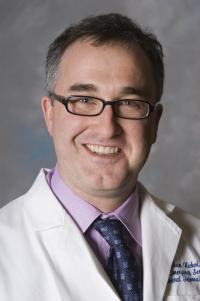 Graham Nichol合作论文数Division of General Internal Medicine, University of Washington20
 Siobhan P Brown合作论文数19
 Mohamud Daya合作论文数Department of Emergency Medicine, School of Medicine, Oregon Health & Science University18
 Stanley Lemeshow合作论文数College of Public Health, The Ohio State University;Institute for Behavioral Medicine Research, Wexner Medical Center, The Ohio State University18
 Peter J. Kudenchuk合作论文数Division of Cardiology, Arrhythmia Services, Department of Medicine, University of Washington;University of Washington Medical Center17
 Laurie Morrison合作论文数Sunnybrook Health Science Centre, Institute of Medical Science, Department of Emergency, Temerty Faculty of Medicine, University of Toronto15
 Jim Christenson合作论文数University of British Columbia15Henry E Wang合作论文数14Herren Heather合作论文数12
 George Sopko合作论文数National Heart Lung and Blood Institute, National Institutes of Health12
 Eileen M. Bulger合作论文数Harborview Medical Center;University of Washington12Judy Powell合作论文数11
 David Smith合作论文数Department of Medicine, School of Medicine, University of California10
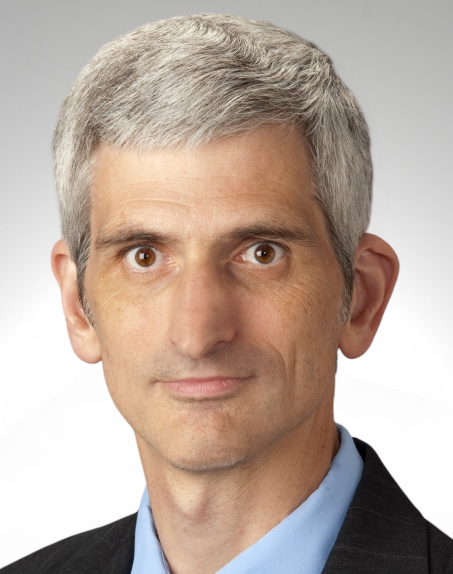 Clifton Callaway合作论文数Department of Emergency Medicine, School of Medicine, University of Pittsburgh;UPMC Health Plan10
 Mvalo Tisungane合作论文数10
 Myron L. Weisfeldt合作论文数Department of Medicine, School of Medicine, Johns Hopkins University;Johns Hopkins Technology Ventures10
 David B. Hoyt合作论文数Department of Surgery, School of Medicine, University of California, Irvine10
 Jeffrey D. Kerby合作论文数Division of Trauma and Acute Care Surgery, Department of Surgery, Heersink School of Medicine, The University of Alabama at Birmingham;Regional Paramedic Services, Inc.;720th Special Tactics Group9
 Thomas Rea合作论文数Division of General Internal Medicine, University of Washington9Evangelyn Nkwopara合作论文数8
 McCollum Eric D合作论文数Baylor International Pediatric AIDS Initiative, Baylor College of Medicine8Shannon Stephens合作论文数8
 Martin A. Schreiber合作论文数Division of Trauma, Critical Care and Acute Care Surgery, School of Medicine, Oregon Health & Science University8
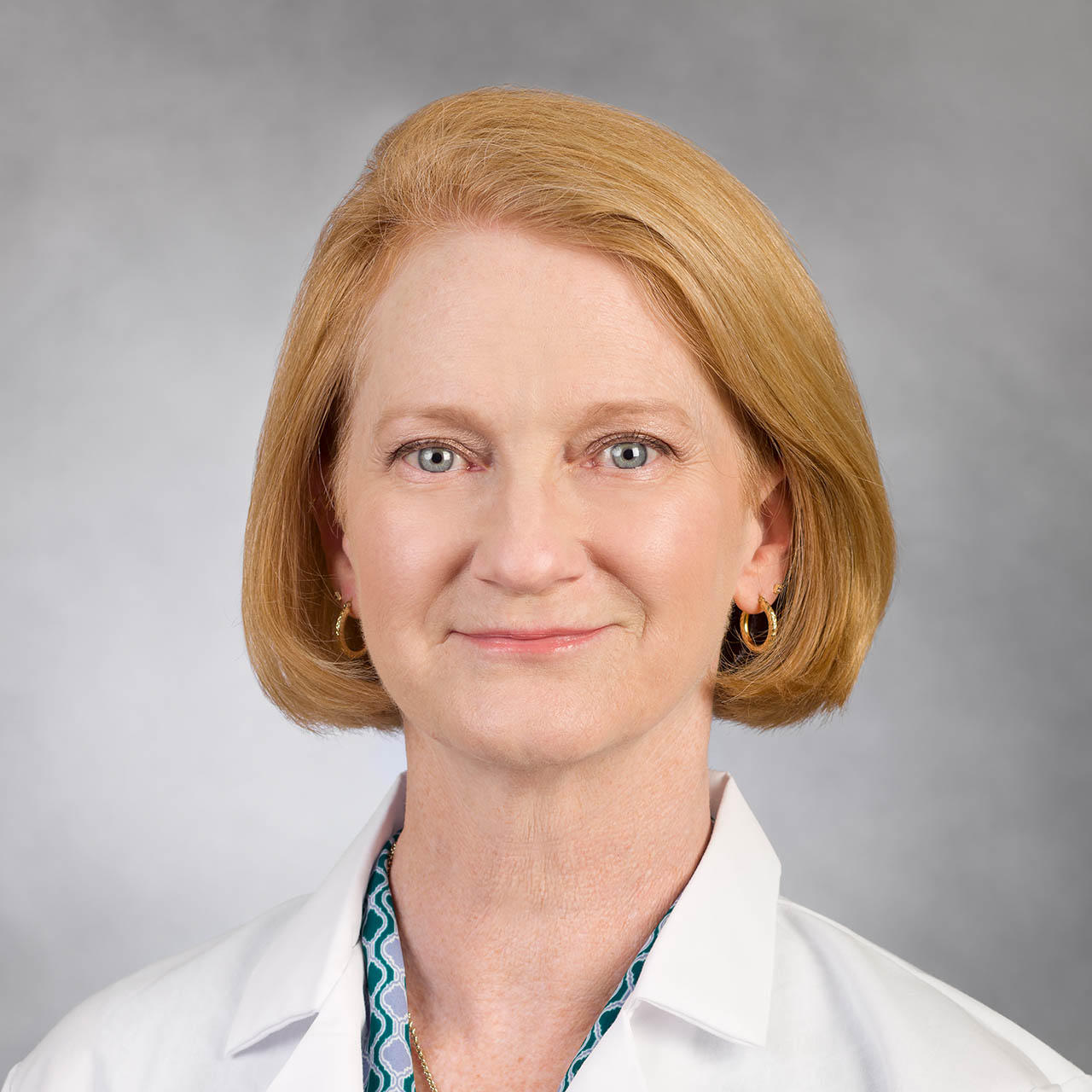 Susan Little合作论文数Office of Clinical Research Health Sciences, University of California, San Diego Health;Department of Medicine, Division of Infectious Diseases and Global Public Health, School of Medicine, University of California, San Diego8Nahed El Kassar合作论文数7Jun Hwang合作论文数7Terry Gernsheimer合作论文数7
 Douglas D. Richman合作论文数San Diego Center for AIDS Research;School of Medicine, University of California San Diego7
 Gary Vilke合作论文数School of Medicine, University of California San Diego7
 Christian Vaillancourt合作论文数Ottawa Health Research Institute, Clinical Epidemiology Program/Department of Emergency Medicine, University of Ottawa7
 Darrell J. Triulzi合作论文数Institute for Transfusion Medicine, School of Medicine, University of Pittsburgh;Division of Transfusion Medicine, Department of Pathology, University of Pittsburgh7Virginia A. Clark合作论文数7
 Nigel S. Key合作论文数Lineberger Comprehensive Cancer Center, School of Medicine, The University of North Carolina7Scott S. Emerson合作论文数7Abdelmonem A. Afifi合作论文数7Ajib Phiri合作论文数7Robin A. Donatello合作论文数6Richard Haubrich合作论文数6
 Ian Stiell合作论文数Department of Emergency Medicine, University of Ottawa;Clinical Epidemiology Unit, Ottawa Hospital Research Institute, University of Ottawa6
 Jason Buick合作论文数University of Toronto;Ornge6
 Norman N Lufesi合作论文数6Karen J. Brasel合作论文数6
 Joseph P. Minei合作论文数Department of Surgery,UT Southwestern Medical Center6
 Michael R. Sayre合作论文数Department of Emergency Medicine, The Ohio State University6




