The purpose of this review is to provide an updated overview of recent findings and trends in heart transplantation among female patients in the United States. Female patients continue to make up a smaller proportion of both transplant recipients and those on the waiting list and tend to experience longer wait times for transplantation. However, under the new allocation system, some positive shifts have emerged. Outcomes for female patients with ventricular assist devices have improved, and women are now being transplanted earlier than men, with more receiving a transplant within six months of listing. Additionally, offer acceptance rates for female candidates have increased. In pediatric transplantation, the proportion of female patients on the waitlist has also risen. Despite these advancements, significant challenges persist. Women continue to face lower levels of social and emotional support, higher rates of vascular complications, and reduced utilization of mechanical circulatory support. Although women remain underrepresented in heart transplantation, emerging trends suggest improvements in certain areas, potentially due to the new allocation system. Continued efforts are needed to further address and mitigate these disparities.
To review current artificial intelligence (AI) applications impacting cardiovascular disease care in women. Women differ from men in cardiovascular anatomy, physiology, presentation, and treatment response, yet face disparities due to underrepresentation in trials and referral bias. AI applications offer promising tools to close these gaps by enhancing screening, diagnosis, monitoring, and treatment. This review explores female representation, outcomes, and future directions in AI-driven advancements in coronary artery disease, heart failure with preserved ejection fraction, valvular heart disease, ischemic and nonischemic cardiomyopathies, including peripartum cardiovascular disease. AI holds the potential to transform cardiovascular disease care in women by leveraging multidimensional datasets for sex-specific screening, risk prediction, prognostic phenomapping and therapeutic decision support. Expanding female representation and integrating sex-specific factors in AI research are essential to minimize bias, ensure robust external validation and enable equitable, scalable implementation.
To provide an updated summary of the burden and care of cardiovascular disease in women veterans. Women veterans can develop atherosclerotic cardiovascular disease at a much earlier age of 30 years compared to non-veteran women. Those who experienced chronic stress and environmental exposures were more likely to develop early menopause and premature coronary artery disease. Despite major improvements in therapeutic options for cardiovascular disease, the mortality rate of women veterans continues to rise while that of their counterparts has steadily decreased. Women veterans is the fastest growing group of the veteran population. This is a unique and diverse population with a complex intersection of traditional, sex-specific, and military service-related risks for cardiovascular disease. They have a higher prevalence of both traditional and non-traditional risk factors compared to non-veteran women and are especially impacted by depression, post-traumatic stress syndrome, military sexual trauma, and housing instability.
To provide a comprehensive review of cardiovascular risks associated with premature menopause. Premature menopause, defined as permanent cessation of menstruation before the age of 40, is associated with an increased risk of developing cardiovascular disease. A variety of disease states and treatment exposures can lead to premature menopause resulting in a growing population of women at risk for the development of cardiovascular disease. This review summarizes current data substantiating the adverse cardiovascular outcomes seen in premature ovarian insufficiency, surgical menopause, polycystic ovarian syndrome, and cancer treatment-induced menopause. Premature menopause significantly increases the risk of long-term cardiovascular events. Multidisciplinary healthcare models that emphasize screening women with premature menopause for cardiovascular risk factors are essential to improving the cardiovascular health and longevity of this vulnerable population.
To summarize the current understanding of the impact of mental health conditions on cardiovascular disease in women. Chronic psychological stress, anxiety, depression, post-traumatic stress disorder, adverse childhood experiences, and sexual trauma are strongly associated with a higher prevalence of cardiovascular disease and worse outcomes in women, especially in women veterans. Autonomic dysregulation, pro-inflammatory responses, and maladaptive behaviors play important roles in the interplay between mental and cardiovascular health. Stress management strategies offer cardiovascular benefits. Mental health conditions and psychosocial stress have emerged as important non-traditional risk factors for the development cardiovascular disease in women. They disproportionately affect women and are associated with a significantly higher risk of adverse cardiovascular health. Mental health disorders produce adverse effects on the vascular, immune, inflammatory, and metabolic processes and can lead to unhealthy lifestyle choices, which collectively can exacerbate cardiovascular disease. Effective management strategies require integrated care.
Improvements in early detection and treatment of gynecologic malignancies have led to an increasing number of survivors who are at risk of long-term cardiac complications from cancer treatment. Multimodality therapies for gynecologic malignancies, including conventional chemotherapy, targeted therapeutics, and hormonal agents, place patients at risk of cancer therapy-related cardiovascular toxicity during and following treatment. Although the cardiotoxicity associated with some female predominant cancers (eg, breast cancer) have been well recognized, there has been less recognition of the potential adverse cardiovascular effects of anticancer therapies used to treat gynecologic malignancies. In this review, the authors provide a comprehensive overview of the cancer therapeutic agents used in gynecologic malignancies, associated cardiovascular toxicities, risk factors for cardiotoxicity, cardiac imaging, and prevention strategies. (J Am Coll Cardiol CardioOnc 2023;5:159-173 ) (c) 2023 Published by Elsevier on behalf of the American College of Cardiology Foundation. This is an open access article under the CC BY-NC-ND license (http://creativecommons.org/licenses/by-nc-nd/4.0/).
Improvements in early detection and treatment of gynecologic malignancies have led to an increasing number of survivors who are at risk of long-term cardiac complications from cancer treatment. Multimodality therapies for gynecologic malignancies, including conventional chemotherapy, targeted therapeutics, and hormonal agents, place patients at risk of cancer therapy-related cardiovascular toxicity during and following treatment. Although the cardiotoxicity associated with some female predominant cancers (eg, breast cancer) have been well recognized, there has been less recognition of the potential adverse cardiovascular effects of anticancer therapies used to treat gynecologic malignancies. In this review, the authors provide a comprehensive overview of the cancer therapeutic agents used in gynecologic malignancies, associated cardiovascular toxicities, risk factors for cardiotoxicity, cardiac imaging, and prevention strategies.
Improvements in early detection and treatment of gynecologic malignancies have led to an increasing number of survivors who are at risk of long-term cardiac complications from cancer treatment. Multimodality therapies for gynecologic malignancies, including conventional chemotherapy, targeted therapeutics, and hormonal agents, place patients at risk of cancer therapy-related cardiovascular toxicity during and following treatment. Although the cardiotoxicity associated with some female predominant cancers (eg, breast cancer) have been well recognized, there has been less recognition of the potential adverse cardiovascular effects of anticancer therapies used to treat gynecologic malignancies. In this review, the authors provide a comprehensive overview of the cancer therapeutic agents used in gynecologic malignancies, associated cardiovascular toxicities, risk factors for cardiotoxicity, cardiac imaging, and prevention strategies.
Breast cancer and heart failure share several known clinical cardiovascular risk factors, including age, obesity, glucose dysregulation, cholesterol dysregulation, hypertension, atrial fibrillation and inflammation. However, to fully comprehend the complex interplay between risk of breast cancer and heart failure, factors attributed to both biological and social determinants of health must be explored in risk-assessment. There are several social factors that impede implementation of prevention strategies and treatment for breast cancer and heart failure prevention, including socioeconomic status, neighborhood disadvantage, food insecurity, access to healthcare, and social isolation. A comprehensive approach to prevention of both breast cancer and heart failure must include assessment for both traditional clinical risk factors and social determinants of health in patients to address root causes of lifestyle and modifiable risk factors. In this review, we examine clinical and social determinants of health in breast cancer and heart failure that are necessary to consider in the design and implementation of effective prevention strategies that altogether reduce the risk of both chronic diseases
Heart failure and breast cancer have shared risks and morbidities. Multimodality therapies for breast cancer, including conventional chemotherapy, targeted therapeutics, radiation therapy, and hormonal agents, may make patients more susceptible to asymptomatic left ventricular dysfunction and clinical heart failure during and after treatment. New or preexisting left ventricular dysfunction may lead to interruptions in cancer treatment and limit options of breast cancer systemic therapy, leading to adverse outcomes. Early recognition and management of cardiovascular risk factors before, during, and after cancer treatment are of utmost importance. This review presents advances, challenges, and opportunities for cardiovascular care in contemporary breast cancer treatment.
Background/HypothesisSMARTWOMAN™ was designed to develop and assess the feasibility of a smartphone app to control cardiovascular risk factors in vulnerable diabetic women.MethodsFourteen African‐American women with diabetes and without known cardiovascular disease were enrolled. A weight‐scale, glucometer, sphygmomanometer, and FitBit were synchronized to the smartphone, and text messaging was provided. Follow‐up was 6 months.ResultsPatients were able to follow instructions for app use and device prompts. Weekly device reporting was 85% for blood glucose, 82.5% for daily steps, and 77% for systolic blood pressure. Patient engagement levels were 85% to 100% at 1 month and 50% to 78% at month 6. The majority reported text messages to be useful, easy to understand, and appropriate in frequency. The women indicated on the exit questionnaire that study participation increased their motivation and ability to take charge of their health.ConclusionsUse of a smartphone app to control cardiovascular risk factors appears feasible in a population of vulnerable indigent African‐American diabetic women, resulted in increased patient satisfaction and positive reinforcement to healthy behaviors, and warrants a larger clinical outcome trial.
e22513 Background: Late morbidity is of increasing importance with improved survival from childhood cancer. The COG Long-term Follow-up Guidelines recommend echocardiogram screening in patients who received cardiotoxic treatments, with high risk patients receiving more frequent echos. We assessed adherence to screening guidelines and cardiotoxicity rates in a young adult (YA) survivor cohort. Methods: We reviewed survivors of childhood cancer seen in our YA clinic from 2005-14 who received cardiotoxic treatment. Ever smokers were those who currently or previously smoked. COG high-risk patients were those with recommended annual screening. Cardiomyopathy was defined as an EF < 50%, symptomatic heart failure, or requiring medications. Echo screening adherence was defined as the COG recommended interval +/- 6 months. One-way ANOVA test and Kruskal-Wallis test were performed for numerical covariates. χ2was used for categorial covariates. A multivariable logistic regression was fit by a backward variable selection method with an a = 0.2 removal criteria. Results: 94 consecutive survivors (median age 28, range 24-51, time off therapy 13.1 years, time in YA survivor clinic 4.3 years) were identified. Patients were mostly white (77%); employed (70%); and insured at last follow up (87%). 9 had a lapse in insurance. 87 received anthracyclines (median dose 210 mg/m2); 46 received radiation involving the heart. 69.6% of patients were adherent to echo screening guidelines. Insured patients were more likely to adhere to screening (OR 5.67 (1.15-28.02)), while longer follow up in survivorship clinic was associated with non-adherence (OR 0.77 (0.63-0.94)). Cardiomyopathy was found in 17 patients (18.1%). Ever smokers (p = 0.012, OR 5.56 (1.46-21.13)) and COG high risk patients (p = 0.016, OR 4.28 (1.31-13.99)) were at higher risk for cardiomyopathy. Conclusions: Participants in our program had high adherence to COG guidelines. Insurance lapses and longer follow up were associated with not receiving recommended screening. Ever smokers and COG high risk patients were at highest risk of cardiomyopathy and should be targeted for adherence initiatives.
Background: Patients with acute myeloid leukemia (AML) induction treatment are at risk for cardiovascular dysfunction. Left ventricular (LV) dysfunction may be a result of chemotherapy or the cytokine crisis resulting from leukemic cells lysis. We sought to investigate the effects age and chemotherapy dosage have on the left ventricular function in leukemia patients undergoing induction.
Background: Depression among patients with acute myocardial infarction (AMI) is prevalent and associated with an adverse quality of life and prognosis. Despite recommendations from some national organizations to screen for depression, it is unclear whether treatment of depression in patients with AMI is associated with better outcomes. We aimed to determine whether the prognosis of patients with treated versus untreated depression differs. Methods: The TRIUMPH study (Translational Research Investigating Underlying Disparities in Acute Myocardial Infarction Patients’ Health Status) is an observational multicenter cohort study that enrolled 4062 patients aged ≥18 years with AMI between April 11, 2005, and December 31, 2008, from 24 US hospitals. Research coordinators administered the Patient Health Questionnaire-9 (PHQ-9) during the index AMI admission. Depression was defined by a PHQ-9 score of ≥10. Depression was categorized as treated if there was documentation of a discharge diagnosis, medication prescribed for depression, or referral for counseling, and as untreated if none of these 3 criteria was documented in the medical records despite a PHQ score ≥10. One-year mortality was compared between patients with AMI having: (1) no depression (PHQ-9<10; reference); (2) treated depression; and (3) untreated depression adjusting for demographics, AMI severity, and clinical factors. Results: Overall, 759 (18.7%) patients met PHQ-9 criteria for depression and 231 (30.4%) were treated. In comparison with 3303 patients without depression, the 231 patients with treated depression had 1-year mortality rates that were not different (6.1% versus 6.7%; adjusted hazard ratio, 1.12; 95% confidence interval, 0.63–1.99). In contrast, the 528 patients with untreated depression had higher 1-year mortality in comparison with patients without depression (10.8% versus 6.1%; adjusted hazard ratio, 1.91; 95% confidence interval, 1.39–2.62). Conclusions: Although depression in patients with AMI is associated with increased long-term mortality, this association may be confined to patients with untreated depression.
Future CardiologyVol. 14, No. 1 EditorialStatins and cancer survivors: the need for structured guidelinesZakaria Almuwaqqat, Olivia Hung & Susmita ParasharZakaria Almuwaqqat Department of Medicine, Emory School of Medicine, Atlanta, GA 30322, USA Rollins School of Public Health, Emory University, Atlanta, GA 30322, USA, Olivia Hung Division of Cardiology, Department of Medicine, Emory School of Medicine, Atlanta, GA 30322, USA & Susmita Parashar*Author for correspondence: E-mail Address: smallik@emory.edu Division of Cardiology, Department of Medicine, Emory School of Medicine, Atlanta, GA 30322, USAPublished Online:23 Nov 2017https://doi.org/10.2217/fca-2017-0085AboutSectionsView ArticleView Full TextPDF/EPUB ToolsAdd to favoritesDownload CitationsTrack CitationsPermissionsReprints ShareShare onFacebookTwitterLinkedInReddit View articleKeywords: atherosclerosisatherosclerotic cardiovascular diseasecancer survivorsguidelinesstatinsReferences1 Jemal A, Ward E, Thun M. Declining death rates reflect progress against cancer. PLoS ONE 5(3), e9584 (2010).Crossref, Medline, Google Scholar2 American Cancer Society. Cancer Treatment and Survivorship Facts & Figures 2014–2015. Atlanta: American Cancer Society; 2014. (2014).Google Scholar3 Siegel R, Desantis C, Virgo K et al. Cancer treatment and survivorship statistics, 2012. CA Cancer J. Clin. 62(4), 220–241 (2012).Crossref, Medline, Google Scholar4 Weaver KE, Foraker RE, Alfano CM et al. Cardiovascular risk factors among long-term survivors of breast, prostate, colorectal, and gynecologic cancers: a gap in survivorship care? J. Cancer Surviv. 7(2), 253–261 (2013).Crossref, Medline, Google Scholar5 Bardia A, Arieas ET, Zhang Z et al. Comparison of breast cancer recurrence risk and cardiovascular disease incidence risk among postmenopausal women with breast cancer. Breast Cancer Res. Treat. 131(3), 907–914 (2012).Crossref, Medline, Google Scholar6 Sabatino SA, Coates RJ, Uhler RJ, Pollack LA, Alley LG, Zauderer LJ. Provider counseling about health behaviors among cancer survivors in the United States. J. Clin. Oncol. 25(15), 2100–2106 (2007).Crossref, Medline, Google Scholar7 Armenian SH, Lacchetti C, Barac A et al. Prevention and monitoring of cardiac dysfunction in survivors of adult cancers: American Society of Clinical Oncology Clinical Practice Guideline. J. Clin. Oncol. 35(8), 893–911 (2017).Crossref, Medline, Google Scholar8 Yeboah J, Polonsky TS, Young R et al. Utility of nontraditional risk markers in individuals ineligible for statin therapy according to the 2013 American College of Cardiology/American Heart Association Cholesterol Guidelines. Circulation 132(10), 916–922 (2015).Crossref, Medline, CAS, Google Scholar9 Hanrahan EO, Gonzalez-Angulo AM, Giordano SH et al. Overall survival and cause-specific mortality of patients with stage T1a,bN0M0 breast carcinoma. J. Clin. Oncol. 25(31), 4952–4960 (2007).Crossref, Medline, Google Scholar10 Jones LW, Haykowsky M, Pituskin EN et al. Cardiovascular reserve and risk profile of postmenopausal women after chemoendocrine therapy for hormone receptor-positive operable breast cancer. Oncologist 12(10), 1156–1164 (2007).Crossref, Medline, Google Scholar11 Jones LW, Haykowsky MJ, Swartz JJ, Douglas PS, Mackey JR. Early breast cancer therapy and cardiovascular injury. J. Am. Coll. Cardiol. 50(15), 1435–1441 (2007).Crossref, Medline, Google Scholar12 Coebergh JW, Janssen-Heijnen ML, Post PN, Razenberg PP. Serious co-morbidity among unselected cancer patients newly diagnosed in the southeastern part of The Netherlands in 1993–1996. J. Clin. Epidemiol. 52(12), 1131–1136 (1999).Crossref, Medline, CAS, Google Scholar13 Naschitz JE, Yeshurun D, Abrahamson J et al. Ischemic heart disease precipitated by occult cancer. Cancer 69(11), 2712–2720 (1992).Crossref, Medline, CAS, Google Scholar14 Zoller B, Ji J, Sundquist J, Sundquist K. Risk of coronary heart disease in patients with cancer: a nationwide follow-up study from Sweden. Eur. J. Cancer 48(1), 121–128 (2012).Crossref, Medline, Google Scholar15 Whitlock MC, Yeboah J, Burke GL, Chen H, Klepin HD, Hundley WG. Cancer and its association with the development of coronary artery calcification: an assessment from the multi-ethnic study of atherosclerosis. J. Am. Heart. Assoc. 4(11), pii:e002533 (2015) (Epub ahead of print).Crossref, Google Scholar16 Aleman BM, Van Den Belt-Dusebout AW, De Bruin ML et al. Late cardiotoxicity after treatment for Hodgkin lymphoma. Blood 109(5), 1878–1886 (2007).Crossref, Medline, CAS, Google Scholar17 Hooning MJ, Botma A, Aleman BM et al. Long-term risk of cardiovascular disease in 10-year survivors of breast cancer. J. Natl Cancer Inst. 99(5), 365–375 (2007).Crossref, Medline, Google Scholar18 Van Den Belt-Dusebout AW, Nuver J, De Wit R et al. Long-term risk of cardiovascular disease in 5-year survivors of testicular cancer. J. Clin. Oncol. 24(3), 467–475 (2006).Crossref, Medline, Google Scholar19 Stone NJ, Robinson JG, Lichtenstein AH et al. 2013 ACC/AHA guideline on the treatment of blood cholesterol to reduce atherosclerotic cardiovascular risk in adults: a report of the American College of Cardiology/American Heart Association Task Force on Practice Guidelines. Circulation 129(25 Suppl. 2), S1–S45 (2014).Crossref, Medline, Google Scholar20 Yusuf SW, Daraban N, Abbasi N, Lei X, Durand JB, Daher IN. Treatment and outcomes of acute coronary syndrome in the cancer population. Clin. Cardiol. 35(7), 443–450 (2012).Crossref, Medline, Google Scholar21 Yeh ET, Tong AT, Lenihan DJ et al. Cardiovascular complications of cancer therapy: diagnosis, pathogenesis, and management. Circulation 109(25), 3122–3131 (2004).Crossref, Medline, Google Scholar22 Jackson SE, Heinrich M, Beeken RJ, Wardle J. Weight loss and mortality in overweight and obese cancer survivors: a systematic review. PLoS ONE 12(1), e0169173 (2017).Crossref, Medline, Google Scholar23 Brown MS, Faust JR, Goldstein JL, Kaneko I, Endo A. Induction of 3-hydroxy-3-methylglutaryl coenzyme A reductase activity in human fibroblasts incubated with compactin (ML-236B), a competitive inhibitor of the reductase. J. Biol. Chem. 253(4), 1121–1128 (1978).Crossref, Medline, CAS, Google Scholar24 Henninger C, Fritz G. Statins in anthracycline-induced cardiotoxicity: Rac and Rho, and the heartbreakers. Cell Death Dis. 8(1), e2564 (2017).Crossref, Medline, CAS, Google Scholar25 Henninger C, Huelsenbeck S, Wenzel P et al. Chronic heart damage following doxorubicin treatment is alleviated by lovastatin. Pharmacol. Res. 91, 47–56 (2015).Crossref, Medline, CAS, Google Scholar26 Seicean S, Seicean A, Plana JC, Budd GT, Marwick TH. Effect of statin therapy on the risk for incident heart failure in patients with breast cancer receiving anthracycline chemotherapy: an observational clinical cohort study. J. Am. Coll. Cardiol. 60(23), 2384–2390 (2012).Crossref, Medline, CAS, Google Scholar27 Acar Z, Kale A, Turgut M et al. Efficiency of atorvastatin in the protection of anthracycline-induced cardiomyopathy. J. Am. Coll. Cardiol. 58(9), 988–989 (2011).Crossref, Medline, Google Scholar28 Chotenimitkhun R, D'agostino R Jr, Lawrence JA et al. Chronic statin administration may attenuate early anthracycline-associated declines in left ventricular ejection function. Can. J. Cardiol. 31(3), 302–307 (2015).Crossref, Medline, Google Scholar29 Scandinavian Simvastatin Survival Study Group. Randomised trial of cholesterol lowering in 4444 patients with coronary heart disease: the Scandinavian Simvastatin Survival Study (4S). Lancet 344(8934), 1383–1389 (1994).Crossref, Medline, Google Scholar30 Tukenova M, Guibout C, Oberlin O et al. Role of cancer treatment in long-term overall and cardiovascular mortality after childhood cancer. J. Clin. Oncol. 28(8), 1308–1315 (2010).Crossref, Medline, Google Scholar31 Maradia K, Guglin M. Pharmacologic prevention of anthracycline-induced cardiomyopathy. Cardiol. Rev. 17(5), 243–252 (2009).Crossref, Medline, Google Scholar32 Lenarczyk M, Su J, Haworth ST et al. Simvastatin mitigates increases in risk factors for and the occurrence of cardiac disease following 10 Gy total body irradiation. Pharmacol. Res. Perspect. 3(3), e00145 (2015).Crossref, Medline, Google Scholar33 Brosius FC 3rd, Waller BF, Roberts WC. Radiation heart disease. Analysis of 16 young (aged 15 to 33 years) necropsy patients who received over 3,500 rads to the heart. Am. J. Med. 70(3), 519–530 (1981).Crossref, Medline, Google Scholar34 Zamorano JL, Lancellotti P, Rodriguez Munoz D et al. 2016 ESC Position Paper on cancer treatments and cardiovascular toxicity developed under the auspices of the ESC Committee for Practice Guidelines: The Task Force for cancer treatments and cardiovascular toxicity of the European Society of Cardiology (ESC). Eur. Heart J. 37(36), 2768–2801 (2016).Crossref, Medline, Google Scholar35 Bulbulia R, Bowman L, Wallendszus K et al. Effects on 11-year mortality and morbidity of lowering LDL cholesterol with simvastatin for about 5 years in 20,536 high-risk individuals: a randomised controlled trial. Lancet 378(9808), 2013–2020 (2011).Crossref, Medline, CAS, Google Scholar36 Nielsen SF, Nordestgaard BG, Bojesen SE. Statin use and reduced cancer-related mortality. N. Engl. J. Med. 367(19), 1792–1802 (2012).Crossref, Medline, CAS, Google Scholar37 Parashar S. Building bridges: the emerging field of cardio-oncology. Future Cardiol. 11(4), 377–382 (2015).Link, CAS, Google ScholarFiguresReferencesRelatedDetails Vol. 14, No. 1 Follow us on social media for the latest updates Metrics Downloaded 49 times History Received 5 September 2017 Accepted 17 October 2017 Published online 23 November 2017 Published in print January 2018 Information© 2017 Future Medicine LtdKeywordsatherosclerosisatherosclerotic cardiovascular diseasecancer survivorsguidelinesstatinsAuthor contributionsAll authors read and approved the final version of the manuscript. Z Almuwaqqat and O Hung wrote different parts of the manuscript under S Parashar's guidance. S Parashar edited, provided the framework and directed the work.Financial & competing interests disclosureThe authors have no relevant affiliations or financial involvement with any organization or entity with a financial interest in or financial conflict with the subject matter or materials discussed in the manuscript. This includes employment, consultancies, honoraria, stock ownership or options, expert testimony, grants or patents received or pending, or royalties.No writing assistance was utilized in the production of this manuscript.PDF download
Introduction: Cardiovascular disease disparately affects women with diabetes mellitus. Among women with diabetes, cardiovascular disease prevention, including risk factor monitoring and lifestyle modification is important but underutilized. Mobile health strategies are emerging communication technologies to improve self management and health behaviours. However, the feasibility of mobile health technology (m-health) to enhance health behaviors in an indigent population is unknown. We developed and examined the feasibility of m-health to improve health behaviors and self-management regarding coronary risk factors in indigent women with diabetes. Methods: We developed a smartphone application based on the AHA’s “Life’s Simple 7” prevention module. Mobile technology was integrated into the overall program, with communication enabled devices (weight scales, glucometers, and sphygmomanometers) synchronized to the smartphone. FitBit was used to monitor activity level. We tested the feasibility of the mobile application in the SMARTWOMANTM project which enrolled women with diabetes, without known CVD at an inner city hospital;,these women had suboptimal access to care, limited transportation and resources, and limited health literacy. Results: Fourteen women, all African-American were enrolled in SMARTWOMANTM (mean age 52 yrs, 86% with hypertension, hypercholesterolemia and obesity). The overall weekly mobile-application reporting was 85% for blood glucose, 83% for daily steps, and 77% for systolic blood pressure. The majority reported the text messages to be useful (92%) and appropriate in frequency (92%). Participants found positive text messages as a strong reinforcement to healthy behaviors. They indicated that study participation increased their motivation in taking charge of their health, and increased understanding of their health condition and self-management. Conclusions: Among indigent African-American women with diabetes and no known CVD, the development and use of mobile health application was feasible and resulted in increased patient satisfaction and positive reinforcement to healthy behaviors.
Objective: To describe the prevalence of cardiovascular disease in lymphoma survivors by sex.Design: Cross-sectional, correlation.Setting: Large cancer institute in Southeastern United States.Participants: Participants (N = 31) had a mean age +/- standard deviation of 47.6 +/- 11.4 years; 55% were male and 84% were White. Participants averaged 5 years since lymphoma treatment.Methods: During one research visit, routine laboratory tests and fasting lipid levels, coronary artery calcification computed tomography, echocardiography, comprehensive questionnaires, survivorship clinic, and cardiology consultation were measured. Analysis consisted of nonparametric Mann Whitney, t, chi-square, and Fisher's exact tests. Main Outcomes Measures: Comparison of the presence of subclinical cardiovascular disease, calculated cardiovascular disease risk, cardiovascular health knowledge, lifestyle behaviors, symptomatology, and health related quality of life between men and women.Results: Subclinical disease and/or significant cardiovascular disease risk were found in 42%. Women tended to be slightly older (p = .07), had slightly lower but nonsignificant 10-year calculated risk, and slightly higher vascular age. Subclinical disease was detected in 35% of our sample; 28.6% of the women had diastolic dysfunction. Women scored less than men in health-related quality of life based on results of the Short Form Health Survey Physical Functioning (p = .03) and the EQ-5D Index (p = .04). Women had more symptoms (bloating and diarrhea; p < .05). Those with subclinical disease reported other pain (p < .01), numbness in hands or feet (p < .05), and shortness of breath (p < .05).Conclusion: Compared with men, more women than expected had subclinical disease, specifically diastolic dysfunction; less reported functioning and health-related quality of life, and greater symptoms. Of clinical relevance is the need for assessment of symptoms that could herald subclinical disease with timely referral.
Future CardiologyVol. 11, No. 4 InterviewFree AccessBuilding bridges: the emerging field of cardio-oncologySusmita ParasharSusmita Parashar*Author for correspondence: E-mail Address: smallik@emory.edu Emory University, 1365 Clifton Road NE, Building A, Atlanta, GA 30322, USAPublished Online:4 Aug 2015https://doi.org/10.2217/FCA.15.37AboutSectionsPDF/EPUB ToolsAdd to favoritesDownload CitationsTrack CitationsPermissionsReprints ShareShare onFacebookTwitterLinkedInRedditEmail Keywords: cancercardio-oncologychemotherapyheart diseaseradiationSusmita Parashar speaks to Ellen Clarke, Commissioning Editor: Susmita Parashar is the Director, Winship at Emory Cardio-oncology Program at Emory University and is Associate Professor of Cardiology at Emory, and a cardiovascular outcomes researcher. Her research focuses on the role of clinical and biological factors in explaining outcomes of cardiovascular diseases in special high-risk population such as cancer and women. She has directed several clinical, translational, epidemiological and outcomes studies in cardiovascular patients. She has received several grants and awards including the Mentored Clinical Research Career Development Awards (K-12 and the K23) from the National Institute of Health and the Scientist Development Award (National) from the American Heart Association. Dr Parashar serves on the steering committee for the International Cardio-Oncology Society (ICOS), and is a member of the guidelines committee to develop a best practice consensus document for cardio-oncology at ICOS. She is also a steering committee member for the national cardio-oncology fellowship development as part of ICOS. She also serves on many professional organizations and committees at the institutional and national level including the Winship Cancer Institute Board. Dr Parashar has authored/coauthored over 60 peer-reviewed publications, including invited textbook chapters, manuscripts, abstracts and review articles. Her work has been published in such prestigious journals as the New England Journal of Medicine, Archives of Internal Medicine and Circulation, and highlighted by the Nature and national media such as CNN, CBS and NPR news.Q Thank you for taking the time to speak to us; could you tell us a little about your background & work in the field of cardiology?I am a clinical cardiologist at the Emory Heart and Vascular Center and associate professor of medicine (cardiology) at Emory University School of Medicine. Prior to joining faculty in the division of cardiology, I was an Assistant Professor of Medicine in the Division of General Internal Medicine at Emory for 8 years. I completed my training in internal medicine at Medical College of Georgia, Augusta and cardiology fellowship at Emory University. I completed a Master of Public Health and a Master of Science from Emory in 2005.I am a cardiovascular outcomes researcher with emphasis on women and heart disease and cardio-oncology. My research focuses on the role of clinical and biological factors in explaining outcomes of cardiovascular diseases in special high-risk population such as cancer. I closely collaborate with Winship Cancer Institute of Emory University toward our cardio-oncology program. I conduct research to describe the subclinical incidence and calculated risk for the prevalence of cardiomyopathy and coronary heart disease in cancer patients.I serve on the steering committee for the International Cardio-Oncology Society (ICOS), and I am a member of the guidelines committee to develop a best practice consensus document for cardio-oncology at ICOS. I am also a steering committee member for the national cardio-oncology fellowship development as part of ICOS.Q Can you tell us something about the origins of the cardio-oncology program at Emory University? Some information on the early background to this team of researchers?During my training and practice in internal medicine and cardiology, I saw patients who had fought a great battle with cancer, and had survived due to the excellent care they received from their oncologists. Some of these patients developed heart disease as a late complication of their cancer treatment, including heart failure. Some of these patients were very young and had very young children. I found these stories heartbreaking. I wished there was some way we could provide care to these survivors sooner to prevent heart disease, minimize cardiovascular toxicity and improve their outcomes.We developed an outstanding multidisciplinary team of clinicians and researchers at Emory to establish a unique cardio-oncology program to care for the heart health of cancer survivors. Our team includes Dr Natia Esiashvilli who is a radiation oncologist and directs the Young Adult Cancer Survivor Program with her outstanding nurse practitioner Mary Batcha. Dr Christopher Flowers is a clinical oncologist and director of Winship Lymphoma Program. Joan Giblin is the director of Adult Survivorship Program and has been our advisor and strong collaborator from the very beginning. Our team also includes Dr Carolyn Reilly from the School of Nursing at Emory. The proactive approach of the multidisciplinary Winship at Emory Cardio-Oncology Program is to provide care to patients in varying stages of cancer treatment who have or are at risk for developing heart disease; and to conduct high-quality research to improve heart health of cancer patients.Q The program obviously involves a strong level of collaboration between cardiologists & oncologists; are there any challenges that are particular to putting together a successful team in this field?We have a very dedicated cardio-oncology team at Emory. The main challenge in putting together a successful team in this very novel field was to find passionate collaborators who have time and resources to be actively engaged in this novel program. I was fortunate to have a strong support of my cardiology chair, Dr Robert Taylor, and protected time to establish this program.I sought out and met several oncologists at Emory to seek collaboration. All of them uniformly wanted the best care and outcomes for our patients. I felt that at times, due to a bigger concern regarding immediate cancer treatment, some oncologists may have been concerned that proactively highlighting cardiotoxic potential of chemotherapy and radiation therapy, defining cancer patients who are receiving chemotherapy as a high-risk cardiovascular patient, and referring patients upfront to a cardiologist may increase patients' refusal rates for cancer treatment, lead to patients' preferring a less effective therapy for cancer, de-emphasize their focus on cancer treatment, add to their perceived disease and financial burden and lead to unnecessary adverse psychosocial outcomes. Lack of nationally standardized clinical guidelines and clinical management tools made the collaboration further challenging.As I mentioned above, fortunately, we found a great team consisting of Giblin and Drs Esiashvilli, Flowers and Reilly. We began by conducting small clinical research projects in this area approximately 4 years ago and further solidified our collaboration to develop a clinical and research cardio-oncology program. We decided to base the clinical cardio-oncology program in preventive cardiology to alleviate any concerns patients and their oncologists may have in seeking cardiovascular care since they may be concerned about labeling these patients as 'heart disease patients.'Giblin was very instrumental in identifying high-risk survivors in her adult survivorship clinic and began referring these patients to the cardio-oncology clinic. Some of these patients were such high risk that they ended up getting bypass surgery or stents within a week of seeing me. Others were delighted to get excellent personally tailored preventive care in our program. Based on their very enthusiastic input and satisfaction, we developed collaboration with a very unique Young Adult Survivor Program at Emory and lymphoma clinics as well as inpatient oncology services. We are also seeing pregnant women who have survived cancer and have received chemotherapy and radiation therapy.Having a uniform echocardiography protocol is very important to our program. We have developed and piloted an echocardiography protocol for oncology patients. Our next undertaking and challenge is to provide training and implement the protocol at all our sites.We presented our results from the clinical program and research at institutional and national meetings. I also gave lectures on this topic and our cardio-oncology program at Emory and other national meetings.Subsequently, we presented our program to Dr Robert Taylor, chair of cardiology and Dr Walter Curran, executive director of Winship, who welcomed the formal establishment of this program at Emory.Q The cardio-oncology program at Emory is one of the few programs in the USA dedicated to addressing the cardiovascular side effects of cancer therapy. Why do you think it is that this important area is somewhat under-represented in terms of specific research programs?Cardiologists and oncologists who work in this novel field face a number of challenges. One of these challenges is the fact that there are relatively few standardized clinical guidelines, clinical management tools or training programs devoted to the field of cardio-oncology. Consequently, clinicians and researchers in this field operate from their personal or institutional experiences or guidelines rather than proven standardized guidelines.Through the ICOS, we have developed a best practice consensus document for cardio-oncology. This document is in the process of being published. Cardiologists and oncologists need to communicate and collaborate effectively to provide optimal care. ICOS and the American College of Cardiology are doing tremendous work in collaboration of these two very diverse specialties.Q What are the short-term goals of the research conducted at Emory? What ongoing work do you feel has the greatest possibility of benefitting patients in the coming years?We are conducting research for early detection and monitoring of cardiotoxicity. Recent studies have demonstrated that asymptomatic decreased left ventricular ejection fraction (LVEF) can lead to a markedly increased risk of the development of heart failure and death, and is a Class I indication for therapy with β-blockers and ACE inhibitors according to American College of Cardiology/American Heart Association. Some recent studies by Cardinale and others indicate that in anthracycline-related cardiomyopathy, LVEF recovery and cardiac event reduction may be achieved when asymptomatic cardiac dysfunction is detected early and modern heart failure treatment, including β-blockers and ACE inhibitor, is promptly initiated. The likelihood of LVEF recovery is greater for patients who had treatment initiated within 2 months from the end of anthracycline-based chemotherapy. After 2 months, this proportion progressively decreased, and incomplete LVEF recovery was observed among those who had therapy initiated only after 6 months. This emphasizes the crucial importance of early detection and management of cardiotoxicity in cancer patients.Our current research focuses on the short-term goal of finding strategies and clinical management tools to improve surveillance of cancer survivors and to identify early subclinical markers of cardiotoxicity in patients who have or are receiving anthracycline-based chemotherapy and/or radiation therapy. Specifically, we are evaluating the prognostic significance of early echocardiographic markers of cardiotoxicity such as strain-based parameters on cardiovascular outcomes of cancer patients. If we can identify early markers of cardiotoxicity, we can perhaps target these patients more aggressively in terms of cardiovascular surveillance and management, in order to improve their outcomes.Q Conversely, what long-term projects do you feel are being carried out at Emory that may not have an immediate effect on therapeutic practice but present very novel approaches in managing cardiovascular health in cancer patients?The number of cancer survivors in the USA is currently estimated at over 13 million and is expected to increase significantly due to earlier diagnosis, and advances in treatments that include anthracycline-based chemotherapy and radiation therapy. However, these agents also lead to significant cardiotoxicity and the impact of anthracyline-based chemotherapy and radiation therapy on long-term health of these survivors is substantial.Our long-term project is to examine early subclinical markers of long-term consequences of anthracyclines and radiation therapy and to streamline and coordinate a multidisciplinary cardio-oncology program developed based on patients' concerns, values, preferences and challenges. Our long-term goal is to develop a uniform way of providing care to patients in varying stages of cancer treatment who have or are at risk for heart disease. Our goal is to create a feasible and sustainable multidisciplinary management team that includes cardiologists and oncologists, nurse practitioners, nurses, social workers and echocardiographers.I am also very delighted about a recent collaboration. We have begun collaborating with the Children's Healthcare of Atlanta Aflac Cancer Center and the Sibley Heart Center, towards cardio-oncology research in young cancer survivors. Our goal is to streamline a seamless transition from the pediatrics survivorship to adult survivorship program at Emory. Through this collaboration, we are also planning to participate in some multi-center cardio-oncology trials.Q How did you personally come to be interested in cardio-oncology from a cardiology background?Prior to my cardiovascular training, I was an assistant professor in general medicine at Emory. During that time and my training in cardiology, I saw many patients who had survived cancer and now, sometimes after years, had complications of chemotherapy or radiation therapy, including heart failure, coronary artery disease or arrhythmias. Many of these patients had not followed up with any doctor for years. Many of them were very young having received chemotherapy when they were children. I found such stories very concerning. I wish there was something we could do for these survivors. In addition, I routinely read echocardiographs of patients going through chemotherapy. I came across several cases where the patients' ejection fraction was now low after chemotherapy, due to which they were no longer candidates for some life-saving treatments. Again, I wondered if the left ventricular dysfunction could be prevented. One of my key interest and projects had been on women and heart disease. I sought out collaboration with breast oncologists to combine both of my interests and gradually developed programs to include both men and women, and all kinds of cancer.Q In your opinion, how underestimated/underappreciated are cardiovascular side effects of cancer treatment in terms of both physician & public awareness?Cardiotoxicity caused by certain chemotherapy and radiation therapy is an underestimated problem in my opinion, in terms of both physician and public awareness. As cardiologists, we do not see these patients till they have some adverse cardiac consequences. Since there are no concrete guidelines on the follow-up of these patients, oncologists may be more focused on treating their cancer, rather than late effects. Especially patients without history of cardiac disease are often treated as outpatients and therefore without cardiac monitoring. Consequently asymptomatic and symptomatic cardiac problems may be overlooked. The benefit of prophylactic agents remains unclear, so close cardiac monitoring is the most established method to prevent manifest cardiotoxic events.Q Could you give us something of an overview of your own current research projects? What stages are they in & how are results progressing?We are conducting clinical research in this field for past 4 years. We conducted a retrospective cohort study of patients with aggressive B-cell non-Hodgkin lymphoma who were treated with anthracyclines to assess the cardiac surveillance and heart failure management of these patients at Emory prior to the development of a comprehensive cardio-oncology program. We found that only a third of patients who received anthracyclines had imaging surveillance prior to and after receiving chemotherapy; out of these, a third developed cardiomyopathy. We also found that a minority of patients who developed cardiomyopahty were referred to a cardiologist, started on heart failure medications such as β-blockers or ACEI or had repeat imaging for further LVEF evaluation. These results were presented at the American Heart Association meeting last year and the manuscript is being considered for publication.Our second study prospectively evaluated subclinical markers of cardiac dysfunction including novel echo parameters, coronary atherosclerosis and inflammation in patients with lymphoma 2–10 years after receipt of anthracycline chemotherapy and radiation. We are analyzing these data and will be presenting the results soon. We are also applying for grants to conduct other cardio-oncology research.Q What do you feel is the most pressing issue for patients & clinicians in the field of cardio-oncology?I feel that the most pressing issue for patients and clinicians in the field of cardio-oncology is the urgent need for development of standardized clinical guidelines, clinical management tools or training programs devoted to the field of cardio-oncology. We need standardized guidelines regarding surveillance, monitoring and treatment of patients in varying stages of cancer treatment including chemotherapy, radiation-therapy and neoadjuvant therapy. Through the ICOS, we have developed a best practice consensus document for cardio-oncology. This document is in the process of being published.Q What studies in recent years do you feel have helped to advance the field the greatest?Several recent studies have set critical groundwork in the field including cardiologists at oncology-dedicated institutions such as MD Anderson and Memorial Sloan Kettering Center in the USA or Istituto Europeo di Oncologia in Milan, Italy to name a few. Recent studies by Dr Cardinale have demonstrated a crucial need to detect cardiotoxicity early. Her team showed that in patients with anthracycline-related cardiomyopathy, LVEF recovery and cardiac event reduction may be achieved when asymptomatic cardiac dysfunction is detected early and heart failure treatment, including β-blockers and ACE inhibitor, is initiated. The sooner the initiation of these heart failure therapies, the better the outcome. Thavendiranathan et al. recently demonstrated the value of echocardiographic myocardial deformation parameters for the early detection of myocardial changes and prediction of cardiotoxicity in patients receiving cancer therapy. I believe that early detection of cardiotoxicity is of paramount importance so that early therapy may be instituted.Recently, American Society of Echocardiography and European Association of Cardiovascular Imaging have published an expert consensus document of multimodality imaging of adult patients during and after cancer treatment that is a very useful clinically relevant document.Q In your view, what do the next few years hold for the field? Do you see programs similar to Emory's becoming more common/an increased focus on cardio-oncology at research conferences?The Winship Cardio-Oncology Program, a joint collaboration of Emory University Division of Cardiology and Winship Cancer Institute, is one of the few in the USA dedicated to address the cardiovascular side effects of cancer therapy and improving cardiovascular outcomes for cancer survivors. Over the next few years, more centers will launch such programs to provide care to patients in varying stages of cancer treatment who have or are at risk for heart disease. The specialty cardio-oncology clinics will provide collaborative evaluation and care of cancer patients receiving chemotherapy, radiation therapy and neoadjuvant therapy. The objectives of these clinics will be to provide expert advice and guidance for patients who are either undergoing cancer treatment, or have completed cancer treatment to aid in the prevention, monitoring and management of cardiovascular toxicities with the goal that a cancer survivor of today does not become the cardiovascular disease patient of tomorrow.We have a cardio-oncology working group through the ICOS. Cardio-oncologists from USA and internationally meet virtually once a month to discuss cases as well as protocols. For example, at Emory, we recently had a challenging case of a cancer patient with very advanced heart disease including heart failure with ejection fraction 30% and severe multivessel coronary disease. We were consulted to provide input on the choice of chemotherapy. I posted this very challenging question to our ICOS group which has >150 members. I received >30 replies from cardiologists and oncologists worldwide which tremendously helped care of this patient. I foresee more working collaborative groups dedicated to this cause. These collaborations will lead to further multidisciplinary research at national and international levels, and development of standardized guidelines. Recently, the American College of Cardiology and the American Society of Clinical Oncology have begun to collaborate on a number of projects, and this year's American College of Cardiology meeting included several working groups devoted to cardio-oncology.Q Similarly, over the longer term, what do you think might be the most dramatic changes that will occur in managing cardiovascular health in cancer patients?Over the next several years, cardio-oncology will likely be identified as a subspecialty with dedicated training in terms of cardio-oncology fellowships. There will be guidelines and consensus documents that will help clinicians provide the best care to cancer patients to improve their cardiovascular outcomes. There will be more and more research in this area, more funding and more recognition of the importance for this specialty area.DisclaimerThe opinions expressed in this interview are those of the interviewee and do not necessarily reflect the views of Future Medicine Ltd.Financial & competing interests disclosureThe author has no relevant affiliations or financial involvement with any organization or entity with a financial interest in or financial conflict with the subject matter or materials discussed in the manuscript. This includes employment, consultancies, honoraria, stock ownership or options, expert testimony, grants or patents received or pending, or royalties.No writing assistance was utilized in the production of this manuscript.FiguresReferencesRelatedDetailsCited ByBreast Cancer and Heart FailureHeart Failure Clinics, Vol. 15, No. 1Statins and cancer survivors: the need for structured guidelinesZakaria Almuwaqqat, Olivia Hung & Susmita Parashar23 November 2017 | Future Cardiology, Vol. 14, No. 1Statins in Cardio-OncologyCardio-oncology: a new discipline in medicine to lead us into truly integrative careEllen Clarke & Daniel Lenihan13 August 2015 | Future Cardiology, Vol. 11, No. 4 Vol. 11, No. 4 STAY CONNECTED Metrics History Published online 4 August 2015 Published in print July 2015 Information© Future Medicine LtdKeywordscancercardio-oncologychemotherapyheart diseaseradiationDisclaimerThe opinions expressed in this interview are those of the interviewee and do not necessarily reflect the views of Future Medicine Ltd.Financial & competing interests disclosureThe author has no relevant affiliations or financial involvement with any organization or entity with a financial interest in or financial conflict with the subject matter or materials discussed in the manuscript. This includes employment, consultancies, honoraria, stock ownership or options, expert testimony, grants or patents received or pending, or royalties.No writing assistance was utilized in the production of this manuscript.PDF download
 Viola Vaccarino合作论文数Department of Epidemiology, Rollins School of Public Health, Emory University;Department of Medicine, Division of Cardiology, Emory University School of Medicine37
 John A. Spertus合作论文数Healthcare Institute for Innovations in Quality, University of Missouri - Kansas City;School of Medicine, University of Missouri - Kansas City31
 Kimberly Reid合作论文数20
 Judith Lichtman合作论文数Chronic Disease Epidemiology, Yale School of Public Health, Yale School of Medicine, Yale University13
 Donna M. Buchanan合作论文数11Nazeera Dawood合作论文数11
 John Rumsfeld合作论文数Division of Cardiology, School of Medicine, University of Colorado;American College of Cardiology;Reality Labs, Meta;Denver VA Medical Center10
 Harlan Krumholz合作论文数Institute for Social and Policy Studies, Yale University;Center for Outcomes Research and Evaluation, Yale University;Hugo Health;Refactor Health9
 Saadia Khizer合作论文数MEDICAL COLLEGE8
 C. Noel Bairey Merz合作论文数Barbra Streisand Women's Heart Center, Cedars-Sinai Medical Center;Preventative & Rehabilitative Cardiac Center, Cedars-Sinai Medical Center7B. Delia Johnson合作论文数7
 Vera Bittner合作论文数Dept. of Medicine Division of Cardiovascular Disease University of Alabama at Birmingham7Thomas Rutledge合作论文数University of California7Philip G Jones合作论文数6
 David S. Krantz合作论文数Department of Medical and Clinical Psychology, School of Medicine, Uniformed Services University of the Health Sciences6
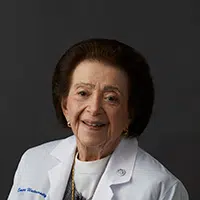 Nanette Wenger合作论文数Department of Medicine, School of Medicine, Emory University;Grady Memorial Hospital6
 David Spiegel合作论文数Department of Psychiatry and Behavioral Sciences, School of Medicine, Stanford University;Center for Integrative Medicine, School of Medicine, Stanford University6Carol E. Cornell合作论文数Department of Medicine, University of Alabama at Birmingham6
 Sarah Linke合作论文数Department of Psychiatry, University of California6
 Thomas M Maddox合作论文数Clinical Research Unit, Kaiser Permanente of Colorado6Leslee Shaw合作论文数6Eteiba Wafia合作论文数5Fengming Tang合作论文数5Tochukwu Okwuosa合作论文数4Erica C Leifheit-Limson合作论文数4
 Nausheen Akhter合作论文数Cardiology, Department of Medicine, Feinberg School of Medicine, Northwestern University4
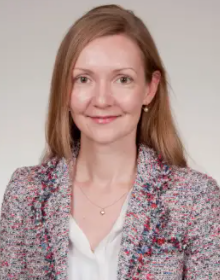 Kim Smolderen合作论文数Cardiovascular Medicine, Internal Medicine, Yale School of Medicine, Yale University4
 Emir Veledar合作论文数Dept Dermatol, Emory Univ4Stanislav V. Kasl合作论文数4Marian B. Olson合作论文数4
 Pamela Peterson合作论文数Division of Cardiology, School of Medicine, University of Colorado Anschutz Medical Campus;Denver Health Medical Center4Rupa M Sanghani合作论文数3Paul S Chan合作论文数3Eva Chalas合作论文数3
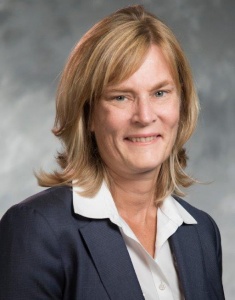 Susan Faye Dent合作论文数Department of Medicine, Duke University School of Medicine3
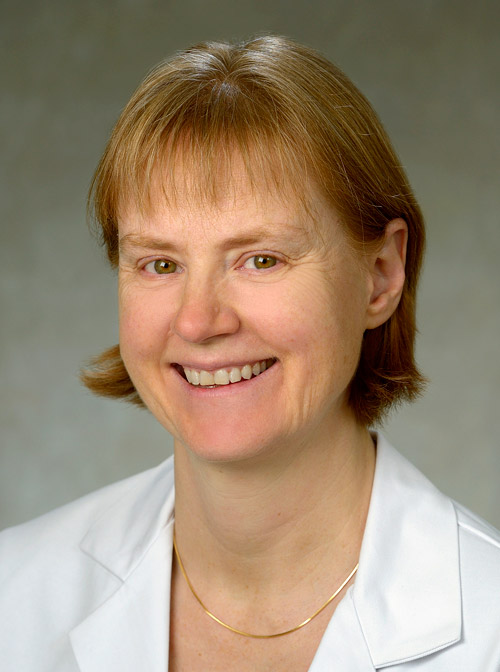 Marielle Scherrer-Crosbie合作论文数Department of Medicine, Perelman School of Medicine, University of Pennsylvania3
 Islam Elgendy合作论文数Joan and Sanford I. Weill Department of Medicine, Weill Cornell Medicine, Cornell University3
 Kathryn J. Lindley合作论文数3Almuwaqqat Zakaria合作论文数3
 Linda Garavalia合作论文数3
 Pei Jai Michael Ho合作论文数Division of Cardiology, School of Medicine, University of Colorado Anschutz Medical Campus;Denver VA Medical Center;Kaiser Permanente of Colorado, Institute for Health Research3Haiqun Lin合作论文数3Diane A Vido合作论文数3Kensey Gosch合作论文数3Laurence S. Sperling合作论文数3Verna L Welch合作论文数3Carole Decker合作论文数3
 Suzanne V. Arnold合作论文数Department of Internal Medicine, Saint Luke's Hospital;School of Medicine, University of Missouri-Kansas City3Michael Ho合作论文数2




