BACKGROUND:Machine perfusion technology has redefined donor and recipient criteria for liver transplantation. Despite increasing adoption, data regarding graft and recipient factors associated with unsuccessful normothermic machine perfusion (NMP) outcomes remain limited. METHODS:The Organ Procurement and Transplantation Network database was used to retrospectively identify adult patients undergoing deceased donor liver transplantation with NMP preservation between January 10, 2021, and December 31, 2024. Populations were stratified by 1-year graft status, with donor and recipient factors compared. Logistic regression identified factors independently associated with NMP graft failure, and center analyses assessed program-level impacts. RESULTS:Among 4928 NMP cases, 398 (8.1%) experienced 1-year graft failure. They were more frequently admitted to the intensive care unit (ICU) at transplant (21.1% vs. 10.6%, p < 0.001) and had more complex abdominal histories, including higher rates of TIPS(17.0% vs. 12.0%), prior abdominal surgery (64.1% vs. 54.7%), and prior liver transplant (10.3% vs. 3.4%) (all p < 0.01). Regression analysis identified increased odds of graft failure with MELD score 35 (aOR 2.10 [1.21-3.63]), low recipient functional status (aOR 2.05 [1.31-3.21]), and prior abdominal surgery (aOR 1.33 [1.01-1.76]). Alcohol-associated liver disease (aOR 0.36 [0.23-0.56]) was the only factor conferring a protective effect. Centers with higher-than-expected standardized NMP graft failure rates were higher-volume programs with low-risk case mixes; no centers had persistently high standardized failure rates throughout the study period. CONCLUSION:Recipient factors, particularly those conferring surgical complexity, are more significantly associated with NMP graft failure than donor factors. Despite increased adoption of perfusion technologies to mitigate donor and operative risk, transplant provider clinical judgment remains critical for optimizing recipient-donor matching and outcomes.
Background:Nonhuman primate models are essential in preclinical transplantation studies. Although many advances in medical and surgical therapies have been achieved in liver transplantation research using rodent models, nonhuman primate models have not been widely used because of their technical complexity. As scientific inquiries into tolerance-free and ischemia-free models of transplantation continue to progress, it is vital to establish a standard nonhuman primate model. We attempted to establish a feasible and stable nonhuman primate model for orthotopic liver transplantation using baboons. Methods:Orthotopic allogeneic liver transplantations were performed in 3 cynomolgus macaques and 5 baboons. Portocaval shunts and extracorporeal bypasses were performed as previously described for cynomolgus macaques. In baboon models, minimization of the anhepatic time was attempted without the bypass technique. Survival, postoperative clinical course, histopathology, and liver enzyme levels were assessed. Results:The first 2 macaques were euthanized because of gastric necrosis and pneumonia. The third had bypass failure of circulation and developed coagulopathy, which occurred at the end of the study during surgery. In baboons, all 5 recipients survived for >2 mo. The first 3 recipients, whose bile ducts were reconstructed with choledocholedochostomy (duct-to-duct), showed elevated liver function and bile duct enzymes. Therefore, choledochojejunostomy was performed in the other 2 cases, revealing normal liver function postoperatively. Conclusions:We report successful and consistently stable outcomes of nonhuman primate liver transplantation in baboons. In addition to existing cynomolgus macaque models, our method offers a promising approach and contributes to further clinical adaptation of translational studies.
BACKGROUND:In March 2021, the United Network for Organ Sharing enacted a national policy in order to standardize the expedited placement of livers while prioritizing graft use. It remains unknown how the policy has impacted placement of these organs. METHODS:We retrospectively analyzed United Network for Organ Sharing match run data, identifying livers offered from 21 March 2021 to 30 September 2023 with a bypass code indicating expedited placement. Bypass and standard allocation offers were examined with regards to organ quality, recipient outcomes, and placement patterns. RESULTS:A bypass code was used on 3,483 livers, of which 2,216 (69.4%) were ultimately transplanted. Expedited placement livers shared similar donor characteristics to standard allocation livers, but recipient demographics were distinct. Compared with matched standard allocation grafts, expedited placement livers demonstrated similar 1-year patient and graft survival rates. Notably, expedited placement livers were allocated to recipients significantly lower on the waitlist than recipients of matched standard allocation grafts (median rank 162.5 vs 16; P < .001). Seven organ procurement organizations (12.3%) contributed to nearly one-third of expedited placement grafts (701 livers), bypassing a median of 72 candidates per expedited placement attempt. Only 18 centers (15.6%) made up nearly 50% of expedited placement acceptances (1,109 livers). CONCLUSION:The new expedited placement policy resulted in efficient placement of select livers, achieving excellent 1-year outcomes. However, only a minority of centers benefit from use of these orphan livers. In the era of increased use of perfusion technologies obviating the relevance of cold ischemia time, out-of-sequence placement should not eclipse equitable distribution of a scarce and shared resource.
BACKGROUND:The transition from preclinical years to surgical clerkship is challenging, as traditional curricula emphasize didactic learning over technical and interpersonal skills. We developed a novel, structured workshop based on Kern's Six-Step Guide to Curriculum Design to enhance medical learners' clerkship readiness. MATERIALS AND METHODS:Conducted in 2023 and 2024 at a single Canadian institution, the workshop featured five stations: Introduction to the OR, The Surgical Ward, The Surgical Consult, Technical Skills, and Thriving in Surgical Clerkship. A multidisciplinary team of surgeons, trainees, nurses, and a clinical clerk facilitated clinical vignettes, small-group discussions, and operative simulations. Learners' confidence and knowledge were assessed through pre- and postworkshop questionnaires, and suturing skills were evaluated using a validated tool. Comparative analyses were performed using Paired T-tests and Wilcoxon signed-rank tests. RESULTS:Fifty-nine (95.2%) medical students were included in the analysis after removing incomplete responses. Forty-one students (69.0%) had little (less than five times) or no exposure to an OR in the last year. Learners' overall median confidence improved significantly post-workshop [2.0 (IQR: 2.1-3.2) versus 6.4 (IQR: 6.3-6.8) P = 0.005], as did their suturing skills (11 ± 4.8 versus 23 ± 2.4, P < 0.0001). Fifty-one learners (86.4%) agreed that the workshop decreased their anxiety around clerkship. All agreed that the workshop should be offered again. CONCLUSIONS:Our workshop effectively addressed gaps in surgical education by applying Kern's framework, near-peer teaching, and simulation-based learning. The curriculum combined theoretical knowledge and clinical skills, thereby significantly improving clerkship preparedness and serves as a scalable model for surgical education.
OBJECTIVE To assess the impact of a deceased donor organ procurement training workshop on the transplant fellow's confidence and proficiency in organ recovery. This pilot workshop was designed to address the current gap in the transplant fellow's training in North America. DESIGN Participants’ confidence and competence in deceased donor organ recovery were assessed pre- and postworkshop (immediate, 1- and 6-month) using a survey questionnaire. Participants’ responses were compared using T-test and Wilcoxon tests before and after the workshop. PARTICIPANTS The hepatopancreatobiliary-transplant fellows from the University of Toronto participated in the workshop. RESULTS Seven fellows participated, with 57% reported very limited exposure to deceased donor operations in the past year. Fellows’ confidence improved significantly immediately postworkshop (69% vs. 85%, p = <0.05), persisting at 1 month (86%, p = <0.05) and 6 months (91%, p = <0.05). Competence scores also demonstrated improvement postworkshop (88% vs. 78%, p = 0.3), remaining constant at 1 month (88%, p = 0.18), and further increasing at 6 months (92%, p = 0.19). CONCLUSION This pilot study represents a notable step as the first workshop tailored for transplant fellows in Canada, demonstrating sustained improvement in both confidence and competence for deceased donor organ procurements. The study is limited by results from a single center and small sample size, impacting the generalizability of findings. However, the workshop addresses variability in transplant fellows' exposure and confidence levels, emphasizing the importance of structured training in organ procurement to enhance skills and readiness for real-time procedures.
OBJECTIVE To describe the design, implementation, and evaluation of a two-week rotation intended to enhance junior surgical residents’ preparation for their dedicated professional development time (PDT) and academic careers. DESIGN As part of a multifaceted effort to promote residents’ academic development, we designed a two-week, nonclinical “Academic Development Block” (ADB) rotation for postgraduate year (PGY)-2 and -3 residents. During this rotation, residents meet with clinical, research, and peer mentors and work on academic activities, with relevant deliverables specific to each class year. We analyzed feedback from postrotation surveys and interviews, which were inductively coded and thematically analyzed, and data on resident grant applications and earnings before and after implementation. SETTING The general surgery residency program at a major urban, university-affiliated academic medical center. ADBs were first implemented in 2021. PARTICIPANTS A total of 39 PGY-2 and PGY-3 residents rotated through the program with 51 ADBs over the first two years of implementation. RESULTS Surveys indicated overwhelmingly positive perceptions on the value of ADBs, including the amount of structure and resources available. Free-response and interview themes indicated appreciation for time to meet with mentors, develop ideas, and complete academic work. Residents believed the ADB rotation accelerated their transition into PDT and was a marker of institutional commitment. Areas for improvement pertained to the timing of ADBs and pairing of mentors. Both cohorts who participated in at least 1 ADB had higher proportions of residents who successfully applied for grants and a greater amount of total funding awarded compared to all 4 of the most recent cohorts prior to implementation. CONCLUSIONS A short academic development rotation protected from clinical responsibilities is a well-regarded intervention to help residents refine their career goals and prepare for their PDT. Similar initiatives may be of interest to residency programs seeking to foster their residents’ academic career development.
Obesity and related comorbidities heighten risks for complications in kidney transplant settings. While pre-transplant patients often have access to nutrition counseling and health support, literature is limited on patients' perceptions of weight and motivation to lose weight prior to transplantation. We conducted a survey among ≥18-year-old patients on the kidney transplant waitlist at a single center. Questions addressed weight perception, motivation for weight loss, available resources, and engagement in physical activity. Medical records provided demographic and clinical data. Statistical tests analyzed quantitative data, while free-text responses were thematically grouped and described. Of 1055 patients, 291 responded and were matched with demographic data. Perceived weight changes correlated with actual changes in body mass index (BMI) (<24.9) were more receptive to weight center resources (<30 kg/m2) are most interested in weight loss resources and demonstrate motivation. Furthermore, pre-transplant nutrition counseling correlates with healthier behaviors. Integrating patients’ perspectives enhances pre-transplant protocols by encouraging active involvement in health decisions.
General surgery is a dynamic and multifaceted field influenced by diverse factors, ranging from cultural norms to healthcare system structures and technological advancements. This review paper delves into a comparative exploration of the educational landscapes in Canada and India, unravelling the intricacies of training aspiring general surgeons. As two nations with distinct healthcare systems and educational frameworks, Canada and India offer unique perspectives on the journey from medical school to independent surgical practice. This article compares the residency application process, training structure, assessment methods, challenges faced during clinical training and the role of research in surgical programmes between the two nations. Through this comparative lens, we seek to provide valuable insights that may inform future developments in surgical education, fostering a global exchange of knowledge and practices to advance healthcare systems worldwide.
Various branches of Complementary and Integrative Medicine (CIM) are growing fast in Western Pennsylvania, similar to other parts of the United States and the world. Little or no knowledge is available about what healthcare providers know and how they think and act regarding CIM. Such knowledge is important for planning for education about CIM and its ethical ramifications for future generations of healthcare providers. In this study, after a qualitative study and literature review, a questionnaire was developed to assess the knowledge, attitude, and use of CIM among health-majoring undergraduate students of PennWest University. The content validity of the questionnaire was confirmed by a panel of experts, and its reliability was assessed by the test-retest method. The weighted agreements for individual questions ranged from 87
INTRODUCTION:Medical students value the opportunity to learn from patients as a supplement to traditional faculty-led education; however, long-term follow-up to understand the educational impact of these experiences is lacking. We surveyed medical students who conducted non-medical virtual encounters with transplant recipients or living donors to understand the impact on students' patient care approach after 1-2 y. METHODS:Students who completed their surgery clerkship from July 2020 to September 2021 were surveyed about this nonmedical patient encounter in January 2023. Quantitative and qualitative survey data were analyzed using descriptive statistics and inductive thematic analysis, respectively. RESULTS:Of the 27 respondents (46% response rate), 44.4% completed the experience 1 y ago and 55.6% completed the experience 2 y ago. Nearly all respondents (96.3%) agreed that this experience was an effective way to learn about organ donation and transplantation and that learning from patients was beneficial to their development as a doctor. Over 50% felt this experience changed how they provide care to patients. Qualitatively, students reported that this activity cultivated their empathy for patients, provided unique insight into patients' illness experiences, and enhanced their understanding of the longitudinal patient-surgeon relationship. CONCLUSIONS:Utilizing patients as teachers in transplant surgery not only taught medical students more about organ donation and transplantation but also built empathy and highlighted unique, non-clinical aspects of the patient experience that persisted over time. This is one of the first studies to evaluate patient-led teaching of this type over a year later and assess its unique influence on medical student development.
Purpose Breast enhanced recovery after surgery (ERAS) protocols emphasize multimodal analgesia to expedite home recovery, but variable implementation remains. This study examines how residents learn and use ERAS protocols, how they conceptualize pain management, and what influences breast surgery patients’ same-day discharges. Methods Interviews were conducted with surgical residents following their breast surgery rotation using an interview guide adapted from existing pain management literature. Interviews were transcribed, de-identified, and independently inductively coded by two researchers. A codebook was developed and refined using the constant comparative method. Codes were grouped into categories and explored for thematic analysis. Results Twelve interviews were completed with plastic and general surgery residents. Ultimately, 365 primary codes were organized into 26 parent codes, with a Cohen’s kappa of 0.93. A total of six themes were identified. Three themes described how participants learn through a mixture of templated care, formal education, and informal experiential learning. Two themes delineated how residents would teach breast surgery ERAS: by emphasizing buy-in and connecting the impetus behind ERAS with daily workflow implementation. One theme illustrated how a patient-centered culture impacts postoperative management and same-day discharges. Conclusions Residents describe learning breast surgery ERAS and postoperative pain management by imitating their seniors, observing patient encounters, completing templated orders, and translating concepts from other ERAS services more so than from formal lectures. When implementing breast ERAS protocols, it is important to consider how informal learning and local culture influence pain management and discharge practices. Ultimately, residents believe in ERAS and often request further educational tools to better connect the daily how-to of breast ERAS pathways with the why behind the enhanced recovery principles.
Obesity-associated comorbidities increase risks for patients undergoing liver transplant. In this study, we explore patient perspectives and motivation for healthy weight management among patients on the liver transplant waiting list. This is a cross-sectional, observational, electronic survey-based study. A survey on weight management was administered to patients on the liver transplant waiting list. Demographic and clinical data were collected from patients' medical records. Data was analyzed using Pearson's chi-squared, Fisher's exact, and Student's t-tests. Respondents had a mean age of 54.4 years, were predominately male (62.0%) with a mean BMI of 29.2 kg/m2 with alcoholic cirrhosis as the leading etiology of liver disease (33.9%). Among patients with a BMI≥30 kg/m2, 59.0% perceived that they were overweight and 23.1% believed they were underweight. Among patients with BMI≥30 kg/m2 who perceived they were overweight, 39.1% were actively trying to lose weight and 60.9% were trying to keep from gaining weight. Regardless of current weight, there was a median increase in BMI for patients who categorized themselves as having lost weight or maintained weight since being waitlisted. Many patients with a BMI≥30 kg/m2 did not perceive themselves as overweight and were not actively trying to lose weight. Weight perception was not consistent with actual weight change while waitlisted for liver transplant. Further research is needed to understand how weight awareness and weight perception impacts motivation for weight loss.
Background: Liver transplantation (LT) for alcohol-associated hepatitis (AH) is a relatively new practice and limited work exists surrounding the role social determinants of health may play in evaluation. This includes language that defines how patients interact with the healthcare system. We explored characteristics of patients with AH evaluated for LT within an integrated health system. Methods Using a system-wide registry, we identified admissions for AH from 1 January 2016 to 31 July 2021. A multivariable logistic regression model was developed to evaluate independent predictors of LT evaluation. Results Among 1723 patients with AH, 95 patients (5.5%) underwent evaluation for LT. Evaluated patients were more likely have English as their preferred language (95.8% vs 87.9%, P = 0.020), and had higher INR (2.0 vs 1.4, P < 0.001) and bilirubin (6.2 vs 2.9, P < 0.001). AH patients who underwent evaluation had a lower burden of mood and stress disorders (10.5% vs 19.2%, P < 0.05). Patients with English preferred language had a greater than three times adjusted odds of LT evaluation compared with all others when adjusting for clinical disease severity, insurance status, sex, and psychiatric comorbid conditions (OR, 3.20; 95% CI, 1.14–9.02). Conclusion Patients with AH evaluated for LT were more likely to have English as their preferred language, more psychiatric comorbidities, and more severe liver disease. Despite adjustment for psychiatric comorbidities and disease severity, English preferred language remained the strongest predictor of evaluation. As programs expand LT for AH, it is vital to build equitable systems that account for the interaction between language and healthcare in transplantation.
Transplantation of xenogeneic organs is an attractive solution to the existing organ shortage dilemma, thus, securing a clinically acceptable prolongation of xenograft survival is an important goal. In preclinical transplantation models, recipients of liver, kidney, heart, or lung xenotransplants demonstrate significant graft damages through the release of pro-inflammatory molecules, including the C-reactive protein, cytokines, and histone-DNA complexes that all foster graft rejection. Recent studies have demonstrated that mitigation of ischemia reperfusion injury (IRI) greatly improves xenograft survival. Organ IRI develops primarily on a complex network of cytokines and chemokines responding to molecular cues from the graft milieu. Among these, interleukin 27 (IL-27) plays an immunomodulatory role in IRI onset due to graft environment-dependent pro- and anti- inflammatory activities. This review focuses on the impact of IL-27 on IRI of liver xenotransplants and provides insights on the function of IL-27 that could potentially guide genetic engineering strategies of donor pigs and/or conditioning of organs prior to transplantation.
Purpose This study sought to understand the medical student experience on the restructured surgical clerkship during the COVID-era to provide guidance for future scenarios affecting student participation in clinical activities. Methods Medical students completing an anonymous 70-question survey at the conclusion of their surgical clerkship from June 2019 to October 2020 were divided into 2 cohorts: students completing their clerkship prior to March 2020 and after June 2020. Quantitative assessment was performed to evaluate the clerkship performance and perceptions. Resulting findings were used to construct an interview guide and conduct semi-structured interviews. Results Fifty-nine medical students rotated through the surgical clerkship prior to COVID and 23 during the COVID-era. No differences in perception of the surgical clerkship, participation in essential activities, or shelf examination scores were found. Students completing their clerkship during the COVID-era reported a lower perception of interaction and professional relationships with attending and resident surgeons ( p = 0.03). Qualitatively, students completing their clerkship during the COVID-era struggled to balance clinical experiences with personal wellness and noted that building relationships with faculty was substantially more difficult. Conclusions There does not appear to be a difference in the level of participation in essential clerkship activities nor a diminished perception of learning between students completing their surgical clerkship before or during the pandemic. However, there does appear to be a difference in the relationships formed between students and attending surgeons. Altered didactic structures and apprenticeship-type rotations may help mitigate such effects.
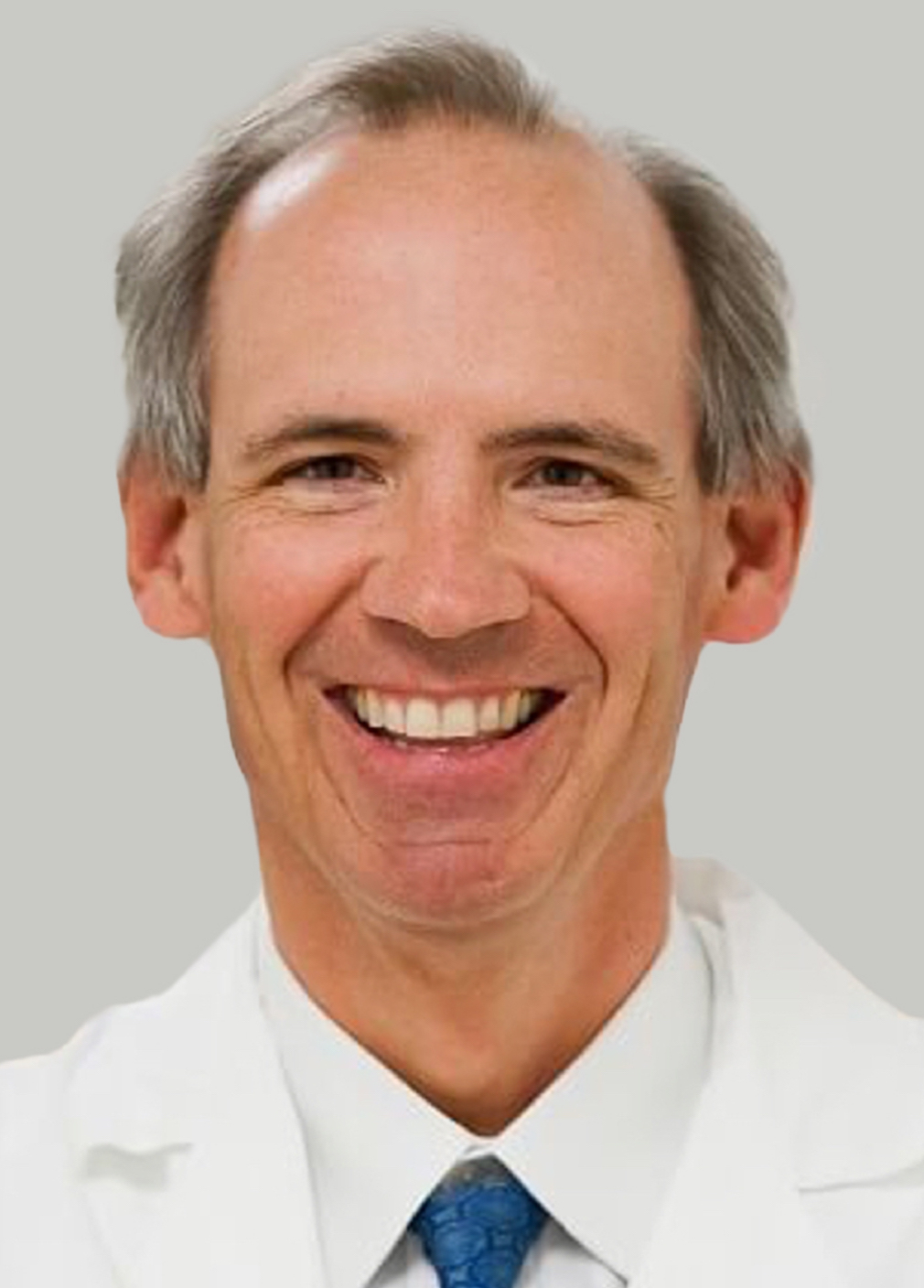 James F. Markmann合作论文数Division of Transplant Surgery, Massachusetts General Hospital;Transplant Center, Massachusetts General Hospital;Harvard Medical School26
 Rudy Matheson合作论文数Ctr Transplantat Sci, Massachusetts Gen Hosp18
 Nikolaos Serifis合作论文数Massachusetts Gen Hosp, Ctr Transplantat Sci16C. Rickert合作论文数Massachusetts Gen Hosp, Boston, MA 02114 USA15Daniel Cloonan合作论文数14
 Emil Petrusa合作论文数12
 Heidi Yeh合作论文数Harvard Medical School, Massachusetts General Hospital12
 Kristen Jogerst合作论文数Massachusetts Gen Hosp, Dept Surg, Boston, MA 02114 USA11Dageforde Leigh Anne合作论文数Vanderbilt University Medical Center, Vanderbilt University Medical Center11Michele E. Youd合作论文数10Wenning Qin合作论文数10
 Shoko Kimura合作论文数10
 Ivy A Rosales合作论文数Histopathology Research Core Laboratory, Department of Pathology, Massachusetts General Hospital;Harvard University10Jacob V Layer合作论文数9
 Yinan Kan合作论文数eGenesis Inc, Cambridge, MA USA8Denise W. Gee合作论文数8
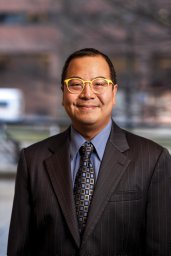 Roy Phitayakorn合作论文数MetroHealth Medical Center, Case Western Reserve University School of Medicine8Katherine Hall合作论文数7Michael Curtis合作论文数7
 Luhan Yang合作论文数QihanBio7
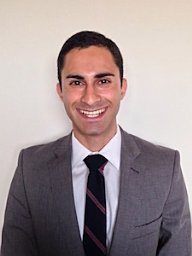 Raigani Siavash合作论文数Case Western Reserve University School of Medicine7Saillant Noelle合作论文数7
 David Chang合作论文数Codman Center for Clinical Effectiveness in Surgery, Mass General Research Institute, Massachusetts General Hospital;Harvard Medical School7Kathryn Stiede合作论文数6Youd M合作论文数6
 Michael Carroll合作论文数Department of Pediatrics, Boston Children's Hospital;Division of Immunology, Boston Children's Hospital;Harvard Medical School, Harvard University6Agnes M Azimzadeh合作论文数6
 Chaya Shwaartz合作论文数5William Westlin合作论文数5
 Ahmer Irfan合作论文数5Ranjith P. Anand合作论文数Brandeis Univ, Rosenstiel Basic Med Sci Res Ctr, Waltham, MA 02454 USA5
 Danielle Detelich合作论文数5Douglas J Cassidy合作论文数5
 McKinley Sophia K合作论文数Harvard Medical School, Peabody Society5
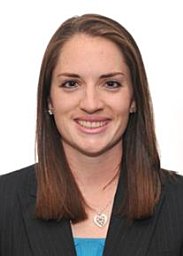 Sell Naomi M合作论文数Jefferson Pancreas Biliary and Related Cancer Center, Thomas Jefferson University5Muaddi Hala合作论文数5J. Layer合作论文数4Joy Moses合作论文数4Sienna Li合作论文数4Sinyard Robert D.合作论文数4Isra Hamdi合作论文数4
 Jason Sicklick合作论文数Department of Surgery, School of Medicine, University of California, San Diego4W. Westlin合作论文数4
 K. Deng合作论文数Ctr Transplantat Sci4W. Qin合作论文数4
 Simon Robson合作论文数Division of Gastroenterology, Department of Medicine, Beth Israel Deaconess Medical Center;Department of Anesthesia, Beth Israel Deaconess Medical Center;Division of Medical Sciences, Harvard Griffin Graduate School of Arts and Sciences, Harvard University;Liver Center, University of Cape Town;Harvard Medical School, Harvard University;Inner Mongolian Medical College;Department of Medicine, New England Deaconess Hospital4Nahel Elias合作论文数4Prachikumari Patel合作论文数3Nadia Rukavina合作论文数3




