Decoding motor performance from brain signals offers promising avenues for adaptive deep brain stimulation (aDBS) for Parkinson's disease (PD). In a two-center cohort of 19 PD patients executing a drawing task, we decoded motor performance from electroencephalography (n=15) and, critically for clinical translation, electrocorticography (n=4). Within each session, patients performed the task under DBS on and DBS off. A total of 35 sessions were recorded. Instead of relying on single frequency bands, we derived patient-specific biomarkers using a filterbank-based machine-learning approach. DBS modulated kinematics significantly in 23 sessions. Significant neural decoding of kinematics was possible in 28 of the 35 sessions (average Pearson's r= 0.37). Our results further demonstrate modulation of speed-accuracy trade-offs, with increased drawing speed but reduced accuracy under DBS. Joint evaluation of behavioral and neural decoding outcomes revealed six prototypical scenarios, for which we provide guidance for future aDBS strategies.
Background: Pallidal neurostimulation is an effective treatment for severe isolated dystonia, but long-term data from clinical trials are lacking. ObjectivesTo evaluate long-term efficacy and safety of pallidal neurostimulation in patients with isolated generalized or segmental dystonia. Methods: Extension study of the prospective multicenter trial (n = 40; July 2002 to May 2004), all patients received effective stimulation and underwent regular follow-up. The 10-year follow-up (n = 31) included Burke-Fahn-Marsden Dystonia Rating Scale (BFMDRS) motor and disability score, Beck Depression Inventory, Beck Anxiety Inventory, and Mattis Dementia Rating Scale. Primary and secondary endpoints compared motor symptoms, disability scores, mood, and cognition changes. Results: Thirty-one patients (12 female), aged 23-72 years, completed the 10-year study extension. Per protocol analysis showed sustained significant improvement in BFMDRS motor scores at 10 years compared with baseline, without significant change from the 6-month or 5-year follow-up. On average, motor scores decreased by 25.3 +/- 5.2 points at 10 years (P < 0.0001; 56% improvement). Individual outcomes varied, with 27 responders (>= 25% improvement; mean improvement 65.2 +/- 21.4%) and 13 non-responders compared with baseline. Sustained improvements were seen in disability, mood, and anxiety scores. Cognition remained stable. Conclusions: This study presents the longest prospective, multicenter follow-up of pallidal neurostimulation in generalized and segmental dystonia. Two-thirds of patients showed strong and stable long-term improvements of dystonia, confirming sustained efficacy and safety over 10 years in treatment-refractory dystonic patients. However, one-third experienced primary (3/40) or secondary (10/40) treatment failure. Diagnostic advances, including genetic testing, and technological progress in pallidal neurostimulation may help to reduce the non-responder rates in the future. (c) 2025 The Author(s). Movement Disorders published by Wiley Periodicals LLC on behalf of International Parkinson and Movement Disorder Society.
Delayed therapy escape (DTE) is frequent after thalamic deep brain stimulation for essential tremor, leading to reduced quality of life, often with ataxic symptoms, and early recognition is challenging. Our goal was to examine whether a low-frequency rebound tremor of the left hand after switching off stimulation is useful as a diagnostic marker for DTE. In this cross-sectional study with additional retrospective analysis, we examined 31 patients with bilateral thalamic DBS ≥ 12 months for essential tremor, using quantitative assessments including video-based motion capture, Fahn–Tolosa–Marin Tremor Rating Scale (FTMTRS), and scale for the assessment and rating of ataxia (SARA). If available, preoperative (preOP) and 12-month postoperative assessments were included in the analysis. Evaluations occurred with DBS activated (ON) and deactivated (OFF). A higher ratio FTMTRS nowON/preOP indicated DTE. Preoperative FTMTRS scores were available for 16 patients, including 5 patients with DTE. The receiver operating characteristic analysis found an area under the curve of 0.86 (p = 0.024) for identification of DTE by low-frequency rebound tremor (i.e., OFF) on the left. In conclusion, it could serve as a potential diagnostic marker.
BACKGROUND:Thalamic deep brain stimulation (DBS) is an efficacious treatment for drug-resistant essential tremor (ET) and the dentato-rubro-thalamic tract (DRT) constitutes an important target structure. However, up to 40% of patients habituate and lose treatment efficacy over time, frequently accompanied by a stimulation-induced cerebellar syndrome. The phenomenon termed delayed therapy escape (DTE) is insufficiently understood. Our previous work showed that DTE clinically is pronounced on the non-dominant side and suggested that differential involvement of crossed versus uncrossed DRT (DRTx/DRTu) might play a role in DTE development.METHODS:We retrospectively enrolled right-handed patients under bilateral thalamic DBS >12 months for ET from a cross-sectional study. They were characterized with the Fahn-Tolosa-Marin Tremor Rating Scale (FTMTRS) and Scale for the Assessment and Rating of Ataxia (SARA) scores at different timepoints. Normative fiber tractographic evaluations of crossed and uncrossed cerebellothalamic pathways and volume of activated tissue (VAT) studies together with [18F]Fluorodeoxyglucose positron emission tomography were applied.RESULTS:A total of 29 patients met the inclusion criteria. Favoring DRTu over DRTx in the non-dominant VAT was associated with DTE (R2 = 0.4463, p < 0.01) and ataxia (R2 = 0.2319, p < 0.01). Moreover, increasing VAT size on the right (non-dominant) side was associated at trend level with more asymmetric glucose metabolism shifting towards the right (dominant) dentate nucleus.CONCLUSION:Our results suggest that a disbalanced recruitment of DRTu in the non-dominant VAT induces detrimental stimulation effects on the dominant cerebellar outflow (together with contralateral stimulation) leading to DTE and thus hampering the overall treatment efficacy.
Deep brain stimulation (DBS) is a complex surgical procedure that requires detailed anatomical knowledge. In many fields of neurosurgery navigation systems are used to display anatomical structures during an operation to aid performing these surgeries. In frame-based DBS, the advantage of visualization has not yet been evaluated during the procedure itself. In this study, we added live visualization to a frame-based DBS system, using a standard navigation system and investigated its accuracy and potential use in DBS surgery. As a first step, a phantom study was conducted to investigate the accuracy of the navigation system in conjunction with a frame-based approach. As a second step, 5 DBS surgeries were performed with this combined approach. Afterwards, 3 neurosurgeons and 2 neurologists with different levels of experience evaluated the potential use of the system with a questionnaire. Moreover, the additional personnel, costs and required set up time were noted and compared to 5 consecutive standard procedures. In the phantom study, the navigation system showed an inaccuracy of 2.1 mm (mean SD 0.69 mm). In the questionnaire, a mean of 9.4/10 points was awarded for the use of the combined approach as a teaching tool, a mean of 8.4/10 for its advantage in creating a 3-dimensional (3-D) map and a mean of 8/10 points for facilitating group discussions. Especially neurosurgeons and neurologists in training found it useful to better interpret clinical results and side effects (mean 9/10 points) and neurosurgeons appreciated its use to better interpret microelectrode recordings (mean 9/10 points). A mean of 6/10 points was awarded when asked if the benefits were worth the additional efforts. Initially 2 persons, then one additional person was required to set up the system with no relevant added time or costs. Using a navigation system for live visualization during frame-based DBS surgery can improve the understanding of the complex 3-D anatomy and many aspects of the procedure itself. For now, we would regard it as an excellent teaching tool rather than a necessity to perform DBS surgeries.
Introduction Deep brain stimulation alleviates tremor of various origins. The dentato-rubro-thalamic tract (DRT) has been suspected as a common tremor-reducing structure. Statistical evidence has not been obtained. We here report the results of an uncontrolled case series of patients with refractory tremor who underwent deep brain stimulation under tractographic assistance. Methods A total of 36 patients were enrolled (essential tremor (17), Parkinson’s tremor (8), multiple sclerosis (7), dystonic head tremor (3), tardive dystonia (1)) and received 62 DBS electrodes (26 bilateral; 10 unilateral). Preoperatively, diffusion tensor magnetic resonance imaging sequences were acquired together with high-resolution anatomical T1W and T2W sequences. The DRT was individually tracked and used as a direct thalamic or subthalamic target. Intraoperative tremor reduction was graded on a 4-point scale (0 = no tremor reduction to 3 = full tremor control) and recorded together with the current amplitude, respectively. Stimulation point coordinates were recorded and compared to DRT. The relation of the current amplitude needed to reduce tremor was expressed as TiCR (tremor improvement per current ratio). Results Stimulation points of 241 were available for analysis. A total of 68 trajectories were tested (62 dB leads, 1.1 trajectories tested per implanted lead). Tremor improvement was significantly decreasing ( p < 0.01) if the distance to both the border and the center of the DRT was increasing. On the initial trajectory, 56 leads (90.3%) were finally placed. Long-term outcomes were not part of this analysis. Discussion Tremor of various origins was acutely alleviated at different points along the DRT fiber tract (above and below the MCP plane) despite different tremor diseases. DRT is potentially a common tremor-reducing structure. Individual targeting helps to reduce brain penetrating tracts. TiCR characterizes stimulation efficacy and might help to identify an optimal stimulation point.
BACKGROUND:Besides fluctuations, therapy refractory tremor is one of the main indications of deep brain stimulation (DBS) in patients with idiopathic Parkinson syndrome (IPS). Although thalamic DBS (ventral intermediate nucleus [Vim] of thalamus) has been shown to reduce tremor in 85-95% of patients, bradykinesia and rigidity often are not well controlled. The dentato-rubro-thalamic tract (DRT) that can directly be targeted with special diffusion tensor magnetic resonance imaging sequences has been shown as an efficient target for thalamic DBS. The subthalamic nucleus (STN) is typically chosen in younger patients as the target for dopamine-responsive motor symptoms. This study investigates a one-path thalamic (Vim/DRT) and subthalamic implantation of DBS electrodes and possibly a combined stimulation strategy for both target regions.OBJECTIVE:This study investigates a one path thalamic (Vim/DRT) and subthalamic implantation of DBS electrodes and a possibly combined stimulation strategy for both target regions.METHODS:This is a randomized, active-controlled, double-blinded (patient- and observer-blinded), monocentric trial with three treatments, three periods and six treatment sequences allocated according to a Williams design. Eighteen patients will undergo one-path thalamic (Vim/DRT) and STN implantation of DBS electrodes. After one month, a double-blinded and randomly-assigned stimulation of the thalamic target (Vim/DRT), the STN and a combined stimulation of both target regions will be performed for a period of three months each. The primary objective is to assess the quality of life obtained by the Parkinson's Disease Questionnaire (39 items) for each stimulation modality. Secondary objectives include tremor reduction (obtained by the Fahn-Tolosa-Marin tremor rating scale, video recordings, the Unified Parkinson's disease rating scale, and by tremor analysis), psychiatric assessment of patients, and to assess the safety of intervention.RESULTS:At the moment, the recruitment is stopped and 12 patients have been randomized and treated. A futility analysis is being carried out by means of a conditional power analysis.CONCLUSIONS:The approach of the OPINION trial planned to make, for the first time, a direct comparison of the different stimulation conditions (Vim/DRT, compared to STN, compared to Vim/DRT+STN) in a homogeneous patient population and, furthermore, will allow for intraindividual comparison of each condition with the "quality of life" outcome parameter. We hypothesize that the combined stimulation of the STN and the thalamic (Vim/DRT) target will be superior with respect to the patients' quality of life as compared to the singular stimulation of the individual target regions. If this holds true, this work might change the standardized treatment described in the previous section.TRIAL REGISTRATION:ClinicalTrials.gov: NCT02288468; https://clinicaltrials.gov/ct2/show/NCT02288468 (Archived by WebCite at http://www.webcitation.org/6wlKnt2pJ); and German Clinical Trials Register: DRKS00007526; https://www.drks.de/drks_ web/navigate.do?navigationId=trial.HTML&TRIAL_ID=DRKS00007526 (Archived by WebCite at http://www.webcitation.org/6wlKyXZZL).
INTRODUCTION:A 28-year-old man presented with a history of sensorineural deafness since early childhood treated with bilateral cochlear implants (CIs). He showed signs of debilitating dystonia that had been present since puberty. Dystonic symptoms, especially a protrusion of the tongue and bilateral hand tremor, had not responded to botulinum toxin therapy. We diagnosed Mohr-Tranebjaerg syndrome (MTS).METHODS AND MATERIAL:Deep brain stimulation (DBS) of the bilateral globus pallidus internus was performed predominantly with stereotaxic computed tomography angiography guidance under general anesthesia. Electrophysiology was used to identify the target regions and to guide DBS electrode placement.RESULTS:In the immediate postoperative course and stimulation, the patient showed marked improvement of facial, extremity, and cervical dystonia. More than 2 years after implantation, his dystonic symptoms had dramatically improved by 82%.DISCUSSION:MTS is a rare genetic disorder leading to sensorineural deafness, dystonia, and other symptoms. The use of DBS for the dystonia in MTS was previously described but not in the presence of bilateral CIs.CONCLUSION:DBS in MTS may be a viable option to treat debilitating dystonic symptoms. We describe successful DBS surgery, despite the presence of bilateral CIs, and stimulation therapy over 2 years.
Introduction: Deep brain stimulation alleviates tremor of various origin. We report the intraoperative results of an uncontrolled case series of tremor patients that underwent DTI FT assisted DBS of the dentato-rubro-thalamic tract (DRT) .
Background We report a patient who received conventional bilateral deep brain stimulation of the ventral intermediate nucleus of thalamus (Vim) for the treatment of medication refractory essential tremor (ET). After initial beneficial effects, therapeutic efficacy was lost due to a loss of control of his proximal trunkal and extremity tremor. The patient received successful diffusion tensor magnetic resonance imaging fiber tractographic (DTI FT)-assisted DBS revision surgery targeting the dentato-rubro-thalamic tract (DRT) in the subthalamic region (STR). Objective To report the concept of DTI FT-assisted DRT DBS revision surgery for ET and to show sophisticated postoperative neuroimaging analysis explaining improved symptom control. Methods Analysis was based on preoperative DTI sequences and postoperative helical computed tomography (hCT). Leads, stimulation fields, and fibers were reconstructed using commercial software systems (Elements, Brainlab AG, Feldkirchen, Germany; GUIDE XT, Boston Scientific Corp., Boston, MA, USA). Results The patient showed immediate and sustained tremor improvement after DTI FT-assisted revision surgery. Analysis of the two implantations (electrode positions in both instances) revealed a lateral and posterior shift in the pattern of modulation of the cortical fiber pathway projection after revision surgery as compared to initial implantation, explaining a more efficacious stimulation. Conclusions Our work underpins a possible superiority of direct targeting approaches using advanced neuroimaging technologies to perform personalized DBS surgery. The evaluation of DBS electrode positions with the herein-described neuroimaging simulation technologies will likely improve targeting and revision strategies. Direct targeting with DTI FT-assisted approaches in a variety of indications is the focus of our ongoing research.
Background Refractory tremor in tremor-dominant (TD) or equivalent-type (EQT) idiopathic Parkinson’s syndrome (IPS) poses the challenge of choosing the best target region to for deep brain stimulation (DBS). While the subthalamic nucleus is typically chosen in younger patients as the target for dopamine-responsive motor symptoms, it is more complicated if tremor does not (fully) respond under trial conditions. In this report, we present the first results from simultaneous bilateral DBS of the DRT (dentato-rubro-thalamic tract) and the subthalamic nucleus (STN) in two elderly patients with EQT and TD IPS and dopamine-refractory tremor. Methods Two patients received bilateral octopolar DBS electrodes in the STN additionally traversing the DRT region. Achieved electrode positions were determined with helical CT, overlaid onto DTI tractography data, and compared with clinical data of stimulation response. Results Both patients showed immediate and sustained improvement of their tremor, bilaterally. Conclusions The proposed approach appears to be safe and feasible and a combined stimulation of the two target regions was performed tailored to the patients’ symptoms. Clinically, no neuropsychiatric effects were seen. Our pilot data suggest a viable therapeutic option to treat the subgroup of TD and EQT IPS and with tremor as the predominant symptom. A clinical study to further investigate this approach (OPINION: www.clinicaltrials.gov ; NCT02288468) is the focus of our ongoing research.
Background Cervical dystonia is managed mainly by repeated botulinum toxin injections. We aimed to establish whether pallidal neurostimulation could improve symptoms in patients not adequately responding to chemodenervation or oral drug treatment.Methods In this randomised, sham-controlled trial, we recruited patients with cervical dystonia from centres in Germany, Norway, and Austria. Eligible patients (ie, those aged 18-75 years, disease duration >= 3 years, Toronto Western Spasmodic Torticollis Rating Scale [TWSTRS] severity score >= 15 points) were randomly assigned (1:1) to receive active neurostimulation (frequency 180 Hz; pulse width 120 mu s; amplitude 0.5 V below adverse event threshold) or sham stimulation (amplitude 0 V) by computer-generated randomisation lists with randomly permuted block lengths stratified by centre. All patients, masked to treatment assignment, were implanted with a deep brain stimulation device and received their assigned treatment for 3 months. Neurostimulation was activated in the sham group at 3 months and outcomes were reassessed in all patients after 6 months of active treatment. Treating physicians were not masked. The primary endpoint was the change in the TWSTRS severity score from baseline to 3 months, assessed by two masked dystonia experts using standardised videos, analysed by intention to treat. This trial is registered with ClinicalTrials.gov, number NCT00148889.Findings Between Jan 19, 2006, and May 29, 2008, we recruited 62 patients, of whom 32 were randomly assigned to neurostimulation and 30 to sham stimulation. Outcome data were recorded in 60 (97%) patients at 3 months and 56 (90%) patients at 6 months. At 3 months, the reduction in dystonia severity was significantly greater with neurostimulation (-5.1 points [SD 5.1], 95% CI -7.0 to 3.5) than with sham stimulation (-1.3 [2.4], -2.2 to -0.4, p=0.0024; mean between-group difference 3.8 points, 1.8 to 5.8) in the intention-to-treat population. Over the course of the study, 21 adverse events (five serious) were reported in 11 (34%) of 32 patients in the neurostimulation group compared with 20 (11 serious) in nine (30%) of 30 patients in the sham-stimulation group. Serious adverse events were typically related to the implant procedure or the implanted device, and 11 of 16 resolved without sequelae. Dysarthria (in four patients assigned to neurostimulation vs three patients assigned to sham stimulation), involuntary movements (ie, dyskinesia or worsening of dystonia; five vs one), and depression (one vs two) were the most common non-serious adverse events reported during the course of the study.Interpretation Pallidal neurostimulation for 3 months is more effective than sham stimulation at reducing symptoms of cervical dystonia. Extended follow-up is needed to ascertain the magnitude and stability of chronic neurostimulation effects before this treatment can be recommended as routine for patients who are not responding to conventional medical therapy.
In the past, many studies have documented the beneficial effects of deep brain stimulation (DBS) in the globus pallidus internus for treatment of primary segmental or generalized dystonia. Recently however, several reports focused on DBS-induced hypokinesia or freezing of gait (FOG) as a side effect in these patients. Here we report on two patients suffering from FOG after successful treatment of their dystonic movement disorder with pallidal high frequency stimulation (HFS). Several attempts to reduce the FOG resulted in worsening of the control of dystonia. In one patient levodopa treatment was initialized which was somewhat successful to relieve FOG. We discuss the possible mechanisms of hypokinetic side effects of pallidal DBS which can be explained by the hypothesis of selective GABA release as the mode of action of HFS. Pallidal HFS is also effective in treating idiopathic Parkinson's disease as a hypokinetic disorder which at first sight seems to be a paradox. In our view, however, the GABAergic hypothesis can explain this and other clinical observations.
Background: Thalamotomy was formerly used to treat different tremor syndromes. Nowadays, deep brain stimulation has become an established technique to treat different movement disorders. The combination of these two stereotactic interventions is rare. Clinical Presentation: We present a patient in which a right-sided tremor syndrome with an underlying pathology of combined essential tremor and Parkinsonian tremor was successfully treated initially with a left-sided thalamotomy and subsequently with bilateral deep brain stimulation in the subthalamic nucleus. Results: Deep brain stimulation in the subthalamic nucleus resulted in hemidystonia, pathological laughing and crying, dysarthria and dysphagia, all due to dislocation of the stimulation electrodes contacting the internal capsule. After discontinuation of the high-frequency stimulation these side-effects disappeared, but were then reactivated by an LCD television in stand-by mode. Conclusion: In this report we discuss the pathophysiology of pseudobulbar symptoms and pathological laughing and crying in context of thalamotomy and dislocated DBS electrodes. Furthermore, we report on the occurrence that magnetic fields in the household have an impact on deep brain stimulation, even if they are in stand-by mode.
Objectives: Striatal transplantation of human fetal neurones as a therapeutic approach to treat Huntington’s disease is under investigation. The allogeneic graft material raises questions of immune response and immunosuppressive treatment. No data is available on how the human brain reacts immunologically over time to neuronal transplantation. Methods: We measured post-engraftment immune responses as assessed by the development of anti-human leukocyte antigen (HLA)-antibodies to allogeneic intrastriatal transplantation of fetal neurons in Huntington’s disease patients. Results: Out of 10 patients without HLA-antibodies before engraftment, five developed HLA-antibodies of class I and II. The time between transplantation and development of HLA-antibodies was variable, with detection either immediately after engraftment, during immunosuppressive therapy or months to years after immunosuppressive drugs were discontinued. There are no typical changes in magnetic resonance imaging that distinguish the different immune behaviors. Positive clinical responses to engraftment might not be reflected in the 18 F-deoxyglucose positron emission tomography images as expected. Conclusions: There is indeed an immune response from the human brain, but the time between transplantation and development of anti-HLA-antibodies is variable and unpredictable. A long-term, post-engraftment immunosuppressant therefore cannot be justified. The impact of the emergence of HLA-antibodies on graft survival and clinical efficacy cannot be ascertained at this stage. Given the projected clinical trials of cell transplantation in neurodegenerative disorders, the findings are of practical significance. (Clin. Exp. Neuroimmunol. doi: 10.1111/j.1759-1961.2011.00018.x, May 2011)
The importance of Deep Brain stimulation (DBS) for the treatment of movement disorders is still growing. Many reports have been published so far on safety and effectiveness of DBS. For Parkinson symptoms STN has been determined as the target of choice, for tremor dominant disorders the VIM and the Gpi for dystonia. In order to evaluate predictors for the outcome of DBS we retrospectively reviewed and analyzed the cases of failure of DBS surgery.
 Volker Arnd Coenen合作论文数Department of Stereotactic and Functional Neurosurgery, Medical Center - University of Freiburg11
 W. Berger合作论文数11
 Peter Reinacher合作论文数Department of Stereotactic and Functional Neurosurgery, University Medical Center Freiburg;Fraunhofer Institute for Laser Technology10Horst Urbach合作论文数7
 Michel Rijntjes合作论文数Department of Neurology, University Freiburg7
 Bastian Sajonz合作论文数6Piroth Tobias合作论文数6
 Guido Nikkhah合作论文数5Amtage Florian合作论文数4
 Jacques Duysens合作论文数KULeuven;Radboud University Nijmegen Medical Centre4
 Volker Dietz合作论文数Spinal Cord Injury Center, Research, University of Zurich;Balgrist University Hospital4
 Marco Reisert合作论文数Chair of Pattern Recognition and Image Processing;Albert-Ludwigs-Universitat Freiburg;Institute for Computer Science4Marcus O Pinsker合作论文数3
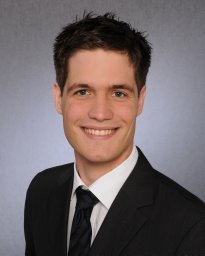 Nils Schroter合作论文数Faculty of Medicine, University of Freiburg Freiburg im Breisgau3
 Michael Trippel合作论文数3
 Günther Deuschl合作论文数Klinik für Neurologie, Medizinische Fakultät, Christian-Albrechts-Universität zu Kiel3
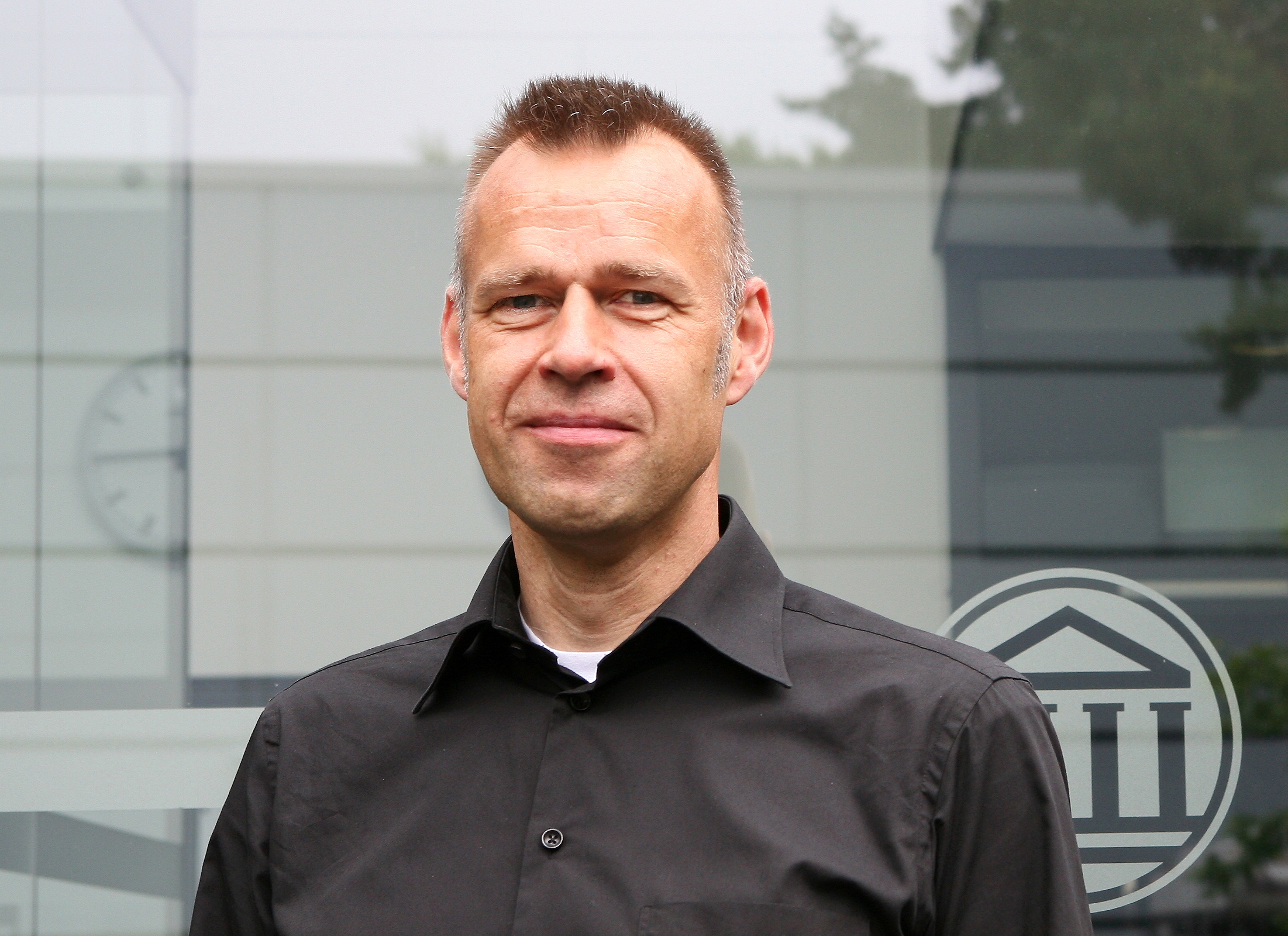 Wiebren Zijlstra合作论文数Institut für Bewegungs- und Sportgerontologie, Deutsche Sporthochschule Köln3Jan Vesper合作论文数3A. A. M. Tax合作论文数2CB OSTERTAG合作论文数2Ch Lucking合作论文数2Andrea A. Kuehn合作论文数2BMH vanWezel合作论文数2
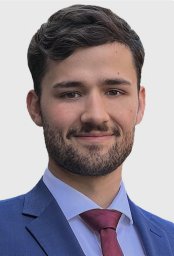 Marvin Lucas Frommer合作论文数Medical Center – University of Freiburg, University of Freiburg2Carolin Jenkner合作论文数2
 Jens Volkmann合作论文数Neurologische Klinik und Poliklinik des Universitatsklinikums2Skogseid I M合作论文数2
 Werner Poewe合作论文数Department of Neurology, Medical University Innsbruck2Alfons Schnitzler合作论文数2Ch. B. Ostertag合作论文数2
 Gerd Schneider合作论文数Humboldt-Universität zu Berlin2
 Wilhelm Eisner合作论文数Department of Neurosurgery, University of Innsbruck2
 Eckart Altenmuller合作论文数Institut für Musikphysiologie und Musikermedizin, Hannover University of Music;Department of Music-Physiology and Musician’s Medicine, University for Music and Theater2
 Joerg Mueller合作论文数2C. Wille合作论文数1B. Sajonz合作论文数1C. Jenkner合作论文数1Sebastian Rutsch合作论文数1B.M.H. Van Wezel合作论文数1
 Nadja Jarc合作论文数1Balint Varkuti合作论文数1Marie T. Krueger合作论文数1Inken Tödt合作论文数1
 Yaroslav Parpaley合作论文数1
 Lenard Lachenmayer合作论文数1Joshua K Wong合作论文数1
 Andrea A Kuhn合作论文数1Simone Meier合作论文数1Fam Ottenhoff合作论文数1




