PURPOSE:To prospectively investigate whether Lipiodol can be used as a potential imaging biomarker of tumor response after conventional transarterial chemoembolization (cTACE) for both primary and secondary liver cancer. MATERIALS AND METHODS: This prospective single-center single-arm clinical trial enrolled a total of 39 patients with primary or secondary liver malignancy [hepatocellular carcinoma (HCC), n = 22 and non-HCC, n = 17]. Patients were treated with cTACE according to a standardized protocol and underwent multimodality imaging at baseline [magnetic resonance imaging (MRI)/computed tomography (CT)/positron emission tomography (PET)]; at 24 hours post-TACE (CT); and at 30, 90, and 180 days post-TACE (MRI/CT/PET). Image data analysis included quantitative assessment of tumor characteristics, Lipiodol deposition, fluorodeoxyglucose uptake, and tumor response assessment. Statistical analysis included linear regression, Student's t tests, Wilcoxon rank sum and signed rank test, Chi-square, and Fisher's exact test. RESULTS: Image analysis demonstrated that baseline tumor diameter (R2 = 0.4, P = .0001), area (R2 = 0.45, P < .0001), volume (R2 = 0.3, P < .002), and enhancing volume (cm3, R2 = 0.23, P < .002) at baseline correlated inversely with Lipiodol tumor coverage and response rates. Baseline tumor enhancement in % of the total tumor was the only parameter to positively correlate with Lipiodol coverage (R2 = 0.189, P = .0456). Patients with high Lipiodol coverage of the tumors showed a higher tumor quantitative European Association for the Study of the Liver response rate at 30-day follow-up (P = .004). Lipiodol retention in both primary and secondary liver tumors was sustained over time, while nontarget hepatic deposits demonstrated near-complete elimination at 30-day follow-up (P < .001). CONCLUSION: Lipiodol deposition in liver tumors can be predicted using quantitative baseline imaging characteristics and correlates with tumor response. This supports another role for Lipiodol, namely, that of an imaging biomarker of tumor response after cTACE.
The aim of this study was to identify the most significant time-varying prognostic factors of overall survival in hepatocellular carcinoma (HCC) patients treated with chemoembolization (TACE), taking into account baseline imaging and clinical metrics, as well as their values over the entire course of treatment. The analysis of time-varying effects may provide insights on valuable biological information that could be missed otherwise. We performed a complete case analysis (CCA) of longitudinally and prospectively collected clinical and imaging metrics on an IRB-approved, HIPAA-compliant cohort of 119 HCC patients treated with TACE between 2001 and 2008. Baseline and longitudinal data included age, gender, ethnicity, cause of cirrhosis and Eastern European Cooperative Group (ECOG) performance status, Child-Turcotte-Pugh (CTP) score, tumor burden, largest tumor diameter, portal vein thrombosis, tumor response according to Response Evaluation Criteria in Solid Tumors (RECIST) v.1.1 and modified RECIST. Data were collected at the time of baseline clinical visit, 1st and 2nd clinical follow-up visit and study exit. Overall survival estimates were calculated by the Kaplan-Meier method. Univariate and multivariate Cox regression models were used to assess time-varying predictors of overall survival. Mean overall survival of this cohort was 18.85 months (median 14, range: 1-148). The analysis of variables with time-varying Cox models revealed that an ECOG status of 1 or 2 (adjusted HR=1.83, 95% CI=1.11-3.03, p=0.02) and a CTP score of B (adjusted HR=1.50, 95% CI=1.07-2.12, p=0.02), were statistically significant time-dependent predictors of decreased overall survival. Utilizing time-varying Cox regression analysis, patients with unresectable HCC treated with TACE were observed to have a lower adjusted hazard of death if they have either an ECOG status of 0 or a CTP score of A, compared to other patients. The results of this statistical analysis of longitudinally collected data across the treatment course highlight the prognostic value of these markers and should help clinicians assess HCC patient prognosis using longitudinally collected metrics.
To report the outcome patients with HCC and history of either hepatitis B (Hep B) or C (Hep C) infection or alcohol-induced cirrhosis (AIC) treated with TACE with a focus on disease outcomes [tumor size change according to RECIST, Child-Pugh (CP) score and survival]. 178 patients with history of either Hep B or C or AIC were selected from a comprehensive database of 347 patients with unresectable HCC that were treated in our institution between 1996 and 2007. Patients with combined history of alcohol abuse and viral hepatitis infection or combined co-infection were excluded from this study. Tumor response was assessed according to the RECIST criteria. T-tests, chi-square and Wilcoxon signed rank tests were used to assess differences in disease characteristics. Overall survival (OS) rates were calculated with the Kaplan-Meyer test and comparison of survival differences with the Log rank test. 51 patients were diagnosed with hep B, 91 with hepatitis C and 36 patients with AIC. There was no significant difference in the baseline distribution of CP scores among the 3 groups. Mean baseline tumor size was 8.3 cm for hep B, 5.9 cm for hep C and 5.7 cm for AIC patients (p>0.05).There was no significant difference in tumor response among the 3 groups. AIC patients had a slightly higher percentage of partial response and a slightly higher OS rate compared to hep C patients (p=0.07 and 0.06, respectively). All other survival time comparisons were not statistically significant different. Mean OS for hep B patients was 38.57 months (median 18.9, SE: 12.745). Mean OS for hep C patients was 25.36 months (median 19.5, SE: 2.57). Mean OS for AIC patients was 34.67 months (median 26.3, SE: 4.33). In this selected cohort of patients with unresectable HCC treated with TACE, no statistically significant differences were noted between OS and tumor response rates between patients with alcohol-induced cirrhosis and history of hepatitis B or C infection. Patients with alcohol-related cirrhosis showed slightly better survival and a marginally higher percentage of partial response than patients with hepatitis C infection following treatment with conventional chemoembolization.
4124 Background: This study reports the final analysis (n=50) of a prospective phase II study evaluating the efficacy of the combination of sorafenib and doxorubicin eluting bead transarterial chemoembolization (DEB-TACE) in patients with unresectable hepatocellular carcinoma (HCC). Methods: Protocol consisted of 6-week cycles with sorafenib at 800 mg/day beginning 1 week prior to DEB-TACE; up to 4 DEB-TACE treatments within 6 months. Tumor response was assessed by RECIST and EASL criteria using MRI at baseline and at 1 month follow-up. Time to untreatable progression (TTUP) was defined as the interval from initiation of sorafenib therapy until inability of patient to further receive intra-arterial therapy. Overall survival (OS) and TTUP were calculated with the Kaplan-Meier method; outcomes were stratified by BCLC A/B and C and compared with the log-rank test. Results: DEB-TACE + sorafenib successfully performed in 50 patients: mean 62yrs (range, 31-88 yrs), Child-Pugh A/B (92%/8%), BCLC A/B/C (10%/28%/62%), ECOG 0/1 (52%/48%), HCV/HBV (44%/8%), mean tumor burden 20%, mean tumor size 7.2cm (range, 1–17.6), and mean tumor enhancement 78%. Patients were enrolled for a median of 3 (range, 1-22) cycles including a median of 1 (range, 0-6) DEB-TACE procedure. Median dose regimen was 400mgQD and the median dose taken while on study was 318 mg/day (range, 100-800). 1 month follow-up showed a mean tumor enhancement reduction of 48.2% (n=46, p<0.001) and an average reduction in lesion diameter of 8.5%(n=48, p=0.02). The Disease Control Rate was 98% using the EASL amendment and RECIST. Median TTUP was 11.9 mths (95% CI, 1.8-22 mths) with a significant difference between BCLC A/B (median 22.9 mths) and BCLC C (median 6.2mths) patients (log-rank, p=0.01). Median OS was 24.5 mths (95% CI, 14.3-35 mths) with a significant difference between BCLC C (median 17.1 mths) and BCLC A/B (median 33.7 mths) patients (log-rank, p=0.001). Conclusions: The results of this phase II study suggest a potential benefit to the combination of sorafenib and DEB-TACE. Single arm and non-randomization are limitations of the study. Clinical trial information: NCT00844883.
To report the outcome of the care of 144 patients with hepatocellular carcinoma (HCC) and history of hepatitis B or C infection treated with transcatheter arterial chemomembolization (TACE) with a focus on disease outcomes [tumor size change according to Response Evaluation Criteria in Solid Tumors (RECIST), Child-Pugh (CP)score and survival]. 144 patients with history of either hepatitis B or C infection were selected from a comprehensive database of 347 patients with unresectable HCC that were treated in our institution between 1996 and 2007. Patients with combined history of alcohol abuse and viral hepatitis infection or combined co-infection were excluded from this study. Disease status was evaluated before and at the end of the treatment period with tumor size measurements according to the RECIST criteria. T-tests, chi-square and Wilcoxon signed rank tests were employed to assess differences in tumor and liver background characteristics. The Kaplan-Meyer test was used to generate survival data and the Log rank test was utilized to assess patient survival differences. Fifty-three patients (47 male, 6 female) were diagnosed with hepatitis B, and 91 patients (80 male, 11 female) with hepatitis C. There was no significant difference in the baseline distribution of CP score (arithmetic) between the two groups (p=0.9). There was no difference in mean tumor size at presentation (6.5 cm for hepatitis B and 7.3 for hepatitis C patients). Regarding tumor response, no significant difference between the two groups was noted at the end of the treatment period (p =0.93). No significant differences were noted between the 2 groups in terms of overall survival (logrank test, p=0.62). Mean survival time for hepatitis B patients was 35.69 months (median 23.06, SD: 8.00). Mean survival time for hepatitis C patients was 25.60 months (median 18.33, SD: 2.18). In this selected cohort, patients with history of hepatitis B or C infection and unresectable HCC, showed similar survival and tumor response rates following treatment with conventional chemoembolization.
The aim of this study was to discuss the appearance of common complications from loco-regional therapy of primary and secondary malignant liver neoplasms on cross-sectional imaging. Knowledge of common complications is important for the safe performance of loco-regional therapy (LRT) and for the interpretation of post-LRT follow-up imaging. With careful patient selection, LRT represents an effective and safe treatment of primary and secondary hepatic malignancies; however, complications related to LRT methods infrequently lead to additional morbidity.
e14595 Background: We evaluated proton spectroscopy (1H-MRS), contrast-enhanced and diffusion-weighted MRI changes in hepatic tumors treated with loco-regional therapy. Methods: 44 patients (29 men; mean age 58 years) with hepatic malignancies were treated locally. MRI exams obtained before and after loco-regional therapy were analyzed retrospectively. Imaging criteria included change in tumor size, percentage of enhancement in the arterial and portal venous phases, diffusion-weighted imaging apparent diffusion coefficients (ADC) and choline concentration (CHO) by quantitative 1H-MRS. Response to treatment was grouped according to Response Evaluation Criteria in Solid Tumors (RECIST) and European Association for the Study of the Liver criteria (EASL). Statistical analysis used paired t-test, Fisher's exact test, univariate and multivariante Cox's proportional hazards models. Results: Partial response, according to RECIST and EASL, was achieved in 66% of the patients, 31% had stable disease and 3% of the patients showed progressive disease. Before treatment, the mean tumor size was 48.3 cm2 and mean enhancement in the arterial and portal venous phases were 50% and 70% respectively. The mean enhancement decreased to 30% and 40% respectively (p < 0.00005) after treatment. The tumor ADC increased from 0.0015 mm2/s before treatment to 0.0016 mm2/s after treatment (p < 0.14).As expected, ADCs for the normal appearing liver and spleen remained unchanged. The mean CHO of the tumors decreased from 9.42 mmol/kg to 3.68 mmol/kg after treatment (p < 0.008). Univariate Cox's proportional hazards model suggested that response to treatment according to EASL was 4 times more likely in patients whose CHO decreased after treatment and 3.5 times more likely in patients whose ADC increased after treatment. Multivariate Cox's proportional hazards model showed that a decrease in CHO and an increase in ADC after treatment were independently associated with a shorter time to response to therapy. Conclusions: Contrast-enhanced and diffusion-weighted imaging as well as hepatic choline levels by 1H-MRS can predict response to loco-regional therapy. Author Disclosure Employment or Leadership Position Consultant or Advisory Role Stock Ownership Honoraria Research Funding Expert Testimony Other Remuneration Biocompatibles International, Boston Scientific, Genentech Biocompatibles International, Boston Scientific
This prospective phase II pilot study evaluated safety and efficacy of transarterial chemoembolization (TACE) with drug eluting beads (DEBs) loaded with doxorubicin in patients with unresectable hepatocellular carcinoma (HCC). Twenty patients with unresectable HCC (75% Child's A, 90% ECOG 0-2, 60% BCLC C, tumor size 6.9 cm) underwent 34 DEB-TACE (BioCompatibles, London) sessions. Primary endpoints were tumor response, assessed by contrast-enhanced MR imaging at 1month following treatment, using size (RECIST), contrast-enhancement (EASL) and apparent diffusion coefficient (ADC) values, and safety assessed by NCI CTCAE. Secondary endpoints included feasibility, progression-free survival and overall survival. DEB-TACE was successfully performed in 34 sessions and demonstrated a favorable safety profile. On initial (1 month) post-procedural MR imaging, treated lesions had a mean decrease in size of 4% (p=0.1129). Using RECIST, partial response was achieved in 2 patients (10%) and 18 patients (90%) had stable disease. Treated tumors demonstrated a mean decrease in contrast-enhancement of 64% (p<0.0001). By EASL criteria, 12 patients (60%) had objective tumor response, and 8 (40%) had stable disease. No patients had progression of a treated lesion while undergoing treatment. At six months, the disease control rate was 95% using RECIST. Overall survival rates at 1 and 2 years were 65% and 55%; median overall survival was 26 months. DEB-TACE appears to be safe and effective in achieving local tumor control in patients with unresectable HCC. Study design limitations were the small sample size and non-randomization.
To compare the clinical and radiological (anatomic and functional) outcome of patients treated with transarterial chemoembolization (CE) versus yttrium-90 (Y-90) glass microspheres radioembolization (RE) for unresectable liver metastases originating from a variety of neuroendocrine tumors. 38 patients with neuroendocrine hepatic metastases that underwent CE Y-90 RE (26 and 12 patients wespectively)in a single institution,were included in this retrospective study. These patients were matched for age, sex, tumor burden and other prior treatments. All patients underwent radiological, biochemical, and clinical evaluation before and 6 months after treatment. The Response Evaluation Criteria for Solid Tumors v1.1 was utilized to assess anatomic tumor response. Diffusion-weighted imaging apparent co-efficients for all targeted tumors were used to assess radiologic functional tumor response. All patients were followed until death or censored at the time other therapy was given after CE or RE. Kaplan Meier curves and the log-rank test were employed to compare differences in survival and progression. A total of 96 targeted lesions was evaluated (66 targeted with CE and 30 with RE). There were no major complications in any of the two groups. Mean tumor size was 5.6 cm for the CE group and 3.8 cm for the RE group before treatment and was significantly reduced in both groups after treatment (p<0.0001). Partial response was achieved in 23% of CE patients and 25% of RE patients, while the rest remained stable. The tumor ADC increased from 1.51 x 10⁻³ mm2/s before treatment to 1.79 x 10⁻³ mm2/s after treatment (p < 0.0001) for the CE group, and from 1.55 x 10⁻³ to 1.84 x 10⁻³ mm2/s after treatment for the RE group (p=0.0004). Mean survival times were 69 months for CE patients and 57 months for RE patients (p = 0.56). Delay between metastatic diagnosis and first RE or CE predicted earlier demise following palliative therapy (p = 0.015). Patients with unresectable neuroendocrine hepatic metastases may undergo palliative treatment with CE or RE with similar anatomic and functional radiological and clinical outcome. Early intervention may lead to improved survival.
PURPOSE:This prospective phase II pilot study evaluated safety and efficacy of transarterial chemoembolization (TACE) with drug-eluting beads (DEBs) loaded with doxorubicin in patients with unresectable hepatocellular carcinoma (HCC).METHODS:Twenty patients with unresectable HCC (75% Child's A, 95% Eastern Cooperative Oncology Group performance status 0 to 1, 60% Barcelona Clinic Liver Cancer C, tumor size 6.9 cm) underwent 34 DEB-TACE sessions. Primary endpoints were tumor response, assessed by contrast-enhanced magnetic resonance imaging at 1 month after treatment, using size (response evaluation criteria in solid tumors [RECIST]), contrast-enhancement (European Association for the Study of the Liver) and apparent diffusion coefficient values, and safety assessed by National Cancer Institute Common Terminology Criteria for Adverse Events (NCI CTCAE). Secondary endpoints included feasibility, progression-free survival, and overall survival.RESULTS:DEB-TACE was successfully performed in 34 sessions and demonstrated a favorable safety profile. On initial (1 month) postprocedural magnetic resonance imaging, treated lesions had a mean decrease in size of 4% (P = 0.1129). Using RECIST, partial response was achieved in 2 patients (10%), and 18 patients (90%) had stable disease. Treated tumors demonstrated a mean decrease in contrast enhancement of 64% (P < 0.0001). By European Association for the Study of the Liver criteria, 12 patients (60%) had objective tumor response, and 8 (40%) had stable disease. No patients had progression of a treated lesion while undergoing treatment. At 6 months, the disease control rate was 95% using RECIST. Overall survival rates at 1 and 2 years were 65% and 55%, respectively; median overall survival was 26 months.DISCUSSION:DEB-TACE is safe and effective in achieving local tumor control in patients with unresectable HCC.
e15522 Background: To report the outcome of the care of patients with hepatocellular carcinoma (HCC) treated with standardized transcatheter arterial chemomembolization (TACE), with a focus on tumor response according to Response Evaluation Criteria in Solid Tumors (RECIST), progression of underlying cirrhosis [Child-Pugh (CP) score], time to progression (TTP) and survival from 1996 to 2008. Methods: TACE was performed on 365 patients in 1,035 sessions. According to a standardized protocol, all patients received imaging (MRI and/or CT) at baseline and at 4–6 weeks after each session and were clinically, biochemically and radiologically evaluated before each session. Liver disease status was evaluated before and at the end of the treatment period with the CP class system and tumor size measurements according to the RECIST. The Barcelona Clinic Liver Cancer (BCLC) classification was employed to stage patients. Three chemotherapeutic agents and lipiodol, followed by non-occlusive embolization were utilized during TACE. Complete vessel occlusion was avoided at all times. Overall survival and TTP were calculated according to the Kaplan-Meier method. The log-rank test was used to calculate differences between groups in the subgroup analysis. Results: All patients (78% male, mean age: 63.5 years) received an average of 3 TACE sessions (range: 1–10 and average interval between sessions: 75 days). Sixty six percent of patients had 3 or more tumors, with a mean tumor size at presentation of 6.9 cm. Partial response was achieved in 32 % of patients, while 65% remained stable over the course of 3 TACEs. CP class remained unchanged for 75% of patients over the above course of treatment. Median survival for the entire cohort was 20 months and TTP was 14 months. Interestingly, advanced BCLC patients achieved similar tumor response (PR:33%), TTP of 13.4 months and median survival of 13.7 months. Conclusions: Patients with HCC treated with the aforementioned standardized TACE and follow-up protocol showed durable survival, stable liver disease and effective tumor control. [Table: see text]
To report the outcome of the care of 359 patients with hepatocellular carcinoma (HCC) treated with transcatheter arterial chemomembolization (TACE) with a focus on tumor size change [Response Evaluation Criteria in Solid Tumors (RECIST) criteria], Child-Pugh (CP) class change over time and survival from 1996 to 2008. TACE was performed on 359 patients in 1015 sessions. According to a standardized protocol, all patients received imaging (MRI and/or CT) at baseline and at 4-6 weeks after each session and were clinically, biochemically and radiologically evaluated before each session. Disease status was evaluated before and at the end of the treatment period with the CP class system (nominal and categorical) and tumor size measurements according to the RECIST criteria. Three chemotherapeutic agents and lipiodol, followed by non-occlusive embolization were utilized during TACE. Complete vessel occlusion was avoided at all times. Kaplan-Meier estimates of overall survival and time to progression were computed. All patients (78% male, mean age: 63.5 years) received an average of 3 TACE sessions (range: 1-10 and average interval between sessions: 75 days). Sixty six percent of patients had 3 or more tumors, with a mean tumor size at presentation of 6.9 cm. There was a 36 % mean overall response, corresponding to partial response according to RECIST. Most patients had a CP class B (66%, score of 6) at presentation, which did not significantly change over time (p=0.1). Median survival for the entire cohort was 20 months and TTP was 14 months. Patients treated with the aforementioned standardized TACE and follow-up protocol showed durable survival, stable liver disease and effective tumor control.
PurposeTransarterial chemoembolization (TACE) is the standard treatment in patients with unresectable HCC. The purpose of this study was to test the feasibility of a new TACE drug delivery system (drug eluting beads) which was designed to increase efficacy and reduce toxicities of TACE.Materials and MethodsFrom 11/1/05- 10/1/07, 17 patients with unresectable HCC were enrolled based on protocol selection criteria. Criteria allowed Childs A-B and ECOG PS ≤ 2. The drug eluting beads are polyvinyl beads modified to allow the sequestration of chemotherapy drugs (in this case doxorubicin) in vitro. Delivered intra-arterially into the tumor bed, the beads release the drug in a controlled manner over two weeks. Primary endpoints were tumor response assessed by imaging (EASL and RECIST criteria) and safety. Safety was assessed by serious adverse event reporting and toxicities with CTCAE V 3.0.ResultsAside from serious adverse events (SAEs), all toxicities were < grade 3, other than a single grade 3 (hypoalbuminemia). SAEs included pancreatitis and cholecystitits (recovered), gastric enteritis (recovered) and hydrothorax (recovered). Five patients died of disease progression (not related to study device).ConclusionTabled 1Imaging Response following TACE with Doxorubicin Eluting BeadsF/U intervalNEASL Partial or complete responseEASL Stable diseaseEASL Progressive diseaseRECIST Partial responseRECIST Stable diseaseRECIST Progressive disease<30days from tx31-3 mths⁎n=1 bridged to surgery, included.1211/12 (91%)1/124/126/122/125-7 mths⁎⁎n=1 bridged to surgery, not included65/5 (100%)1/54/513-14 mths⁎⁎n=1 bridged to surgery, not included42/3 (66%)1/31/31/31/3 n=1 bridged to surgery, included. n=1 bridged to surgery, not included Open table in a new tab PurposeTransarterial chemoembolization (TACE) is the standard treatment in patients with unresectable HCC. The purpose of this study was to test the feasibility of a new TACE drug delivery system (drug eluting beads) which was designed to increase efficacy and reduce toxicities of TACE. Transarterial chemoembolization (TACE) is the standard treatment in patients with unresectable HCC. The purpose of this study was to test the feasibility of a new TACE drug delivery system (drug eluting beads) which was designed to increase efficacy and reduce toxicities of TACE. Materials and MethodsFrom 11/1/05- 10/1/07, 17 patients with unresectable HCC were enrolled based on protocol selection criteria. Criteria allowed Childs A-B and ECOG PS ≤ 2. The drug eluting beads are polyvinyl beads modified to allow the sequestration of chemotherapy drugs (in this case doxorubicin) in vitro. Delivered intra-arterially into the tumor bed, the beads release the drug in a controlled manner over two weeks. Primary endpoints were tumor response assessed by imaging (EASL and RECIST criteria) and safety. Safety was assessed by serious adverse event reporting and toxicities with CTCAE V 3.0. From 11/1/05- 10/1/07, 17 patients with unresectable HCC were enrolled based on protocol selection criteria. Criteria allowed Childs A-B and ECOG PS ≤ 2. The drug eluting beads are polyvinyl beads modified to allow the sequestration of chemotherapy drugs (in this case doxorubicin) in vitro. Delivered intra-arterially into the tumor bed, the beads release the drug in a controlled manner over two weeks. Primary endpoints were tumor response assessed by imaging (EASL and RECIST criteria) and safety. Safety was assessed by serious adverse event reporting and toxicities with CTCAE V 3.0. ResultsAside from serious adverse events (SAEs), all toxicities were < grade 3, other than a single grade 3 (hypoalbuminemia). SAEs included pancreatitis and cholecystitits (recovered), gastric enteritis (recovered) and hydrothorax (recovered). Five patients died of disease progression (not related to study device). Aside from serious adverse events (SAEs), all toxicities were < grade 3, other than a single grade 3 (hypoalbuminemia). SAEs included pancreatitis and cholecystitits (recovered), gastric enteritis (recovered) and hydrothorax (recovered). Five patients died of disease progression (not related to study device). ConclusionTabled 1Imaging Response following TACE with Doxorubicin Eluting BeadsF/U intervalNEASL Partial or complete responseEASL Stable diseaseEASL Progressive diseaseRECIST Partial responseRECIST Stable diseaseRECIST Progressive disease<30days from tx31-3 mths⁎n=1 bridged to surgery, included.1211/12 (91%)1/124/126/122/125-7 mths⁎⁎n=1 bridged to surgery, not included65/5 (100%)1/54/513-14 mths⁎⁎n=1 bridged to surgery, not included42/3 (66%)1/31/31/31/3 n=1 bridged to surgery, included. n=1 bridged to surgery, not included Open table in a new tab
Interventional radiology (IR) has been for the last few years undergoing a transformation from a service oriented to a clinically oriented specialty. With increasing oncologic procedures and patient volume, the balance between quality clinical care, and the time constraints on the busy interventionalist pull in opposing forces. The need for greater clinical support staff in the IR practice is unquestionable. Physician Assistants (and other Physician Extenders) have been in the medical field since the 1960s with intensive clinical training, capabilities of providing patient care and ability to generate revenue income more than justifies their place in the IR. The contemporary model of a clinical orientated service within IR for cancer patients undergoing interventional oncology procedures should include Physician Extenders as a vital part of the team allowing delivery of high-quality patient care.
 Jeff Geschwind合作论文数Vein Clinics and Oncology Centers, USA Clinics Group;Syntactx;Clinical and Scientific Affairs, Imaging Endpoints, LLC;Cage Pharma;Philips Healthcare15
 Diane K. Reyes合作论文数13Kelvin Hong合作论文数School of Medicine Russell H. Morgan, Johns Hopkins University10E. Liapi合作论文数8
 Christos S. Georgiades合作论文数Johns Hopkins Medical Institutions8Ihab R. Kamel合作论文数7IR Kamel合作论文数5j foltz合作论文数3J. Hebert合作论文数3
 Michael Choti合作论文数Banner MD Anderson Cancer Center, Banner Gateway Medical Center, Banner Health3Jean-Francois H. Geschwind合作论文数3Susanne Bonekamp合作论文数FM Kirby Ctr Funct Brain Imaging, Kennedy Krieger Inst2
 Azad Nilofer合作论文数The Sidney Kimmel Comprehensive Cancer Center, Johns Hopkins University;The Sidney Kimmel Comprehensive Cancer Center, Johns Hopkins University2
 Michael S. Torbenson合作论文数Mayo Clinic2
 Bonekamp David合作论文数Dept Radiol, German Canc Res Ctr2Hebert Jillyn合作论文数2Nikhil Bhagat合作论文数2
 Timothy M. Pawlik合作论文数Department of Surgery, The Ohio State University Wexner Medical Center2Josephina A. Vossen合作论文数2MingDe Lin合作论文数1
 Katerina Malagari合作论文数1
 Marjolein van Breugel合作论文数1Michal Kulon合作论文数1Vinayak Thakur合作论文数1Eliot Funai合作论文数1Bruno Tegel合作论文数1N Azad合作论文数1
 Celia Pamela Corona-Villalobos合作论文数1
 Fabian Laage-Gaupp合作论文数Dept Radiol & Biomed Imaging, Yale Univ1Milena Miszczuk合作论文数1
 Arash Fereydooni合作论文数Department of Surgery, Stanford University Medical Center1
 Todd Schlachter合作论文数Interventional Radiology, Radiology & Biomedical Imaging, Yale School of Medicine, Yale University1
 Julius Chapiro合作论文数Bioimaging Sciences, Radiology & Biomedical Imaging, Yale School of Medicine, Yale University1
 David Cosgrove合作论文数Imperial College;King’s College Hospital1
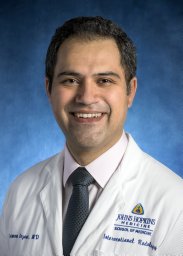 Nezami Nariman合作论文数Drug Appl Res Ctr, Tabriz Univ Med Sci1
 Lynn Jeanette Savic合作论文数Berlin Institute of Health in der Charité;Department of Radiology, Campus Virchow-Klinikum, Charité – Universitätsmedizin Berlin1
 Feng Allen L合作论文数Department of Otolaryngology-Head and Neck Surgery, Johns Hopkins School of Medicine1
 Halappa Vivek Gowdra合作论文数Russell H. Morgan Department of Radiology and Radiological Sciences, Johns Hopkins University School of Medicine1
 David A Bluemke合作论文数Department of Radiology, School of Medicine and Public Health, University of Wisconsin- Madison;Department of Medical Physics, School of Medicine and Public Health, University of Wisconsin- Madison1
 Elliot K. Fishman合作论文数School of Medicine, The Johns Hopkins University1
 James G Herman合作论文数Division of Hematology, Department of Medicine, School of Medicine, University of Pittsburgh1Sally E. Mitchell合作论文数1
 Sahar Mirpour合作论文数1
 Ali Gholamrezanezhad合作论文数Cedars-Sinai;Department of Radiology, Keck School of Medicine, University of Southern California1
 Eleni Liapi合作论文数Department of Radiology and Radiological Science, Johns Hopkins Hospital1Ayman Koteish合作论文数1James P. Hamilton合作论文数1




