Scott, W. E. III; Avgoustiniatos, E. S.; Ferrer-Fabrega, J.; Weegman, B. P.; Kircner, V. A.; Anazawa, T.; Rizzari, M. D.; Kidder, L. S.; Stein, S. A.; Matsumoto, S.; Stone, J. J.; Suszynski, T. M.; Aasheim, T. C.; Hammer, B. E.; Balamurugan, A. N.; O'Brien, T. D.; Murtaugh, M. P.; Tempelman, L. A.; Sutherland, D. E.; Hering, B. J.; Papas, K. K. Author Information
BACKGROUND:Risk factors associated with surgical site infection (SSI) and the development of short-term complications in macaques undergoing vascular access port (VAP) placement are evaluated in this study. METHODS:Records from 80 macaques with VAPs were retrospectively reviewed. Logistic regression was used to identify factors associated with short-term post-operative complications. RESULTS:The primary outcome was SSI, which occurred in 21.6% (52.6% in the first 12 months vs. 13% thereafter) of procedures. SSI was associated with major secondary complications including VAP removal (11.4%), wound dehiscence (5.7%), and mechanical catheter occlusion (5.7%). In multivariate modeling, only surgical program progress was a statistically significant predictor of SSI, while animal compliance had a slightly protective effect. CONCLUSIONS:Vascular access ports have a moderate risk of complications, provided the surgical program optimizes best practices. Under complex experimental conditions, VAPs represent an important refinement, both improving animals' overall well-being and environment and reducing stress.
BACKGROUND:Defining tolerable warm ischemia (WI) is mandatory before nonheartbeating cadavers can be used to enlarge the donor pool. No studies to date have precisely evaluated the effect of pancreatic WI on islet yield and viability in a large animal model.METHODS:We used mongrel dogs in our study at the University of Minnesota. Excised pancreases were left in situ for a designated period (0, 30, 45, and 60 min in groups 1 to 4, respectively) of WI. Then, they were digested by the automated collagenase digestion method of Ricordi, purified on Euro-Ficoll discontinuous gradients with the COBE cell processor, and autotransplanted into the liver via a mesenteric vein. We compared the four groups in terms of islet yield, expressed as islet equivalents (IE; diameter standardizing to 150 microm) per pancreas weight (IE/g pancreas), and viability, assessed by functional success (maintenance of normoglycemia for 2 weeks) after transplant.RESULTS:Mean islet yield (+/- SD) and the functional success rate after transplant were as follows: 6200+/-1800 IE/g pancreas and 4 of 4 (100%) in group 1; 6300+/-4400 and 4 of 4 (100%) in group 2; 3800+/-2600 and 2 of 4 (50%) in group 3; and 1400+/-1300 and 0 of 4 (0%) in group 4 (P=0.01 vs. group 1).CONCLUSIONS:With 30 min or less of WI, there are no deleterious effects on islet yield and viability. However, with periods of WI longer than 30 min, the loss in islet yield is severe, resulting in functional failure after autotransplantation. The limit of WI that is tolerable for islets is shorter than for a whole pancreas.
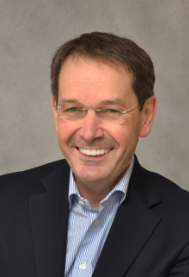 Bernhard Hering合作论文数Schulze Diabetes Institute, Department of Surgery, Medical School, University of Minnesota5
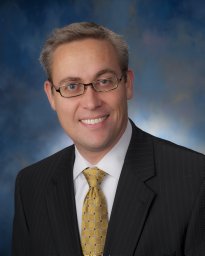 Martin Wijkstrom合作论文数Diabetes Institute for Immunology and Transplantation, University of Minnesota3
 Tun Jie合作论文数Department of Surgery, University of Arizona2
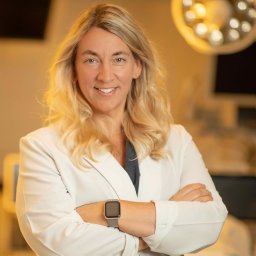 Melanie L Graham合作论文数2T. M. Suszynski合作论文数1k j pilon合作论文数1S.A. Stein合作论文数1L. S. Kidder合作论文数1M. D. Rizzari合作论文数1B. P. Weegman合作论文数1K Moran合作论文数1DE SUTHERLAND合作论文数1MJ Graczyk合作论文数1Es Avgoustiniatos合作论文数1S Matsumoto合作论文数1Thomas R. Gilmore合作论文数1
 Joana Ferrer Fabrega合作论文数1
 A.N Balamurugan合作论文数1Rieke E F合作论文数1Michael G. Thompson合作论文数1
 William Earl Scott III合作论文数Department of Surgery, University of Minnesota;Department of Surgery, University of Arizona;University of Minnesota, University of Arizona1
 Michael P. Murtaugh合作论文数Department of Veterinary & Biomedical Sciences, University of Minnesota1
 Henk-Jan Schuurman合作论文数SchuBiomed Consultancy BV1D.E.R. Sutherland合作论文数1Yasuo Kuroda合作论文数1Klearchos K. Papas合作论文数Department of Surgery, University of Minnesota Medical School1Masahiko Nakano合作论文数1
 Timothy D. O Brien合作论文数Department of Veterinary Population Medicine, College of Veterinary Medicine, University of Minnesota;Institute for Engineering in Medicine, University of Minnesota;Sarcio, Inc.1H Schuurman合作论文数1Jeffrey W. Kronson合作论文数1Yasuki Tanioka合作论文数1Sue M. Clemmings合作论文数1JD Ansite合作论文数1
 Nicole Kirchhof合作论文数1
 Takayuki Anazawa合作论文数Department of Organ Regenerative Surgery, Fukushima Medical University1J. P. Leone合作论文数1
 Bruce E. Hammer合作论文数University of Minnesota1Linda A. Tempelman合作论文数1




