This study explores the impact of the gut-brain axis (GBA) on risk-taking through a 4-week, double-blinded, placebo-controlled probiotics protocol and the Maastricht Gambling Task (MGT). We used transcranial magnetic stimulation (TMS) on the ventromedial prefrontal cortex (VMPFC), a region thought to mediate GBA signals in risk-related decisions. Continuous theta burst stimulation (cTBS) targeted the VMPFC, with the superior parietal lobule (SPL) and sham as control conditions, applied before and after the probiotics/placebo intervention. Results show that probiotics significantly increased risky choices and response times in the MGT compared to placebo, without reducing choice optimality. VMPFC stimulation, independent of probiotics intake, also led to riskier choices when controlling for task repetition. The nonsignificant interaction between probiotics and VMPFC stimulation suggests that the VMPFC does not play a key functional role in the effects of probiotics on risk-taking behavior. These findings offer insights into GBA influences on human decision-making through probiotics.
Non-invasive brain stimulation (NIBS) includes a growing set of techniques aimed at modulating brain activity without surgery or implants. Transcranial magnetic (TMS) and electrical stimulation (tES) are among the most established methods. tES delivers low-intensity current via scalp electrodes, offering a cheaper and portable option, especially for home-based use. Clinical evidence suggests that the effects of tES are cumulative with consecutive applications needed to achieve meaningful changes. The therapeutic application of the clinic-based tES usually involves a minimum of two weeks of daily visits to the clinical institute, which poses a large burden and stress on patients. Home-based tES, e.g. under remote supervision (RS-tES), following adequate training by trained professionals paves the path to increasing the accessibility of the technology to patients. In 2025, the US FDA approved the first home-based tDCS system for the treatment of "moderate to severe major depressive disorder in the current episode, either as monotherapy or as an adjunctive treatment, in patients 18 years and older who are not considered treatment refractory to medication. In this work, the latest knowledge related to home-use of tES is introduced, including the methodology, most frequent clinical applications, advances and limitations.
Recent updates to treatment guidelines for depression increasingly incorporate repetitive transcranial magnetic stimulation (rTMS). While rTMS is an established intervention for depression, evidence regarding its use for maintenance treatment remains limited. The Dutch-Flemish Brain Stimulation Foundation convened an expert panel to review the literature, survey clinical practice, and formulate consensus recommendations on maintenance treatment with rTMS in the Netherlands and Flanders. A systematic PubMed search (up to June 2025) identified 22 studies reporting original data on maintenance treatment with rTMS for depression. Approaches could be divided into three categories: tapering (gradual reduction of sessions after acute treatment), maintenance rTMS (fixed-interval sessions), and retreatment (reinitiating rTMS upon relapse). Evidence from one randomized controlled trial and several open-label studies suggests that tapering may help sustain clinical improvement, particularly when the tapering schedule is symptom-guided. For maintenance rTMS, single-session protocols show mixed results, whereas clustered protocols (typically five sessions per month over several days) demonstrate the most benefits, though controlled data are lacking. Retreatment with rTMS is effective in most patients who previously responded to acute rTMS, often requiring fewer sessions. Survey data from 11 Dutch institutions indicate that tapering and maintenance rTMS are applied on a small scale, while retreatment is more common. Patient representatives emphasized the importance of early discussion, flexible scheduling, and structured monitoring to guide maintenance treatment. Overall, evidence supports individualized application of maintenance treatment with rTMS, with a need for further controlled research to establish optimal protocols and long-term effectiveness.
INTRODUCTION:Repetitive transcranial magnetic stimulation (rTMS) is an effective treatment for major depressive disorder (MDD), yet some patients only show partial or no response. Recent efforts to enhance rTMS efficacy have focused on combining rTMS with adjunctive interventions, such as psychotherapy, which may yield synergistic effects rather than merely additive effects. Cognitive control training (CCT) activates similar underlying neural circuits as rTMS and has demonstrated antidepressant potential. Given the time-intensive nature of rTMS, augmenting it with CCT may offer a pragmatic, time-efficient and potentially cost-effective solution to increase the therapeutic response of rTMS. This study aims to investigate whether rTMS augmented with CCT is more (cost-) effective in reducing depressive symptoms as opposed to rTMS alone. METHODS:In this international multicenter clinical trial, 132 adult patients with depression will be randomized to receive rTMS either augmented with CCT or placebo task. The trial consists 30 rTMS sessions over eight weeks, followed by a follow-up period up to one year. The primary outcome is the change in depressive severity, assessed with the 17-item Hamilton Depression Rating Scale (HDRS-17) after eight weeks of treatment. Secondary outcomes include an economic evaluation and response and remission after 8 weeks of treatment as well as during follow-up. DISCUSSION:The present study aims to improve the (cost-)effectiveness of rTMS by concurrently combining rTMS with CCT. Findings may support the development of more cost-effective, personalized interventions for the treatment of depression. TRIAL REGISTRATION:This trial is registered within the Overview of medical research in the Netherlands, OMON (code: NL-OMON57187, date: 18 December 2024).
Executive cognitive functions are essential for human life, and their age- or disease-related decline significantly impacts quality of life. Non-invasive brain stimulation (NIBS) targeting the multiple-demand or fronto-parietal network (FPN) has emerged as a promising intervention for enhancing various executive cognitive functions. However, variations in cognitive tasks and stimulation protocols across studies led to mixed results, rendering findings and conclusions incomparable. In this study, we synchronized oscillations over two main areas of the frontoparietal cognitive network, right dorsolateral prefrontal cortex (rDLPFC) and right posterior parietal cortex (rPPC), using high-definition (HD) dual-channel in-phase transcranial alternating current stimulation (tACS) at various stimulation frequencies (6 Hz, 40 Hz, sham). Participants completed a spatial attention task, a 3-back memory task, and a flanker cognitive control task while receiving tACS stimulation. Results revealed that gamma-band (40 Hz) stimulation improved response speed in the spatial attention task among younger participants but impaired response speed in the flanker task. Contrary to our initial expectations, theta-band stimulation did not affect cognition significantly. These findings highlight the specificity of cognitive enhancement through tACS and suggest that optimal stimulation targets may vary across cognitive domains, providing clinical implications for using tACS in treating cognitive deficits.
Concurrent transcranial magnetic stimulation (TMS) and functional magnetic resonance imaging (TMS-fMRI) provides a step-change in the toolkit of neuroscience research. TMS enables the noninvasive perturbation of ongoing human brain activity, and when coupled to fMRI for the simultaneous read-out of its effects across the brain, concurrent TMS-fMRI enables studies aimed at determining the causal inference of human brain–behavior relationships, with implications for both fundamental research and clinical application. Many of the technical barriers to TMS-fMRI implementation, such as hardware design and setups, have now been overcome, and the research community in the field is rapidly growing. Here, we present the guidelines set by an international consensus, from researchers at all levels and across the fields of cognitive and applied human neuroscience, for the experimental design and practical considerations of concurrent TMS-fMRI via 12 detailed use cases. These guidelines may facilitate the uptake of this approach and simplify the experimental design and planning stages. We present best practice guidelines for the use of concurrent TMS-fMRI, experimental design, technical requirements and data interpretation, illustrated via 12 use cases.
INTRODUCTION:High-frequency repetitive transcranial magnetic stimulation (HF-rTMS) targeting the left dorsolateral prefrontal cortex (lDLPFC) is an established, clinically effective treatment for major depressive disorder (MDD). However, evidence of the cognitive effects of lDLPFC HF-rTMS, especially those cognitive functions affected by MDD, is mixed. METHODS:We here assessed the cognitive effects of a single, offline, 10Hz rTMS session on task performance in an emotional faces N-back (EFNBACK) task, in both healthy and depressed individuals. We measured response times, accuracy, and sensitivity, in a sham-controlled, pre-post design. Importantly, using the Beck Depression Inventory (BDI-II), we assessed whether the cognitive effects of the stimulation are state-dependent on trait-state depression. RESULTS:We found lDLPFC HF-rTMS enhanced cognitive control over angry distractors. More importantly, these cognitive control effects were state-dependent on trait-state depression. HF-rTMS produced distinct performance changes dependent on baseline BDI-II scores. As a function of BDI-II scores, we observed either increased or decreased response times on the task. Further, we observed improved accuracy and sensitivity only on angry distractor trials as BDI-II scores increased, as a consequence of lDLPFC stimulation. CONCLUSION:These results underscore the role of HF-rTMS in enhancing executive control over negative emotional information by modulating lDLPFC, with effects varying according to depression state at the moment of the treatment session. HF-rTMS thus not only enhances inhibitory control over emotional stimuli but also exhibits such cognitive effects contingent on depressive state, contributing to our understanding of the state-dependence of therapeutic rTMS.
Interoception refers to the brain's sensing of internal body state and encompasses various bodily systems, notably the cardiac, respiratory, and gastric rhythms. Beyond their roles in physiological regulation and emotional states, each of these visceral rhythms has been shown to influence brain activity and cognition, prompting for the development of various interpretative functional frameworks. However, both experimental data and functional hypothesis leave it unclear whether and how each visceral rhythm acts simultaneously and independently on brain activity. Here, we address this question by measuring in human participants how the corticospinal excitability of the motor system varies with the phase of each of the three visceral rhythms. We applied single pulse transcranial magnetic stimulation (TMS) over the hand region in primary motor cortex to elicit Motor Evoked Potentials (MEPs), whose amplitude reflects corticospinal excitability, and tested whether MEP amplitude depends on the phase of the simultaneously measured cardiac, respiratory, and gastric rhythms. All three visceral rhythms were coupled to motor excitability with similar effect sizes at the group level. However, we found no relation between coupling strengths: participants displaying high coupling with one organ did not necessarily display high coupling to the other organs. These results indicate that independent mechanisms could underly the coupling between the cardiac, respiratory, and gastric rhythms and motor excitability. We further introduce the concept of individual interoceptive profiles and show that such interoceptive profiles obtained from objective coupling strength measures were not explained by self-reported awareness of the organ. Altogether, our results call for refined specifications of the frameworks offering a functional or clinical interpretation of viscera-brain coupling taking into account both independent mechanisms and individual interoceptive profiles.
Background and Objectives Visuospatial neglect (VSN) is a common consequence of unilateral stroke, characterized by reduced awareness on the contralesional side of space. This study examines resting-state electrophysiological mechanisms underlying VSN, with a focus on interhemispheric differences in alpha-band oscillations and their association with deficits in visual perception and attention. Methods Resting-state EEG was recorded during three-minute eyes-closed and eyes-open periods in VSN patients. Participants also completed a battery of perceptual and attentional assessments, including the Star Cancellation Task, the Computerized Visual Detection Task, and the Line Bisection Task. Measures of alpha activity, specifically amplitude, peak frequency, and fronto-parietal connectivity,were compared between VSN patients and age- and gender-matched healthy controls. Within the VSN group, alpha activity in the lesioned and non-lesioned hemispheres was used to predict task performance. Results Compared to healthy controls, VSN patients displayed a distinct resting-state alpha profile, characterized by slower and less synchronized alpha oscillations and reduced fronto-parietal alpha connectivity in the lesioned hemisphere. In contrast, controls showed symmetrical alpha activity across hemispheres. Crucially, the degree of interhemispheric alpha asymmetry in VSN patients consistently predicted attentional impairments across all behavioral tasks. Discussion VSN is linked to disrupted alpha oscillatory dynamics and interhemispheric imbalance. The extent of alpha desynchronization between hemispheres predicts symptom severity, supporting the interhemispheric competition model of attention. These findings suggest that hyperactive alpha activity in the non-lesioned hemisphere may suppress the lesioned hemisphere, contributing to attentional bias away from the contralesional space. ### Competing Interest Statement The authors have declared no competing interest. * VSN : Visuospatial neglect EEG : Electroencephalography IAF : Individual Alpha Frequency CVDT : Computerized visual detection task SCT : Star Cancellation Task SLBT : Schenkenberg Line Bisection Task
This guideline summarizes updated safety data (2017-2025) and provides expert recommendations on the use of low intensity transcranial electrical stimulation (tES) in humans. tES encompasses several techniques including transcranial direct current stimulation (tDCS), oscillatory transcranial direct current stimulation (otDCS), transcranial alternating current stimulation (tACS), transcranial random noise stimulation (tRNS), transcranial temporal interference stimulation (tTIS), and their combinations or variations. Across over 300,000 sessions involving healthy individuals, patients with neuropsychiatric conditions, and other clinical populations, no tES-related serious adverse events (AEs) have been reported. Moderate AEs are rare and limited to a small range of specific applications. Mild AEs are common and include transient symptoms such as localized sensations (e.g., tingling or burning), headaches, and fatigue. Similar mild AEs are also reported by individuals receiving placebo stimulation. The frequency, magnitude, and type of AEs are comparable across healthy, clinical, and vulnerable groups, including children, elderly, or pregnant women. Combined interventions (e.g., co-application with EEG, TMS, or neuroimaging) have not shown increased safety risks. Safety is well-established for both bipolar and multichannel tES when applied up to 4 mA and up to 60 min per day. Higher intensities and longer stimulation durations may also be safe. Nevertheless, the number of studies using intensities above 4 mA or stimulating longer than 60 min is low. Home-based use of treatments is growing rapidly, leveraging remote supervision to provide patients with greater access and enable repeated, sustained dosing paradigms. We recommend using screening and AE questionnaires in future controlled studies, in particular when planning to extend the stimulation parameters applied. We discuss recent regulatory and ethical issues.
The frontal eye fields (FEFs) are critically involved in voluntary shifts of attention by sending top-down signals to posterior cortices to modulate local alpha-band activity. However, the exact temporo-spatial dynamics of this process are still unclear. Here, we investigated how covert shifts of attention and associated modulations of posterior alpha power are affected after FEF inhibition by transcranial magnetic stimulation (TMS). Neither right nor left FEF disruption impaired attention task performance. This absence of behavioral effects seems to be related to the here employed long cue-target intervals, giving the attention system sufficient time to compensate (across trials) for the TMS insult. Alpha power modulation was quantified both in the entire cue-target interval, and in two additional time windows: after cue presentation (early) and before target appearance (late). TMS effects on alpha power clearly differed across time windows, being strongest in the early time window. The reduced TMS effect in the late window might reflect recovery/compensation employed by the attention system, possibly explaining the lack of TMS-induced behavioral effects. These results are in line with a central role of the FEF in the control of visuospatial attention and support the notion of compensation mechanisms in cognitive brain systems in the temporal domain.
Transcranial magnetic stimulation (TMS) is a non-invasive treatment for psychiatric and neurological disorders, especially major depressive disorder. While generally well-tolerated and associated with fewer side effects than pharmacological alternatives, TMS is not without risks. Common adverse effects include transient headaches, scalp discomfort, nausea, and dizziness. Seizures, the most serious event, are rare (7 per 100,000 sessions) and typically occur early in treatment among high-risk individuals. Psychological side effects, particularly nocebo responses, are underexplored and warrant attention due to their potential impact. Cognitive side effects are rare and typically mild or transient, with some evidence of cognitive benefit in specific protocols. With expanding clinical use, standardized monitoring tools and open-access registries are needed to ensure accurate reporting and transparency.
BACKGROUND:Novel therapies are crucial for patients with major depressive disorder, as more than 33% of patients do not respond to first-line treatments. A promising novel treatment strategy is an intensive 5-day course of personalized, functional connectivity-guided accelerated intermittent theta-burst stimulation (PAiT), modeled after the Stanford neuromodulation therapy protocol. This new form of repetitive transcranial magnetic stimulation (rTMS) may lead to higher remission rates in patients with treatment-resistant depression (TRD). However, it remains unclear how this accelerated strategy compares to the standard once-daily 10 Hz rTMS at inducing remission of depression. OBJECTIVE:This study aims to compare cost-effectiveness using the PAiT protocol and the standard 10 Hz rTMS in patients with TRD. METHODS:A total of 108 patients will be enrolled in this multicenter randomized controlled trial. Patients will receive stimulation over the left dorsolateral prefrontal cortex using either the PAiT protocol (10 sessions per day over 5 days, resulting in 50 sessions in total and 90,000 pulses) or standard 10 Hz rTMS (once daily for 6 weeks, resulting in 30 sessions in total and 90,000 pulses). Personalized targets will be identified in the accelerated intermittent theta-burst stimulation condition based on negative functional coupling between the subgenual anterior cingulate cortex and the dorsolateral prefrontal cortex. In the rTMS condition, the dorsolateral prefrontal cortex target locations are identified using the standard Beam-F3 method. In both conditions, coil placement is performed with neuronavigation, navigating either to the personalized functional connectivity target or the Beam-F3 location. Patients will undergo pre- and posttreatment functional magnetic resonance imaging scans, including cognitive and emotional tasks. Four follow-up assessments are scheduled at 7, 12, 26, and 31 weeks after baseline. We expect that the PAiT protocol is more cost-effective than the standard 10 Hz rTMS. RESULTS:Recruitment for this randomized controlled trial started in February 2024. As of December 2024, we had enrolled 31 patients; the last participant is expected to complete their posttreatment assessments in January 2027. CONCLUSIONS:To our knowledge, this study is the first clinical trial to compare the cost- effectiveness of PAiT to standard 10 Hz rTMS as treatment for patients with TRD. The results of our study will offer professionals evidence from a sufficiently powered trial to determine whether the PAiT protocol is more effective than standard high-frequency rTMS. Specifically, it will assess whether PAiT leads to a shorter treatment duration for depression and greater societal or occupational participation among patients with TRD. In addition, this trial will provide further insights into the underlying mechanisms related to treatment effect, the effects of rTMS or accelerated intermittent theta-burst stimulation on cognitive domains such as executive functioning and emotion, possible differences in side effects, long-term effects, and factors contributing to possible relapse. TRIAL REGISTRATION:ClinicalTrials.gov NCT05900271; https://clinicaltrials.gov/study/NCT05900271. INTERNATIONAL REGISTERED REPORT IDENTIFIER (IRRID):DERR1-10.2196/70121.
Aim Cognitive impairment affects approximately half out-of-hospital cardiac arrest (OHCA) survivors, yet no established treatments effectively improve cognitive functioning. Repetitive transcranial magnetic stimulation is a potential treatment candidate. This proof-of-concept feasibility study investigates whether intermittent theta burst stimulation (iTBS) targeting the left dorsolateral prefrontal cortex can enhance working memory performance, assessed via the N-back task. Methods A randomized ABAB single-case experimental design (SCED) study was conducted with six healthy participants and three OHCA survivors. Participants received alternating sham and active iTBS and completed the N-back task. The initial stimulation type and N-back length were randomly assigned. Sensitivity (d’) and reaction time were analyzed with visual analysis, non-overlap of all pairs (NAP), randomization tests, and multilevel regression analysis with Bayesian posterior model probabilities. Results No significant effect of iTBS on d’ was found at the individual or group level. Reaction time did not show differences on the individual level. On the group level, combined NAP indicates a slight reaction time improvement after iTBS (NAP = .41, 95 % CI [.33,.50]). Multilevel regression analysis showed a non-significant reduction of reaction time (β = − 13.4, t (157) = -1.90, p = .06), with posterior model probabilities suggesting 56 % chance of a real effect. Conclusion While iTBS did not significantly improve working memory performance on an individual level, group-level analyses indicated a small reduction in reaction time post-iTBS. This proof-of-concept study shows feasibility and potential benefit on a group level of iTBS on processing speed. Future studies should replicate and expand on these findings and investigate potential cumulative and longitudinal effects of iTBS on working memory.
Introduction Many patients with depression fail to achieve adequate response or remission with standard treatments, prompting an urgent need to identify factors influencing treatment outcomes. Among these, comorbid personality disorders (PDs) have been identified as a significant contributor to poorer treatment responses. Methods and materials In this open-label, naturalistic study, we evaluated the feasibility, tolerability, and effectiveness of intermittent theta burst stimulation (iTBS) in a sample of 101 patients with depression and comorbid PD. Eighty-six patients received a standard iTBS protocol (one session per day over several weeks), while fifteen opted for an accelerated protocol involving two to four sessions per day. Symptom severity was assessed using the Beck Depression Inventory (BDI) and the Symptom Checklist-90-R (SCL-90-R), administered at baseline, weekly during treatment, and at four follow-up points (1, 2, 3, and 4 months post-treatment). Results and conclusion Both treatment protocols led to significant symptom reduction, which was sustained over the follow-up period. Remission rates were 87 % in the accelerated group and 63 % in the standard protocol group. iTBS was well tolerated, with no serious adverse events reported. Notably, patients who were not taking antidepressant medication and those who were younger showed better treatment responses. iTBS appears to be a feasible, safe, and effective treatment option for depressed patients with comorbid PD. The findings suggest the benefits of iTBS treatment and support further exploration of patient characteristics that may predict response to rTMS.
Interoception refers to the sensing of the internal state of the body and encompasses various bodily axes. Yet many interoceptive signals display unique qualities. The heart, lungs, and stomach each have their distinct frequencies, afferent pathways, and respective functions. At the same time each of these organs has been demonstrated to interact with neural activity and behaviour. To what extent then should different organs be treated as separate modalities in interoception? We here aim to answer this question by assessing in human participants whether the phase of these visceral rhythms is coupled to the corticospinal excitability of the motor system, and whether this coupling happens in an organ-specific or organ-general manner. We combined continuous physiological recordings with single pulse Transcranial Magnetic Stimulation (TMS) to probe phase-amplitude coupling between the phase of the cardiac, respiratory, and gastric rhythm and the amplitude of Motor Evoked Potentials (MEP). All three visceral rhythms contributed to MEP amplitude with similar effect sizes at the group level. However, we found no relation between coupling strengths with corticospinal excitability between the three organs. Thus, participants displaying high coupling with one organ did not necessarily display high coupling to the other organs, suggestive of unique interoceptive profiles. There was also no link between self-reported awareness of the organ and the actual coupling, suggesting these are distinct dimensions of interoception. Together these results show that each coupling is mediated by at least partially independent mechanisms. ### Competing Interest Statement The authors have declared no competing interest.
 Alexander T. Sack合作论文数Faculty of Psychology and Neuroscience, Maastricht University95
 Tom A. De Graaf合作论文数23
 Felix Duecker合作论文数13
 Jill Lobbestael合作论文数www.bsl.nl12
 Sanne Ten Oever合作论文数11
 A Arntz合作论文数Department of Clinical Psychology, University of Amsterdam11
 Franziska Emmerling合作论文数School of Management, Technical University München10
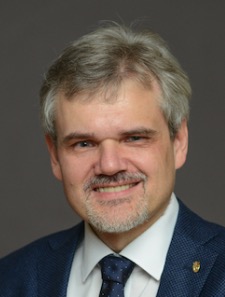 Rainer Goebel (R.W.)合作论文数Department of Cognitive Neuroscience, Faculty of Psychology and Neuroscience, Maastricht University;Maastricht Brain Imaging Centre10
 Suzanne Brugman合作论文数9Dambacher Franziska合作论文数8
 Geraldine Rodriguez Nieto合作论文数7Marieke Dewitte合作论文数7
 Peiran Jiao合作论文数Dept Finance, Maastricht Univ6Aline M Dantas合作论文数Maastricht Brain Imaging Ctr, Maastricht Univ6
 Alix Thomson合作论文数Faculty of Health, Medicine and Life Sciences, Maastricht University6
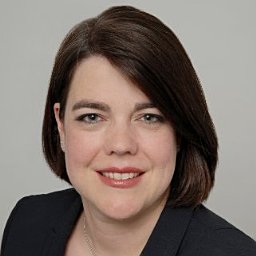 Elisabeth Brüggen合作论文数6
 Panayiota Michael合作论文数5Stefano Gallotto合作论文数5
 Marij Middag合作论文数5
 Georgios Mikellides合作论文数Medical School, University of Nicosia5
 Inge Leunissen合作论文数5Gunter Kenis合作论文数Eurogenetics, Tessenderlo, Belgium5
 B.P.F. Rutten合作论文数School for Mental Health and Neuroscience, Faculty of Health, Medicine and Life Sciences, Maastricht University;Department of Psychiatry, Maastricht University Medical Centre5
 Chris Baeken合作论文数4Olof J Van Der Werf合作论文数4
 Roi Cohen Kadosh合作论文数School of Psychology, University of Surrey4Schilberg Lukas合作论文数4
 Peter De Weerd合作论文数4
 Caroline van Heugten (C.M.)合作论文数Department of Neuropsychology and Psychopharmacology, Faculty of Psychology and Neuroscience, Maastricht University;Limburg Brain Injury Expertise Center4Theodoros Koutsomitros合作论文数3S. K. Kemmerer合作论文数3
 Iris Dalhuisen合作论文数3Van Exel Eric合作论文数3
 Lilia Psalta合作论文数Department of Psychology and York Neuroimaging Centre, University of York3
 Niels Olaf Schiller合作论文数Faculty of Humanities, Leiden University;Department of Psychology, Faculty of Social Sciences, Leiden University3
 Antal, Andrea合作论文数Göttingen Graduate Center for Neurosciences, Biophysics, and Molecular Biosciences, School of Science, Georg-August University3
 Philip Van Eijndhoven合作论文数Nijmegen Medical Centre, Radboud University3Maaike Cima合作论文数www.bsl.nl3
 K. R. J. Schruers合作论文数School for Mental Health and Neuroscience, Maastricht University;Mondriaan3
 Martijn Arns合作论文数Brainclinics Diagnostics Nijmegen3
 Arno Riedl合作论文数Maastricht University3
 Odile A van den Heuvel合作论文数2Antonis C Zamar合作论文数2
 Olympia Evagorou合作论文数2
 Vera Moliadze合作论文数2Ting Wang合作论文数2Jasmina Paneva合作论文数2
 Artemis Stefani合作论文数Great Ormond Street Institute of Child Health, University College London2
 Sabrina Strang合作论文数Univ Bonn, Ctr Econ & Neurosci, D-53127 Bonn, Germany2




