In 2016, the Japan Children's Cancer Group launched a nationwide research initiative to provide central diagnosis incorporating pathology review and molecular profiling for pediatric central nervous system (CNS) tumors. Over the first eight years, 2224 cases were registered. Non-next-generation sequencing analyzes, such as pyrosequencing and NanoString, were routinely performed, mainly for glioma, medulloblastoma, and ependymoma. Additional analyzes, including methylation profiling and RNA sequencing, were conducted for selected diagnostically challenging cases. The most common diagnoses were low-grade glioma (26%), medulloblastoma (18%), germ cell tumor (16%), high-grade glioma (12%), and ependymoma (11%). Diagnostic or targetable alterations were detected in nearly half of the glioma samples. Among medulloblastomas, Group 4 was the most prevalent subgroup (48%), followed by SHH-activated (28%), Group 3 (14%), and WNT-activated (11%). Among ependymomas, 95% of posterior fossa ependymomas were classified as PFA, and 72% of supratentorial ependymomas were positive for ZFTA fusion. Methylation-based classification enabled diagnostic refinement and identification of recently recognized novel subtypes. The integration of histopathological review by central pathologists and detailed molecular analyzes facilitated the recognition of rare tumors not yet defined in the World Health Organization classification. Our experience underscores the value of integrated diagnosis, which is now regarded as standard practice for pediatric CNS tumors, and highlights the urgent need for a sustainable clinical framework that incorporates molecular testing. This report represents the first comprehensive overview of the pediatric CNS tumor landscape in Japan in the molecular era.
Undifferentiated embryonal sarcoma of the liver (UESL) and mesenchymal hamartoma of the liver (MHL) are rare pediatric liver tumors with poorly understood oncogenic mechanisms. Although UESL occasionally arises from MHL, the relationship between these entities remains elusive. Here, we conducted comprehensive multi-omics profiling of 18 UESL and six MHL cases, and identified structural variants (SVs) involving the C19MC miRNA cluster in all tumors, resulting in robust overexpression of C19MC miRNAs. While mutations in TP53 were detected in all UESL samples, they were absent from MHL. Functional studies demonstrated that overexpression of C19MC miRNAs alone was insufficient for transformation, but acted synergistically with TP53 loss to drive oncogenicity. Spatial transcriptomics performed on a tumor sample containing a composite MHL-UESL lesion revealed pseudo-temporal gene expression trajectories and clonal diversification. Collectively, these findings delineate a stepwise malignant transformation from MHL to UESL, and reveal the underlying cooperative genetic events.
Telomere maintenance mechanisms (TMM) have garnered attention as a mechanism associated with the treatment resistance and poor prognosis of neuroblastoma (NB). Ganglioneuroblastoma (GNB) and ganglioneuroma (GN) are histologically classified as neuroblastic tumors (NTs) along with NB; however, few reports have addressed TMM in GNB and GN. The present study analyzed 321 NTs diagnosed in Japan, including 255 NB cases, 48 GNB cases and 18 GN cases, using a quantitative PCR-based C-circle assay for alternative lengthening of telomeres (ALT) and a telomerase reverse transcriptase (TERT) mRNA expression assay. ALT was identified in 38 NB cases (38/255, 15%) and 6 GNB cases (6/48, 12.5%), but not in GN. High TERT expression was observed in 38% (64/169), 23% (7/31) and 14% (1/7) of NB, GNB and GN cases, respectively. TMM activation, defined as ALT(+) and/or high TERT expression, occurred in 12/48 GNB cases and 1/18 GN cases, particularly in the GNB-nodular type (10/21, 48%), which was similar to 39% (100/255) of NB cases. Furthermore, TMM(+) GNBs exhibited distinct features, including a high frequency of ATRX alterations and a lower frequency of TERT rearrangements. Chromosomal aberration analysis revealed frequent 7q gain, 17q gain and 11q loss in ALT(+) NTs (83%). Overall, TMM serves as a poor prognostic marker for high-risk NB and offers valuable insights for the risk classification of GNBs.
To develop an optimized genomic medicine platform for pediatric cancers, a nationwide cancer genome profiling project was conducted from January 2022 to February 2023 in collaboration with the Japan Children's Cancer Group. This prospective observational study analyzed matched blood and FFPE tumor samples from patients aged 0-29 years with solid tumors. Genomic analysis used the TOP2 hybrid capture-enrichment system, targeting 737 and 455 genes in the DNA and RNA panels, along with allele-specific genome copy number alterations. A total of 210 patients from 50 institutions were enrolled across Japan (median age, 8 years; range, 0-25). Of these, 154 (77%) were enrolled at diagnosis or during/after initial treatment and 56 (27%) at disease progression or relapse. The TOP2 findings had great benefits in clarifying the diagnosis of pediatric solid tumors. Among the 204 patients with genomic results, 147 (72%) had potentially actionable findings, including diagnostic, prognostic, and therapeutic findings in 111 (54%), 61 (30%), and 64 (31%), respectively. Oncogenic fusions were noted in 45 (23%) patients. A copy number alteration was identified in at least one genomic region in 170 (83%) patients. Two patients exhibited a high tumor mutation burden. Seventeen (8%) patients harbored a germline pathogenic/likely pathogenic variant in cancer-predisposing genes. This study highlighted the feasibility of implementing a nationwide precision medicine platform and the clinical utility of the TOP2 system for pediatric cancers. The results support the integration of genomic data into the standard clinical care of pediatric patients with cancer, both at diagnosis and at relapse.
BACKGROUND:Complete resection of the primary tumor is critical for the survival of children with hepatoblastomas (HBs). This prospective clinical study aimed to clarify the outcome of a chemotherapy regimen comprising cisplatin and doxorubicin (PLADO) followed by definitive surgery conducted at the appropriate time in patients with intermediate-risk HB. METHODS:Intermediate-risk HB was defined as patients without evidence of metastatic disease who met any of the following criteria: age ≥3 years; PRETEXT IV disease; presence of more than one PRETEXT annotation factor. The study protocol consisted of four preoperative and two postoperative courses of PLADO. The appropriate surgeries were conducted at optimized timings via real-time central surgical reviews. RESULTS:The 3-year progression-free and overall survivals of the 33 intermediate-risk patients included were 78.7% and 87.9%, respectively. Preoperative PLADO resulted in a partial response in 83.9% of the patients. Microscopic complete resection was ultimately obtained in 31 (94%) patients. No patient required more than six preoperative courses before surgery or liver transplantation (LTx). Two patients never had surgery due to tumor progression. CONCLUSIONS:The outcome for patients with intermediate-risk HB was satisfactory. PLADO, combined with surgery (including LTx) conducted at the optimal time, appeared to cure most patients in this study.
PURPOSE:To evaluate the safety and efficacy of multimodality treatment with vincristine, actinomycin D, and cyclophosphamide (VAC) therapy, surgery, and radiotherapy according to the US Intergroup Rhabdomyosarcoma Study IV (IRS-IV), and to establish a central review system and standard treatment for intermediate-risk pediatric rhabdomyosarcoma in Japan. PATIENTS AND METHODS:The Japan Rhabdomyosarcoma Study-I (JRS-I) was a single-arm, phase II trial for intermediate-risk rhabdomyosarcoma treatment with open enrollment from June 2004 to March 2009. Patients received 12 cycles of VAC every 3 weeks for 42 weeks, with local therapy beginning after Week 12. The endpoints were progression-free survival (PFS), overall survival (OS), and incidence of hepatic veno-occlusive disease (VOD). RESULTS:Thirty-one eligible patients were enrolled, and at a median follow-up of 5.2 years, the 3-year PFS and OS for patients were 74.2% ± 7.9% (95% confidence interval [CI] 55.0%-86.2%) and 90.3% ± 5.3% (95% CI 72.9%-96.8%), respectively. VOD occurred in 3 (8%) of the 40 evaluable patients, but all recovered, and there were no deaths. CONCLUSION:The VAC regimen for intermediate-risk rhabdomyosarcoma with the first central review system in Japan is safe and feasible, and these findings can be positioned as basic data for improving treatment outcomes in Japan.
BACKGROUND:Localized lymphoblastic lymphoma (LL) is rare in pediatric patients. The best treatment for patients with localized LL remains to be determined because of the rarity of the disease. METHODS:Between November 2004 and October 2019, 41 newly diagnosed patients up to 18 years of age with localized LL (Murphy stages I and II) were enrolled in the LLB-NHL03 trial. The treatment consisted of five phases: induction, consolidation, central nervous system prophylaxis, delayed intensification, and maintenance. The total duration of therapy was 24 months from the time of diagnosis. RESULTS:Of the 41 patients, six patients were excluded with a different diagnosis; therefore, 35 were included in the primary efficacy and safety analysis. The mean age at diagnosis was 9.2 years (range 2.1-16.1 years). Sixty-five percent of patients were male. Twenty-nine patients had a pre-B immunophenotype, and six had a pre-T immunophenotype. The head and neck area accounted for 66% of the primary sites. At a median follow-up of more than 10 years, the 3-year event-free survival rate [95% confidence interval] was 97.1% [81.4-99.6%], and the 3-year overall survival rate was 100%. Overall, patients tolerated the therapy well, and no treatment-related deaths were observed. CONCLUSION:This is the largest clinical trial conducted exclusively in children with newly diagnosed localized stage LL. The outcomes of pediatric patients with localized LL treated with 2 years of acute lymphoblastic leukemia-type therapy, which is characterized by a relatively low anthracycline dose, exclusive use of prednisolone steroids, and fewer intrathecal therapies compared with previous studies, were excellent. CLINICAL TRIAL REGISTRATION NUMBER:This trial was registered in the Japan Registry of Clinical Trials (jRCT): jRCTs041180131.
 Nakazawa Atsuko合作论文数44Takehiko Kamijo合作论文数32Kimikazu Matsumoto合作论文数32
 Keizo Horibe合作论文数Clinical Research Center, National Hospital Organization Nagoya Medical Center;Department of Clinical Trials and Research, National Hospital Organization Nagoya Medical Center30Tatsuro Tajiri合作论文数29Hiroki Okita合作论文数28Tomoko Iehara合作论文数26
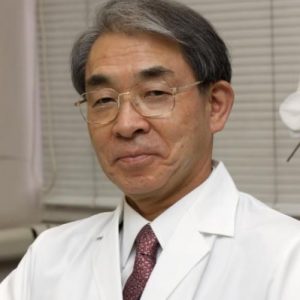 Akira Nakagawara合作论文数24Tomoro Hishiki合作论文数22Hiroyuki Shichino合作论文数21Yukichi Tanaka合作论文数19Tetsuya Mori合作论文数19Kobayashi Ryoji (小林良二)合作论文数School of Medicine, Faculty of Medicine, Kagawa University18
 Akiko Saito合作论文数17
 Satoshi Teramukai合作论文数Translational Research Center, Kyoto University Hospital17
 Junichi Hara合作论文数Osaka City General Hospital17Takaharu Oue合作论文数17Masayuki Haruta合作论文数School of Life Sciences, Tottori University17Miho Kato合作论文数15
 Akihiro Yoneda合作论文数15Miki Ohira合作论文数15
 Eiso Hiyama合作论文数Department of Pediatric Surgery, Hiroshima University;Natural Science Center for Basic Research and Development, Hiroshima University15
 Masahito Tsurusawa合作论文数14Shosuke Sunami合作论文数Japanese Red Cross Narita Hospital14Sekimizu Masahiro合作论文数13Tsugumichi Koshinaga合作论文数13
 Junichiro Fujimoto合作论文数National Center for Child Health and Development;Royal Crystal Clinic11Takako Yoshioka合作论文数11Tomoyuki Watanabe合作论文数10T Tajiri合作论文数10A Nakazawa合作论文数10Hiroki Nagase合作论文数10
 Hajime Hosoi合作论文数10Atsushi Kikuta (菊田敦)合作论文数Department of Pharmacology, School of Medicine, Fukushima Medical University10
 Reiji Fukano合作论文数10H Ikeda合作论文数9
 Yokota Isao合作论文数School of Integrated Health Science, The University of Tokyo9Motohiro Kato合作论文数Graduate School of Medicine, Kyushu University9
 Yasuhiko Kaneko合作论文数Department of Cancer Chemotherapy, Saitama Cancer Center Hospital, Ina, Saitama, Japan9Toshinori Soejima合作论文数Department of Radiology, Kobe University Graduate School of Medicine9Miwako Nozaki合作论文数9Katsuyoshi Koh合作论文数9Satomi Sato合作论文数8Hiroyuki Fujisaki合作论文数8A. Yoneda合作论文数8Koichi Ohshima合作论文数Department of Pathology, School of Medicine, Kurume University8
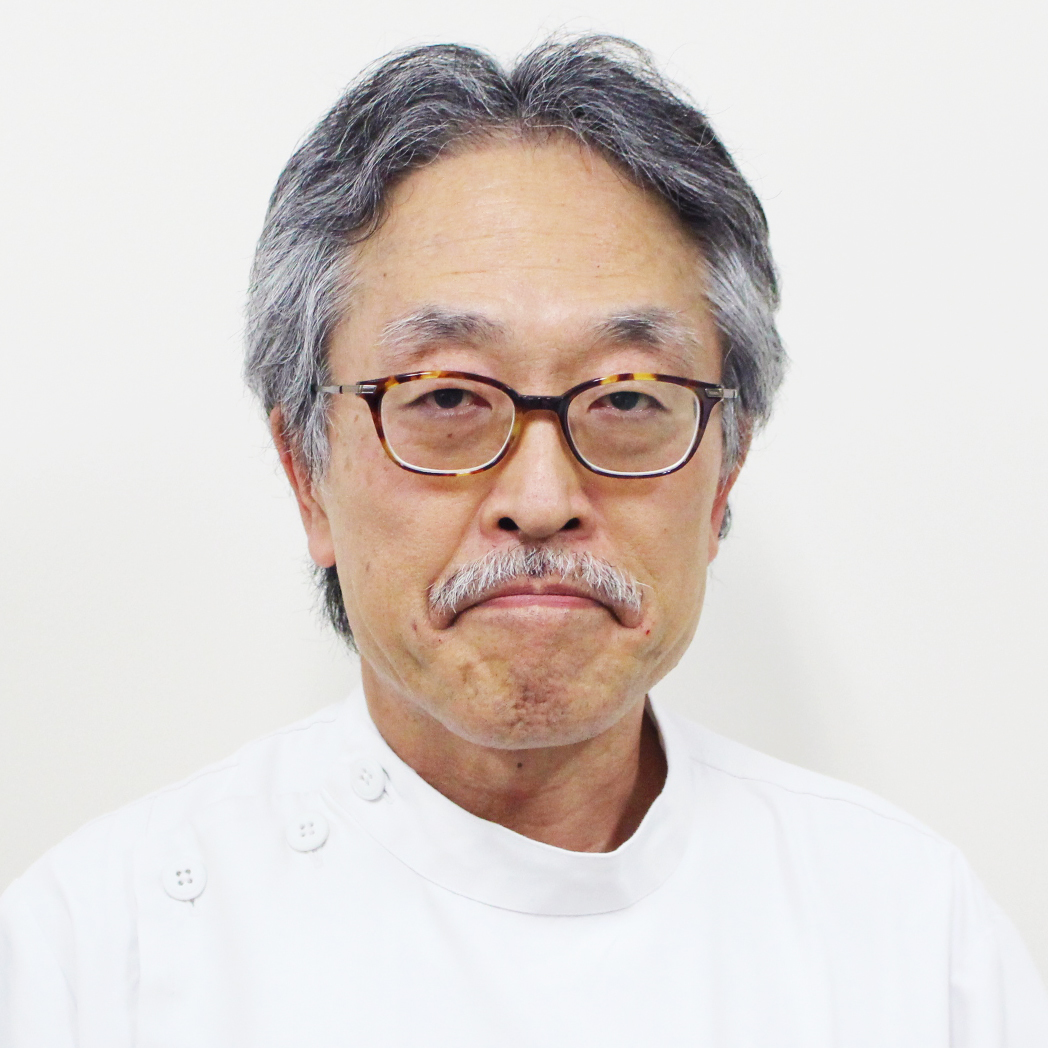 Tetsuo Mitsui (三井哲夫)合作论文数Yamagata University8
 Kenichiro Watanabe合作论文数Department of Obstetrics and Gynecology, Nippon Medical School8Yoshiyuki Kosaka合作论文数8




