Context Manual and movement therapies (MMTs) play a central role in the integrative oncology setting, significantly improving patients' quality of life (QOL). Despite research supporting the effectiveness and safety of these modalities, most oncology health care providers (HCPs) lack any MMT training. Objectives In this study, we examine the impact of an MMT-based integrative oncology training program with the participation of an international and multidisciplinary group of oncology HCPs. The feasibility of implementing these skills in palliative cancer care is examined. Methods A three-day evidence-based hands-on teaching program was designed to train oncology HCPs working in supportive cancer care MMT modalities from traditional Chinese and anthroposophic medicine. Prequalitative and postqualitative assessments of the trainees' narratives were analyzed using ATLAS.Ti software (Scientific Software Development GmbH, Berlin, Germany) for systematic coding. Results The training program was attended by 30 participants from Israel (15), Germany (7), Italy (6), Turkey (1), and Cyprus (1). The group included 13 nurses, 10 physicians, 6 complementary/integrative HCPs, and 1 psycho-oncologist. The pretraining expectations that were met at post-training included gaining knowledge and practical QOL-oriented skills, which could be implemented in the palliative and supportive care setting. A significant change in the attitude of trainees to touch therapy was also identified, with respondents seeing MMTs promoting patient-centered palliative care, including nonverbal communication. Conclusion An MMT training program for oncology HCPs for QOL-related indications is both feasible and likely to be implemented in palliative and supportive cancer care. Nonspecific effects of MMTs were also recognized for their ability to facilitate patient-centered care.
AIM:The aim of this narrative review was to explore the potential contributions of CAM to reduce antibiotic use. METHODS:We searched PubMed, Embase, and Cochrane Database of Systematic Reviews with a specific, limited set of search terms and collected input from a group of expert CAM researchers to answer the question: What is known about the contribution of CAM health and health promotion concepts, infection prevention, and infection treatment strategies to reduce antibiotic use? Results. The worldview-related CAM health concepts enable health promotion oriented infection prevention and treatment aimed at strengthening or supporting the self-regulating ability of the human organism to cope with diseases. There is some evidence that the CAM concepts of health (promotion) are in agreement with current conceptualization of health and that doctors who practice both CAM and conventional medicine prescribe less antibiotics, although selection bias of the presented studies cannot be ruled out. There is some evidence that prevention and some treatment strategies are effective and safe. Many CAM treatment strategies are promising but overall lack high quality evidence. CONCLUSIONS:CAM prevention and treatment strategies may contribute to reducing antibiotic use, but more rigorous research is necessary to provide high quality evidence of (cost-)effectiveness.
BACKGROUND:Up to 88% of oncological patients apply complementary therapies and up to 77% apply complementary mistletoe therapy in the context of integrative oncological approaches. An evidence-based consultation of oncological health professionals regarding complementary therapies used in Germany is missing. Therefore, a new S3-Guideline for Complementary Medicine in the Treatment of Oncological Patients is under development and is anticipated to be finalized in November 2020. It will be based on evidence-based publications and systematic reviews on complementary therapies in oncology. A recently published two-part systematic review on mistletoe treatment in oncology has been reevaluated.METHODS:The latest published systematic two-part review on mistletoe has been systematically proofread and checked in compliance with the Cochrane Handbook for Systematic Reviews of Intervention and the AMSTAR 2 (A MeaSurement Tool to Assess Systematic Reviews) tool.RESULTS:The here discussed two-part review is incomplete, lacks sound accuracy including insufficient assessment of the risk of bias, and contains imprecise statements. In addition, it does not sufficiently comply with the Cochrane Handbook for Systematic Reviews of Intervention and the AMSTAR 2 tool.CONCLUSION:In view of the approaching release of a new guideline in the field of complementary therapies in oncology, the present statement draws attention to a lack of profound methodology of conductance of a recently released systematic review on mistletoe. In consequence, a comprehensive overview of published mistletoe studies, i.e., a meta-analysis with a sound methodology of conductance, is necessary.
The purpose of this report is to provide an overview of the aims and results of the JPIAMR (Joint Programming Initiative on AntiMicrobial Resistance) project “Appropriate use of antibiotics: the role of CAM treatment strategies”. An additional aim is to raise some key questions and challenges with respect to the way forward. On June 6, 2018 the international conference “Reducing the need for antibiotics - The contribution of CAM treatment strategies” was held at the Regione Toscana - Representation of the Tuscany region in Brussels, Belgium. During this conference the results of the JPIAMR 4th call project “Appropriate use of antibiotics: the role of CAM treatment strategies” were presented and discussed with a broad group of invited stakeholders. The main objectives of the JPIAMR project were: • To provide an overview of expert and scientific knowledge on CAM / IM (Complementary and Alternative Medicine / Integrative Medicine) treatment of Upper Respiratory Tract Infections (URTIs); • To develop a CAM / IM guidance document and a first concept expertise- and evidence-based decision-making tool (DMT) for (conventional) doctors at a European level. • To provide a communication platform on the CAM / IM contribution.
The purpose of this report is to provide an overview of the aims and results of the JPIAMR (Joint Programming Initiative on AntiMicrobial Resistance) project “Appropriate use of antibiotics: the role of CAM treatment strategies”. An additional aim is to raise some key questions and challenges with respect to the way forward. On June 6, 2018 the international conference “Reducing the need for antibiotics - The contribution of CAM treatment strategies” was held at the Regione Toscana - Representation of the Tuscany region in Brussels, Belgium. During this conference the results of the JPIAMR 4th call project “Appropriate use of antibiotics: the role of CAM treatment strategies” were presented and discussed with a broad group of invited stakeholders. The main objectives of the JPIAMR project were: • To provide an overview of expert and scientific knowledge on CAM / IM (Complementary and Alternative Medicine / Integrative Medicine) treatment of Upper Respiratory Tract Infections (URTIs); • To develop a CAM / IM guidance document and a first concept expertise- and evidence-based decision-making tool (DMT) for (conventional) doctors at a European level. • To provide a communication platform on the CAM / IM contribution.
OBJECTIVE:Complementary and integrative medicine (CIM) is acknowledged in more and more oncology-care centers as part of supportive and palliative cancer care. However, only limited research is available on medical training of CIM practitioners regarding end-of-life (EOL) care. In this study, we assess the impact of multi-disciplinary EOL training on cultural-diverse groups of CIM-trained healthcare practitioners (HCPs) working in integrative oncology care settings in Germany and Israel.METHODS:The authors co-designed an evidence-based patient-centered EOL-training curriculum incorporating palliative and CIM concepts of care. Afterwards, a 3-day course was designed for 25 HCPs working in three anthroposophic-medicine-oriented medical centers in Germany and 14 CIM-trained HCPs from one oncology center in Israel. Qualitative assessment of the EOL-training impact on trainees was assessed 4-month post-intervention. Narratives were analyzed using ATLAS.ti software for systematic coding.RESULTS:Post-training narrative assessment was reported by 18 German and 14 Israeli HCPs comprising 10 physicians, 12 nurses and paramedical practitioners, and 10 CIM therapists and spiritual care-providers. Content analysis of post-training outcomes suggested participants' attitude-change regarding their professional role in EOL care as individuals and as members of a team. Participants acquired practical clinical tools to enhance EOL care and to better communicate with patients about death, implementing a patient-centered, cultural-sensitive approach.CONCLUSIONS:EOL training of CIM-trained HCPs enhances communication and palliative clinical skills. Multidisciplinary and international training settings emphasize a cross-cultural perspective and enrich the bio-psycho-social-spiritual model of palliative care.
I1 World Congress for Integrative Medicine & Health 2017 - A global forum for exploring the future of comprehensive patient care Benno Brinkhaus1, Torkel Falkenberg2,3, Aviad Haramati4,5, and Stefan N. Willich1 1Institute for Social Medicine, Epidemiology and Health Economics, Charite – Universitatsmedizin Berlin, Berlin, Germany; 2Department of Neurobiology Care Sciences and Society, Division of Nursing, Research Group Integrative Care, Karolinska Institutet, Stockholm, Sweden; 3I C – The Integrative Care Science Center, Jarna, Sweden; 4Department of Biochemistry, Molecular and Cellular Biology, Georgetown University, Medical Center, Washington, DC, USA; 5Department of Medicine, Georgetown University Medical Center, Washington, DC, USA We are excited to present the abstracts of the keynote speakers, parallel sessions and oral and poster presentations of the World Congress on Integrative Medicine & Health (WCIMH 2017; http://www.ecim-iccmr.org/2017/) to be held in Berlin on May 3-5, 2017, which will be jointly convened by the European Society of Integrative Medicine (ESIM) and the International Society for Complementary Medicine Research (ISCMR). The Congress will take place in association with a number of national and international organizations from North America and other continents. Consequently, the congress will provide the most comprehensive global forum and perspective in the field of Complementary and Integrative Medicine in 2017. The congress goal is reflected in its tag line: The Future of Comprehensive Patient Care - Strengthening the Alliance of Researchers, Educators and Providers. We believe that by bringing together researchers, educators and providers, who are addressing various aspects of Integrative Medicine and health, we can build on the evidence obtained through research to inform clinical education and practice and thereby create a better platform for comprehensive patient care. The main themes of the Congress are: Clinical care: The practice of Integrative Medicine should be based on distinct definitions, should be informed by evidence and evolve from guidelines that are developed by experts from conventional and complementary medicine. Education: Academic leaders and health officials have called for future clinicians to possess the knowledge and skills to understand how Integrative Medicine can be incorporated into conventional care to improve the health of the public. Therefore, it is essential to share best practices in how to create robust curricular opportunities for medical students to experience systematic teaching of the principles, strengths and limitations of Integrative Medicine. Research: Within this Congress scientists will showcase the highest quality research worldwide in this field and will provide the state-of-the-science evidence base through plenary lectures, symposia and abstract presentations. Traditional healing systems (THS): Traditional healing practices and practitioners are an important and often underestimated part of health care. THS is found in almost every country in the world and the demand for its services is increasing. Research contributing to evidence informed decision making is imperative to develop a cohesive and integrative approach to health care that allows governments, health care practitioners and, most importantly, those who use health care services, to access THS in a safe, respectful, cost-efficient and effective manner. Arts and medicine: For the first time at a research congress, this theme will explore the important contributions of the arts (music, visual arts, dancing, etc,) for integrative therapeutic interventions to achieve optimal health and healing. Given the ambitious scope of this worldwide international congress, the four authors of the present editorial serve as co-presidents and they are guided by the International Organizing Committee consisting of many experts from around the world including Myeong S. Lee, Jianping Liu, Kenji Watanabe (from Far East Asia), Renee Street (Africa), Amie. Steel (Australia), Paulo Arturo Caceres Guido, Chin An Lin (South America), Heather Boon, Josephine Briggs, John Weeks (North America) and Abdullah Al-Bedah, Mohamed Khalil, Elad Schiff (Middle East and Israel). The programming for each of the five themes is directed by WCIMH 2017 theme subcommittees involving some of the most highly regarded clinicians, educators and researchers in the world in this field (in alphabetic order): Linda Balneaves, Lesley Braun, Eva Bojner Horwitz, Gustav Dobos, Jeffery Dusik, David Eisenberg, Iva Fattorini, Eckhart G. Hahn, Suzanne B. Hanser, Frederick Hecht, George Lewith, Harald Matthes, Andreas Michalsen, Judy Rollins, Volker Scheid, Michael Teut, Robert Saper, Claudia M. Witt, Merlin Wilcox and Darong Wu. The Local Organizing Board is coordinated by M. Cree. We are very grateful to all organisations and individuals working diligently to making this first World Congress for Integrative Medicine & Health in 2017 a great success. We are also pleased to announce that the opening welcome will include the Director General for the World Health Organization, Dr Margaret Chan (on video). All plenary speakers are internationally recognized experts in the field of Complementary and Integrative Medicine such as Josephine B Briggs (US) and Merlin Willcox (UK) as keynote speakers for the theme traditional healing systems; Klaus Linde (Ger) and Michael Moore (UK) for the research theme; Lisa M Wong (US) and Tores Theorell (Sweden) will address the theme of arts and medicine; Darong Wu (China) and Jeffery A Dusek (US) are presenting on the theme of clinical care; and Aviad Haramati and David Eisenberg (both US) will close the Congress with presentations on education. In addition, more than 100 oral presentations in over 40 parallel sessions will be in the program to provide newly emerging data from recent research projects, experiences from new treatment aspects in clinical care, descriptions of new models of education in medicine, information about integration of traditional healing systems in health care systems and new aspects on the integration of arts in medicine. In addition, more than 400 posters will be presented in guided poster sessions during the three days of the Congress. To translate the congress goals and objectives into a tangible action for the field, a Berlin Agreement is being developed. With the title ‘Social and Self-responsibility in practicing and fostering Integrate Health and Medicine Globally,’ this document is meant to help shape the future of comprehensive patient care in Integrative Medicine, and addresses the responsibilities of all participants, including patients and citizens, physicians and all colleagues working in the healthcare system. The Berlin Agreement has been developed by the WCIMH 2017 congress presidents and the International Organizing Committee to create a document for further distribution to the scientific and clinical community and to health care stakeholders, decision makers, and politicians. We anticipate having the final version of the Berlin Agreement endorsed by a number of organizations prior to the Congress and also soliciting the support of congress at the WCIMH 2017 in Berlin. Our hope is that this document will provide an important impetus for further engagement world-wide after the Congress has concluded. Immediately before the start of WCIMH 2017 on Wednesday May 3rd 2017 there will be several high-quality pre-conference workshops covering all congress topics. Reflecting the political situation in recent years, especially in Europe, we have arranged for a unique half-day workshop on the topic: “Refugees with Chronic Diseases between the Middle-East and Europe: The Role of Traditional and Integrative Medicine in Bridging Gaps”, The speakers are all from the Middle East and Europe and will address how Integrative Medicine may serve as an important element to overcome the problematic health situation of refugees around the world. We are convinced that the field of Complementary and Integrative Medicine, including traditional healing systems and medicine and the arts, will benefit from The 2017 World Congress on Integrative Medicine & Health—a preeminent scientific international forum that is focused on highlighting advances in these thematic areas. We invite all practitioners, educators and researchers in the field of Integrative Medicine to come together, participate and engage together to make this Congress an exciting meeting for the successful advancement of Integrative Medicine across the globe.
The recent wave of migration from Middle Eastern countries to Europe presents significant challenges to the European health profession. These include the inevitable communication gap created by differences in health care beliefs between European oncologists, health care practitioners, and refugee patients. This article presents the conclusions of a workshop attended by a group of clinicians and researchers affiliated with the Middle East Cancer Consortium, as well as four European-based health-related organizations. Workshop participants included leading clinicians and medical educators from the field of integrative medicine and supportive cancer care from Italy, Germany, Turkey, Israel, Palestine, Iran, Lebanon, Jordan, Egypt, and Sudan. The workshop illustrated the need for creating a dialogue between European health care professionals and the refugee population in order to overcome the communication barriers to create healing process. The affinity for complementary and traditional medicine (CTM) among many refugee populations was also addressed, directing participants to the mediating role that integrative medicine serves between CTM and conventional medicine health belief models. This is especially relevant to the use of herbal medicine among oncology patients, for whom an open and nonjudgmental (yet evidence-based) dialogue is of utmost importance. The workshop concluded with a recommendation for the creation of a comprehensive health care model, to include bio-psycho-social and cultural-spiritual elements, addressing both acute and chronic medical conditions. These models need to be codesigned by European and Middle Eastern clinicians and researchers, internalizing a culturally sensitive approach and ethical commitment to the refugee population, as well as indigenous groups originating from Middle Eastern and north African countries.IMPLICATIONS FOR PRACTICE:European oncologists face a communication gap with refugee patients who have recently immigrated from Middle Eastern and northern African countries, with their different health belief models and affinity for traditional and herbal medicine. A culturally sensitive approach to care will foster doctor-refugee communication, through the integration of evidence-based medicine within a nonjudgmental, bio-psycho-social-cultural-spiritual agenda, addressing patients' expectation within a supportive and palliative care context. Integrative physicians, who are conventional doctors trained in traditional/complementary medicine, can mediate between conventional and traditional/herbal paradigms of care, facilitating doctor-patient communication through education and by providing clinical consultations within conventional oncology centers.
Background: Concepts of integrative oncology (IO), as have been offered by anthroposophic medicine (AM) for decades, are gaining increasing interest and acceptance. Central aspects are multimodal therapeutic interventions, health-related quality of live, and patients' preference as well as therapeutic relationship and clinical outcome. Despite its broad application, IO lacks evaluation in clinical practice and complementary therapies are not monitored by any cancer registries. Methods: To close this gap we established ‘Network Oncology' (NO), a conjoint registry of German outpatient AM practitioners and AM hospitals. In this paper we present the project and a first data overview and compare it to epidemiological registers and current literature. Results: NO has collected 10,405 cancer patients' records in 6 years. Compared to epidemiological registers our data show minor differences in disease entity distribution, age, and gender. There is an overproportional amount of young breast cancer patients in NO institutions indicating a demand for integrative therapies in this group. There is no difference between the UICC (Union for International Cancer Control) stages at first diagnosis and at admission to a NO facility. According to our data conventional therapies were less frequently administered after admission to a NO facility. Nevertheless, one third of the patients received their first conventional therapy in a NO facility. 80% of the patients received mistletoe preparations and 63% had nonpharmacotherapeutic, complementary interventions. Conclusion: Integrative oncological approaches attract a great number of patients visiting AM institutions. The NO provides an infrastructure to evaluate integrative interventions in AM, allows comparison to other clinical registers, and thus can contribute to health service research in this field.
Background: Acupuncture is frequently used to treat seasonal allergic rhinitis (SAR) despite limited scientific evidence. Objective: To evaluate the effects of acupuncture in patients with SAR. Design: Randomized, controlled multicenter trial. (ClinicalTrials.gov: NCT00610584) Setting: 46 specialized physicians in 6 hospital clinics and 32 private outpatient clinics. Patients: 422 persons with SAR and IgE sensitization to birch and grass pollen. Intervention: Acupuncture plus rescue medication (RM) (cetirizine) (n = 212), sham acupuncture plus RM (n = 102), or RM alone (n = 108). Twelve treatments were provided over 8 weeks in the first year. Measurements: Changes in the Rhinitis Quality of Life Questionnaire (RQLQ) overall score and the RM score (RMS) from baseline to weeks 7 and 8 and week 16 in the first year and week 8 in the second year after randomization, with predefined noninferiority margins of –0.5 point (RQLQ) and –1.5 points (RMS). Results: Compared with sham acupuncture and with RM, acupuncture was associated with improvement in RQLQ score (sham vs. acupuncture mean difference, 0.5 point (97.5% CI, 0.2 to 0.8 point; P<0.001); RM vs. acupuncture mean difference, 0.7 point (97.5% CI, 0.4 to 1.0 point; P<0.001)) and RMS (sham vs. acupuncture mean difference, 1.1 points (97.5% CI, 0.4 to 1.9 points; P<0.001); RM vs. acupuncture mean difference, 1.5 points (97.5% CI, 0.8 to 2.2 points; P<0.001)). There were no differences after 16 weeks in the first year. After the 8-week follow-up phase in the second year, small improvements favoring real acupuncture over the sham procedure were noted (RQLQ mean difference, 0.3 point (95% CI, 0.03 to 0.6 point; P = 0.032); RMS mean difference, 1.0 point (95% CI, 0.2 to 1.9 points; P = 0.018)). Limitation: The study was not powered to detect rare adverse events, and the RQLQ and RMS values were low at baseline. Conclusion: Acupuncture led to statistically significant improvements in disease-specific quality of life and antihistamine use measures after 8 weeks of treatment compared with sham acupuncture and with RM alone, but the improvements may not be clinically significant.
ABSTRACT Introduction Non-pharmacotherapy based interventions (NPTs) and Viscum album extracts (VA) are integral part of integrative oncology (IO) and support conventional cancer therapies to meet patients' needs and reduce chemotherapy induced side effects. NPTs are introduced in IO to activate patients' resources and enhance quality of life, whereas VA induces apoptosis, stimulation of immunocompetent cells and reduces adverse reactions of systemic oncological therapies. Methods We analysed characteristics of patients diagnosed with colon cancer (ICD.10 C18) recorded by the Network Oncology, a conjoint clinical registry of German hospitals and out-patient practitioners. We used non-parametric Fisher exact test (F) to compare observed frequencies, Wilcoxon rank sum (W) for differences between groups. We fitted a logistic regression model on a complete data set to explain use of NPTs and use of VA using the sex, age, UICC stage, occurrence of chemo or radiation therapy and surgery as explaining factors. Results Of 1056 patients recorded 631 were female. Male and female patients differed in median age (medage, female=69, medage, male=66, W=150015, p= 0.001). Most patients had malignant neoplasm at the colon sigmoideum (FC18.7= 32.5%, FC18.2= 19.1%, FC18.9= 10.7%). UICC staging information at first diagnosis was available for 82% of the patients: 30% stage IV, 34% stage III, 23% stage II, 12% stage I and 2% carcinoma in situ. Median time between first diagnosis and admission to a NO facility increased with UICC staging: I= 22, II= 28, III= 60, IV= 72 days. 97% received surgery, 55% chemotherapy and 10% radiation. 74% got surgery, 47% received chemotherapy and 8% radiation post their admission to a NO facility. 76% of the palliative UICC-IV patients got received chemotherapy. 74% of all participants were treated with VA starting in the median 13 weeks after first diagnosis. Mean therapy length was 41.0±84.7 weeks (min= 0.14, max= 863.3). 91% of the patients treated with chemotherapy got additional VA. Choice of VA was negatively associated with age (p= 0.004) and positively associated with chemotherapy (p Conclusion This study demonstrates that complementary therapies like VA and NPTs are chosen by a high number of patients in adjuvant and palliative treatment in an integrative oncological setting. The use of complementary therapies does not reduce conventional therapy approaches. Female patients seem to be more open minded to integrative therapies. Our results support that health service research data are appropriate to evaluate IO in daily care and to generate hypotheses for scheduling prospective studies in this field.
In anthroposophischen Kliniken mit onkologischer Ausrichtung werden bereits seit Längerem integrative Behandlungskonzepte bei Krebserkrankungen praktiziert. Das Vorgehen ist multiprofessionell, holistisch, interdisziplinär und beziehungsorientiert. Der Krebspatient erhält eine differenzierte Beratung zu konventionellen und anthroposophischen Behandlungsmethoden und selbstverständlich Freiraum für weitere Entscheidungen. Lesen Sie, welche Möglichkeiten die Anthroposophie dem Patienten bieten kann.
Mit der primären Hypertonie steht die moderne Medizin vor einer großen Herausforderung, denn die Senkung des Messwertes zeigt oft nicht den gewünschten Erfolg bezüglich der Verhinderung der typischen kardiovaskulären Organkomplikationen. Vor diesem Hintergrund setzt die Anthroposophische Medizin als komplementärer Ansatz auf ein erweitertes Behandlungskonzept, das Konstitution und Lebensstilfaktoren mit einbezieht.
 Harald Matthes合作论文数9
 Friedemann Schad合作论文数8
 Constantin Paxino合作论文数6Johannes Gutsch合作论文数6Hans Broder von Laue合作论文数6Marion Debus合作论文数6Antje Happe合作论文数6Hartmut Riess合作论文数6Burkhard Matthes合作论文数6
 Jan Axtner合作论文数Leibniz Institute for Zoo and Wildlife Research (IZW), Evolutionary Genetics, Alfred-Kowalke-Str. 17, 10315 Berlin, Germany6
 Holger Cramer合作论文数Department of Internal and Integrative Medicine, Faculty of at the University of Duisburg-Essen5Lauche Romy合作论文数5
 Klaus Linde合作论文数Centre for Complementary Medicine Research, Technical University of Munich;Institute of General Practice and Health Services Research, Technical University of Munich5
 Karin Meissner合作论文数Human Science Center, Ludwig Maximilians University Munich5Gustav J. Dobos合作论文数Integrative Medicine, University of Duisburg-Essen5Jost Langhorst合作论文数5
 Antonius Schneider合作论文数5Ramesh Narayan Rao合作论文数4Günther Spahn合作论文数4Mei-Ying Chang合作论文数4
 Wolfgang A Blank合作论文数4Mei-Chi Chu合作论文数4Fässler Margrit合作论文数4
 Eran Ben Arye合作论文数The Ruth and Bruce Rappaport Faculty of Medicine, Technion – Israel Institute of Technology4
 Thomas Ostermann合作论文数Department für Psychologie und Psychotherapie, Fakultät für Gesundheit, Universität Witten/Herdecke4
 Katja Boehm合作论文数4Alscher Anna合作论文数4Friedrichs Clara合作论文数4Rother Claudia合作论文数4Hankey Alex合作论文数4Robert G Hahn合作论文数4Liudmila B. Boldyreva合作论文数4
 Harald Walach合作论文数Viadrina European University Frankfurt (Oder)4
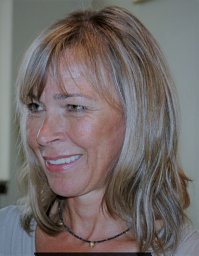 Christa Raak合作论文数Faculty of Medicine, University of Witten/Herdecke4
 Erik Baars合作论文数Department of Care, University of Applied Sciences4Eefje Belt-Van Zoen合作论文数3
 Bonucci Massimo合作论文数3
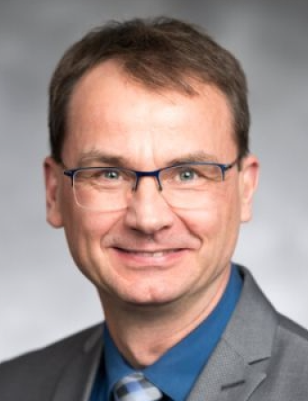 Matthias Kretzler合作论文数Department of Computational Medicine & Bioinformatics, Medical School, University of Michgan3
 Michael Silbermann合作论文数Technion-Israel Institute of Technology, The Rappaport Family Institute for Research in the Medical Sciences3Noah Samuels合作论文数3
 David Martin合作论文数Faculty of Health, Universitat Witten/Herdecke3Maria Livas合作论文数2Matthias Kroez合作论文数2Mohamed A. Hablas合作论文数2Michel Daher合作论文数2
 Herman Van Wietmarschen合作论文数Louis Bolk Institute2Nimri Omar合作论文数2
 Nahla Gafer合作论文数Palliative Care Unit, Radiation and Isotope Centre, Khartoum, Sudan.2Roman Huber合作论文数2




