BACKGROUND:Continued phenotyping and ongoing molecular epidemiology are important in current and future monitoring of emerging SARS-CoV-2 lineages. Herein we developed pragmatic strategies to track the emergence, spread and phenotype of SARS-CoV-2 variants in Australia in an era of decreasing diagnostic PCR testing and focused cohort-based studies. This was aligned to longitudinal studies that span 4 years of the COVID-19 pandemic. METHODS:Throughout 2023, we partnered with diagnostic pathology providers and pathogen genomics teams to identify relevant emerging or circulating variants in the New South Wales (NSW) community. We monitored emerging variants through viral culture, growth algorithms, neutralisation responses and changing entry requirements defined by ACE2 and TMPRSS2 receptor use. To frame this in the context of the pandemic stage, we continued to longitudinally track neutralisation responses at the population level using pooled Intravenous Immunoglobulins (IVIG) derived from in excess of 700,000 donations. FINDINGS:In antibodies derived from recent individual donations and thousands of donations pooled in IVIGs, we observed continued neutralisation across prior and emerging variants with EG.5.1, HV.1, XCT and JN.1 ranked as the most evasive SARS-CoV-2 variants. Changes in the type I antibody site at Spike positions 452, 455 and 456 were associated with lowered neutralisation responses in XBB lineages. In longitudinal tracking of population immunity spanning three years, we observed continued maturation of neutralisation breadth to all SARS-CoV-2 variants over time. Whilst neutralisation responses initially displayed high levels of imprinting towards Ancestral and early pre-Omicron lineages, this was slowly countered by increased cross reactive breadth to all variants. We predicted JN.1 to have a marked transmission advantage in late 2023 and this eventuated globally at the start of 2024. We could not attribute this advantage to neutralisation resistance but rather propose that this growth advantage arises from the preferential utilisation of ACE2 pools that cannot engage TMPRSS2 at its Collectrin-Like Domain (CLD). INTERPRETATION:The emergence of many SARS-CoV-2 lineages documented at the end of 2023 was found to be initially associated with lowered neutralisation responses. This continued to be countered by the gradual maturation of cross-reactive neutralisation responses over time. The later appearance and dominance of the divergent JN.1 lineage cannot be attributed to a lack of neutralisation responses alone, and our data supports that its dominance is a culmination of both lowered neutralisation and changes in ACE2/TMPRSS2 entry preferences. FUNDING:This work was primarily supported by Australian Medical Foundation research grants MRF2005760 (ST, GM & WDR), MRF2001684 (ADK and ST) and Medical Research Future Fund Antiviral Development Call grant (WDR), Medical Research Future Fund COVID-19 grant (MRFF2001684, ADK & SGT) and the New South Wales Health COVID-19 Research Grants Round 2 (SGT).
ABSTRACT Background Despite newer treatments with immunosuppressive agents, there still exists a considerable morbidity and mortality risk among patients with anti-neutrophil cytoplasmic antibody (ANCA)-associated vasculitis (AAV). Since 1994 the European Vasculitis Society (EUVAS) has aimed for an improved outcome for patients with AAV, conducting several prospective randomized controlled trials (RCTs). The aim for the present study was to further evaluate the long-term survival of patients with AAV included in seven RCTs conducted by the EUVAS as well as to identify potential prognostic factors. Methods Long-term follow-up data were collected from questionnaires sent to the principal investigators of the original RCTs (1995–2012): MEPEX, NORAM, CYCAZAREM, CYCLOPS, IMPROVE, RITUXVAS and MYCYC, comprising 848 patients, all newly diagnosed with AAV. Relative survival estimates are presented for the study cohorts. Demographic, clinical and laboratory characteristics at trial entry were studied as potential prognostic factors in multivariable models. Results A total of 478 (56%) patients had granulomatosis with polyangiitis (GPA) and 370 (44%) had microscopic polyangiitis (MPA) with a mean age at diagnosis of 58 ± 14 years. The median follow-up time was 8 years (interquartile range 2.9–13.6). During the observation period there were 305 deaths and the main causes were infections (26%), cardiovascular disease (14%) and malignancies (13%). When compared with a matched cohort (regarding country, age group and sex) from the background population there were 14.2% more deaths among our cohort of AAV patients at 5 years, 19.9% at 10 years, 28.8% at 15 years and 36.3% at 20 years. The excess mortality occurred in all age groups. The estimated median survival time (from diagnosis) was 17.8 years (95% confidence interval 15.7–20). Among variables measured at baseline, advanced age, male sex, low estimated glomerular filtration rate and low platelet count were identified as predictors of death in a multivariate Cox model. Conclusions Patients with AAV still have an increased risk of mortality compared with the general population despite newer therapeutic regimens. Treatment complications and organ damage are the main causes of limited survival and infections remain the leading cause of mortality among patients with AAV.
The Omicron era of the COVID-19 pandemic commenced at the beginning of 2022 and whilst it started with primarily BA.1, it was latter dominated by BA.2 and related sub-lineages. Over the course of 2022, we monitored the potency and breadth of antibody neutralization responses to many emerging variants at two levels: (i) we tracked over 400,000 U.S. plasma donors over time through various vaccine booster roll outs and Omicron waves using sequentially collected IgG pools; (ii) we mapped the antibody response in individuals using blood from strigently curated vaccine and convalescent cohorts. In pooled IgG samples, we observed the maturation of neutralization breadth to Omicron variants over time through continuing vaccine and infection waves. Importantly, in many cases we observed increased antibody breadth to variants that were yet to be in circulation. Determination of viral neutralization at the cohort level supported equivalent coverage across prior and emerging variants with emerging isolates BQ.1.1, XBB.1 and BR.2.1 the most evasive. Further, these emerging variants were resistant to Evusheld, whilst neutralization resistance to Sotrovimab was restricted to BQ.1.1 and this was further supported by lack of antibody binding to this variant. An outgrowth advantage which correlated with better utilization of TMPRSS2 was observed across BQ lineages but not those derived from BA.2.75. We conclude at this current point in time that variants derived from BQ lineages can evade antibodies at levels equivalent to their most evasive BA.2.75 counterparts but sustain an entry phenotype that would promote an additional outgrowth advantage.Funding Information: This work was primarily supported by Australian Medical Foundation research grants MRF2005760 (ST, GM & WDR), Medical Research Future Fund Antiviral Development Call grant (WDR), the New South Wales Health COVID-19 Research Grants Round 2 (SGT) and the NSW Vaccine Infection and Immunology Collaborative (VIIM).Declaration of Interests: The authors declare no conflict of interest.Ethics Approval Statement: All human serum samples were obtained with written informed consent from the participants (2020/ETH00964; 2020/ETH02068; 2019/ETH03336; 2021/ETH00180; 2021/ETH0042). All primary isolates used herein were obtained from de-identified remnant diagnostic swabs that had completed all diagnostic testing under approval by the New South Wales Chief Health Officer following independent scientific review and as outlined in the ADAPT ethics protocol 2020/ETH00964.
Background and aims The regulation of cell-cholesterol efflux is not completely understood. Our aim was to assess the role of HDL- and non-HDL-related parameters in ATP-binding cassette transporter-A1 (ABCA1) and scavenger receptor class B-type-I (SRBI) cell-cholesterol efflux capacity (CEC) in coronary heart disease (CHD) cases and controls. Methods Lipids and apoA-I-containing HDL particles (by 2D gel-electrophoresis and immunodetection) were measured in 534 statin-treated CHD patients and in 1076 age-, gender-, and BMI-matched controls. ABCA1-CEC and SRBI-CEC were measured in apoB-depleted serum of 100 cases and 100 controls. Results Cases had significantly higher concentrations of preβ-1 particles (88%) and ABCA1-CEC (34%) compared to controls. ABCA1-CEC was positively correlated with the concentrations of preβ-1 particles, triglycerides, small-dense (sd) LDL-C, and LDL-C in both cases and controls. Moreover, both the concentration and the functionality of preβ-1 particles (ABCA1-CEC/mg preβ-1) were positively associated with the concentrations of sdLDL-C and triglycerides. Cases had 27% lower levels of large HDL particles but similar SRBI-CEC compared to controls. SRBI-CEC was correlated positively with HDL-C, apoA-I, and large-HDL particle levels. However, the functionality of large-HDL particles (SRBI-CEC/mg large particles) was significantly and positively correlated with the preβ-1/α-1 ratio, sdLDL-C, and triglycerides. Conclusions CHD patients have significantly higher concentration, but less functional preβ-1 particles in term of cholesterol efflux capacity compared to controls. Triglyceride-rich lipoproteins have significant influence on either the concentration or the functionality or both of HDL particles and consequently HDL-CEC.
The first European Vasculitis Society (EUVAS) meeting report was published in 2017. Herein, we report on developments in the past 5 years which were greatly influenced by the pandemic. The adaptability to engage virtually, at this critical time in society, embodies the importance of networks and underscores the role of global collaborations. We outline state-of-the-art webinar topics, updates on developments in the last 5 years, and proposals for agendas going forward. A host of newly reported clinical trials is shaping practice on steroid minimization, maintenance strategies, and the role of newer therapies. To guide longer-term strategies, a longitudinal 10-year study investigating relapse, comorbidity, malignancy, and survival rates is at an advanced stage. Disease assessment studies are refining classification criteria to differentiate forms of vasculitis more fully. A large international validation study on the histologic classification of anti-neutrophil cytoplasmic antibody (ANCA) glomerulonephritis, recruiting new multicenter sites and comparing results with the Kidney Risk Score, has been conducted. Eosinophilic granulomatosis with polyangiitis (EGPA) genomics offers potential pathogenic subset and therapeutic insights. Among biomarkers, ANCA testing is favoring immunoassay as the preferred method for diagnostic evaluation. Consolidated development of European registries is progressing with an integrated framework to analyze large clinical data sets on an unprecedented scale.
BACKGROUND:Genetically distinct viral variants of severe acute respiratory syndrome coronavirus 2 (SARS-CoV-2) have been recorded since January 2020. The introduction of global vaccine programs has contributed to lower COVID-19 hospitalisation and mortality rates, particularly in developed countries. In late 2021, Omicron BA.1 emerged, with substantially altered genetic differences and clinical effects from other variants of concern. Shortly after dominating global spread in early 2022, BA.1 was supplanted by the genetically distinct Omicron lineage BA.2. A sub-lineage of BA.2, designated BA.5, presently has an outgrowth advantage over BA.2 and other BA.2 sub-lineages. Here we study the neutralisation of Omicron BA.1, BA.2 and BA.5 and pre-Omicron variants using a range of vaccine and convalescent sera and therapeutic monoclonal antibodies using a live virus neutralisation assay. Using primary nasopharyngeal swabs, we also tested the relative fitness of BA.5 compared to pre-Omicron and Omicron viral lineages in their ability to use the ACE2-TMPRSS2 pathway. METHODS:Using low passage clinical isolates of Clade A.2.2, Beta, Delta, BA.1, BA.2 and BA.5, we determined humoral neutralisation in vitro in vaccinated and convalescent cohorts, using concentrated human IgG pooled from thousands of plasma donors, and licensed monoclonal antibody therapies. We then determined infectivity to particle ratios in primary nasopharyngeal samples and expanded low passage isolates in a genetically engineered ACE2/TMPRSS2 cell line in the presence and absence of the TMPRSS2 inhibitor Nafamostat. FINDINGS:Peak responses to 3 doses of BNT162b2 vaccine were associated with a 9-fold reduction in neutralisation for Omicron lineages BA.1, BA.2 and BA.5. Concentrated pooled human IgG from convalescent and vaccinated donors and BNT162b2 vaccination with BA.1 breakthrough infections were associated with greater breadth of neutralisation, although the potency was still reduced 7-fold across all Omicron lineages. Testing of clinical grade antibodies revealed a 14.3-fold reduction using Evusheld and 16.8-fold reduction using Sotrovimab for the BA.5. Whilst the infectivity of BA.1 and BA.2 was attenuated in ACE2/TMPRSS2 entry, BA.5 was observed to be equivalent to that of an early 2020 circulating clade and had greater sensitivity to the TMPRSS2 inhibitor Nafamostat. INTERPRETATION:Observations support all Omicron variants to significantly escape neutralising antibodies across a range of vaccination and/or convalescent responses. Potency of therapeutic monoclonal antibodies is also reduced and differs across Omicron lineages. The key difference of BA.5 from other Omicron sub-variants is the reversion in tropism back to using the well-known ACE2-TMPRSS2 pathway, utilised efficiently by pre-Omicron lineages. Monitoring if these changes influence transmission and/or disease severity will be key for ongoing tracking and management of Omicron waves globally. FUNDING:This work was primarily supported by Australian Medical Foundation research grants MRF2005760 (ST, GM & WDR), MRF2001684 (ADK and ST) and Medical Research Future Fund Antiviral Development Call grant (WDR), Medical Research Future Fund COVID-19 grant (MRFF2001684, ADK & SGT) and the New South Wales Health COVID-19 Research Grants Round 2 (SGT).
Abstract Background and Aims ANCA-associated vasculitis (AAV) is the most common cause of rapidly progressive glomerulonephritis globally and the most common finding in renal biopsies for those above 75 years of age. Patients with AAV have had an improved outcome after the introduction of immunosuppressive therapy. However, there is still an increased risk of end stage renal failure, complications to therapy, comorbidities and death. The European Vasculitis Society (EUVAS) has run several prospective randomized clinical trials (RCT) since late -90’ies as an attempt to improve the outcome for patients with a broad spectrum of AAV. The aim of the current study was to analyze results from a 10-year follow-up of patients who have participated in EUVAS’s randomized clinical trials to report on patient outcomes using current standard of care immunosuppressive treatment. Method Data on patient outcomes were collected from questionnaires to the principal investigators of the original RCTS (74 centers from 17 countries in Europe): MEPEX, NORAM, CYCAZAREM, CYCLOPS, IMPROVE, RITUXVAS and MYCYC. All patients were well characterized at inclusion in the trials respectively, as was the type and duration of induction therapy. Long-term follow-up data regarding cumulative duration and type of immunosuppressive therapy, end stage renal failure (ESRF), renal transplantation, patient survival and comorbidities as cardiovascular events, infections were recorded. Efforts have been made to control and validate the collected data. Results The current dataset comprises 858 patients, of whom 708 were eligible to include in this study. We received questionnaires regarding patient outcomes from 70% of the cohort. The median age was 60 years at time of the diagnosis of AAV; 487 patients had GPA (57%) and 371 MPA (43%). The median follow-up time was 8.0 years (IQR: 2.9-13.6). During the observation period, there were 305 deaths: 78 patients died within the first year of follow up, 69 during the following 5 years, and another 158 patients after 5 years. The main causes of death were infections (25%), cardiovascular disease (14%) and malignancies (13%), followed by pulmonary diseases, vasculitis, others, kidney disease and gastrointestinal disease. Vasculitis were a major contributor to the causes of death in 18% of the patients. Median survival time for the whole cohort was 17.8 years (95%CI: 15.6 – 20.1). Survival rate at 5 and 10 years was 81.6% and 66.5% respectively. Advanced age, low estimated glomerular filtration rate and male sex were negative prognostic factors for patient survival in the Cox model. When we categorized the deaths according to their initial CKD stage, the highest number of deaths was found in the group of patients with low eGFR i.e. an initial CKD stage V (40%). The initial CKD stage, as shown in the Kaplan-Meier curve, was found to have an important impact on the patient survival (LR: 144.4 p<0.001). In our cohort, 159 patients (18.5%) reached ESRF, of whom 110 patients died (69%); the main cause of death in this group was infection. Conclusion In a series of over 800 patients with AAV, ten-year mortality was predominantly associated with impaired renal function at onset, older age and male gender, rather than subtype of disease. The main strength of this study is that we have a well-defined cohort of patients with AAV, all with well-defined induction treatments and a long period of follow-up with the possibility to analyze possible prognostic factors regarding outcomes. Further analyses are ongoing regarding comparative statistics, cumulative incidence of malignancies, renal transplantation and comorbidities. The data supports efforts to diagnose these patients at an earlier stage, when they have a higher eGFR and to tailor therapy for the individual patient. Although newer treatment modalities are available, there is still a considerable morbidity and mortality in the long-term.
Despite the burgeoning field of coronavirus disease-19 (COVID-19) research, the persistence of severe acute respiratory syndrome coronavirus 2 (SARS-CoV-2) neutralising antibodies remains unclear. This study validated two high-throughput immunological methods for use as surrogate live virus neutralisation assays and employed them to examine the half-life of SARS-CoV-2 neutralising antibodies in convalescent plasma donations made by 42 repeat donors between April and September 2020. SARS-CoV-2 neutralising antibody titres decreased over time but typically remained above the methods' diagnostic cut-offs. Using this longitudinal data, the average half-life of SARS-CoV-2 neutralising antibodies was determined to be 20.4 days. SARS-CoV-2 neutralising antibody titres appear to persist in the majority of donors for several months. Whether these titres confer protection against re-infection requires further study and is of particular relevance as COVID-19 vaccines become widely available.
BackgroundPlasma-derived intravenous immunoglobulin (IVIg) products contain a dynamic spectrum of immunoglobulin (Ig) G reactivities reflective of the donor population from which they are derived. We sought to model the concentration of anti-severe acute respiratory syndrome coronavirus 2 (SARS-CoV-2) IgG which could be expected in future plasma pool and final-product batches of CSL Behring's immunoglobulin product Privigen.Study design and methodsData was extracted from accessible databases, including the incidence of coronavirus disease 2019 and SARS-CoV-2 vaccination status, antibody titre in convalescent and vaccinated groups and antibody half-life. Together, these parameters were used to create an integrated mathematical model that could be used to predict anti-SARS-CoV-2 antibody levels in future IVIg preparations.ResultsWe predict that anti-SARS-CoV-2 IgG concentration will peak in batches produced in mid-October 2021, containing levels in the vicinity of 190-fold that of the mean convalescent (unvaccinated) plasma concentration. An elevated concentration (approximately 35-fold convalescent plasma) is anticipated to be retained in batches produced well into 2022. Measurement of several Privigen batches using the Phadia™ EliA™ SARS-CoV-2-Sp1 IgG binding assay confirmed the early phase of this model.ConclusionThe work presented in this paper may have important implications for physicians and patients who use Privigen for indicated diseases.
Cardiac sarcoidosis (CS) is a complex disease that can manifest as a diverse array of arrhythmias. CS patients may be at higher risk for sudden cardiac death (SCD), and, in some cases, SCD may be the first presenting symptom of the underlying disease. As such, identification, risk stratification, and management of CS-related arrhythmia are crucial in the care of these patients. Left untreated, CS carries significant arrhythmogenic morbidity and mortality. Cardiac manifestations of CS are a consequence of an inflammatory process resulting in the myocardial deposition of noncaseating granulomas. Endomyocardial biopsy remains the gold standard for diagnosis; however, biopsy yield is limited by the patchy distribution of the granulomas. As such, recent guidelines have improved clinical diagnostic pathways relying on advanced cardiac imaging to help in the diagnosis of CS. To date, corticosteroids are the best studied agent to treat CS but are associated with significant risks and limited benefits. Implantable cardioverter-defibrillators have an important role in SCD risk reduction. Catheter ablation in conjunction with antiarrhythmics seems to reduce ventricular arrhythmia burden. However, the appropriate selection of these patients is crucial as ablation is likely more helpful in the setting of a myocardial scar substrate versus arrhythmia driven by active inflammation. Further studies investigating CS pathophysiology, the pathway to diagnosis, arrhythmogenic manifestations, and SCD risk stratification will be crucial to reduce the high morbidity and mortality of this disease.
Aims We analysed whether incorporating electrocardiographic interlead T-wave heterogeneity (TWH) with myocardial perfusion imaging (MPI) during pharmacologic stress improves detection of flow-limiting lesions (FLL). Methods and results Medical records of all 103 patients at our institution who underwent stress testing with regadenoson (0.4 mg IV bolus) within 3 months of coronary angiography from September 2017 to March 2019 were studied. Cases (N = 59) had angiographically significant FLL (>= 50% of left main or >= 70% of other epicardial coronary arteries >= 2 mm in diameter); controls (N = 44) were normal or had non-FLL. TWH, i.e., interlead splay of T waves, was assessed from precordial leads V4-6 by second central moment analysis. Maximum TWHV(4-6 )levels during regadenoson stress were 68% higher in cases than in controls (P < 0.0001). TWHV4-6 generated areas under the receiver-operating characteristic (ROC) curve of 0.79 in men (P < 0.0001) and 0.71 in women (P = 0.007). In men, the ROC-guided 54-mu V TWHV4-6 cut-point for FLL produced adjusted odds of 7.3 [95% confidence interval (CI): 1.3-41.5, P = 0.03], 79% sensitivity, and 78% specificity. In women, the ROC-guided 35-mu V TWHV4-6 cut-point produced adjusted odds of 4.5 (95% CI: 1.1-18.9, P = 0.04), 84% sensitivity, and 52% specificity. Adding TWHV4-6 to MPI determinations reduced false-positive results by 70%, more than doubled true-negative results, and improved adjusted odds ratio to 6.8 (95% CI: 2.2-21.4, P = 0.001) with specificity of 78% in men and 86% in women. Conclusion This observational study is the first to demonstrate the benefit of combining TWHV4-6 with MPI to enhance FLL detection during MPI with regadenoson in both men and women.
OBJECTIVES This study assessed changes in myocardial native T-1 and T-2 values after supine exercise stress in healthy subjects and in patients with suspected ischemia as potential imaging markers of ischemia. BACKGROUND With emerging data on the long-term retention of gadolinium in the body and brain, there is a need for an alternative noncontrast cardiovascular magnetic resonance (CMR)-based myocardial ischemia assessment. METHODS Twenty-eight healthy adult subjects and 14 patients with coronary artery disease (CAD) referred for exercise stress and/or rest single-photon emission computed tomography/myocardial perfusion imaging (SPECT/MPI) for evaluation of chest pain were prospectively enrolled. Free-breathing myocardial native T-1 and T-2 mapping were performed before and after supine bicycle exercise stress using a CMR-compatible supine ergometer positioned on the MR table. Differences in T-1 (rest), T-2 (rest) and T-1 (post-exercise), T-2 (post-exercise) values were calculated as T-1 and T-2 reactivity, respectively. RESULTS The mean exercise intensity was 104 W, with exercise duration of 6 to 12 min. After exercise, native T-1 was increased in healthy subjects (p < 0.001). T-1 reactivity, but not T-2 reactivity, correlated with the rate-pressure product as the index of myocardial blood flow during exercise (r = 0.62; p < 0.001). In patients with CAD, T-1 reactivity was associated with the severity of myocardial perfusion abnormality on SPECT/MPI (normal: 4.9%; quartiles: 3.7% to 6.3%, mild defect: 1.2%, quartiles: 0.08% to 2.5%; moderate defect: 0.45%, quartiles: -0.35% to 1.4%; severe defect: 0.35%, quartiles: -0.44% to 0.8%) and had similar potential as SPECT/MPI to detect significant CAD (>50% diameter stenosis on coronary angiography). The area under the receiver-operating characteristic curve was 0.80 versus 0.72 (p = 0.40). The optimum cutoff value of T-1 reactivity for predicting flow-limiting stenosis was 2.5%, with a sensitivity of 83% and a specificity of 92%, a negative predictive value of 96%, a positive predictive value of 71%, and an area under the curve of 0.86. CONCLUSIONS Free-breathing stress/rest native T-1 mapping, but not T-2 mapping, can detect physiological changes in the myocardium during exercise. Our feasibility study in patients shows the potential of this technique as a method for detecting myocardial ischemia in patients with CAD without using a pharmacological stress agent. (C) 2020 Published by Elsevier on behalf of the American College of Cardiology Foundation.
We developed a deep convolutional neural network (CNN) based method to remove streaking artefact from accelerated radial acquisitions of myocardial T 1-mapping images. A deep CNN based on a modified U-Net architecture was developed and trained to remove the streaking artefacts from under-sampled T 1 mapping images. A total of 2090 T 1-weighted images for 33 patients (55 ± 15 years, 19 males) and five healthy subjects (30 ± 14 years, 2 males) were used for training and testing the network. The images were acquired using radial slice interleaved T 1 mapping sequence (STONE) and retrospectively under-sampled to achieve acceleration rate of 4 (corresponding to 48 spokes). The dataset was split into training and testing subsets with 23 subjects (60%) and 15 subjects (40%), respectively. For generating voxel-wise T 1 maps, a two-parameter fitting model was used. Network performance was evaluated using normalized mean square error (NMSE), structural similarity index (SSIM) and peak signal-to-noise ratio (PSNR) metrics. The proposed network allowed fast (<0.3 s/image) removal of the artefact from all T 1-weighted testing images and the corresponding T 1 maps with PSNR = 64.3 ± 1.02, NMSE = 0.2 ± 0.09 and SSIM = 0.9 ± 0.3 × 10⁻⁴. There was no statistically significant difference between the measured T 1 maps for both per-subject (reference: 1085 ± 37 ms, CNN: 1088 ± 37 ms, p = 0.4) and per-segment (reference: 1084 ± 48 ms, CNN: 1083 ± 58 ms, p = 0.9) analyses. In summary, deep CNN allows fast and reliable removal of streaking artefact from under-sampled radial T 1 mapping images. Our results show that the highly non-linear operations of deep CNN processing of T 1 mapping images do not impact accurate reconstruction of myocardial T 1 maps.
This study assessed changes in myocardial native T1 and T2 values after supine exercise stress in healthy subjects and in patients with suspected ischemia as potential imaging markers of ischemia. With emerging data on the long-term retention of gadolinium in the body and brain, there is a need for an alternative noncontrast cardiovascular magnetic resonance (CMR)−based myocardial ischemia assessment. Twenty-eight healthy adult subjects and 14 patients with coronary artery disease (CAD) referred for exercise stress and/or rest single-photon emission computed tomography/myocardial perfusion imaging (SPECT/MPI) for evaluation of chest pain were prospectively enrolled. Free-breathing myocardial native T1 and T2 mapping were performed before and after supine bicycle exercise stress using a CMR-compatible supine ergometer positioned on the MR table. Differences in T1 rest, T2 rest and T1 post-exercise, T2 post-exercise values were calculated as T1 and T2 reactivity, respectively. The mean exercise intensity was 104 W, with exercise duration of 6 to 12 min. After exercise, native T1 was increased in healthy subjects (p < 0.001). T1 reactivity, but not T2 reactivity, correlated with the rate−pressure product as the index of myocardial blood flow during exercise (r = 0.62; p < 0.001). In patients with CAD, T1 reactivity was associated with the severity of myocardial perfusion abnormality on SPECT/MPI (normal: 4.9%; quartiles: 3.7% to 6.3%, mild defect: 1.2%, quartiles: 0.08% to 2.5%; moderate defect: 0.45%, quartiles: −0.35% to 1.4%; severe defect: 0.35%, quartiles: −0.44% to 0.8%) and had similar potential as SPECT/MPI to detect significant CAD (>50% diameter stenosis on coronary angiography). The area under the receiver-operating characteristic curve was 0.80 versus 0.72 (p = 0.40). The optimum cutoff value of T1 reactivity for predicting flow-limiting stenosis was 2.5%, with a sensitivity of 83% and a specificity of 92%, a negative predictive value of 96%, a positive predictive value of 71%, and an area under the curve of 0.86. Free-breathing stress/rest native T1 mapping, but not T2 mapping, can detect physiological changes in the myocardium during exercise. Our feasibility study in patients shows the potential of this technique as a method for detecting myocardial ischemia in patients with CAD without using a pharmacological stress agent.
Biological processes are regulated by intermolecular interactions and chemical modifications that do not affect protein levels, thus escaping detection in classical proteomic screens. We demonstrate here that a global protein structural readout based on limited proteolysis-mass spectrometry (LiP-MS) detects many such functional alterations, simultaneously and in situ, in bacteria undergoing nutrient adaptation and in yeast responding to acute stress. The structural readout, visualized as structural barcodes, captured enzyme activity changes, phosphorylation, protein aggregation, and complex formation, with the resolution of individual regulated functional sites such as binding and active sites. Comparison with prior knowledge, including other 'omics data, showed that LiP-MS detects many known functional alterations within well-studied pathways. It suggested distinct metabolite-protein interactions and enabled identification of a fructose-1,6-bisphosphate-based regulatory mechanism of glucose uptake in E. coli. The structural readout dramatically increases classical proteomics coverage, generates mechanistic hypotheses, and paves the way for in situ structural systems biology.
The development of radiofrequency ablation for the treatment of atrial fibrillation has led to an increased interest in the accurate determination of pulmonary vein anatomy and left atrial fibrosis assessment to help plan the procedure and to monitor for postablation stenosis. Contrast-enhanced magnetic resonance angiography readily demonstrates the pulmonary veins and is the method of choice for these imaging studies. In this chapter, we review the methods used to image the pulmonary veins, normal and anomalous pulmonary venous anatomy. We describe how late gadolinium enhancement imaging is used to identify fibrosis and scar. The utility of cardiovascular magnetic resonance before and after atrial fibrillation ablation is described.
Purpose Ficolin-3 deficiency is caused by a mutation (+1637delC) in the FCN3 gene. It is a rare condition and has been associated with both infection and autoimmune disease including systemic lupus erythematosus (SLE). Here we investigated if ficolin-3 deficiency is more frequent in patients than in controls and tried to identify a common phenotype among ficolin-3 deficient individuals. Since a significant part of patients identified with ficolin-3 deficiency was diagnosed with SLE, we explored whether the heterozygous state of the FCN3+1637delC variant represents a risk factor in the development of SLE. Further, we examined other possible causes of ficolin-3 deficiency when the FCN3+1637delC is not present. Methods A systematic literature search for studies measuring ficolin-3 was carried out. We examined 362 SLE patients and 596 controls for the presence of the variant FCN3+1637delC. We established assays for measurements of ficolin-3 and of auto-antibodies against ficolin-3. We sequenced the coding and non-coding regions of the FCN3 gene in an SLE patient with ficolin-3 deficiency not carrying the +1637delC. Results Ficolin-3 deficiency leads to an 8-time increased odds of having a disease (p<0.05). Three out of nine patients with deficiency had SLE. The heterozygous state of the deficiency variant is not associated with increased risk of developing SLE (p=0.18). Conclusion By systematically reviewing the literature for the described cases of ficolin-3 deficiency, an autoimmune phenotype is emerging. Thirty-three percent of the ficolin-3 deficient patients had SLE. Heterozygosity for the FCN3 gene deletion causing the deficiency does not seem to be associated with the development of SLE.
PurposeTo develop and evaluate an imaging sequence to simultaneously quantify the epicardial fat volume and myocardial T1 relaxation time.MethodsWe introduced a novel simultaneous myocardial T1 mapping and fat/water separation sequence (joint T1‐fat/water separation). Dixon reconstruction is performed on a dual‐echo data set to generate water/fat images. T1 maps are computed using the water images, whereas the epicardial fat volume is calculated from the fat images. A phantom experiment using vials with different T1/T2 values and a bottle of oil was performed. Additional phantom experiment using vials of mixed fat/water was performed to show the potential of this sequence to mitigate the effect of intravoxel fat on estimated T1 maps. In vivo evaluation was performed in 17 subjects. Epicardial fat volume, native myocardial T1 measurements and precision were compared among slice‐interleaved T1 mapping, Dixon, and the proposed sequence.ResultsIn the first phantom, the proposed sequence separated oil from water vials and there were no differences in T1 of the fat‐free vials (P = .1). In the second phantom, the T1 error decreased from 22%, 36%, 57%, and 73% to 8%, 9%, 16%, and 26%, respectively. In vivo there was no difference between myocardial T1 values (1067 ± 17 ms versus 1077 ± 24 ms, P = .6). The epicardial fat volume was similar for both sequences (54.3 ± 33 cm3 versus 52.4 ± 32 cm3, P = .8).ConclusionThe proposed sequence provides simultaneous quantification of native myocardial T1 and epicardial fat volume. This will eliminate the need for an additional sequence in the cardiac imaging protocol if both measurements are clinically indicated.
 Warren J. Manning合作论文数Department of Medicine, Harvard Medical School;Department of Radiology, Beth Israel Deaconess Medical Center67
 Reza Nezafat合作论文数Beth Israel Deaconess Medical Center;Department of Medicine, Harvard Medical School29
 Mark Josephson合作论文数Harvard Medical School;Beth Israel Deaconess Medical Center27
 Kraig V Kissinger合作论文数22
 Dana Peters合作论文数Magnetic Resonance Research Center, Division of Bioimaging Sciences, Department of Radiology & Biomedical Imaging, School of Medicine, Yale University16
 Gervino Ernest V合作论文数15
 Alessandro Doria合作论文数Section on Genetics and Epidemiology, Joslin Diabetes Center, Harvard Medical School;Department of Epidemiology, Harvard T.H. Chan School of Public Health15
 David Jayne合作论文数University of Cambridge;Cambridge University Hospitals NHS Foundation Trust13
 Alfred Mahr合作论文数12
 Susan B Yeon合作论文数11Beth Goddu合作论文数11
 Raashid Luqmani合作论文数Nuffield Department of Orthopaedics Rheumatology and Musculoskeletal Science, Medical Sciences Division, University of Oxford10
 Raymond H. Chan合作论文数Department of Mathematics,The Chinese University of Hong Kong10
 Peter J. Zimetbaum合作论文数Beth Israel Deaconess Medical Center10
 Susie N Hong合作论文数9
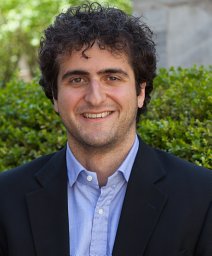 Mehmet Akçakaya合作论文数Center Center for Magnetic Resonance Research, DepartmentDepartment of Electrical and Computer Engineering, University of Minnesota9Evan Appelbaum合作论文数9
 Marten Segelmark合作论文数8Vincenzo Trischitta合作论文数8
 Sabrina Prudente合作论文数8
 James Udelson合作论文数CardioVascular Center, Tufts University School of Medicine;Division of Cardiology, Tufts Medical Center, Tufts University8Kerstin Westman合作论文数8Hussein Rayatzadeh合作论文数Sina Hospital, Tehran University of Medical Sciences8
 Ingeborg Bajema合作论文数Department of Pathology, Leiden University Medical Center8Vladimir Tesar合作论文数7
 Long H. Ngo合作论文数Department of Medicine, Harvard T.H. Chan School of Public Health, Harvard University;Division of General Medicine, Beth Israel Deaconess Medical Center7
 Caroline Savage合作论文数Institute of Immunology and Immunotherapy, University of Birmingham7J. Anthony Parker合作论文数Harvard Medical School, the Charles A Dana Research Institute7
 Jaime L Shaw合作论文数Beth Israel Deaconess Medical Center7
 Tamer A. Basha合作论文数Johns Hopkins University7Lois Goepfert合作论文数6Christine Powers合作论文数6Sb Yeon合作论文数6
 Martin S. Maron合作论文数Department of Cardiology, Lahey Hospital & Medical Center;Tufts University School of Medicine6
 Mark Little合作论文数Division of Cancer Epidemiology and Genetics, National Cancer Institute, National Institutes of Health6
 Giorgio Sesti合作论文数Dipartimento Di Medicina Clinica E Molecolare, Università degli Studi Sapienza di Roma6
 Frank B. Hu (胡丙长)合作论文数Department of Epidemiology, Harvard T.H. Chan School of Public Health;Department of Nutrition, Harvard T.H. Chan School of Public Health6Francesco Andreozzi合作论文数Department of Experimental and Clinical Medicine “G. Salvatore”,, University Magna Græcia6
 John V Wylie合作论文数6Maria C. Cid合作论文数6Seth McClennen合作论文数5Sandro Manni合作论文数5Kv Kissinger合作论文数5Simonetta Bacci合作论文数5Kirsten de Groot合作论文数5
 Peng Hu合作论文数Department of Bioengineering, School of Engineering, University of California, Los Angeles5M Trendelenburg合作论文数5
 Melvin Eugene Clouse合作论文数Beth Israel Deaconess Medical Center, Harvard University5Roth Nathan J合作论文数5




