The TAL1 oncogene driving T cell lymphoblastic leukemia is frequently activated through mutated cis-regulatory elements, whereby small insertions or deletions (indels) create a binding site for the transcription factor MYB. Unraveling how non-coding mutations create oncogenic enhancers is key to understanding cancer biology and can provide important insights into fundamental mechanisms of gene regulation. Utilizing a CRISPR-Cas9 screening approach, we identify GATA3 as the key transcriptional regulator of enhancer-mediated TAL1 overexpression. CRISPR-Cas9 engineering of the mutant enhancer reveals a tandem GATA3 site that is required for binding of GATA3, chromatin accessibility, and MYB recruitment. Reciprocally, MYB binding to its motif is required for GATA3 recruitment, consistent with a transcription factor cooperativity model. Importantly, we show that GATA3 stabilizes a TAL1-MYB interaction and that complex formation requires GATA3 binding to DNA. Our work sheds light on the mechanisms of enhancer-mediated oncogene activation, where key transcription factors cooperate to achieve maximal transcriptional output, thereby supporting leukemogenesis.
Aberrant activation of TAL1, a key oncogenic driver, defines a major subgroup comprising ~30% of childhood T-lineage acute lymphoblastic leukemias (T-ALLs). We and others have shown that somatic non-coding mutations within upstream and intronic cis-regulatory regions of TAL1 contribute to transformation by creating binding sites for MYB and other transcription factors. Here we investigated cis-regulatory mechanisms mediated by somatic mutations occurring in an intergenic region located 29 kilobase pairs downstream of the canonical TAL1 transcription initiation site, implicated in 6% of TAL1-expressing T-ALLs. These somatic variants include i) complex indels resulting in de novo MYB transcription factor binding sites (TFBSs) and ii) internal tandem duplications (ITDs) encompassing canonical MYB TFBSs. Chromatin immunoprecipitation sequencing (ChIP-seq) revealed binding of the TAL1 core regulatory circuit (CRC) transcription factors MYB, GATA3, and RUNX1, resulting in enhancer activity mediated by sequences with the mutant allele. Strikingly, ChIP-seq peaks for the repressive H3K27me3 mark and the active H3K27ac mark co-existed across TAL1 regulatory sequences but enriched for different haplotypes. TAL1 transcription from the mutant haplotype initiated from a promoter located within exon 4 of the canonical TAL1 transcript, resulting in a short isoform normally expressed by hematopoietic stem cells (HSC). Interestingly, neither the isoform expression nor the enhancer activity could be predicted by the sequence-to-function deep learning artificial intelligence (AI) model AlphaGenome, emphasizing the importance of experimental validation. Our findings indicate that selection for cis-regulatory, non-coding variants leads to reactivation of enhancers normally active in HSC but silenced in differentiated lineages during normal hematopoietic cell development.
Neuroblastoma is a malignancy of the peripheral sympathetic nervous system, accounting for 15% of childhood cancer deaths. Despite multi-modal treatment regimens and post-consolidation therapy, including anti-GD2 antibody treatment combined with retinoic acid, overall survival for patients with high-risk disease is only ∼50%, and treatment-associated toxicity is immense. Thus, less toxic and more effective treatment options are desperately needed. Retinoic acid is clinically used to induce growth arrest of neuroblastoma cells and epigenetic rewiring of the enhancer landscape, leading to suppression of oncogenic MYCN expression. However, the epigenetic and growth-suppressing effects of retinoic acid are completely reversible, leading to tumor re-growth. Here, we sought to identify epigenetic modifiers that enhance the antiproliferative effects of retinoids in neuroblastoma. In a drug screen with 452 compounds targeting epigenetic modifiers, we identified PF-9363, an inhibitor of the histone H3K23 acetyltransferases KAT6A and B, as synergistically inhibiting neuroblastoma growth in combination with retinoic acid. Importantly, this growth suppression was durable and persisted beyond retinoid withdrawal in in vitro models, in contrast to retinoid treatment alone. Durable growth suppression was due to sustained downregulation of MYCN and the essential transcription factors PHOX2B and GATA3, caused by gene expression silencing through PRC2-dependent deposition of H3K27me3 across their regulatory enhancers. In NSG xenograft models of neuroblastoma, the KAT6A/B inhibitor PF-9363 alone demonstrated significant anti-tumor activity when given at 5 mg/kg daily by oral gavage and tumor volumes were significantly different compared to vehicle treated mice starting at day 4 through the end of treatment on day 28. Moreover, the combination treatment with retinoic acid and PF-9363 exhibited profound and sustained growth suppression compared to vehicle treated mice and exhibited the most sustained growth suppressing effect among all treatment conditions, persisting even after retinoic acid was withdrawn. This outcome was significantly different from retinoid treatment alone, where drug withdrawal resulted in rapid tumor proliferation in NSG mice. Reflecting the epigenetic reprogramming of these tumor cells, we observed that expression of GD2, a cell surface glycosphingolipid that is a target of antibody-based and CAR T cell therapies in neuroblastoma, was induced on GD2low neuroblastoma cells by treatment with retinoic acid plus PF-9363 both in vitro and in vivo, leading to increased effectiveness of anti-GD2 CAR T cell therapy in neuroblastoma. These studies nominate KAT6A/B inhibition as a novel approach to enhance the effectiveness of differentiation and GD2-immunotherapy in neuroblastoma and may be relevant for other tumors of neuro-ectodermal origin. Nina Weichert-Leahey, Alla Berezovskaya, Mark W. Zimmerman, Francesca Alvarez-Calderon, Ulrike Gerdemann, Silvi Salhotra, Nathaniel Mabe, Adam D. Durbin, Kimberly Stegmaier, Brian J. Abraham, A. Thomas Look. KAT6A and B inhibition increases efficacy of differentiation and GD2 targeting immunotherapy in neuroblastoma [abstract]. In: Proceedings of the American Association for Cancer Research Annual Meeting 2025; Part 1 (Regular Abstracts); 2025 Apr 25-30; Chicago, IL. Philadelphia (PA): AACR; Cancer Res 2025;85(8_Suppl_1):Abstract nr 2601.
Despite multi-modal treatment intensification, nearly half of children with high-risk neuroblastoma (NBL) still succumb to their disease, underscoring the urgent need for novel therapeutic strategies with potent and durable anti-tumor activity. As in many pediatric cancers, gene expression signatures defining NBL cell state are under epigenetic control. Through epigenetic rewiring of the enhancer landscape, treatment with retinoic acid leads to suppression of oncogenic MYCN expression and subsequently to growth arrest and differentiation. However, the epigenetic and antiproliferative effects of retinoic acid are completely reversible upon drug withdrawal, leading to rapid tumor cell proliferation. Here, we sought to identify epigenetic modifiers that enhance the antiproliferative effects of retinoids in NBL. We conducted a screen with 452 compounds targeting epigenetic modifiers to identify synergistic growth inhibitors. We identified PF-9363, a first-in-class-inhibitor of the histone acetyltransferases KAT6A/B, as synergistically inhibiting NBL growth in combination with retinoic acid in NBL. Importantly, this growth suppression persisted beyond retinoid withdrawal, in stark contrast to retinoid monotherapy. Moreover, the KAT6A/B inhibitor PF-9363 synergizes with RA through sustained downregulation of MYCN and the transcription factors PHOX2B and GATA3, caused by gene expression silencing through PRC2-dependent deposition of H3K27me3 across their regulatory enhancers, extending the antiproliferative and differentiating effects of retinoic acid. In NSG xenograft models of NBL, PF-9363 alone demonstrated significant anti-tumor activity and tumor volumes were significantly reduced compared to vehicle treated mice. Moreover, combination treatment with retinoic acid and PF-9363 led to the most profound and sustained tumor growth suppression, lasting beyond retinoid withdrawal, an effect not observed with either agent alone, where tumors resumed rapid growth following drug removal. Reflecting the epigenetic reprogramming of these tumor cells, expression of GD2 was significantly upregulated in GD2low NBL cells by treatment with retinoic acid plus PF-9363 both in vitro and in vivo, thereby enhancing the efficacy of dinutuximab and anti-GD2 CAR T cell therapy. In conclusion, as KAT6A/B have recently emerged as druggable epigenetic targets in adult cancers—with early-phase clinical trials demonstrating favorable safety profiles and durable responses—our studies highlight KAT6A and KAT6B as promising novel therapeutic targets to enhance the efficacy of differentiation therapy and GD2 immunotherapy in NBL. Nina Weichert-Leahey, Alla Berezovskaya Berezovskaya, Mark W. Zimmerman, Francesca Alvarez-Calderon, Marlana Winschel, Silvi Salhotra Salhotra, Nathaniel Mabe Mabe, Ulrike Gerdemann, Kimberly Stegmaier, Adam D. Durbin, Derek A. Oldridge, Brian J. Abraham, A. Thomas Look. KAT6A and KAT6B are therapeutic targets to enhance the efficacy of differentiation therapy and GD2 immunotherapy in neuroblastoma [abstract]. In: Proceedings of the AACR Special Conference in Cancer Research: Discovery and Innovation in Pediatric Cancer— From Biology to Breakthrough Therapies; 2025 Sep 25-28; Boston, MA. Philadelphia (PA): AACR; Cancer Res 2025;85(18_Suppl_2):Abstract nr A020-PR004.
TET2 is the second most frequently mutated gene in clonal hematopoiesis of indeterminate potential (CHIP), driving hematopoietic stem cell clonal expansion and increasing the risk of myeloid malignancies. Affected individuals often develop atherosclerotic cardiovascular disease, exacerbated by hyperinflammatory TET2 -mutant macrophages. Here, we show that the XPO1 nuclear export inhibitor eltanexor significantly reduces atherosclerotic plaque formation in a mouse model of Tet2 -mutant CHIP. In addition, we investigated the mechanisms and gene expression pathways that underlie the proinflammatory phenotype that characterizes Tet2 -mutant CHIP. Single-cell CITE-seq identified increased expression of multiple proinflammatory mediators in Tet2 -mutant macrophages and in non-hematopoietic cells of the aortic wall, which was reduced by eltanexor treatment. Atf3 , which encodes a core transcriptional modulator of inflammation, occupies and regulates the largest enhancer in wild-type macrophages. Tet2 loss diminished ATF3 binding to the regulatory loci of inflammatory mediators, which was restored upon XPO1 inhibition. These results provide new insights into drivers of heightened inflammation in TET2 -mutant CHIP and highlight a novel therapeutic strategy for intervention.
High-risk neuroblastoma accounts for about 15% of childhood cancer deaths and arises from precursors of the peripheral sympathetic nervous system. Retinoids are clinically used to inhibit growth of neuroblastoma cells through reconfiguration of the regulatory enhancer landscape. Its effects, however, are completely reversible after drug withdrawal, leading to rapid tumor cell proliferation. Here, we sought to identify epigenetic modifiers that potentiate the antiproliferative effects of retinoids in neuroblastoma. We identified PF-9363, an inhibitor of the histone H3K23 acetyltransferases KAT6A/B, as synergistically inhibiting neuroblastoma growth in combination with retinoids. PF-9363 plus retinoids induces durable growth arrest, which persists beyond retinoid withdrawal in vitro and in vivo with sustained Polycomb-mediated repression of oncogenic transcription factors MYCN, PHOX2B and GATA3. Moreover, PF-9363 plus retinoids increases GD2 expression, rendering neuroblastoma cells more sensitive to anti-GD2 immunotherapy. Overall, our studies demonstrate that KAT6A/B inhibition increases the effectiveness of retinoids and GD2-targeted immunotherapy in neuroblastoma.
T cell acute lymphoblastic leukemia (T-ALL) is an aggressive immature T cell cancer. Mutations in IL7R have been analyzed genetically, but downstream effector functions such as STAT5A and STAT5B hyperactivation are poorly understood. Here, we studied the most frequent and clinically challenging STAT5BN642H driver in T cell development and immature T cell cancer onset and compared it with STAT5A hyperactive variants in transgenic mice. Enhanced STAT5 activity caused disrupted T cell development and promoted an early T cell progenitor-ALL phenotype, with upregulation of genes involved in T cell receptor (TCR) signaling, even in absence of surface TCR. Importantly, TCR pathway genes were overexpressed in human T-ALL and mature T cell cancers and activation of TCR pathway kinases was STAT5 dependent. We confirmed STAT5 binding to these genes using ChIP-Seq analysis in human T-ALL cells, which were sensitive to pharmacologic inhibition by dual STAT3/5 degraders or ZAP70 tyrosine kinase blockers in vitro and in vivo. We provide genetic and biochemical proof that STAT5A and STAT5B hyperactivation can initiate T-ALL through TCR pathway hijacking and suggest similar mechanisms for other T cell cancers. Thus, STAT5 or TCR component blockade are targeted therapy options, particularly in patients with chemoresistant clones carrying STAT5BN642H.
The underlying gene regulatory networks (GRN) that govern leukemia stem cells (LSC) in acute myeloid leukemia (AML) and hematopoietic stem cells (HSC) are not well understood. Here, we identified GRNs by integrating gene expression (GE) and chromatin accessibility data derived from functionally defined cell populations enriched for HSC and LSC. We analyzed n=32 LSC+ and n=32 LSC- cell fractions from n=22 AML patients, along with n=7 stem and n=10 progenitor enriched cell populations sorted from human umbilical cord blood (hUCB), producing a database of n≈17,000 transcription factor (TF) regulatory interactions for hUCB-HSPC and AML. We developed an iterative algorithm that associates the degree of chromatin openness with TF binding preferences, and the GE of candidate TF and target genes within 100kb upstream of transcription start sites. A putative regulatory structure was found to be enriched in HSC-enriched cell populations, comprising TF-target gene interactions between ETS1, EGR1, RUNX2, and ZNF683 oriented in a self-reinforcing configuration. A regulatory loop comprising FOXK1 and MEIS1, rather than the 4-factor HSC subnetwork, was detected in the LSC-specific GRN. The core HSC and LSC TF networks were extended using protein-protein interaction (PPI) data to determine connectivity with interacting genes whose expression strongly associated with LSC/HSC frequency estimates, producing a database of n=103,516 PPI target pathways. The effect of perturbing genes along the identified pathways on functional HSC and LSC frequency was predicted based on statistical regression analyses. To validate GRN predictions, we used pharmacologic and CRISPR targeting, in addition to re-examining published functional data associated with several network nodes that were predicted to impact stemness. Notably, we found that inhibition of CDK6 in AML samples markedly reduced LSC numbers as assessed in de novo serial xenotransplantation studies (fold change ≈ 10), as predicted by the LSC GRN model. Additionally, in-house CRISPR-based knockdown of ETS1 resulted in a significant decrease in HSC quiescence-associated microRNA-126 expression, and increased HSC frequency. Taken together, our models provide a comprehensive view of the underlying regulatory structures governing functional human HSC and LSC. This approach has translational potential as it can be used as a high-throughput in-silico screening tool for the systematic identification of gene targets for LSC elimination and HSC expansion. ### Competing Interest Statement The authors have declared no competing interest.
Abstract Neuroblastoma is a pediatric tumor of the peripheral sympathetic nervous system derived from migratory neural crest cells that have committed to become sympathetic neuroblasts, but their definitive differentiation is blocked. Neuroblastoma cell identity depends on the adrenergic core regulatory circuit (CRC) of transcription factors that collaborate with MYCN to drive cell proliferation and the oncogenic gene expression program. Retinoic acid is used as differentiation therapy for patients with high-risk neuroblastoma, with the goal to block proliferation and drive sympathetic neuronal differentiation. We recently showed that retinoic acid re-organizes the enhancer landscape of neuroblastoma and promotes a new retino-sympathetic cell state characterized by MYCN downregulation, proliferative arrest, and sympathetic neuronal differentiation. However, the effects of retinoic acid on epigenetic rewiring of the adrenergic CRC and suppression of MYCN expression are reversible in vitro and in vivo, leading to tumor re-growth when the retinoic acid is withdrawn. Therefore, we sought to determine if retinoid-induced differentiation can be forced to progress to irreversible neuronal maturation by the addition of inhibitors of epigenetic modifying enzymes. Here, we conducted a drug screen of epigenetic modifying drugs alone and in combination with retinoic acid to determine their effects on neuroblastoma cell growth and differentiation. In this screen, we found that an inhibitor of the histone H3K23 acetyltransferases KAT6A/B, PF-9363, synergistically inhibits neuroblastoma cell growth in combination with retinoic acid. Moreover, retinoid-resistant neuroblastoma cell lines can be sensitized to retinoic acid when combined with a KAT6 inhibitor. Importantly, this combination treatment renders the differentiated cell state irreversible, such that it is maintained after retinoic acid is withdrawn, with continued suppression of the adrenergic CRC and MYCN expression. In conclusion, the retino-sympathetic differentiated cell state induced by retinoic acid in neuroblastoma becomes irreversible when the cells are also treated with an inhibitor of the KAT6A/B histone H3K23 acetyltransferases, implicating the essential role of these enzymes in restoring the proliferative immature progenitor phenotype in adrenergic neuroblastoma cells. Citation Format: Nina Weichert-Leahey, Alla Berezovskaya, Mark Zimmerman, Brian J. Abraham, Adam W. Durbin, A Thomas Look. Novel combination therapy with a KAT6A/B inhibitor together with retinoids induces irreversible differentiation of neuroblastoma cells [abstract]. In: Proceedings of the American Association for Cancer Research Annual Meeting 2024; Part 1 (Regular Abstracts); 2024 Apr 5-10; San Diego, CA. Philadelphia (PA): AACR; Cancer Res 2024;84(6_Suppl):Abstract nr 2852.
Genome-wide gene expression analysis is a commonly used method to quantitatively examine the transcriptional signature of any tissue or cell state. Standard bulk cell RNA sequencing (RNA-seq) quantifies RNAs in the cells of the tissue type of interest through massive parallel sequencing of cDNA synthesized from the cellular RNA. The subsequent analysis of global RNA expression and normalization of RNA expression levels between two or more samples generally assumes that cells from all samples produce equivalent amounts of RNA per cell. This assumption may be invalid in cells where MYC or MYCN expression levels are markedly different and thus, overall mRNA expression per cell is altered. Here, we describe an approach for RNA-seq analysis of MYCN-amplified neuroblastoma cells during treatment with retinoic acid, which causes dramatic downregulation of MYCN expression and induces growth arrest and differentiation of the cells. Our procedure employs spiked-in RNA standards added in ratio to the number of cells in each sample prior to RNA extraction. In the analysis of differential gene expression, the expression level of each gene is standardized to the spiked-in RNA standard to accurately assess gene expression levels per cell in conditions of high and low MYCN expression. Our protocol thus provides a step-by-step experimental approach for normalizing RNA-seq expression data on a per-cell-number basis, allowing accurate assessment of differential gene expression in cells expressing markedly different levels of MYC or MYCN.
Anaplastic large cell lymphoma (ALCL) is an aggressive, CD30+ T cell lymphoma of children and adults. ALK fusion transcripts or mutations in the JAK-STAT pathway are observed in most ALCL tumors, but the mechanisms underlying tumorigenesis are not fully understood. Here, we show that dysregulated STAT3 in ALCL cooccupies enhancers with master transcription factors BATF3, IRF4, and IKZF1 to form a core regulatory circuit that establishes and maintains the malignant cell state in ALCL. Critical downstream targets of this network in ALCL cells include the protooncogene MYC, which requires active STAT3 to facilitate high levels of MYC transcription. The core autoregulatory transcriptional circuitry activity is reinforced by MYC binding to the enhancer regions associated with STAT3 and each of the core regulatory transcription factors. Thus, activation of STAT3 provides the crucial link between aberrant tyrosine kinase signaling and the core transcriptional machinery that drives tumorigenesis and creates therapeutic vulnerabilities in ALCL.
XLSX file - 36K, Cell viability profile by RAPID assay.
Supplementary Figure Legends 1-2, Tables 1-2 from Comparison of Primary Neuroblastoma Tumors and Derivative Early-Passage Cell Lines Using Genome-Wide Single Nucleotide Polymorphism Array Analysis
Supplementary Figure 1 from Neuroblastoma Cells Isolated from Bone Marrow Metastases Contain a Naturally Enriched Tumor-Initiating Cell
XLSX file - 14291K, TYK2 genotype in 17 T-ALL cell lines.
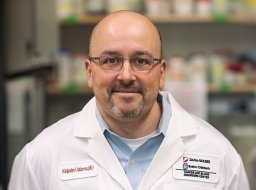 Alejandro Gutierrez合作论文数Dept Pediat Oncol, Dana Farber Canc Inst62
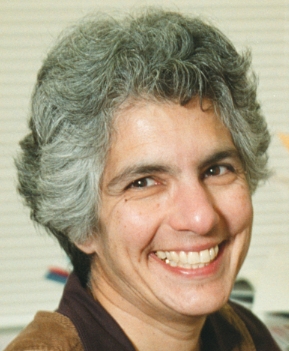 Donna Neuberg合作论文数Department of Biostatistics, Harvard T.H. Chan School of Public Health;Dana-Farber Cancer Institute59
 John P. Kanki合作论文数Division of Hematology⧸Oncology, Beth Israel Deaconess Medical Center Harvard Medical School51
 Sanda Takaomi合作论文数Yong Loo Lin School of Medicine, National University of Singapore48
 Brian J. Abraham合作论文数Department of Computational Biology, St. Jude Children's Research Hospital;Comprehensive Cancer Center, St. Jude Children's Research Hospital;St. Jude Graduate School of Biomedical Sciences44
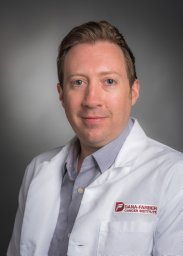 Zimmerman Mark W合作论文数Department of Pharmacology &, University of Pittsburgh School of Medicine;Chemical Biology, Pittsburgh, PA 15260, USA.;Department of Pharmacology & Chemical Biology, University of Pittsburgh School of Medicine43Toshiya Inaba合作论文数36
 Ching-Hon Pui (裴正康)合作论文数Leukemia/Lymphoma Division, Department of Oncology, St. Jude Children's Research Hospital35Shuning He合作论文数31
 Garrett M. Brodeur合作论文数Perelman School of Medicine, University of Pennsylvania;Division of Oncology, The Children's Hospital of Philadelphia;Department of Pediatrics, University of Pennsylvania30Adam D. Durbin合作论文数The Hospital for Sick Children, University of Toronto30
 Richard A. Young合作论文数Department of Biology, Massachusetts Institute of Technology;Whitehead Institute for Biomedical Research;Syros Pharmaceuticals;CAMP4 Therapeutics;Omega Therapeutics;Dewpoint Therapeutics;Paratus Sciences29
 Gary Dahl合作论文数Department of Pediatrics, School of Medicine, Stanford University29
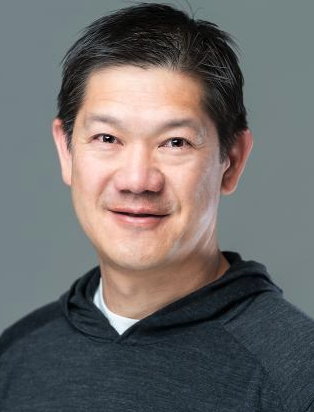 Andrew Weng合作论文数Terry Fox Laboratory, British Columbia Cancer Research Institute;Department of Pathology & Laboratory Medicine, University of British Columbia;Department of Pathology, British Columbia Cancer Agency29T Inukai合作论文数28
 Catriona Jamieson合作论文数Moores Cancer Center, University of California San Diego;Division of Regenerative Medicine, University of California San Diego28
 Wenxue Ma合作论文数Department of Medicine, University of California, San Diego;Sanford Stem Cell Institute, University of California, San Diego28Yebin Ahn合作论文数27
 Nathanael S. Gray合作论文数Stanford University;Dana-Farber Cancer Institute;Harvard Medical School26
 Marc Mansour合作论文数Department of Haematology, Cancer Institute, Faculty of Medical Sciences, University College London25
 Brian J. Druker合作论文数Knight Cancer Institute, School of Medicine, Oregon Health & Science University25
 Michelle A Kelliher合作论文数University of Massachusetts Medical Center25
 Ross L. Levine合作论文数Memorial Sloan Kettering Cancer Center;Ajax Therapeutics;QIAGEN24
 John M. Maris合作论文数Children's Hospital of Philadelphia;Perelman School of Medicine, University of Pennsylvania;Tantigen Bio24
 Jeffrey W. Tyner合作论文数Knight Cancer Institute, School of Medicine, Oregon Health & Science University24
 Jason Glover合作论文数23Mb Valentine合作论文数23Ra Ashmun合作论文数23
 Bill H Chang合作论文数23
 Louis M. Staudt合作论文数Center for Cancer Genomics, National Cancer Institute23Vu N. Ngo合作论文数22Fg Behm合作论文数22Dk Kalwinsky合作论文数22Wenjun Zhou合作论文数22Jessica Tatarek合作论文数21Nina Weichert-Leahey合作论文数Dana Farber Canc Inst, Dept Pediat Oncol, Boston, MA 02115 USA21
 Matthias Muller合作论文数Univ Vet Med Vienna, Inst Anim Breeding & Genet, Vienna, Austria21
 Charles J. Sherr合作论文数Department of Tumor Cell Biology, St. Jude Children's Research Hospital;Comprehensive Cancer Center, St. Jude Children's Research Hospital21
 Arla Yost合作论文数20Dl Williams合作论文数20Yandan Yang合作论文数20
 Adolfo Ferrando合作论文数Irving Cancer Research Center, Columbia University20
 Angela G Fleischman合作论文数20
 Jon Christopher Aster合作论文数Department of Pathology, Brigham and Women's Hospital;Harvard Medical School;Division of Medical Sciences, Harvard Griffin Graduate School of Arts and Sciences, Harvard University20Stephan W. Morris合作论文数St. Jude Children's Research Hospital20SC RAIMONDI合作论文数20Sb Murphy合作论文数19Gk Rivera合作论文数19Etchin Julia合作论文数19




