The Ras-MAPK pathway drives central cellular processes, including cell proliferation and differentiation. How exactly Ras controls differentiation is however not understood. Supported by mathematical modeling and single-cell RNA sequencing we show that K-Ras4B sustains ciliation during differentiation thus restricting commitment of skeletal muscle stem and progenitor cells during asymmetric cell divisions. Modulation of K-Ras4B abundance or expression of oncogenic K-Ras4B-G12C perturb normal differentiation. K-Ras4B, but not N-Ras and H-Ras, localizes to the primary cilium and its abundance there depends on the ciliary trafficking chaperone PDE6D. The presence of B-Raf and active MEK at the base of and active ERK inside the cilium suggests that K-Ras4B is active there. Conditions that localize a K-Ras4B mutant only to the cilium are sufficient to sustain ciliation and normal differentiation. Finally, in vivo modulation of K-Ras4B activity during zebrafish embryogenesis perturbs ciliation-dependent heart-looping. Our results thus imply a novel fundamental role of K-Ras4B in controlling ciliation and differentiation and suggest an explanation for the phenotypic similarities between RASopathies and ciliopathies.
Circadian clocks regulate essential cellular functions and influence cancer development and treatment outcomes. Aligning therapy with circadian rhythms can improve efficacy and reduce toxicity, yet whether neuroblastoma, a heterogeneous pediatric tumor, maintains circadian function remains unclear. Here, we systematically profiled circadian dynamics across 12 neuroblastoma cell models using long-term bioluminescence assays and computational analysis. Our findings reveal heterogeneous circadian patterns ranging from robust to arrhythmic, which we linked to distinct neuroblastoma genetic features. By integrating drug sensitivity data, we identified candidate compounds whose effectiveness correlates with circadian expression profiles. Moreover, time-of-day treatment assays with the ALK inhibitor lorlatinib and frontline chemotherapeutics revealed distinct temporal drug responses that were more pronounced in circadian-competent than weakly rhythmic cell lines. Together, these findings establish circadian heterogeneity as a previously unrecognized dimension of neuroblastoma biology and highlight the therapeutic potential of chronotherapy approaches for improved treatment efficacy.
Parkinson's disease (PD) involves selective degeneration of midbrain dopaminergic neurons (mDANs), yet the regulatory networks governing their development remain incompletely understood. ZFHX4 has been linked to neurodevelopment across species and shows reduced expression in the PD midbrain. Through integrative analysis of our multiomic data of mDAN differentiation, we show that ZFHX4 is a super-enhancer-controlled transcription factor induced during mDAN specification. Importantly, ZFHX4 is necessary but not sufficient for mDAN differentiation. Genome-wide profiling of ZFHX4 binding revealed targeting to active promoters, and transcriptomic profiling after ZFHX4 depletion identified primary target genes enriched for cell-cycle regulation. Consistently, ZFHX4-depleted cells showed reduced proliferation and accumulated in G2 phase, impairing cell-cycle progression. LIN28A, an RNA-binding protein involved in stem-cell maintenance and microRNA maturation, is among the strongest upregulated genes upon ZFHX4 depletion, with direct ZFHX4 binding at the locus. Our findings indicate that ZFHX4 regulates mDAN maturation through a mechanism involving the LIN28A-miR-9 axis.
Metabolic reprogramming is a defining feature of cancer; however, how it contributes to therapeutic resistance remains incompletely understood. Here we show that loss of aldo-ketoreductase 1A1 (AKR1A1) in renal cell carcinoma (RCC) and hepatocellular carcinoma (HCC) disrupts terminal glycolytic flux and lactate production through S-nitrosylation-mediated inhibition of pyruvate kinase, resulting in the accumulation of methylglyoxal (MGO). In multiple AKR1A1-deficient models, but not in those endogenously expressing the C423/424 A mutant of pyruvate kinase M2, elevated MGO triggers autophagic degradation of Kelch-like ECH-associated protein 1, leading to Nuclear factor erythroid 2-Related Factor 2 (NRF2) activation and transcriptional reprogramming. This NRF2-driven response enhances chemoresistance and promotes tumor cell migration, two hallmarks of aggressive cancer. Therapeutically, we demonstrate that pharmacological inhibition of the glyoxalase system—the major pathway for MGO detoxification—restores drug sensitivity in patient-derived cells and xenograft models, revealing a context-dependent metabolic vulnerability in AKR1A1 loss conditions. These findings identify AKR1A1 as a metabolic tumor suppressor and uncover crosstalk between S-nitrosylation and glycation as a key regulatory axis linking metabolic reprogramming to NRF2-driven therapy resistance, offering glyoxalase inhibition as a potential precision treatment strategy for RCC and HCC. Aldo-ketoreductase 1A1 (AKR1A1), a detoxifying enzyme, is reported to have an alternative role in regulating S-nitrosylation. Here, the authors show that AKR1A1 regulates S-nitrosylation of PKM2, and its loss leads to metabolic changes that promote chemoresistance and cell migration in liver and renal cancers.
Bacteria living inside the tumoral micro-environment play a crucial role in the development of cancer and its progression. Enrichment of Fusobacterium nucleatum in colorectal cancer (CRC) tissue has been acknowledged as a major driver of its proliferation and mortality. Representatives of the F. nucleatum species exhibit a remarkable variability, being linked to a growing list of diseases. In this process, cellular metabolism plays a key role, allowing bacterial cells to efficiently cope with an ever-changing environment. To date, however, a mechanistic understanding of its relationship(s) with virulence and/or cancer-associated phenotypes is missing. In this work we characterize the basal physiology of this bacterium by reconstructing an experimentally validated genome-scale metabolic model (GEM) to simulate the major phenotypical features of F. nucleatum in different nutritional conditions. Further, we used gene expression data obtained from in vitro models to contextualize this metabolic reconstruction and simulate relevant phenotypes such as its interaction with human cells. Our analyses revealed that adhesion triggers a metabolic rewiring, with suppression of branched-chain amino acid catabolism and increased uptake of specific nutrients (e.g., methionine and serine), while invasion leads to a partial reactivation of central carbon and nitrogen pathways. Moreover, we identified shifts in short-chain fatty acid production and redox balance that may contribute to bacterial persistence and modulation of the tumor microenvironment.
The sequence of the human genome provides a foundation for understanding cellular processes in health and disease1. The organisation of this primary genetic information into cell-specific structure and function is critical to understanding the cell type-specific interpretation and execution of the genome. Epigenetic processes are essential for packaging and higher-level functional organisation of the genome, and changes therein are increasingly recognised as contributors to human disease. Building on primary data generated by multinational consortia, the International Human Epigenome Consortium2 (IHEC) has uniformly processed a collection of more than 2000 comprehensive human reference epigenomes, collectively referred to as EpiATLAS. This effort involved the development of standardised molecular and bioinformatics protocols, metadata models, and analytical tools to manage, integrate, display, and share vast amounts of epigenomic data. This includes the creation of a publicly available Epigenome Reference Registry, which provides a system for accessing protected human subject datasets and facilitates open searching of de-identified samples and experimental data. The integrated EpiATLAS ecosystem and its comprehensive human reference epigenome maps provide an unprecedented resource for the biosciences, expanding the annotated epigenomic landscape while uncovering previously unappreciated relationships among regulatory layers and revealing how epigenetic inputs underpin fundamental cellular functions and disease associations.
Single-cell data, which captures tumour heterogeneity, has revolutionized our understanding of cancer cell metabolism. Unlike bulk measurements, single-cell approaches reveal metabolic diversity and rare cell states, but they are inherently noisy and suffer from high dropout rates. In this work, we survey published modelling approaches designed to unravel mechanistic insights and predict metabolic fluxes from single-cell data. We discuss the limitations of each method, model assumptions, and scalability, and propose improvements to reduce computational cost that limits widespread use in cancer research.
SUMMARY:Accurate enzyme turnover numbers are essential for building enzyme-constrained genome-scale metabolic models. However, collecting and curating these parameters remains a major bottleneck. Indeed, kcat values are scattered across multiple databases, reported under varying experimental conditions, and often missing for many enzymes. To address this challenge, we present WILDkCAT, a Python-based pipeline that enables the retrieval of kcat values from wild-type enzyme measured under user-specified pH and temperature ranges for a given metabolic model. The application to Escherichia coli (iML1515) and Homo sapiens (Human-GEM) models demonstrated the ability of WILDkCAT to retrieve substantial kcat coverage and its applicability across diverse genome-scale models. AVAILABILITY AND IMPLEMENTATION:WILDkCAT is available at https://github.com/sysbiolux/WILDkCAT and from PyPI. WILDkCAT works on all major operating systems and computer architectures. The documentation is available at https://sysbiolux.github.io/WILDkCAT.
Boolean networks provide robust, explainable, and predictive models of cellular dynamics, especially for cellular differentiation and fate decision processes. Yet, the construction of such models is extremely challenging, as it requires integrating prior knowledge with experimental observation of the transcriptome, potentially relating thousands of genes. We present a general methodology for integrating transcriptome data and prior knowledge on the underlying gene regulatory network in order to generate automatically ensembles of Boolean networks able to reproduce the modeled qualitative behavior. Our methodology builds on the software BoNesis, which implements the automatic construction of Boolean networks from a specification of their expected structural and dynamical properties. We show how to transform transcriptome data into such a qualitative specification, and then how to exploit the generated ensembles of Boolean networks for identifying families of candidate models, and for predicting robust cellular reprogramming targets. We illustrate the scalability and versatility of our overall approach with two applications: the modeling of hematopoiesis from single-cell RNA-Seq data, and modeling the differentiation of bone marrow stromal cells into adipocytes and osteoblasts from bulk RNA-seq time series data. For this latter case, we took advantage of ensemble modeling to predict combinations of reprogramming factors for trans-differentiation that are robust to model uncertainties due to variations in experimental replicates and choice of binarization method. Moreover, we performed an in silico assessment of the fidelity and efficiency of the reprogramming and conducted preliminary experimental validation.
Loss-of-function mutations in PARK7, encoding for DJ-1, can lead to early onset Parkinson’s disease (PD). In mice, Park7 deletion leads to dopaminergic deficits during aging, and increased sensitivity to oxidative stress. However, the severity of the reported phenotypes varies. To understand the early molecular changes upon loss of DJ-1, we performed transcriptomic profiling of midbrain sections from young mice. While at 3 months the transcriptomes of both male and female mice were unchanged compared to their wildtype littermates, an extensive deregulation was observed in 8 month-old males. The affected genes are involved in processes like focal adhesion, extracellular matrix interaction, and epithelial-to-mesenchymal transition (EMT), and enriched for primary target genes of NRF2. Consistently, the antioxidant response was altered specifically in the midbrain of male DJ-1 deficient mice. Many of the misregulated genes are known target genes of estrogen and retinoic acid signaling and show sex-specific expression in wildtype mice. Depletion of DJ-1 or NRF2 in male primary astrocytes recapitulated many of the in vivo changes, including downregulation of CYP1B1, an enzyme involved in estrogen and retinoic acid metabolism. Interestingly, knock-down of CYP1B1 led to gene expression changes in focal adhesion and EMT in primary male astrocytes. Finally, male iPSC-derived astrocytes with loss of function mutation in the PARK7 gene also showed changes in the EMT pathway and NRF2 target genes. Taken together, our data indicate that loss of Park7 leads to sex-specific gene expression changes through astrocytic alterations in the NRF2-CYP1B1 axis, suggesting higher sensitivity of males to loss of DJ-1.
Background: Cancer-associated fibroblasts have been reported to play a central role in driving cancer progression, promoting metastasis, and conferring resistance to therapy in HNSCC. Methods: Indirect and direct co-culture models of HPV-positive and HPV-negative HNSCC cells with fibroblasts were developed to study the effect of fibroblasts on cancer cells. ELISA was used to measure IL-6 secretion in these models. To dissect the underlying signalling mechanisms, the effects of IL-6, an IL-6 receptor (IL-6R) inhibitor, a MAPK/ERK inhibitor, and a JAK/STAT inhibitor were evaluated. Epithelial-to-mesenchymal transition (EMT) was assessed by measuring EMT markers and conducting scratch assays and spheroid assays. Radioresistance was evaluated using clonogenic assays. Additionally, radioresistant (RR) cell lines were established from parental cells to examine the correlation between radioresistance and EMT. Results: Fibroblasts were found to drive EMT-like changes and heightened radioresistance in HNSCC cells through IL-6 secretion. Remarkably, these Fb-driven effects were robustly reversed using IL-6R and MAPK/ERK inhibitors in both HPV-positive and HPV-negative cell lines, whereas JAK/STAT inhibitors proved effective only in HPV-negative cells. RR cell lines exhibit a more aggressive phenotype than their parental counterparts, marked by pronounced EMT features and heightened resistance to radiotherapy. Importantly, these aggressive characteristics were substantially attenuated by targeting IL-6R or MAPK/ERK pathways. Conclusions: This study highlights the critical role of fibroblast-secreted IL-6 in driving and maintaining EMT and radioresistance in HNSCC, resulting in a more aggressive tumour phenotype. Targeting the IL-6/IL-6R/ERK pathway emerges as a promising therapeutic approach for combating CAF-driven tumour progression and improving clinical outcomes in patients with aggressive, therapy-resistant HNSCC.
Regulatory networks controlling aging and disease trajectories remain incompletely understood. MicroRNAs (miRNAs) are a class of regulatory non-coding RNAs that contribute to the regulation of tissue homeostasis by modulating the stability and abundance of their target mRNAs. MiRNA genes are transcribed similarly to protein-coding genes which has facilitated their annotation and quantification from bulk transcriptomes. Here, we show that droplet, spatial, and plate-based single-cell RNA-sequencing platforms can be used to decipher miRNA gene signatures at cellular resolution to reveal their expression dynamics in vivo. We first benchmarked the approach examining concordance between platforms, species, and cell type-specific bulk expression data. To discover changes in miRNA gene expression that could contribute to the progressive loss of cellular homeostasis during aging and disease development, we annotated the comprehensive aging mouse dataset, Tabula Muris Senis, with cell type-specific miRNA expression and acquired transcriptome and translatome profiles from an atherosclerosis disease model. We generated an openly available workflow and aging-profile resource to characterize miRNA expression from single-cell genomics studies. Comparing immune cells in spleen tissue between young and old mice revealed concordance with previous functional studies, highlighting the upregulation of mmu-mir-146a, mmu-mir-101a, and mmu-mir-30 family genes involved in senescence and inflammatory pathways. Atherosclerosis progression is reflected within adipose tissue as expansion of the myeloid compartment, with elevated pro-inflammatory mmu-mir-511 expression in several macrophage subtypes. Upregulation of the immunosuppressive mmu-mir-23b mir-24–2 mir-27b locus was specific to Trem2 + lipid-associated macrophages, prevalent at late disease. Accordingly, ribosome-associated RNA profiling from myeloid cells in vivo validated significant mmu-mir-23b target gene enrichment in disease-regulated translatomes. Prominent tissue infiltration of monocytes led to upregulated mmu-mir-1938 and mmu-mir-22 expression and in classical monocytes activated mmu-mir-221 222, mmu-mir-511, and mmu-mir-155 gene loci, confirmed by bulk nascent transcriptomics data from ex vivo macrophage cultures. Overall, the monocyte-associated changes in miRNA expression represented the most significant target gene associations in the disease-trajectory translatome profiles. We demonstrate that miRNA gene transcriptional activity is widely impacted in immune cells by aging and during disease development and further identify the corresponding translatome signature of inflamed adipose tissue.
The circadian clock regulates key physiological processes, including cellular responses to DNA damage. Circadian-based therapeutic strategies optimize treatment timing to enhance drug efficacy and minimize side effects, offering potential for precision cancer treatment. However, applying these strategies in cancer remains limited due to a lack of understanding of the clock's function across cancer types and incomplete insights into how the circadian clock affects drug responses. To address this, we conducted deep circadian phenotyping across a panel of breast cancer cell lines. Observing diverse circadian dynamics, we characterized metrics to assess circadian rhythm strength and stability in vitro. This led to the identification of four distinct circadian-based phenotypes among 14 breast cancer cell models: functional, weak, unstable, and dysfunctional clocks. Furthermore, we demonstrate that the circadian clock plays a critical role in shaping pharmacological responses to various anti-cancer drugs and we identify circadian features descriptive of drug sensitivity. Collectively, our findings establish a foundation for implementing circadian-based treatment strategies in breast cancer, leveraging clock phenotypes and drug sensitivity patterns to optimize therapeutic outcomes.
Frailty is a geriatric condition with multidimensional consequences that strongly affect older adults' quality of life. The lack of a universal standard to describe, diagnose, and treat frailty further complicates this situation. Nowadays, multitudinous frailty assessment tools are applied depending on the regional and clinical context, adding complexity by increasing heterogeneity in the definition and characterization of frailty. Better insights into the causes and pathophysiology of frailty and its early stages are required to establish strong and accurately tailored treatment rationales for frail patients. We analysed participants aged 60 and above using cross-sectional biochemical and survey data from the Berlin Aging Study II (BASE-II, N = 1512, pre-frail=470, frail=14), applying machine-learning techniques to investigate determinants of physical frailty measured by Fried et al.'s 5-item frailty phenotype. Our findings highlight new prognostic sex-specific biomarkers of pre-frailty (the early stage of frailty) with possible clinical applications, enriching the current sex-agnostic diagnostic scores with easy monitorable physical and physiological characteristics. Low appendicular lean mass and high fat composition in men, or vitamin D deficiency and high white blood cell counts in women, emerged as strong indicators of the respective pre-frailty profiles. Because the number of fully frail individuals was extremely small (n = 14, <1 %), our findings should be interpreted as reflecting predictors of pre-frailty, not of frailty itself. We conclude that understanding the development of frailty remains a complex challenge, and that sex-specific differences must be considered by clinical geriatricians and researchers.
MIRO1 is a mitochondrial outer membrane protein important for mitochondrial distribution, dynamics and bioenergetics. Over the last decade, evidence has pointed to a link between MIRO1 and Parkinson’s disease (PD) pathogenesis. Moreover, a heterozygous MIRO1 mutation (p.R272Q) was identified in a PD patient, from which an iPSC-derived midbrain organoid model was derived, showing MIRO1 mutant-dependent selective loss of dopaminergic neurons. Herein, we use patient-specific iPSC-derived midbrain organoids carrying the MIRO1 p.R272Q mutation to further explore the cellular and molecular mechanisms involved in dopaminergic neuron degeneration. Using single-cell RNA sequencing (scRNAseq) analysis and metabolic modeling we show that the MIRO1 p.R272Q mutation affects the dopaminergic neuron developmental path leading to metabolic deficits and disrupted neuron-astrocyte metabolic crosstalk, which might represent an important pathogenic mechanism leading to their loss.
Psychological trauma is associated with significant alterations of biological functions and is correlated with epigenetic changes specifically of DNA methylation. Trauma therapy is aiming at relieving the impact of trauma and is in initial studies also correlated with changes in DNA methylation. In this study we explored the changes in whole blood DNA methylation of participants of a program focusing on individual, ancestral and collective trauma processing and meditation in a large group setting of 1.6 years duration. Based on accompanying questionnaires, training participants report slight improvements in anxiety, depression and overall life satisfaction and some mystical experiences. 3227 CpGs and 253 genes were found to be differentially methylated during the training. Although these genes are not involving any of the known trauma related genes and relevant gene ontology terms, they comprise a large number of genes involved in the nervous function, as well as in cellular and developmental functions, the immune system and metabolism. Also, epigenetic aging is predicted to slow down during training. In summary this pilot study yielded additional findings showcasing the potential correlation of trauma therapy and alterations of DNA methylation. ### Competing Interest Statement Partially financed by the Pocket Project e.V. (German non-profit organization registered with Amtsgericht Oldenburg under registration No. VR201583, registered office: Wardenburger Str. 24, 26203 Wardenburg, Germany). The Pocket Project e.V. was founded by Thomas Huebl who also is the main teacher of the TWT. Pocket Project e.V., Wardenburg, Germany
The selective degeneration of midbrain dopaminergic neurons (mDANs) is the main pathological hallmark of Parkinson’s disease (PD). Although many transcription factors (TFs) guiding mDAN development have been identified, the details of the underlying regulatory networks remain elusive. We have previously generated time-series transcriptomic and epigenomic profiles of human induced pluripotent stem cell (hiPSC)-derived mDANs. Integrative analysis of the data identified ZFHX4 as a prominent super-enhancer-controlled TF induced in mDAN differentiation. ZFHX4 has been associated with neurodevelopmental processes in several species and shows reduced expression in midbrain of PD patients. Using in vitro knockdown (KD) and overexpression experiments, we show that ZFHX4 is necessary but not sufficient for mDAN differentiation. ZFHX4 binds preferentially at active promoter regions and transcriptomic analysis upon ZFHX4 depletion during mDAN differentiation revealed putative primary target genes to be enriched for targets of cell-cycle-related TFs and pathways. Consistently, ZFHX4-depleted cells accumulated in G2-phase of the cell cycle, preventing normal cell cycle progression and exit. The RNA-binding protein LIN28A, involved in stem-cell maintenance and microRNA (miRNA) maturation, emerged as one of the most upregulated genes upon ZFHX4-KD, in parallel with downregulation of neurogenic miRNA miR-9. Moreover, the LIN28A locus was enriched for ZFHX4 binding in CUT&Tag analysis. Taken together, our analysis indicates a pivotal role for ZFHX4 in regulating the cell cycle, specifically in silencing multipotency and proliferative programs, while maintaining mDANs in a post-mitotic state by controlling LIN28A-miR-9 axis. ### Competing Interest Statement The authors have declared no competing interest. University of Luxembourg, https://ror.org/036×5ad56, AUDACITY grant GENERIC Luxembourg National Research Fund (FNR), FNR/NCER13/BM/11264123, FNR/P13/6682797, PRIDE17/12244779/PARK-QC Fondation du Pélican de Mie et Pierre Hippert-Faber Luxembourg Rotary Foundation
Systems biology requires combining deep understanding in biology with technological methods and computational approaches to acquire new insights. Accordingly, students need to gain knowledge in very different disciplines and their integration to succeed in this truly interdisciplinary field. This review summarizes a variety of study lines at the master's level and uses student and alumni feedback to highlight the main challenges and useful teaching approaches. Education in systems biology needs to be carefully designed to deliver deep knowledge in core aspects while still giving a broad overview of others. Teachers will need to find a good balance here. Integrated experimental and computational courses, as well as active learning approaches, can be key components of successful curricula. Training native systems biologists needs commitment by teachers and institutions and should start as early as possible.
 Maria Pires Pacheco合作论文数39
 Lasse Sinkkonen合作论文数Department of Biochemistry, University of Kuopio38
 Sebastien De Landtsheer合作论文数Univ Luxembourg, Syst Biol Grp, Life Sci Res Unit, Belvaux, Luxembourg20
 Philippe Lucarelli合作论文数18
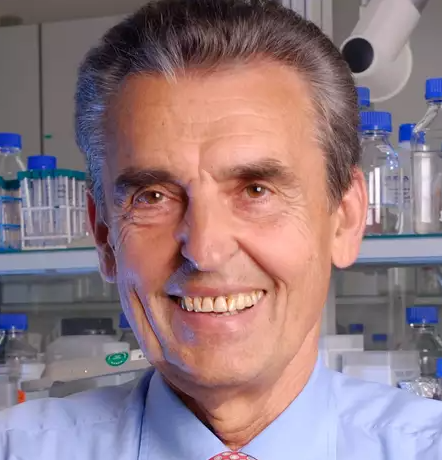 Ernst Dieter Gilles合作论文数Max-Planck-Gesellschaft18
 Oliver Sawodny合作论文数Institute for System Dynamics, University of Stuttgart;Centre for Medical Technologies Stuttgart-Tübingen18
 Dagmar Kulms合作论文数Experimental Dermatology, Department of Dermatology, TU-DresdenGermany16
 Eric Bullinger合作论文数Institute for Systems Theory in Engineering, University of Stuttgart14
 Michael Ederer合作论文数13
 Frank Allgöwer合作论文数Institute for Systems Theory and Automatic Control, University of Stuttgart13
 Halder Rashi合作论文数12
 Aurelien Ginolhac合作论文数Ecologie Microbienne;Laboratoire de Biometrie et Biologie Evolutive;UniversiteClaude Bernard;Laboratoire de Biometrie et Biologie Evolutive, UniversiteClaude Bernard12
 Thomas Pfau合作论文数Department of Physics, University of Aberdeen11Holger Conzelmann合作论文数11
 Tamara Bintener合作论文数Syst Biol Grp, Univ Luxembourg10Déborah Gérard合作论文数Laboratoire de Biologie Moléculaire et Cellulaire du Cancer, Hôpital Kirchberg10
 Trairatphisan Panuwat合作论文数Life Sciences Research Unit, University of Luxembourg10
 Katja Bettenbrock合作论文数Systems Biology, Max Planck Institute for Dynamics of Complex Technical Systems, Magdeburg, Germany10
 Jun Pang合作论文数Department of Computer Science, Faculty of Science, Technology and Medicine, University of Luxembourg9Kruger Rejko合作论文数9
 Andreas Kremling合作论文数Department of Mechanical Engineering, Technische Universität München9
 Jochen Ohnmacht合作论文数9
 Ali Kishk合作论文数Nile Univ, Ctr Informat Sci, Giza, Egypt8
 Merja Heinäniemi合作论文数Institute of Biomedicine, School of Medicine, Faculty of Health Sciences, University of Eastern Finland8
 Elisabeth Schaffner-Reckinger合作论文数8Yujuan Gui合作论文数7
 Galhardo Mafalda合作论文数University of Luxembourg, University of Eastern Finland7Johannes Witt合作论文数7
 Borja Gomez合作论文数6Pierre Garcia合作论文数6Apurva Badkas合作论文数Dept Life Sci & Med, Univ Luxembourg6
 Marco Albrecht合作论文数Syst Biol Grp, Univ Luxembourg6Anthoula Gaigneaux合作论文数Laboratoire de Biologie Moléculaire et Cellulaire du Cancer, Hôpital Kirchberg6
 Serge Haan合作论文数6Manuel Buttini合作论文数6
 Marcel H. Schulz合作论文数Institute for Computational Genomic Medicine, Goethe University Frankfurt;Institute for Cardiovascular Regeneration, Goethe-Universität Frankfurt am Main6Monique Wiesinger合作论文数6
 Jake Lin合作论文数Institute for Systems Biology, 1441 North 34th Street, Seattle, WA 98103, USA6María Moscardó García合作论文数Luxembourg Centre for Systems Biomedicine, University of Luxembourg5
 Raquel A C Machado合作论文数5Mélanie H. Thomas合作论文数5
 Luana Presta合作论文数Dept Life Sci & Med, Univ Luxembourg5
 Mahvash Tavassoli合作论文数Faculty of Dentistry, Oral & Craniofacial Sciences, King’s College London5
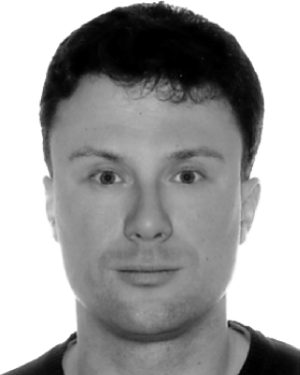 Andrzej Mizera合作论文数5
 Patrizia Agostinis合作论文数Department of Cellular and Molecular Medicine, KU Leuven;Laboratory of Cell Death Research and Therapy, KU Leuven5
 Laurent Vallar合作论文数Laboratoire Franco-Luxembourgeois de Recherche Biomedicale (CNRS et CRP-Santé), L-1511 Luxembourg, Grand Duché du Luxembourg5
 Paul Wilmes合作论文数Department of Systems Ecology, University of Luxembourg;Luxembourg Centre for Systems Biomedicine, University of Luxembourg;Section des Sciences, Institut grand-ducal Luxembourg;Stanford University5
 Elisabeth Letellier合作论文数Department of Life Sciences and Medicine, University of Luxembourg5
 Sandra Barisic合作论文数5




