Introduction:Lysin motif domain-containing glycosylphosphatidyl inositol-anchored protein 2 (LYM2) is a GPI-anchored LysM receptor-like protein (LysM-RLP) that harbors three extracellular LysM-domains and a GPI moiety at the C- terminus. In rice, the LYM2 homolog CEBiP is part of the canonical chitin receptor complex mediating chitin triggered MAPK activation and ROS burst. In the annual plant Arabidopsis thaliana, AtLYM2 is specifically involved in chitin-mediated plasmodesmal flux regulation. The aim of this study is to analyse components of chitin perception in the perennial plant poplar and to explore if LYM2 proteins in dicots are generally involved in chitin mediated PD closure. Methods:A BLAST search identified LYM2 orthologs in the genomes of Populus trichocarpa and Populus x canescens. The poplar paralogs PcLYM2-1 and PcLYM2-2 were subsequently characterized on the molecular and functional level using chitin affinity purification and protein-tagging with fluorescent labels. The chitin response of knockout lines generated via the CRISPR/Cas9 approach was examined with particle bombardment assays. Results:PcLYM2-2 exhibits tissue-specific alternative splicing, resulting in variants that differ exclusively at the first exon encoding the three LysM domains. Chitin-binding assays showed that all identified PcLYM2 proteins bind chitin. Subcellular localization studies in Nicotiana benthamiana indicated that all identified PcLYM2 proteins localize at plasmodesmata, suggesting a specific subcellular function of these proteins. Plasmodesmal flux analysis of wildtype poplar and Pclym2-1 Pclym2-2 double knockout lines demonstrated that PcLYM2 proteins mediate chitin-triggered PD closure. Loss-of-function of PcLYM2-1 is sufficient to abolish chitin-induced PD closure, suggesting that PcLYM2-1 is an essential LysM-RLP involved in this process. Conclusion:Poplar regulates plasmodesmal flux after chitin detection through LYM2 orthologs. The expression of LYM2 variants may modify chitin perception and signaling in different tissues of poplar.
Climate change-enforced drought stress conditions and diseases caused by pathogens often co-occur and represent one of the greatest challenges in plant science. Wilt pathogens that colonize water-conducting plant tissues can aggravate the problem and affect a wide range of agricultural crops. However, whilst fungal infections with the vascular pathogen Verticillium dahliae are typically associated with wilt symptoms due to occlusion of xylem tissues, the related V. longisporum induces de novo formation of tracheary elements. This promotes not only its virulence but also enables elevated water storage capacity of the infected host plant and resilience against drought stress conditions. Here, we identified a secreted Verticillium protein, TRANSDIFFERENTIATION EFFECTOR (TRADE), which triggers cell identity switches of bundle sheath cells into tracheary elements. We show that TRADE interacts with the intracellular plant protein VARICOSE (VCS), a conserved component of the mRNA turnover machinery and ortholog of the metazoan protein ENHANCER OF DECAPPING 4 (EDC4/HEDLS/Ge-1). The TRADE-VCS interaction induces SUCROSE NON-FERMENTING 1 (SNF1)-related protein kinase (SRK)-dependent phosphorylation and thus dysfunction of VCS. This affects the abundance of mRNAs encoding master regulators of xylem differentiation and demonstrates how a single pathogen effector protein triggers complex tissue-specific developmental reprogramming and thus promotes abiotic stress resilience. ### Competing Interest Statement The authors have declared no competing interest.
Abstract Subdiffraction super‐resolution fluorescence microscopy, or nanoscopy, has seen remarkable developments in the last two decades. Yet, for the visualization of plant cells, nanoscopy is still rarely used. In this study, we established RESOLFT nanoscopy on living green plant tissue. Live‐cell RESOLFT nanoscopy requires and utilizes comparatively low light doses and intensities to overcome the diffraction barrier. We generated a transgenic Arabidopsis thaliana plant line expressing the reversibly switchable fluorescent protein rsEGFP2 fused to the mammalian microtubule‐associated protein 4 (MAP4) in order to ubiquitously label the microtubule cytoskeleton. We demonstrate the use of RESOLFT nanoscopy for extended time‐lapse imaging of cortical microtubules in Arabidopsis leaf discs. By combining our approach with fluorescence lifetime gating, we were able to acquire live‐cell RESOLFT images even close to chloroplasts, which exhibit very strong autofluorescence. The data demonstrate the feasibility of subdiffraction resolution imaging in transgenic plant material with minimal requirements for sample preparation.
The TCP-type transcription factors BRANCHED1 and BRANCHED2 shape plant architecture by suppressing bud outgrowth, with BRANCHED2 only playing a minor role in Arabidopsis. Here, we investigated the function of orthologs of these genes in the model tree Populus. We used CRISPR/Cas9 to generate loss-of-function mutants of previously identified Populus BRANCHED1-1 and BRANCHED2-1 candidate genes. BRANCHED1-1 mutants exhibited strongly enhanced bud outgrowth. BRANCHED2-1 mutants had an extreme bud outgrowth phenotype and possessed two ectopic leaves at each node. While BRANCHED1 function is conserved in poplar, BRANCHED2, in contrast to its Arabidopsis counterpart, plays an even more critical role in bud outgrowth regulation. In addition, we identified a new, not yet reported association of this gene to leaf development.
This article is a Commentary on Ikematsu et al., 213: 1697–1709.
Plant architecture is modified by a regulatory system that controls axillary bud outgrowth. Key components in this system are strigolactones (SLs) and BRANCHED1, which inhibit bud outgrowth. Their role has been described in herbaceous model systems, including Arabidopsis, rice and pea. However, a role in woody perennial species, including the model tree poplar, has not been unequivocally proven. In this study, we tested a role for SLs in Populus × canescens by treatment with the synthetic SL GR24. We generated MORE AXILLARY BRANCHING4 (MAX4) knockdown lines to study the architectural phenotype of poplar SL biosynthesis mutants and the expression of SL-regulated genes. We show that GR24 is perceived by the model tree poplar. MAX4 knockdown lines exhibit typical SL deficiency symptoms. The observed changes in branching pattern, internode length and plant height can be rescued by grafting. We identified putative poplar BRANCHED1 and BRANCHED2 genes and provide evidence for a regulation of BRANCHED1 by SLs. Our results suggest a conservation of major regulatory mechanisms in bud outgrowth control in the model tree poplar. This may facilitate further research, pinpointing the role of SLs and BRANCHED1 in the complex regulation of bud outgrowth in trees.
Cytokinins play an important role in vascular development. But knowledge on the cellular localization of this growth hormone in the stem and other organs of woody plants is lacking. The main focus of this study was to investigate the occurrence and cellular localization of active cytokinins in leaves, roots, and along the stem of Populus x canescens and to find out how the pattern is changed between summer and winter. An ARR5::GUS reporter construct was used to monitor distribution of active cytokinins in different tissues of transgenic poplar lines. Three transgenic lines tested under outdoor conditions showed no influence of ARR5::GUS reporter construct on the growth performance compared with the wild-type, but one line lost the reporter activity. ARR5::GUS activity indicated changes in the tissue- and cell type-specific pattern of cytokinin activity during dormancy compared with the growth phase. ARR5::GUS activity, which was present in the root tips in the growing season, disappeared in winter. In the stem apex ground tissue, ARR5::GUS activity was higher in winter than in summer. Immature leaves from tissue-culture grown plants showed inducible ARR5::GUS activity. Leaf primordia in summer showed ARR5::GUS activity, but not the expanded leaves of outdoor plants or leaf primordia in winter. In stem cross sections, the most prominent ARR5::GUS activity was detected in the cortex region and in the rays of bark in summer and in winter. In the cambial zone the ARR5::GUS activity was more pronounced in the dormant than in growth phase. The pith and the ray cells adjacent to the vessels also displayed ARR5::GUS activity. In silico analyses of the tissue-specific expression patterns of the whole PtRR type-A family of poplar showed that PtRR10, the closest ortholog to the Arabidopsis ARR5 gene, was usually the most highly expressed gene in all tissues. In conclusion, gene expression and tissue-localization indicate high activity of cytokinins not only in summer, but also in winter. The presence of the signal in meristematic tissues supports their role in meristem maintenance. The reporter lines will be useful to study the involvement of cytokinins in acclimation of poplar growth to stress.
Plants exhibit phenotypical plasticity. Their general body plan is genetically determined, but plant architecture and branching patterns are variable and can be adjusted to the prevailing environmental conditions. The modular design of the plant facilitates such morphological adaptations. The prerequisite for the formation of a branch is the initiation of an axillary meristem. Here, we review the current knowledge about this process. After its establishment, the meristem can develop into a bud which can either become dormant or grow out and form a branch. Many endogenous factors, such as photoassimilate availability, and exogenous factors like nutrient availability or shading, have to be integrated in the decision whether a branch is formed. The underlying regulatory network is complex and involves phytohormones and transcription factors. The hormone auxin is derived from the shoot apex and inhibits bud outgrowth indirectly in a process termed apical dominance. Strigolactones appear to modulate apical dominance by modification of auxin fluxes. Furthermore, the transcription factor BRANCHED1 plays a central role. The exact interplay of all these factors still remains obscure and there are alternative models. We discuss recent findings in the field along with the major models. Plant architecture is economically significant because it affects important traits of crop and ornamental plants, as well as trees cultivated in forestry or on short rotation coppices. As a consequence, plant architecture has been modified during plant domestication. Research revealed that only few key genes have been the target of selection during plant domestication and in breeding programs. Here, we discuss such findings on the basis of various examples. Architectural ideotypes that provide advantages for crop plant management and yield are described. We also outline the potential of breeding and biotechnological approaches to further modify and improve plant architecture for economic needs.
The biotrophic fungus Sporisorium reilianum causes head smut of maize (Zea mays) after systemic plant colonization. Symptoms include the formation of multiple female inflorescences at subapical nodes of the stalk because of loss of apical dominance. By deletion analysis of cluster 19-1, the largest genomic divergence cluster in S. reilianum, we identified a secreted fungal effector responsible for S. reilianum-induced loss of apical dominance, which we named SUPPRESSOR OF APICAL DOMINANCE1 (SAD1). SAD1 transcript levels were highly up-regulated during biotrophic fungal growth in all infected plant tissues. SAD1-green fluorescent protein fusion proteins expressed by recombinant S. reilianum localized to the extracellular hyphal space. Transgenic Arabidopsis (Arabidopsis thaliana)-expressing green fluorescent protein-SAD1 displayed an increased number of secondary rosette-leaf branches. This suggests that SAD1 manipulates inflorescence branching architecture in maize and Arabidopsis through a conserved pathway. Using a yeast (Saccharomyces cerevisiae) two-hybrid library of S. reilianum-infected maize tissues, we identified potential plant interaction partners that had a predicted function in ubiquitination, signaling, and nuclear processes. Presence of SAD1 led to an increase of the transcript levels of the auxin transporter PIN-FORMED1 in the root and a reduction of the branching regulator TEOSINTE BRANCHED1 in the stalk. This indicates a role of SAD1 in regulation of apical dominance by modulation of branching through increasing transcript levels of the auxin transporter PIN1 and derepression of bud outgrowth.
1 2 Running head: Inflorescence Branching Effector of S. reilianum 3 4 5 6 Corresponding author: 7 Prof. Dr. Jan Schirawski 8 RWTH Aachen University 9 Microbial Genetics, Institute of Applied Microbiology 10 Aachen Biology and Biotechnology 11 Worringerweg 1 12 52074 Aachen 13 Germany 14 15 Tel.: +49-241-80-26616 16 e-mail: jan.schirawski@rwth-aachen.de 17 18 19 20 Research area: Genes, Development and Evolution 21 22 Plant Physiology Preview. Published on October 28, 2015, as DOI:10.1104/pp.15.01347
Worldwide biomass demand for industrial applications, especially for production of biofuels, is increasing. Extended cultivation of fast growing trees such as poplars may contribute to satisfy the need for renewable resources. However, lignin, which constitutes about 20-30% of woody biomass, renders poplar wood recalcitrant to saccharification. Genetic engineering of the enzymes of the lignification pathway has resulted in drastic decreases in lignin and greatly improved the carbohydrate yield for ethanol fermentation. While uncovering key enzymes for lignification facilitated rapid biotechnological progress, knowledge on field performance of low-lignin poplars is still lagging behind. The major biotic damage is caused by poplar rust fungi (Melampsora larici-populina), whose defense responses involve lignification and production of phenolic compounds. Therefore, manipulation of the phenylpropanoid pathway may be critical and should be tightly linked with new strategies for improved poplar rust tolerance. Emerging novel concepts for wood improvement are discussed.
Gravitropic bending of plant organs is mediated by an asymmetric signaling of the plant hormone auxin between the upper and lower side of the respective organ. Here, we show that also another plant hormone, gibberellic acid (GA), shows asymmetric action during gravitropic responses. Immunodetection using an antibody against GA and monitoring GA signaling output by downstream degradation of DELLA proteins revealed an asymmetric GA distribution and response with the maximum at the lower side of gravistimulated roots. Genetic or pharmacological manipulation of GA levels or response affects gravity-mediated auxin redistribution and root bending response. The higher GA levels at the lower side of the root correlate with increased amounts of PIN-FORMED2 (PIN2) auxin transporter at the plasma membrane. The observed increase in PIN2 stability is caused by a specific GA effect on trafficking of PIN proteins to lytic vacuoles that presumably occurs downstream of brefeldin A-sensitive endosomes. Our results suggest that asymmetric auxin distribution instructive for gravity-induced differential growth is consolidated by the asymmetric action of GA that stabilizes the PIN-dependent auxin stream along the lower side of gravistimulated roots.
Verticillium longisporum and Verdcillium dahliae are soil borne vascular pathogens. Under standard laboratory growth conditions both fungi infect Arabidopsis thaliana ecotype Col-0 plants via primary and lateral (secondary) root tips and colonize the vascular cylinder including proto- and metaxylem. After entry into the hypocotyl both Verticillium species spread into petioles and leaves, but with different efficiency and distinct disease symptom patterns. V. longisporum typically induces early senescence whereas V. dahliae infections cause wilting. In both cases, these symptoms coincide with the switch from a biotrophic to a necrotrophic life style. Fungal proliferation analyses monitored by quantitative real-time PCR and anatomical studies show that V. dahliae is able to colonize aerial plant parts more efficiently compared to V. longisporum. Moreover, V. longisporum-infection triggers hyperplastic xylem formation and cellular transdifferentiation in Arabidopsis, whereas V. dahliae-infection induces enhanced xylem lignification. We have recently shown that V. longisporum induced de novo xylem formation results in enhanced drought stress tolerance, suggesting a conditionally mutualistic interaction. Here we show that on the contrary V. dahliae infections do not provide protection of the plant against drought. Together, our results demonstrate that V. dahliae and V. longisporum induce distinct and species-specific developmental and structural alterations in Arabidopsis, which differently affect plant fitness under concomitant abiotic drought stress conditions. (C) 2013 Elsevier B.V. All rights reserved.
Verticillium longisporum is a vascular pathogen that infects the Brassicaceae host plants Arabidopsis thaliana and Brassica napus. The soilborne fungus enters the plant via the roots and colonizes the xylem of roots, stems, and leaves. During late stages of infections, Verticillium spp. spread into senescing tissue and switch from biotrophic to a necrotrophic life style. Typical symptoms of V. longisporum-induced disease are stunted growth and leaf chlorosis. Expression analyses of the senescence marker genes SENESCENCE-ASSOCIATED GENE12, SENESCENCE-ASSOCIATED GENE13, and WRKY53 revealed that the observed chlorosis is a consequence of premature senescence triggered by Verticillium infection. Our analyses show that, concomitant with the development of chlorosis, levels of trans-zeatin decrease in infected plants. Potentially, induction of cytokinin oxidase/dehydrogenase expression by Verticillium infection contributes to the observed decreases in cytokinin levels. Stabilization of Arabidopsis cytokinin levels by both pharmacological and genetic approaches inhibits Verticillium proliferation and coincides with reduced disease symptom development. In summary, our results indicate that V. longisporum triggers premature plant senescence for efficient host plant colonization.
The functions of the minor phospholipid phosphatidylinositol-4,5-bisphosphate [PtdIns(4,5)P2] during vegetative plant growth remain obscure. Here, we targeted two related phosphatidylinositol 4-phosphate 5-kinases (PI4P 5-kinases) PIP5K1 and PIP5K2, which are expressed ubiquitously in Arabidopsis thaliana. A pip5k1 pip5k2 double mutant with reduced PtdIns(4,5)P2 levels showed dwarf stature and phenotypes suggesting defects in auxin distribution. The roots of the pip5k1 pip5k2 double mutant had normal auxin levels but reduced auxin transport and altered distribution. Fluorescence-tagged auxin efflux carriers PIN-FORMED (PIN1)-green fluorescent protein (GFP) and PIN2-GFP displayed abnormal, partially apolar distribution. Furthermore, fewer brefeldin A-induced endosomal bodies decorated by PIN1-GFP or PIN2-GFP formed in pip5k1 pip5k2 mutants. Inducible overexpressor lines for PIP5K1 or PIP5K2 also exhibited phenotypes indicating misregulation of auxin-dependent processes, and immunolocalization showed reduced membrane association of PIN1 and PIN2. PIN cycling and polarization require clathrin-mediated endocytosis and labeled clathrin light chain also displayed altered localization patterns in the pip5k1 pip5k2 double mutant, consistent with a role for PtdIns(4,5)P2 in the regulation of clathrin-mediated endocytosis. Further biochemical tests on subcellular fractions enriched for clathrin-coated vesicles (CCVs) indicated that pip5k1 and pip5k2 mutants have reduced CCV-associated PI4P 5-kinase activity. Together, the data indicate an important role for PtdIns(4,5)P2 in the control of clathrin dynamics and in auxin distribution in Arabidopsis.
The soilborne fungal plant pathogen Verticillium longisporum invades the roots of its Brassicaceae hosts and proliferates in the plant vascular system. Typical aboveground symptoms of Verticillium infection on Brassica napus and Arabidopsis thaliana are stunted growth, vein clearing, and leaf chloroses. Here, we provide evidence that vein clearing is caused by pathogen-induced transdifferentiation of chloroplast-containing bundle sheath cells to functional xylem elements. In addition, our findings suggest that reinitiation of cambial activity and transdifferentiation of xylem parenchyma cells results in xylem hyperplasia within the vasculature of Arabidopsis leaves, hypocotyls, and roots. The observed de novo xylem formation correlates with Verticillium-induced expression of the VASCULAR-RELATED NAC DOMAIN (VND) transcription factor gene VND7. Transgenic Arabidopsis plants expressing the chimeric repressor VND7-SRDX under control of a Verticillium infection-responsive promoter exhibit reduced de novo xylem formation. Interestingly, infected Arabidopsis wild-type plants show higher drought stress tolerance compared with noninfected plants, whereas this effect is attenuated by suppression of VND7 activity. Together, our results suggest that V. longisporum triggers a tissue-specific developmental plant program that compensates for compromised water transport and enhances the water storage capacity of infected Brassicaceae host plants. In conclusion, we provide evidence that this natural plant-fungus pathosystem has conditionally mutualistic features.
Black cottonwood (BC, Populus trichocarpa ) and hybrid aspen (HA, P. tremula × tremuloides ) differ in their ecology of being adapted to wet and drier conditions as riparian and early successional forest species, respectively. We tested the hypothesis that these ecological differences were reflected in higher nitrogen (N) use efficiency in HA than in BC and that HA would allocate more resources belowground than BC in the presence of high and low N availability. We expected that responses of wood properties to elevated N would be more pronounced in the species with higher wood formation in response to N supply. HA showed higher belowground biomass partitioning than BC in the presence of low (0.2 mM) and high (2 mM) N supply, but in contrast to our expectation whole-plant nitrogen use efficiency and the stem carbon-to-nitrogen balance were lower than in BC. In response to elevated N, HA exhibited stronger stimulation of biomass production than BC, especially of the stem, which showed significant increases in biomass and volume but decreases in density. Lignification, especially the production of guaiacyl (G)-compared to syringyl (S)-lignin, was delayed in HA compared with BC wood. Since G lignin leads to stronger crosslinking than S lignin, its delayed formation may have enabled stronger expansion and higher volume increment of HA than of BC stems. Our results suggest that BC, a poplar species adapted to fluctuating N supply, is less responsive to differences in N availability than aspen that occurs in low N environments.
Gradients of the plant hormone auxin, which depend on its active intercellular transport, are crucial for the maintenance of root meristematic activity. This directional transport is largely orchestrated by a complex interaction of specific influx and efflux carriers that mediate the auxin flow into and out of cells, respectively. Besides these transport proteins, plant-specific polyphenolic compounds known as flavonols have been shown to act as endogenous regulators of auxin transport. However, only limited information is available on how flavonol synthesis is developmentally regulated. Using reduction-of-function and overexpression approaches in parallel, we demonstrate that the WRKY23 transcription factor is needed for proper root growth and development by stimulating the local biosynthesis of flavonols. The expression of WRKY23 itself is controlled by auxin through the AUXIN RESPONSE FACTOR 7 (ARF7) and ARF19 transcriptional response pathway. Our results suggest a model in which WRKY23 is part of a transcriptional feedback loop of auxin on its own transport through local regulation of flavonol biosynthesis.
The phytohormone auxin is an important determinant of plant development. Directional auxin flow within tissues depends on polar localization of PIN auxin transporters. To explore regulation of PIN-mediated auxin transport, we screened for suppressors of PIN1 overexpression (supo) and identified an inositol polyphosphate 1-phosphatase mutant (supo1), with elevated inositol trisphosphate (InsP3) and cytosolic Ca2+ levels. Pharmacological and genetic increases in InsP3 or Ca2+ levels also suppressed the PIN1 gain-of-function phenotypes and caused defects in basal PIN localization, auxin transport and auxin-mediated development. In contrast, the reductions in InsP3 levels and Ca2+ signaling antagonized the effects of the supo1 mutation and disrupted preferentially apical PIN localization. InsP3 and Ca2+ are evolutionarily conserved second messengers involved in various cellular functions, particularly stress responses. Our findings implicate them as modifiers of cell polarity and polar auxin transport, and highlight a potential integration point through which Ca2+ signaling-related stimuli could influence auxin-mediated development.
 Andrea Polle合作论文数Göttingen Graduate Center for Neurosciences, Biophysics, and Molecular Biosciences, Georg-August-Universität Göttingen21
 Christian Lofke合作论文数Albrecht-von-Haller-Institute of Plant Sciences, Georg-August-University Göttingen8
 Volker Lipka合作论文数The7
 Mikael Brosche合作论文数Faculty of Biological and Environmental Sciences, University of Helsinki;Department of Biosciences, University of Helsinki7
 Jaakko Kangasjarvi合作论文数Viikki Plant Science Centre, Faculty of Biological and Environmental Sciences, University of Helsinki6
 Michael Reusche合作论文数4
 Jiří Friml合作论文数Institute of Science and Technology Austria4
 Eric A. Ottow合作论文数4R Langenfeld-Heyser合作论文数3Merlin Muhr合作论文数3Jekaterina Truskina合作论文数Plant & Crop Sciences, School of Biosciences, University of Nottingham, Nottingham, UK3
 Gerhard Braus合作论文数Institute for Microbiology and Genetics, Georg-August-Universität Göttingen;Department of Molecular Microbiology and Genetics, Georg-August-Universität Göttingen3
 Fayyaz Payam合作论文数3Thole Karin合作论文数3Dennis Janz合作论文数3
 Erwin Dreyer合作论文数School of Ecosystem and Forest Sciences, Faculty of Science, University of Melbourne;French National Institute for Agriculture, Food, and Environment3
 Marie-Beatrice Bogeat-Triboulot合作论文数INRA, Nancy Université3
 Hassan Ghareeb合作论文数3Maria Paulat合作论文数2Markus Teuber合作论文数2Frank Drechsler合作论文数2Eberhard Fritz合作论文数2
 Robert Haensch合作论文数2
 Jörg-Peter Schnitzler合作论文数Institute of Biochemical Plant Pathology, Helmholtz Zentrum München2María Escalante-Pérez合作论文数Institute for Molecular Plant Physiology and Biophysics, University Wuerzburg2
 Arie Altman合作论文数Robert H Smith Faculty of Agriculture, Food and Environment, Hebrew University of Jerusalem2
 Ivo Feussner合作论文数Department for Plant Biochemistry, Albrecht-von-Haller-Institute for Plant Sciences, University of Goettingen2
 Van-Tuan Tran合作论文数2
 Jörg Fromm合作论文数Institute for Wood Biology, Department Biology, Faculty of Mathematics, Informatics and Natural Sciences, Universitat Hamburg2
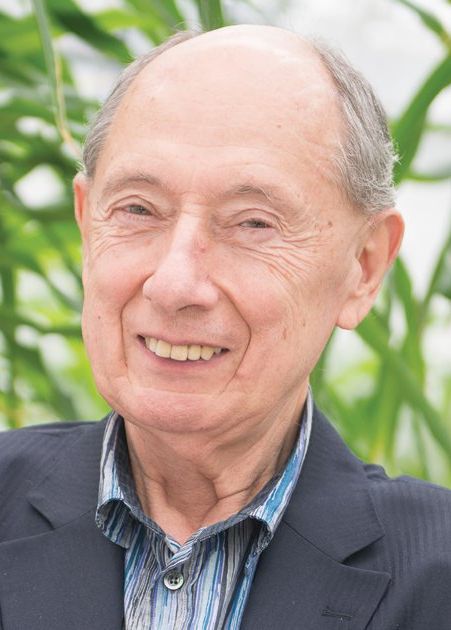 Marc Van Montagu合作论文数Department of Plant Biotechnology and Bioinformatics, Faculty of Sciences, Ghent University2Wolfram Hartung合作论文数2
 Rainer Hedrich合作论文数Faculty of Synthetic Biology, Shenzhen University of Advanced Technology2
 Jenny Renaut合作论文数Centre de Recherche Public-Gabriel Lippmann, Department Environment and Agrobiotechnologies, Rue du Brill 41, L-4422 Belvaux, Luxembourg2
 Steffen Vanneste合作论文数Department of Plants and Crops, Faculty of Bioscience Engineering, Ghent University;Center for Plant Systems Biology, Ghent University;Center for Plant Molecular Biology, University of Tübingen2
 Susanna A. Braus-Stromeyer合作论文数2Basia Vinocur合作论文数2
 Erwin Witters合作论文数Flemish Institute for Technological Research (VITO),2Jan Schirawski合作论文数2Werner Martin Kaiser合作论文数University of Wuerzburg2Monika Brinker合作论文数2Uwe Nehls合作论文数Chemie, Universitat Bremen;Fachbereich 2 Biologie;INRA Centre de Recherches Forestieres2Anita Selle合作论文数2
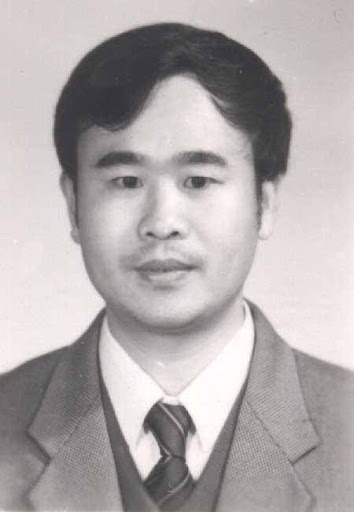 Xiangning Jiang (蒋湘宁)合作论文数College of Biological Sciences and Technology, Beijing Forestry University2
 Didier Le Thiec合作论文数INRA, Nancy Université2Silke Lautner合作论文数2
 Ingo Heilmann合作论文数Albrecht-von-Haller-Institute for Plant Sciences, Georg-August-University Göttingen2
 Peter Ache合作论文数University of Strathclyde Department of Environmental Planning2
 Kris Laukens合作论文数Intelligent Systems Laboratory, University of Antwerp2RE Hausler合作论文数1




