In this study, the accumulation of heavy metals (Cd, Cr, Cu, Fe, and Pb) in water, suspended sediments, sediments, and seagrass in Kalase Bay, Trang Province, Thailand, during the 2024 dry season was investigated. These findings indicate that the enrichment factor (EF) for all the metals was less than 1, suggesting that anthropogenic contamination is not a significant concern in the area. The translocation factor (TF) values were less than 1 for all the metals except Cu, whose TF was greater than 1; however, these values were not statistically significant, indicating limited phytoextraction capacity. The bioconcentration factor (BCF) values for Cu and Pb in seagrass were also less than 1, indicating no substantial accumulation of these metals in seagrass tissues. Additionally, the Cd and Cr concentrations were below the detection limits, further indicating their negligible presence. This study revealed a strong correlation between the concentrations of heavy metals and fine sediment fractions, with suspended sediments playing a critical role in the transport and distribution of these metals. The presence of sand bars and seagrass beds in the region likely influences sediment dynamics, contributing to the retention and bioavailability of metals. The sediment carbon-to-nitrogen (C/N) ratio ranged between 10 and 20, indicating that mixed organic matter sources are commonly associated with coastal sediments. This suggests that sediment organic matter originates from multiple inputs rather than from a single dominant source. These results underscore the importance of implementing a comprehensive monitoring program, including suspended sediment analysis, to track heavy metal accumulation and sediment changes, which is crucial for informed conservation and management of the unique ecosystem of Kalase Bay and its carbon storage potential.
Mangrove forests sequester microplastics (MPs); however, the long-term accumulation efficiency of planted and natural mangrove forests remains poorly understood. MP pollution poses a pervasive threat to coastal ecosystems worldwide. We reconstructed the burial record of MPs in 1-m sediment cores from two contrasting mangrove ecosystems in China: a planted forest on Ximen Island (four cores) and a natural forest in Fangchenggang (two cores). MPs were present in all sediment layers and identified by stereomicroscope and micro-Fourier transform infrared spectroscopy. Fibers overwhelmingly dominated the MP assemblage (88.6-98.2% in planted mangroves; 90.8-92.6% in natural mangroves), with the polymer profile (rayon, polypropylene, polyethylene terephthalate) strongly implicating local fishing and aquaculture activities as primary sources. MP contamination dates to at least 1963 in the natural forest and 1989 in the planted forest, thereby providing a >50-year and >30-year pollution record, respectively. Although total MP abundance exhibited no simple increasing trend with depth, the natural mangrove sequestered a significantly (p < 0.001) higher MP burden than the plantation. The co-occurrence of an early onset and great contamination magnitude in the natural forest underlines superior particle-trapping efficiency of its mature, complex vegetation structure. Therefore, natural mangroves are critical long-term archives for coastal MP pollution; their conservation is vital for carbon sequestration and mitigating coastal plastic pollution.
Microplastics are everywhere and may be harmful to the biota environment. This study investigated microfiber contamination in giant freshwater prawn tissues, one of Thailand’s economic species. The prawn samples were taken from the Trang River in southern Thailand in September 2022. Three tissue sections (head, middle, and tail) of 60 prawns were studied and the samples were digested with 10 % potassium hydroxide (KOH) solution. We utilized a stereomicroscope to study the microplastics and Fourier transform infrared spectroscopy (FT-IR) to determine the types of polymer. There were 3.50 ± 0.34 microfibers in the head per 5 g weight, 2.87 ± 0.29 per 5 g weight in the middle, and 3.10 ± 2.28 per 5 g weight in the tail. Fiber appearance is obvious, the predominant color is blue, the most common size is in the range of 101-500 µm, and the polymer type found is cotton rayon polypropylene (PP). The correlation analysis of microfiber content (in the stomach and intestine), carapace length, abdomen length, stomach weight, and body weight in giant freshwater prawns was not correlated with tissue microfiber content (p > 0.01). It was found that the number of microplastics in giant freshwater prawns was not significantly different (p > 0.05) among the 3 sections of prawn tissue (head tissue, middle tissue, and tail tissue). HIGHLIGHTS Digestion of prawns with KOH 10 % Microplastic contamination was discovered in giant freshwater prawn tissues Fiber shape was most found in giant freshwater prawns The polymer type discovered is cotton rayon polypropylene GRAPHICAL ABSTRACT
In this study, we investigate microplastic ingestion in different catfish (Arius maculatus) organs caught in Songkhla Lagoon, Thailand. Microplastics were extracted from gills, stomach, and tissue using alkaline solution (10% potassium hydroxide [KOH]). Physical characteristics including color and shape were examined under a stereomicroscope and polymer types were examined using Fourier Transform Infrared Spectroscopy (FTIR). The most common colors were blue and black, with sizes > 1 mm. Average accumulation in gills was 1.29 +/- 0.17 particles/individual, stomach 1.77 +/- 0.25 particles/individual, and tissue 1.97 +/- 0.19 particles/individual. Surprisingly, accumulation was highest in tissue than other organs. Importantly, microfiber abundance was negatively correlated with stomach weight (r = -0.335, p < 0.05). Polymers were identified including polypropylene (PP), polyethylene terephthalate (PET), rayon, and copolymers (PP combined with PE). It is worth noting that textile fiber (rayon) also appeared in the stomachs of catfish due to the higher release of cloth fibers (microplastics) into sewers and the lagoon. Future research should focus on the socio-economic impacts and management strategies of plastic and microplastic.
Studies around the world show that there is an increasing accumulation of microplastic pollution in the sediment. This study concerned the accumulation of microplastics in wetlands (Khuan Khi Sian, southern Thailand) sediment cores that are important to the ecosystem. The results showed significant differences in microplastic accumulation in wetlands in two seasons (p < 0.05), with more microplastic accumulation found in the wet season compared to the dry season. 'Filament' is found to be the most abundant microplastic shape and '500 mu m - 1 mm' was the most common size among microplastic in wet and dry seasons. Polymer composition analysis with FTIR with dry season microplastics found five types of polymers, with 'polyester' being the most common. Meanwhile, during the wet season, seven types of polymers were recorded, with 'PET' being the most common polymer.
Microplastic (MP) contamination in the marine environment has received growing attention. In 2022, the surface water of the U-Taphao River was sampled four times, in February, April, June, and August. The surface water samples were taken at seven different locations, ranging from upstream to downstream parts of the river. The results reveal that the number of MPs detected at the U-Taphao River in February, April, June, and August were 0.41 ± 0.08, 0.25 ±0.06, 0.24 ± 0.11, and 0.26 ± 0.06 particles/L, respectively. The MPs in the U-Taphao River each month were not statistically different (p = 0.190). The trend of the number of MPs found declined from upstream to downstream. Fibers were the most commonly found MPs in the U-Taphao River in this study and were found at more than 80% of all stations during all sample collection periods. Our results indicate that MP contamination is present in the river water, but it is noted that slightly different polymer types were found during each collection month. MPs can be transferred through the food chain and potentially to humans. Regular monitoring of MPs in the riverine system is, therefore, important, for which the findings of the present study can be used as a baseline for the number of MPs in the river water in the region.
Background Microplastics (MPs) are pollutants in rivers and marine environments. Rivers can be sources and sinks of MPs that enter the biota. Previous studies focusing on freshwater species are quite limited, especially for gastropods. Freshwater gastropods are essential to aquatic ecosystems because they are food to other aquatic animals, such as fish, shrimp, and crabs. They are a crucial link in the food chain between water resources and human food. Therefore, this study aimed to investigate MP accumulation in freshwater gastropods, commonly known as snails (Filopaludina sumatrensis speciosa and Pomacea canaliculata), in a river flowing into a shallow coastal lagoon. Method In this study, snail tissue samples were digested with 30% hydrogen peroxide. The mixture was heated at 60 °C for 24 h. MP particles were identified, counted, and characterized (shape, size, and color) by visual identification under a stereomicroscope. Furthermore, polymer-type identification was performed using Fourier transform infrared spectroscopy (FTIR). Analysis of variance (ANOVA) was applied for the statistical analysis. Results The MPs found were as follows: 4.76 particles/individual were found in F. sumatrensis speciosa upstream, 5.20 particles/individual were found in F. sumatrensis speciosa downstream, 7.28 particles/individual were found in P. canaliculata upstream, and 4.00 particles/individual were found in P. canaliculata downstream. It was found in the two-way ANOVA that the accumulation of MPs in gastropods was affected by species and study sites (upstream and downstream). There was a significant difference in the amount of MPs in P. canaliculata between upstream and downstream sites (p = 0.003). Fibers were the most common MPs in both species. Moreover, P. canaliculata upstream had the most significant amount of MPs. The smallest amount of MPs was recorded for P. canaliculata downstream, but there was great diversity in shape, size, and polymer type. MPs sized 500 μm–1 mm were the most common in both species. Fourier transform infrared spectroscopy revealed six polymers: poly (ethylene terephthalate), polypropylene, rayon, polyethyleneimine, polyamine, and poly (propylene: ethylene). The occurrence of MPs in gastropods is alarming for food security in Thailand. The results of this study can be used to support baseline data on MP accumulation among freshwater gastropods.
Background Anthropogenic waste, especially microplastics, is becoming more prevalent in the environment and marine ecosystems, where it has the potential to spread through food chains and be consumed by humans. Southeast Asian countries are home to giant freshwater prawns, a common freshwater species that is eaten around the world. Microplastic pollution in river water, sediment, and commercially significant aquatic species such as fish and mollusks has been observed, yet few studies have been conducted on giant freshwater prawns in the rivers of southern Thailand, where microplastics may contaminate prawns via the food they ingest. The purpose of this research was to investigate the accumulation of anthropogenic material in the organs of river prawns (Macrobrachium rosenbergii). Methods Microplastics in the stomachs and intestines of giant freshwater prawns were the focus of this study. Samples were digested with 30 ml of 10% potassium hydroxide (KOH), heated for 5 min at 60 °C, and then digested at room temperature. The quantity, color, and appearance of microplastics were assessed using a stereomicroscope after 12 h. Furthermore, polymers were examined using a Fourier transform infrared spectrophotometer (FTIR). Microplastic counts were compared between sexes. A T-test was used to compare male and female microplastic counts in the stomach and intestine, and the Pearson correlation was used to compare the association between microplastic counts in the stomach and intestine and carapace length (CL), length of abdomen (LA), and body weight (BW) of male and female giant freshwater prawns. The threshold of significance was fixed at p < 0.05. Results Based on the study results, a total of 370 pieces of anthropogenic debris were discovered in the stomachs and intestines of both female and male prawns. The average number of microplastics per individual was 4.87 ± 0.72 in female stomachs and 3.03 ± 0.58 in male stomachs, and 1.73 ± 0.36 in female intestines and 2.70 ± 0.57 in male intestines. The majority of microplastics found in females were within the <100 µm range, while males contained microplastics in the range of 100–500 µm. Both male and female prawns contained fibers (72.70%) and fragments (27.30%). Various polymers were identified, including cotton, rayon, and polyvinyl chloride (PVC). The study also explored the relationship between carapace length, length of abdomen, body weight, stomach weight, and the number of microplastics. The findings reveal a significant association between the number of microplastics and stomach weight in male prawns (R = 0.495; p = 0.005). These findings provide alarming evidence of anthropogenic debris ingestion in prawns and raise concerns about the future effects of anthropogenic pollution on giant freshwater prawns.
Microplastics have been found to accumulate in freshwater, marine ecosystems, and biological organisms. The frequency of studies on microplastic contamination in organs has increased recently, although there have been relatively fewer investigations on fish eggs in Thailand. To extract microplastics from catfish samples for laboratory analysis (Osteogeneiosus militaris), we used 10% potassium hydroxide in the digestion process. A needle penetrated the fish eggs to investigate microplastic contamination. We examined microplastics under a stereomicroscope and used Fourier transform infrared spectroscopy to determine the type of polymer. We found microplastic contamination in organs, most commonly in the stomach (0.91 ± 0.13 items/g), followed by tissue (0.53 ± 0.09 items/g), and gills (0.30 ± 0.03 items/g) at the level of significance p < 0.01. We found a total of 349 fish eggs with 27 items of microplastic. The dominant microplastic we found in the stomach, tissue, and gills of the fish, as well as in fish eggs, was of fiber shape. We noted that fragments were found only in the stomach and tissue of fish. The dominant color of microplastics was black in organs and blue in fish eggs. The common polymer types in organs and fish eggs were polyethylene terephthalate, polypropylene, and cellulosic fiber.
Microplastics are widespread in coastal and marine environments, and sediments serve as a sink for microplastics. In this study, four sediment cores were collected from the Kuala Gula Mangrove area. The abundance of microplastics in mangrove sediments ranged from 25–130 items/kg dry weight. The highest abundance of microplastic was observed at the KG04 site near the mouth of the river. The number of microplastics by sampling site was significantly different (p < 0.01), with station KG04 having the highest fiber content. The dominant color of microplastics was blue, and the main shape was fiber. Rayon, cotton, Polyethylene terephthalate (PET), and azlon were observed from FT-IR, indicating that the potential sources of microplastic and fiber could come from household laundry wastewater. Microplastics tended to accumulate in deeper depths at KG01 (p < 0.01), whereas other stations showed no significant difference (p > 0.05). However, this study provides evidence that mangroves can be a trap for microplastics and can be used as baseline data for future studies.
Microplastic is everywhere in the aquatic ecosystem including river sediment. In this study, seven sediment sampling stations were selected along the basin, from upstream to downstream (7 stations) of the U-Taphao river for 4 months (February, April, June, and August) in 2022. The total number of microplastic particles found was 1,470 pieces, consisting of 814 fibers (55. 37%) and 656 fragment particles (44. 63%) from the four sampling months. Station 5 showed the highest concentration of microplastics, followed by station 1. Seven polymers were found throughout the study: PE, PP, PET, rayon, copolymer, PA, and PVA. Polymer analysis from microplastic samples by FTIR polymer analysis showed significant differences in the frequency of polymer types found in each month (p < 0. 001).
Mangroves are areas that connect the land and sea, and are important to the ecosystem. They are important places for food sources and the habitat of aquatic fauna in the tidal areas. However, the existence of plastic debris poses a risk to the aquatic environment. This study aimed to investigate the accumulation of microplastics (MPs) in sediment cores from two mangrove areas. The first mangrove area is in the outer section of the Songkhla lagoon (SK), while the second is in the coastal area of Pattani province (PN). Sediment core sampling was performed from SK = 8 stations and PN = 5 stations. Surface enrichment of MP was observed, especially in sediments of 0–4 cm. MPs were found throughout the depth in both areas, while fewer MPs were found in deeper sediment core layers (p < 0.05) at some stations inside the mangrove zone. Simple linear regression of the observed MPs and distance in the horizontal were found to be significant at SK within the mangrove zone with r2 = 0.79 (p < 0.05). MP fibers were the most commonly found MP type in both areas and were less than 1 mm. Blue and black MPs were the most abundant colors found in both areas. The six polymer types reported in this study comprised polyethylene, rayon, rubber, styrene, Poly (vinyl acetate), and paint. The findings of the present study suggest that long-term monitoring of marine debris along coastlines is necessary to help improve national policies and measures related to marine plastic debris.
The study was conducted with an exploratory study design to explore the amount of debris around beaches on Libong Island, Thailand.Libong Island is one of the significant tourist attractions in Trang Province.The study was conducted by collecting samples from 4 areas during February, June, September and December 2020.The findings from the study showed that 1,580 items of debris were found with a total weight of 44,744 g.The most common debris found included hard plastic glass, fabric, and fibre, respectively.Thung Ya Kha Beach was the beach where the highest amount of debris was found.The largest quantity of debris (692 items) was found in June, followed by 404 items in February, 274 items in September, and 210 items in December.Based on this study, the outstanding debris was comprised of plastic, including 87 types of plastic, both hard and soft varieties, totaling 805 items.No COVID-19 related products were found on the beach, possibly due to a government emergency declaration.Regarding the closure of beaches and the country's lockdown, there were few Thai tourists.There were no foreign tourists in June or September.The result of the waste separation that the major activity causing waste was shoreline and recreation activity.
In this study, size capture determination of the anchovies in the Gulf of Thailand (GoT) and the Andaman Sea showed length ranges of 6.00???9.90 cm and 3.50???12.00 cm and weight ranges of 2.23???8.00 g and 0.34???12.09 g, respectively. The occurrence of microplastics (MPs) in anchovies were investigated by randomly sampling 100 individual anchovies (GoT = 50, Andaman Sea = 50) from 2670 samples. The samples were digested with 10% potassium hydroxide for the analyses of types and amounts of MPs present. Surprisingly, a low level (approximately 8%) of MPs was found, and the size of the MPs was less than 500 ??m. All found MPs were of a fragment type with only three types of polymer (polyethylene, polyester, and rayon) identified by FT-IR spectrophotometer. The low occurrence of MP ingestion in the anchovy samples in our study was probably caused by: (1) the dilution effect of the schooling behaviour of anchovies diluting the amount of MPs ingested by a single individual; (2) the dilution effect depending on the seaward distance from the shore (point source of MPs); and (3) the short residence time (6???12 months) of the anchovies living in the ocean gathered by our study. As a result, the low accumulation of MPs was found in the anchovy samples. The appearance of MPs in anchovies is an alarming finding for food security and sustainability in Thailand.
The present study determined the metal levels in surface sediment and in soft tissue of the Strombus canarium at Libong Island, Thailand, and estimated the possible risk from consuming the shellfish. The mean concentrations of the metals Fe, Cu, Co, Pb, Mn, and Ni in sediment were 2711.94 ± 1424.83, 0.47 ± 0.37, 0.11 ± 0.09, 1.32 ± 1.48, 40.41 ± 16.12, and 2.75 ± 4.04 µg/g, respectively, and are below the sediment quality guidelines. The enrichment factor (EF) and geoaccumulation index (Igeo) showed that the sediment conditions ranged from “no pollution” to “moderate contamination”. The mean concentrations in Strombus canarium had rank order Fe > Mn > Cu > Ni > Co > Pb. The bioaccumulation (BSAF) suggests that the Strombus canarium accumulated Cu and Co the most. The estimated daily intakes of these metals through shellfish consumption were below the oral reference dose (Rfd) and the calculated target hazard quotients (THQ) were less than 1. The results from this study inform about the background levels of metals in the sediment and in Strombus canarium species at Libong Island. In addition, these data might help ensure that the consumption of shellfish in this area remains safe.
Marine debris is a global issue and a hot topic in Thailand. This study involved collecting and quantifying various types of debris at Libong Island. The study area is Libong Island, a small Island in Andaman Sea, with high biodiversity and an important source of sea grass providing a significant and vital habitat for endangered dugongs. Debris was collected on sandy beach and mud beach areas between May and August 2019. The results indicated that the ceramic and glass debris was found in the greatest number followed by plastic and other debris, thin plastic and hard plastic. The major contributing factor for the debris abundance in Libong beach was the shoreline and recreational activities which showed that the land-based sources provided major inputs of plastic pollution at the beaches. The calculation of the Clean Coastal Index (CCI) of Libong Island yielded a result of 5.8 at the sandy beach whereas at the mud beach was 0.65. Thus, the sandy beach was classified as moderately clean and the mud beach was classified as very clean.
Microplastic pollution is a global issue and a hot issue in Thailand. This is the first assessment of microplastics at Libong, a pristine island, located in Andaman Sea. The investigation was carried out by collecting the sediment from beach and mudflat areas of the island in May and July, 2019. Three class sizes of microplastics were determined: greater than 5 mm, 18 pieces; 1-5 mm, 28 pieces; and less than 1 mm, 129 pieces. The total number of microplastics from beach sediment was greater than that from the mudflat sediment. The discovered microplastics were mainly constituted of fibers (59%) and fragments (41%). A great variety of colors were found, and white (43% from beach, 41% from mudflat area) was the most common, followed by blue (9% from beach, 35% from mudflat) and red (12% from beach, 6% from mudflat). Polymers identified by Fourier Transform Infrared Spectrophotometer consisted of poly vinyl chloride (PVC), polypropylene (PP), Nylon, Polyethylene (PE), Polyester, Polyacrylate (PA) and polymer with a structure similar to EPDM rubber.
Time series analysis techniques and Seasonal Autoregressive Integrated Moving Average (SARIMA) models were used to analyze monthly fish and shrimp catch landing trends recorded for Songkhla shallow lagoon in Thailand (2003-2016). Autocorrelation (AC) and Partial Autocorrelation (PAC) functions were calculated to build seasonal ARIMA models. These models were well-chosen for explaining the time series and forecasting future catch landings. It is found that both fish and shrimp catch landings tend to fluctuate steadily. The fish catch from 2017 to 2020 is steadily increasing on the average catch for the period 2003-2016 by up to 36.06%, while the shrimp catch is decreasing by around 15.47% for the same period. This study demonstrates the importance of undertaking detailed studies of ecological and economic sustainable development to support the comprehensive fisheries management policy for Songkhla Lagoon. The present study shows an effective tool for making accurate forecasts; it also helps in decision making about, and fisheries management of the Songkhla Lagoon.
Length-weight relationships (LWR) were estimated for three main Songkhla Lagoon fish species occurring in the lower gulf of Thailand Samples were collected monthly during monsoon and after monsoon season (September 2017 to April 2018). Fishes were captured by three methods: fishing gear, crab gear and shrimp gear. This study is the first reference on LWR equation parameters of Pellona ditchella (Valenciennes, 1847), Sardinella gibbosa (Bleeker, 1849) and Alepes vari (G. Cuvier, 1833) in the lower gulf of Thailand, this good document would be used to compare these fish condition with many coastal areas in the world. This work provides the important information of fish migration between lagoon and lower gulf of Thailand as well as for two species from which we present a wider size range in FishBase, Pellona ditchella (Valenciennes, 1847) and Sardinella gibbosa (Bleeker, 1849).
This study was conducted to find a suitable program and procedure for blue swimming crab (BSC) stock enhancement which is guided by the fishery community and to identify the level of agreement and cooperation ofthe fishermen in assessing BSC management options. This study also explored the primary information on socioeconomic status ofBSC fishers and BSC fishing characteristics in the study areas. The sample respondents of this study included three groups: 265 BSC fishers, 27 BSC dealers, and 8 local authorities. The first group was selected by accidental sampling technique whereas the second and the third groups were selected by purposive sampling techniques. Survey results revealed that most ofthe fishers agreed (WAI=4.11±0.85) to set up the stock enhancement project in their communities by using the following procedures; 1) select a suitable site; 2) explain the rationale and objectives of the project; 3) establish fisher groups; 4) arrange workshop and training about berried female BSC hatching; 5) set up a meeting for working procedure and assign working groups; 6) practice on hatching the BSC; 7) release of the larvae; and 8) management of female BSC after hatching. Inpractice, the process should be thoroughly investigated and experimented in pilot communities to confirm the methodology and acceptance from the fishers before starting the project. There also should be specialists consulting and assessing the working group regularly. Proper guidelines should be established for the communities in order for them to continue the stock enhancement ofBSC, using their own funds as a long term activity.
 Siriporn Pradit合作论文数Marine and Coastal Resources Institute, Prince of Songkla University19
 Prakrit Noppradit合作论文数Coastal Oceanog & Climate Change Res Ctr, Prince Songkla Univ11
 Karnda Sengloyluan合作论文数7Kittiwara Sornplang合作论文数5Varaporn Tanrattanakul合作论文数5Preyanuch Jitkaew合作论文数4
 Pei Sun Loh (罗佩珊)合作论文数Ocean College, Zhejiang University4Prawit Towatana合作论文数4
 Mathinee Yucharoen合作论文数3Phudith Suwanno合作论文数3Choon Weng Lee合作论文数3
 Thi Phuong Quynh Le合作论文数Laboratory of Environmental Chemistry, Institute of Natural Products Chemistry, Vietnam Academy of Science and Technology3
 Xixi Lü (吕喜玺)合作论文数Department of Geography, Faculty of Arts and Social Sciences, National University of Singapore3
 Chantha Oeurng合作论文数Université de Toulouse;INPT;UPS;ECOLAB (Laboratoire Ecologie Fonctionnelle);Ecole Nationale Supérieure Agronomique de Toulouse (ENSAT)3
 Selvaraj Kandasamy合作论文数College of Ocean and Earth Sciences, Xiamen University3
 Che Abd Rahim Mohamed合作论文数3
 Gusti Z Anshari合作论文数3A. Lim合作论文数2Kanyarat Tee-Hor合作论文数2Huế Thị Thu Hà合作论文数2Chui Wei Bong合作论文数2
 T. Kobkeatthawin合作论文数2Wang Jian-Jun合作论文数2
 Sanya Sirivithayapakorn合作论文数2Gonçalo Carneiro合作论文数School of Earth and Ocean Sciences, Cardiff University2Sommai Chiayvareesajja合作论文数2S. Jualaong合作论文数1Suvit Suwanno合作论文数1Suthep Jualaong合作论文数1c ngamphongsai合作论文数1
 Ty Sok合作论文数1
 Dudsadee Muenhor合作论文数1Osamu Baba合作论文数1Narissara Nuthammachot合作论文数1
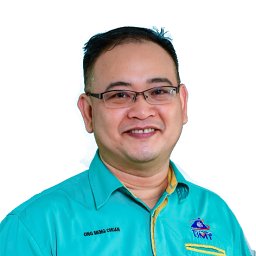 Ong Meng Chuan合作论文数1
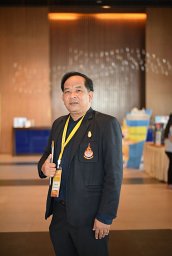 Apirak Songrak合作论文数Faculty of Science and Fisheries Technology, Rajamangala University of Technology1Kungwan Juntarashote合作论文数1Hisashi Kurokura合作论文数1
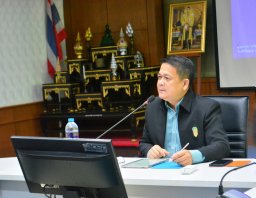 Suwat Tanyaros合作论文数Department of Marine Science;Faculty of Science and Fisheries Technology;Rajamangala University of Technology;Faculty of Science and Fisheries Technology, Rajamangala University of Technology1




