8560 Background: FF-10832, a stable liposomal formulation of gemcitabine with a prolonged half-life (mean t 1/2 of 26 hours compared to ~3 hours for gemcitabine HCl), has demonstrated single agent activity in patients (pts) with solid tumors. In pre-clinical models, FF-10832 has yielded superior anti-tumor activity compared to gemcitabine alone and in combination with PD-1 inhibitors. Following a safety run-in, we investigated the clinical activity of FF-10832 in an expansion study, administered alone or in combination with pembrolizumab (PEM), in pts with advanced/metastatic (m) NSCLC (NCT05318573). Methods: In the open-label single arm safety run-in, 40 mg/m 2 FF-10832 and 200 mg PEM every 3 weeks was established as safe and tolerable in 12 pts including 6 mNSCLC patients with unlimited prior therapies. The trial was expanded using this regimen. Pts were randomized to receive FF-10832 alone (mono) or FF-10832 +PEM (combo). Eligibility stipulated up to 3 prior therapies in the advanced/metastatic setting with prior disease progression (PD) on platinum and PD-(L)1-directed therapy. Pts receiving FF-10832 monotherapy could add PEM to FF-10832 upon PD determined by RECIST 1.1. To be evaluable for anti-tumor activity, pts must have had at least one RECIST assessment ≥6 weeks after baseline. All pts were evaluable for safety. Results: A total of 41 NSCLC pts were treated with FF-10832 (N=21) or FF-1032+PEM (N=20); median # of prior therapies was 2 for both arms. RECIST evaluability was achieved in 30 pts (14/16; mono/combo); 11 pts (7/4; mono/combo) came off study before evaluation for anti-tumor activity. No objective responses were observed. Stable disease (SD) was recorded in 9/14 pts in the mono arm and 13/16 in the combo arm; 4 pts (1 mono/3 combo) with >20% tumor shrinkage. Median time on study for the mono and combo arms was 9 (1 – 48.1) and 12.1 (1.1 – 44) weeks, respectively. Median (95% CI) PFS in months: mono arm, 2.7 (1.4 – 4.3); combo arm, 2.8 (1.9 – 5.5). Five mono pts began FF-10832+PEM treatment upon PD, two that remain on combination therapy with SD for 23 and 33 weeks after progressing on FF-10832 monotherapy. Related AEs were similar in mono vs combo arms; those in ≥15% of pts in each arm included nausea, vomiting, fatigue, rash, infusion-related reaction, and anemia. Related grade ≥3 AEs occurred in 33% (mono) and 45% (combo) of pts. The only attributable grade ≥3 events in >1 pt were in the combo arm (n): anemia (3), fatigue (2), dyspnea (2), and lymphopenia (2). FF-10832 PK showed a profile consistent with that previously reported (terminal t 1/2, ~30 hours). Overall survival data are pending. Conclusions: FF-10832 alone or in combination with PEM in platinum-CPI refractory pts proved tolerable with a safety profile matching previous experience. There were no objective responses, but the majority of evaluable pts had SD at 1 st assessment, some with tumor shrinkage. Aggregate mPFS was 2.7 mos. Clinical trial information: NCT05318573 .
Background:This multi-institutional phase I trial aimed to determine the maximum tolerated dose (MTD), dose-limiting toxicities, pharmacokinetics, and preliminary antitumor activity of berubicin (WP744 or RTA744), designed to cross the blood-brain barrier, in patients with primary brain cancers. Methods:Thirty-five patients with recurrent or refractory primary brain cancers, including glioblastoma multiforme, received berubicin infusions over 2 h for 3 consecutive days (one course) every 21 days. Daily doses escalated from 1.2 to 9.6 mg/m2 using an accelerated titration design. Plasma levels of berubicin were measured via high-performance liquid chromatography-tandem mass spectrometry to estimate pharmacokinetic parameters. Results:The daily MTD was determined to be 7.5 mg/m2. Nonhematological toxicities were minimal; no cardiotoxicity was observed. In the intention-to-treat population (n = 35), 1 patient had a durable complete response, 1 had a partial response, and 9 had stable disease, corresponding to an objective response rate of 5.7% and a disease control rate of 31.4%. In the response-evaluable subset (n = 25), the corresponding rates were 8% and 44%, respectively; these secondary estimates should be interpreted with caution as patients who discontinued early were excluded. Pharmacokinetic analysis determined a mean half-life of 32.8 h. The area under the curve increased proportionally with dose. Conclusions:The tolerability and efficacy of berubicin, including one durable complete response, warrant continued development of the molecule. Berubicin shows activity over a range of doses, including a durable response at 2.4 mg/m2. The recommended phase II dose is 7.5 mg/m2 infusions over 2 h for 3 days every 3 weeks. Trial registration:NCT00526812.
9581 Background: FF-10850 is a novel liposomal topotecan with increased intratumoral accumulation and robust pre-clinical activity. The prolonged t 1/2 (27 hours) supported a twice-monthly dosing schedule in the first in human dose finding trial (NCT04047251), with anti-tumor activity demonstrated in heavily pre-treated patients (pts) with solid tumors; pts remained on study up to 20 months. Common AEs were nausea and fatigue, with manageable hematologic toxicity. A Merkel cell carcinoma (MCC) pt maintained a PR for 33 weeks after progression on prior topotecan and PD-1-directed therapy. Because MCC pts who have progressed or are ineligible for anti-PD-1 therapy have few effective systemic treatment options, we evaluated FF-10850 in an MCC expansion cohort. Results are reported for all MCC pts on study. Methods: Pts ≥18 years with advanced MCC were treated with FF-10850 2 mg/m 2 IV on Days 1 and 15 of a 28-day cycle until disease progression or unacceptable toxicity. Pts must have progressed on or have been ineligible for all standard therapy and treated with or ineligible for PD-1 based therapy. In expansion, pts who progressed on camptothecin therapy within 6 months were excluded; prior etoposide was allowed. Response was assessed by RECIST 1.1. Results: 12 pts [8M/4F; median age 70 (58-84), ECOG PS 0 (5)/PS 1 (7)] were treated. Baseline disease (n): unresectable stage IIIA (1), IV (10)/IVB (1). The median # of prior therapies was 1 (0-5), 1 had prior topotecan; 2 pts had no prior therapy, one due to rheumatoid arthritis (RA) and another due to solid organ transplant. Common drug-related AEs were anemia (50%), nausea (50%), fatigue (42%), and thrombocytopenia (25%). One pt each had related Gr 3 anemia and neutropenia; no related Gr 4 toxicity was observed. Three pts had infusion-related reactions; one that did not restart treatment. Two pts left study before RECIST evaluation: one withdrew to hospice care, and one died of an unrelated MI after the first dose of FF-10850 following a clinically significant anti-tumor response 2 weeks after the single dose. Best overall response in 10 RECIST evaluable pts was: 1CR, 1 PR, 4 SD and 4 PD; disease control rate (CR+PR+2 consecutive SD) was 50%. Three pts remain on study: one that achieved a CR after 2 cycles maintains CR after 14 cycles, and 2 pts maintain durable SD after 6-12 cycles. The median (range) time on study was 9.4 (3.1-50.9) weeks; median PFS and OS were 7.5 (95% CI:1.2-NR) and 10.7 (95% CI:2.1-NR) months, respectively. Conclusions: FF-10850 has demonstrated encouraging preliminary activity in both pre-treated and treatment naïve MCC. The regimen of 2 mg/m 2 every 2 weeks is tolerable with manageable hematologic side effects. PFS and OS in this small study compare favorably with that reported for cytotoxic agents in 2 nd line pts of 3 and 10 months, respectively. Further exploration of FF-10850 in MCC may offer a novel treatment option for this rare disease. Clinical trial information: NCT04047251 .
Background: Yttrium-90 FF-21101 (Y-90-FF-21101) is a radiopharmaceutical that targets P-cadherin as a therapy against solid tumors. A previously reported, first-in-human study determined that a dose of 25 mCi/m(2) was safe, and a patient with clear cell carcinoma of the ovary achieved a complete response. In this article, the authors report the results of Y-90-FF-21101 treatment in an ovarian carcinoma expansion cohort and in patients with selected solid tumors who had known high P-cadherin expression. Methods: The trial was conducted as an open-label study in patients with advanced/metastatic disease. Radiologic response and safety were evaluated in patients who received 25 mCi/m(2) intravenously once every three cycles of 28 days until they developed progressive disease. Evaluation of the ovarian cohort was conducted in a Simon two-stage manner to determine further enrollment. Results: Fifty-seven patients (20 with ovarian carcinoma) were enrolled and treated. Patients who had ovarian and solid tumors had received a median of five and three prior therapies, respectively. No complete or partial responses were observed, so the trial was ended. The median progression-free survival was 118 days for the ovarian cohort and 55 days for the solid-tumor cohort. The most common treatment-related adverse events were thrombocytopenia (40%) and neutropenia (54%). One patient each developed fatal veno-occlusive disease and intracranial hemorrhage. Patients with higher P-cadherin levels remained on the study longer. Conclusions: Y-90-FF-21101 did not meet the predefined efficacy criteria, and adverse events were consistent with Y-90 agents. These data may assist in the development of other P-cadherin-directed therapies
4092 Background: FF-10832 has demonstrated improved pre-clinical anti-tumor activity compared to gemcitabine (GEM). Associated factors may include its prolonged circulating half-life, tumor accumulation, and immune activation.The first in human dose finding trial of FF-10832 demonstrated a tolerable safety profile and anti-tumor activity in heavily pre-treated patients (pts) with solid tumors who progressed on prior gemcitabine. A biliary tract cancer (BTC) pt maintained a PR >60 weeks after progression on prior GEM based therapy. We subsequently enrolled an expansion cohort evaluating FF-10832 monotherapy in BTC and describe the results (NCT03440450). Methods: Pts ≥18 years with advanced BTC who had progressed on up to 3 lines of therapy were treated with FF-10832 40 mg/m 2 IV Day 1 Q 21 days until disease progression or unacceptable toxicity. Response was assessed by RECIST 1.1. Modulation of immune cells (flow cytometry/multiomics) and population PK were assessed. Results: 18 pts [12M/6F; median age 68 (34-79), ECOG PS 0 (3) PS 1 (15)] were treated; median # prior therapies, 2 (1-3); all had prior GEM and 16 had progressed on prior GEM. Pts received a median of 4 (1 - 22+) cycles with a median time on study of 10.4 (3.3 -77+) weeks. FF-10832 was well-tolerated. The most common drug-related AEs were nausea, pyrexia, and decreased appetite (39% each). No Gr 4 toxicity was observed; Gr 3 AEs in >1 pt included anemia (2) and muscular weakness (2). All AEs were successfully managed using standard therapies. Two pts withdrew and 1 pt died of cholangitic sepsis before 1 st evaluation. Best overall response in 15 remaining pts was 2 PR, 8 SD, 4 PD and 1 NE. The median PFS and OS were 3.4 and 9.1 months, respectively. Both PRs had received prior GEM/platinum-based therapy: 1) a gallbladder adenocarcinoma pt achieved a 48% decrease in target lesions with FF-10832 by cycle 2, which was maintained through cycle 10; dose was reduced to 30 mg/m 2 at cycle 5 for Gr 3 muscle weakness, 2) a hilar cholangiocarcinoma pt achieved a PR by cycle 2,with complete resolution of target lesions before withdrawing. Four additional pts maintained SD ≥ 6 cycles, with 2 continuing on therapy after 9 and 26 cycles. PK was similar to that previously reported (terminal t 1/2, 30 hours), with similar log decreases observed in Ki67+ regulatory T cells and increases observed in CD8+ cells, indicative of anti-tumor immune activation. Conclusions: FF-10832 is well-tolerated and has anti-tumor activity in pts with advanced BTC who progressed on prior GEM. Although preliminary, these results of a single agent therapy compare favorably to those reported for 2 nd line combination therapies. This warrants further investigation of FF-10832 efficacy and safety in BTC patients. Clinical trial information: NCT03440450 .
2615 Background: FF-10832 (FF832) [liposomal gemcitabine (GEM)] has demonstrated superior activity preclinically compared to GEM via preferential tumor accumulation & induction of antitumor immune responses. Further enhanced activity has been shown in combination with immune checkpoint inhibitors. We evaluated the tolerability & preliminary efficacy of FF832 in combination with the PD-1 antibody pembrolizumab (PEM) in a Phase 2a safety run-in study in patients (pts) with advanced solid tumors. Methods: Pts received 200 mg PEM followed by 40 mg/m2 FF832 on Day 1 of a 21-day cycle to validate the recommended Phase 2 dose (RP2D) for combination therapy; treatment was continued until disease progression or unacceptable toxicity. Response was assessed by RECIST 1.1 every 2 cycles. Tumor PD-L1 expression, mutational burden, and modulation of circulating immune cells were assessed, & population PK modeling performed. Results: Twelve pts [NSCLC (6), urothelial cancer, UC (4), renal cell carcinoma (2); 6M/6F; median age, 69 (42-82) & median # prior therapies, 5 (1-7); prior GEM (5), prior PEM (9)] received a median of 2 (1-8) cycles FF832+PEM. Median time on study was 6.1 (1.1–23.7) weeks. FF832+PEM was well-tolerated. Common AEs related to FF832 were Gr≤2 fatigue (50%) with 1 Gr 3, anemia (33%) with 2 Gr 3, & Gr ≤2 decreased appetite, diarrhea, ↑AST, ↑AlkPhos, muscular weakness, nausea, and pyrexia (25% each). Common AEs related to FF832+PEM were Gr≤2 fatigue (33%) & nausea (25%). Three pts had Gr≤2 infusion reactions with the first FF832 infusion; all resolved & were successfully rechallenged. FF832 dose was reduced to 30 mg/m2 after Cycle 1 in 3 pts due to Gr 3 rash (1), Gr 2 fatigue (1), & one DLT of Gr 3 malaise, pain, and arthralgia. Of 9 pts evaluable for response, one achieved an unconfirmed PR after one cycle (UC, prior GEM/PEM, 42%↓ in target lesions). Five pts had a best response of SD with 2 maintained for 6-8 cycles. Median PFS was 6 weeks (95%CI: 3.1–NR); median OS was 23.3 weeks (95%CI: 4–NR). An extended plasma t1/2 (~30 hours) & exposures consistent with FF832 monotherapy at the RP2D were observed. As with FF832 monotherapy, multi-log decreases were observed in circulating Ki67+ Tregs relative to total CD4+ cells while CD8+ cells increased, suggesting FF832+PEM could enhance shifts to a more immunocompetent tumor microenvironment. Conclusions: The safety and preliminary efficacy of FF832+PEM was demonstrated in heavily pre-treated pts with solid tumors whose disease progressed on prior GEM and/or PEM. Continuous GEM exposure from FF832 along with immune checkpoint blockade may improve antitumor activity. Evaluation of FF832 at the RP2D/schedule of 40 m/gm2 Q 21 days alone and in combination with PEM is ongoing in a randomized expansion study in pts with metastatic NSCLC and UC with prior disease progression on PD-1/L1 therapy. Clinical trial information: NCT05318573 .
FLT3 tyrosine kinase inhibitors (TKIs) have clinical ef ficacy for patients with FLT3-mutated AML (acute myeloid leukemia), but their impact is limited by resistance in the setting of monotherapy and by tolerability problems when used in combination therapies. FF-10101 is a novel compound that covalently binds to a cysteine residue near the active site of FLT3, irreversibly inhibiting receptor signaling. It is effective against most FLT3 activating mutations, and, unlike other inhibitors, is minimally vulnerable to resistance induced by FLT3 ligand. We conducted a phase 1 dose escalation study of oral FF-10101 in patients with relapsed and/or refractory AML, the majority of whom harbored FLT3-activating mutations and/or had prior exposure to FLT3 inhibitors. Fifty-four participants enrolled in cohorts receiving doses ranging from 10 to 225 mg per day and 50 to 100 mg twice daily (BID). The dose limiting toxicities were diarrhea and QT prolongation. Among 40 response-evaluable participants, the composite complete response rate was 10%, and the overall response rate (including partial responses) was 12.5%, including patients who had progressed on gilteritinib. Overall, 56% of participants had prior exposure to FLT3 inhibitors. The recommended phase 2 dose was 75 mg BID. FF-10101 potentially represents a nextgeneration advance in the management of FLT3-mutated AML. This trial was registered at www.ClinicalTrials.gov as #NCT03194685.
BackgroundThe nucleoside FF-10502-01, structurally similar to but with different biologic effects than gemcitabine, shows promising activity both alone and combined with cisplatin in preclinical gemcitabine-resistant tumor models. We conducted an open-label, single-arm, 3 + 3 first-in-human trial to explore the safety, tolerability, and antitumor activity of FF-10502-01 in patients with solid tumors. MethodsPatients with inoperable metastatic tumors refractory to standard therapies were enrolled. Escalating intravenous FF-10502-01 doses (8-135 mg/m(2)) were administered weekly for 3 weeks in 28-day cycles until progressive disease or unacceptable toxicity was observed. Three expansion cohorts were subsequently evaluated. ResultsA phase 2 dose of 90 mg/m(2) was determined after evaluating 40 patients. Dose-limiting toxicities included hypotension and nausea. Phase 2a enrolled patients with cholangiocarcinoma (36), gallbladder cancer (10), and pancreatic/other tumors (20). Common adverse events were grade 1-2 rash, pruritus, fever, and fatigue. Grade 3 or 4 hematologic toxicities were observed at low incidences, including thrombocytopenia (5.1%) and neutropenia (2%). Confirmed partial responses (PRs) occurred in five patients with gemcitabine-refractory tumors, including three with cholangiocarcinoma and one each with gallbladder and urothelial cancer. Median progression-free and overall survival rates in patients with cholangiocarcinoma were 24.7 and 39.1 weeks, respectively. Prolonged progression-free survival in patients with cholangiocarcinoma was associated with BAP1 and PBRM1 mutations. ConclusionFF-10502-01 was well tolerated with manageable side effects and limited hematologic toxicity. Durable PRs and disease stabilizations were observed in heavily pretreated biliary tract patients who had received prior gemcitabine. FF-10502-01 is distinct from gemcitabine and may represent an effective therapy.
Supplementary Figure 1 from A Novel Small Molecule Inhibitor of Signal Transducers and Activators of Transcription 3 Reverses Immune Tolerance in Malignant Glioma Patients
3101 Background: FF-10850 (liposomal topotecan) was developed using a unique dihydrosphingomyelin-based carrier to enhance tumor drug delivery and retention, leading to improved efficacy and safety. Preclinical studies demonstrated superior anti-tumor activity with less myelosuppression compared to topotecan, with a pharmacokinetic (PK) profile supporting a twice-monthly dosing schedule. Methods: Accelerated titration followed by a 3+3 dose escalation design was used to determine the safety, maximum tolerated dose (MTD), dose-limiting toxicities (DLT), PK, and recommended Phase 2 dose. FF-10850 was administered IV on Day 1 and 15 of a 28-day cycle until disease progression or unacceptable toxicity. Results: Patients (pts) [n = 29; 4M/25F; median age, 64 (range, 37–79) and # prior therapies, 4 (range, 1–8)] received FF-10850 at doses of 1, 2, 2.5, 3, 3.5 and 5 mg/m2; median # of cycles, 2 (range, 1–11). FF-10850 was well-tolerated at doses up to 2 mg/m2. Common drug-related adverse events (AEs) included anemia (83%, 51% Gr≥3), thrombocytopenia (62%, 35% Gr≥3), neutropenia (59%, 45% Gr≥3), nausea (38%), fatigue (24%, 7% Gr≥3), alopecia (24%), and hypokalemia (17%, 3% Gr≥3). Dose-limiting Gr≥3 thrombocytopenia, neutropenia, anemia, and fatigue were observed at doses ≥2.5 mg/m2. Eight pts required dose reductions due to AEs. The median time on study was 8.3 (1.6–45) weeks, with a median PFS of 9.4 weeks and median OS at least 26 weeks. Of 24 pts evaluable for response, two achieved a partial response (PR). One pt with ovarian cancer treated at 3.5 mg/m2 achieved a complete response in target lesions by Cycle 2 with stable non-target lesions, and maintained response for > 30 weeks (8 cycles) before progressing; dose was reduced in this pt to 2.6 mg/m2 at Cycle 2 due to Gr 4 thrombocytopenia. Another pt with refractory metastatic Merkel cell carcinoma tolerated therapy well at 2 mg/m2 and achieved a 48% reduction in target lesions that was maintained for > 30 weeks (8 cycles). Stable disease was observed in an additional 9 pts for ≥10 weeks (5 ovarian, 2 uterine and 2 cervical); five who maintained disease control for ≥24-45 weeks including one (ovarian) who had previously progressed on topotecan. An extended plasma t1/2 for topotecan of 25-30 hours was observed with no apparent dose-dependency or accumulation; < 1% of circulating topotecan was in the free (released) form. Conclusions: FF-10850 was well-tolerated up to 2 mg/m2 with anti-tumor activity demonstrated in heavily pre-treated pts with solid tumors including ovarian cancer, and an improved PK profile allowing less frequent dosing compared to topotecan. Expansion is ongoing in pts with ovarian and Merkel cell carcinoma at the RP2D of 2 mg/m2 IV on Day 1 & 15 of a 28-day cycle. Clinical trial information: NCT04047251.
3097 Background: FF-10832 is a stable liposomal formulation of gemcitabine (GEM) shown to overcome resistance through increased plasma stability and enhanced tumor drug delivery. Macrophage uptake and immune activation in the tumor microenvironment (TME) play a role in the superior efficacy of FF-10832 compared to GEM, with selective, marrow-sparing biodistribution contributing to an improved safety profile. Methods: A 3+3 design determined the safety, maximum tolerated dose (MTD), dose-limiting toxicities (DLT), pharmacokinetics (PK), and recommended Phase 2 dose (RP2D). FF-10832 was administered IV once or twice per cycle on a 28 or 21-day schedule until disease progression or unacceptable toxicity. Circulating immune cell populations were measured over time by flow cytometry. Results: Patients (pts) [n = 73, 26M/47F; median age, 64 (range, 26–84); # prior therapies, 3 (1–11); prior GEM, 60%] received FF-10832 on Day 1 and 15 Q28 days (1.2–30 mg/m2), Day 1 and 8 Q21 days (12–23 mg/m2), or Day 1 only Q28 or 21 days (30–55 mg/m2); median # cycles = 2 (1–14) & time on study = 8.3 (4–60) weeks. Common drug-related adverse events were Grade (Gr) ≤2 rash (22%), nausea (22%, 1 Gr 3), and pyrexia (21%, 2 Gr 3). Dose-limiting Gr ≥3 cellulitis/skin ulcers were observed at ≥23 mg/m2 with twice per cycle dosing and those regimens discontinued. Dose frequency was reduced to Day 1 only, which was well-tolerated without significant skin toxicity. Gr ≥3 thrombocytopenia and pneumonitis were observed at 55 mg/m2 Q21 days and the MTD confirmed at 40 (Q21) and 48 mg/m2 (Q28). Median OS = 25.3 (95%CI: 16–27.1) weeks and PFS = 9.6 (95%CI: 7.9–17.6) weeks. Three of 35 evaluable pts achieved a partial response (PR): one pt with gallbladder cancer who previously progressed on GEM achieved a 50%↓ by Cycle 13 at 40 mg/m2 Q28 days & maintains response on study at 60 weeks; two pts with pancreatic cancer had ≥30%↓: one adenocarcinoma after 2 cycles at 4.8 mg/m2 Days 1 & 15 Q28 days, and one acinar cell after 7 cycles at 40 mg/m2 Q28 days who remains on study. Stable disease (SD) was observed in 16 pts; 9 for ≥20 weeks. AUC increased in proportion to dose without accumulation. An extended plasma t1/2 (hrs) for released (39) & total GEM (26) with a free fraction < 1% of total GEM concentrations suggests continuous release in the TME. Pts with PR or SD had dose and time-related log decreases in Ki67+ regulatory T cells relative to total CD4+ cells with increases in anti-tumor CD8+ cells, suggesting a shift to a more immunocompetent environment. Conclusions: FF-10832 was well-tolerated in heavily pre-treated pts with solid tumors, with evidence of anti-tumor activity in pts who progressed on prior GEM. Prolonged, continuous exposure and enhancement of anti-tumor immunity may contribute to improved efficacy. Expansion is ongoing in biliary tract cancer pts treated at the RP2D/schedule of 40 mg/m2 Day 1 of a 21-day cycle. Clinical trial information: NCT03440450.
7008 Background: FF-10101-01 is a selective and irreversible FMS-like tyrosine kinase 3 (FLT3) inhibitor with potent in vitro activity against FLT3-mutated AML. FF-10101-01 is highly active against FLT3 internal tandem duplication (ITD) mutations associated with high relapse and low survival/remission rates, as well as resistance-conferring D835 and F691 tyrosine kinase domain (TKD) and non-canonical FLT3 activating mutations. Here we report on a Phase 1 dose escalation trial examining the safety, efficacy, pharmacokinetics, and pharmacodynamics of FF-10101-01 in patients (pts) with relapsed/refractory primary or secondary AML. Methods: To determine the recommended Phase 2 dose, pts with or without a FLT3 mutation received FF-10101-01 orally once (QD) or twice (BID) daily until unacceptable toxicity was observed or pts had no further clinical benefit (1 cycle = 28 days). Composite complete remission (CRc) and partial remission (PR) rates were assessed. Inhibition of FLT3 phosphorylation was evaluated using a plasma inhibitory activity assay and was correlated with associated FF-10101-01 exposure. Results: Fifty-two pts [median age 61 (range, 21-84); 52% female; FLT3: ITD [22 (42%)], TKD [5 (10%)], ITD+TKD [1 (2%)], Wt [24 (46%)] received continuous dosing of FF-10101-01 at 10 - 225 mg QD or 50 - 100 mg BID. Median number of prior therapies was 3 (range, 0-6) and the majority [23/28 (82%)] of pts with known FLT3 mutations had received prior FLT3 inhibitors. The median duration on study was 5.7 (range, 0.1-36) weeks. FF-10101-01 was generally well-tolerated up to total daily doses of 150 mg. The most common treatment related adverse events included nausea [n = 18 (35%)] diarrhea [14 (27%), 2 Grade (Gr) 3/4], elevations in creatine kinase [CK; 14 (27%), 4 Gr 3/4], vomiting [10 (19%)] and increased AST [10 (19%), 2 Gr 3]. Grade 3/4 differentiation syndrome (n = 4, 8%) was observed at 75 - 150 mg/day. Dose-limiting cardiac toxicity (heart failure with reduced ejection fraction; Gr 3 increased troponin/CK) was observed at total daily doses ≥200 mg. The CRc rate was 13% (4/30 pts evaluable for response): 1 CR at 75 mg BID (FLT3-ITD); 1 CRp at 100 mg BID (Wt-FLT3); and 2 CRi’s at 50 mg BID, one that previously progressed on gilteritinib. The median time to overall response was ̃13.3 weeks. Four pts achieved a PR (≥50% decrease in BM blasts to 5 - 25% abnormal cells) at total daily doses of 50 - 150 mg; 2 had ITD mutations, and all had received prior FLT3 kinase inhibitors. At ≥75 mg BID, trough plasma concentrations were > 90 ng/ml and associated with > 90% p-FLT3 inhibition maintained over the dosing interval. Conclusions: The FF-10101-01 FLT3 inhibitor has shown activity in pts with refractory/relapsed AML, including those with activating FLT3-ITD mutations resistant to gilteritinib and other FLT3 kinase inhibitors. Doses of 50-75 mg BID were well tolerated and resulted in sustained FLT3 inhibition. Clinical trial information: NCT03194685.
78 Background: Overexpression of the cell-cell adhesion protein P-cadherin has been associated with a more aggressive cancer cell phenotype, cancer stem cell properties, tumor invasion and metastasis. We determined the safety and recommended Phase II dose of the yttrium-labeled P-cadherin-targeted 90Y-FF-21101 monoclonal antibody (mAb) in patients (pts) with advanced tumors, and focused our expansion study in advanced colorectal (CRC) and pancreatic-biliary cancers (non-CRC tumors). We report the safety, efficacy, and correlative pharmacokinetics (PK)/pharmacodynamics (PD) in this cohort. Methods: Pts enrolled must have progressed on all standard therapies. 25 mCi/m2 (8 mCi/mg mAb) 90Y-FF-21101 was administered intravenously every 12 weeks (wks) until disease progression or unacceptable toxicity. Disease response was assessed based on RECIST v1.1 every 8 wks (1 cycle = 28 days). Serum mAb PK, existence of anti-drug antibodies (ADA) and tumor P-cadherin expression were also evaluated. Results: 31 pts [mean age 63 (range, 39-89); 14F/17M; median number of prior therapies, 3 (range, 1-11)] with CRC (18) and non-CRC tumors [pancreatic (8), cholangiocarcinoma (3), duodenal (2)] received a median of 1 (range, 1-2) dose of 90Y-FF-21101. Median duration on study was 8.1 (3.9 – 27) wks (CRC) and 8 (1.1-17.1) wks (pancreatic-biliary). Myelosuppression was the most common treatment-related adverse event [thrombocytopenia (87%; Grade (Gr) 3/4 in 45%), lymphopenia (74%; Gr 3/4 in 61%), anemia (52%; Gr 3/4 in 13%), leukopenia (32%; Gr 3/4 in 16%)], in addition to fatigue (68%, 1 Gr 3) and nausea (39%, 1 Gr 3). Three pts required dose reduction to 20 mCi/m2 with subsequent infusion after Gr 3/4 thrombocytopenia [(pancreatic (2), CRC (1)]. The clinical benefit rate in pts with CRC based on stable disease (SD) for ≥8 wks is 43.8% (7/16 pts), with a median PFS of 8.1 wks and OS of 27 wks [median PFS, 7.9 wks; OS, 17.1 wks in non-CRC]. Longer-term SD was maintained in 2 pts with CRC for 17-24 wks; one continues on treatment. Enrollment is ongoing in the non-CRC cohort. FF-21101 has a mean t1/2 of approximately 65 hours, and post-treatment ADA titers have been observed in < 5% of pts. Tumor P-cadherin expression analysis by IHC demonstrated H-scores > 150 in 88% (14/16) of CRC pts, 75% (9/12) for non-CRC; 2 CRC pts with SD ≥17 wks had H-scores ≥190. Conclusions: 90Y-FF-21101 administered every 12 wks demonstrated expected toxicities and has been generally well-tolerated, with preliminary evidence of benefit demonstrated in heavily pre-treated pts with advanced CRC. The optimal dose and schedule for this radioimmunotherapeutic will continue to be explored, along with pre-treatment P-cadherin expression as a predictive biomarker for disease response. Clinical trial information: NCT02454010.
Phase I Study of P-cadherin–targeted Radioimmunotherapy with Y-FF-21101 Monoclonal Antibody in Solid Tumors A C Vivek Subbiah, William Erwin, Osama Mawlawi, Asa McCoy, David Wages, Catherine Wheeler, Carlos Gonzalez-Lepera, Holly Liu, Homer Macapinlac, Funda Meric-Bernstam, David S. Hong, Shubham Pant, Dao Le, Elmer Santos, Jose Gonzalez, Jason Roszik, Takeaki Suzuki, Ruth Ann Subach, Timothy Madden, Mary Johansen, Fumiko Nomura, Hirokazu Satoh, Tadashi Matsuura, Masamichi Kajita, Eri Nakamura, Yuichi Funase, Satoshi Matsushima, and Gregory Ravizzini
AbstractPurpose: 90Y-FF-21101 is an Yttrium-90–conjugated, chimeric mAb that is highly specific for binding to human placental (P)-cadherin, a cell-to-cell adhesion molecule overexpressed and associated with cancer invasion and metastatic dissemination in many cancer types. We report the clinical activity of 90Y-FF-21101 in a first-in-human phase I study in patients with advanced solid tumors. Patients and Methods: The safety and efficacy of 90Y-FF-21101 were evaluated in a phase I 3+3 dose-escalation study in patients with advanced solid tumors (n = 15) over a dose range of 5–25 mCi/m2. Dosimetry using 111In-FF-21101 was performed 1 week prior to assess radiation doses to critical organs. Patients who demonstrated clinical benefit received repeated 90Y-FF-21101 administration every 4 months. Results: 111In-FF-21101 uptake was observed primarily in the spleen, kidneys, testes, lungs, and liver, with tumor uptake observed in the majority of patients. Organ dose estimates for all patients were below applicable limits. P-cadherin expression H-scores ranged from 0 to 242 with 40% of samples exhibiting scores ≥100. FF-21101 protein pharmacokinetics were linear with increasing antibody dose, and the mean half-life was 69.7 (±12.1) hours. Radioactivity clearance paralleled antibody clearance. A complete clinical response was observed in a patient with clear cell ovarian carcinoma, correlating with a high tumor P-cadherin expression. Stable disease was observed in a variety of other tumor types, without dose-limiting toxicity. Conclusions: The favorable safety profile and initial antitumor activity observed for 90Y-FF-21101 warrant further evaluation of this radioimmunotherapeutic (RIT) approach and provide initial clinical data supporting P-cadherin as a potential target for cancer treatment.
TPS3163 Background: FF-10832 (832) is a liposomal formulation of gemcitabine (GEM) that demonstrates a prolonged half-life and preferential uptake in tumor vs normal tissues and marrow in pre-clinical models. Macrophage uptake has been shown in the tumor microenvironment (TME), with subsequent GEM release in tumor cells. This relative selectivity and anti-tumor immunological changes observed in the TME may lead to decreased toxicity and increased efficacy compared to GEM. Ferumoxytol (FMX) may be a surrogate for nanoparticle penetration into tissue and is being examined as a potential correlate for activity. Methods: This ongoing Phase 1, 3+3 dose-escalation study of 832 will determine the safety profile, maximum tolerated dose, dose-limiting toxicities (DLT) and recommended Phase 2 dose, and will be followed by expansion. Enrollment of up to 60 patients (pts) with advanced solid tumors is planned. Pre-treatment (tx) FMX MRI scans are performed, followed by 832 administration on Days 1 &15 of each 28-day cycle until disease progression or unacceptable toxicity. In addition to standard biomarker and imaging evaluations, change in macrophage polarity, myeloid-derived suppressor cell (MDSC) and regulatory T cell populations are being investigatedin peripheral blood and tumor tissue. Clinical trial information: NCT03440450.
3008 Background: FF10502 is a synthetic pyrimidine nucleoside similar to gemcitabine (gem) with a sulfur in the pentose ring. FF10502 is a more potent inhibitor of DNA polymerase Beta than gem with activity in gem resistant patient (pt) derived xenograft models. FF10502 is avidly taken up into DNA and has greater activity against quiescent cells than gem. Methods: Pts > 18 years old with advanced disease who had progressed on standard of care were enrolled into 9 dose levels to determine maximum tolerated dose (MTD) and dose limiting toxicities (DLTs) and subsequently into two expansion cohorts: biliary or solid tumors (ST). FF10502 at doses of 8 to 135 mg/m2 was administered iv on days 1, 8, 15 of a 28-day cycle until progressive disease or toxicity. PK/PD evaluations were performed on all pts. Response was assessed by RECIST 1.1. Results: 76 pts were treated; 35 pts in dose escalation, including 7 cholangiocarcinoma pts. MTD was 90 mg/m2. DLTs included 2 pts with hypotension at 135mg/m2 (G3 and G4) and 1 pt each with G3 fatigue and G2 rash at 100mg/m2. In expansion, 19 cholangiocarcinoma, 3 gallbladder and 19 other pts (13 pancreatic, 2 urothelial, and 1 each ovarian, prostate, NSCLC, SCCHN each) were treated. 1 pt with prior rituximab for ITP developed PML. G3 treatment-related low platelets occurred in 3 pts at 90mg/m2 after cycle 1. There were 5 partial responses (PRs), including 4 pts who had progressed on prior gemcitabine: 3 of 26 pts with cholangiocarcinoma, 1 urothelial carcinoma and 1 chondroblastic osteosarcoma. 7 cholangiocarcinoma pts stayed on therapy for ≥6 months. FF10502 incorporation intoperipheral blood cellular DNA was seen, andbiomarkeranalysisdata to identify pts with higher potential for clinical response will be presented. Conclusions: FF10502 is well tolerated in pts with advanced cancers refractory to standard therapies. Early signals of efficacy warranting further exploration were seen in heavily pretreated cholangiocarcinoma pts (median: 4 prior therapies). Patient selection based on differential effects of FF10502 on DNA polymerases will be explored. Clinical trial information: NCT02661542.
C4 (cobalt dichloride-N-acetylcysteine [1% CoCl2:2% NAC]) is a novel magnetic resonance imaging contrast marker that facilitates visualization of implanted radioactive seeds in cancer brachytherapy. We evaluated the toxicity of C4. Rats were assigned to control (0% CoCl2:NAC), low-dose (0.1% CoCl2:2% NAC), reference-dose (C4), and high-dose (10% CoCl2:2% NAC) groups. Agent was injected into the left quadriceps femoris muscle of the rats. Endpoints were organ and body weights, hematology, and serum chemistry and histopathologic changes of tissues at 48 hours and 28 and 63 days after dosing. Student's t tests were used. No abnormalities in clinical signs, terminal body and organ weights, or hematologic and serum chemistry were noted, and no gross or histopathologic lesions of systemic tissue toxicity were found in any treatment group at any time point studied. At the site of injection, concentration-dependent acute responses were observed in all treatment groups at 48 hours after dosing and were recovered by 28 days. No myofiber degeneration or necrosis was observed at 28 or 63 days in any group. In conclusion, a single intramuscular dose of C4 produced no acute or chronic systemic toxicity or inflammation in rats, suggesting that C4 may be toxicologically safe for clinical use in cancer brachytherapy.
Background: Overexpression of P-cadherin, a calcium-dependent cell-to-cell adhesion glycoprotein, correlates with increased tumor cell invasiveness in breast, colon, lung and pancreatic tumors. FF-21101 is a human-mouse chimeric monoclonal antibody directed against P-cadherin, conjugated with 111 In for dosimetry and biodistribution and 90 Y for therapy. We report the biodistribution and preliminary anti-cancer activity of FF-21101( 90 Y) in a first-in-human study. Methods: Patients (pts) received 5 mCi/5mg FF-21101( 111 In) 1 week before the FF-21101( 90 Y) therapeutic dose to assess biodistribution and ensure 90 Y radiation dose estimates did not exceed the maximum tolerated dose (MTD) for each organ. Single therapeutic dose cohorts were planned for FF-21101( 90 Y) (8 mCi/mg) at 5, 10, 15, 20 or 25 mCi/m 2 (3+3 dose escalation schema), with repeat doses allowed every 4 months in pts demonstrating clinical benefit. Disease assessments were based on RECIST V1.1. Pre-treatment tumor samples were assessed for P-cadherin expression by immunohistochemistry (IHC). Pharmacokinetics (PK) of FF-21101 were also assessed. Results: Fourteen pts (6M, 8F) with advanced primary solid tumors and loco-regional metastases were treated in the 5 dose cohorts. Median (range) values: age 58 years (31 – 69), number of prior systemic treatments 3 (0 – 9), tumor types: soft-tissue sarcoma (3), ovarian carcinoma (CA) (2), and vaginal CA, pancreatic neuroendocrine tumor (PNET), desmoplastic small round cell tumor, colorectal CA, appendiceal CA, cholangiocarcinoma, squamous cell CA (SCC) of the anus, papillary thyroid CA and carcinoid (1 each). Primary and/or metastatic tumors from 12 of 14 pts (85.7%) demonstrated uptake of FF-21101( 111 In) with highest uptake seen in epithelial tumors, consistent with P-cadherin targeting. Median (range) time on study following the therapeutic dose was 21 (2 - 62) weeks, with 3 pts on study u003e 1 year (2 ovarian CA, 1 carcinoid). Four pts have received multiple treatments. One ovarian CA pt achieved a partial response (65% reduction); this pt also had the highest H score by IHC staining. High H scores (≥ 100) were demonstrated in 5 of 13 pts: 2 ovarian, 1 PNET, 1 SCC of the anus, 1 cholangiocarcinoma; 4 remained on study for 49 - 62 weeks, thus demonstrating the potential predictive utility of pre-treatment tumor P-cadherin expression. FF-21101( 90 Y) has been well-tolerated; the MTD has not been reached. The most frequently reported drug-related AEs include lymphopenia (n = 8), thrombocytopenia (n = 4) and leukopenia (n = 3); Gr 3 lymphopenia was observed in 3 pts, all reversible. There have been no drug-related serious AEs. Mean FF-21101 C max and AUC 0-t increased with dose, suggesting linear PK. Conclusions: Tumor P-cadherin overexpression provides an attractive target for RIT. Radiolabeled FF-21101 exhibits favorable dosimetry and biodistribution, good tolerability and preliminary evidence of anti-cancer activity. Pre-treatment tumor P-cadherin expression may be an important biomarker for patient selection. Citation Format: Vivek Subbiah, William Erwin, Osama Mawlawi, Carlos Gonzalez-Lepera, Masahiko Tokura, Michael Kurman, Holly Liu, David S. Hong, Funda Meric-Bernstam, Shubham Pant, Mary Johansen, Timothy Madden, Elmer Santos, Gregory Ravizzini. Phase 1 study of FF-21101( 90 Y), a radioimmunotherapeutic (RIT) targeting P-cadherin, in advanced solid tumors [abstract]. In: Proceedings of the American Association for Cancer Research Annual Meeting 2018; 2018 Apr 14-18; Chicago, IL. Philadelphia (PA): AACR; Cancer Res 2018;78(13 Suppl):Abstract nr CT128.
The novel positive-contrast magnetic resonance imaging (MRI) marker C4 consists of an aqueous solution of cobalt chloride (CoCl2) complexed with the chelator N-acetylcysteine (NAC). We evaluated whether the presence of C4 or its components would produce reactive oxygen species (ROS, including hydroxyl, peroxyl, or other reactive oxygen species) in cultured cells. Human cancer or normal cells were incubated with 1% (w/v) CoCl2·6H2O or 2% NAC or a combination of both (1% CoCl2·6H2O : 2% NAC in an aqueous solution, abbreviated as Co : NAC) in the presence or absence of H2O2. Intracellular ROS levels were measured and quantified by change in relative fluorescence units. Student’s t-tests were used. In all cell lines exposed to 1000 μM H2O2, the Co : NAC led to ≥94.7% suppression of ROS at 5 minutes and completely suppressed ROS at 60 and 90 minutes; NAC suppressed ROS by ≥76.6% at 5 minutes and by ≥94.5% at 90 minutes; and CoCl2·6H2O suppressed ROS by ≥37.2% at 30 minutes and by ≥48.6% at 90 minutes. These results demonstrate that neither Co : NAC nor its components generated ROS; rather, they suppressed ROS production in cultured cells, suggesting that C4 would not enhance ROS production in clinical use.
 Waldemar Priebe合作论文数Department of Experimental Therapeutics, Division of Cancer Medicine, The University of Texas MD Anderson Cancer Center54
 Izabela Fokt合作论文数37Charles A. Conrad合作论文数MD Anderson Cancer Center35
 Robert A. Newman合作论文数Department of Clinical Investigation, Division of Medicine, The University of Texas MD Anderson Cancer Center;Phoenix Biotechnology, Inc30Mary Johansen合作论文数26
 Hai T. Tran合作论文数Department of Thoracic-Head & Neck Med Onc, Division of Cancer Medicine, The University of Texas MD Anderson Cancer Center18N Thapar合作论文数18
 Richard E. Champlin合作论文数Department of Stem Cell Transplantation and Cellular Therapy, Division of Cancer Medicine, The University of Texas MD Anderson Cancer Center;Division of Internal Medicine, The University of Texas Health Science Center17
 Ruth Ann Subach合作论文数15
 Borje S. Andersson合作论文数Department of Stem Cell Transplantation and Cellular Therapy, Division of Cancer Medicine, The University of Texas MD Anderson Cancer Center;College of Pharmacy, University of Houston13Slawomir Szymanski合作论文数13M de Lima合作论文数12David Wages合作论文数12B S Andersson合作论文数12Gary Maier合作论文数11Reza Kazerooni合作论文数11Kebriaei Partow合作论文数10Mary J. Johansen合作论文数10Mj Johansen合作论文数9Takeaki Suzuki合作论文数9
 Sergio A. Giralt合作论文数Division of Hematologic Malignancies, Memorial Sloan Kettering Cancer Center;Weill Cornell Medical College, Memorial Sloan Kettering Cancer Center9
 Frederick F. Lang合作论文数Department of Neurosurgery, Division of Surgery, The University of Texas MD Anderson Cancer Center;UT Health Graduate School of Biomedical Sciences, The University of Texas MD Anderson Cancer Center9
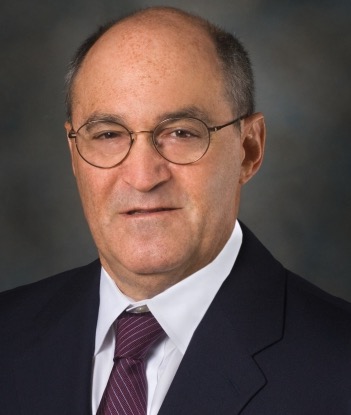 Peter F. Thall合作论文数Department of Biostatistics, The University of Texas MD Anderson Cancer Center9
 Elizabeth J. Shpall合作论文数Department of Stem Cell Transplantation and Cellular Therapy, Division of Cancer Medicine, The University of Texas MD Anderson Cancer Center9Kin Cheung合作论文数8
 Chitra Hosing合作论文数Department of Stem Cell Transplantation and Cellular Therapy, Division of Cancer Medicine, The University of Texas MD Anderson Cancer Center8
 James Abbruzzese合作论文数Division of Medical Oncology, Department of Medicine, Duke University School of Medicine;Duke Cancer Institute8Kirk S. Culotta合作论文数8PY Yang合作论文数7Catherine A. Wheeler合作论文数7E Felix合作论文数7Colman Howard合作论文数7
 Kenneth R. Hess合作论文数Department of Biostatistics, University of Texas MD Anderson Cancer Center7
 Roy S. Herbst合作论文数Yale Cancer Center, School of Medicine, Yale University7
 Wk Alfred Yung合作论文数7Susumu Shimoyama合作论文数7
 Gerald Falchook合作论文数Sarah Cannon Research Institute at HealthONE;Presbyterian St Lukes Medical Center;North Suburban Medical Center;Rocky Mountain Hospital for Children7
 Edward A Felix合作论文数7Stanisław Skóra合作论文数7Naoki Yamada合作论文数6M Shahjahan合作论文数6D Couriel合作论文数6Claudius Conrad合作论文数Massachusetts General Hospital6
 Vivek Subbiah合作论文数Sarah Cannon Research Institute6
 Amy Heimberger合作论文数Department of Neurosurgery, The University of Texas M. D. Anderson Cancer Center6laura l worth合作论文数5Roy Jones合作论文数5D Chan合作论文数5P Anderlini合作论文数5




