The Canadian-Chilean array for radio transient studies (CHARTS) is a wide-field, low-frequency interferometer (300-500 MHz) designed to detect and localize astronomical transients in the southern sky. We present the CHARTS antenna and analog front-end architecture, highlighting key constraints including noise budget, interference robustness, manufacturability, and cost. To maximize digitizer utilization, we implement frequency-division multiplexing that combines eight antennas per digitizer input while preserving per-sub-band gain and phase calibration. We validate the design with a two-element interferometer built from the CHARTS hardware, and solar observations yield clear interferometric fringes with the expected minute-scale wrapping. These results demonstrated end-to-end functionality and inform the path to initial station deployment and the full array.
We present a catalog of 4539 fast radio bursts (FRBs) observed with the Canadian Hydrogen Intensity Mapping Experiment telescope between 2018 July 25 and 2023 September 15. These bursts originate from 3641 unique sources, including 981 bursts from 83 known repeating sources. For each FRB, the catalog provides an O(10 ') estimate of sky location along with corresponding measurements of cumulative exposure time and survey sensitivity over the observing period. It includes a total-intensity dynamic spectrum between 400 and 800 MHz at 0.983 ms resolution. From this spectrum, we constrain a model of the burst morphology and measure key parameters such as arrival time, intrinsic temporal width, dispersion measure, scattering time, and flux density. This second catalog includes all FRBs from the first catalog, with every event reprocessed using a uniform and improved analysis framework. We show that previously published inferences remain valid under the updated measurements. We assess consistency of the detection rate across observational parameters, present initial distributions of burst properties, and outline ongoing and future studies that will use this catalog to investigate the nature of FRBs and their utility as astrophysical and cosmological probes.
Context. FRB 20121102A was the first fast radio burst to be observed to repeat. Since then, thousands of bursts have been detected by multiple radio telescopes around the world. Previous work has shown an indication of a cyclic activity level with a periodicity of around 160 days. Knowing when the source repeats is essential for planning multi-wavelength monitoring to constrain the emission extent and progenitor source. Aims. We report the monitoring of FRB 20121102A using the 100-m Effelsberg radio telescope in the L band and update the periodicity of the cyclic activity level. Methods. We used the Lomb-Scargle periodogram on a sample of 284 observing epochs, of which 42% correspond to detections and 58% to non-detections. Our dataset is composed of the seven epochs of our monitoring plus publicly available data. We investigated two methods: i) a binary model, describing the observing epochs with 1 if there are detections and with 0 for non-detections, and ii) a normalised rates model that considers the inferred detection rates. Results. We report no detections in 12.5-hour observations down to a fluence of 0.29 Jy ms. The best period we find for the cyclic activity window is 159.30.8 days for the binary model and 159.3 +/- 0.2 days for the normalised rates model. We show the activity phase to be 53%. The normalised rates show clear Gaussian-like behaviour for the activity level, in that the number of detections peaks at the centre of the activity window. Conclusions. The periodicity found through both methods is consistent for the L- and S-band datasets, implying it is intrinsic to the source. The activity phase in the S band however, shows an indication of it ending before the L-band activity phase, supporting the idea of a chromatic dependence of the activity window. The sample in the C band is not large enough to further confirm this result.
We report the discovery of the repeating fast radio burst (FRB) source FRB 20240209A using the Canadian Hydrogen Intensity Mapping Experiment (CHIME)/FRB telescope. We detected 22 bursts from this repeater between 2024 February and July, 6 of which were also recorded at the Outrigger station k’niʔatn k’l ⌣ stk’masqt (KKO). The multiple very long baseline interferometry localizations using the 66 km long CHIME–KKO baseline, each with a different baseline vector orientation due to the repeater’s high decl. of ∼86°, enabled the combined localization region to be constrained to 1″ × 2″. We present deep Gemini optical observations that, combined with the FRB localization, enabled a robust association of FRB 20240209A to the outskirts of a luminous galaxy (P(O∣x) = 0.99; L ≈ 5.3 × 10 10 L ⊙ ). FRB 20240209A has a projected physical offset of 40 ± 5 kpc from the center of its host galaxy, making it the FRB with the largest host galaxy offset to date. When normalized by the host galaxy size, the offset of FRB 20240209A (5.1 R eff ) is comparable to that of FRB 20200120E (5.7 R eff ), the only FRB source known to originate in a globular cluster. We consider several explanations for the large offset, including a progenitor that was kicked from the host galaxy or in situ formation in a low-luminosity satellite galaxy of the putative host, but find the most plausible scenario to be a globular cluster origin. This, coupled with the quiescent, elliptical nature of the host as demonstrated in our companion Letter, provides strong evidence for a delayed formation channel for the progenitor of the FRB source.
The Italian quantum eye (IQUEYE) is a fast photon counter based on the single photon avalanche diode detectors and capable of preserving a 0.5 ns/h accuracy photon time of arrival. IQUEYE was originally developed for intensity interferometry experiments, but now its scientific scope has been extended towards ultra fast astronomy, including optical pulsars, millisecond pulsars and the enigmatic fast radio bursts. IQUEYE's capabilities are mainly restricted by the number of photons detected, a quantity that scales with the collector size of an optical telescope. Through the visitor instrument program at Gemini South (Cerro Pachón, Chile) we brought IQUEYE to the 8.1-m dish, reaching an order magnitude sensitivity increased from previous operations. At Gemini South we installed IQUEYE to observe giant pulse emitters, millisecond pulsars, and transitional millisecond pulsars for over 40 hours in the span of a week.
The discovery and localization of FRB 20240209A by the Canadian Hydrogen Intensity Mapping Fast Radio Burst (CHIME/FRB) experiment marks the first repeating FRB localized with the CHIME/FRB Outriggers and adds to the small sample of repeating FRBs with associated host galaxies. Here we present Keck and Gemini observations of the host that reveal a redshift z = 0.1384 ± 0.0004. We perform stellar population modeling to jointly fit the optical through mid-IR data of the host and infer a median stellar mass log( M * / M ⊙ ) = 11.35 ± 0.01 and a mass-weighted stellar population age ~11 Gyr, corresponding to the most massive and oldest FRB host discovered to date. Coupled with a star formation rate <0.31 M ⊙ yr −1 , the specific star formation rate <10 −11.9 yr −1 classifies the host as quiescent. Through surface brightness profile modeling, we determine an elliptical galaxy morphology, marking the host as the first confirmed elliptical FRB host. The discovery of a quiescent early-type host galaxy within a transient class predominantly characterized by late-type star-forming hosts is reminiscent of short-duration gamma-ray bursts, Type Ia supernovae, and ultraluminous X-ray sources. Based on these shared host demographics, coupled with a large offset as demonstrated in our companion Letter, we conclude that preferred sources for FRB 20240209A include magnetars formed through merging binary neutron stars/white dwarfs or the accretion-induced collapse of a white dwarf, or a luminous X-ray binary. Together with FRB 20200120E localized to a globular cluster in M81, our findings provide strong evidence that some fraction of FRBs may arise from a process distinct from the core collapse of massive stars.
Fast radio bursts (FRBs) last for milliseconds and arrive at Earth from cosmological distances. Although their origins and emission mechanisms are unknown, their signals bear similarities with the much less luminous radio emission generated by pulsars within our Miky Way Galaxy1, with properties suggesting neutron star origins2,3. However, unlike pulsars, FRBs typically show minimal variability in their linear polarization position angle (PA) curves4. Even when marked PA evolution is present, their curves deviate significantly from the canonical shape predicted by the rotating vector model (RVM) of pulsars5. Here we report on FRB 20221022A, detected by the Canadian Hydrogen Intensity Mapping Experiment Fast Radio Burst project (CHIME/FRB) and localized to a nearby host galaxy (about 65 Mpc), MCG+14-02-011. This FRB shows a notable approximately 130° PA rotation over its about 2.5 ms burst duration, resembling the characteristic S-shaped evolution seen in many pulsars and some radio magnetars. The observed PA evolution supports magnetospheric origins6-8 over models involving distant shocks9-11, echoing similar conclusions drawn from tempo-polarimetric studies of some repeating FRBs12,13. The PA evolution is well described by the RVM and, although we cannot determine the inclination and magnetic obliquity because of the unknown period or duty cycle of the source, we exclude very short-period pulsars (for example, recycled millisecond pulsars) as the progenitor.
The Canadian-Chilean array for radio transient studies (CHARTS) is a 256-element interferometer to be located in Chile and set to study the universe's transient phenomena that has revolutionized the field since 2007. CHARTS will study energetic transients called fast radio bursts, super giant pulses from pulsars, and Galactic magnetar flares with a low frequency array of 300-500 MHz. Sensitivity of radio telescope is characterized by its aperture size and observing bandwidth, the latter increased in recent years by the revolution of new wideband digitizers. CHARTS will focus on the nearby and local universe FRB detection and further characterize them. Here we describe the CHARTS project and progress made in its antenna and radio frequency front end.
The Canadian Hydrogen Intensity Mapping Experiment (CHIME) has emerged as the world's premier facility for studying fast radio bursts (FRBs) through its fast transient search backend CHIME/FRB\@. The CHIME/FRB Outriggers project will augment this high detection rate of 2--3 FRBs per day with the ability to precisely localize them using very long baseline interferometry (VLBI). Using three strategically located stations in North America and deploying recently developed synoptic VLBI observing techniques, the Outriggers will provide $\sim 50$~milliarcsecond localization precision for the majority of detected FRBs. This paper presents an overview of the design and implementation of the Outriggers, covering their geographic distribution, structural design, and observational capabilities. We detail the scientific objectives driving the project, including the characterization of FRB populations, host galaxy demographics, and the use of FRBs as cosmological probes. We also discuss the calibration strategies available to mitigate ionospheric and instrumental effects, ensuring high-precision localization. With two stations currently in science operations, and the third in commissioning, the CHIME/FRB Outriggers project is poised to become a cornerstone of the FRB field, offering unprecedented insights into this enigmatic cosmic phenomenon.
Precise localizations of a small number of repeating fast radio bursts (FRBs) using very long baseline interferometry (VLBI) have enabled multiwavelength follow-up observations revealing diverse local environments. However, the 2%–3% of FRB sources that are observed to repeat may not be representative of the full population. Here we use the VLBI capabilities of the full CHIME Outrigger array for the first time to localize a nearby (40 Mpc), bright (kJy), and apparently one-off FRB source, FRB 20250316A, to its environment on 13 pc scales. We use optical and radio observations to place deep constraints on associated transient emission and the properties of its local environment. We place a 5 σ upper limit of L _9.9 GHz < 2.1 × 10 ^25 erg s ^−1 Hz ^−1 on spatially coincident radio emission, a factor of 100 lower than any known compact persistent radio source associated with an FRB. Our Keck Cosmic Webb Imager observations allow us to characterize the gas density, metallicity, nature of gas ionization, dust extinction, and star formation rate through emission line fluxes. We leverage the exceptional brightness and proximity of this source to place deep constraints on the repetition of FRB 20250316A and find that it is inconsistent with all well-studied repeaters given the nondetection of bursts at lower spectral energies. We explore the implications of a measured offset of 190 ± 20 pc from the center of the nearest star formation region in the context of progenitor channels. FRB 20250316A marks the beginning of an era of routine localizations for one-off FRBs on tens of milliarcseconds scales, enabling large-scale studies of their local environments.
As part of the Canadian Hydrogen Intensity Mapping Experiment Fast Radio Burst (CHIME/FRB) project, we report 41 new rotation measures (RMs) from 20 repeating fast radio bursts (FRBs) obtained between 2019 and 2023 for which no previous RM was determined. We also report 22 additional RM measurements for eight further repeating FRBs. We observe temporal RM variations in practically all repeating FRBs. Repeaters appear to be separated into two categories: those with dynamic and those with stable RM environments, differentiated by the ratios of RM standard deviations to the averaged RM magnitudes. Sources from stable RM environments likely have small RM contributions from the interstellar medium of their host galaxies, whereas sources from dynamic RM environments share some similarities with Galactic pulsars in eclipsing binaries but appear distinct from solitary pulsars in the Galactic centre. We observe a new stochastic, secular, and again stochastic trend in the temporal RM variation of FRB 20180916B, which does not support binary orbit modulation being its cause. We highlight two more repeaters that show RM sign change, namely FRBs 20290929C and 20190303A. We perform an updated comparison of polarization properties between repeating and nonrepeating FRBs, which show a marginal dichotomy in their distribution of electron-density-weighted parallel-component line-of-sight magnetic fields.
One major goal in fast radio burst science is to detect fast radio bursts (FRBs) over a wide field of view without sacrificing the angular resolution required to pinpoint them to their host galaxies. Wide-field detection and localization capabilities have already been demonstrated using connected-element interferometry; the CHIME/FRB Outriggers project will push this further using widefield cylindrical telescopes as widefield outriggers for very long baseline interferometry (VLBI). This paper describes an offline VLBI software correlator written in Python for the CHIME/FRB Outriggers project. It includes features well-suited to modern widefield instruments like multibeaming/multiple phase center correlation, pulse gating including coherent dedispersion, and a novel correlation algorithm based on the quadratic estimator formalism. This algorithm mitigates sensitivity loss that arises in instruments where the windowing and channelization is done outside the VLBI correlator at each station, which accounts for a 30% sensitivity drop away from the phase center. Our correlation algorithm recovers this sensitivity on both simulated and real data. As an end-to-end check of our software, we have written a preliminary pipeline for VLBI calibration and single-pulse localization, which we use in Lanman et al. to verify the astrometric accuracy of the CHIME/FRB Outriggers array.
Fast radio bursts (FRBs) are millisecond-duration radio transients whose origins remain unknown. As the vast majority of bursts are one-off events, it is necessary to pinpoint FRBs precisely within their host galaxies at the time of detection. Here we use two purpose-built outrigger telescopes to localize FRB 20210603A at the time of its detection by the Canadian Hydrogen Intensity Mapping Experiment (CHIME). Our very-long-baseline interferometry stations localized the burst to a 0.2" x 2" final ellipse in the disk of its host galaxy SDSS J004105.82+211331.9. A spatially resolved spectroscopic follow-up revealed recent star formation (H alpha emission) on kiloparsec scales near the burst position. The excess dispersion measure is consistent with expectations from the nearly edge-on disk of the host galaxy, demonstrating the utility of FRBs as probes of the interstellar medium in distant galaxies. The excess dispersion measure, rotation measure and scattering are consistent with expectations for a pulse travelling from deep within its host galactic plane, strengthening the link between the local environment of FRB 20210603A and the disk of its host galaxy. Finally, this technique demonstrates a way to overcome the trade-off between angular resolution and field of view in FRB instrumentation, paving the way towards plentiful and precise FRB localizations. Two 'outrigger' telescopes were added to CHIME, leading to the localization at detection of FRB 20210603A. The burst originated from deep within the star-forming disk of its host galaxy.
We present an extensive contemporaneous X-ray and radio campaign performed on the repeating fast radio burst (FRB) source FRB 20220912A for 8 weeks immediately following the source's detection by CHIME/FRB. This includes X-ray data from XMM-Newton, NICER, and Swift, and radio detections of FRB 20220912A from CHIME/Pulsar and Effelsberg. We detect no significant X-ray emission at the time of 30 radio bursts with upper limits on a 0.5-10.0 keV X-ray fluence of (1.5-14.5) x 10(-10) erg cm(-2) (99.7% credible interval, unabsorbed) on a timescale of 100 ms. Translated into a fluence ratio eta(x/r) = FX-ray/F-radio, this corresponds to eta(x/r) < 7 x 10(6). For persistent emission from the location of FRB 20220912A, we derive a 99.7% 0.5-10.0 keV isotropic flux limit of 8.8 x 10(-15) erg cm(-2) s(-1) (unabsorbed) or an isotropic luminosity limit of 1.4 x 10(41) erg s(-1) at a distance of 362.4 Mpc. We derive a hierarchical extension to the standard Bayesian treatment of low-count and background-contaminated X-ray data, which allows the robust combination of multiple observations. This methodology allows us to place the best (lowest) 99.7% credible interval upper limit on an FRB eta(x/r) to date, eta(x/r) < 2 x 10(6), assuming that all 30 detected radio bursts are associated with X-ray bursts with the same fluence ratio. If we instead adopt an X-ray spectrum similar to the X-ray burst observed contemporaneously with FRB-like emission from the Galactic magnetar SGR 1935+2154 detected on 2020 April 28, we derive a 99.7% credible interval upper limit on eta(x/r) of 8 x 10(5), which is only 3 times the observed value of eta(x/r) for SGR 1935+2154.
We present a search for host galaxy associations for the third set of repeating fast radio burst (FRB) sources discovered by the CHIME/FRB Collaboration. Using the ∼1′ CHIME/FRB baseband localizations and probabilistic methods, we identify potential host galaxies of two FRBs, 20200223B and 20190110C at redshifts of 0.06024(2) and 0.12244(6), respectively. We also discuss the properties of a third marginal candidate host galaxy association for FRB 20191106C with a host redshift of 0.10775(1). The three putative host galaxies are all relatively massive, fall on the standard mass–metallicity relationship for nearby galaxies, and show evidence of ongoing star formation. They also all show signatures of being in a transitional regime, falling in the green valley , which is between the bulk of star-forming and quiescent galaxies. The plausible host galaxies identified by our analysis are consistent with the overall population of repeating and nonrepeating FRB hosts while increasing the fraction of massive and bright galaxies. Coupled with these previous host associations, we identify a possible excess of FRB repeaters whose host galaxies have M _u − M _r colors redder than the bulk of star-forming galaxies. Additional precise localizations are required to confirm this trend.
Context. Out-of-focus (OOF) holography can be used to determine the aperture deformations of radio telescopes that lead to errors in the phase of the complex aperture distribution. In contrast to traditional methods, OOF holography can be performed without a reference antenna, which has a number of practical advantages. Aims. The aim of this work is to develop a standard procedure for OOF holography at the Effelsberg telescope. This includes performing OOF holography observations and the development of dedicated software, the pyoof package, to compute aberrations of the telescope’s optical system. Methods. Based on the OOF holography method developed at the Green Bank telescope, we adapted the approach to the Effelsberg 100 m telescope in order to determine the aberrations of the aperture phase distribution (phase-error maps). Results. The developed OOF holography software is presented as well as the results from observations at Effelsberg. Early results reveal gravitation-related residual deformation not contained in the previously existing aperture and pointing model, and hence we propose changes to the model to counteract aberrations in the telescope’s surface. Conclusions. The OOF holography method (observations and pyoof package) works as expected at the Effelsberg 100 m telescope and is able to validate the good performance of the existing finite element model. Test measurements show that slight improvements of the aperture efficiency and gain elevation dependence are possible but limited in the current configuration.
Localizing fast radio bursts (FRBs) to their host galaxies is an essential step to better understanding their origins and using them as cosmic probes. The Canadian Hydrogen Intensity Mapping Experiment (CHIME)/FRB Outriggers program aims to add very long baseline interferometry localization capabilities to CHIME, such that FRBs may be localized to tens of milliarcsecond precision at the time of their discovery, more than sufficient for host galaxy identification. The first-built outrigger telescope is the Outrigger (KKO), located 66 km west of CHIME. Cross-correlating KKO with CHIME can achieve arcsecond precision along the baseline axis while avoiding the worst effects of the ionosphere. Since the CHIME–KKO baseline is mostly east/west, this improvement is mostly in right ascension. This paper presents measurements of KKO’s performance throughout its commissioning phase, as well as a summary of its design and function. We demonstrate KKO’s capabilities as a standalone instrument by producing full-sky images, mapping the angular and frequency structure of the primary beam, and measuring feed positions. To demonstrate the localization capabilities of the CHIME–KKO baseline, we collected five separate observations each, for a set of 20 bright pulsars, and aimed to measure their positions to within 5″. All of these pulses were successfully localized to within this specification. The next two outriggers are expected to be commissioned in 2024 and will enable subarcsecond localizations for approximately hundreds of FRBs each year.
We present the localization and host galaxy of FRB 20190208A, a repeating source of fast radio bursts (FRBs) discovered using CHIME/FRB. As part of the Pinpointing REpeating ChIme Sources with EVN dishes repeater localization program on the European VLBI Network (EVN), we monitored FRB 20190208A for 65.6 hr at similar to 1.4 GHz and detected a single burst, which led to its very long baseline interferometry localization with 260 mas uncertainty (2 sigma). Follow-up optical observations with the MMT Observatory (i greater than or similar to 25.7 mag (AB)) found no visible host at the FRB position. Subsequent deeper observations with the Gran Telescopio Canarias, however, revealed an extremely faint galaxy (r = 27.32 +/- 0.16 mag), very likely (99.95%) associated with FRB 20190208A. Given the dispersion measure of the FRB (similar to 580 pc cm-3), even the most conservative redshift estimate ( zmax similar to 0.83 ) implies that this is the lowest-luminosity FRB host to date (less than or similar to 108 L circle dot), even less luminous than the dwarf host of FRB 20121102A. We investigate how localization precision and the depth of optical imaging affect host association and discuss the implications of such a low-luminosity dwarf galaxy. Unlike the other repeaters with low-luminosity hosts, FRB 20190208A has a modest Faraday rotation measure of a few tens of rad m-2, and EVN plus Very Large Array observations reveal no associated compact persistent radio source. We also monitored FRB 20190208A for 40.4 hr over 2 yr as part of the Extragalactic Coherent Light from Astrophysical Transients repeating FRB monitoring campaign on the Nan & ccedil;ay Radio Telescope and detected one burst. Our results demonstrate that, in some cases, the robust association of an FRB with a host galaxy will require both high localization precision and deep optical follow-up.
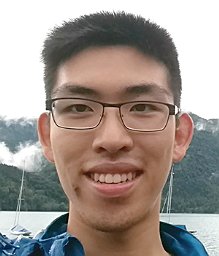 Calvin Leung合作论文数MIT Kavli Institute for Astrophysics and Space Research, Massachusetts Institute of Technology;Department of Physics, Massachusetts Institute of Technology;MIT Kavli Institute for Astrophysics and Space Research, Massachusetts Institute of Technology49
 Victoria Kaspi合作论文数Department of Physics, McGill University;McGill Space Institute49
 Daniele Michilli合作论文数Netherlands Inst Radio Astron, ASTRON, Postbus 2, NL-7990 AA Dwingeloo, Netherlands46
 Mohit Bhardwaj合作论文数McGill Space Inst, McGill Univ46
 Ingrid Stairs合作论文数Department of Physics & Astronomy, University of British Columbia46
 Z. Pleunis合作论文数45Scholz Paul合作论文数42
 Kendrick Smith合作论文数Perimeter Institute for Theoretical Physics42E. Fonseca合作论文数39C. Brar合作论文数38
 Masoud Rafiei-Ravandi合作论文数Department of Physics, McGill University;bridget.andersen@mail.mcgill.ca;McGill Space Institute, McGill University;McGill University, McGill University37Aaron B. Pearlman合作论文数Department of Physics;University of Maryland;Department of Physics, University of Maryland37
 Bryan M Gaensler合作论文数Division of Physical and Biological Sciences, University of California, Santa Cruz;Department of Astronomy and Astrophysics, University of California, Santa Cruz35
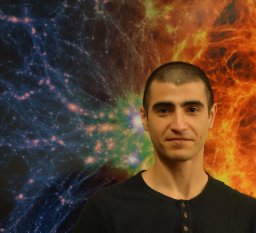 Juan Mena-Parra合作论文数Natl Radio Astron Observ33Mubdi Rahman合作论文数33
 Kiyoshi Masui合作论文数Department of Physics, Massachusetts Institute of Technology;Kavli Institute for Astrophysics and Space Research, Massachusetts Institute of Technology32
 Shriharsh Tendulkar合作论文数LeoLabs32Kevin Bandura合作论文数Dept Phys, McGill Univ30Jane F. Kaczmarek合作论文数28
 P. Chawla合作论文数McGill Space Inst, McGill Univ28
 Matt Dobbs合作论文数Department of Physics, McGill University;Department of Electrical and Computer Engineering, McGill University27Bridget C. Andersen合作论文数26Paul J Boyle合作论文数24
 Fengqiu Adam Dong合作论文数Department of Physics and Astronomy, The University of British Columbia23Keith Vanderlinde合作论文数David A. Dunlap Department of Astronomy & Astrophysics, Faculty of Arts and Science, University of Toronto23
 Pranav Sanghavi合作论文数Lane Dept Comp Sci & Elect Engn, 1220 Evansdale Dr,POB 6109, Morgantown, WV 26506 USA21Ketan R. Sand合作论文数Dept Phys, McGill Univ20
 Ue-Li Pen合作论文数David A. Dunlap Department of Astronomy & Astrophysics, University of Toronto;Canadian Institute for Theoretical Astrophysics;Academia Sinica Institute of Astronomy & Astrophysics20Emily Petroff合作论文数19
 Hsiu-Hsien Lin合作论文数National Taiwan University, Natl Taiwan Univ19
 Dongzi Li (李冬子)合作论文数清华大学天文系18
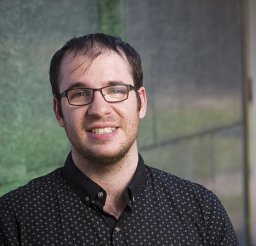 B. W. Meyers合作论文数Department of Physics and Astronomy, University of British Columbia;International Centre for Radio Astronomy Research (ICRAR),, Curtin University;University of British Columbia, Curtin University18Ryan Mckinven合作论文数18K. Nimmo合作论文数ASTRON, Netherlands Inst Radio Astron, Oude Hoogeveensedijk 4, NL-7991 PD Dwingeloo, Netherlands18A. Josephy合作论文数18Alice P. Curtin合作论文数17
 Amanda Cook合作论文数NASA Ames Research Center17
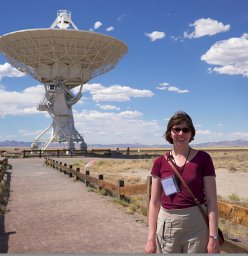 Deborah C. Good合作论文数Dept Phys & Astron, Univ British Columbia16
 Seth R. Siegel合作论文数Natl Radio Astron Observ16
 Shami Chatterjee合作论文数Sydney Institute for Astronomy;School of Physics;University of Sydney;School of Physics, University of Sydney15
 Scott Ransom合作论文数National Radio Astronomy Observatory;Department of Astronomy, University of Virginia15R. Mckinven合作论文数14Adam E. Lanman合作论文数13C. Ng合作论文数13K. Shin合作论文数13Mattias Lazda合作论文数12K. W. Masui合作论文数12
 M. Merryfield合作论文数Dept Phys, Univ Wisconsin12




