Heart failure with preserved ejection fraction (HFpEF) is a heterogeneous, multi-organ syndrome driven by comorbidity-induced systemic inflammation. In acute and critical illness, such as sepsis, acute diastolic dysfunction is common. Its prognostic significance is debated and is complicated by hemodynamic instability and diagnostic challenges.Survivors of acute illness face a long-term risk of major adverse cardiovascular events, yet the transition from critical illness to acquired diastolic dysfunction to chronic HFpEF remains an underexplored area requiring further research.Recent landmark trials have established new therapeutic options for chronic HFpEF, including sodium glucose co-transporter 2 inhibitors, mineralocorticoid receptor antagonists, and glucagon-like peptide-1 receptor agonists. Here, we review the pathophysiology of HFpEF across the continuum from chronic stable HFpEF to acute decompensation, identify long-term sequelae, and highlight future advancements.
Post-operative pneumonia is a commonly occurring surgical complication associated with poor patient outcomes. This study aimed to synthesise pre-operative and post-operative blood-based biomarkers associated with post-operative pneumonia. Electronic databases were searched up to April 14th, 2026. Primary studies investigating blood-based biomarkers in adults hospitalised after surgery were included. Meta-analysis was performed using the random effects model to compare pooled data for pneumonia and no-pneumonia groups using standardised mean difference. Risk of bias was assessed using the ROBINS-E tool. Thirty-seven studies (n = 15,842 patients) were included, with an overall pneumonia rate of 17.8
ABSTRACT Purpose The purpose of this paper is to synthesize current mechanistic insights and translational progress on neurocognitive aging after critical illness and to outline a framework for developing neurotherapeutic drugs for clinical application. Method The method includes a narrative, focused review of clinical studies in patients’ neurocognitive symptoms after critical illness, such as sepsis, trauma, and burns, reported up to December 2025. Evidence was organized across domains, including acute systemic inflammation (ASI), communication channels to the central nervous system (CNS), neuroinflammation and neural integrity, autoimmunity in critically ill patients, and potential therapeutic targets and strategies. Finding Acute illness and inflammatory states, including sepsis, trauma, and burns, can lead to accelerated neurocognitive aging, early‐onset cognitive impairment, and memory loss. In acute and critical illness, this is attributed to neuroinflammation, microvascular damage, blood–brain barrier (BBB) disruption, and microglial activation resulting from ASI and immune dysregulation. Current research suggests that it also induces cellular senescence, triggering immune dysregulation and subsequent autoimmunity and autoantibody production, contributing to the progression of neurocognitive aging amid chronic low‐grade inflammation and inflammaging. These processes affect the function and integrity of the CNS, leading to neurocognitive decline. Conclusion This review examined the scientific basis for the development of neurocognitive aging after acute illness and how this information may be used to develop potential targets to modulate inflammatory and immune responses and treat this debilitating condition. Such interventions may reduce the burden of senescent cells, mitigate BBB breakdown, restore immune balance, and enhance the brain's neuroplasticity and resilience.
Traumatic brain injury (TBI) is a leading cause of disability worldwide. Rehabilitation in the intensive care unit (ICU) is a recommended intervention for the critically ill. However, the safety and effectiveness of physical rehabilitation in adults admitted to the ICU with TBI is currently unknown. The primary objective was to evaluate the safety of physical ICU rehabilitation in adults with TBI, and secondary outcomes aimed to evaluate its effect upon physical outcomes and length of admission. Five electronic databases were searched up to 1 September, 2025, including studies investigating physical ICU rehabilitation interventions in adults with acute TBI. A narrative synthesis of safety outcomes was conducted owing to heterogeneity. Meta-analysis was performed for secondary outcomes using the random-effects model to compare pooled data for rehabilitation and no-rehabilitation groups. Risk of bias was assessed using the ROBINS-E tool for observational studies and the RoB2 tool for randomised studies. Overall, 13 studies consisting of 3582 adults with TBI were included. Four studies reported safety outcomes, reporting no or low rates of adverse events. Meta-analysis identified an increase in the Perme ICU Mobility Scores at ICU discharge in those that received ICU rehabilitation [Mean Difference 3.25 (2.05–4.44), p < 0.00001]. Risk of bias assessment identified very high risk of bias in observational studies and some concerns of bias in randomised studies. Physical rehabilitation for adults with TBI in the ICU is potentially safe with suggested benefit upon mobility status at ICU discharge. Further high-quality studies of ICU rehabilitation for adults with TBI are required. Trial Registration: PROSPERO CRD420251131380.
Airway management is central to the care of critically ill patients, yet it remains one of the most challenging interventions in emergency departments and intensive care units. Patients often present with severe physiological instability, limited cardiopulmonary reserve, and high acuity, while clinicians often work under constraints related to time for preparation, equipment availability, trained workforce, monitoring, and access to advanced rescue techniques. These challenges are particularly pronounced in low- and middle-income countries and other resource-limited or austere environments, where the margin for error is narrow and delays or repeated attempts in airway management may rapidly precipitate hypoxemia, hemodynamic collapse, or cardiac arrest. Although contemporary airway guidelines emphasize structured preparation and rescue pathways, many assume resources that are not consistently available in such settings. This narrative review discusses pragmatic, context-adapted strategies for airway management in constrained environments, with emphasis on physiology-first preparation, appropriate oxygenation and induction techniques, simplified rapid-sequence intubation, and the judicious use of basic airway adjuncts, supraglottic devices, and video laryngoscopy, where available. Adapted difficult airway algorithms, front-of-neck access in the absence of surgical backup, human factors, team training, and ethical considerations are also addressed. This review aims to support safer and effective airway management for critically ill patients in resource-limited emergency and intensive care settings.
Background:Traumatic brain injury (TBI) is a major cause of death and disability worldwide. Mobilization is defined as the application of assisted movement and physical therapy to hospitalized patients, including progressive exercise and ambulation programs. While early mobilization in the intensive care unit (ICU) has been shown to be a safe and effective intervention to improve patient outcomes in the general ICU cohort, there is currently limited evidence specific to patients with acute TBI. The aim of this service evaluation was to identify current mobilization activity and functional outcomes in patients admitted to the ICU at our institution following an acute TBI. Methods:A single-center retrospective service evaluation was performed for all patients, over 16 years-old, admitted to the ICU at our institution (a Level 1 major trauma center) with an acute TBI between January 2022 and November 2024. Patient demographics, ICU admission details, TBI severity (based on the Glasgow Coma Scale [GCS]) and functional outcomes were extracted. Mobilization outcomes included the timing of the commencement of mobilization (defined as sitting on the edge of the bed or better) and mobilization status, defined using the Manchester Mobility Scale (MMS). Results:The service evaluation included 353 patients, of whom 56.0% had severe TBI (GCS: 3-7). Mobilization was achieved in ICU for 53.0% of patients, with a further 18.1% first mobilized on a hospital ward post-ICU discharge. The first mobilization occurred at a median of 11 days (interquartile range: 6-18) after ICU admission. In patients surviving to ICU discharge, 28.9% had an MMS of 1 (bed-based exercises) at this time, with only 9.1% achieving an MMS of 7 (mobilizing 30 meters or more). Analysis by TBI severity found a significant decline in in-hospital mobilization rates with increasing TBI severity (90.7% vs. 58.4% for mild vs. severe TBI; p < 0.001), with a corresponding increase in the time to the first mobilization (median: 6 vs. 13 days for mild vs. severe TBI; p < 0.001). Conclusion:Acute TBI patients admitted to the ICU at our institution had low rates of mobilization and achieved low levels of mobility at ICU discharge. This service evaluation highlights the need for prospective studies into early mobilization practices in the neurotrauma ICU.
BackgroundTelehealth has vastly expanded since the SARS-CoV-2 (COVID-19) pandemic and has been widely implemented as an efficient, cost-effective and accepted means of health care delivery, including rehabilitation. Although telerehabilitation is recommended across national guidelines, there is a lack of practical guidance to support clinicians with virtual adaptations.AimsThis study aimed to describe the key components of a safe and effective virtual post-intensive-care rehabilitation service, through qualitative exploration.MethodsThis is a qualitative study using a focus-group design based upon grounded theory. This study is nested within a service development project, taking place during the COVID-19 pandemic. Focus groups were held after the first wave of the COVID-19 pandemic with key stakeholders from the physiotherapy and critical care departments of a large tertiary hospital in the United Kingdom. Semi-structured questions were used to guide discussions, led by a facilitator and scribe. Transcripts were thematically analysed using an exploratory inductive approach by two researchers then crosschecked.FindingsThree focus groups were attended by 12 multidisciplinary stakeholders, including six physiotherapists, two administration staff members, two critical-care follow-up nurses and two critical care consultants. Thematic analysis identified seven critical elements for virtual adaptations: (1) safety and risk assessment, (2) assessment and outcome measures, (3) virtual platform, (4) resources and equipment, (5) exercise programme adaptation, (6) exercise monitoring and safety, and (7) privacy and information governance.ConclusionOur findings provide practical recommendations for virtual rehabilitation service development and delivery.
INTRODUCTION:Pain management for hip and proximal femoral fractures includes oral and parenteral opioids and various regional anesthesia techniques. Fascia iliaca compartment blocks (FICB) are commonly used for these patients. At present, a unified view of the analgesic effect of FICB has not been reached. In addition, the comparison between single shot FICB and continuous FICB has not elicited clear evidence-based results. We will compare the efficacy and safety of systemic analgesics, single shot or continuous FICB in the pain management, complication prevention and satisfaction, in our systematic review and network meta-analysis. METHODS:China National Knowledge Infrastructure, Chinese Biomedical Literatures database, PubMed, the Cochrane Central Register of Controlled Trials, Physiotherapy Evidence Database, EMBASE, and Web of Science will be searched until June 2023. Two authors will independently screen the studies for eligibility and perform data extraction. The Cochrane risk of bias tool (RoB 2) will be used to assess the quality of evidence. We will use the GRADE approach to assess the certainty of the evidence across studies included in this review. All the statistical analyses will be conducted using Rev Man 5.3, WinBUGS 1.4.3, and Stata 13. ETHICS AND DISSEMINATION:Our review involves a secondary analysis of existing published studies, therefore there is no need for formal research ethics approval. We will disseminate our findings through publication in a peer-reviewed journal. PROTOCOL REGISTRATION:PROSPERO, CRD42023425282.
Ventilator-associated pneumonia (VAP) is the most prevalent nosocomial infection in the intensive care unit (ICU), accounting for more than 30 % of the overall costs for all healthcare-associated infections. VAP leads to poor outcomes, such as increased duration of mechanical ventilation, prolonged length of ICU stay and increased mortality rates for up to five years after discharge. The pathophysiology of VAP is complex, attributable to the colonisation of abnormal microbiota and micro-aspiration risks associated with mechanical ventilation and critical illness, and thus its prevention and treatment is complex. With the rising prevalence of multidrug resistance infections and antibiotic prescription pressures, the management of VAP is becoming increasingly challenging. The traditional treatment of VAP with intravenous or oral antibiotics is effective; yet inhaled antibiotics may offer a targeted, synergistic and effective alternative. Empirical therapy with broad-spectrum antibiotics are associated with systemic complications and increased pathogenic strains, whilst inhaled antibiotics reduce bystander antimicrobial resistance with fewer systemic side effects. However, large-scale clinical trials have failed to cosnsitently demonstrate the clinical benefits of inhaled antibiotics and thus translation into practice remains controversial. In this review, we summarise the pathophysiology and diagnosis of VAP, underpin the mechanisms of currently available therapies and discuss the potential role of inhaled antibiotics for the prevention and treatment of VAP, with critical discussion of the available evidence.
Refractory Status Epilepticus (RSE) is a neurological emergency associated with considerable morbidity and mortality. The molecular mechanisms contributing to neuroinflammation in RSE are increasingly being recognized. Despite its severity, high-quality and conclusive evidence is lacking for many RSE treatments, especially regarding the optimization of antiseizure medications and emerging immunotherapies. In this manuscript, the use of immunotherapy as a valuable treatment option in RSE is reviewed. The example of Toclizumab is used, its potential efficacy demonstrated by a case series from our center. Traditional clinical trial designs have proven inadequate in efficiently addressing these evidence gaps for this complex and heterogeneous condition. In examining the wider evidence for the use of anti-inflammatory agents, including early immunotherapy, the scope for adaptive platform trials is explored to be utilized to develop an evidence base in this area. Neuroinflammation plays a role in propagating seizures and associated neuronal injury in RSE; these pathways may be amenable to immunomodulation. In this review, the limitations of existing observational data and the need for efficient, quickly translatable clinical trials are highlighted to evaluate multiple interventions for RSE. Innovative trial designs, such as adaptive platform trials, help generate robust evidence for rapid uptake in RSE.
Objective:Assess retinal perfusion in sepsis, compared with uncomplicated postoperative care and healthy controls, and assess the effects of reduced perfusion on retinal structure and visual function. Design:We conducted a prospective observational cohort study between March 2018 and December 2022, with follow-up measures collected 3 to 6 months after discharge. Subjects:Twenty-four patients with sepsis were assessed in the intensive care unit (ICU) and 3 to 6 months later, 45 ICU control patients assessed during elective ICU admission after upper gastrointestinal cancer surgery, preoperatively, and 3 to 6 months later, and 15 healthy controls. Testing:Assessments included retinal layer thickness using OCT, retinal perfusion using OCT angiography, and visual function using Humphrey visual field analysis. Organ dysfunction was assessed by Sequential Organ Failure Assessment (SOFA) scoring. Main Outcome Measures:Superficial vascular plexus (SVP) retinal perfusion, OCT retinal ganglion cell layer (GCL) thickness, and mean deviation (MD) on Humphrey visual field testing were evaluated. Results:Superficial vascular plexus retinal perfusion was 37.4% lower in patients with sepsis compared with ICU control patients (P < 0.001) and 59.7% lower than in healthy controls, which returned to normal by final follow-up. Retinal perfusion correlated with the SOFA score (Pearson r = -0.57, P < 0.001) and weakly correlated with C-reactive protein (r = -0.337, P = 0.01) and mean arterial pressure (r = 0.354, P = 0.006). In patients with sepsis and ICU controls, retinal perfusion in the ICU predicted subsequent GCL thickening, with every 1-unit decrease in SVP sum predicting a 1.88 μm increase in GCL thickness at follow-up (P = 0.003), and worsening visual field MD, with every 1-unit decrease in SVP sum predicting a 0.078 decibel lower MD (P = 0.023). Conclusions:Retinal perfusion was impaired in patients with sepsis compared with both healthy controls and patients after major surgery. It was moderately associated with other measures of organ dysfunction assessed by SOFA. Reduced retinal perfusion in both patients with sepsis and patients after major surgery is strongly associated with subsequent GCL thickening and less strongly associated with decreased visual field MD, suggesting reduced retinal perfusion is associated with retinal damage, with consequent visual dysfunction. Financial Disclosures:Proprietary or commercial disclosure may be found in the Footnotes and Disclosures at the end of this article.
BACKGROUND:Critical care management in subarachnoid haemorrhage (SAH) aims to facilitate neuroprotection and prevent secondary neurological insults. Anaemia after SAH leads to reduced cerebral oxygen delivery and poor outcomes. This study aimed to investigate the association between anaemia and mortality and morbidity outcomes in patients with SAH in tertiary centres, as well as evaluate the impact of blood transfusions on outcomes in anaemic SAH patients. Methods: We performed a retrospective study of 987 patients with SAH at a tertiary neurocritical care centre between September 2016 and September 2018. Data were collected on baseline characteristics, World Federation of Neurosurgical Societies SAH grade, secondary insults such as anaemia and hydrocephalus, and units of blood transfused. The primary outcome was to investigate the correlation between anaemia and 28-day Modified Rankin Scale (MRS) score. Secondary outcomes were delayed neurological deficits, length of stay and death in the intensive care unit (ICU). Anaemia was defined as haemoglobin (Hb) ≤ 95 g/L, and severe anaemia as Hb≤80 g/L. Results: Of the patients, 28.7% had anaemia and 12% had severe anaemia. Anaemia after SAH was associated with an increased risk of death or severe disability (p<0.001), worse survival outcomes (p<0.001) and increased length of stay in ICU (p<0.001). CONCLUSIONS:Anaemia after SAH is associated with a significant increase in mortality and morbidity and should be monitored closely and corrected.
Background:Major trauma is a significant global health issue. Pneumonia poses an additional risk for morbidity and mortality after major trauma yet identifying pneumonia remains challenging in clinical practice. This systematic review aims to evaluate blood-based biomarkers for pneumonia in major trauma patients. Methods:The search was performed across four databases up to November 18th 2024, including primary studies investigating blood-based biomarkers associated with pneumonia in adults hospitalised after major trauma (PROSPERO CRD42024542059). Risk of bias was assessed using the ROBINS-E tool and meta-analysis was performed of pooled data. Results:Among 20 included studies, with a total of 4316 participants, the pooled mean pneumonia rate was 32.7% (23.5%-43.4%). Seventy biomarkers for post-operative pneumonia were identified, with meta-analysis possible for 12 of the reported biomarkers. At admission interleukin (IL)-6 (standardised mean difference: 1.41 (0.04-2.77), p = 0.04), cytokeratin fragment 21-1 (CYFRA21-1; 0.53 (0.19-0.86), p = 0.002) and leucocyte count (0.28 (0.05-0.50), p = 0.01) were higher in patients who developed pneumonia. During hospitalisation, patients with pneumonia had significantly higher IL-10 (4.42 (3.89-4.95), p > 0.001) and neutrophil oxidative burst capacity (1.52 (0.96-2.09), p > 0.001) at day 1, CYFRA21-1 at day 2 (0.43 (0.10-0.76), p = 0.01), IL-6 at day 3 (3.11 (2.66-3.55), p > 0.001) and day 5 (0.57 (0.05-1.09), p = 0.03) and CRP at day 4 (1.87 (1.51-2.24), p > 0.001), day 5 (1.38 (1.03-1.72), p > 0.001), day 6 (0.74 (0.42-1.06), p > 0.001) and day 7 (0.87 (0.12-1.63), p = 0.02). Across the included studies, 85% exhibited some concerns to very high risk of bias. Conclusions:While we identified potential candidate biomarkers for pneumonia in major trauma patients, the high heterogeneity across trauma populations, clinical diagnostic tools and biomarker testing methods warrants further high-quality studies to confirm their clinical value.
AbstractOptical coherence tomography angiography (OCTA) is widely used for non-invasive retinal vascular imaging, but the OCTA methods used to assess retinal perfusion vary. We evaluated the different methods used to assess retinal perfusion between OCTA studies. MEDLINE and Embase were searched from 2014 to August 2021. We included prospective studies including ≥ 50 participants using OCTA to assess retinal perfusion in either global retinal or systemic disorders. Risk of bias was assessed using the National Institute of Health quality assessment tool for observational cohort and cross-sectional studies. Heterogeneity of data was assessed by Q statistics, Chi-square test, and I2 index. Of the 5974 studies identified, 191 studies were included in this evaluation. The selected studies employed seven OCTA devices, six macula volume dimensions, four macula subregions, nine perfusion analyses, and five vessel layer definitions, totalling 197 distinct methods of assessing macula perfusion and over 7000 possible combinations. Meta-analysis was performed on 88 studies reporting vessel density and foveal avascular zone area, showing lower retinal perfusion in patients with diabetes mellitus than in healthy controls, but with high heterogeneity. Heterogeneity was lowest and reported vascular effects strongest in superficial capillary plexus assessments. Systematic review of OCTA studies revealed massive heterogeneity in the methods employed to assess retinal perfusion, supporting calls for standardisation of methodology.
To investigate if retinal thickness has predictive utility in COVID-19 outcomes by evaluating the statistical association between retinal thickness using OCT and of COVID-19-related mortality. Secondary outcomes included associations between retinal thickness and length of stay (LoS) in hospital. In this retrospective cohort study, OCT scans from 230 COVID-19 patients admitted to the Intensive Care Unit (ITU) were compared with age and gender-matched patients with pneumonia from before March 2020. Total retinal, GCL + IPL, and RNFL thicknesses were recorded, and analysed with systemic measures collected at the time of admission and mortality outcomes, using linear regression models, Pearson’s R correlation, and Principal Component Analysis. Retinal thickness was significantly associated with all-time mortality on follow up in the COVID-19 group (p = 0.015), but not 28-day mortality (p = 0.151). Retinal and GCL + IPL layer thicknesses were both significantly associated with LoS in hospital for COVID-19 patients (p = 0.006 for both), but not for patients with pneumonia (p = 0.706 and 0.989 respectively). RNFL thickness was not associated with LoS in either group (COVID-19 p = 0.097, pneumonia p = 0.692). Retinal thickness associated with LoS in hospital and long-term mortality in COVID-19 patients, suggesting that retinal structure could be a surrogate marker for frailty and predictor of disease severity in this group of patients, but not in patients with pneumonia from other causes.
Aneurysmal subarachnoid haemorrhage (aSAH) presents a challenge to clinicians because of its multisystem effects. Advancements in computed tomography (CT), endovascular treatments, and neurocritical care have contributed to declining mortality rates. The critical care of aSAH prioritises cerebral perfusion, early aneurysm securement, and the prevention of secondary brain injury and systemic complications. Early interventions to mitigate cardiopulmonary complications, dyselectrolytemia and treatment of culprit aneurysm require a multidisciplinary approach. Standardised neurological assessments, transcranial doppler (TCD), and advanced imaging, along with hypertensive and invasive therapies, are vital in reducing delayed cerebral ischemia and poor outcomes. Health care disparities, particularly in the resource allocation for SAH treatment, affect outcomes significantly, with telemedicine and novel technologies proposed to address this health inequalities. This article underscores the necessity for comprehensive multidisciplinary care and the urgent need for large-scale studies to validate standardised treatment protocols for improved SAH outcomes.
Ventilator-associated pneumonia (VAP) affects up to 20% of critically ill patients and induces significant antibiotic prescription pressure, accounting for half of all antibiotic use in the ICU. VAP significantly increases hospital length of stay and healthcare costs yet is also associated with long-term morbidity and mortality. The diagnosis of VAP continues to present challenges and pitfalls for the currently available clinical, radiological and microbiological diagnostic armamentarium. Biomarkers and artificial intelligence offer an innovative potential direction for ongoing future research. In this Review, we summarise the pathobiological heterogeneity and diagnostic challenges associated with VAP.
BACKGROUND:Patients with Self-Reported Penicillin Allergy (SRPA) receive alternative antibiotics, which increase the length of stay and hospital costs, but the impact of SRPA on mortality in critically ill patients is not well described. METHODS:This was a single-center, retrospective analysis of routinely gathered clinical data for all intensive care unit (ICU) admissions over nine years. The primary outcome was 28-day mortality, which was analyzed using a time-to-event approach with multivariable models to adjust for confounding factors, including age, comorbidities, sex, and admission SOFA score (as a measure of organ dysfunction). Antibiotic prescriptions during the ICU stay were also interrogated and compared. RESULTS:Of 35,319 admissions, 11.7% had SRPA. Compared with non-SRPA, patients with SRPA were more likely to be female (52.2% vs. 37.4%, p < 0.001) and had more comorbidities (p < 0.001) but had similar admission SOFA scores (median: 3.5 in both groups, p = 0.839). Patients with SRPA had significantly lower 28-day mortality (9.6% vs. 10.9%, p = 0.011). After multivariable adjustment for baseline characteristics, this effect persisted for unplanned (hazard ratio [HR]: 0.76, 95% CI: 0.68-0.86, p < 0.001), but not planned admissions (HR: 1.21, 95% CI: 0.92-1.58, p = 0.172). Whilst the duration of antibiotics in ICU was similar in the SRPA and non-SRPA groups (mean: 3.4 vs. 3.4 days, p = 0.663), the antibiotics used differed, with SRPA patients being significantly more likely to receive quinolones or other anti-Gram-positive antibiotics (p < 0.001). CONCLUSION:SRPA was associated with a survival benefit that persisted after adjustment for confounders for unplanned ICU admissions. Patients with SRPA were more likely to receive antibiotics that are not active against anaerobic bacteria.
 Tony Whitehouse合作论文数Queen Elizabeth Hospital25
 Fang Gao Smith合作论文数16Snelson Catherine合作论文数15Richard J Blanch合作论文数Royal Centre for Defence Medicine10
 Jonathan Coles合作论文数Department of Medicine, University of Cambridge10
 Julian Bion合作论文数Birmingham Medical School, University of Birmingham;Institute of Clinical Sciences, University of Birmingham;Queen Elizabeth Hospital Birmingham10
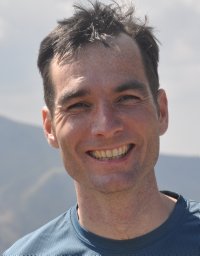 Alastair Denniston合作论文数Institute of Applied Health Research, College of Medical and Dental Sciences, University of Birmingham;INSIGHT9
 Antonio Belli合作论文数Institute of Inflammation and Ageing, College of Medical and Dental Sciences, University of Birmingham9
 Xiao Liu合作论文数Institute of Inflammation and Ageing, University of Birmingham;Apple9
 David Menon合作论文数Division of Anaesthesia, Department of Medicine, Queens' College, University of Cambridge9
 Alex Richter合作论文数Institute of Immunology and Immunotherapy, College of Medical and Dental Sciences, University of Birmingham9
 Sian E Faustini合作论文数Institute for Immunology and Immunotherapy, University of Birmingham8
 Janet M Lord合作论文数Institute of Inflammation and Ageing, University of Birmingham8
 Mark Drayson合作论文数Department of Immunology and Immunotherapy, Medical School, University of Birmingham8
 Adrian Shields合作论文数Institute of Immunology and Immunotherapy, College of Medical and Dental Sciences, University of Birmingham8
 Nicholas Capewell合作论文数7Ahmed Gilani合作论文数7Fiona Howroyd合作论文数7
 Ella Courtie合作论文数NIHR Surgical Reconstruction and Microbiology Centre, University Hospitals Birmingham NHS Foundation Trust7
 Aditya Kale合作论文数7
 Nicholas Murphy合作论文数Res Ctr Future Landscapes, La Trobe Univ7Joanne Outtrim合作论文数Wolfson Brain Imaging Centre, University of Cambridge7
 David Cameron Wraith合作论文数Institute of Immunology and Immunotherapy, University of Birmingham7
 Adam Cunningham合作论文数Institute of Microbiology and Infection, College of Medical and Dental Sciences, University of Birmingham7Eleanor Carter合作论文数6
 Randeep Mullhi合作论文数6Rowan Burnstein合作论文数6Lupson Victoria合作论文数6Weblin Jonathan合作论文数6
 David Mcwilliams合作论文数Queen Elizabeth Hospital Birmingham, University Hospitals Birmingham NHS Foundation Trust6
 Virginia Newcombe合作论文数Division of Anaesthesia, University of Cambridge;National Institute for Health and Care Research;Royal College of Emergency Medicine6Nandan Gautam合作论文数5
 Laura Beard合作论文数5Sian E. Jossi合作论文数5Grossac Julia合作论文数5Hodson James合作论文数5Pérez-Toledo Marisol合作论文数5
 Max Crispin合作论文数School of Biological Sciences, University of Southampton;Institute for Life Sciences, University of Southampton;Oriel College, University of Oxford5
 Peter J A Hutchinson合作论文数Department of Clinical Neurosciences, Robinson College, University of Cambridge5
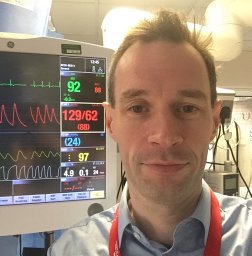 Ari Ercole合作论文数Division of Anaesthesia, Magdalene College;University of Cambridge5
 Fang Gao合作论文数Institute of Inflammation and Ageing, College of Medical and Dental Sciences, University of Birmingham5Margaret Goodall合作论文数5
 Gavin Perkins合作论文数Warwick Medical School, The University of Warwick5
 Matt J. Rowland合作论文数Nuffield Department of Clinical Neurosciences, University of Oxford5
 Ranjit Lall合作论文数Warwick Medical School, University of Warwick5A. Longworth合作论文数4Benjamin Hui合作论文数4
 Yasunori Watanabe合作论文数Univ Southampton, Sch Biol Sci, Southampton SO17 1BJ, Hants, England4
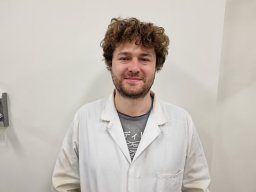 Joel D. Allen合作论文数<institution>School of Biological Sciences, University of Southampton</institution>, Southampton, SO17 1BJ, <country>United Kingdom</country>.4




