Despite increased efforts to improve student well-being, burnout remains a substantial problem in medical education, and little is known about whether burnout is associated with attrition among medical students across sociodemographic characteristics. To evaluate association between burnout and attrition from medical school across sociodemographic characteristics. Retrospective cross-sectional study. MD-granting US medical schools. Enrolled medical students who completed the Association of American Medical Colleges (AAMC) Year 2 Questionnaire from 2015–2021. Burnout, assessed using the Oldenburg Burnout Inventory for Medical Students and attrition from medical school. Among 62,838 MD Year 2 students in the study cohort, 1,014 (1.6
BACKGROUND:Despite prevalent gender discrimination in medical education, its influence on personal and professional development, foundational competencies in medical training per the Association of American Medical Colleges (AAMC), remains unclear. This retrospective cross-sectional study assesses how experiences of gender discrimination in medical school influence personal and professional identity formation (PPIF) among males and females. METHODS:Deidentified student-level data were procured from the AAMC data warehouse for 37,610 MD students who matriculated in 2014-2015 and took the Graduation Questionnaire (GQ) between 2016-2020. Gender discrimination frequency was categorized as 'Never', 'Isolated', and 'Recurrent' from GQ responses to questions about denial of opportunities, offensive remarks, and lower evaluations due to gender. Students self-reported their sex as male, female or declined to answer. PPIF was assessed using two separate GQ metrics assessing student agreement on a 5-point Likert scale that their medical school fostered and nurtured their development as a person and a future physician, respectively, and dichotomized. RESULTS:Female students experienced higher rates of isolated (12.6%) and recurrent (20.1%) gender discrimination than males (4.3% isolated, 6.2% recurrent). Females reported slightly lower personal (71.2%) but similar professional development (92.2%) rates compared to males (73.4% personal, 91.2% professional). Both sexes experiencing gender discrimination had lower likelihoods of PPIF than their counterparts without these experiences. If recurrent discrimination occurred, the aRR (95%CI) of professional development was 0.89 (0.87-0.90) for females and 0.78 (0.74-0.81) for males, while for personal development, it was 0.69 (0.67-0.71) for females and 0.61 (0.58-0.66) for males. Compared to females, males showed sharper declines in professional development as discrimination frequency increased from never to isolated (aRR = 0.93, 95% CI [0.92-0.94], p < 0.001) and isolated to recurrent (aRR = 0.95, 95% CI [0.93-0.97], p < 0.001). CONCLUSIONS:Gender discrimination negatively influences PPIF for both female and male medical students. Efforts to combat discrimination in medical training and promote holistic student development should be considered. Future work is needed to understand the influence of gender discrimination on the comprehensive development of gender-diverse medical students.
This cross-sectional study examines the intersection of marriage, dependent care, and burnout among US medical students.
This cross-sectional study examines the association between the Liaison Committee on Medical Education’s diversity standards and medical school attrition demographics.
Background:Despite prevalent gender discrimination in medical education, its influence on personal and professional development, foundational competencies in medical training per the Association of American Medical Colleges (AAMC), remains unclear. This retrospective cross-sectional study assesses how experiences of gender discrimination in medical school influence personal and professional identity formation (PPIF). Methods:Deidentified student-level data were procured from the AAMC data warehouse for 37,610 MD students who matriculated in 2014-2015 and took the Graduation Questionnaire (GQ) between 2016-2020. Gender discrimination frequency was categorized as 'Never', 'Isolated', and 'Recurrent' from GQ responses to questions about denial of opportunities, offensive remarks, and lower evaluations due to gender. Gender was binarized, due to dataset limitations. PPIF was assessed using two GQ metrics, personal and professional development, and dichotomized. Results:Female students experienced higher rates of isolated (12.6%) and recurrent (20.1%) gender discrimination than males (4.3% isolated, 6.2% recurrent). Females reported slightly lower personal (71.2%) but similar professional development (92.2%) rates compared to males (73.4% personal, 91.2% professional). Both genders experiencing gender discrimination had lower likelihoods of PPIF than their counterparts without these experiences. If recurrent discrimination occurred, the aRR (95%CI) of professional development was 0.89 (0.87-0.90) for females and 0.78 (0.74-0.81) for males, while for personal development, it was 0.69 (0.67-0.71) for females and 0.61 (0.58-0.66) for males. Compared to females, males showed sharper declines in professional development as discrimination frequency increased from never to isolated (exp(b)=0.93, 95% CI [0.92-0.94], p<0.001) and isolated to recurrent (exp(b)=0.95, 95% CI [0.93-0.97], p<0.001). Conclusions:Gender discrimination negatively influences PPIF for both female and male medical students. Efforts to combat discrimination in medical training and promote holistic student development should be considered. Future work is needed to understand the influence of gender discrimination on the comprehensive development of gender-diverse medical students.
BACKGROUND:Recruitment of a more diverse obstetrics and gynecology workforce may help improve patient outcomes in the US, particularly among women of color. Visiting rotations play a role in competing for a position in an obstetrics and gynecology residency, however, not all students may be able to complete these expensive experiences. Our objective was to evaluate socioeconomic and other demographic differences among US obstetrics and gynecology-bound students who participate in visiting rotations versus those who do not. METHODS:We obtained de-identified data from the Association of American Medical Colleges for students graduating in US allopathic medical schools 2019 or 2020. We analyzed self-reported receipt of state and/or federal assistance to obtain postsecondary education, medical education debt, sex, and race and ethnicity data using chi-square and ANOVA analyses and logistic regression. RESULTS:Of 33,287 US graduating medical students, 1978 (5.9%) indicated "Obstetrics and Gynecology" as their intended practice and included socio-demographic data; 1110 (56.1%) of these completed at least one visiting rotation. In multivariable analysis controlling for medical education debt, race and ethnicity, and sex, students with moderate debt were less likely to complete any visiting rotation (aOR 0.68, 95% CI: 0.52, 0.89) and students with any debt were less likely to complete two or more visiting rotations than those without debt. However, Black students were significantly more likely to complete two or more rotations than white students when adjusted for debt and sex (aOR 1.48, 95% CI: 1.02, 2.11). CONCLUSIONS:Among US obstetrics and gynecology-bound medical students, moderate medical education debt was associated with lower odds of completing visiting rotations when adjusted for race and ethnicity and sex. Black students were more likely to complete two or more visiting rotations compared to their white counterparts when adjusted for levels of debt, perhaps to improve the likelihood of a successful match that is lower than that of their white colleagues despite the risk of worsening their debt. Providing more financial support or deemphasizing the visiting rotation as part of the application could help recruit a workforce that better reflects the diversity of the general population.
PURPOSE:Postgraduate medical training in the United States requires formative assessments of learners using the Accreditation Council for Graduate Medical Education (ACGME) milestones system. With Milestones 2.0, Harmonized Milestones (HMs) for 4 competency domains (professionalism, communication and interpersonal skills, systems-based practice, and practice-based learning and improvement) across specialties were developed. Performance of postgraduate trainees across specialties and at the transition to residency can be explored with the HMs. This study examined the factors that contribute to the variability in the assessments of postgraduate year 1 (PGY-1) learners as measured using Milestones 2.0. METHOD:This retrospective study assessed national ACGME HM data from PGY-1 residents at U.S. medical schools in July 2021 and 2022 from the 6 largest specialties: emergency medicine, family medicine, internal medicine, general surgery, psychiatry, and pediatrics. Variance component analyses were conducted using cross-classified random-effects models, accounting for clustering; estimated variance components were used to generate inference on contribution of learner variability due to residency program, medical school, and specialty and make inferences on HM rating practices, including straight-lining. RESULTS:The sample included 57,132 PGY-1 residents (2,430 programs). Specialty accounted for the largest variance (22%) across HM competency domains. Within specialty, variance components for trainees, residency programs, and medical schools accounted for 22%, 35%, and 2% of total variance, respectively. Straight-lining was found at 6 months for 6,827 of 56,804 PGY-1 residents (12%), with the greatest amount in surgery (2,105 of 5,559 [38%]). CONCLUSIONS:This study found variability in HM performance across 6 specialties due to medical schools, specialty, residency programs, and trainees with limited variability attributed to medical school and learner. Substantial differences across specialties call for the need for clinical educators, researchers, and accreditors to create a shared mental model to bolster the evaluative strength of milestones and prepare residents for the needs of health care.
Importance: Increasing underrepresented in medicine (URIM) physicians among historically underserved communities helps reduce health disparities. The concordance of URIM physicians with their communities improves access to care, particularly for American Indian and Alaska Native, Black, and Hispanic or Latinx individuals. Objectives: To explore county-level racial and ethnic representation of US internal medicine (IM) residents, examine racial and ethnic concordance between residents and their communities, and assess whether representation varies by presence of academic institutions or underserved settings. Design, setting, and participants: This retrospective cross-sectional study collected data from the Association of American Medical Colleges, Accreditation Council for Graduate Medical Education (ACGME), Area Health Resources Files, and US Department of Education data on ACGME-accredited US IM residency programs and their associated county populations. Self-reported racial and ethnic data from 2018 for 4848 residents in 393 IM programs in 205 counties were used. Data were analyzed between February 15 and September 20, 2024. Exposure: County-level presence for academic health centers (AHCs), minority-serving institutions (MSIs), health professional shortage areas (HPSAs), and rurality. Main outcomes and measures: Main outcomes were representation quotients (RQs) or the ratio of the proportion of IM residents and their concordant county-level racial and ethnic populations. Quantile linear regression models on median representation were used to identify the association with URIM, Asian, and White residents by US Census division and county-level AHCs, MSIs, HPSAs, and rurality. Results: Among 4848 residents, 4 (0.08%) self-identified as American Indian or Alaskan Native, 1709 (35.3%) as Asian, 289 (6.0%) as Black, 211 (4.4%) as Hispanic or Latinx, 2 (0.04%) as Native Hawaiian or Other Pacific Islander, and 2633 (54.3%) as White. A total of 761 (15.7%) were classified as URIM. Among URIM groups, American Indian and Alaska Native (mean [SE] RQ, 0.00 [0.04]), Black (mean [SE] RQ, 0.09 [0.20]), Hispanic and Latinx (mean [SE] RQ, 0.00 [0.04]), and Native Hawaiian and other Pacific Islander (mean [SE] RQ, 0.00 [0.26]) residents were grossly underrepresented compared with their training sites' county-level representation. Fifty-one of 205 counties (24.8%) with IM programs had no URIM residents. Black and Hispanic or Latinx residents had higher representation in counties with more MSIs (mean [SD] RQ, 0.19 [0.24]; P = .04; mean [SD] RQ, 0.15 [0.04]; P < .001, respectively), and Hispanic or Latinx residents were less represented in counties with more AHCs (mean [SD] RQ, 0.00 [0.06]; P < .001). Asian residents had lower RQs in counties with more MSIs (mean [SD] RQ, 6.00 [0.65]; P < .001), and White residents had higher representation in counties with greater presence of AHCs (mean [SD] RQ, 0.77 [0.04]; P = .007). Conclusions and relevance: In this cross-sectional study, URIM IM residents remained underrepresented compared with their program's county populations. These findings should inform racial and ethnic diversity policies to address the continuing underrepresentation among graduate medical education physicians, which adversely impacts the care of historically underserved communities.
Accelerated 3-year MD (3YMD) programs have experienced rapid growth in the United States since 2010. In 2015, 8 institutions with 3YMD programs formed the Consortium of Accelerated Medical Pathway Programs (CAMPP). As of 2024, CAMPP has 32 member schools with 3YMD programs, and there have been nearly 1,000 graduates from 3YMD programs who have entered residency, many through directed pathways at the same institution where they attended medical school. Compared with traditional 4-year graduates, 3YMD graduates are equally prepared, have less educational debt, and are frequently filling physician workforce shortage and working in underserved communities. This commentary provides an update on the current state of 32 3YMD programs in the United States, highlighting the key features, innovations, growth, outcomes, and lessons learned in the development and implementation of these programs at CAMPP member institutions.
PURPOSE:Medical students with disabilities (MSWD) from racial and ethnic populations that are underrepresented in medicine (URiM) may experience disparate educational paths compared to their peers, including disruption during training. This study examined whether MSWD who are also URiM experienced disproportionate rates of unintended leaves of absence (LOA) or extended time to graduation (TTG) compared to those who are only URiM, only MSWD, or neither. METHOD:The authors analyzed data from 372 MSWD and 689 matched nondisabled controls across 9 U.S. MD-granting programs. Students were matched by gender, graduation cohort, and Medical College Admission Test scores. MSWD were categorized into cognitive, physical/sensory, and chronic health disabilities, while race/ethnicity was classified as underrepresented in medicine (e.g., American Indian/Alaska Native, Black/African American, Hispanic/Latino, or Native Hawaiian/Pacific Islander), Asian, or White. Likelihood of LOA and extended TTG outcomes were assessed using mixed-effect logistic regression models. RESULTS:MSWD were 2.6 times more likely to take an LOA (25.0% vs 12.6%, P < .001) and 2.6 times more likely to have extended TTG than nondisabled peers (38.6% vs 21.9%, P < .001). URiM students were 1.7 times more likely to take an LOA (22.9% vs 15.3%, P = .01) and 2.1 times more likely to experience extended TTG than White students (36.2% vs 22.5%, P < .001). Adjusted analysis showed URiM MSWD were 5.9 times more likely to take an LOA (40.6% vs 13.4%, P < .001) and 4.9 times more likely to experience extended TTG than nondisabled White peers (56.4% vs 28.7%, P < .001). CONCLUSIONS:URiM MSWD faced disproportionately heightened risks for academic disruptions in the form of LOA and extended TTG, underscoring the need for interventions that are more supportive of students with overlapping identities.
This cross-sectional study describes experiences of discrimination among US medical students with disabilities as reported in a 2024 survey.
This cross-sectional study evaluates US medical school faculty diversity before and after introduction of the Liaison Committee on Medical Education’s diversity standards.
 Mytien Nguyen合作论文数Yale School of Medicine, New Haven, CT.23Mark C. Henderson合作论文数21
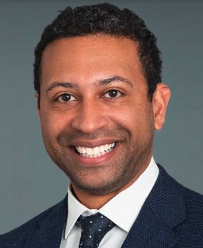 Dowin H. Boatright合作论文数Department of Emergency Medicine, Grossman School of Medicine, New York University20
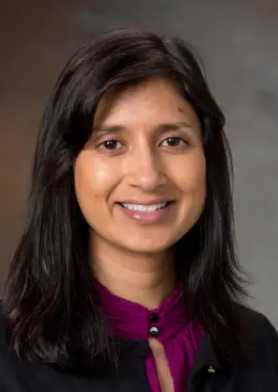 Sarwat Chaudhry合作论文数General Internal Medicine, Internal Medicine, Yale School of Medicine, Yale University13
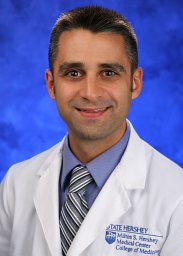 Gonzalo Jed D合作论文数Penn State Coll Med9Starr Stephanie R合作论文数8William Mcdade合作论文数8Anthony Jerant合作论文数8Maya London合作论文数School of Medicine, University of California, Davis7
 Mayur M. Desai合作论文数Chronic Disease Epidemiology, Yale School of Public Health, Yale School of Medicine, Yale University7Hunderfund Andrea Leep合作论文数7
 Debora Paterniti合作论文数7Marjorie Westervelt合作论文数6
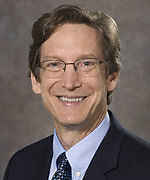 Richard L. Kravitz合作论文数Division of General Medicine, University of California, Davis;Division of Internal Medicine, University of California, Davis;Comprehensive cancer Center, University of California, Davis6
 Paul George合作论文数6
 Erin Griffin合作论文数6
 Sally A Santen合作论文数Department of Higher Education Leadership, Vanderbilt Peabody College6
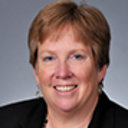 Elizabeth Baxley合作论文数5Bonnie M Miller合作论文数5Eric Holmboe合作论文数General Internal Medicine, Internal Medicine, Yale School of Medicine, Yale University5
 Jay Mandrekar合作论文数Mayo Clinic5
 Liselotte Dyrbye合作论文数Division of Community Internal Medicine, Department of Medicine, Mayo Clinic5Darcy A. Reed合作论文数5Hyacinth R. C. Mason合作论文数4Susan E. Skochelak合作论文数4
 Lisa M. Meeks合作论文数Department of Family Medicine, University of Michigan Medical School;Meeks and Company Consulting4
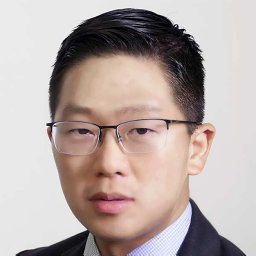 Yoon Soo Park合作论文数4Talamantes Efrain合作论文数4Joan Cangiarella合作论文数4Paul R. Duberstein合作论文数4Luan Lawson合作论文数4Sean O. Hogan合作论文数3Sara J. Grethlein合作论文数3Alicia Gonzalez-Flores合作论文数3Bradley L Allen合作论文数3
 Betsy Jones合作论文数3
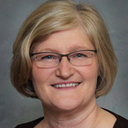 Lisa Dodson合作论文数3Christopher Moreland合作论文数3Janice Ka Yan Cheng合作论文数3
 Helen Kang Morgan合作论文数Department of Learning Health Sciences, Medical School, University of Michigan3
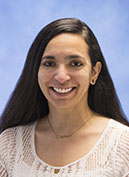 Seetha Monrad合作论文数Department of Learning Health Sciences, Medical School, University of Michigan3
 Mayur Desai合作论文数South Asian Studies Council, Yale Macmillan Center, Yale University3Alexandra Hajduk合作论文数Geriatric Medicine, Internal Medicine, Yale School of Medicine, Yale University3
 Burk-Rafel Jesse合作论文数UCL Institute of Neurology, University of Michigan Medical School3Leong Shou Ling合作论文数3Ko Michelle合作论文数3
 Michael Dekhtyar合作论文数3Sousa Francis合作论文数3
 Stanley Sue合作论文数Center on Excellence in Diversity, Palo Alto University;University of California, Davis3




