Introducing diverse undergraduates to research during their undergraduate programs is an important for the educational enterprise supporting the STEM fields. The primary goal here is to provide the participants a taste of research with the auxiliary goal of some carryover to their skill set. A key feature of modeling and computational representations and methods is that they cut across engineering disciplines and collectively offer a targeted introduction into the various application domains. This multidisciplinary characteristic offers students the opportunity to explore a wider set of problems than would be afforded by an experimental lab-based REU experience. Typically, REUs are run by research centers or large research operations under a few faculty researchers. However, there are a large number of faculty members in most institutions who have a modest level of research, unique abilities to introduce undergraduates to research, but for whom proposing and running an NSF REU site would involve a tremendous administrative workload. This REU site had researchers who are primarily senior and junior faculty with individual or small group research efforts, that can provide unique experiences for undergraduates. Third, due to the nature of computational research, the introduction and training of the participants in modeling tools can be addressed in common group sessions; however, research projects will be conducted with individual mentors. The goals of the REU site, EMCoR@NCAT at North Carolina A&T State University (NCAT), was to provide summer research opportunities in the area of engineering modeling and computational research for qualified science, mathematics, and engineering undergraduates. EMCoR@NCAT participants worked under the mentorships of experienced researchers at NCAT and used established research laboratories in the College of Engineering. These goals were accomplished by: 1. Assembling a core faculty research group in engineering modeling and computational research. 2. Establishing a REU program that prepares participants for the target research areas, research training, and professional development in a positive and rewarding scholarly climate. 3. Providing mentorship and guidance for research and professional preparation for graduate level studies. In addition to the above programmatic objectives, by the end of the research experience, the goal was to prepare the participants in the REU will be able to: (a) demonstrate an understanding of the tools available for modeling and computational research; (b) state and communicate a research problem and research goals in a domain, with the guidance of a research mentor; (c) plan and complete a research task with the guidance of a research mentor; (d) demonstrate intellectual independence and creativity; and (e) communicate the research problem, goals, plan, work, and results to diverse audiences. Recruitment efforts targeted rising juniors and seniors who have strong mathematics and physics backgrounds. Some exposure to engineering coursework was desirable, but not required. Aptitude towards computational work evidenced by applicants' transcripts was considered. A special focus was to recruit students enrolled in institutions, from the region that included North Carolina and the neighboring states, that may not have the resources to offer research experiences in these fields. Following the orientations, the program will begin with 7.5 days of intensive instruction in computational modeling. The course involves fifteen half-day sessions, and will be taught in a computer lab. The following topics will be addressed: Engineering Modeling Methods, MATLAB Computing Software, and Computational Engineering Methods. At the end of each of the week, a research mentor will present on their current research, and provide an opportunity for discussion. The final 2.5 days of the training session involved four components of computational thinking and tools of the trade. The computational thinking session includes constructing approximate finite precision solutions for mathematical equations governing the description of the real world, the mathematics of finite precision arithmetic for computational modeling, using the Linux operating system, research computing environments from the desktop to large scale computing and clusters, and scientific visualization. After the participants complete the introductory course, they transition to the research intensive portion of the REU. Each participant will meet with their mentor to finalize their respective research project plans. Plans will be presented to the faculty mentor and research group in a seminar format on the first Friday of the second week. The participant will then spend the majority of the next seven weeks completing research activities with the faculty mentor. While the sequence of research activities and the meeting schedules will vary within each research group, there will be some meetings with mentors each week, one weekly research group meeting, and have daily office hours for research assistants. All mentors will emphasize positive interdependence within their research group, face-to-face interactions, individual accountability, skills for functioning in groups, professional skills as it relates to research, and collective discussion of the research of all students in the group. Course instructors will also be available to assist via email or by appointment. An example research project entitled "Data-driven low-order modeling of propulsion systems in supersonic vehicles" was mentored by a faculty member in Mechanical Engineering. The MS and PhD students of the faculty member, working in a similar area, also serve as research mentors. After getting exposure to the application area, the participant id provided a topic statement such as: "conduct modeling with data sets already collected from the wind tunnel experiments where pressure is input and corresponding shock position is output. Develop first and second-order models, which are reasonably accurate but low order in order to be used in designing controllers." For this project the research activities are as follows: "For the first research week, participants will begin with a thorough literature survey on data-based modeling and autonomous control using internet searching tools (e.g., Google Scholar) and visiting the library on campus with mentors. During the following week, students will be trained by the mentors on how to use MATLAB/Simulink focused on system identification and design of control. For the next two weeks, the students will be given data sets and modeling requirements. Using analytical and numerical methods participants will create differential equations that represent the dynamics and alidate the models using the skills learned in the previous stage. During the last 3.5 weeks, participants will design controllers and simulate it using MATLAB/Simulink based on the models they derived and control criteria." At the of 10 weeks, the participants prepare a technical report on the experiences they have acquired. The report will clearly state the specific objectives of the research study and provide a global picture of the original research problem, will include a literature survey on the topic, research completed, and results. The evaluation plan included a hypothesis of increased modeling self-efficacy from pre-test to post-test. Three focus groups were conducted during the summer for just-in-time (JIT) continuous improvement. This paper presents the results from a three-year experience with leading a National Science Foundation-sponsored (grant number ACI-1560385) Research Experience for Undergraduates (REU) site: the recruitment, the diversity of each cohort, the projects, the activities, and the assessment results.
With incarcerations on a steady increase, the United States is positioned to be the country with the highest incarceration rates in the world. A large majority of those incarcerated will be released back into the community, and represent a significant portion of the working-age population. Every year, incarcerated individuals are released with the expectation of reintegrating back into society, but are often met with opposition when looking for employment due to a lack of skills and the stigma of a criminal history. Lack of employment is one of the primary causes of recidivism. With rapid advancements and the pervasiveness of technology in our daily lives, offering Information Technology (IT) training to previously incarcerated individuals is a logical strategy to increase access to more stable opportunities and meet the growing demand for more IT professionals. Access to IT training would help increase skill sets, knowledge, and competencies of previously incarcerated workers in preparation for re-entering the workforce. This research applies Social Exchange Theory to examine approaches to managing technology to increase the domestic skilled IT workforce in more effective ways; while also increasing diversity and access to opportunities for those who were incarcerated.
BACKGROUND AND OBJECTIVES:Caregiver burden associated with dementia-related agitation is one of the commonest reasons a community-dwelling person with dementia (PWD) transitions to a care facility. Behavioral and Environmental Sensing and Intervention for Dementia Caregiver Empowerment (BESI) is a system of body-worn and in-home sensors developed to provide continuous, noninvasive agitation assessment and environmental context monitoring to detect early signs of agitation and its environmental triggers. RESEARCH DESIGN AND METHODS:This mixed methods, remote ethnographic study is explored in a 3-phase, multiyear plan. In Phase 1, we developed and refined the BESI system and completed usability studies. Validation of the system and the development of dyad-specific models of the relationship between agitation and the environment occurred in Phase 2. RESULTS:Phases 1 and 2 results facilitated targeted changes in BESI, thus improving its overall usability for the final phase of the study, when real-time notifications and interventions will be implemented. CONCLUSION:Our results show a valid relationship between the presence of dementia related agitation and environmental factors and that persons with dementia and their caregivers prefer a home-based monitoring system like BESI.
Much research has sought to understand student success and capture this knowledge in terms of underlying theory. Prior work has provided an accounting of the factors that explain why students decide to leave and, to some extent, why students persist on to graduation. In spite of research, there continues to be a gap between theory and practice. Many times, theoretical findings have not translated well into programs and actions that have significantly improved student success outcomes. This research shifts the focus from trying to understand why students leave or stay in college to understanding the needs of students as the basis for improving student success outcomes. A statistically verified model of engineering student success needs is developed. Emphasis in this model is placed on post-entry variables that provide insight into those factors and educational processes that institutional leaders can directly impact. An eight step questionnaire development and validation process is presented for a new instrument—the Engineering Student Needs Questionnaire (ESNQ)—to measure the model variables. Since institutions vary considerably in their size, culture, and student demographics, the model provides insight into the dimensions that institutional decision-makers can target to meet the unique needs of their engineering students. A case example is presented to apply the ESNQ.
Agitation episodes influence the quality of life of both the person with dementia (PWD) and caregivers. Caregiving is challenging, with high workloads and barriers such as fatigue, lack of sleep, and unpredictable episodes of agitation among PWD. Advanced technologies such as cyber-human systems are increasingly considered as means to alleviate some of the stress experienced by caregivers of PWD.
Behavioral and Environmental Sensing and Intervention for Dementia Caregiver Empowerment (BESI) is a system of body-worn and in-home sensors developed to provide continuous, non-invasive agitation assessment and environmental context monitoring to detect early signals of agitation and environmental triggers. The goal to detect early stages of agitation in persons with dementia (PWD) opens up new and promising technological development of cyber-human systems to enable early caregiver intervention. Caregivers shoulder most of the burden of dementia caregiving, and the BESI project seeks to reduce burden and improve caregiver self-efficacy. This mixed methods, remote ethnographic study is explored in a 3-phase, multi-year plan. In Phase 1 we developed the BESI system, completed usability studies in Alzheimer's Disease support groups using the Systems Usability Scale (SUS), and refined the system. Dyads (caregivers + PWD) who live at home are studied for 30 days in Phase 2 with continuous data collection during the deployment period. A tablet application for caregivers is used to log PWD activities, agitation events, and input markers of caregiver self-efficacy. Using wearable wrist technology (e.g. Pebble®), agitation severity level, physical, behavioral, and social activities of the PWD are captured. Post-deployment surveys of all ten dyads provided data on the system usability from questions posed with Likert-type scaling response ratings between 1 and 6 plus qualitative feedback. Between phases 1 & 2, the tablet application was updated to enhance interface usability for caregivers. Scores for the ten questions (rated 1-6) on ease of use of the tablet were in the very easy range (5.11 - 5.90). Agreement on use of the table device yielded SUS scores (rated 1-5) with range of 2.67 - 4.56. Preliminary analysis of the subjective feedback indicates overall positive impressions in working with the technologies. Phase 2 results facilitated targeted changes in BESI, improving overall usability for the final phase of the study. Caregivers consistently demonstrated willingness to help – including working with technologies previously unfamiliar. These subject-oriented design decisions influenced the team in understanding caregiver and PWD dyad interactions with technologies. The full qualitative report will be available in June 2019.
Dementia caregiver burden associated with patient agitation is one of the most common reasons for the institutionalization of a person with dementia. We developed an integrative sensing, analytics, modeling, and intervention system that detects early signs of agitation and notifies the caregiver to intervene before escalation.
The HFES Diversity Committee is entering its third year following many years existing as a task force. We have built a series of annual meeting content over the past years, with panels introducing the task force and then the committee; last year, we shifted focus to highlight examples of HFE research advancing diversity, inclusion and social justice. We continue to build off of previous years’ sessions – last year concluded with several questions seeking practical, concrete advice and suggestions to advance DISJ through HFE research and within the society. Therefore, this year we present an alternative format session that will function as a group of mini-workshops: two focused on research, one on broadening participation in HFE and one of inclusive excellence within HFE training and education. Session participants will develop “how to” knowledge and leave with a network of likeminded peers, colleagues and potential collaborators.
Assessing BESI mobile application usability for caregivers of persons with dementia IntroductIonAlzheimer's dementia (AD) and other forms of dementia are chronic, progressive neurodegenerative disorders, affecting an estimated 5.7 million Americans in 2018 1 .Many persons with dementia (PWD) are cared for by unpaid caregivers with an estimated 15.9 million caregivers providing ~18.4 billion hours of care in 2017 1 .Being a caregiver for a PWD can be both emotionally and physically taxing.Studies have shown that having a partner with dementia corresponds to decreased mental health and reduced life satis-
The National Institute of Standards and Technology (NIST) has developed a Framework for Cyber-Physical Systems (CPS Framework) that supports system engineering analysis, design, development, operation, validation and assurance of CPS. Cyber-physical systems (CPS) comprise interacting digital, analog, physical, and human components engineered for function through integrated physics and logic. For instance, a city implementing an advanced traffic management system including real-time predictive analytics and adaptation/optimization must consider all aspects of such a CPS system of systems’ functioning and integrations with other systems, including interactions with humans. One Aspect (or grouping of stakeholder concerns) of the CPS Framework is the Human Aspect. NIST is engaging HFES in a panel discussion to elaborate Human Aspect concerns, such as constructs, measures, methods, and tools.
Newspapers, broadcast agencies, and social media outlets frequently feature stories about higher education administrators who are terminated, forced to resign, or otherwise removed from their posts. While the events are based in reality, many across the nation, especially the public, faculty and students, might develop a very negative view of what it means to be a leader in higher education administration. Yet, higher education administration could be one of the most rewarding and growth-contributing careers for many. This panel consists of faculty from various universities who made the selfless choice to serve in challenging administrative roles. They will share their experiences; good, bad, and in-between. Discussions will include lessons learned and how to prepare for these positions, with applications to those with academic experience and those who may come from government or industry occupations that afford a degree skills and knowledge transfer to academia. Information will be provided about work-life balance as well.
Editorial Board: Michael J. Agnew, Virginia Tech, USA Navid Arjmand, Sharif University of Technology, Iran Ellen J. Bass, Drexel University, USA Amy Bisantz, University at Buffalo, USA Ole Broberg, Technical University of Denmark (DTU), Denmark Jack Callaghan, University of Waterloo, Canada Raki e Cham, University of Pittsburgh, USA Julie Cot e, McGill University, Canada Patrick G. Dempsey, NIOSH, USA Jack Dennerlein, Northeastern University, USA Donald L. Fisher, University of Massachusetts, Amherst, USA Matthias Goebel, Rhodes University, South Africa Richard J. Holden, Indiana University–Purdue University, USA Peter Johnson, University of Washington, USA David B. Kaber, North Carolina State University, USA Peter Keir, McMaster University, Canada Steve Lavender, The Ohio State University, USA John D. Lee, University of Wisconsin-Madison, USA Gary A. Mirka, Iowa State University, USA Ashish D. Nimbarte, West Virginia University, USA Victor L. Paquet, University at Buffalo, USA Jim Potvin, McMaster University, Canada Amy R. Pritchett, Georgia Institute of Technology, USA Matthew P. Reed, The University of Michigan, USA David M. Rempel, University of California, USA Michelle M. Robertson, Liberty Mutual Research Institute for Safety, USA Gwanseob Shin, UNIST, Republic of Korea Tonya L. Smith-Jackson, North Carolina A&T State University, USA Erwin Spekl e, Arbo Unie, The Netherlands Jaap H. van Die€ en, VU Amsterdam, The Netherlands Patrick Waterson, Loughborough University, UK Richard P. Wells, University of Waterloo, Canada
Falls from roofs in residential construction can cause catastrophic injuries with severe consequences. Ensuring that personal fall-arrest system anchors are attached securely to the building with a clearly defined load path is important. In this article, the authors measured the load capacity of a series of five metal plate-connected wood trusses in a roof system using various top chord bracing elements and different fall-arrest anchors. The different types of top chord bracing included wood bracing installed between the joists, wood bracing installed on top of the joists, and a proprietary engineered steel brace. The fall-arrest anchors tested included a stanchion type anchor, a cross-arm strap, and a spreader bar attached to three trusses. Load and displacement of the truss assemblies were monitored continually throughout testing. The in-between bracing performed well because of the compression of the trusses, which created a pinching force on the brace that prevented fastener withdrawal. The three-truss anchor performed well by maintaining the strength of the wood system. The addition of sway bracing and additional top chord bracing located near the cross-arm strap created an anchor strong enough to meet Occupational Safety and Health Administration (OSHA) regulations. Sway bracing is recommended as an effective way to tie the truss structure together because it creates a greater distribution of load through the truss members. Proper bracing of the structure is essential for providing adequate support to fall-arrest anchors. (C) 2017 American Society of Civil Engineers.
In the construction industry, recent literature has promoted a design for safety approach that discusses the benefits of considering safety from the very start of the project lifecycle. With this approach, non construction personnel, such as owners and designers, need to work alongside constructors and subcontractors to consider safety during design and procurement stages of a project. This is a difficult process, particularly with the degree of fragmentation in the industry. Safety climate survey instruments have been developed to identify these sources of fragmentation among stakeholder groups, but most of these tools are directed toward on-site construction personnel. This paper describes the development of an inter-organizational safety climate instrument for measuring attitudes toward safety of construction industry stakeholders including owners, designers, construction managers, and subcontractors. Overall, the measurement model demonstrated a good fit with the data based on a confirmatory factor analysis. Therefore, the survey instrument provides a useful tool for researchers and practitioners to identify the sources of fragmentation in attitudes of construction project personnel toward worker safety that can affect occupational health and safety within the industry. (C) 2017 Published by Elsevier Ltd.
Changes in the Occupational Safety and Health Administration (OSHA) fall-protection guidelines for residential construction since late 2011 have required the use of fall-protection and fall-arrest systems for workers past a certain height. Evaluation of fall-arrest anchor capacity depends on placement within a structure and includes strength of connections, truss/rafter elements, and bracing. The purpose of this study was to explore the use of a displacement-rate test for evaluating the strength and stability of fall-arrest anchors connected to truss assemblies as a supplement to currently used drop-test methods. A two-truss assembly with bracing was used for comparison. A range of displacement rates from 254 mm/min (10 in./min) to 381 mm/min (15 in./min) was recommended for evaluating the capacity of truss assemblies. A comparison of truss-assembly failures found similar results for the displacement-rate test and the drop test. The addition of the displacement-rate test can provide valuable information about truss performance, including an estimation of maximum load on structures, the ability to identify individual truss/bracing element failures, and the measurement of individual member deflection. (C) 2016 American Society of Civil Engineers.
Advances in sensing, wireless communication, and data analytics have enabled various monitoring systems for smart health applications. However, many challenges remain to deploy such systems in actual homes, such as achieving robustness, unobtrusiveness, fault tolerance, privacy, and minimal user burden. This paper presents how these challenges were overcome in the realization and successful prototype deployment of the Behavioral and Environmental Sensing and Intervention (BESI) system. BESI is designed to sense behavioral activities using wearables and monitor environmental parameters with in-home sensors. With such data, behavioral patterns can then be modeled to determine associations with environmental attributes and, when appropriate, real-time notifications or interventions can be made based on these models. Challenges in building platforms with residential deployment constraints are discussed. BESI is currently deployed for an in-home study on dementia, and the results are presented to illustrate data collection procedures and system performance.
Agitation in dementia poses a major health risk for both the patients and their caregivers and induces a huge caregiving burden. Early detection of agitation can facilitate timely intervention and prevent escalation of critical episodes. Sensing behavioral patterns for detecting health critical events is a challenging task. Wearable sensors are often employed for sensing physiological signals, but extracting possible biomarkers for confident detection of early agitation is still an open research. In this paper, we employ an ongoing iterative study to explore the motion biomarkers related to agitation in community-dwelling persons with dementia (PWD). This study uses accelerometers in smart watches to capture PWD behavioral patterns unobtrusively. Analysis of the feature space is performed using data from multiple subjects to discriminate among epochs of onset, preset, and offset of agitation while considering inter-person variability in real deployments. This paper shows the prospect of feature space analysis of the motion data for developing early agitation detection models to deploy in the wild.
STEM learners are expected to be competent in both technical and interpersonal proficiencies. The writing proficiency was defined to ensure the students are prepared for continuing graduate education and/ or a career in the private or public sector. Despite the current writing research, there is a lack of effective solutions to support writing development, specifically for collegiate STEM learners. Therefore, a three phase study was conducted to address concerns regarding writing in STEM fields but this article only discusses the implications of Phase II. Phase II involved the use of a User-Centered Design approach to increase the likelihood of adoption of a writing support tool. Methods included focus group and interviews and participants were professors and students. Qualitative Analysis was conducted and the NARA framework was used to extract user requirements for a Social Media inspired educational technology.
Did you know the Human Factors and Ergonomics Society has a Diversity Task Force (DTF)? Did you ever wonder what the Task Force is doing or what it is supposed to be doing? The HFES DTF has been active for many years in various roles in our professional Society. This panel is designed to help the membership understand the role of the DTF in advancing the strategic initiatives of the Society by providing examples of current work and demonstrating objectives of the DTF. Some areas to be discussed include education, outreach, military, and research. The Q&A will be an interactive session to generate new ideas and interests about the future of the DTF. Attendees will be asked to share inputs to address the evolving needs of diversity and inclusion in HFES.
 Brian M. Kleiner合作论文数Virginia Tech14
 Maury A. Nussbaum合作论文数Grado Department of Industrial and Systems Engineering, College of Engineering, Virginia Polytechnic Institute and State University11
 Hyung Nam Kim合作论文数Virginia Tech10
 Michael Wogalter合作论文数Department of Psychology, College of Humanities and Social Sciences, NC State University9
 Young Sam Ryu合作论文数9Bankole Azziza合作论文数8
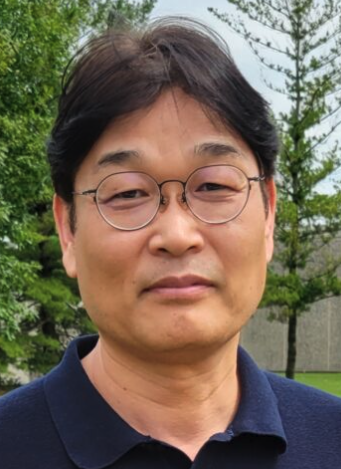 Chang Soo (CS) Nam合作论文数Department of Industrial and Systems Engineering, College of Engineering and Engineering Technology, Northern Illinois University8Woodrow W. Winchester合作论文数Virginia Tech, Grado Department of Industrial and Systems Engineering, Blacksburg, VA8
 Kari L Babski-Reeves合作论文数MSU, Mississippi State University6
 Daniel Hindman合作论文数Virginia Tech Department of Wood Science and Forest Products, T. Brooks Forest Products Center6Ridwan Alam合作论文数5
 Young Seok Lee合作论文数Department of Medical Social Sciences, Feinberg School of Medicine, Northwestern University5
 John Lach合作论文数Department of Electrical & Computer Engineering, School of Engineering and Applied Science, George Washington University;Center for Advanced Self-Powered Systems of Integrated Sensors and Technologies;Center for Wireless Health, University of Virginia5
 Andrew P Mccoy合作论文数Graduate Research Assistant;Environmental Engineering, IIHR-Hydroscience and Engineering;University of Iowa;Stanley Hydraulics Laboratory;Stanley Hydraulics Laboratory, University of Iowa5Robert C. Williges合作论文数available - click to provide one
No description available of Robert C. Williges5
Andrew P Mccoy合作论文数Graduate Research Assistant;Environmental Engineering, IIHR-Hydroscience and Engineering;University of Iowa;Stanley Hydraulics Laboratory;Stanley Hydraulics Laboratory, University of Iowa5Robert C. Williges合作论文数available - click to provide one
No description available of Robert C. Williges5 Francis Quek合作论文数Center for Human Computer Interaction;Computer Science;(VISLab);Vision Interfaces and Systems Laboratory5
 James D. Arthur合作论文数Computer Science5Kei Tomioka合作论文数5Temple Newbold合作论文数4
 Yasmine N. El-Glaly合作论文数State University4Gurjot Dhillon合作论文数4Kyunghui Oh合作论文数3Kee Soh合作论文数3
 Hilda Goins合作论文数3
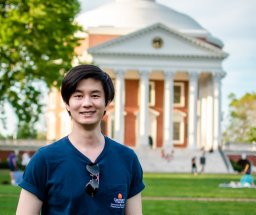 Nutta Homdee合作论文数Fac Med Technol, Mahidol Univ3
 Dong Zhao合作论文数Dept. of Building Constr., Virginia Polytech. Inst. & State Univ.;c;Dept. of Building Constr., Virginia Polytech. Inst. & State Univ.3
 Thomas H. Mills合作论文数3Hung Yu-Hsiu合作论文数3
 Carl Dietrich合作论文数Department of Electrical and Computer Engineering, Virginia Tech;Software Defined Radio Solutions, LLC3
 Charles W. Bostian合作论文数College of Engineering, Virginia Tech3
 Jiyoung Kwahk合作论文数3
 Martha Anderson合作论文数Hydrology and Remote Sensing Laboratory, Agricultural Research Service, U. S. Department of Agriculture3
 Gyu Hyun Kwon合作论文数Grad Sch Technol & Innovat Management, Hanyang Univ3Ira Jhangiani合作论文数3Sharnnia Artis合作论文数3H. Rex Hartson合作论文数3Cortney Martin合作论文数3Benjamin Ghaemmaghami合作论文数2Aubrey Knight合作论文数2
 Erik Olsen合作论文数2Bj Mills合作论文数2Lori M. Koch合作论文数2katherine e carroll合作论文数2Kimberly P. Ellis合作论文数2James Hayes合作论文数2Marta Belay合作论文数2rodney c middlebrooks合作论文数2Tamanna Hamid合作论文数2Nykesha Fyffe合作论文数2




