The origin of the International Symposia on Separation Sciences (ISSS) can be found in the national gas chromatography scientific meetings held in Zagreb, Croatia, from 1967 and later at Plitvice Lakes until 1988 [...]
This study presents the theoretical and practical aspects of the new technique, namely Mat Glass -Thin Layer Chromatography (MG-TLC) and application of invasion model. Our research is focused on the development and clarification of the phenomena that occur in thin layer separation technique: process flow, spreading on mat glass surface, impregnation of porous layers and the improvement of the quality of thin layer chromatographic separations by overlapping some mat glass plates, over the chromatographic plates. The experiments have confirmed the possibility that the movement of the invasive type displacement, which occurs on rough surface will influence favorably the chromatographic separation processes. Good results have been obtained in separation of the lipophilic dyes and the hydrophilic dyes by small adjustments, e.g., height of the free zone of porous layer h, or the roughness of glass plates. The results obtained demonstrate that this method can be successfully used in thin layer chromatography technique being easy to apply and inexpensive compared with other methods derived from chromatography.
Two accurate and efficient reversed-phase methods, one by high-performance thin-layer chromatography with ultraviolet‒visible detection (RP-HPTLC‒UV/VIS) and the other by high-performance liquid chromatography with diode array detection (RP-HPLC‒DAD), for the simultaneous determination of eight synthetic food dyes (Tartrazine, Ponceau 4R, Sunset yellow FCF, Allura red AC, Brilliant blue FCF, Carmoisine, Quinoline yellow, and Patent blue V) in drinks with simple pretreatment were developed and applied to analyze some alcoholic and soft drinks. Detection was performed in the visible range in both cases at wavelengths (nm) of maximum absorbance (420 yellow, 500 red, or 630 blue), depending on the color of each dye. Both developed methods were validated for selectivity, linearity, limit of detection (LOD), limit of quantification (LOQ), intra- and interday precision, and recovery, with good results. The RP-HPTLC‒UV/VIS method showed linearity (R2 > 0.998) in the 7–125 µg/mL calibration range, LOD of 0.27–0.92 µg/mL, LOQ of 0.82–1.49 µg/mL, intraday precision (
This paper purpose was to develop a sensitive and selective method for the determination of glyphosate, and aminomethylphosphonic acid (AMPA) residues in water and glyphosate from soil samples.The method involves a derivatization step with 9-fluorenylmethylchloroformate in borate buffer of these compounds and liquid chromatography separation with fluorescence detection (HPLC-FLD).Separation of derivatized glyphosate and AMPA compounds was performed on an Agilent ZORBAX C18 reversedphase column.The mobile phase consisted of a mixture of acetonitrile and 0.05 M KH2PO4 solution [30:70 v/v].Limits of detection (LOD) was 0.28 µg L -1 for glyphosate, and 0.35 µg L -1 for AMPA, and limits of quantification (LOQ) was 0.84 µg L -1 for glyphosate and 1.05 µg L -1 for AMPA.The method has been validated for surface water and soil by recovery studies with samples spiked at 25 and 5 µg L -1 .In water samples, the mean recoveries values ranged between 86.44 -103.9% for glyphosate, and 71.27 -99.08% for AMPA.The mean recoveries values for glyphosate ranged from 57 -81.5% in soil samples.The developed method has been applied for determination of these compounds in water and soil samples from agricultural and rural areas of Roma community from some Transylvania Counties.
Thin-layer chromatography (TLC) is a frequently used technique for the separation of polar and non-polar compounds, with a rich literature in this field. The aim of this paper is to show the TLC adsorbent quality of the Nevşehir volcanic tuff from Turkey that is compared with the Mirșid volcanic tuff from Romania. Our experimental investigations have shown that it is possible to achieve TLC plates coated with Nevşehir volcanic tuff, in natural occurrence, excepting grinding and sieving processes, which can be used for the separation of polar compounds, such as amino acids or food dyes. In the present article, modern techniques for characterizing the volcanic tuff powders, namely, X-ray diffraction, inductively coupled plasma—optical emission spectrometry, scanning electron microscopy, specific surface area and porosity measurements, and infrared spectroscopy, were used in addition to the chromatographic testing. TLC plates coated with Nevşehir tuff were prepared and tested at the separation of some amino acids, obtaining good results. Also, the impregnation of Nevşehir tuff with NaOH and NaCl, respectively, allowed the separation of some hydrophilic dyes. The obtained results have contributed to understand the chromatographic properties of the Nevşehir volcanic tuff. The TLC capability of the Nevşehir tuff can enlarge the pallete of inexpensive adsorbents with possible applications in the field of layer chromatographic separations.
A method for the identification of different classes of volatile organic compounds in the municipal landfill leachate using solid phase microextraction and comprehensive two dimensional gas chromatography coupled with mass spectrometry (SPME-GCxGC-qMS) is elaborated. The results showed that the proposed protocol is able to separate and identify in a single run different classes of volatile organic compounds responsible for the odor of leachate such as carbonyl compounds, aromatic compounds, terpenes, phenolic compounds and nitrogen and sulfur containing compounds. The use of solid phase microextraction not only eliminate the solvent from the samples processing step but also considerably reduces the time and the volume of the sample necessary for this step, being a viable green alternative for this type of analysis. The use of mass spectrometry gives the possibility to indentify many other compounds responsible for municipal landfill leachate odor, creating the premises for a better assessment of chemical composition of leachate. The developed protocol shows good performances in term of repeatability, linearity, limit of detection and limit of quantification being applicable for the real municipal landfill leachate analysis.
Antibiotics are natural or semi-synthetic compounds used for many decades in human, veterinary and plant medicine to prevent and/or to treat bacterial infections and also to promote productivity in animal farming. Traces of antibiotics are found in waste, surface and ground waters, the main source of water pollution being considered waste waters from the industrial production, hospitals, livestock farms, households and incompletely metabolized drugs. The uncontrolled input of antibiotics in surface waters can lead to some unexpected health effects and to an increased resistance to these drugs. The aim of this work consists in the monitoring of six antibiotics (Ampicillin, Amoxicillin, Penicillin G, Ceftazidime, Tetracycline and Doxycycline) in river waters and sediment samples from the Romanian Tisza River Watershed. Solid-phase extraction (SPE) on Oasis HLB Waters cartridges was used for the isolation of antibiotics from water matrices and ultrasound-assisted extraction (USAE) followed by SPE for the sediment samples. Then, the antibiotics were analysed by high-performance liquid chromatography coupled with diode array detector or mass spectrometer (HPLC-DAD/MS). The developed SPE/USAE-HPLC-DAD/MS procedures were applied to monitor these antibiotics in river waters during thirteen months and to analyse them in some sediment samples. The obtained results showed the presence of Tetracycline, Doxycycline and Ceftazidime in the investigated samples.
During the layer chromatographic process the sample is separated into fractions. Drawn by capillary forces, the developing solvent (mobile-phase) migrates through the thin layer (stationary phase) over a distance defined by the solvent front that is inversely related to the solvent flow velocity. Considering that the physical properties of the dielectric liquids are influenced by the electric fields and the capillary tubes can be used to simulate and to understand the solvent displacement through porous media, we obtained interesting results by applying transversal alternating electric fields over them. These electric fields, applied in equi- or counter-current arrangement, can influence the solvent front velocity and the solute migration distance, generating two phenomena, dielectroosmotic flow and dielectrophoresis, which applied to the classical thin-layer chromatography are the basis of the layer dielectrochromatography (LDEC). To investigate LDEC principles, a horizontal and a vertical LDEC chamber were conceived, handmade and used for tests with lipophilic and hydrophilic dyes. To obtain electric fields of different geometries, five armatures of different shapes were created and investigated. Porous media with a high dielectric constant with alumina and barium titanate were prepared and tested.
The aim of the paper is to obtain and characterize k-carrageenan-chitosan dual hydrogel multilayers shell BSA gel microcapsules, as a carrier for curcumin, and as a possible antitumoral agent in biological studies. We used the CaCO3 template to synthesize non-toxic CaCO3/BSA particles as microtemplates by coprecipitating a CaCl2 solution that contains dissolved BSA, with an equimolar Na2CO3 solution. The microcapsules shell is assembled through a layer-by-layer deposition technique of calcium cross-linked k-carrageenan hydrogel alternating with polyelectrolite complex hydrogel formed via electrostatic interactions between k-carrageenan and chitosan. After the removal of CaCO3 through Ca2+ complexation with EDTA, and by a slightly treatment with HCl diluted solution, the BSA core is turned into a BSA gel through a thermal treatment. The BSA gel microcapsules were then loaded with curcumin, through a diffusion process from curcumin ethanolic solution. All the synthesized particles and microcapsules were stucturally characterized by: Fourier Transform Infrared Spectroscopy, UV-Vis Spectrometry, X-ray diffraction, thermal analysis, fluorescence spectroscopy, fluorescence optical microscopy, confocal laser scanning microscopy and scanning electron microscopy. The behavior of curcumin loaded microcapsules in media of different pH (SGF, SIF and PBS) was studied in order to reveal the kinetics and the release profile of curcumin. The invitro evaluation of the antitumoral activity of encapsulated curcumin microcapsules on HeLa cell line and the primary culture of mesenchymal stem cells is the main reason of the microcapsules synthesis as BSA-based vehicle meant to enhance the biodisponibility of curcumin, whose anti-tumor, anti-oxidant and anti-inflammatory properties are well known.
The aim of this work is to assess the occurrence of Polycyclic aromatic hydrocarbons (PAHs) in the Tisza River and its main Romanian tributaries (Vişeu River and Iza River) and to establish the origin (pyrogenic/petrogenic) of pollution sources. Fifteen PAHs were investigated in surface water and sediment samples collected from three selected sampling point. The target compounds were isolated from the matrices by solid phase extraction for water samples and by ultrasound-assisted extraction for the sediment samples, respectively. The quantification of the target compounds was performed by HPLC coupled with a fluorescence detector. PAH diagnostic ratios, as the abundance ratio of 2–3 ring hydrocarbons to 4–6 ring hydrocarbons (LMW/HMW), ANT/(ANT + PHE), FLT/(FLT + PYR), B[a]A/(B[a]A + CHR), and IND/(IND+ B[g,h,i]P) were used as a tool for identification and assessment of the pollution emission sources. The results of the study showed that in the studied area, the total concentrations of PAHs detected in water samples ranged from 1.22 to 260.26 ng L−1, while those in sediment samples varied from 4.94 to 10.62 μg kg−1. Regarding the PAH pattern, mixed sources of pollution (pyrogenic and petrogenic) occur in both water and sediment samples. Thus, leaks of petroleum products and biomass, coal, and petroleum combustion are the main sources of pollution identified into the studied area.
In our previous papers, we defined layer (planar) dielectrochromatography and we presented its fundamentals (theoretical aspects) such as the displacement of dielectric liquids under nonuniform external alternating electric fields (dielectroosmotic flow [DEOF] effect), the displacement of solute particles or polarized granules (dielectrophoresis [DEP] effect) in electric fields generated by armatures, the theoretical evaluation of the electric intensity generated in the stratified dielectrics, etc. Ready-to-use plates of alumina, silica gel, and cellulose were used for experiments. The obtained results have encouraged us to create our own TLC plates based on alumina enriched with compounds of high dielectric constants like barium sulfate, barium titanate, and titanium dioxide. In this paper, we present the preparation of seven plates containing increasing amounts (1, 2, 3, 4, 6, 8, 10) g of barium titanate in 35 g alumina, the methodology used in their characterization, as well as the obtained results and the perspectives of using this ingredient.
Instrumental thin-layer chromatography (TLC) offers automation, reproducibility, and accurate quantification for a wide variety of applications. This chapter is focused on an overview of the instrumental TLC applied to the dye and ink analysis. Even though TLC is a destructive chromatographic technique, it is widely used to separate and identify compounds from different matrices due to its capability to generate qualitative information unavailable through the nondestructive spectroscopic techniques. Instrumental TLC occupies a very important place in the advances obtained in the separation, identification, and quantification of dyes from various matrices such as food, textiles, cosmetics, inks, and so on. The performances of different instrumental TLC methods are highlighted by the use of dyes as test compounds. Instrumental TLC is generally accepted as a scientific methodology used to compare and characterize dyes from different ink formulations having the highest discrimination power for the individual techniques.
A high performance liquid chromatography method with refractive index detection (HPLC-RI), for simultaneous determination of glucose, fructose, sucrose and sorbitol in leaf and/or apple peel samples from nine apple (Malus domestica Borkh.) cultivars and rootstocks, originating from a germplasm collection, has been developed and validated. Box-Behnken design of response surface methodology was applied for the method optimization. The Carbosep Coregel 87H3 column was used under the optimum conditions predicted: mobile phase of H2SO4 0.005 mol L(-1) solution, flow rate of 0.3 mL min(-1) and column temperature of 35°C. The method was validated for linearity (R(2)>0.99), limits of detection (2.67-4.83 μg mL(-1)) and quantification (8.9-16.1 μg mL(-1)), precision (%RSD<5.05) and recovery (93.94-103.06%) and satisfactory results obtained. The sugars content varied across micropropagated plants in vitro, plants regenerated after cryostorage, growing trees in vivo, and fruit peel.
Diclofenac, ibuprofen and ketoprofen are anti-inflammatory drugs intensively used both in human and animal treatment. Due to their high stability these compounds are partially removed by wastewater treatment plants and from this reason the development of some alternative treatments such as advanced oxidative processes are necessary. The main problems in the optimization of an advanced oxidative process rise from the difficulties which appear in the identification of degradation by-products necessary for the establishment of degradation pathway. In this paper a developed method for the simultaneous identification of Fenton degradation by-products of the three above mentioned pharmaceuticals is presented. The obtained results show the comprehensive two-dimensional gas chromatography coupled with mass spectrometry as a proper method for the analysis of the complex mixture of compounds resulted from the Fenton degradation process. Moreover, some compounds never mentioned in the scientific literature were identified.
A method for the simultaneous extraction and HPLC analysis of nitrophenols and poly-aromatic hydrocarbons (PAHs) in aquatic samples is presented. The efficiency of the solvent extraction and the solid phase extraction (SPE) is compared. The results showed that the polymeric SPE sorbent is the best compromise for the simultaneous extraction of the tested compounds taking into consideration the lipophilicity of PAHs and the polarity of nitrophenols. The best results were obtained on polymeric Strata X sorbent, elution with dichloromethane followed by elution with methanol. Silica gel C18 sorbent is improper for nitrophenols due to the strong interactions with the residual hydroxyl groups of silica gel. The developed SPE-HPLC method was successfully applied for the analysis of these pollutants in different water samples.
Nowadays, the miniaturized extraction techniques are increasingly used due to their environmentally friendly features, efficiency and short extraction time. In this study, a procedure for the extraction of seven triazines (simazine, prometon, atrazine, ametryn, propazine, prometryn, terbutryn) from soil samples which combines the Ultrasound-Assisted-Extraction (USAE) as an effective extraction method and the Dispersive Liquid-Liquid MicroExtraction based on Solidification of Floating Organic droplet (DLLME-SFO) as a method for the extract clean-up and the concentration of target triazines has been developed. The influence of several parameters (pH, ionic strenght and extraction solvent) over the triazine extraction from the soil matrix has been investigated. The determination of triazines was carried out by HPLC with UV detection at 220 nm. The developed USAE-DLLME-SFO-HPLC-UV procedure provided high enrichment factors (176-247), good linearity (R-2, 0.992-0.999), low limits of detection/quantification (0.19-0.68/0.62-2.06 mu g/kg), and it was applied to analyse some real soil samples.
A simple, environmentally friendly, and sensitive dispersive liquid-liquid microextraction based on solidification of floating organic droplet for the extraction of four acidic nonsteroidal anti-inflammatory drugs (ketoprofen, naproxen, ibuprofen, and diclofenac) from wastewater samples subsequent by high-performance liquid chromatography analysis was developed. The influence of extraction parameters such as pH, the effect of solution ionic strength, type of extraction solvent, disperser solvent, and extraction solvent volume were studied. High enrichment factors (283-302) were obtained through the developed method. The method provides good linearity (r > 0.999) in a concentration range of 1-100 μg/L, good intra- and inter-day precision (relative standard deviation < 7%) and low limits of quantification. The relative recoveries of the selected compounds were situated over 80% both in synthetic and real water samples. The developed method has been successfully applied for the analysis of the selected compounds in wastewater samples.
This study is focused on the determination of some important antibiotics from different classes in waste water samples using solid phase extraction followed by high performance liquid chromatography with two detectors, diode array and mass spectrometer in positive ionisation mode. The investigated antibiotics include three penicillins (amoxicillin, ampicillin, penicillin G), two cephalosporins (ceftazidime, ceftriaxone), and two tetracyclines (tetracycline, doxycycline). The studied antibiotics were extracted from waste water samples using hydrophilic-lipophilic balanced cartridges. The extraction of antibiotics from water matrices was tested at several pH values. The best recoveries were obtained at pH 3 and 7 respectively. Depending on the nature of antibiotic, the limits of detection and quantification were obtained in the range of 0.07–0.92 µg mL −1 and 0.21–2.77 µg mL −1 respectively. Influent and effluent waste water samples were collected from a Waste Water Treatment Plant from Romania in order to detect the studied antibiotics. The antibiotics detected in the influent waste water samples were ceftriaxone (334 µg L −1 ), tetracycline (146 µg L −1 ) and doxycycline (110 µg L −1 ). In effluent waste water samples no target antibiotics were detected.
 Victor CONSTANTIN Marutoiu合作论文数Fac Orthodox Theol, Babes Bolyai Univ Cluj Napoca18
 Vlassa Mihaela合作论文数Faculty of Chemistry and Chemical Engineering, Babes-Bolyai University18
 Miuţa Filip合作论文数18
 Copaciu Florina合作论文数14
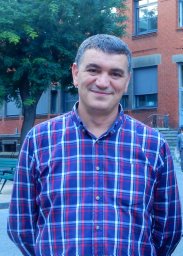 Mihail Simion Beldean-Galea合作论文数Faculty of Environmental Science, “Babes-Bolyai University12
 Kreibik Ştefan合作论文数10
 Ocsana Opriş合作论文数Natl Inst Res & Dev Isotop & Mol Technol7Rodica Grecu合作论文数6G Marcu合作论文数4Viorica Simon合作论文数Faculty of Physics, Babes-Bolyai University4
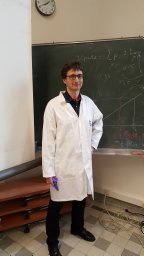 Jérôme Vial合作论文数Laboratoire Physicochimie des Electrolytes, Colloïdes et Sciences Analytiques (PECSA),, UPMC Univ Paris 064
 Ristoiu Dumitru合作论文数4
 Mihaela Baciut合作论文数Department of Maxillofacial Surgery and Implantology, Faculty of Dental Medicine, "Iuliu Hatieganu" University of Medicine and Pharmacy Cluj-Napoca4
 Violeta Pascalau合作论文数Mat Engn Dept, Tech Univ Cluj Napoca3Ioana Perhaita合作论文数3P. Prodan合作论文数3
 Zaharie Moldovan合作论文数3Grigore Baciut合作论文数3Didier Thiébaut合作论文数Laboratoire de Recherches sur la Réactivité des Solides, Université de Bourgone3Petru Ilea合作论文数3Veronica Avram合作论文数National Institute of Research and Development for Isotopic and Molecular Technology (INCDTIM), Donath Street 65-103, 400293 Cluj-Napoca, Romania3F Dogar合作论文数2R. Constantinescu合作论文数2
 Radu Mihaiescu合作论文数Fac Environm Sci & Engn, Babes Bolyai Univ2
 Claudiu-Sorin Dragomir合作论文数Urban Planning & Sustainable Spatial Dev Urban IN, Natl Inst Res & Dev Construct2
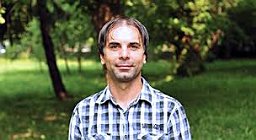 Viorel-Ilie Arghius合作论文数Environm Sci Dept, Babes Bolyai Univ2
 Mircea Vlassa合作论文数Department of Chemistry, «Babes-Bolyai” University2
 Maria Tomoaia-Cotisel合作论文数University of Cluj-Napoca;Faculty of Chemistry;Chemical Engineering;Faculty of Chemistry, University of Cluj-Napoca2
 Adina Eliza Croitoru合作论文数Faculty of Geography, ‘Babes-Bolyai’ University2Simion Bran合作论文数Clinic of Cranio-Maxillofacial Surgery;Iuliu Hatieganu " University of Medicine;Iuliu Hatieganu ", University of Medicine2
 Costel Sârbu合作论文数Department of Chemistry, Babeş-Bolyai University2
 Gheorghe Mihailescu合作论文数2C. Popa合作论文数1P Bodoga合作论文数1M Dascalu合作论文数1G. Borodi合作论文数1M. Brie合作论文数1C. Dinu合作论文数1I. Dranca合作论文数1R Câmpian合作论文数1E Chifu合作论文数1H. Rotaru合作论文数1Maria Jitaru合作论文数1Andreea Dragus合作论文数1Tudor Lupascu合作论文数1Mihaela Cӑtӑlina Herghelegiu合作论文数1
 Vlad Pănescu合作论文数Constantin Cosma Radon Lab LiRaCC, Babes Bolyai Univ1
 Tudoran Cristian合作论文数Ctr Adv Res & Technol Alternat Energy CETATEA, Natl Inst Res & Dev Isotop & Mol Technol1m tămăsan合作论文数1




