La implantación de la válvula aórtica transcatéter (TAVI) se ha establecido como el tratamiento primario para la estenosis aórtica severa sintomática, particularmente en los pacientes mayores de 75 años y aquellos con alto riesgo quirúrgico. En las últimas 2 décadas, el número de procedimientos para la TAVI han aumentado significativamente, y se espera que esta tendencia continúe. A pesar de que el acceso transfemoral es el preferido para la TAVI, no es adecuado en hasta el 20% de los pacientes debido a contraindicaciones anatómicas como el tamaño inadecuado del vaso, los ejes iliofemorales muy calcificados o la tortuosidad extrema del vaso. Esto ha impulsado la exploración y el desarrollo de enfoques de la TAVI no transfemoral, incluyendo los abordajes intratorácicos y extratorácicos.La aparición de las distintas vías de acceso para la TAVI no ha sido simultánea, y la elección entre los accesos intratorácicos y extratorácicos es compleja, influenciada por la anatomía del paciente, las comorbilidades y la experiencia del centro tratante. El enfoque transapical, clasificado bajo intratorácicos, ha sido la principal alternativa no transfemoral durante casi una década. Sin embargo, la aparición de accesos extratorácicos, como el transcarotídeo y el transubclavio, ha expandido los horizontes de la TAVI, ofreciendo potencialmente mejores resultados para ciertas poblaciones de pacientes.
Objetivos Este estudio tuvo como objetivo comparar los resultados de la implantación de la válvula aórtica transcatéter (TAVI) extratorácica (ET) con la intratorácica (IT), centrándose específicamente en la mortalidad intrahospitalaria o a los 30días, las complicaciones postoperatorias y a los 30días, y la mortalidad por todas las causas a 1año. Métodos Entre enero de 2009 y diciembre de 2023 se realizaron 447 procedimientos de TAVI no transfemoral en nuestra institución. Los pacientes fueron categorizados en accesos IT (transapical) y ET (transcarotídeo y transaxilar). Se empleó el emparejamiento por puntuación de propensión para comparar los resultados entre los dos grupos. Resultados Los pacientes sometidos a ET TAVI eran mayores (edad media: 81,9 vs. 79,5años) y tenían una mayor prevalencia de enfermedades vasculares periféricas y arteriales coronarias. ET TAVI se asoció con una menor tasa de mortalidad a 30días (1,6% vs. 10,2%, p=0,006) y menos complicaciones respiratorias (0,8% vs. 19,9%, p<0,001) en comparación con IT TAVI. La ACM a 1año fue significativamente menor en el grupo ET en comparación con el grupo IT. No se observaron diferencias significativas en las tasas de éxito del procedimiento, en las tasas de éxito del dispositivo o en los resultados hemodinámicos entre los dos grupos. El grupo ET demostró probabilidades de supervivencia consistentemente más altas a lo largo del período de estudio (p<0,001). Conclusiones Los abordajes extratorácicos para la TAVI parecen ofrecer ventajas en términos de menor mortalidad a corto plazo y a 1año, así como menos complicaciones postoperatorias en comparación con los accesos intratorácicos. Ambos enfoques son comparables en términos de resultados hemodinámicos. Estos hallazgos pueden ayudar a los clínicos a seleccionar el abordaje no transfemoral TAVI más apropiado ajustado a los perfiles individuales de los pacientes.
OBJECTIVE:To evaluate the clinical characteristics, imaging findings, treatment, and prognosis of patients with type A acute aortic syndrome (AAS-A) presenting with shock. To assess the impact of surgery on this patient population. METHODS:The study included 521 patients with A-AAS enrolled in the Spanish Registry of Acute Aortic Syndrome (RESA-III) from January 2018 to December 2019. The RESA-III is a prospective, multicenter registry that contains AAS data from 30 tertiary-care hospitals. Patients were classified into two groups according to their clinical presentation, with or without shock. Shock was defined as persistent systolic blood pressure <80 mmHg despite adequate volume resuscitation. RESULTS:97 (18.6%) patients with A-AAS presented with shock. Clinical presentation with syncope was much more common in the Shock group (45.4% vs 10.1%, p = 0.001). Patients in the Shock group had more complications at diagnosis and before surgery: cardiac tamponade (36.2% vs 9%, p < 0.001), acute renal failure (28.9% vs 18.2%, p = 0.018), and need for orotracheal intubation (40% vs 9.1%, p < 0.001). There were no significant differences in aortic regurgitation (51.6% vs 46.7%, p = 0.396) between groups. In-hospital mortality was higher among patients with shock (48.5% vs 27.4%, p < 0.001). Surgery was associated with a significant mortality reduction both in patients with and without shock. Surgery had an independent protective effect on mortality (OR 0.03, 95% CI (0.00-0.32)). CONCLUSION:Patients with AAS-A admitted with shock have a heavily increased risk of mortality. Syncope and pericardial effusion at diagnosis are strongly associated with shock. Surgery was independently associated with a mortality reduction in patients with AAS-A and shock.
El implante de dispositivos electrónicos implantables cardíacos ha aumentado significativamente en respuesta al incremento de sus indicaciones basadas en la evidencia y, paralelamente, ha asociado también un ascenso en el número de dispositivos electrónicos implantables cardíacos a extraer por diferentes causas. Los electrodos de dispositivos electrónicos implantables cardíacos crónicamente implantados desarrollan frecuentemente tejido fibroso a nivel de la interfase entre electrodos adyacentes, endotelio venoso y endocardio, lo que implica una extracción de electrodos transvenosa facilitada por herramientas especializadas para liberar dichas adherencias.
Objectives: This study analyzes neocommissural alignment and the clinical and hemodynamic outcomes after transaxillary and transcarotid implantation of the Acurate neo2 transcatheter heart valve.Methods: We performed a retrospective, single-center analysis of early outcomes after transaxillary and transcarotid implantation of the Acurate neo2 transcatheter heart valve. Primary outcomes were neocommisural alignment, in-hospital mortality, and valve hemodynamic performance. Commissural alignment between native and transcatheter heart valves was assessed by transesophageal echocardiogram before and after the procedure.Results: Between October 2021 and November 2022, 40 consecutive patients were treated with the Acurate neo2 through a transaxillary or transcarotid approach. Access was achieved via the left subclavian artery in 30 cases and the left common carotid artery in 10 cases, with a mean vessel diameter of 6.7 mm. Implants most commonly used were size M (37.5%), L (35%), and S (27.5%). On the basis of transesophageal echocardiogram analysis, there was no significant difference in mean commissural orientation between native (mean, 65.1 degrees; SD, 41.3 degrees) and neocommissures (mean, 64 degrees; SD, 44.1 degrees) (P = .661). Mean commissural orientation did not significantly differ between native and neocommissures (P = .661). Optimal alignment or mild commissural misalignment was achieved in 99.5% of cases. There were no cases of severe commissural misalignment. Postprocedural mean values for peak and mean gradients were 12.7 mm Hg and 5.2 mm Hg, respectively. There were 2 cases of moderate paravalvular leak and 4 cases of mild paravalvular leak.Conclusions: This patient-specific technique for transaxillary and transcarotid insertion of the Acurate neo2 delivery system prevents implantations with more than mild commissural misalignment and with a high device success rate.
The increase in the implantation rate of cardiac implantable electronic devices in the last decade has given rise to the need for transvenous lead extraction techniques, frequently in high-risk patients. Chronically implanted cardiac leads tend to develop a fibrous scar tissue surrounding them and among the venous endothelium and cardiac endocardium. This phenomenon makes necessary to resort to powered sheaths for TLE procedures. Laser-facilitated transvenous lead extraction of cardiac implantable electronic devices is a safe and highly effective procedure even in high-risk patients. A multidisciplinary "Heart Team" approach and an appropriate surgical work-up are mandatory for early identification and treatment of major cardiovascular complications. (c) 2023 Sociedad Espanola de Cirugia Cardiovascular y Endovascular. Published by Elsevier Espana, S.L.U. This is an open access article under the CC BY-NC-ND license (http://creativecommons.org/licenses/by-nc-nd/4.0/).
Mitral regurgitation is a complication that may occur during transcatheter aortic valve implantation (TAVI) and may require different treatments depending on the mechanism. In this report we describe for a "skipping rope sign" in transapical TAVI as a cause of severe mitral regurgitation due to extreme tethering of the anterior mitral leaflet caused by an extra-stiff guidewire entangled in its chordae tendineae during a transapical TAVI.
La insuficiencia mitral (IM) es una complicación que puede ocurrir durante el implante valvular aórtico transcatéter (TAVI) y puede requerir un tratamiento diferente dependiendo de su mecanismo. En este artículo, se describe el «signo de la comba» como causa de insuficiencia mitral severa debido al atrapamiento de la guía de alto soporte (Amplatz) en las cuerdas tendinosas del velo anterior mitral (VAM), causando el tethering del mismo contra la pared ventricular durante la realización de una TAVI transapical.
Atherosclerosis is an underlying risk factor in cardiovascular diseases (CVDs). The combination of drugs with microRNAs (miRNA) inside a single nanocarrier has emerged as a promising anti-atherosclerosis strategy to achieve the exploitation of their complementary mechanisms of action to achieve synergistic therapeutic effects while avoiding some of the drawbacks associated with current systemic statin therapies. We report the development of nanometer-sized polymeric PLGA nanoparticles (NPs) capable of simultaneously encapsulating and delivering miRNA-124a and the statin atorvastatin (ATOR). The polymeric NPs were functionalized with an antibody able to bind to the vascular adhesion molecule-1 (VCAM1) overexpressed in the inflamed arterial endothelium. The dual-loaded NPs were non-toxic to cells in a large range of concentrations, successfully attached overexpressed VCAM receptors and released the cargoes in a sustainable manner inside cells. The combination of both ATOR and miRNA drastically reduced the levels of proinflammatory cytokines such as IL-6 and TNF-α and of reactive oxygen species (ROS) in LPS-activated macrophages and vessel endothelial cells. In addition, dual-loaded NPs precluded the accumulation of low-density lipoproteins (LdL) inside macrophages as well as morphology changes to a greater extent than in single-loaded NPs. The reported findings validate the present NPs as suitable delivery vectors capable of simultaneously targeting inflamed cells in atherosclerosis and providing an efficient approach to combination nanomedicines.
OBJECTIVES:This study aims to evaluate the efficacy, safety and long-term outcomes of a renoprotective non-contrast, transoesophageal echocardiography-guided transapical (TA) transcatheter aortic valve replacement (TAVR) strategy with a balloon-expandable prosthesis, as well as to determine its impact on renal function.METHODS:Between 2009 and 2019, 200 consecutive patients underwent a non-contrast, transoesophageal echocardiography-guided TA TAVR with a balloon-expandable prosthesis.RESULTS:The device success rate was 95.5%. Transoesophageal echocardiography-guided deployment demonstrated a low rate of procedure-related complications: 9.5% of acute kidney injury, 8% postoperative bleeding, 6% low-cardiac output, 4.5% postprocedural aortic regurgitation ≥+2, 4% implantation of permanent pacemaker and 2% stroke. There were no significant differences between preoperative and on discharge estimated glomerular filtration rate (53.9 ± 22.2 vs 54.3 ± 22.9 ml/min/1.73 m2, P = 0.60). Logistic regression analysis confirmed postoperative bleeding as an independent predictor for acute kidney injury (odds ratio (OR) 11.148, 95% confidence interval 3.537-35.140, P < 0.001). In-hospital mortality was 7.5%. The mean follow-up was 48.5 ± 39.9 months. Renal function and patient's chronic kidney disease stage did not significantly vary during follow-up. Long-term cumulative survival at 1, 5 and 10 years was 84.2 ± 0.027%, 42.9 ± 0.038% and 32.5 ± 0.044%, respectively. Renal function affected on neither in-hospital mortality nor long-term survival.CONCLUSIONS:Non-contrast, transoesophageal echocardiography-guided TA TAVR is a safe and reproducible technique with a low incidence of periprocedural complications that avoids the use of contrast and mitigates the incidence of acute kidney injury.
OBJECTIVESThis study aims to analyse the risks associated with valve-in-valve procedures for treating structural valve deterioration in Mitroflow bioprostheses, as well as to determine the impact of the original Mitroflow size on the patients' long-term outcomes.METHODSBetween January 2012 and September 2019, 21 patients (61.9% males; mean age 82.4 ± 5.4 years) were treated for Mitroflow deterioration with valve-in-valve procedures (12 transapical and 9 transfemoral).RESULTSMean EuroSCORE I and EuroSCORE II were 28.2% ± 13.6% and 10.5% ± 6.1%, respectively. Six patients presented an indexed aortic root diameter <14 mm/m2 and 7 patients a diameter of sinus of Valsalva <30 mm. Implanted transcatheter valve sizes were 20 mm in 6 cases, 23 mm in 14 cases and 26 mm in 1 patient. A Valve Academic Research Consortium-2 complication occurred in 23.8% of cases, including 3 coronary occlusions. In-hospital mortality was 9.5%. The 20 mm transcatheter valves presented significantly higher postoperative peak and mean aortic gradients than other sizes (54.1 ± 11.3 mmHg vs 29.9 ± 9.6 mmHg, P = 0.003; and 29.3 ± 7.7 mmHg vs 17.4 ± 5.9 mmHg, P = 0.015, respectively). There were 12 cases of patient-prosthesis mismatch (57.1%) and 3 cases (14.3%) of severe patient-prosthesis mismatch. Cumulative survival was 85.7% ± 7.6% at 1 year, 74.3% ± 10% at 2 years and 37.1% ± 14.1% at 5 years.CONCLUSIONSValve-in-valve procedures with balloon-expandable transcatheter valves associate a high risk of coronary occlusion in patients with indexed aortic root diameter <14 mm/m2 and low coronary ostia <12 mm. Valve-in valve procedures with 20 mm balloon-expandable transcatheter valves in ≤21 mm Mitroflow bioprosthesis leave significant residual transvalvular gradients that might obscure patients' long-term outcomes.
Introducción y objetivosEn la última década se ha incrementado la necesidad de extracción de electrodos transvenosos (EET) de dispositivos electrónicos implantables cardiacos (DEIC), frecuentemente en pacientes de alto riesgo. El objetivo del estudio es evaluar las tasas de éxito de procedimiento y de éxito clínico de la EET con láser de excímeros, así como la incidencia de complicaciones cardiovasculares, su tratamiento y resultado.MétodosSe analizó a 94 pacientes consecutivos portadores de DEIC tratados mediante EET mediante láser entre junio del 2008 y julio del 2018.ResultadosSe extrajeron 170 cables (69 cables auriculares y 101 ventriculares) con una mediana de antigüedad de 81 meses (rango 16-246 meses). Un 69,1% de los pacientes tenían cables de antigüedad >5 años y un 36,2% anomalías en la permeabilidad de los ejes venosos. La tasa de éxito completo del procedimiento y la tasa de éxito clínico fueron del 96,8 y el 97,9%, respectivamente. Se registraron un 6,4% de complicaciones cardiovasculares mayores y un fallecimiento. El análisis bivariante mostró como predictores de complicación cardiovascular la antigüedad de los cables, los cables bibobina del desfibrilador automático implantable y la oclusión completa del eje venoso ipsolateral. La mortalidad en pacientes que requirieron intervención quirúrgica o endovascular emergente por complicación cardiovascular mayor fue del 16,7%.ConclusionesLa EET de DEIC mediante láser presenta una notable eficacia y seguridad incluso en pacientes de alto riesgo. Las complicaciones cardiovasculares mayores son infrecuentes, pero potencialmente letales. Su identificación y tratamiento precoz es fundamental para la supervivencia del paciente.
The administration of small interfering RNA (siRNA) is a very interesting therapeutic option to treat genetic diseases such as Alzheimer's or some types of cancer, but its effective delivery still remains a challenge. Herein, Au nanorod (GNR)-based platforms functionalized with polyelectrolyte layers were developed and analyzed as potential siRNA nanocarriers. The polymeric layers were successfully assembled on the particle surfaces by means of the layer-by-layer assembly technique through the alternating deposition of oppositely charged poly(styrene)sulfonate, PSS, poly(lysine), PLL, and siRNA biopolymers, with a final hyaluronic acid layer in order to provide the nanoconstructs with a potential targeting ability as well as colloidal stability in physiological medium. Once the hybrid nanocarriers were obtained, the cargo release, their colloidal stability in physiological-relevant media, cytotoxicity, cellular internalization and uptake, and knockdown activity were studied. The present hybrid particles release the genetic material inside cells by means of a protease-assisted and/or a light-triggered release mechanism in order to control the delivery of the oligonucleotides on demand. In addition, the hybrid nanovectors were observed to be nontoxic to cells and could efficiently deliver the genetic material in the cell cytoplasms. The GNR-based nanocarriers proposed here can provide a suitable environment to load and protect a sufficient amount of the genetic material to allow an efficient and sustained knockdown gene expression for long (up to 93% for 72 h), thanks to the slow degradation of PLL, without the observation of adverse side toxic effects. It was also found that the silencing activity was enhanced with the number of siRNA layers assembled in the nanoplatforms.
Abstract Background The impact of recent advances on the management of acute aortic syndrome (AAS) is usually reported by centres with great experience in aortic diseases. Current data on the management of this specific disease in Spain remains unknown. Purpose The Spanish Registry of Acute Aortic Syndrome (RESA-III) was established to assess current results in the management of AAS in a large cohort of hospitals from the same geographical area. Methods All patients admitted for AAS to 29 Spanish tertiary hospitals were enroled over 18 months (2017/2018). Results 574 patients, (68% men; mean age 64±14y; range 18–99) were prospectively and consecutively included. Aortic dissection was the underlying disease in 474 (82.6%) (375 type A, 99 type B), aortic haematoma in 76 (13.2%) (43 type A and 33 type B) and penetrating ulcer in 24 (4.2%) (7 type A and 17 type B). From the subgroup of type A AAS (74% n=425), 81% underwent surgical treatment and medical management was chosen in the remaining 19%. 78 patients did not undergo surgery principally because of severe comorbidities (n=34) or advanced age (n=24), patient refusal (n=7), or presence of an intramural haematoma (n=2). Regarding the cohort of patients with type B AAS (26% n=149), 52% were managed only medically, 37% with endovascular treatment, and 11% underwent open surgery. Endovascular treatment was indicated owing to recurrent pain (n=19), progressive vessel dilation (n=9), dissection expansion (n=5), peripheral (n=5) or visceral ischaemia (n=4), high blood pressure (n=18), peripheral bleeding (n=17) or haemodynamical instability (n=8). Overall type A mortality during hospitalisation was 36.4%; 26.4% in surgically treated and 79.4% in medically-treated patients (p=0.001). In type B AAS, overall mortality was 19.1%; 21.9% in the treated medically subgroup, 43.8% in those treated with open surgery and 7.8% in the endovascular treatment cohort (p=0.004). Conclusion Despite significant advances in acute aortic syndrome diagnosis and management, in-hospital mortality remains high. In type A AAS, medical management rate was too high (19%); however, in type B AAS, endovascular treatment yielded excellent results with less mortality than medical management (7.8% vs 19.1%, respectively). Our data support the need for continued improvement in the management of acute aortic syndrome.
This paper reports the most prominent contributions in the field of biodegradable polymeric nanoparticles from poly (lactic-co-glycolic acid) (PLGA) used as a protein/drug delivery. We use a combination of Human Serum Albumin (HSA)-superparamagnetic iron oxide nanoparticles (SPIONs) loaded PLGA nanoparticles. To obtain protein stabilization, the optimization of each step of synthesis nanoparticle is required. One of the most common problems in encapsulating protein to PLGA nanoparticles is the presence of several challenges as a problem of instability. We explained how the effect of the various sonication processing on the synthesis HSA-SPIONs loaded PLGA nanoparticles would be one of the crucial parameters for stability.
Background: Trauma-induced aortic injuries continue to be an important factor in morbimortality in patients with blunt trauma. Objectives: To determine the characteristics of aortic lesions in patients with closed thoracic trauma and associated thoracic injuries. Methods: Multicenter cohort study conducted during the years 1994 to 2014 in the radiology service in the University Hospital Complex of A Coruña. Patients >15 years with closed thoracic trauma were included. Sociodemographic and clinical variables were studied in order to determine the lesion cause, location, and degree. Results: We analyzed 232 patients with a mean age of 46.9 ± 18.7 years, consisting of 81.4% males. The most frequent location was at the level of the isthmus (55.2%). The most frequent causes of injury were traffic accidents followed by falls. Patients with aortic injury had more esophageal, airway, and cardiopericardial lesions. More than 85% of the patients had lung parenchyma and/or chest wall injury, which was more prevalent among those who did not have an aortic lesion. Conclusions: Patients with trauma due to traffic accidents or being run over presented three times more risk of aortic injury than from other causes. Those with an aortic lesion also had a higher frequency of cardiopericardial, airway, and esophageal lesions.
BACKGROUND:Improving the water solubility of hydrophobic drugs, increasing their accumulation in tumor tissue and allowing their simultaneous action by different pathways are essential issues for a successful chemotherapeutic activity in cancer treatment. Considering potential clinical application in the future, it will be promising to achieve such purposes by developing new biocompatible hybrid nanocarriers with multimodal therapeutic activity. RESULTS:We designed and characterised a hybrid nanocarrier based on human serum albumin/chitosan nanoparticles (HSA/chitosan NPs) able to encapsulate free docetaxel (DTX) and doxorubicin-modified gold nanorods (DOXO-GNRs) to simultaneously exploit the complementary chemotherapeutic activities of both antineoplasic compounds together with the plasmonic optical properties of the embedded GNRs for plasmonic-based photothermal therapy (PPTT). DOXO was assembled onto GNR surfaces following a layer-by-layer (LbL) coating strategy, which allowed to partially control its release quasi-independently release regarding DTX under the use of near infrared (NIR)-light laser stimulation of GNRs. In vitro cytotoxicity experiments using triple negative breast MDA-MB-231 cancer cells showed that the developed dual drug encapsulation approach produces a strong synergistic toxic effect to tumoral cells compared to the administration of the combined free drugs; additionally, PPTT enhances the cytostatic efficacy allowing cell toxicities close to 90% after a single low irradiation dose and keeping apoptosis as the main cell death mechanism. CONCLUSIONS:This work demonstrates that by means of a rational design, a single hybrid nanoconstruct can simultaneously supply complementary therapeutic strategies to treat tumors and, in particular, metastatic breast cancers with good results making use of its stimuli-responsiveness as well as its inherent physico-chemical properties.
The complexation process and underlying mechanisms that rule the interaction of DNA with the cationic block copolymer Tetronic T901 to form polyplexes and their potential transfection efficiency have been studied under different solution conditions. We noted that T901 favors the formation of self-assembled structures with partially condensed DNA at smaller polymer concentrations than other Pluronic™/Tetronic™-type copolymers previously analysed. The observed polyplexes display sizes from the nano- to the micro- range as derived from DLS, electronic and optical microscopies. Also, copolymer micelles are observed at concentrations below the copolymer critical micellar concentration (cmc) induced by the presence of DNA. The complexation process is dependent on solution conditions, with electrostatic and ionic interactions being more important at acidic pH thanks to the predominant diprotonated form of the block copolymer which is less aggregation-prone, whilst dispersive forces are increasingly enhanced under basic conditions or when rising the solution temperature. Whatever the case, the complexation is mainly governed by entropic contributions, as denoted from ITC data. In vitro transfection experiments after complexing T901 with a pDNA encoding the expression of green fluorescein protein, GFP, show a relative successful fluorescence of transfected HeLa cells, which confirms the uptake, internalization and release of the genetic material within the cells at suitable [N]/[P] ratios with relatively low cytotoxicity. Despite the observed successful outcomes, the obtained transfection efficacies are slightly lower than those obtained with Lipofectamine2000, so further optimization of the polyplex formation conditions is envisaged in future studies.
Bioprostheses with pericardial leaflets mounted externally on the stent pose a high risk for valve‐in‐valve (ViV) procedures. This study analyzed the efficacy and safety of ViV procedures for treating structural valve deterioration (SVD) in Mitroflow bioprostheses.
 Pablo Taboada合作论文数Grp Fis Coloides & Polimeros, Univ Santiago de Compostela127
 Silvia Barbosa合作论文数65
 David Attwood合作论文数Division of Pharmacy & Optometry, School of Health Sciences, University of Manchester52
 Felix Sarmiento合作论文数35
 Alberto Bouzas-Mosquera合作论文数Department of Cardiology, Complexo Hospitalario Universitario A Coruña29
 Manuel Garcia合作论文数27
 Jm Ruso合作论文数26Adriana CambóN合作论文数23
 Emilio Castro合作论文数Laboratorio de Física de Coloides y Polímeros, Universidad de Santiago de Compostela22Luis Miguel Varela Cabo合作论文数Department of Particle Physics, Universidad de Santiago de Compostela22José J. Cuenca合作论文数21
 Josue Juarez合作论文数Facultad de Física, Universidad de Santiago de Compostela18Milagros Marini合作论文数16Villar-Álvarez Eva合作论文数15Nemesio Álvarez-García合作论文数15
 Jesús Peteiro合作论文数Department of Cardiology, Hospital Universitario A Coruña15
 Francisco Estévez-Cid合作论文数Complexo Hospitalario Universitario de Vigo14
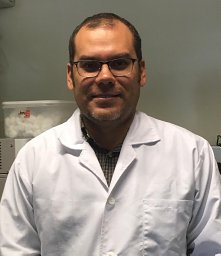 Antonio Topete合作论文数Facultad de Física, Universidad de Santiago de Compostela13Daniel Gulias-Soidan合作论文数12Herrera-Noreña José M合作论文数12Francisco J. Broullón合作论文数12
 Manuel Alatorre-Meda合作论文数Facultad de Física, Universidad de Santiago de Compostela12G Prieto合作论文数11
 Muhammad Siddiq合作论文数Dept Chem, Quaid I Azam Univ11Alfonso Castro-Beiras合作论文数11Mohammad Arif Cheema合作论文数11
 Alberto Juffe stein合作论文数M.G.C,-L., Hospital Juan Canalejo10Ignacio Cao合作论文数10Sonia Goy-Lopez合作论文数10Manuel Gutiérrez-Pichel合作论文数10jose j cuenca castillo合作论文数9
 Francisco Portela合作论文数9
 Pardo Alberto合作论文数9José M. Herrera合作论文数9María J. Suárez合作论文数8Carlos Velasco合作论文数8
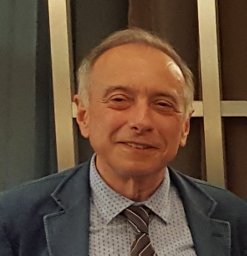 Angel Concheiro合作论文数Facultad de Farmacia, Universidad de Santiago de Compostela7
 Javier Andres Muniz合作论文数Instituto Universitario de Ciencias de la Salud, la Universidad de A Coruña7Vicente Campos合作论文数7Daniel Fraga-Manteiga合作论文数6Pérez-Rodríguez Martín合作论文数6
 Carmen Alvarez Lorenzo合作论文数I+D Farma, Departamento de Farmacia y Tecnología Farmacéutica, Facultad de Farmacia, Universidad de Santiago de Compostela6Miguel A. Valdez合作论文数6José V. Valle合作论文数5Carlos Velasco-García合作论文数5
 Javier Pérez合作论文数Inst Nacl Perinatol, Human Genet & Genom Dept, Montes Urales 800,Col Lomas Chapultepec 4 Secc, Mexico City 11000, DF, Mexico5
 Miguel Gonzalez Barbeito合作论文数5
 J. F. A. Soltero合作论文数Departamento de Ingenieria Química, Universidad de Guadalajara5
 Jose Manuel Vazquez Rodriguez合作论文数Complexo Hospitalario Universitario A Coruña5




