Background Inadvertent lead malposition (ILM) in the left ventricle (LV) via the subclavian artery is a rare complication during the insertion of cardiac implantable electronic devices (CIED). If not identified, there is a risk of systemic thromboembolism. Transarterial pacing lead extraction often requires surgical removal and carries high risks of bleeding and thromboembolism, but percutaneous extraction has also been previously described. Case summary A 71-year-old female presented with left homonymous hemianopia on Day 1 post-insertion of a dual-chamber permanent pacemaker (PPM). A computed tomography (CT) angiogram of the brain and aortic arch revealed an acute occlusion of a branch of the right posterior circulating artery (PCA) and a malpositioned pacing lead in the left subclavian artery. Urgent percutaneous removal of the transarterial lead using the retained wire technique was successfully performed. Discussion Inadvertent lead malposition in the arterial system is rare and often requires lead extraction due to systemic thromboembolic complications. The retained wire technique has been previously described for percutaneous transvenous lead extraction and exchange, but to our knowledge, we are the first to report utilizing this technique for transarterial lead extraction. Using a case report, we highlight the utility, safety, and effectiveness of the retained wire technique in extracting a malposition lead in the subclavian artery and LV.
AIMS:To evaluate the safety and efficacy of left atrial appendage occlusion (LAAO) with the Amplatzer™ Amulet™ occluder.METHODS AND RESULTS:Patients with atrial fibrillation eligible for LAAO were recruited to a prospective global study. Implant procedures were undertaken with echocardiographic guidance. Transoesophageal echocardiography (TOE) was undertaken 1-3 months post-LAAO. Implant and follow-up TOEs were evaluated by a CoreLab. The primary endpoint was a composite of ischaemic stroke and cardiovascular death at 2 years. Serious adverse events were adjudicated by an independent clinical events committee. A total of 1088 patients were enrolled, aged 75.2 ± 8.5 years; 64.5% were male. CHA2DS2-VASc and HAS-BLED scores were 4.2 ± 1.6 and 3.3 ± 1.1, respectively. A total of 71.7% had prior major bleeding, and 82.8% had contraindications to oral anticoagulants. Implant success was 99.1%. Major adverse events (≤7 days post-procedure) occurred in 4.0%, including death (0.3%), stroke (0.4%), major vascular (1.3%), and device embolization (0.2%). A total of 80.2% of patients were discharged on antiplatelet therapy alone. Peridevice flow was <3 mm in 98.4% at follow-up TOE. Device-related thrombus (DRT) was seen in 1.6% of cases. Cardiovascular death or ischaemic stroke occurred in 8.7% of patients at 2 years. The ischaemic stroke rate was 2.2%/year-a 67% reduction compared to the CHA2DS2-VASc predicted rate. Major bleeding (Bleeding Academic Research Consortium type ≥ 3) occurred at rates of 10.1%/year (year 1) and 4.0%/year (year 2).CONCLUSION:Following LAAO with the Amplatzer Amulet device, the ischaemic stroke rate was reduced by 67% compared to the predicted risk. Closure was complete in 98.4% of cases and DRT seen in only 1.6%.
BACKGROUND:Atrioventricular nodal (AVN) ablation with permanent pacemaker (PPM) insertion is indicated for rate control in patients with atrial fibrillation (AF) who remain unresponsive to rate or rhythm control strategies. The leadless PPM (Micra Transcatheter Pacing System [TPS], Medtronic, Minneapolis, MN, USA) has the advantage of eliminating transvenous lead and pacemaker pocket-related complications. The aim of this case series was to determine the outcomes of patients who had undergone combined Micra TPS and AVN ablation, performed via a single femoral approach. METHOD:A retrospective review was undertaken on patients who had undergone concurrent procedures, across two major hospitals in Perth, Western Australia. Procedural details were obtained from a cardiac devices database whilst patient demographics and clinical information were determined from medical records. RESULTS:Fourteen (14) patients underwent concurrent Micra TPS insertion and AVN ablation for symptomatic AF. The average age was 73±9.2 years, and 43% of them were males. There was no acute procedural/device related complication. Over a median follow-up duration of 9 months (36% completing 12-month follow-up), there was no incidence of device complications, in particular device dislodgement, malfunction or infection. One patient had a resuscitated ventricular fibrillation (VF) arrest event with new onset cardiomyopathy during follow-up and required Micra TPS removal. One patient died at 33 days post procedure from a non-cardiac cause. Device performance was excellent with stable sensing and pacing thresholds during the follow-up period. CONCLUSION:Our study has shown that combined leadless PPM (Micra TPS) implantation and AVN ablation using a single femoral approach is feasible, with good safety and efficacy profile in the short-medium term. Long-term data involving larger cohorts is needed to confirm the findings of this study and determine the clinical usefulness of this combined approach.
Defibrillator technology for sudden cardiac death (SCD) prevention now includes the transvenous implantable cardiac defibrillator (ICD), subcutaneous ICD (S-ICD) and wearable cardioverter defibrillator (WCD). ICD use improves survival in patients who survived previous sudden cardiac arrest (SCA) due to ventricular tachycardia (VT)/ventricular fibrillation (VF), as well as in patients who experienced haemodynamically significant VT. It is also currently indicated for primary prevention in ischaemic/non-ischaemic cardiomyopathies, certain congenital heart disease conditions and inherited channelopathies. In this review article, we hope to present an updated review on ICD use for SCD prevention, with a focus on contemporary issues affecting ICD selection. These include: the role of primary prevention ICD in patients with non-ischaemic cardiomyopathy (NICM) in light of the 2016 DANISH (Danish Study to Assess the Efficacy of ICDs in Patients with Non-Ischemic Systolic Heart Failure on Mortality) trial; the role of defibrillator component (CRT-D) in patients receiving cardiac resynchronisation therapy (CRT-P); and the emerging role of cardiac magnetic resonance imaging (cMRI) in particular, the presence of late gadolinium enhancement (LGE), as an important SCD risk predictor. The current use of S-ICD and WCD, including clinical indications, evidence for efficacy and limitations, will also be discussed.
AIMS:Left atrial appendage occlusion (LAAO) is a stroke prevention therapy for patients with non-valvular atrial fibrillation (AF). This study reports one-year outcomes from patients enrolled in the prospective global Amulet registry. METHODS AND RESULTS:A total of 1,088 patients were recruited, aged 75±9 years; 65% of patients were male. The CHA2DS2-VASc and HAS-BLED scores were 4.2±1.6 and 3.3±1.1, respectively. Eighty-three percent (83%) of patients had contraindications to anticoagulation (OAC); 72% had a history of major bleeding. An AMPLATZER Amulet LAA occluder was successfully implanted in 99% of cases. Transoesophageal echocardiography one to three months after implant showed no residual flow or flow <3 mm in 98.4%. The observed ischaemic stroke rate was 2.9%/year. Device-related thrombus was noted in 1.7% of patients. There were ten cases between 0 and 90 days and eight cases between 91 and 365 days. Patients discharged without OAC (>80%), in particular those on single aspirin therapy, did not appear to have a higher risk of device-related thrombus. In the first year, major bleeding occurred at an annualised rate of 10.3%. All-cause mortality was 8.4% at one year. CONCLUSIONS:In the global prospective Amulet registry of patients at high risk of stroke and bleeding, the annualised ischaemic stroke rate was 2.9%. The LAA was sealed in 98.4% after one to three months and device-related thrombus was observed in 1.7% of cases with only a minority of all patients on anticoagulation treatment.
Left atrial appendage (LAA) device occlusion represents a major evolution in stroke prevention for atrial fibrillation (AF). Left atrial appendage device occlusion is now a proven strategy which provides long-term thromboembolic stroke prevention for patients with non-rheumatic AF. Evidence supports its benefit as an alternative to long-term anticoagulation while mitigating long-term bleeding risks and improving cardiovascular mortality. The therapy offers expanded options to physicians and patients negotiating stroke prevention (both primary and secondary prevention), but a good understanding of the risks and benefits is required for decision-making. This review aims to summarise the evolution of LAA device occlusion therapy, current knowledge in the field and a snapshot of current status of the therapy in clinical practice in Australia and around the world.
AIMS:The general clinical profile of European pacemaker recipients who require predominant ventricular pacing (VP) is scarcely known. We examined the demographic and clinical characteristics of the 1808 participants (out of 1833 randomized patients) of the ongoing Biventricular Pacing for Atrio-ventricular Block to Prevent Cardiac Desynchronization (BioPace) study.METHODS AND RESULTS:BioPace recruited patients between May 2003 and September 2007 predominantly in European medical centres. We analysed demographic data and described clinical characteristics and electrophysiological parameters prior to device implantation in 1808 enrolled patients. The mean age ± standard deviation (SD) of the 1808 patients was 73.5 ± 9.2 years, 1235 (68%) were men, 654 (36%) presented without structural heart disease, 547 (30%) had ischemic, 355 (20%) hypertensive, 146 (8%) valvular, and 102 (6%) non-ischemic dilated cardiomyopathy. Mean left ventricular ejection fraction was 55.4 ± 12.3%. The main pacing indications were (a) permanent and intermittent atrioventricular (AV) block in 973 (54%), (b) atrial fibrillation with slow ventricular rate in 313 (17%), and (c) miscellaneous bradyarrhythmias in 522 (29%) patients. Mean QRS duration was 118.5 ± 30.5 ms, left bundle branch block was present in 316 (17%), and atrial tachyarrhythmias in 426 (24%) patients.CONCLUSION:To the best of our knowledge, this sample is a representative source of description of the general profile of European pacemaker recipients who require predominant VP. Patients' characteristics included advanced age, predominantly male gender, preserved left ventricular systolic function, high-grade AV block, narrow QRS complex, and atrial tachyarrhythmias, the latter being present in nearly one-fourth of the cohort.
Aims Uncertainty exists over the importance of device-detected short-duration atrial arrhythmias. Continuous atrial diagnostics, through home monitoring (HM) technology (BIOTRONIK, Berlin, Germany), provides a unique opportunity to assess frequency and quantity of atrial fibrillation (AF) episodes defined as atrial high-rate events (AHRE).Methods and results Prospective data from 560 heart failure (HF) patients (age 67 +/- 10 years, median ejection fraction 27%) patients with a cardiac resynchronization therapy (CRT) device capable of HM from two multi-centre studies were analysed. Atrial high-rate events burden was defined as the duration of mode switch in a 24-h period with atrial rates of >180 beats for at least 1% or total of 14 min per day. The primary endpoint was incidence of a thromboembolic (TE) event. Secondary endpoints were cardiovascular death, hospitalization because of AF, or worsening HF. Over a median 370-day follow-up AHRE occurred in 40% of patients with 11 (2%) patients developing TE complications and mortality rate of 4.3% (24 deaths, 16 with cardiovascular aetiology). Compared with patients without detected AHRE, patients with detected AHRE>3.8 h over a day were nine times more likely to develop TE complications (P = 0.006). The majority of patients (73%) did not show a temporal association with the detected atrial episode and their adverse event, with a mean interval of 46.7 +/- 71.9 days (range 0-194) before the TE complication.Conclusion In a high-risk cohort of HF patients, device-detected atrial arrhythmias are associated with an increased incidence of TE events. A cut-off point of 3.8 h over 24 h was associated with significant increase in the event rate. Routine assessment of AHRE should be considered with other data when assessing stroke risk and considering anti-coagulation initiation and should also prompt the optimization of cardioprotective HF therapy in CRT patients.
Close follow-up of patients with severe heart failure, especially after hospital discharge, has been shown to impact the mortality and readmission rates in this patient population. Monitoring of the patients' physiological status is important for predicting a potential heart failure decompensation. Earlier studies on structured telephone support and telemonitoring suggested a clear benefit on mortality and heart failure admissions, though recent large randomized controlled trials have been neutral. This review looks into the possible reasons for discrepancies in the outcomes. Remote monitoring of implantable cardiac devices is becoming increasingly utilized in a proportion of patients for device follow-up, and recent technology advances have suggested utility of certain device algorithms in detecting heart failure decompensations. Implantable hemodynamic monitors also show promise in this sphere, though have limited evidence at this stage, and further development in the technology is likely before they become part of routine practice.
This thesis assesses the mechanisms by which biventricular and left ventricular pacing improves cardiac performance in patients with heart failure. We demonstrated for the first time that CRT results in an improvement in acute haemodynamic variables in heart failure patients with a narrow QRS duration that is comparable to the effects seen in heart failure patients with a broad QRS duration. In addition, we have shown that both biventricular (BIVP) and left ventricular pacing (LVP) significantly reduce external constraint to left ventricular filling, resulting in an increase in effective filling pressure. In heart failure patients with evidence of external constraint at rest, the acute haemodynamic benefits of both BIVP and LVP were principally due to the relief of external constraint and preload recruitment. However, in those patients with evidence of electrical dyssynchrony and a broad QRS duration, a significant haemodynamic benefit was derived from an enhancement in left ventricular contractility, presumably as a result of a reduction in left ventricular dyssynchrony. Patients with external constraint appear to derive a greater haemodynamic benefit from pacing due to the significant increase in stroke work that is associated with relief of external constraint and preload recruitment, in addition to the increase in stroke work derived from enhanced contractility due to a reduction in dyssynchrony. These findings will inform better patient selection for this therapy and also optimisation of pacing strategy in individual patients.
Clinical management of refractory heart failure remains challenging, with a high rate of rehospitalizations despite advances in medical and device therapy. Care can be provided in person, via telehomecare (by telephone), or telemonitoring, which involves wireless technology for remote follow-up. Telemonitoring wirelessly transmits parameters such as weight, heart rate, or blood pressure for review by health-care professionals. Cardiac implantable devices (defibrillators and cardiac resynchronization therapy) also transmit continually interrogated physiological data, such as heart rate variability or intrathoracic impedance, which may be of value to predict patients at greater risk of hospitalization for heart failure. The use of remote monitoring techniques facilitates a rapid and regular review of such data by health-care workers as part of a heart failure management programme. Current evidence supports the feasibility of such an approach but routinely assessed parameters have been shown not to impact patient outcomes. Devices that directly assess cardiac haemodynamic status through invasive measurement of pressures are currently under investigation and could potentially increase the sensitivity and specificity of predicting heart failure events. The current evidence for telemonitoring and remote monitoring, including implantable haemodynamic devices, will be reviewed.
Aims: Despite a marked difference in the QRS width induced by biventricular (BIVP) and left ventricular pacing (LVP), both modes of pacing are eficacious at improving cardiac function in heart failure patients with left ventricular dyssynchrony, and in a recent study we demonstrated comparable beneits from BIVP and LVP in a patient group with a narrow QRS duration and no observable dyssynchrony. We hypothesised that optimisation of the interventricular pacing interval may further improve LV function. Methods: Twenty ive heart failure patients with a narrow QRS duration and 12 with a broad QRS duration underwent invasive haemodynamic pressure-volume studies at the time of pacemaker implantation. Absolute left ventricular stroke work (LVSW) and dP/dtMAX were determined during no pacing (VVI), in biventricular (BIVP), left ventricular (LVP) pacing mode, and over a range of interventricular timing delays. Results: Both dP/dtMAX and LVSW increased signiicantly in response to V-V delays in which the LV led by >20ms. In patients with external constraint, there was a trend towards a greater increase in LVSW with those interventricular delays where the LV was the irst chamber paced, compared with patients without external constraint, in whom near-simultaneous interventricular delays ranging from the RV leading by 12ms to the LV leading by 20ms appeared to be optimal. Conclusion: Although many would argue that the optimal V-V delay shows great variability and must be individualized, we have demonstrated optimal V-V delays in patient groups based on the presence or absence of external constraint.
Methods: One hundred eighty-two patients (72 +/- 9 years, 55% male) with paroxysmal atrial fibrillation were enrolled and were included in the study if they had an atrial fibrillation (AF) burden of 1-50% during a monitoring phase. Seventy-nine patients fulfilled these criteria and were followed for at least 5 months. Electrodes were classified as having short (< 10 mm), medium (10-12), or long (13-18) atrial TTR spacing.Results: Two thousand eight hundred eighty-three detailed onset reports were analyzed; 730 (25%) demonstrated aberrant sensing. Six percent were due to farfield R wave oversensing (FFRWO) and 19% due to undersensing, sometimes occurring in the same patient and study phase. FFRWO was significantly reduced with short TTR electrodes (P < 0.05). Undersensing due to sensitivity fallout was 18% (short), 24% (medium), and 17% (long) (P = ns). Undersensing due to pacemaker blanking was 11% (short), 11% (medium), and 12% (long) (P = ns). Active fixation electrodes did not show any difference from passive fixation.Conclusion: Atrial electrodes with a short TTR (< 10 mm) significantly reduce FFRWO without increasing undersensing and should be used routinely in patients with paroxysmal atrial tachyarrhythmias. However, 20% of atrial tachyarrythmia episodes were incorrectly classified as terminated by these modern devices due to undersensing. Clinicians should be wary of using device-derived endpoints that rely on AF episode number or duration as these may be falsely increased or reduced, respectively. (PACE 2010; 85-93).
Background— Cardiac resynchronization therapy produces both short-term hemodynamic and long-term symptomatic/mortality benefits in symptomatic heart failure patients with a QRS duration >120 ms. This is conventionally believed to be due principally to relief of dyssynchrony, although we recently showed that relief of external constraint to left ventricular filling may also play a role. In this study, we evaluated the short-term hemodynamic effects in symptomatic patients with a QRS duration <120 ms and no evidence of dyssynchrony on conventional criteria and assessed the effects on contractility and external constraint. Methods and Results— Thirty heart failure patients (New York Heart Association class III/IV) with a left ventricular ejection fraction ≤35% who were in sinus rhythm underwent pressure-volume studies at the time of pacemaker implantation. External constraint, left ventricular stroke work, dP/dtmax, and the slope of the preload recruitable stroke work relation were measured from the end-diastolic pressure-volume relation before and during delivery of biventricular and left ventricular pacing. The following changes were observed during delivery of cardiac resynchronization therapy: Cardiac output increased by 25±5% (P<0.05), absolute left ventricular stroke work increased by 26±5% (P<0.05), the slope of the preload recruitable stroke work relation increased by 51±15% (P<0.05), and dP/dtmax increased by 9±2% (P<0.05). External constraint was present in 15 patients and was completely abolished by both biventricular and left ventricular pacing (P<0.05). Conclusion— Cardiac resynchronization therapy results in an improvement in short-term hemodynamic variables in patients with a QRS <120 ms related to both contractile improvement and relief of external constraint. These findings provide a potential physiological basis for cardiac resynchronization therapy in this patient population.
OBJECTIVES:The purpose of this study was to assess the efficacy and safety of a novel, multielectrode, duty-cycled radiofrequency ablation (RFA) system for long-standing persistent atrial fibrillation (AF). BACKGROUND:RFA for persistent AF remains a lengthy and challenging procedure. METHODS:In 5 European centers, 50 patients with long-standing persistent AF underwent RFA. A circular pulmonary vein (PV) ablation catheter was used for PV isolation. Complex fractionated atrial electrograms were targeted at the interatrial septum using a multiarray septal ablation catheter and in the left atrium using a multiarray ablation catheter. RESULTS:During a mean total procedure time of 155 +/- 40 min, complete PV isolation and complex fractionated atrial electrogram ablation were achieved in all patients. In 50% of patients, redo ablation was performed using the same strategy and technology. There were no device-related adverse events. At 6 months, a 7-day Holter electrocardiogram showed >80% AF reduction in 40 of 50 patients (80%), and 32 of 50 (64%) were off antiarrhythmic drugs. At 20 +/- 4 months after the last procedure, 31 of 47 patients (66%) had a >80% reduction in AF burden, with 21 patients (45%) free of AF and off antiarrhythmic drugs. CONCLUSIONS:This initial 50-patient multicenter study demonstrates a 80% short-term and 66% success rate at 20 months, with a low complication rate and a relatively short procedure time in patients with persistent AF using 3 anatomically specific multielectrode ablation catheters and low-energy duty-cycled radiofrequency energy.
AIM To date, most published echocardiographic methods have assessed left ventricular (LV) dyssynchrony (DYS) alone as a predictor for response to cardiac resynchronization therapy (CRT). We hypothesized that the response is instead dictated by multiple correctable factors. METHODS AND RESULTS A total of 161 patients (66 +/- 10 years, EF 24 +/- 6%, QRS > 120 ms) were investigated pre- and post-CRT (median of 6 months). Reduction in NYHA Class >/=1 or LV reverse remodelling (end-systolic volume reduction >/= 10%) defined response. Four different pathological mechanisms were identified. Group1: LVDYS characterized by a pre-ejection septal flash (SF) (87 patients, 54%). Elimination of SF (77 of 87 patients) resulted in reverse remodelling in 100%. Group 2: short-AV delay (21 patients, 13%) resolution (19 of 21 patients) resulted in reverse remodelling in 16 of 19. Group 3: long-AV delay (16 patients, 10%) resolution (14 of 16 patients) resulted in NYHA Class reduction >/=1 in 11 with reverse remodelling in five patients. Group 4: exaggerated LV-RV interaction (15 patients, 9%) reduced post-CRT. All responded clinically with fall in pulmonary artery pressure (P = 0.003) but did not volume respond. Group 5: patients with none of the above correctable mechanisms (22 patients, 14%). None responded to CRT. CONCLUSION CRT response is dictated by correction of multiple independent mechanisms of which LVDYS is only one. Long-axis DYS measurements alone failed to detect 40% of responders.
BACKGROUND:Cardiac resynchronization therapy (CRT) is recommended for patients with NYHA class III-IV refractory heart failure (HF), ejection fraction <35% and a QRS >120 ms. We attempted to identify responders to CRT from echocardiographic (echo) indices of mechanical dyssynchrony in patients with QRS<150 ms. METHODS AND RESULTS:The study enrolled 51 men and 9 women (mean age: 64.5 years) in NYHA class III (n=54) or IV (n=6) presenting with a mean ejection fraction: 25.7%, LV end-diastolic diameter: 69.1 mm, and QRS=121+/-19 ms. All patients were implanted with a CRT system and followed for 1 year. Implantation was preceded and followed by clinical, functional and Doppler (D)-echo evaluation. The primary combined endpoint included 1) death from any cause, 2) HF-related hospitalisations, and 3) NYHA class at 6 months. Before implant, 27 patients had > or =1 echo criterion of mechanical dyssynchrony (DES+ group) and 33 had no evidence of dyssynchrony (DES- group). At 12 months, 8 patients (4 per group) had died, 7 from HF. As regards the primary endpoint at 6 months, 33 patients (55%) had improved, 10 (16%) were unchanged, and 17 (29%) had deteriorated. Clinical improvement was observed in 19 of 27 DES+ (70%), versus 14 of 33 DES- (42%) patients (P<0.04). Baseline QRS duration did not predict response to CRT. CONCLUSIONS:In this population of HF patients with QRS<150 ms, the presence of mechanical dyssynchrony at baseline D-echo examination, but not the QRS width, predicted 6-month clinical response to CRT.
 John Camm合作论文数Imperial College London;St George's, University of London;St George's Healthcare NHS Trust8
 Michael Frenneaux合作论文数Norwich Medical School, University of East Anglia8
 Kiran Patel合作论文数7
 Susan M. Ellery合作论文数7Paul Steendijk合作论文数Leiden University Medical Center (LUMC)6
 Nikhil Patel合作论文数Department of Internal Medicine5
 David Hildick-Smith合作论文数Sussex Cardiac Centre5
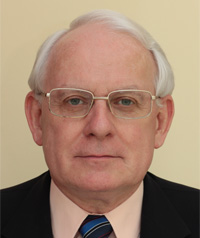 Marek Malik合作论文数Cardiac Electrophysiology at the University of London, Head of Non-Invasive Electrophysiology unit at St.5Neil Sulke合作论文数5
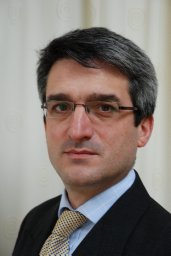 Francisco Leyva合作论文数Queen Elizabeth Hospital, University of Birmingham5
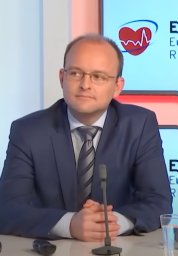 John Silberbauer合作论文数Royal Sussex County Hospital5
 Guy Lloyd合作论文数Heart, Vascular and Thoracic Institute, Cleveland Clinic London;Barts Health NHS Trust;Queen Mary University of London;University College London5
 Berthold Stegemann合作论文数5Lynne K. Williams合作论文数4S Heald合作论文数4
 Nicholas Freemantle合作论文数Comprehensive Clinical Trials Unit, Institute of Clinical Trials and Methodology, University College London4Arya Anita合作论文数4Edward Rowland合作论文数4Kayvan Kamalvand合作论文数4Robert A. Bleasdale合作论文数4Piotr Kulakowski合作论文数4Yaver Bashir合作论文数4T Farrell合作论文数4Sean O'Nunain合作论文数4David Chieng合作论文数3Lana Boodhoo合作论文数3D Gras合作论文数2Emmanuel Teiger合作论文数2Claudio Tondo合作论文数2Prapa Kanagaratnam合作论文数2Mh Anderson合作论文数2Ak Pedersen合作论文数2D Ward合作论文数2
 Christoph Scharf合作论文数Cardiovascular Center - Klinik im Park2
 Perry Elliott合作论文数Institute of Cardiovascular Medicine, Faculty of Population Health Sciences, University College London2Nicholas S. Peters合作论文数2
 Andrew A. Grace合作论文数Department of Biochemistry, University of Cambridge2
 Boris Schmidt合作论文数Technische Universitaet Darmstadt2
 Wyn Davies合作论文数Hammersmith Hospital, Imperial College London2Shane Kimber合作论文数2
 Simon Patrick Fynn合作论文数2
 L.V.A. (Lucas) Boersma合作论文数St. Antonius Ziekenhuis;University of Amsterdam2
 Ulf Landmesser合作论文数Klinik für Kardiologie, Charité – Universitätsmedizin Berlin2
 Juan-Ramón Gimeno-Blanes合作论文数Universidad de Murcia;Hospital Universitario Virgen de la Arrixaca de Murcia2Ross T. Murphy合作论文数2Rob Bleasdale合作论文数2
 Lynne J Williams合作论文数2Rajesh Thaman合作论文数2Andreas Schuchert合作论文数2




