Transglutaminases are enzymes with pleiotropic functions in the human body, among them are the A-subunit of coagulation factor XIII (FXIII; FXIII-A) and tissue transglutaminase (TG2). FXIII has a crucial function in clot formation and stabilization. FXIII also contributes to extracellular matrix formation, wound healing and tissue regeneration, a function it shares with TG2. Whether TG2 may also have a role in hemostasis has never been studied in detail. The aim of our project was to study the role of TG2 in clot formation, stabilization and hemostasis. Here, with the use of a microfluidic endothelialized whole blood bleeding model, we detected TG2 and its crosslinking activity at the site of vessel injury, and the addition of exogenous TG2 resulted in its co-localization with the fibrin clot. In turbidimetric clot formation and lysis tests, TG2 delayed clot lysis. Finally, mass-spectrometry and proteomic analyses revealed differences in fibrin chain crosslinking patterns and protein composition of purified and plasma fibrin clots generated in the presence of either FXIII or TG2. Our data suggest that TG2 is present at the site of clot formation upon vessel injury and contributes to fibrin crosslinking and clot stabilization. Hence, TG2 may be able support hemostasis.
This study aims to identify the distribution of the “Work-related behavior and experience patterns” (Arbeitsbezogenes Verhaltens-und Erlebnismuster, AVEM) in general practitioners and their teams by using baseline data of the IMPROVEjob study. Members of 60 general practices with 84 physicians in a leadership position, 28 employed physicians, and 254 practice assistants participated in a survey in 2019 and 2020. In this analysis, we focused on AVEM variables. Age, practice years, work experience, and working time were used as control variables in the Spearman Rho correlations and analysis of variance. The majority of the participants (72.1%) revealed a health-promoting pattern (G or S). Three of eleven AVEM dimensions were above the norm for the professional group “employed physicians”. The AVEM dimensions “striving for perfection” (p < 0.001), “experience of success at work” (p < 0.001), “satisfaction with life” (p = 0.003), and “experience of social support” (p = 0.019) differed significantly between the groups’ practice owners and practice assistants, with the practice owners achieving the higher values, except for experience of social support. Practice affiliation had no effect on almost all AVEM dimensions. We found a high prevalence of AVEM health-promoting patterns in our sample. Nearly half of the participants in all professional groups showed an unambitious pattern (S). Adapted interventions for the represented AVEM patterns are possible and should be utilized for maintaining mental health among general practice teams.
Background:Thrombotic events in congenital factor (F)XIII deficiency are extremely rare. To our knowledge, we describe the first case of severe congenital FXIII deficiency associated with recurrent venous thrombotic events.Key Clinician Question:How to deal with anticoagulation treatment in patients with severe FXIII deficiency?Clinical Approach:The patient was treated with rivaroxaban and plasma-derived FXIII substitution therapy as prophylaxis without bleeding complications. We aimed at FXIII trough levels of 50% during the loading doses of rivaroxaban, then 30% during the maintenance dose of rivaroxaban, and finally 20% during the long-term use of prophylactic dose of rivaroxaban.Conclusion:Treatment of thrombotic events with rivaroxaban in patients with severe bleeding disorders seems to be safe, requiring an adaptation of the intensity of the replacement therapy.
Activation of the lectin pathway of the complement system, as demonstrated by elevated levels of mannan-binding lectin proteins (MBL), contributes to vascular pathology in type 1 diabetes (T1D). Vascular complications are greatest in T1D individuals with concomitant insulin resistance (IR), however, whether IR amplifies activiation of the lectin pathway in T1D is unknown. We pooled pretreatment data from two RCTs and performed a cross-sectional analysis on 46 T1D individuals. We employed estimated glucose disposal rate (eGDR), a validated IR surrogate with cut-points of: <5.1, 5.1-8.7, and > 8.7 mg/kg/min to determine IR status, with lower eGDR values conferring higher degrees of IR. Plasma levels of MBL-associated proteases (MASP-1, MASP-2, and MASP-3) and their regulatory protein MAp44 were compared among eGDR classifications. In a subset of 14 individuals, we assessed change in MASPs and MAp44 following improvement in IR. We found that MASP-1, MASP-2, MASP-3, and MAp44 levels increased in a stepwise fashion across eGDR thresholds with elevated MASPs and MAp44 levels conferring greater degrees of IR. In a subset of 14 patients, improvement in IR was associated with significant reductions in MASPs, but not MAp44, levels. In conclusion, IR in T1D amplifies levels of MASP-1/2/3 and their regulator MAp44, and improvement of IR normalizes MASP-1/2/3 levels. Given that elevated levels of these proteins contribute to vascular pathology, amplification of the lectin pathway of the complement system may offer mechanistic insight into the relationship between IR and vascular complications in T1D. [Graphical Abstract]
Background Haemostasis is a crucial process by which the body stops bleeding. It is achieved by the formation of a platelet plug, which is strengthened by formation of a fibrin mesh mediated by the coagulation cascade. In proinflammatory and prothrombotic conditions, multiple interactions of the complement system and the coagulation cascade are known to aggravate thromboinflammatory processes and increase the risk of arterial and venous thrombosis. Whether those interactions also play a relevant role during the physiological process of haemostasis is not yet completely understood. The aim of this study was to investigate the potential role of complement components and activation during the haemostatic response to mechanical vessel injury. Methods We used a microvascular bleeding model that simulates a blood vessel, featuring human endothelial cells, perfusion with fresh human whole blood, and an inducible mechanical injury to the vessel. We studied the effects of complement inhibitors against components of the lectin (MASP-1, MASP-2), classical (C1s), alternative (FD) and common pathways (C3, C5), as well as a novel triple fusion inhibitor of all three complement pathways (TriFu). Effects on clot formation were analysed by recording of fibrin deposition and the platelet activation marker CD62P at the injury site in real time using a confocal microscope. Results With the inhibitors targeting MASP-2 or C1s, no significant reduction of fibrin formation was observed, while platelet activation was significantly reduced in the presence of the FD inhibitor. Both common pathway inhibitors targeting C3 or C5, respectively, were associated with a substantial reduction of fibrin formation, and platelet activation was also reduced in the presence of the C3 inhibitor. Triple inhibition of all three activation pathways at the C3-convertase level by TriFu reduced both fibrin formation and platelet activation. When several complement inhibitors were directly compared in two individual donors, TriFu and the inhibitors of MASP-1 and C3 had the strongest effects on clot formation. Conclusion The observed impact of complement inhibition on reducing fibrin clot formation and platelet activation suggests a role of the complement system in haemostasis, with modulators of complement initiation, amplification or effector functions showing distinct profiles. While the interactions between complement and coagulation might have evolved to support haemostasis and protect against bleeding in case of vessel injury, they can turn harmful in pathological conditions when aggravating thromboinflammation and promoting thrombosis.
Background:The factor XIII (FXIII)-B subunit has a critical function as a carrier protein to stabilize FXIII-A in plasma and supply it to its main substrate, fibrinogen. However, the function of the excess free FXIII-B circulating in plasma is still elusive. Objectives:In the present study, we explored potential interactions of free FXIII-B with complement factors and searched for novel binding partners. Methods:We tested for cofactor activity in the degradation of complement C3b and C4b and used ELISA- and surface plasmon resonance-based binding assays to investigate interactions between FXIII-B and complement components. We performed immunoprecipitation and mass spectrometry analysis to identify potential binding partners of free FXIII-B in freshly drawn plasma samples. Results:FXIII-B did not exhibit cofactor activity in the degradation of C3b and C4b similar to factor H and C4b-binding protein, nor did it bind to complement factors to a relevant extent. Identification of proteins potentially binding to free FXIII-B revealed high interindividual variation. We confirmed α2-macroglobulin (α2MG) as a candidate, although direct interactions or functional effects remain to be validated. Conclusions:Our study reveals that free FXIII-B has no direct role in regulating the complement system, despite a structural similarity to major complement regulators. Further studies are needed to validate α2MG as a binding partner and explore potential functional consequences of this binding.
BackgroundComplement lectin pathway components, in particular mannan-binding lectin (MBL) and MBL-associated serine proteases (MASPs) have been shown to interact with coagulation factors and contribute to clot formation. Here we investigated the role of MBL and MASP-1 in the haemostatic response following mechanical vessel injury in a human microfluidic bleeding model. MethodsWe studied haemostasis in a microvascular bleeding model in the presence of human endothelial cells and human whole blood under flow conditions. We monitored incorporation of proteins into the clot with fluorescently labelled antibodies and studied their effects on clot formation, platelet activation, and bleeding time with specific inhibitors. Platelet activation was also studied by flow cytometry. ResultsUpon vessel injury, MBL accumulated at the injury site in a well-defined wall-like structure. MBL showed partial colocalisation with fibrin, and strong colocalisation with von Willebrand factor and (activated) platelets. Flow cytometry ruled out direct binding of MBL to platelets, but confirmed a PAR4- and thrombin-dependent platelet-activating function of MASP-1. Inhibiting MBL during haemostasis reduced platelet activation, while inhibiting MASP-1 reduced platelet activation, fibrin deposition and prolonged bleeding time. ConclusionWe show in a microvascular human bleeding model that MBL and MASP-1 have important roles in the haemostatic response triggered by mechanical vessel injury: MBL recognises the injury site, while MASP-1 increases fibrin formation, platelet activation and shortens bleeding time. While the complement lectin pathway may be harmful in the context of pathological thrombosis, it appears to be beneficial during the physiological coagulation response by supporting the crucial haemostatic system.
Bleeding and thrombosis are major clinical problems with high morbidity and mortality. Treatment modalities for these diseases have improved in recent years, but there are many clinical questions remaining and a need to advance diagnosis, management, and therapeutic options. Basic research plays a fundamental role in understanding normal and disease processes, yet this sector has observed a steady decline in funding prospects thereby hindering support for studies of mechanisms of disease and therapeutic development opportunities. With the financial constraints faced by basic scientists, the ISTH organized a basic science task force (BSTF), comprising Scientific and Standardization Committee subcommittee chairs and co-chairs, to identify research opportunities for basic science in hemostasis and thrombosis. The goal of the BSTF was to develop a set of recommended priorities to build support in the thrombosis and hemostasis community and to inform ISTH basic science programs and policy making. The BSTF identified three principal opportunity areas that were of significant overarching relevance: mechanisms causing bleeding, innate immunity and thrombosis, and venous thrombosis. Within these, five fundamental research areas were highlighted: blood rheology, platelet biogenesis, cellular contributions to thrombosis and hemostasis, structure-function protein analyses, and visualization of hemostasis. This position paper discusses the importance and relevance of these opportunities and research areas, and the rationale for their inclusion. These findings have implications for the future of fundamental research in thrombosis and hemostasis to make transformative scientific discoveries and tackle key clinical questions. This will permit better understanding, prevention, diagnosis, and treatment of hemostatic and thrombotic conditions.
Background: Work-privacy conflict (WPC) has become an important issue for medical professionals. The cluster-randomized controlled IMPROVEjob study aimed at improving job satisfaction (primary outcome), with additional outcomes such as examining the work-privacy conflict in German general practice personnel. Using baseline data of this study, the relationship between work-privacy conflict and job satisfaction (JS) was analyzed. In addition, factors associated with higher WPC were identified. Methods: At baseline, 366 participants (general practitioners (GPs) in leadership positions, employed general practitioners, and practice assistants) from 60 German practices completed a questionnaire addressing socio-demographic data and job characteristics. Standardized scales from the German version of the COPSOQ III requested data concerning job satisfaction and work-privacy conflict. Both scores range from 0 (lowest) to 100 (highest). Multilevel analysis accounted for the clustered data. Statistical analyses were performed using IBM SPSS and RStudio software, with a significance level set at p < 0.05. Results: Job satisfaction was 77.16 (mean value; SD = 14.30) among GPs in leadership positions (n = 84), 79.61 (SD = 12.85) in employed GPs (n = 28), and 72.58 (SD = 14.42) in practice assistants (n = 254). Mean values for the WPC-scale were higher for professionals with more responsibilities: GPs in leadership positions scored highest with 64.03 (SD = 29.96), followed by employed physicians (M = 45.54, SD =30.28), and practice assistants (M = 32.67, SD = 27.41). General practitioners and practice assistants working full-time reported significantly higher work-privacy conflict than those working part-time (p < 0.05). In a multilevel analysis, work-privacy conflict was significantly associated with job satisfaction (p < 0.001). A multiple regression analysis identified working hours, as well as and being a practice owner or an employed physician as factors significantly influencing WPC. Discussion: WPC was high among general practice leaders and practice personnel working full-time. Future interventions to support practice personnel should focus on reducing WPC, as there is good evidence of its effects on job satisfaction.
This year's Congress of the International Society of Thrombosis and Haemostasis (ISTH) was hosted virtually from Philadelphia July 17-21, 2021. The conference, now held annually, highlighted cutting-edge advances in basic, population and clinical sciences of relevance to the Society. Despite being held virtually, the 2021 congress was of the same scope and quality as an annual meeting held in person. An added feature of the program is that talks streamed at the designated times will then be available on-line for asynchronous viewing. The program included 77 State of the Art (SOA) talks, thematically grouped in 28 sessions, given by internationally recognized leaders in the field. The SOA speakers were invited to prepare brief illustrated reviews of their talks that were peer reviewed and are included in this article. The topics, across the main scientific themes of the congress, include Arterial Thromboembolism, Coagulation and Natural Anticoagulants, COVID-19 and Coagulation, Diagnostics and Omics, Fibrinogen, Fibrinolysis and Proteolysis, Hemophilia and Rare Bleeding Disorders, Hemostasis in Cancer, Inflammation and Immunity, Pediatrics, Platelet Disorders, von Willebrand Disease and Thrombotic Angiopathies, Platelets and Megakaryocytes, Vascular Biology, Venous Thromboembolism and Women's Health. These illustrated capsules highlight the major scientific advances with potential to impact clinical practice. Readers are invited to take advantage of the excellent educational resource provided by these illustrated capsules. They are also encouraged to use the image in social media to draw attention to the high quality and impact of the science presented at the congress.
Background: A high prevalence of poor job satisfaction and high chronic stress is documented for general practitioners (GPs) and non-physician practice staff from various countries. The reasons are multifactorial and include deficits in leadership, communication and workflows. This publicly funded study evaluates the effectiveness of the newly developed participatory, interdisciplinary, and multimodal IMPROVEjob intervention on improving job satisfaction among GPs and practice personnel. Here, we report the baseline characteristics of the participating GPs and practice assistants, focusing on job satisfaction and perceived chronic stress. Methods: The IMPROVEjob study was performed as a cluster-randomised, controlled trial (cRCT) with German GP practices in the North Rhine Region. The IMPROVEjob intervention comprised two leadership workshops (one for practice leaders only; a second for leaders and practice assistants), a toolbox with supplemental printed and online material, and a nine-month implementation phase supported by IMPROVEjob facilitators. The intervention addressed issues of leadership, communication, and work processes. During study nurse visits, participants completed questionnaires at baseline and after nine months follow up. The primary outcome was the change in job satisfaction as measured by the respective scale of the validated German version of the Copenhagen Psychosocial Questionnaire (German COPSOQ, version 2018). Perceived chronic stress was measured using the Trier Inventory of Chronic Stress (TICS- SSCS). Results: Recruitment of 60 practices was successful: 21 were solo, 39 were group practices. At baseline, n = 84 practice owners, n = 28 employed physicians and n = 254 practice assistants were included. The mean age of all participants was 44.4 (SD = 12.8). At baseline, the job satisfaction score in the total sample was 74.19 of 100 (±14.45) and the perceived chronic stress score was 19.04 of 48 (±8.78). Practice assistants had a significantly lower job satisfaction than practice owners (p < 0.05) and employed physicians (p < 0.05). In the regression analysis, perceived chronic stress was negatively associated with job satisfaction (b= −0.606, SE b = 0.082, p < 0.001, ICC = 0.10). Discussion: The degree of job satisfaction was similar to those in other medical professionals published in studies, while perceived chronic stress was markedly higher compared to the general German population. These findings confirm the need for interventions to improve psychological wellbeing in GP practice personnel.
Background Longitudinal hypertension control prevents heart attacks, strokes, and other cardiovascular diseases. However, 49% of patients in German family medicine practices do not reach blood pressure (BP) targets (< 140/90 mmHg). Drawing on successful international approaches, the PIA study introduces the PIA information and communication technology system (PIA-ICT) for hypertension management in primary care. The PIA-ICT comprises the PIA-App for patients and the PIA practice management center for practices. Case management includes electronic communication with patients, recall, and stepwise medication adjustments following guidelines. The system supports a physician-supervised delegation model to practice assistants. General practitioners are qualified by eLearning. Patients learn how to obtain reliable BP readings, which they communicate to the practice using the PIA-App. Methods The effectiveness of the PIA-Intervention is evaluated in a cluster-randomized study with 60 practices, 120 practice assistants, and 1020 patients. Patients in the intervention group receive the PIA-Intervention; the control group receives usual care. The primary outcome is the BP control rate (BP < 140/90 mmHg) after 12 months. Using a mixed methods approach, secondary outcomes address the acceptance on behalf of physicians, practice assistants, and patients. This includes an evaluation of the delegation model. Discussion It is hypothesized that the PIA-Intervention will improve the quality of BP care. Perspectively, it may constitute an important health service model for primary care in Germany. Trial registration German Clinical Trials Register DRKS00012680. Registered on May 10, 2019
Background and Aims: Cases of cerebral venous thrombosis (CVT) in combination with thrombocytopenia have been reported within 4-28 days of vaccination with the ChAdOx1 nCov-19 vaccine (COVID-19 vaccine manufactured by AstraZeneca). An immune-mediated response associated with anti-platelet factor 4-IgG antibodies (PF4/heparin antibodies), which promotes platelet activation and subsequent thrombosis, has been proposed as the underlying pathomechanism. Methods: We analyzed data from the pre-COVID-19 era of seven hospital-based registries participating in the International CVT Consortium. We determined the frequency of admission thrombocytopenia and heparin induced thrombocytopenia (HIT), and examined the association between thrombocytopenia and mortality, adjusted for age, sex, and active cancer. We additionally analyzed previously collected plasma samples from a subset of CVT patients for the presence of PF4/ heparin antibodies. Results: Of 865 CVT patients, 73 (8.4%, 95%CI 6.8-10.5%) had thrombocytopenia, which was mild (100-150 ∗103/mL) in 52 (6.0%), moderate (50-100 ∗103/μL) in 17 (2.0%), and severe (<50 ∗103/μL) in four (0.5%). HIT was diagnosed in only one patient (0.1% [95%CI<0.1-0.7%] of all CVT patients). Thrombocytopenia was associated with an increased risk of death at last follow-up (16% vs. 6%, adjusted OR 2.2, 95%CI 1.1-4.6), especially moderate or severe thrombocytopenia (adjusted OR 9.5, 95% CI 3.4-26.3). Of the subset of 94 patients with CVT included in the laboratory analysis, none (95%CI 0-3.9%) had PF4/heparin antibodies. Conclusions: Thrombocytopenia is infrequent and HIT is very rare in non-COVID-19 related CVT. This finding increases the plausibility that the cases of CVT with HIT-like disease reported following ChAdOx1 nCov-19 vaccination are associated with the vaccine.
Importance Cases of cerebral venous sinus thrombosis in combination with thrombocytopenia have recently been reported within 4 to 28 days of vaccination with the ChAdOx1 nCov-19 (AstraZeneca/Oxford) and Ad.26.COV2.S (Janssen/Johnson & Johnson) COVID-19 vaccines. An immune-mediated response associated with platelet factor 4/heparin antibodies has been proposed as the underlying pathomechanism. Objective To determine the frequencies of admission thrombocytopenia, heparin-induced thrombocytopenia, and presence of platelet factor 4/heparin antibodies in patients diagnosed with cerebral venous sinus thrombosis prior to the COVID-19 pandemic. Design, Setting, and Participants This was a descriptive analysis of a retrospective sample of consecutive patients diagnosed with cerebral venous sinus thrombosis between January 1987 and March 2018 from 7 hospitals participating in the International Cerebral Venous Sinus Thrombosis Consortium from Finland, the Netherlands, Switzerland, Sweden, Mexico, Iran, and Costa Rica. Of 952 patients, 865 with available baseline platelet count were included. In a subset of 93 patients, frozen plasma samples collected during a previous study between September 2009 and February 2016 were analyzed for the presence of platelet factor 4/heparin antibodies. Exposures Diagnosis of cerebral venous sinus thrombosis. Main Outcomes and Measures Frequencies of admission thrombocytopenia (platelet count <150 ×103/μL), heparin-induced thrombocytopenia (as diagnosed by the treating physician), and platelet factor 4/heparin IgG antibodies (optical density >0.4, in a subset of patients with previously collected plasma samples). Results Of 865 patients (median age, 40 years [interquartile range, 29-53 years], 70% women), 73 (8.4%; 95% CI, 6.8%-10.5%) had thrombocytopenia, which was mild (100-149 ×103/μL) in 52 (6.0%), moderate (50-99 ×103/μL) in 17 (2.0%), and severe (<50 ×103/μL) in 4 (0.5%). Heparin-induced thrombocytopenia with platelet factor 4/heparin antibodies was diagnosed in a single patient (0.1%; 95% CI, <0.1%-0.7%). Of the convenience sample of 93 patients with cerebral venous sinus thrombosis included in the laboratory analysis, 8 (9%) had thrombocytopenia, and none (95% CI, 0%-4%) had platelet factor 4/heparin antibodies. Conclusions and Relevance In patients with cerebral venous sinus thrombosis prior to the COVID-19 pandemic, baseline thrombocytopenia was uncommon, and heparin-induced thrombocytopenia and platelet factor 4/heparin antibodies were rare. These findings may inform investigations of the possible association between the ChAdOx1 nCoV-19 and Ad26.COV2.S COVID-19 vaccines and cerebral venous sinus thrombosis with thrombocytopenia.
BACKGROUND:Factor XIII (FXIII)-B subunit measurements are required for the diagnosis and characterization of the type of FXIII deficiency. Furthermore, therapy for FXIII-A deficiency with recombinant FXIII (rFXIII-A) relies on available FXIII-B.OBJECTIVE:To carry out a collaborative study to calibrate and assign value to the current WHO 1st International Standard (IS) FXIII Plasma for Total FXIII-B subunit, relative to locally collected normal plasma pools.METHODS:Laboratories were instructed to use a validated method (specific ELISA antibodies provided) for assessment of Total FXIII-B subunit antigen potency. All laboratories used this method with one laboratory using an additional in-house method. Nine data sets were received from seven laboratories (37 assays in total), which provided a total of 35 valid estimates for this new assignment. Total FXIII-B subunit estimates were calculated relative to locally collected normal plasma pools, using an arbitrary value of 1.00 unit of Total FXIII-B subunit per ml, for each pool.RESULTS:Combination of results produced an overall mean of 0.98 units/mL with an inter-laboratory variability (geometric coefficients of variation - GCV%) of 18.3% [95% confidence interval: 0.86-1.11]. Real-time and bench stability studies indicated good stability and preservation of the FXIII-B subunit analyte in the WHO 1st IS FXIII Plasma (02/206).CONCLUSION:Following agreement by study participants, ISTH/SSC Experts, WHO-ISTH Liaison Group and the SSC Board, the WHO/ECBS established the current WHO 1st IS Factor XIII plasma (NIBSC code 02/206) by additionally assigning it with a Total FXIII-B subunit antigen value of 0.98 IU/ampoule, in October 2019.
Objective To investigate prediction of cerebral venous thrombosis (CVT) by clinical variables and D-dimer levels. Methods This prospective multicenter study included consecutive patients with clinically possible CVT. On admission, patients underwent clinical examination, blood sampling for D-dimers measuring (ELISA test), and magnetic resonance/CT venography. Predictive value of clinical variables and D-dimers for CVT was calculated. A clinical score to stratify patients into groups with low, moderate, or high CVT risk was established with multivariate logistic regression. Results CVT was confirmed in 26.2% (94 of 359) of patients by neuroimaging. The optimal estimate of clinical probability was based on 6 variables: seizure(s) at presentation (4 points), known thrombophilia (4 points), oral contraception (2 points), duration of symptoms >6 days (2 points), worst headache ever (1 point), and focal neurologic deficit at presentation (1 point) (area under the curve [AUC] 0.889). We defined 0 to 2 points as low CVT probability (negative predictive value [NPV] 94.1%). Of the 186 (51.8%) patients who had a low probability score, 11 (5.9%) had CVT. The frequency of CVT was 28.3% (34 of 120) in patients with amoderate (3-5 points) and 92.5%(49 of 53) in patients with a high (6-12 points) probability score. All low CVT probability patients with CVT had D-dimers >500 mu g/L. Predictive value of D-dimers for CVT for >675 mu g/L (best cutoff) vs>500 mu g/L was as follows: sensitivity 77.7%, specificity, 77%, NPV 90.7%, and accuracy 77.2% vs sensitivity 89.4%, specificity 66.4%, NPV 94.6%, and accuracy 72.4%, respectively. Adding the clinical score to D-dimers >500 mu g/L resulted in the best CVT prediction score explored (at the cutoff =6 points: sensitivity83%/specificity 86.8%/NPV 93.5%/ accuracy 84.4%/AUC 0.937). Conclusion The proposed new clinical score in combination with D-dimers may be helpful for predicting CVT as a pretest score; none of the patients with CVT showed low clinical probability for CVT and D-dimers <500 mu g/L.
 Hans P. Kohler合作论文数24Jenny Lorenz合作论文数18Hans Kohler合作论文数17
 Péter Gál合作论文数Institute of Molecular Life Sciences, HUN-REN Research Centre for Natural Sciences17
 József Dobó合作论文数Hungarian Academy of Sciences14
 Ramzi Ajjan合作论文数Division of Cardiovascular and Diabetes Research, School of Medicine, University of Leeds13v frauenknecht合作论文数7
 Marcel Arnold合作论文数Univ Bern, Univ Hosp Bern7
 Wilbur Lam合作论文数Department of Pediatrics, School of Medicine, Emory University;Wallace H. Coulter Department of Biomedical Engineering, Georgia Institute of Technology;Wallace H. Coulter Department of Biomedical Engineering, Emory University;Children's Healthcare of Atlanta Inc.7
 Bojun Li合作论文数6
 Johannes Oldenburg合作论文数Institut für Experimentelle Hämatologie und Transfusionsmedizin, Universitäts-Klinikum Bonn6
 Jean-Paul Schmid合作论文数Klinik Barmelweid6
 Vytautas Ivaskevicius合作论文数6
 Gabor Pal合作论文数Department of Biochemistry, Eötvös University6
 Steffen Thiel合作论文数Department of Biomedicine, Aarhus University6
 Angela M Carter合作论文数6
 Helena Handrkova合作论文数5Katharina Hess合作论文数5Standeven Kristina F合作论文数5Rhodri King合作论文数5
 Jonathan M. Coutinho合作论文数Department of Neurology, Academic Medical Centre5
 Jackie F. Price合作论文数Molecular Epidemiology Research Group, Centre for Population Health Sciences, University of Edinburgh, Edinburgh EH8 9AG, UK5
 Mark W. J. Strachan合作论文数Edinburgh Centre for Endocrinology and Diabetes;University of Edinburgh;Western General Hospital;Royal Infirmary of Edinburgh5Hans Peter Kohler合作论文数4
 Tanja Seifried-Dubon合作论文数4T Chatterjee合作论文数4Kerrie A. Smith合作论文数4Zuurbier Susanna M合作论文数4
 Munira Borhany (Shoaib)合作论文数Haemostasis Committee, Pakistan Society of Haematology4
 Mirjam Heldner合作论文数Faculty of Medicine, University of Bern;Stroke Research Center, University of Bern;Department of Neurology, University Hospital of Bern4
 Esther Rind合作论文数School of Environmental Sciences, University of East Anglia4
 Monika A. Rieger合作论文数Institut für Arbeitsmedizin, Sozialmedizin und Versorgungsforschung, Universitätsklinikum und Medizinische Fakultät Tübingen;Zentrum für öffentliches Gesundheitswesen und Versorgungsforschung, Universitätsklinikum und Medizinische Fakultät Tübingen4Joost C. M. Meijers合作论文数4
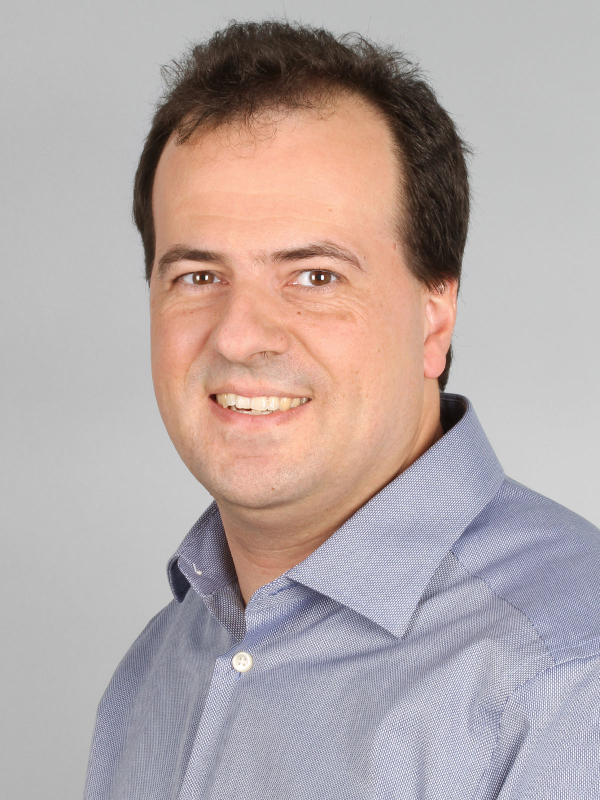 Daniel Ricklin合作论文数Department of Pharmaceutical Sciences, Faculty of Science, University of Basel4Karl-Heinz Jockel合作论文数4Birgitta Weltermann合作论文数4Claudia Pieper合作论文数4J. Dobo合作论文数3E Meili合作论文数3Karen Linden合作论文数3Julian Goebel合作论文数3Murielle Golomingi合作论文数3Anna-Lisa Eilerts合作论文数3
 Robert Ariëns合作论文数School of Medicine, Faculty of Medicine and Health, University of Leeds;Leeds Institute of Cardiovascular and Metabolic Medicine, University of Leeds3Bence Kiss合作论文数Department of Biochemistry, Eötvös Loránd University3Elaissa T. Hardy合作论文数Wallace H. Coulter Department of Biomedical Engineering, Georgia Institute of Technology and Emory University;Aflac Cancer Center and Blood Disorders Service of Children’s Healthcare of Atlanta, Emory University School of Medicine;Winship Cancer Institute, Emory University;Emory University School of Medicine, Emory University3
 Tahir Shamsi合作论文数National Institute of Blood Diseases and Bone Marrow Transplantation3
 Flora Peyvandi合作论文数Dipartimento di Fisiopatologia Medico-Chirurgica e dei Trapianti, Università degli Studi di Milano3




