BACKGROUND:MBL (mannose-binding lectin), a pattern recognition molecule circulating in complex with MASPs (MBL-associated serine proteases), activates the lectin complement pathway and facilitates thrombin generation upon binding to specific moieties on pathogens or altered host cells. We aimed to investigate the association between plasma MBL levels and risk of future venous thromboembolism (VTE) and to explore the effect of MBL-MASP-1/2 complexes on thrombin generation. METHODS:We conducted a population-based case-cohort (294 VTE patients, 1066 sex- and age-weighted subcohorts) derived from HUNT (The Trøndelag Health Study). Plasma MBL levels were measured using the SomaScan 7k aptamer-based platform. Cox proportional hazards regression models were used to estimate hazard ratios for VTE across quartiles of MBL levels. Thrombin generation in plasma induced by MBL-MASPs complexes was assessed in vitro. RESULTS:Subjects with MBL levels in the highest quartile had a 79% higher risk of overall VTE (hazard ratio, 1.79 [95% CI, 1.23-2.61]) than those with MBL levels in the lowest quartile after multivariable adjustments. The risk estimates by high plasma MBL were particularly strong for deep vein thrombosis (hazard ratio, 2.50 [95% CI, 1.42-4.37]) and unprovoked VTE (hazard ratio, 2.81 [95% CI, 1.53-5.16]). MBL-MASP-1/2 complexes promoted complement activation and thrombin generation, and monospecific inhibitors abolished their enzymatic activity. CONCLUSIONS:Our findings support the notion that high plasma MBL levels are associated with an increased risk of future VTE and suggest that the risk increase is partially mediated through the initiation of thrombin generation by MBL-MASP-1/2 complexes at the site of venous thrombosis formation.
Renal ischemia–reperfusion injury (IRI) is a common complication in several clinical scenarios including kidney transplantation. Mannan-binding lectin-associated serine proteinase (MASP)-2 is essential for activation of the complement lectin pathway, which has been implicated in the pathogenesis of renal IRI and therefore represents a potential therapeutic target. We developed a new, affinity-enhanced MASP-2 inhibitor, EVO24, by directed evolution of the D2 domain of human tissue factor pathway inhibitor. EVO24 was fused with a human IgG1-Fc to create the homodimer EVO24L, which potently and selectively inhibited the lectin pathway in human and mouse serum in vitro. EVO24L was tested in a mouse model of unilateral warm renal IRI. EVO24L administered before and after ischemia significantly protected against IRI, with improved renal function as well as reduced tubular injury and inflammatory cell infiltration at 24 h compared to vehicle-treated mice. Immunofluorescence analyses showed reduced deposition of complement components (C3d, C4d, and C9) and reduced expression of VCAM-1, indicating a decrease in complement activation and endothelial cell activation. Additionally, EVO24L treatment lowered plasma levels of complement C5a, hyaluronan (a marker of endothelial glycocalyx shedding), and the proinflammatory cytokines IL-6 and TNF-α. Our findings indicate that EVO24L inhibits acute inflammatory responses in renal IRI by blocking the lectin pathway, confirming the important role of this pathway in acute ischemic kidney injury and warranting further investigation of EVO24L in clinical settings.
BackgroundSchistosomes are highly efficient evaders of human immunity, as evident by their ability to survive in human blood for years. How they protect themselves against the constant attack by a key element of innate immunity, the complement system, has remained unclear. In this study, new light is shed on the interaction between distinct life-cycle stages of Schistosoma mansoni and the human complement system.ResultsWe demonstrate that schistosomula, the young stage assumed immediately after cercaria penetration of the skin, are extremely vulnerable towards complement-mediated killing as only 10-20% survive. The survival rate increases to 70% already within 30 minutes and reaches close to 100% within two hours. Pathway-specific complement inhibitors revealed the alternative pathway of complement activation as the main contributor to killing and damage of the schistosomula. Moreover, the complement regulator factor H is recruited by the schistosomula in this early stage to evade killing. Surviving parasites appear fully viable despite the ongoing complement attack, as demonstrated by the deposition of C3 fragments. However, when exposed to the widely used schistocidal drug praziquantel, the vulnerability of 24 h-old schistosomula towards complement-mediated killing is notably increased; no such effect was observed for mefloquine or oxamniquine. Similar to the younger life-cycle stages, adult worms remain under complement attack. C3 fragments were found all over the outer surface (tegument), deposited mostly on the ridges and not on the tubercles.ConclusionThe recruitment of factor H merits more detailed studies that pinpoint the molecules involved and elucidate the novel possibilities to intercept the uncovered immune evasion therapeutically. That praziquantel and complement work in synergy is surprising and may in the future result in enhanced understanding of the drug’s mechanism of action.
Endothelial wound-healing processes are fundamental for the maintenance and restoration of the circulatory system and are greatly affected by the factors present in the blood. We have previously shown that the complement protein mannan-binding lectin-associated serine protease-1 (MASP-1) induces the proinflammatory activation of endothelial cells and is able to cooperate with other proinflammatory activators. Our aim was to investigate the combined effect of mechanical wounding and MASP-1 on endothelial cells. Transcriptomic analysis showed that MASP-1 alters the expression of wound-healing-related and angiogenesis-related genes. Both wounding and MASP-1 induced Ca2+ mobilization when applied individually. However, MASP-1-induced Ca2+ mobilization was inhibited when the treatment was preceded by wounding. Mechanical wounding promoted CREB phosphorylation, and the presence of MASP-1 enhanced this effect. Wounding induced ICAM-1 and VCAM-1 expression on endothelial cells, and MASP-1 pretreatment further increased VCAM-1 levels. MASP-1 played a role in the subsequent stages of angiogenesis, facilitating the breakdown of the endothelial capillary network on Matrigel®. Our findings extend our general understanding of endothelial wound healing and highlight the importance of complement MASP-1 activation in wound-healing processes.
Wound healing represents a complex and evolutionarily conserved process across vertebrates, encompassing a series of life-rescuing events. The healing process runs in three main phases: inflammation, proliferation, and maturation/remodelling. While acute inflammation is indispensable for cleansing the wound, removing infection, and eliminating dead tissue characterised by the prevalence of neutrophils, the proliferation phase is characterised by transition into the inflammatory cell profile, shifting towards the prevalence of macrophages. The proliferation phase involves development of granulation tissue, comprising fibroblasts, activated myofibroblasts, and inflammatory and endothelial cells. Communication among these cellular components occurs through intercellular contacts, extracellular matrix secretion, as well as paracrine production of bioactive factors and proteolytic enzymes. The proliferation phase of healing is intricately regulated by inflammation, particularly interleukin-6. Prolonged inflammation results in dysregulations during the granulation tissue formation and may lead to the development of chronic wounds or hypertrophic/keloid scars. Notably, pathological processes such as autoimmune chronic inflammation, organ fibrosis, the tumour microenvironment, and impaired repair following viral infections notably share morphological and functional similarities with granulation tissue. Consequently, wound healing emerges as a prototype for understanding these diverse pathological processes. The prospect of gaining a comprehensive understanding of wound healing holds the potential to furnish fundamental insights into modulation of the intricate dialogue between cancer cells and non-cancer cells within the cancer ecosystem. This knowledge may pave the way for innovative approaches to cancer diagnostics, disease monitoring, and anticancer therapy.
Both hypoxia and the complement lectin pathway (CLP) are involved in atherosclerosis and atherosclerosis-related stroke and acute myocardial infarction (AMI). We have previously shown that mannose-binding lectin-associated serine protease-1 (MASP-1), the most abundant enzyme of CLP, induces an inflammatory phenotype of endothelial cells (ECs) by cleaving protease activated receptors (PARs). In the absence of data, we aimed to investigate whether hypoxia and MASP-1 interact at the level of ECs, to better understand their role in atherosclerosis-related diseases. Hypoxia attenuated the wound healing ability of ECs, increased ICAM-1 and decreased ICAM-2 expression and upregulated PAR2 gene expression. Hypoxia and MASP-1 increased GROα and IL-8 production, and endothelial permeability without potentiating each other's effects, whereas they cooperatively disrupted vascular network integrity, activated the Ca2+, CREB and NFκB signaling pathways, and upregulated the expression of E-selectin, a crucial adhesion molecule in neutrophil homing. VCAM-1 expression was not influenced either by hypoxia, or by MASP-1. In summary, hypoxia potentiates the effect of MASP-1 on ECs, at least partially by increasing PAR expression, resulting in interaction at several levels, which may altogether exacerbate stroke and AMI progression. Our findings suggest that MASP-1 is a potential drug target in the acute phase of atherosclerosis-related diseases.
The complement system is the other major proteolytic cascade in the blood of vertebrates besides the coagulation–fibrinolytic system. Among the three main activation routes of complement, the lectin pathway (LP) has been discovered the latest, and it is still the subject of intense research. Mannose-binding lectin (MBL), other collectins, and ficolins are collectively termed as the pattern recognition molecules (PRMs) of the LP, and they are responsible for targeting LP activation to molecular patterns, e.g., on bacteria. MBL-associated serine proteases (MASPs) are the effectors, while MBL-associated proteins (MAps) have regulatory functions. Two serine protease components, MASP-1 and MASP-2, trigger the LP activation, while the third component, MASP-3, is involved in the function of the alternative pathway (AP) of complement. Besides their functions within the complement system, certain LP components have secondary (“moonlighting”) functions, e.g., in embryonic development. They also contribute to blood coagulation, and some might have tumor suppressing roles. Uncontrolled complement activation can contribute to the progression of many diseases (e.g., stroke, kidney diseases, thrombotic complications, and COVID-19). In most cases, the lectin pathway has also been implicated. In this review, we summarize the history of the lectin pathway, introduce their components, describe its activation and regulation, its roles within the complement cascade, its connections to blood coagulation, and its direct cellular effects. Special emphasis is placed on disease connections and the non-canonical functions of LP components.
Abstract Brain abscess is a rare but life-threatening infection of the brain. It often occurs as a complication of infection, trauma, or surgery. This case presents a brain abscess in a 22-month-old boy that developed after a transnasal injury with a foreign body. A minimal-invasive, transnasal, endoscopic-controlled technique was used, during which the foreign object was removed and the abscess drained. Bacteriological samples were obtained and the abscess cavity irrigated. Postoperative care included antibiotics and daily irrigation of the abscess cavity. Follow-up MRI scans showed reduction in abscess size. A spinal drain was inserted temporarily to address rhino-liquorrhoea. The patient remained asymptomatic during one-year of follow-up. This case report highlights the occurrence of a brain abscess in childhood following a transnasal injury and demonstrates a minimal-invasive, transnasal, endoscopic-controlled surgical technique. The findings underscore the importance of considering brain abscess as a potential complication in cases of head trauma, particularly in atypical presentations.
The nucleocapsid (N) protein of severe acute respiratory syndrome coronavirus 2 (SARS-CoV-2) is a viral structural protein that is abundant in the circulation of infected individuals. Previous published studies reported controversial data about the role of the N protein in the activation of the complement system. It was suggested that the N protein directly interacts with mannose-binding lectin-associated serine protease-2 (MASP-2) and stimulates lectin pathway overactivation/activity. In order to check these data and to reveal the mechanism of activation, we examined the effect of the N protein on lectin pathway activation. We found that the N protein does not bind to MASP-2 and MASP-1 and it does not stimulate lectin pathway activity in normal human serum. Furthermore, the N protein does not facilitate the activation of zymogen MASP-2, which is MASP-1 dependent. Moreover, the N protein does not boost the enzymatic activity of MASP-2 either on synthetic or on protein substrates. In some of our experiments, we observed that MASP-2 digests the N protein. However, it is questionable, whether this activity is biologically relevant. Although surface-bound N protein did not activate the lectin pathway, it did trigger the alternative pathway in 10% human serum. Additionally, we detected some classical pathway activation by the N protein. Nevertheless, we demonstrated that this activation was induced by the bound nucleic acid, rather than by the N protein itself.
Endothelial cells play an important role in sensing danger signals and regulating inflammation. Several factors are capable of inducing a proinflammatory response (e.g., LPS, histamine, IFNγ, and bradykinin), and these factors act simultaneously during the natural course of the inflammatory reaction. We have previously shown that the complement protein mannan-binding lectin-associated serine protease-1 (MASP-1) also induces a proinflammatory activation of the endothelial cells. Our aim was to investigate the possible cooperation between MASP-1 and other proinflammatory mediators when they are present in low doses. We used HUVECs and measured Ca2+ mobilization, IL-8, E-selectin, VCAM-1 expression, endothelial permeability, and mRNA levels of specific receptors. LPS pretreatment increased the expression of PAR2, a MASP-1 receptor, and furthermore, MASP-1 and LPS enhanced each other’s effects in regulating IL-8, E-selectin, Ca2+ mobilization, and changes in permeability in a variety of ways. Cotreatment of MASP-1 and IFNγ increased the IL-8 expression of HUVECs. MASP-1 induced bradykinin and histamine receptor expression, and consequently, increased Ca2+ mobilization was found. Pretreatment with IFNγ enhanced MASP-1-induced Ca2+ mobilization. Our findings highlight that well-known proinflammatory mediators and MASP-1, even at low effective doses, can strongly synergize to enhance the inflammatory response of endothelial cells.
Background Haemostasis is a crucial process by which the body stops bleeding. It is achieved by the formation of a platelet plug, which is strengthened by formation of a fibrin mesh mediated by the coagulation cascade. In proinflammatory and prothrombotic conditions, multiple interactions of the complement system and the coagulation cascade are known to aggravate thromboinflammatory processes and increase the risk of arterial and venous thrombosis. Whether those interactions also play a relevant role during the physiological process of haemostasis is not yet completely understood. The aim of this study was to investigate the potential role of complement components and activation during the haemostatic response to mechanical vessel injury. Methods We used a microvascular bleeding model that simulates a blood vessel, featuring human endothelial cells, perfusion with fresh human whole blood, and an inducible mechanical injury to the vessel. We studied the effects of complement inhibitors against components of the lectin (MASP-1, MASP-2), classical (C1s), alternative (FD) and common pathways (C3, C5), as well as a novel triple fusion inhibitor of all three complement pathways (TriFu). Effects on clot formation were analysed by recording of fibrin deposition and the platelet activation marker CD62P at the injury site in real time using a confocal microscope. Results With the inhibitors targeting MASP-2 or C1s, no significant reduction of fibrin formation was observed, while platelet activation was significantly reduced in the presence of the FD inhibitor. Both common pathway inhibitors targeting C3 or C5, respectively, were associated with a substantial reduction of fibrin formation, and platelet activation was also reduced in the presence of the C3 inhibitor. Triple inhibition of all three activation pathways at the C3-convertase level by TriFu reduced both fibrin formation and platelet activation. When several complement inhibitors were directly compared in two individual donors, TriFu and the inhibitors of MASP-1 and C3 had the strongest effects on clot formation. Conclusion The observed impact of complement inhibition on reducing fibrin clot formation and platelet activation suggests a role of the complement system in haemostasis, with modulators of complement initiation, amplification or effector functions showing distinct profiles. While the interactions between complement and coagulation might have evolved to support haemostasis and protect against bleeding in case of vessel injury, they can turn harmful in pathological conditions when aggravating thromboinflammation and promoting thrombosis.
COPYRIGHT © 2023 Dobó, Gál and Geisbrecht. This is an open-access article distributed under the terms of the Creative Commons Attribution License (CC BY). The use, distribution or reproduction in other forums is permitted, provided the original author(s) and the copyright owner(s) are credited and that the original publication in this journal is cited, in accordance with accepted academic practice. No use, distribution or reproduction is permitted which does not comply with these terms. TYPE Editorial PUBLISHED 24 January 2023 DOI 10.3389/fimmu.2023.1144038
Complement factor D (FD) is a serine protease present predominantly in the active form in circulation. It is synthesized as a zymogen (pro-FD), but it is continuously converted to FD by circulating active MASP-3. FD is a unique, self-inhibited protease. It has an extremely low activity toward free factor B (FB), while it is a highly efficient enzyme toward FB complexed with C3b (C3bB). The structural basis of this phenomenon is known; however, the rate enhancement was not yet quantified. It has also been unknown whether pro-FD has any enzymatic activity. In this study, we aimed to measure the activity of human FD and pro-FD toward uncomplexed FB and C3bB in order to quantitatively characterize the substrate-induced activity enhancement and zymogenicity of FD. Pro-FD was stabilized in the proenzyme form by replacing Arg(25) (precursor numbering) with Gln (pro-FD-R/Q). Activated MASP-1 and MASP-3 catalytic fragments were also included in the study for comparison. We found that the complex formation with C3b enhanced the cleavage rate of FB by FD approximately 20 million-fold. C3bB was also a better substrate for MASP-1, approximately 100-fold, than free FB, showing that binding to C3b renders the scissile Arg-Lys bond in FB to become more accessible for proteolysis. Though easily measurable, this cleavage by MASP-1 is not relevant physiologically. Our approach provides quantitative data for the two-step mechanism characterized by the enhanced susceptibility of FB for cleavage upon complex formation with C3b and the substrate-induced activity enhancement of FD upon its binding to C3bB. Earlier MASP-3 was also implicated as a potential FB activator; however, MASP-3 does not cleave C3bB (or FB) at an appreciable rate. Finally, pro-FD cleaves C3bB at a rate that could be physiologically significant. The zymogenicity of FD is approximately 800, i.e., the cleavage rate of C3bB by pro-FD-R/Q was found to be approximately 800-fold lower than that by FD. Moreover, pro-FD-R/Q at approximately 50-fold of the physiological FD concentration could restore half-maximal AP activity of FD-depleted human serum on zymosan. The observed zymogen activity of pro-FD might be relevant in MASP-3 deficiency cases or during therapeutic MASP-3 inhibition.
BackgroundComplement lectin pathway components, in particular mannan-binding lectin (MBL) and MBL-associated serine proteases (MASPs) have been shown to interact with coagulation factors and contribute to clot formation. Here we investigated the role of MBL and MASP-1 in the haemostatic response following mechanical vessel injury in a human microfluidic bleeding model. MethodsWe studied haemostasis in a microvascular bleeding model in the presence of human endothelial cells and human whole blood under flow conditions. We monitored incorporation of proteins into the clot with fluorescently labelled antibodies and studied their effects on clot formation, platelet activation, and bleeding time with specific inhibitors. Platelet activation was also studied by flow cytometry. ResultsUpon vessel injury, MBL accumulated at the injury site in a well-defined wall-like structure. MBL showed partial colocalisation with fibrin, and strong colocalisation with von Willebrand factor and (activated) platelets. Flow cytometry ruled out direct binding of MBL to platelets, but confirmed a PAR4- and thrombin-dependent platelet-activating function of MASP-1. Inhibiting MBL during haemostasis reduced platelet activation, while inhibiting MASP-1 reduced platelet activation, fibrin deposition and prolonged bleeding time. ConclusionWe show in a microvascular human bleeding model that MBL and MASP-1 have important roles in the haemostatic response triggered by mechanical vessel injury: MBL recognises the injury site, while MASP-1 increases fibrin formation, platelet activation and shortens bleeding time. While the complement lectin pathway may be harmful in the context of pathological thrombosis, it appears to be beneficial during the physiological coagulation response by supporting the crucial haemostatic system.
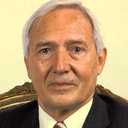 Peter Zavodszky合作论文数122
 József Dobó合作论文数Hungarian Academy of Sciences99
 Gabor Pal合作论文数Department of Biochemistry, Eötvös University56
 Veronika Harmat合作论文数Institute of Chemistry, Eötvös Loránd University39
 Andrea Kocsis合作论文数29
 J. Dobo合作论文数26
 Laszlo Cervenak合作论文数Research Group of Inflammation Biology and Immunogenomics, Hungarian Academy of Sciences26
 Katalin Szilagyi合作论文数24Zsolt Lőrincz合作论文数22László Beinrohr合作论文数Institute of Enzymology, Hungarian Academy of Sciences21
 Gabor Oroszlan合作论文数From the Department of Otolaryngology–Head and Neck Surgery, University of California San Francisco School of Medicine;the Department of Otorhinolaryngology, Hajnal Imre University of Health Sciences;and the Department of Otorhinolaryngology–Head and Neck Surgery, University of Pennsylvania Medical Center;Hajnal Imre University of Health Sciences, University of California San Francisco School of Medicine20Gabor Ambrus合作论文数19Barbara M. Végh合作论文数Institute of Enzymology, Hungarian Academy of Sciences19
 Erika Kajdacsi合作论文数3rd Department of Medicine, Semmelweis University18
 Robert B. Sim合作论文数University of Leicester18
 Verena Schroeder合作论文数17Ráhel Dani合作论文数Res Ctr Nat Sci, Inst Enzymol13Cseh Sándor合作论文数13
 Márton Megyeri合作论文数Res Ctr Nat Sci, Inst Enzymol12
 Marta Debreczeni合作论文数Res Lab, Semmelweis Univ11
 David Szakacs合作论文数11Jenny Lorenz合作论文数11
 Peter Garred合作论文数Department of Clinical Medicine, Faculty of Health and Medical Sciences, University of Copenhagen;Department of Clinical Immunology, Centre of Diagnostic Investigation, Rigshospitalet11Henriette Farkas合作论文数11Bence Kiss合作论文数Department of Biochemistry, Eötvös Loránd University10Héja Dávid合作论文数10
 Endre Schwaner合作论文数10Lilian Varga合作论文数10
 Julianna Kardos合作论文数Central Research Institute for Chemistry, The Hungarian Academy of Sciences10
 Steffen Thiel合作论文数Department of Biomedicine, Aarhus University10Balázs Major合作论文数Institute of Enzymology, Hungarian Academy of Sciences10Géza Ambrus合作论文数Institute of Enzymology, Hungarian Academy of Sciences10
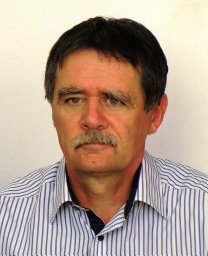 Ferenc Vonderviszt合作论文数Molecular Dynamic Assembly Project, ERATO10G Náray-Szabó合作论文数9Zoltán Doleschall合作论文数9
 András Szilágyi合作论文数Res Ctr Nat Sci, Inst Enzymol9
 Jani Péter K合作论文数3rd Department of Internal Medicine, Semmelweis University9Verne N. Schumaker合作论文数9Edina Sebestyen合作论文数9A Kocsis合作论文数8
 Zsuzsanna Németh合作论文数2nd Department of Pathology, Semmelweis University8
 László Barna合作论文数Department of Pharmacology, Semmelweis University of Medicine8István Hajdú合作论文数Biological Research Center, Hungarian Academy of Sciences Institute of Enzymology8László Gráf合作论文数7
 Katalin A Kekesi合作论文数6M Sárvári合作论文数6
 Wilbur Lam合作论文数Department of Pediatrics, School of Medicine, Emory University;Wallace H. Coulter Department of Biomedical Engineering, Georgia Institute of Technology;Wallace H. Coulter Department of Biomedical Engineering, Emory University;Children's Healthcare of Atlanta Inc.6Genster Ninette合作论文数6Rosbjerg Anne合作论文数Faculty of Health and Medical Sciences, University of Copenhagen6




