Background Aortic root rupture is a rare but lethal complication of transcatheter aortic valve replacement (TAVR). It is often the result of excessive radial forces experienced by the aorta during stent deployment. Current pre-procedural planning methods lack the predictive ability to capture interactions between the patient's native anatomical tissue and the transcatheter heart valve. Objectives This study aimed to investigate whether 3-dimensional (3D) computational modeling could be used to derive a biomarker that analyzed peak areal stretch to predict patient-specific risk for aortic root rupture. Methods In a 2-phase study, a derivation cohort (n = 26) was used to establish a peak areal stretch threshold for rupture risk, followed by a blinded validation cohort (n = 40) where modeling was performed using the federal drug administration-cleared PrecisionTAVI software. Researchers were blinded to the clinical outcomes of each case until after computational analysis had been completed. Peak areal stretch's predictive ability was compared to traditional factors such as calcium score or valve oversizing. Results A significant association was found between peak areal stretch and aortic root rupture. Rupture-positive cases had a higher mean stretch (1.956 ± 0.216) than negative cases (1.635 ± 0.284, P = .0285). A threshold of 1.6 showed strong predictive performance with an area under the curve (AUC) of 0.81, outperforming traditional metrics such as calcium score (AUC = 0.643) and valve oversizing (AUC = 0.697). Conclusion Peak areal stretch derived from computational modeling may serve as a patient-specific predictor of aortic root rupture, with potential to improve pre-TAVR planning and patient outcomes.
BACKGROUND:Transcatheter aortic valve replacement (TAVR) is an alternative to surgical aortic valve replacement for patients with symptomatic severe aortic stenosis. However, long-term outcomes data are lacking for TAVR, particularly with newer-generation transcatheter heart valves. OBJECTIVES:The purpose of this study was to compare 10-year outcomes of intermediate-risk patients who underwent TAVR with the third-generation, balloon-expandable SAPIEN 3 valve in the PARTNER 2 SAPIEN 3 Intermediate-risk Registry (P2S3i) with those who underwent surgery in the PARTNER 2A (P2A) randomized trial. METHODS:Intermediate-risk patients were enrolled in the P2A trial from 2011 through 2013 and in the P2S3i registry in 2014. These prospective, multicenter studies used the same eligibility criteria and stratified patients based on suitability for transfemoral or transthoracic (transapical/transaortic) access. Ten-year outcomes were evaluated, including all-cause mortality, aortic valve reintervention, and core laboratory-adjudicated echocardiographic outcomes. Patient reconsent was required at 5 years for extended 10-year follow-up, and vital status sweeps were implemented to improve data completeness for all-cause mortality. To account for potential baseline differences and reduce confounding, P2S3i TAVR patients were propensity score-matched 1:1 to P2A surgical patients. RESULTS:Among 2,005 patients who received a valve, 1,069 underwent TAVR in P2S3i and 936 underwent surgery in P2A. After propensity score matching (N = 783 patients in each group), baseline characteristics were similar between groups: mean age was approximately 82 years, 43% were female, and mean Society of Thoracic Surgeons score was 5.5%. At 10 years, all-cause mortality rate was 83.4% after TAVR and 82.3% after surgery, respectively (HR: 1.01 [95% CI: 0.91-1.13]; P = 0.82). Aortic valve reintervention rates adjusted for competing mortality were 2.0% for TAVR and 1.9% for surgery (P = 0.47). Among 32 TAVR and 30 surgical patients with available echocardiographic data at 10 years, mean gradients were 11.0 mm Hg and 12.6 mm Hg, respectively. CONCLUSIONS:At 10 years, TAVR with the SAPIEN 3 valve and surgery resulted in similar rates of mortality and aortic valve reintervention, and similar hemodynamics in intermediate-risk patients with symptomatic severe aortic stenosis. This analysis highlights challenges associated with extended long-term follow-up of clinical trials, including differential loss to follow-up and the competing risk of mortality in elderly populations. (PARTNER 2A Trial; NCT01314313; PARTNER 2 SAPIEN 3 Intermediate-Risk Registry; NCT03222128).
OBJECTIVE:Patients on ticagrelor who are undergoing cardiac surgery before completing guideline-recommended washout are at high risk for severe bleeding. This study evaluated whether a novel drug removal device reduces bleeding in patients operated within 2 days from ticagrelor discontinuation. METHODS:Eligible patients were randomized 1:1 to intraoperative DrugSorb-ATR or sham control. Primary safety end point was adverse events at 30 days. Efficacy was assessed by composite end points comprising bleeding events using Universal Definition of Perioperative Bleeding (UDPB) and 24-hour chest tube drainage (CTD) in the overall and isolated coronary artery bypass grafting (CABG) populations with a hierarchical win ratio (WR) method. RESULTS:In total, 140 patients were randomized; 132 had surgery and received a study device; and 92% were isolated CABG. Mean age was 65 ± 5 years, and 15% were female. The primary safety end point was met, with similar adverse events reported between groups. The primary efficacy end point was not met in the overall or CABG populations (Win ratio [WR], 1.07; 95% CI, 0.72-1.58; P = .748 and WR, 1.33; 95% CI, 0.86-2.04; P = .202 respectively). The supplementary efficacy end point was met in the CABG population (WR, 1.59; 95% CI, 1.02-2.46, P = .041) with significant reductions also shown in large CTD bleeding events (P = .016) and major bleeding, a composite of severe bleeding events or 24-hour CTD ≥1 L (P = .041). The number needed to treat to prevent a major bleed was 6. CONCLUSIONS:Intraoperative use of DrugSorb-ATR is safe in patients operated within 2 days of ticagrelor discontinuation. Although the primary end point was not met in the overall population, there were significant reductions in severe bleeding events in the prespecified CABG population.
Importance:As transcatheter aortic valve replacement (TAVR) is considered for younger and lower-risk populations, the durability of bioprosthetic valves is increasingly important. Limited data exist on long-term (7 years and beyond) valve durability. Objective:To report 7-year valve durability outcomes for low-risk patients with symptomatic severe aortic stenosis treated with TAVR vs surgery. Design, Setting, and Participants:Between March 2016 and October 2017, a total of 1000 patients were enrolled at 71 centers in the US and Canada and randomized to undergo TAVR vs surgery. The patient population for the present analysis consisted of all patients who underwent valve implantation (495 with TAVR and 453 with surgery). The last 7-year follow-up occurred in March 2025. Interventions:Patients were randomized to balloon-expandable TAVR with the SAPIEN 3 valve or surgery with any commercially available valve. Main Outcomes and Measures:The main outcomes of this analysis were stage 2 or 3 bioprosthetic valve dysfunction (BVD) related to structural valve deterioration (SVD), thrombosis, or endocarditis; all-cause bioprosthetic valve failure (BVF); BVF related to SVD; and aortic valve reintervention at 7 years. Analyses are presented as cumulative incidence rates with death as a competing risk. Results:The mean (SD) age of the study population was 73.5 (6.0) years, and 657 participants (69.3%) were male. Of 671 patients who were still alive and enrolled in the study at 7-year follow-up, 537 (80.0%) were available for echocardiographic analysis. Cumulative incidence rates of stage 2 or 3 SVD-related BVD (7.3% vs 7.6%; hazard ratio [HR], 0.96; 95% CI, 0.59-1.57; P = .88), all-cause BVF (6.9% vs 7.5%; HR, 0.91; 95% CI, 0.55-1.49; P = .69), SVD-related BVF (3.9% vs 5.3%; HR, 0.72; 95% CI, 0.39-1.36; P = .31), and valve reintervention (6.0% vs 5.5%; HR, 1.09; 95% CI, 0.62-1.90; P = .77) were low and similar for TAVR and surgery, respectively. Stage 2 or 3 thrombosis-related BVD (subclinical and clinical) occurred more frequently with TAVR (5.2% vs 0.9%; HR, 5.52; 95% CI, 1.92-15.85; P < .001), although most events occurred within 3 years and few progressed to BVF. Rates of stage 2 or 3 endocarditis-related BVD were also low and similar (0.4% in the TAVR group vs 0.5% in the surgery group; HR, 0.85; 95% CI, 0.12-6.07; P = .87). The proportion of patients alive and free of all-cause BVF was 73.4% (331/451) with TAVR vs 74.8% (288/385) with surgery (P = .69). Conclusions and Relevance:In this ad hoc analysis of a randomized clinical trial among low-risk patients with symptomatic severe aortic stenosis randomized to TAVR or surgery, both TAVR and surgery demonstrated comparable and sustained valve durability, with low and similar rates of SVD, all-cause BVF, and reintervention through 7 years. These findings may inform discussions of valve replacement strategies. Trial Registration:ClinicalTrials.gov Identifier: NCT02675114.
Background Transfemoral (TF) transcatheter mitral valve replacement (TMVR) has emerged as a therapeutic alternative for the treatment of patients with symptomatic mitral valve disease in patients with high surgical risk. Objectives The aim of this study was to present 30-day outcomes among all patients included in both the early feasibility study (EFS) and compassionate use experience using the Cephea TF TMVR system. Methods Thirty-one consecutive high-risk patients with symptomatic mitral valve disease were enrolled under an EFS protocol (n = 24) or treated under compassionate use (n = 7) with TF TMVR from August 2021 to June 2024. The cohort mean age was 75.0 ± 8.1 years, with mean Society of Thoracic Surgeons Predicted Risk of Mortality of 6.4% ± 2.9%. Procedural outcomes and survival through 30 days were reported for all patients; additionally, subjects enrolled in the EFS had comprehensive follow-up visits including independent echocardiographic core laboratory measurements. Results All patients had mitral regurgitation (MR) grade ≥III (93.5%) or isolated mitral stenosis (6.5%); 25.8% had severe mitral annular calcification. The prosthetic valve was implanted in 96.8% of attempted subjects (30 of 31), with a mean device time of 56 ± 32 minutes. One subject was converted to surgical bioprosthetic mitral valve implantation. There were no procedural deaths or strokes. The primary safety endpoint of 30-day survival was achieved in 97% of patients (30 of 31); the primary efficacy endpoint of MR reduction to mild or less was achieved in 100% of patients with evaluable echocardiograms (27 of 27). Conclusions TF TMVR in patients with complex anatomies achieved a high rate of implantation success, low 30-day mortality, and no significant residual MR.
BACKGROUND AND AIMS:The TRISCEND II trial demonstrated superior clinical benefits for patients with ≥severe tricuspid regurgitation (TR) treated with the EVOQUE transcatheter tricuspid valve replacement (TTVR) system plus medical therapy vs medical therapy alone. This work reports 1-year and 18-month outcomes in patients stratified by baseline TR severity. METHODS:The multicentre, prospective TRISCEND II trial enrolled 400 patients with symptomatic, ≥severe TR, and randomized 2:1 to TTVR (n = 267) or control (n = 133). In a post hoc analysis, patients were stratified into severe TR (n = 172) and massive/torrential TR (n = 220) cohorts. Clinical and quality-of-life outcomes were reported at 1 year, with Kaplan-Meier estimates for all-cause mortality and heart failure (HF) hospitalization assessed at 18 months. Study oversight included an independent echocardiographic core laboratory, clinical events committee, and data safety monitoring board. RESULTS:One year after TTVR, TR was ≤mild in 95.2% of severe TR and 95.3% of massive/torrential TR patients. The primary safety and effectiveness endpoint (win ratio) favoured TTVR over control regardless of baseline TR severity: severe {1.64 [95% confidence interval (CI): 1.11, 2.43]} and massive/torrential [2.20 (1.55, 3.14)]. At 18 months, TTVR patients had similar mortality to controls [rate difference: severe 0.2% (-11.6, 11.9), massive/torrential -5.8% (-17.6, 6.0)], whereas HF hospitalization rates favoured TTVR in the massive/torrential cohort [vs control, severe 9.8% (-3.0, 22.7), massive/torrential -15.2% (-28.9, -1.5)]. CONCLUSIONS:Patients with ≥severe TR benefit from TTVR, experiencing improvements in TR severity, functional capacity, and quality of life regardless of baseline TR severity, with a signal for greater benefit in patients with more advanced disease.
Importance As transcatheter aortic valve replacement (TAVR) is considered for younger and lower-risk populations, the durability of bioprosthetic valves is increasingly important. Limited data exist on long-term (7 years and beyond) valve durability. Objective To report 7-year valve durability outcomes for low-risk patients with symptomatic severe aortic stenosis treated with TAVR vs surgery. Design, Setting, and Participants Between March 2016 and October 2017, a total of 1000 patients were enrolled at 71 centers in the US and Canada and randomized to undergo TAVR vs surgery. The patient population for the present analysis consisted of all patients who underwent valve implantation (495 with TAVR and 453 with surgery). The last 7-year follow-up occurred in March 2025. Interventions Patients were randomized to balloon-expandable TAVR with the SAPIEN 3 valve or surgery with any commercially available valve. Main Outcomes and Measures The main outcomes of this analysis were stage 2 or 3 bioprosthetic valve dysfunction (BVD) related to structural valve deterioration (SVD), thrombosis, or endocarditis; all-cause bioprosthetic valve failure (BVF); BVF related to SVD; and aortic valve reintervention at 7 years. Analyses are presented as cumulative incidence rates with death as a competing risk. Results The mean (SD) age of the study population was 73.5 (6.0) years, and 657 participants (69.3%) were male. Of 671 patients who were still alive and enrolled in the study at 7-year follow-up, 537 (80.0%) were available for echocardiographic analysis. Cumulative incidence rates of stage 2 or 3 SVD-related BVD (7.3% vs 7.6%; hazard ratio [HR], 0.96; 95% CI, 0.59-1.57; P = .88), all-cause BVF (6.9% vs 7.5%; HR, 0.91; 95% CI, 0.55-1.49; P = .69), SVD-related BVF (3.9% vs 5.3%; HR, 0.72; 95% CI, 0.39-1.36; P = .31), and valve reintervention (6.0% vs 5.5%; HR, 1.09; 95% CI, 0.62-1.90; P = .77) were low and similar for TAVR and surgery, respectively. Stage 2 or 3 thrombosis-related BVD (subclinical and clinical) occurred more frequently with TAVR (5.2% vs 0.9%; HR, 5.52; 95% CI, 1.92-15.85; P < .001), although most events occurred within 3 years and few progressed to BVF. Rates of stage 2 or 3 endocarditis-related BVD were also low and similar (0.4% in the TAVR group vs 0.5% in the surgery group; HR, 0.85; 95% CI, 0.12-6.07; P = .87). The proportion of patients alive and free of all-cause BVF was 73.4% (331/451) with TAVR vs 74.8% (288/385) with surgery ( P = .69). Conclusions and Relevance In this ad hoc analysis of a randomized clinical trial among low-risk patients with symptomatic severe aortic stenosis randomized to TAVR or surgery, both TAVR and surgery demonstrated comparable and sustained valve durability, with low and similar rates of SVD, all-cause BVF, and reintervention through 7 years. These findings may inform discussions of valve replacement strategies. Trial Registration ClinicalTrials.gov Identifier: NCT02675114
BACKGROUND:This study evaluated the association between preoperative or postoperative heart failure guideline-directed medication (GDMT) prescribing and midterm survival after coronary artery bypass grafting (CABG). METHODS:The study included the records of 4307 adult patients who underwent outpatient, elective isolated CABG from January 2016 to December 2024 and who were discharged alive, and merged our institutional The Society of Thoracic Surgeons database with electronic health record medication data. GDMT class prescribing preoperatively (within 2 weeks of admission) and at discharge was identified: beta-blockers; angiotensin-converting enzyme inhibitors, angiotensin receptor blockers, and angiotensin receptor-neprilysin inhibitors; sodium-glucose cotransporter 2 inhibitors; and mineralocorticoid receptor antagonists. The primary outcome was mortality on follow-up. RESULTS:A total of 4307 patients who underwent elective, isolated CABG were included with mean age of 64 (SD 11) years and a mean Society of Thoracic Surgeons predicted risk of mortality score 1.3% (1.4%). Preoperatively, 5.2% (222 of 4307) of all patients and 13.3% (40 of 300) of patients with an ejection fraction ≤40% and a glomerular filtration rate >30 mL/min were admitted on 3+ GDMT medication classes. Postoperatively, 25.0% (1078 of 4307) of all patients and 56.3% (169 of 300) of patients with an ejection fraction ≤40% and a glomerular filtration rate >30 mL/min were discharged on 3+ classes. Over a median of 426 days of follow-up (interquartile range, 34-1190 days), 7.2% (309 of 4307) of patients died. One-year overall survival was 96.2%, and 3-year overall survival was 90.9%. Although no protective association was seen for preoperative GDMT, an increasing number of postoperative GDMT medications was independently associated with reduced follow-up mortality (all patients: hazard ratio [HR], 0.64; 95% CI, 0.55-0.74; P < .001), even after controlling for postoperative complications. The strongest independent associations were noted for postoperative sodium-glucose cotransporter 2 inhibitors (HR, 0.39; 95% CI, 0.27-0.56; P < .001) and the class comprising angiotensin-converting enzyme inhibitors, angiotensin receptor blockers, and angiotensin receptor-neprilysin inhibitors (HR, 0.61; 95% CI, 0.45-0.83; P = .001). CONCLUSIONS:The number of postoperative GDMT medication classes prescribed at discharge after CABG was strongly associated with reduced mortality.
PURPOSE OF REVIEW:Mechanical prosthetic heart valves have been implanted for decades, but have seen declining utilization in modern cardiac surgery. We aim to explore recent literature on the risks and benefits of mechanical prostheses. RECENT FINDINGS:The desire of patients to avoid anticoagulation and good performance of bioprosthetic valves appears to have driven a decline in the percentage of mechanical valve use, with mechanical valves now accounting for <20% of aortic and mitral prosthetic implants. However, modern mechanical valves exhibit excellent hemodynamics and durability. Modern bioprosthetic surgical valves are durable, but still experience structural valve deterioration (SVD), especially in younger patients. Transcatheter aortic valve replacement (TAVR) valves are a special case of bioprostheses in which long-term valve durability remains unclear, but presumably will have similar SVD rates to surgical bioprostheses. The true durability of TAVR-in-surgical aortic valve replacement (SAVR) remains unproven and the promise of this for younger patients is without significant data. Moreover, though bleeding risks due to anticoagulation are real and warfarin alternatives elusive, lower INR targets for mechanical valves may be a safe and promising approach. In keeping with the data on the tradeoffs of SVD and anticoagulation, multiple well conducted retrospective studies have confirmed age cutoffs below which patients have a mortality benefit from mechanical valves. SUMMARY:Mechanical valves are associated with improved survival in younger patients with excellent hemodynamics and may be underutilized.
This feature about a woman with asymptomatic severe aortic stenosis offers a case vignette accompanied by two essays, one supporting treatment with transcatheter aortic-valve replacement and the other supporting surgical aortic-valve replacement.
BACKGROUND:There are limited studies comparing the impact of transcatheter aortic valve replacement (TAVR) vs surgical aortic valve replacement (SAVR) by annular size. OBJECTIVES:The aim of this post hoc analysis from the PARTNER (Placement of Aortic Transcatheter Valves) 3 trial was to assess the relationship between annular size and outcomes among patients with severe aortic stenosis (AS) who underwent TAVR or SAVR. METHODS:Low-risk patients with severe, symptomatic AS were randomized to TAVR using the balloon-expandable SAPIEN 3 valve or SAVR. Patients were stratified by computed tomographic angiography-derived aortic annular area (small, ≤430 mm2; large, >430 mm2). The primary endpoint was the composite of death, stroke, or rehospitalization. Interactions among annular size, treatment strategy, and adjudicated 5-year clinical outcomes were assessed. RESULTS:Of the 925 patients with available computed tomographic angiography-derived annular size, 293 had small and 632 had large aortic annuli, respectively. Median follow-up duration was 5.2 years (Q1-Q3: 5.0-6.0 years). Five-year rates of the primary endpoint were similar for TAVR and SAVR in the overall cohort, results that were consistent for patients with small (21.2% vs 31.0%; OR: 0.60; 95% CI: 0.35-1.02) and large (23.5% vs 25.5%; OR: 0.90; 95% CI: 0.62-1.29) annuli, without effect modification by annular size (P for interaction = 0.22). Rates of bioprosthetic valve failure were similar and low at 5 years, without effect modification by annular size. Five-year health status was also similar between treatment modalities across annulus strata (P for interaction = 0.12). CONCLUSIONS:TAVR with the SAPIEN 3 valve led to similar 5-year clinical and health status outcomes compared with SAVR, irrespective of annular size. (PARTNER 3 Trial: Safety and Effectiveness of the SAPIEN 3 Transcatheter Heart Valve in Low Risk Patients With Aortic Stenosis [P3]; NCT02675114).
BACKGROUND:The TRISCEND II (EVOQUE Transcatheter Tricuspid Valve Replacement: Pivotal Clinical Investigation of Safety and Clinical Efficacy Using a Novel Device) trial demonstrated clinical benefits for transcatheter tricuspid valve replacement (TTVR) with the EVOQUE System over medical therapy for the primary safety and effectiveness endpoint to 1 year. OBJECTIVES:The authors report echocardiographic outcomes at 1 year for the randomized cohort and evaluate hemodynamic and structural changes. METHODS:The multicenter, prospective TRISCEND II trial enrolled 400 patients with severe, symptomatic tricuspid regurgitation (TR) and randomized them in a 2:1 ratio to TTVR (n = 267) or medical therapy (control) (n = 133). The secondary echocardiographic endpoint was reduction in TR severity from baseline to discharge. Echocardiograms were evaluated by an independent echocardiographic core laboratory. RESULTS:All patients had severe TR at baseline; at discharge, 95.5% of patients who underwent TTVR had mild TR. On paired analysis from baseline to 1 year, 95.3% of patients who underwent TTVR and 2.3% of control patients achieved mild TR. Between baseline and 1 year, the mean inferior vena cava diameter decreased significantly more for patients who underwent TTVR (normal breathing P < 0.001; forced inhalation P = 0.038). Patients who underwent TTVR experienced greater improvements in diastolic right ventricular (RV) size (P < 0.05) and larger decreases in RV systolic function (P < 0.001), consistent with reduced preload from TR reduction. RV stroke volume and cardiac output increased significantly in patients who underwent TTVR (P < 0.001) but not in control patients. CONCLUSIONS:One-year echocardiographic outcomes from the TRISCEND II trial demonstrated that near elimination of TR following TTVR is associated with reduced venous congestion, RV reverse remodeling, and significant improvements in forward stroke volume and cardiac output. (EVOQUE Transcatheter Tricuspid Valve Replacement: Pivotal Clinical Investigation of Safety and Clinical Efficacy Using a Novel Device [TRISCEND II Pivotal Trial]; NCT04482062).
BACKGROUND:Transcatheter aortic valve replacement (TAVR) deployment in bicuspid aortic valve (BAV) can result in deformed transcatheter heart valves (THVs) due to incomplete, irregular, and eccentric stent expansion. Adjunctive pre-TAVR leaflet modification (LM)/splitting techniques may potentially reduce the circumferential leaflet stress exerted by the BAV leaflets on the THV, reduce risk of immediate complications, and improve THV expansion. OBJECTIVES:The aim was to introduce a new paradigm of pre-TAVR BAV LM and a proof-of-concept for THV geometry improvement. METHODS:Computed tomography-based finite element simulations of self-expanding valve (SEV) deployments were performed in 5 BAV anatomies (type 0 and type 1), with and without a single split. An ex vivo reconstructed BAV model with 4 anatomies (type 0 and type 1) was tested on the bench with both SEV and balloon-expandable valve (BEV) deployment before and after performing multiple permutations of mechanical leaflet splitting and postdilatation. Variables examined included THV opening area in cm2, ovality (dmax/dmin), expansion ratio (opening area/nominal manufacturer's valve area), and eccentricity (1-dmin/dmax)x100%. RESULTS:Both the 4 ex vivo bench cases and the 5 computed tomography-based simulation models demonstrated improvement in expansion ratio (up to 33%) and eccentricity (up to 31%) of deployed SEV/BEV THVs with pre-TAVR BAV splitting compared to their deployment in native BAVs without LM. For the BEV deployment in a type 1 bench model, dual pre-TAVR splitting yielded >10% increase in THV area and ∼5% decrease in ovality compared to a single split. CONCLUSIONS:In this proof-of-concept study, pre-TAVR BAV LM presents a promising adjunctive technique to promote THV expansion and circularity.
BACKGROUND:Coronary obstruction during valve-in-valve (ViV) transcatheter aortic valve replacement (TAVR) is infrequent but catastrophic. Mechanical splitting of bioprosthetic leaflets may mitigate this risk, but real-world experience remains limited. OBJECTIVES:The aim of this is to evaluate procedural performance and in-hospital outcomes of a dedicated mechanical leaflet-splitting device in ViV TAVR. METHODS:Consecutive postapproval cases were performed at 28 centers from February to November 2025. Patients were selected for elevated risk based on preprocedural computed tomography criteria, including virtual valve-to-coronary distance ≤4 mm and/or virtual valve-to-sinotubular junction distance ≤3 mm. Procedural outcomes were assessed among patients in whom splitting was attempted; safety outcomes were assessed among all patients in whom the device was introduced. Events were adjudicated using Valve Academic Research Consortium-3 definitions. RESULTS:Among 150 patients (age 78.9 ± 8.5 years; 60.0% female), 95 of 150 (63.3%) underwent ViV TAVR for failed surgical and 55 of 150 (36.7%) for failed transcatheter valves. Computed tomography analysis showed predicted acute coronary obstruction risk in 131 of 150 (87.3%) patients, including combined sinus sequestration and direct ostial obstruction in 76 of 150 (50.7%). Leaflet splitting was attempted in 145 patients and was successful in 144 of 145 (99.3%); dual-leaflet splitting was performed in 83 of 145 (57.2%). Coronary obstruction occurred in 3 of 150 (2.0%; 95% CI: 0.7-5.7). All-cause mortality occurred in 3 of 150 (2.0%; 95% CI: 0.7-5.7), including 2 deaths from left ventricular perforation and 1 after stroke. Conversion to surgery occurred in 2 of 150 (1.3%; 95% CI: 0.4-4.7). CONCLUSIONS:In this early U.S. commercial experience, mechanical leaflet splitting demonstrated high procedural success in an anatomically high-risk ViV TAVR cohort. Serious complications occurred, and longer-term systematic follow-up remains important.
BACKGROUND:Recent evidence suggests that cardiac surgery after transcatheter aortic valve replacement (TAVR) carries additional risk. Herein we describe validation of a risk model for surgical aortic valve replacement (SAVR) after prior TAVR and risk distribution over time. METHODS:Patients undergoing SAVR (July 2014-March 2025) were extracted from The Society of Thoracic Surgeons Adult Cardiac Surgery Database. Patients were excluded for no prior TAVR, concomitant arch/descending aortic procedures, other major surgery, or missing operative mortality data. Patients undergoing proximal aortic or other valve surgery were included. De novo, parsimonious models were built for all 8 Society of Thoracic Surgeons outcomes. RESULTS:Of 651,398 SAVR patients during the study period, 5708 had SAVR after TAVR, with 2298 (40.3%) isolated SAVR after TAVR and 3410 (59.7%) concomitant procedures. The risk model for SAVR after TAVR had excellent discrimination for operative mortality (area under the curve, 0.82) and morbidity or mortality (area under the curve, 0.73). Calibration was excellent across risk deciles for all demographic and surgical subgroups. Of isolated SAVR after TAVR cases that might qualify for redo TAVR (excluding endocarditis, root enlargement, and emergent cases), 53.3% (753/1334) had predicted risk of mortality <3%, and the operative mortality rate decreased over time from 13.1% to 3.5%. Given improvement over time, era was included as an interaction term in the model for isolated SAVR cases, leading to stable observed to expected ratios. CONCLUSIONS:Mortality rates for SAVR after TAVR have decreased. The risk model has excellent performance and demonstrates that a large cohort of TAVR explantation patients can be classified as low risk. The new risk model allows accurate risk estimates to inform clinical decision-making.
 Martin Leon合作论文数Center for Interventional Vascular Therapy, Columbia University Medical Center276
 Babaliaros Vasilis合作论文数189
 Robert Guyton合作论文数Division of Cardiothoracic Surgery, Department of Surgery, Emory University School of Medicine185
 Michael Mack合作论文数Baylor Scott & White Health145
 Rajendra Makkar合作论文数Smidt Heart Institute, Cedars-Sinai Medical Center145
 David J. Cohen合作论文数University of Missouri-Kansas City137Susheel Kodali合作论文数130
 Rebecca T. Hahn合作论文数Seymour, Paul and Gloria Milstein Division of Cardiology, Department of Medicine, Columbia University Irving Medical Center130
 Philippe Pibarot合作论文数Faculté Médecine, Université Laval;Centre de recherche de l'Institut universitaire de cardiologie et de pneumonie de Québec;Institut universitaire de cardiologie et de pneumologie de Québec – Université Laval117
 Samir Kapadia合作论文数Robert and Suzanne Tomsich Department of Cardiovascular Medicine, Cleveland Clinic;Sydell and Arnold Miller Family Heart, Vascular & Thoracic Institute, Cleveland Clinic;College of Medicine, Case Western Reserve University112
 John Webb合作论文数St Paul's Hospital, University of British Columbia;Department of Medicine, Faculty of Medicine, University of British Columbia110
 Sreekanth Vemulapalli合作论文数Department of Medicine, School of Medicine, Duke University School of Medicine103
 Howard C. Herrmann合作论文数Perelman School of Medicine, University of Pennsylvania;Interventional Cardiology, Cardiovascular Division, Hospital of the University of Pennsylvania;Medtronic;Johnson & Johnson MedTech;Various Medical Device Companies99John D. Puskas合作论文数94
 Maria Alu合作论文数Columbia University Medical Center;Soprano Baroque Orchestra of NJ93
 Badhwar Vinay合作论文数Department of Cardiovascular and Thoracic Surgery, West Virginia University78
 Stamatios Lerakis合作论文数Department of Medicine, School of Medicine, Emory University74
 Wilson Y. Szeto合作论文数Department of Surgery, Perelman School of Medicine, University of Pennsylvania73
 Pradeep Yadav合作论文数72
 Joseph Edward Bavaria合作论文数Perelman School of Medicine, University of Pennsylvania;Division of Cardiothoracic Surgery, Hospital of the University of Pennsylvania67
 Gorav Ailawadi合作论文数Department of Cardiac Surgery, Medical School, University of Michigan-Ann Arbor65
 Lars Svensson合作论文数Vascular & Thoracic Institute, Cleveland Clinic;Cleveland Clinic Lerner College of Medicine, Case Western Reserve University65
 E. Murat Tuzcu合作论文数Department of Cardiovascular Medicine, Cleveland Clinic;Section of Interventional Cardiology, Sydell and Arnold Heart, Vascular & Thoracic Institute, Cleveland Clinic65
 Mathew R. Williams合作论文数Division of Adult Cardiac Surgery, Grossman School of Medicine, New York University61
 Omar M Lattouf合作论文数60Patrick Kilgo合作论文数60Halkos Michael E合作论文数59
 Craig Smith合作论文数Department of Oceanography, School of Ocean and Earth Science and Technology, University of Hawaii at Manoa58
 Bradley G. Leshnower合作论文数Harrison Department of Surgical Research, University of Pennsylvania School of Medicine57Philipp Blanke合作论文数Clinical Development Bayropharm GmbH54
 Pamela Susan Douglas合作论文数Division of Cardiology, Department of Medicine, Duke University School of Medicine;Duke Clinical Research Institute, Duke University School of Medicine51
 Brian R Lindman合作论文数Department of Medicine, Washington University School of Medicine50J James Edelman合作论文数Medical School, The University of Western Australia50
 D. Craig Miller合作论文数Department of Cardiothoracic Surgery, School of Medicine, Stanford University;Cardiovascular Institute, Stanford University50Devireddy Chandan合作论文数49
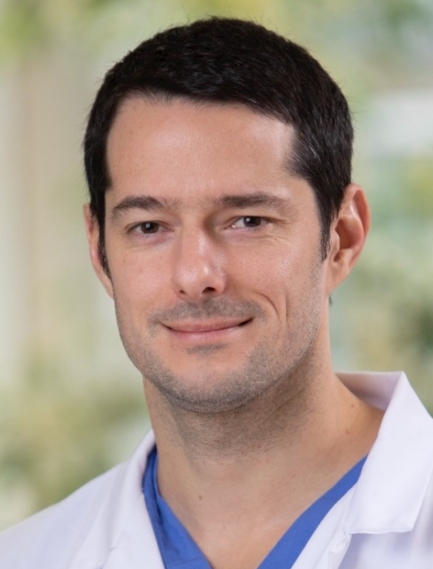 Philippe Genereux合作论文数Anges Québec;Morristown Medical Center49
 Rakesh Suri合作论文数Cleveland Clinic Abu Dhabi49
 Isaac George合作论文数Department of Surgery;Division of Cardiothoracic;Columbia University;College of Physicians49J. Matthew Brennan合作论文数Medical Center, Duke University46
 Suzanne V. Arnold合作论文数Department of Internal Medicine, Saint Luke's Hospital;School of Medicine, University of Missouri-Kansas City46
 Jessica Forcillo合作论文数45
 Jonathon A. Leipsic合作论文数Department of Radiology, University of British Columbia43
 Jeffrey P Jacobs合作论文数Department of Surgery, College of Medicine, University of Florida Health;Congenital Heart Center, College of Medicine, University of Florida Health;Shands Children's Hospital, University of Florida Health42Eric L. Sarin合作论文数42
 Wael Jaber合作论文数Department of Cardiovascular Medicine, Sydell and Arnold Miller Family Heart, Vascular & Thoracic Institute, Cleveland Clinic42
 S Chris Malaisrie合作论文数Division of Cardiac Surgery, Department of Surgery, Northwestern University Feinberg School of Medicine39
 David R. Holmes III合作论文数Graduate School of Biomedical Sciences, Mayo Clinic;Department of Physiology & Biomedical Engineering, Mayo Clinic;National Institutes of Health38




