Aberrant regulation of the cell cycle is a typical feature of all forms of cancer. In head and neck squamous cell carcinoma (HNSCC), it is often associated with the overexpression of cyclin D1 (CCND1). However, it remains unclear how CCND1 expression changes between tumor and normal tissues and whether human papillomavirus (HPV) affects differential CCND1 expression. Here, we evaluated the expression of D-type cyclins in a cohort of 94 HNSCC patients of which 82 were subjected to whole genome expression profiling of primary tumors and paired normal mucosa. Comparative analysis of paired samples showed that CCND1 was upregulated in 18% of HNSCC tumors. Counterintuitively, CCND1 was downregulated in 23% of carcinomas, more frequently in HPV-positive samples. There was no correlation between the change in D-type cyclin expression and patient survival. Intriguingly, among the tumors with downregulated CCND1, one-third showed an increase in cyclin D2 (CCND2) expression. On the other hand, one-third of tumors with upregulated CCND1 showed a decrease in CCND2. Collectively, we have shown that CCND1 was frequently downregulated in HNSCC tumors. Furthermore, regardless of the HPV status, our data suggested that a change in CCND1 expression was alleviated by a compensatory change in CCND2 expression.
Heterogeneous spheroids have recently acquired a prominent position in melanoma research because they incorporate microenvironmental cues relevant for melanoma. In this study, we focused on the analysis of microenvironmental factors introduced in melanoma heterogeneous spheroids by different dermal fibroblasts. We aimed to map the fibroblast diversity resulting from previously acquired damage caused by exposure to extrinsic and intrinsic stimuli. To construct heterogeneous melanoma spheroids, we used normal dermal fibroblasts from the sun-protected skin of a juvenile donor. We compared them to the fibroblasts from the sun-exposed photodamaged skin of an adult donor. Further, we analysed the spheroids by single-cell RNA sequencing. To validate transcriptional data, we also compared the immunohistochemical analysis of heterogeneous spheroids to melanoma biopsies. We have distinguished three functional clusters in primary human fibroblasts from melanoma spheroids. These clusters differed in the expression of (a) extracellular matrix-related genes, (b) pro-inflammatory factors, and (c) TGFβ signalling superfamily. We observed a broader deregulation of gene transcription in previously photodamaged cells. We have confirmed that pro-inflammatory cytokine IL-6 significantly enhances melanoma invasion to the extracellular matrix in our model. This supports the opinion that the aspects of ageing are essential for reliable melanoma 3D modelling in vitro.
ABSTRACT We announce the completion of the genome sequence of a phenol derivative-degrading bacterium, Rhodococcus erythropolis strain CCM2595. This bacterium is interesting in the context of bioremediation for its capability to degrade phenol, catechol, resorcinol, hydroxybenzoate, hydroquinone, p-chlorophenol, p-nitrophenol, pyrimidines, and sterols.
The cluster of pbtTFYRABC genes is carried by plasmid pA81. Its elimination from Achromobacter xylosoxidans A8 resulted in increased sensitivity towards Pb(2+) and Cd(2+). Predicted pbtTRABC products share strong similarities with Pb(2+) uptake transporter PbrT, transcriptional regulator PbrR, metal efflux P1-ATPases PbrA and CadA, undecaprenyl pyrophosphatase PbrB and its signal peptidase PbrC from Cupriavidus metallidurans CH34. Expression of pbtABC or pbtA in a metal-sensitive Escherichia coli GG48 rendered the strain Pb(2+)-, Cd(2+)- and Zn(2+)-tolerant and caused decreased accumulation of the metal ions. Accumulation of Pb(2+), but not of Cd(2+) or Zn(2+), was promoted in E. coli expressing pbtT. Additional genes of the pbt cluster are pbtF and pbtY, which encode the cation diffusion facilitator (CDF)-like transporter and a putative fatty acid hydroxylase of unknown function, respectively. Expression of pbtF did not confer increased metal tolerance upon E. coli GG48, although the protein showed measurable Pb(2+)-efflux activity. Unlike the pbtT promoter, promoters of pbtABC, pbtF and pbtY contain features characteristic of promoters controlled by metal-responsive transcriptional regulators of the MerR family. Upregulation of pbtABC, pbtF and pbtY upon Pb(2+), Cd(2+) and Zn(2+) exposure was confirmed in wild-type Achromobacter xylosoxidans A8. Gel shift assays proved binding of purified PbtR to the respective promoters.
It is generally assumed that human endogenous retroviral elements (HERVs) belong to the class of genomic repetitive nucleotide sequences often called 'junk DNA'. These elements were categorized to families, and members of some of these families (e.g. HERV-H, HERV-W and HERV-K) were shown to be transcribed. These transcriptions were associated with several severe diseases such as mental disorders, AIDS, autoimmune diseases and cancer. In this review we discuss several bioinformatics strategies for genome-wide scan of HERVs transcription using high-throughput RNA sequencing on several platforms. We show that many more HERVs than previously described are transcribed to various levels and we discuss possible implications of these transcriptions.
Formation of all metazoan bodies is controlled by a group of selector genes including homeobox genes, highly conserved across the entire animal kingdom. The homeobox genes from Pou and Six classes are key members of the regulation cascades determining development of sensory organs, nervous system, gonads and muscles. Besides using common bilaterian models, more attention has recently been targeted at the identification and characterization of these genes within the basal metazoan phyla. Cnidaria as a diploblastic sister group to bilateria with simple and yet specialized organs are suitable models for studies on the sensory organ origin and the associated role of homeobox genes. In this work, Pou and Six homeobox genes, together with a broad range of other sensory-specific transcription factors, were identified in the transcriptome of hydrozoan jellyfish Craspedacusta sowerbyi. Phylogenetic analyses of Pou and Six proteins revealed cnidarian-specific sequence motifs and contributed to the classification of individual factors. The majority of the Craspedacusta sowerbyi Pou and Six homeobox genes are predominantly expressed in statocysts, manubrium and nerve ring, the tissues with sensory and nervous activities. The described diversity and expression patterns of Pou and Six factors in hydrozoan jellyfish highlight their evolutionarily conserved functions. This study extends the knowledge of the cnidarian genome complexity and shows that the transcriptome of hydrozoan jellyfish is generally rich in homeodomain transcription factors employed in the regulation of sensory and nervous functions.
ABSTRACT Achromobacter xylosoxidans strain A8 was isolated from soil contaminated with polychlorinated biphenyls. It can use 2-chlorobenzoate and 2,5-dichlorobenzoate as sole sources of carbon and energy. This property makes it a good starting microorganism for further development toward a bioremediation tool. The genome of A. xylosoxidans consists of a 7-Mb chromosome and two large plasmids (98 kb and 248 kb). Besides genes for the utilization of xenobiotic organic substrates, it contains genes associated with pathogenesis, toxin production, and resistance. Here, we report the complete genome sequence.
ABSTRACT The purple nonsulfur photosynthetic bacterium Rhodobacter capsulatus has been extensively studied for its metabolic versatility as well as for production of a gene transfer agent called RcGTA. Production of RcGTA is highest in the stationary phase of growth and requires the response regulator protein CtrA. The CtrA protein in Caulobacter crescentus has been thoroughly studied for its role as an essential, master regulator of the cell cycle. Although the CtrA protein in R. capsulatus shares a high degree of sequence similarity with the C. crescentus protein, it is nonessential and clearly plays a different role in this bacterium. We have used transcriptomic and proteomic analyses of wild-type and ctrA mutant cultures to identify the genes dysregulated by the loss of CtrA in R. capsulatus . We have also characterized gene expression differences between the logarithmic and stationary phases of growth. Loss of CtrA has pleiotropic effects, with dysregulation of expression of ∼6% of genes in the R. capsulatus genome. This includes all flagellar motility genes and a number of other putative regulatory proteins but does not appear to include any genes involved in the cell cycle. Quantitative proteomic data supported 88% of the CtrA transcriptome results. Phylogenetic analysis of CtrA sequences supports the hypothesis of an ancestral ctrA gene within the alphaproteobacteria, with subsequent diversification of function in the major alphaproteobacterial lineages.
ABSTRACT Rhodobacter capsulatus SB 1003 belongs to the group of purple nonsulfur bacteria. Its genome consists of a 3.7-Mb chromosome and a 133-kb plasmid. The genome encodes genes for photosynthesis, nitrogen fixation, utilization of xenobiotic organic substrates, and synthesis of polyhydroxyalkanoates. These features made it a favorite research tool for studying these processes. Here we report its complete genome sequence.
ABSTRACT DNA-based stable isotope probing in combination with terminal restriction fragment length polymorphism was used in order to identify members of the microbial community that metabolize biphenyl in the rhizosphere of horseradish ( Armoracia rusticana ) cultivated in soil contaminated with polychlorinated biphenyls (PCBs) compared to members of the microbial community in initial, uncultivated bulk soil. On the basis of early and recurrent detection of their 16S rRNA genes in clone libraries constructed from [ 13 C]DNA, Hydrogenophaga spp. appeared to dominate biphenyl catabolism in the horseradish rhizosphere soil, whereas Paenibacillus spp. were the predominant biphenyl-utilizing bacteria in the initial bulk soil. Other bacteria found to derive carbon from biphenyl in this nutrient-amended microcosm-based study belonged mostly to the class Betaproteobacteria and were identified as Achromobacter spp., Variovorax spp., Methylovorus spp., or Methylophilus spp. Some bacteria that were unclassified at the genus level were also detected, and these bacteria may be members of undescribed genera. The deduced amino acid sequences of the biphenyl dioxygenase α subunits (BphA) from bacteria that incorporated [ 13 C]into DNA in 3-day incubations of the soils with [ 13 C]biphenyl are almost identical to that of Pseudomonas alcaligenes B-357. This suggests that the spectrum of the PCB congeners that can be degraded by these enzymes may be similar to that of strain B-357. These results demonstrate that altering the soil environment can result in the participation of different bacteria in the metabolism of biphenyl.
Following 'Czech researchers angry over government changes' (Nature 460, 157; 2009), this note points out that ill-conceived bibliometrics can be used as an excuse for deep cuts in basic research funding and the diversion of funds to 'applied' research.The innovative evaluation system endorsed by the Czech government's research and development council ascribes a certain number of points to results in a highly questionable manner.
Following your News story 'Czech researchers angry over government changes' (Nature 460, 157; 2009), we would like to point out that ill-conceived bibliometrics can be used as an excuse for deep cuts in basic research funding and the diversion of funds to 'applied' research.The innovative evaluation system endorsed by the Czech government's research and development council ascribes a certain number of points to every paper, patent, technology and piece of software.
The Willi Hennig Society workshop ‘‘Phylogenetic Analysis: Theory and Practice’’ was held at the Institute of Botany, Academy of Sciences, in the Czech Republic in Pru_honice near Prague in September 4–7, 2006. The workshop brought together leading scientists in the field of cladistics to teach students principles and methods of phylogenetic analysis. The course consisted of three parts, theoretical, practical and a conference. The first two parts were more formal and as a course they were restricted to a limited number of participants, while the third part was open to the scientific public. This workshop highlighted the theoretical and practical aspects of cladistics, phylogenetics and systematics as a whole. Although western Europe is the home of the father of cladistics, Willi Hennig, and phylogenetic thinking and methodology have deep roots here; cladistic methods are not so widely used nowadays. We are not providing detailed evidence for this statement, but a simple comparison of the phylogenetic articles in the last 4 years of Cladistics shows that more than 68% of these articles are from North American (41%) and Scandinavian (27%) authors. One of the main missions of the Willi Hennig Society is to disseminate interest in cladistics worldwide, and our Czech workshop was a forceful attempt to promote cladistics outside North America and Scandinavia. The workshop was held in the countryside south-east of Prague, in the beautiful chateau of Pru_honice, the home of Institute of Botany, which is part of the Academy of Sciences of the Czech Republic. Authors of the report opened the course with an introduction from the Director of the Institute of Botany ASCR. The first author organized the workshop entirely. Presentations at the workshop were given by five leading scientists in cladistics Dr James M. Carpenter, Dr Pablo A. Goloboff, Dr Kevin C. Nixon, Dr John W. Wenzel and Dr Ward C. Wheeler. The course enrolled 28 participants from eight European countries (Austria, Czech Republic, Finland, Germany, Poland, Serbia, Slovakia and Spain), mostly PhD students and postdoctorates. Further workshops would be extremely useful in disseminating cladistic thinking, and the understanding of phylogenetic methods to the broadest audience of European students and scientists. The workshop addressed cladistic methods because ‘‘they best satisfy the challenges of dealing with a fountain of modern evolutionary data’’, and offered participants a fruitful conceptual framework for thinking about the phylogenetic analysis. The course focused on instruction in phylogenetic methods, mainly parsimony analysis; however, likelihood and Bayesian methods were also extensively discussed. The course was generally geared toward a student audience with some background in phylogenetics. The program also consisted of welcoming dinner and other informal sessions to discuss and share theoretical knowledge of different approaches of phylogenetic reconstruction. Theoretical parts of the course provided a background to the practical parts that followed. The first lecture, given by K. Nixon, was a general introduction to systematics from Darwin to Hennig, summarizing fundamental mechanics of reconstructing the pattern of evolutionary history. The rest of the course focused on parsimony analysis as a general topic. The second lecture, given by P. Goloboff, was oriented towards character optimization and tree searches. W. Wheeler’s first lecture addressed direct (dynamic) optimization as *Corresponding author: E-mail address: drabkova@ibot.cas.cz
The complete 98,192 bp nucleotide sequence was determined for plasmid pA81, which is harbored by the haloaromatic acid-degrading bacterium Achromobacter xylosoxidans A8. The majority of the 103 open reading frames identified on pA81 could be categorized as either "backbone" genes, genes encoding (halo)aromatic compound degradation, or heavy metal resistance determinants. The backbone genes controlled conjugative transfer, replication and plasmid stability, and were well conserved with other IncP1-β plasmids. Genes encoding (halo)aromatic degradation were clustered within a type I transposon, TnAxI, and included two ring-hydroxylating oxygenases (ortho-halobenzoate oxygenase, salicylate 5-hydroxylase) and a modified ortho-cleavage pathway for chlorocatechol degradation. The cluster of heavy metal resistance determinants was contained within a Type II transposon TnAxII, and included a predicted P-type ATPase and cation diffusion facilitator system. Genes identical to those carried by TnAxI and TnAxII were identified on other biodegradative/resistance plasmids and genomic islands, indicating an evolutionary relationship between these elements. Collectively, these insights further our understanding of how mobile elements, and interactions between mobile elements affect the fate of organic and inorganic toxicants in the environment.
Animal eyes are morphologically diverse. Their assembly, however, always relies on the same basic principle, i.e., photoreceptors located in the vicinity of dark shielding pigment. Cnidaria as the likely sister group to the Bilateria are the earliest branching phylum with a well developed visual system. Here, we show that camera-type eyes of the cubozoan jellyfish, Tripedalia cystophora, use genetic building blocks typical of vertebrate eyes, namely, a ciliary phototransduction cascade and melanogenic pathway. Our findings indicative of parallelism provide an insight into eye evolution. Combined, the available data favor the possibility that vertebrate and cubozoan eyes arose by independent recruitment of orthologous genes during evolution.
Taurine (2-aminoethanesulfonate) is a widespread natural product whose nitrogen moiety was recently shown to be assimilated by bacteria, usually with excretion of an organosulfonate via undefined novel pathways; other data involve transcriptional regulator TauR in taurine metabolism. A screen of genome sequences for TauR with the BLAST algorithm allowed the hypothesis that the marine gammaproteobacterium Neptuniibacter caesariensis MED92 would inducibly assimilate taurine-nitrogen and excrete sulfoacetate. The pathway involved an ABC transporter (TauABC), taurine:pyruvate aminotransferase (Tpa), a novel sulfoacetaldehyde dehydrogenase (SafD) and exporter(s) of sulfoacetate (SafE) (DUF81). Ten candidate genes in two clusters involved three sets of paralogues (for TauR, Tpa and SafE). Inducible Tpa and SafD were detected in cell extracts. SafD was purified 600-fold to homogeneity in two steps. The monomer had a molecular mass of 50 kDa (SDS-PAGE); data from gel filtration chromatography indicated a tetrameric native protein. SafD was specific for sulfoacetaldehyde with a K m -value of 0.12 mM. The N-terminal amino acid sequence of SafD confirmed the identity of the safD gene. The eight pathway genes were transcribed inducibly, which indicated expression of the whole hypothetical pathway. We presume that this pathway is one source of sulfoacetate in nature, where this compound is dissimilated by many bacteria.
SUMMARY Cnidaria is the earliest‐branching metazoan phylum containing a well‐developed, lens‐containing visual system located on specialized sensory structures called rhopalia. Each rhopalium in a cubozoan jellyfish Tripedalia cystophora has a large and a small complex, camera‐type eye with a cellular lens containing distinct families of crystallins. Here, we have characterized J2‐crystallin and its gene in T. cystophora . The J2‐crystallin gene is composed of a single exon and encodes a 157‐amino acid cytoplasmic protein with no apparent homology to known proteins from other species. The non‐lens expression of J2‐crystallin suggests nonoptical as well as crystallin functions consistent with the gene‐sharing strategy that has been used during evolution of lens crystallins in other invertebrates and vertebrates. Although nonfunctional in transfected mammalian lens cells, the J2‐crystallin promoter is activated by the jellyfish paired domain transcription factor PaxB in co‐transfection tests via binding to three paired domain sites. PaxB paired domain‐binding sites were also identified in the PaxB‐regulated promoters of the J1A‐ and J1B‐ crystallin genes, which are not homologous to the J2‐crystallin gene. Taken together with previous studies on the regulation of the diverse crystallin genes, the present report strongly supports the idea that crystallin recruitment of multifunctional proteins was driven by convergent changes involving Pax (as well as other transcription factors) in the promoters of nonhomologous genes within and between species as well as within gene families.
Human processed pseudogenes are copies of cellular RNAs reverse transcribed and inserted into the nuclear genome by the enzymatic machinery of L1 (LINE1) non-LTR retrotransposons. Although it is generally accepted that germline expression is crucial for the heritable retroposition of cellular mRNAs, little is known about the influences of RNA stability, mRNA quality control and compartmentalization of translation on the retroposition of processed pseudogenes. We found that frequently retroposed human mRNAs are derived from stable transcripts with translation-competent functional reading frames that are resistant to nonsense-mediated RNA decay. They are preferentially translated on free cytoplasmic ribosomes and encode soluble proteins. Our results indicate that interactions between mRNAs and L1 proteins seem to occur at free cytoplasmic ribosomes.
 Cestmir Vlcek合作论文数32
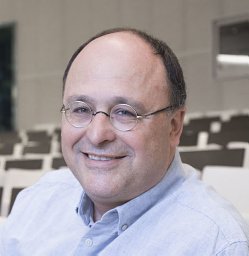 Jan Paces合作论文数the Czech Academy of Sciences, Institute of Molecular Genetics20
 Hynek Strnad合作论文数Inst Mol Genet, Acad Sci Czech Republ14Zdenek Hostomsky合作论文数9Zbynek Kozmik合作论文数8Martin Schwyzer合作论文数8Pavel Ulbrich合作论文数7Luboš Arnold合作论文数6Adam Pavlicek合作论文数6P Urbánek合作论文数5V Benes合作论文数Institute of Clinical Neurodisciplines, Charles University and Military University Hospital5Krejcik Zdenek合作论文数4Stanislav Zadražil合作论文数4
 Miluse Hroudova合作论文数4J. Frgala合作论文数3S. Rechmann合作论文数3Jarmila Králová合作论文数3
 Christian Schwager合作论文数3
 Michal Kolar合作论文数Acad Sci Czech Republ, Inst Mol Genet, Lab Genom & Bioinformat, Prague, Czech Republic3Ridl Jakub合作论文数3
 Robert Haselkorn合作论文数Department of Chemistry, The University of Chicago3Bernd Vogt合作论文数3
 Lenka Zaveska Drabkova合作论文数Academy of Sciences Institute of Botany Zámek3
 Cornel Fraefel合作论文数Institute of Virology, University of Zurich3Jiří Smrt合作论文数3Jirí Zlatuska合作论文数2
 Jan Konvalinka合作论文数2
 Vladimir Benes合作论文数2A Kalousova合作论文数2C Teodoru合作论文数2V Pecenka合作论文数2J Oliveriusova合作论文数2Čestmír Vlček合作论文数2
 Wilhelm Ansorge合作论文数2V. Fučík合作论文数2
 H Voss合作论文数Bayer CropScience AG2R de Franchis合作论文数2Tamara Pečenková合作论文数2
 Pavel Martasek合作论文数Dept Paediat & Adolescent Med, Charles Univ Prague2Viktor Kožich合作论文数2Jürgen Zimmermann合作论文数2Bartůněk Petr合作论文数Institute of Molecular Genetics, Academy of Sciences of the Czech Republic v.v.i.2
 Lukas Lacina合作论文数2Urbánek P合作论文数2Dvorák M合作论文数2
 Jan Kraus合作论文数Department of Pediatrics, School of Medicine, University of Colorado2Jerzy Jurka合作论文数Information Research Institute2
 Alla Lapidus合作论文数Department of Cytology and Histology, St. Petersburg State University2
 Pavel Jungwirth合作论文数Institute of Organic Chemistry and Biochemistry, Czech Academy of Sciences2




