Most COVID-19 vaccination strategies require at least two doses-a primary vaccine followed by a booster dose with the updated variant-specific vaccine. However, vaccine and booster dose hesitancy make it challenging to administer multiple doses of vaccines in the unvaccinated and vaccinated populations, respectively. Thus, it is important to determine if vaccinated individuals exposed to SARS-CoV-2 infection develop immune responses that may protect them against emerging variants of concern (VoCs). We have developed mouse models to understand the protective efficacy of an RBD-based vaccine against challenge and rechallenge with SARS-CoV-2 VoCs. Mice were vaccinated with RBD protein vaccine formulated in 2% Alhydrogel (alum) adjuvant by subcutaneous route. To determine the efficacy of RBD vaccine, mice were challenged approximately 4 weeks post-vaccination with SARS-CoV-2 variants by intranasal route. To determine the efficacy of RBD vaccine against SARS-CoV-2 rechallenge, mice were rechallenged with SARS-CoV-2 Delta and Omicron BA.5 variants at day 14 post SARS-CoV-2 Washington (WA) strain challenge. Our data suggest that single dose alum adjuvanted RBD protein from Wuhan strain provides protection against homologous challenge with SARS-CoV-2 WA strain but failed to provide protection against heterologous challenge with Delta and Omicron BA.5 variants. Interestingly, vaccinated mice that survived homologous challenge with the WA strain showed protection against heterologous rechallenge with Delta and omicron BA.5 variants. Furthermore, infectious viral loads of Delta and Omicron BA.5 were not detected in the lung tissues collected from the rechallenged mice at 3 days post-rechallenge. The data suggest that a single dose RBD vaccine from the ancestral Wuhan strain together with survival from WA strain challenge induces protective immune responses against Delta and Omicron BA.5 variants rechallenge. These mouse models will be useful to determine the immune responses that correlate with protection against challenge and rechallenge with SARS-CoV-2 VoCs.
Coronavirus disease 2019 (COVID-19) caused by severe acute respiratory syndrome coronavirus 2 (SARS-CoV-2) is still an ongoing global health crisis. Clinical data indicate that the case fatality rate (CFR) is age dependent, with a higher CFR percentage in the elderly population. We compared the pathogenesis of SARS-CoV-2 in young and aged K18-hACE2 transgenic mice. We evaluated morbidity, mortality, viral titers, immune responses, and histopathology in SARS-CoV-2-infected young and old K18-hACE2 transgenic mice. Within the limitation of having a low number of mice per group, our results indicate that SARS-CoV-2 infection resulted in slightly higher morbidity, mortality, and viral replication in the lungs of old mice, which was associated with an impaired IgM response and altered cytokine and chemokine profiles. Results of this study increase our understanding of SARS-CoV-2 infectivity and immuno-pathogenesis in the elderly population.
Tuberculosis (TB), caused by Mycobacterium tuberculosis (M.tb), is a major global health concern, particularly affecting those with weakened immune systems, including the elderly. CD4+ T cell response is crucial for immunity against M.tb, but chronic infections and aging can lead to T cell exhaustion and senescence, worsening TB disease. Mitochondrial dysfunction, prevalent in aging and chronic diseases, disrupts cellular metabolism, increases oxidative stress, and impairs T-cell functions. This study investigates the effect of mitochondrial transplantation (mito-transfer) on CD4+ T cell differentiation and function in aged mouse models and human CD4+ T cells from elderly individuals. Mito-transfer in naïve CD4+ T cells is found to promote protective effector and memory T cell generation during M.tb infection in mice. Additionally, it improves elderly human T cell function by increasing mitochondrial mass and altering cytokine production, thereby reducing markers of exhaustion and senescence. These findings suggest mito-transfer as a novel approach to enhance aged CD4+ T cell functionality, potentially benefiting immune responses in the elderly and chronic TB patients. This has broader implications for diseases where mitochondrial dysfunction contributes to T-cell exhaustion and senescence.
Despite several vaccines that are currently approved for human use to control the pandemic caused by severe acute respiratory syndrome coronavirus 2 (SARS-CoV-2), there is an urgent medical need for therapeutic and prophylactic options. SARS-CoV-2 binding and entry in human cells involves interactions of its spike (S) protein with several host cell surface factors, including heparan sulfate proteoglycans (HSPGs), transmembrane protease serine 2 (TMPRSS2), and angiotensin-converting enzyme 2 (ACE2). In this paper we investigated the potential of sulphated Hyaluronic Acid (sHA), a HSPG mimicking polymer, to inhibit the binding of SARS-CoV-2 S protein to human ACE2 receptor. After the assessment of different sulfation degree of sHA backbone, a series of sHA functionalized with different hydrophobic side chains were synthesized and screened. The compound showing the highest binding affinity to the viral S protein was further characterized by surface plasmon resonance (SPR) towards ACE2 and viral S protein binding domain. Selected compounds were formulated as solutions for nebulization and, after being characterized in terms of aerosolization performance and droplet size distribution, their efficacy was assessed in vivo using the K18 human (h)ACE2 transgenic mouse model of SARS-CoV-2 infection.
Mitochondrial dysfunction alters cellular metabolism, increases tissue oxidative stress, and may be principal to the dysregulated signaling and function of CD4+ T lymphocytes in the elderly. In this proof of principle study, it is investigated whether the transfer of functional mitochondria into CD4+ T cells that are isolated from old mice (aged CD4+ T cells), can abrogate aging-associated mitochondrial dysfunction, and improve the aged CD4+ T cell functionality. The results show that the delivery of exogenous mitochondria to aged non-activated CD4+ T cells led to significant mitochondrial proteome alterations highlighted by improved aerobic metabolism and decreased cellular mitoROS. Additionally, mito-transferred aged CD4+ T cells showed improvements in activation-induced TCR-signaling kinetics displaying markers of activation (CD25), increased IL-2 production, enhanced proliferation ex vivo. Importantly, immune deficient mouse models (RAG-KO) showed that adoptive transfer of mito-transferred naive aged CD4+ T cells, protected recipient mice from influenza A and Mycobacterium tuberculosis infections. These findings support mitochondria as targets of therapeutic intervention in aging.
Abstract Mechanisms to shorten the duration of tuberculosis (TB) treatment include new drug formulations or schedules and the development of host-directed therapies (HDTs) that better enable the host immune system to eliminate Mycobacterium tuberculosis. Previous studies have shown that pyrazinamide, a first-line antibiotic, can also modulate immune function, making it an attractive target for combinatorial HDT/antibiotic therapy, with the goal to accelerate clearance of M. tuberculosis. In this study, we assessed the value of anti–IL-10R1 as an HDT along with pyrazinamide and show that short-term anti–IL-10R1 blockade during pyrazinamide treatment enhanced the antimycobacterial efficacy of pyrazinamide, resulting in faster clearance of M. tuberculosis in mice. Furthermore, 45 d of pyrazinamide treatment in a functionally IL-10–deficient environment resulted in sterilizing clearance of M. tuberculosis. Our data suggest that short-term IL-10 blockade with standard TB drugs has the potential to improve clinical outcome by reducing the treatment duration.
Mycobacterium bovis bacillus Calmette-Guérin (BCG) immunization still remains the best vaccination strategy available to control the development of active tuberculosis (TB). Protection afforded by BCG vaccination gradually wanes over time and while booster strategies have promise, they remain under development. An alternative approach is to improve BCG efficacy through host-directed therapy. Building upon prior knowledge that blockade of interleukin-10 receptor 1 (IL-10R1) during early Mycobacterium tuberculosis (M.tb) infection improves and extends control of M.tb infection in mice, we employed a combined anti-IL-10R1/BCG vaccine strategy. A subcutaneous, single vaccination of BCG/αIL10-R1 increased the numbers of CD4+ and CD8+ central memory T cells, and reduced TH1 and TH17 cytokine levels in the lung for up to 7 weeks post vaccination. Subsequent M.tb challenge in mice showed both an early (4 week) and sustained long-term (47 week) control of infection, which was associated with increased survival. In contrast, protection of BCG/saline vaccinated mice waned 8 weeks post M.tb infection. Our findings demonstrate that a single and simultaneous vaccination with BCG/αIL10-R1 sustains long-term protection, identifying a promising approach to enhance and extend the current BCG mediated protection against TB.
Efforts are underway to develop countermeasures to prevent the environmental spread of COVID-19 pandemic caused by SARS-CoV-2. Physical decontamination methods like Ultraviolet radiation has shown to be promising. Here, we describe a novel device emitting ultraviolet C radiation (UVC), called NuvaWave, to rapidly and efficiently inactivate SARS-CoV-2. SARS-CoV-2 was dried on a chambered glass slides and introduced in a NuvaWave robotic testing unit. The robot simulated waving NuvaWave over the virus at a pre-determined UVC radiation dose of 1, 2, 4 and 8 seconds. Post-UVC exposure, virus was recovered and titered by plaque assay in Vero E6 cells. We observed that relative control (no UVC exposure), exposure of the virus to UVC for one or two seconds resulted in a >2.9 and 3.8 log10 reduction in viral titers, respectively. Exposure of the virus to UVC for four or eight seconds resulted in a reduction of greater than 4.7-log10 reduction in viral titers. The NuvaWave device inactivates SARS-CoV-2 on surfaces to below the limit of detection within one to four seconds of UVC irradiation. This device can be deployed to rapidly disinfect surfaces from SARS-CoV-2, and to assist in mitigating its spread in a variety of settings.
Bacteriocins produced by lactic acid bacteria (LAB) are a heterogeneous group of antibacterial proteins that vary in spectrum of activity, mode of action, molecular weight, genetic origin and biochemical properties inhibitory substances include bakery and dairy products, cereals, and bread and cheese. Nisin is a natural bacteriocin produced by Lactococcus lactis.It has a broad inhibitory effect against gram positive bacteria. It can be destroyed be proteolytic enzymes that exist in food systems. We found that, minimum inhibitory concentration of free nisin was higher than encapsulated nisin in both culture media and cheese for L.monocytogenes and S. aureus. E. coli resisted to any form of Nisin in culture media but not in cheese. Nisin A is being used at the concentrations of 100-200 ppm in the preservation of, dairy products such as cheeses and milk. In addition, encapsulation protected nisin against cheese fat and protease. Reuterin is a water – soluble nonproteinaceous product produced by Lactobacillus reuteri. It has been described to have antimicrobial effect against certain gramnegative and grampositive bacteria, yeasts, fungi, and protozoa. It inhibits Salmonella, Shigella, clostridium, Staphylococcus, Listeria, and Trypanosoma. The aim of present work was to study the combination of Nisin and L. reuteri against eight bacterias (Staphylococcus aureus, Salmonella typhi, Escherchia coli, Klebsiella pneuoniae, Pseudomonas aeruginosa, Bacillus subtilus, Bacillus cereus, Streptococcus spp.)Reuterin was isolated from L. reuteri during the anaerobic fermentation of glycerol using Gas Pack EZ Anaerogas pack container system on MRS agar. Minimum inhibitory concentration of bacterioncins (Nisin, crude Lactobacillus reuteri, Nisin + crude Lactobacillus reuteri) was studied using broth micro dilution method. Bacteriocins reuterin showed best synergism for both gram positive and gram negative bacteria used in the study. MIC of Bacteriocin (Nisin) alone against tested strains was determined to be 0.017+_0.001 to 0.40+_0.002 mg/ml. crude Lactobacillus reuteri alone was determined to be 0.016+_0.001 to 0.033+_0.001mg/ml which is 3 or 2 fold higher for MIC of Bacteriocins(Nisin + crude Lactobacillus reuteri ) in combination i.e. 0.010+_0.001to 0.029+_0.001mg/ml. The synergistic activity of Biopreservative i.e. bacteriocins (Nisin and crude lactobacillus reuteri) with chemical preservative (sorbic acid) for pathogenic bacteria was evaluated using well diffusion assay. The diameter of inhibition zones increased on combination. The highest zone increased was seen in case of Bacteriocins in combination i.e. 29+_0.06 AB-3 (E.coli)
A recently emerged betacoronavirus, SARS-CoV-2, has led to a global health crisis that calls for the identification of effective therapeutics for COVID-19 disease. Coronavirus papain-like protease (PLpro) is an attractive drug target as it is essential for viral polyprotein cleavage and for deconjugation of ISG15, an antiviral ubiquitin-like protein. We show here that 6-Thioguanine (6-TG) inhibits SARS-CoV-2 PLpro-catalyzed viral polyprotein cleavage and ISG15 deconjugation in cells and inhibits replication of SARS-CoV-2 in Vero-E6 cells and Calu3 cells at submicromolar levels. As a well-characterized FDA-approved orally delivered drug, 6-TG represents a promising therapeutic for COVID-19 and other emerging coronaviruses. One Sentence Summary A repurposed drug that targets an essential enzymatic activity of SARS-CoV-2 represents a promising COVID-19 therapeutic.
With continued expansion of the coronavirus disease (COVID-19) pandemic, caused by severe acute respiratory syndrome 2 (SARS-CoV-2), both antiviral drugs as well as effective vaccines are desperately needed to treat patients at high risk of life-threatening disease. Here, we present in vitro evidence for significant inhibition of SARS-CoV-2 by oleandrin and a defined extract of N. oleander (designated as PBI-06150). Using Vero cells, we found that prophylactic (pre-infection) oleandrin (as either the pure compound or as the active principal ingredient in PBI-06150) administration at concentrations as low as 0.05 µg/ml exhibited potent antiviral activity against SARS-CoV-2, with an 800-fold reduction in virus production, and a 0.1 µg/ml concentration resulted in a greater than 3000-fold reduction in infectious virus production. The half maximal effective concentration (EC50) values were 11.98 ng/ml when virus output was measured at 24 h post-infection, and 7.07 ng/ml measured at 48 h post-infection. Therapeutic (post-infection) treatment up to 24 h after SARS-CoV-2 infection of Vero cells also reduced viral titers, with 0.1 µg/ml and 0.05 µg/ml concentrations causing greater than 100-fold reduction as measured at 48 h, and the 0.05 µg/ml concentration resulting in a 78-fold reduction. Concentrations of oleandrin up to 10 µg/ml were well tolerated in Vero cells. We also present in vivo evidence of the safety and efficacy of defined N. oleander extract (PBI-06150), which was administered to golden Syrian hamsters in a preparation containing as high as 130 µg/ml of oleandrin. In comparison to administration of control vehicle, PBI-06150 provided a statistically significant reduction of the viral titer in the nasal turbinates (nasal conchae). The potent prophylactic and therapeutic antiviral activities demonstrated here, together with initial evidence of its safety and efficacy in a relevant hamster model of COVID-19, support the further development of oleandrin and/or defined extracts containing this molecule for the treatment of SARS-CoV-2 and associated COVID-19 disease and potentially also for reduction of virus spread by persons diagnosed early after infection.
Vaccine and antiviral development against SARS-CoV-2 infection or COVID-19 disease would benefit from validated small animal models. Here, we show that transgenic mice expressing human angiotensin-converting enzyme 2 (hACE2) by the human cytokeratin 18 promoter (K18 hACE2) represent a susceptible rodent model. K18 hACE2 transgenic mice succumbed to SARS-CoV-2 infection by day 6, with virus detected in lung airway epithelium and brain. K18 ACE2 transgenic mice produced a modest TH1/2/17 cytokine storm in the lung and spleen that peaked by day 2, and an extended chemokine storm that was detected in both lungs and brain. This chemokine storm was also detected in the brain at day 6. K18 hACE2 transgenic mice are, therefore, highly susceptible to SARS-CoV-2 infection and represent a suitable animal model for the study of viral pathogenesis, and for identification and characterization of vaccines (prophylactic) and antivirals (therapeutics) for SARS-CoV-2 infection and associated severe COVID-19 disease.
Cytomegalovirus (CMV) reactivation occurs in roughly one‐third of immunocompetent patients during critical illness, and is associated with worse outcomes. These outcomes have prompted consideration of early antiviral prophylaxis, but two‐third of patients would receive unnecessary treatment. Tissue viral load has been associated with risk of reactivation in murine models, and recent work has suggested a relationship between immune responses to CMV and underlying viral load. We, therefore, sought to confirm the hypothesis that serum CMV‐specific immunoglobulin G (IgG) correlates with tissue viral load, and might be used to predict the risk of reactivation during critical illness. We confirm that there is a good correlation between tissue viral load and serum CMV‐specific IgG after laboratory infection of inbred mice. Further, we show that naturally infected outbred hosts have variable tissue viral DNA loads that do not correlate well with serum IgG. Perhaps as a consequence, CMV‐specific IgG was not predictive of reactivation events in immunocompetent humans. When reactivation did occur, those with the lowest IgG levels had longer durations of reactivation, but IgG quartiles were not associated with differing peak DNAemia. Together our data suggest that CMV‐specific IgG titers diverge from tissue viral loads in outbred immunocompetent hosts, and their importance for the control of reactivation events remains unclear.
Mycobacterium tuberculosis (M.tb), the causative agent of tuberculosis (TB), is the leading killer due to an infectious organism. Mycobacterium bovis bacillus Calmette-Guérin (BCG) is the only vaccine approved against TB, however, its efficacy against pulmonary TB is poor. While BCG is currently inoculated intradermally, the natural route of M.tb infection is through the lung. Excessive lung pathology caused by pulmonary inoculation of BCG has prevented the use of this immunization route. Here, we show that selective chemical treatment of BCG with petroleum ether removes inflammatory lipids from the bacterial surface while keeping BCG viable. Pulmonary vaccination using this modified BCG attenuated inflammatory responses, prevented immunopathology of the lung, and significantly increased protection against M.tb infection in mice. We further directly linked IL-17A as the responsible contributor of improved immunity against M.tb infection. These results provide evidence that selective removal of cytotoxic lipids from the BCG surface attenuates inflammation and offers a safer and superior vaccine against TB causing less damage post-infectious challenge with M.tb.
Genome sequence analysis of infectious agents (IAs) reveals many secrets about their life processes and evolutionary history. Increasing the huge amount of genomic sequence data of various IAs in different biological sequence databases, which are being produced through different sequencing projects, is continuously motivating the genome researchers to unlock the mysteries related to the life of IAs. Furthermore, that information may be helpful for treating the serious illness problem caused by IAs. However, all the genome analysis work requires a good knowledge of bioinformatics tools that may be useful for genome researchers to extract the meaningful and accurate information from the genome sequence data of IAs. In this article, the most recent bioinformatics tools for the genomic and evolutionary analysis of infectious agents have been discussed and compared in detail which will help the genome researchers to select the most appropriate tool for genomic and evolutionary analysis of IAs.
Tuberculosis (TB) is the leading killer due to a single infectious disease worldwide. With the aging of the global population, the case rate and deaths due to TB are highest in the elderly population. While general immunosenescence associated with old age is thought to contribute to the susceptibility of the elderly to develop active TB disease, very few studies of immune function in elderly individuals with Mycobacterium tuberculosis (M.tb) infection or disease have been performed. In particular, impaired adaptive T cell immunity to M.tb is one proposed mechanism for the elderly's increased susceptibility primarily on the basis of the decreased delayed type hypersensitivity response to tuberculin-purified protein derivative in the skin of elderly individuals. To investigate immunological reasons why the elderly are susceptible to develop active TB disease, we performed a cross-sectional observational study over a five year period (2012-2016) enrolling participants from 2 age groups (adults: 25-44 years; elderly: 65 and older) and 3 M.tb infection statuses (active TB, latent TB infection, and healthy controls without history of M.tb infection). We hypothesized that impaired peripheral T cell immunity plays a role in the biological susceptibility of the elderly to TB. Contrary to our hypothesis, we observed no evidence of impaired M.tb specific T cell frequency or altered production of cytokines implicated in M.tb control (IFN-gamma, IL-10) in peripheral blood in the elderly. Instead, we observed alterations in monocyte proportion and phenotype with age and M.tb infection that suggest their potential role in the susceptibility of the elderly to develop active TB. Our results suggest a potential link between the known widespread low-grade systemic inflammation of old age, termed "inflammaging," with the elderly's specific susceptibility to developing active TB. Moreover, our results highlight the need for further research into the biological reasons why the elderly are more susceptible to disease and death from TB, so that public health systems can be better equipped to face the present and future problem of TB in an aging global population.
Tuberculosis (TB) in the elderly can arise from reactivation of M.tb infection that was acquired when younger and immune exhaustion or senescence is thought to play a role in this process. KLRG1 is an inhibitory receptor of T cell function and its expression is elevated on T cells with increasing age and T cell differentiation status. We have previously shown using KLRG1-KO mice that the absence of KLRG1 provides a survival advantage to chronic M.tb infected mice, showing proof of concept for an inhibitory role of this receptor during M.tb infection. We hypothesized that KLRG1 would have a more significant role in a model of age-associated reactivation TB where immuno-senescence can also play a role. We infected young wild type (WT) and KLRG1 KO mice with M.tb and then reduced the M.tb CFU to low levels using the modified Cornell model (2–3 months isoniazid/rifampicin in water), allowing mice to live into old age. Mice were sampled every 2–4 months for determination of TB reactivation and immune function. M.tb CFU were moderately increased in lung and spleen of WT mice around 14 months of age, an age that is associated with shifts in T cell phenotype and function. For WT mice M.tb CFU reached levels similar to a chronic M.tb infection approximately 18–20 months of age. A significant increase in total T cell numbers and antigen specific CD4 T cells in the lung also occurred at that age. In contrast, KLRG1 KO mice had a substantial delay in reactivation of M.tb, indicating that KLRG1 has a functional inhibitory role during M.tb infection. Our data suggest that modulating KLRG1 function, or the development of T cells that express KLRG1, can have beneficial outcome on the susceptibility of the elderly to succumb to reactivation TB.
Interleukin-10 (IL-10) is a major immune regulator in Mycobacterium tuberculosis (M.tb) infection. We have shown that the absence of IL-10 signaling during early phases of M.tb infection results in enhanced protection in mice. We further showed that BCG immunization alone induces IL-10 production in the lungs as early as day 7. We therefore hypothesized that blocking IL-10 signaling during BCG vaccination would increase the magnitude of protection against M.tb challenge. Mice were subcutaneously co-immunized with a single dose of anti-IL-10R1 or respective IgG1 isotype antibody with BCG followed by low dose aerosol M.tb infection 6 weeks later. Protective efficacy was determined at day 30 and 120 post challenge. BCG/anti-IL-10R1 immunized mice showed a significant reduction (~1.5 log) in M.tb CFU in the lungs at day 120, compared to control mice. CD4+ and CD8+ T cell populations in BCG/anti-IL10R1 immunized mice (in the absence of M.tb infection) showed significant increases in central memory markers in the lung at day 7, which reduced at day 28 post immunization. Effector memory markers were reduced in CD4+ T cells at day 7 and increased at day 28 in BCG/anti-IL-10R1 immunized mice but were unchanged in CD8+ T cells. Our findings demonstrate that transient IL-10 signaling blockade during BCG vaccination alters memory T cell populations and results in long-term protection against M.tb challenge. Our findings are relevant to vaccine development in humans as they demonstrate that modulation of IL-10 at the time of vaccination can generate long-term protective efficacy against M.tb.
Current tuberculosis (TB) treatments include chemotherapy and preventative vaccination with Mycobacterium bovis Bacillus Calmette-Guérin (BCG). In humans, however, BCG vaccination fails to fully protect against pulmonary TB. Few studies have considered the impact of the human lung mucosa (alveolar lining fluid (ALF)), which modifies the Mycobacterium tuberculosis (M.tb) cell wall, revealing alternate antigenic epitopes on the bacterium surface that alter its pathogenicity. We hypothesized that ALF-induced modification of BCG would induce better protection against aerosol infection with M.tb. Here we vaccinated mice with ALF-exposed BCG, mimicking the mycobacterial cell surface properties that would be present in the lung during M.tb infection. ALF-exposed BCG-vaccinated mice were more effective at reducing M.tb bacterial burden in the lung and spleen, and had reduced lung inflammation at late stages of M.tb infection. Improved BCG efficacy was associated with increased numbers of memory CD8+ T cells, and CD8+ T cells with the potential to produce interferon-γ in the lung in response to M.tb challenge. Depletion studies confirmed an essential role for CD8+ T cells in controlling M.tb bacterial burden. We conclude that ALF modifications to the M.tb cell wall in vivo are relevant in the context of vaccine design.
 Cordelia Manickam合作论文数Ohio Agricultural Research and Development Center, The Ohio State University21
 Renukaradhya Gourapura合作论文数Department of Animal Sciences, College of Food, Agricultural, and Environmental Sciences, The Ohio State University;Center Food Animal Health, College of Food, Agricultural, and Environmental Sciences, The Ohio State University17
 Jordi Torrelles合作论文数16
 Binjawadagi Basavaraj合作论文数Food Animal Health Research Program, Ohio Agricultural Research and Development Center;Department of Veterinary Preventive Medicine, Ohio State University;Ohio Agricultural Research and Development Center, Ohio State University15
 Joanne Turner合作论文数Center for Microbial Interface Biology, The Ohio State University12
 Mohammad Owais合作论文数Interdisciplinary Biotechnology Unit, Aligarh Muslim University8
 Shalini Gautam合作论文数Division of Pharmaceutics and Pharmacokinetics, CSIR–Central Drug Research Institute7
 Luis Martinez-Sobrido合作论文数Department of Infectious Disease and Prevention, Texas Biomedical Research Institute;University of Rochester Medical Center6
 Colwyn A Headley合作论文数Texas Biomed Res Inst, San Antonio, TX 78227 USA6
 Renukaradhya Gourapura J合作论文数Food Anim Hlth Res Program, Ohio State Univ6
 Yangkang Ou (欧阳康)合作论文数College of Animal Science and Technology, Guangxi University6
 Jagadish Hiremath合作论文数Department of Veterinary Preventive Medicine, The Ohio State University5
 Charles H. Cook合作论文数Beth Israel Deaconess Medical Center;Harvard Medical School5Mahesh Khatri合作论文数5Viraj Kulkarni合作论文数5Ruthi Patterson合作论文数4Marion Griessl合作论文数4Jennifer Delgado合作论文数4
 Anil Dangi合作论文数Department of Parasitology, Central Drug Research Institute4
 Shailja Misra Bhattacharya合作论文数4Amberlee Hicks合作论文数3Katie Dodson合作论文数3
 Santosh Dhakal合作论文数3Russell Ault合作论文数3
 Andreu Garcia-Vilanova合作论文数Population Health Program, Texas Biomedical Research Institute, San Antonio, TX 78227, USA.3Alyssa Schami合作论文数Texas Biomed Res Inst, San Antonio, TX 78227 USA3
 Angelica Olmo-Fontanez合作论文数Texas Biomed Res Inst, San Antonio, TX 78227 USA3
 Sara A. Mansfield合作论文数3
 Satish Vedi合作论文数3
 Jun-Gyu Park合作论文数College of Veterinary Medicine, Chonnam National University Biotherapy Human Resources Center3Joanne Trgovcich合作论文数3
 Gillian Beamer合作论文数Center for Microbial Interface Biology, The Ohio State University3
 Aijaz Ahmed Khan合作论文数2Michal Gazi合作论文数Texas Biomedical Research Institute2Kevin Chiem合作论文数Texas Biomed Res Inst, San Antonio, TX 78227 USA2Alison Whigham合作论文数2Peter Zimmerman合作论文数2
 Chang-Won Lee合作论文数Department of Veterinary Preventive Medicine, College of Veterinary Medicine, The Ohio State University2
 Tracey L Papenfuss合作论文数2Akhter Anwari合作论文数2
 Hallam, C.R.A.合作论文数Univ. of Texas at San Antonio;c;Univ. of Texas at San Antonio2Gutknecht Michael合作论文数2
 Vinay Shivanna合作论文数College of Veterinary Medicine, Kansas State University2
 Moliva Juan I合作论文数Center for Microbial Interface Biology, The Ohio State University2
 Vasco Ariston De Carvalho Azevedo合作论文数Instituto de Estudos Avançados Transdisciplinares, Universidade Federal de Minas Gerais2
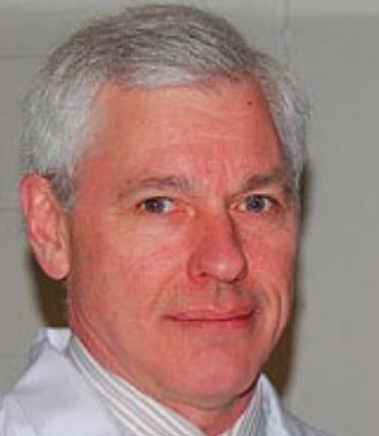 Michael P. Murtaugh合作论文数Department of Veterinary & Biomedical Sciences, University of Minnesota2
 Kang Ouyang (欧阳康)合作论文数School of Humanities, Huazhong University of Science and Technology2
 Larry S. Schlesinger合作论文数Texas Biomedical Research Institute2
 Deepak Kaushal合作论文数School of Medicine, TUHSC2




