Introduction Patients with serious illness often encounter distressing medical realities that challenge their ability to process information and make values-aligned decisions. In these moments, clinicians may struggle to strike a balance between honesty and psychological readiness. This interdisciplinary workshop introduces a novel framework of applying principles from exposure therapy to serious illness communication (SIC) in order to bolster coping, reduce avoidance, and support prognostic awareness. [1-3] Objectives Designed by an interdisciplinary, interprofessional team, this engaging and dynamic session draws from behavioral psychology and frontline clinical experience. We will translate core principles of exposure therapy [1], an evidence based intervention rooted in behavioral psychology that gradually increases a patient’s tolerance of feared stimuli through structured, individualized exposures. Participants will reconceptualize distressing medical information as a “feared stimulus,” allowing clinicians to apply the principles of titration, individualization, psychological safety, and coping enhancement to serious illness communication [4].Through case examples, reflective prompts, and skill-based demonstrations, participants will explore five SIC: Disclosure Breaking down difficult information into manageable, digestible segments.Potency Titration: Matching adjusting language intensity to align with patient readinessOne-Degree-Removed Framing: Using metaphor or indirect examples to reduce emotional or existential threat. [5]Talking About Talking About It: Allowing patients to contemplate future conversations without direct exposure.The “Box” Technique: Containing and temporarily setting aside difficult information in order to foster control and safety.All cases and teaching are rooted in culture humility with sensitivity and attunement to patients' unique diversity of identity, culture, background, and lived-experience. Conclusion By integrating exposure therapy principles into SIC, clinicians can reduce emotional flooding and support incremental integration of difficult realities [2,3]. This approach enables more adaptive decision-making and gradual prognostic awareness, preserving dignity and culturally concordant care [4,5]. Participants will acquire actionable tools to navigate emotionally charged conversations with nuance, inclusivity, and therapeutic presence.
Patients facing serious illness may respond to distressing medical information with avoidance or denial, limiting their ability to engage in values-based decision-making. Exposure therapy-an evidence-based psychological treatment for anxiety disorders-offers conceptual tools that can inform communication and therapeutic approaches with patients who struggle with avoidance in the context of serious illness. This article describes the care of a patient with advanced cancer who declined prognostic and hospice conversations due to death-related anxiety. Drawing on core exposure therapy principles-including safety, individualization, titration, and enhancement of coping-we illustrate how serious illness communication strategies can be intentionally adapted to support patient engagement, reduce distress, and strengthen psychological resilience. Through techniques such as progressive disclosure, calibration of language potency, and the "container" metaphor, clinicians can match communication to patients' emotional readiness, enhancing tolerance over time. Integrating exposures-informed approaches into palliative care practice helps bridge the gap between emotional avoidance and values-concordant care.
Background Patients with serious illness often present to the Emergency Department (ED) in crisis, particularly during transition points in care. ED utilization is disproportionately high among this population (1-3), yet palliative care (PC) engagement remains limited despite substantial unmet needs (4,5). In July 2023, Massachusetts General Hospital launched the Care Transitions Program (CTP) to improve care delivery for seriously ill patients presenting to the ED by embedding a multidisciplinary PC team and developing a 10-bed Supportive Care Unit (SCU) to support time-sensitive goals-of-care (GOC) discussions, complex symptom management, and hospice transitions. Approach The CTP features a nurse navigator-led population health approach to identify patients with unmet needs and coordinate early PC in the ED. The program integrates ED-based consults with physician/advanced practice provider; social work; and case management support, with select patients admitted to the SCU for intensive multidisciplinary PC. Patients admitted to the SCU include those requiring continued urgent GOC discussions to support care transitions, often including discharge with hospice support. Outcomes / Lessons Learned During its first 13 months, CTP served 2,452 unique patients across more than 3,000 encounters. Among patients discharged from the ED, 25% initiated hospice, 30% were referred to home-based PC, and 22% received outpatient PC follow-up. Only 12% returned to the ED within 30 days, and 83% had no further ED or hospital use across the entire health system. A six-month pre/post analysis showed a 54% reduction in ED visits and 40% fewer inpatient admissions, totaling 6,500 inpatient days avoided. Of 501 SCU admissions, 65% were discharged—nearly half to hospice—and 35% received end-of-life care on the unit. Median SCU length of stay was 3 days, compared to over 9 days hospital-wide. CTP demonstrates a scalable, replicable, high-impact model for aligning acute care with patient goals while optimizing health system capacity.
1634 Background: Targeted therapy improves survival and quality of life for patients with advanced non-small cell lung cancer (NSCLC) with driver alterations. However, advanced NSCLC remains incurable, and the timing of progression on targeted therapy is unpredictable. Thus, many patients live with an abiding, distressing sense of uncertainty. To better support patients with advanced NSCLC receiving targeted therapy, we 1) developed and refined a blended early palliative care and survivorship intervention and 2) conducted an open pilot to further refine the intervention. Methods: We conducted a review of evidence and prior palliative care and behavioral health interventions to inform the development of POISE, a structured, supportive care intervention for patients with advanced NSCLC receiving targeted therapy, in which trained palliative care clinicians aim to enhance patient coping with uncertainty, setting lifestyle goals, and prognostic awareness. To refine POISE, we first conducted qualitative interviews with 20 community partners, including patient/caregiver advocates, palliative care clinicians, psychologists, and oncologists. We elicited feedback on POISE intervention content and delivery. We used rapid analysis to analyze interview transcripts and identified themes, with which we finalized POISE (4 monthly one-hour palliative care visits). We then conducted an open pilot study of POISE among 10 patients diagnosed with advanced NSCLC with a targetable mutation (i.e., EGFR, ALK, ROS1 or RET) in the past 6 months who were receiving care at a single academic cancer center. All participants received POISE and completed self-report surveys at baseline and at 12 and 20 weeks. Participants rated their satisfaction with POISE and completed exit interviews at 20 weeks. We used a framework approach to analyze exit interviews and identify themes for further intervention refinement. Results: Qualitative interviews highlighted a need to strengthen the POISE clinician training and supervision plan to increase palliative care clinicians’ behavior modification therapy skills. We revised the POISE manual to be more flexible to accommodate patient choice in session focus and added a list of community organizations to support ongoing behavior change. With the revised intervention, we then initiated the POISE open pilot. We approached 13 eligible patients, of whom 10 (mean age = 67 years, 5 female, 5 male) consented to participate. Most (8/10) patients completed all 4 sessions and all surveys. All (8/8) patients reported that POISE was helpful and would recommend it to others. In exit interviews, patients suggested incorporating caregivers in sessions and adding a patient-facing workbook to assist with skill acquisition. Conclusions: POISE warrants further study in a feasibility pilot randomized controlled trial. Clinical trial information: NCT04900935 .
PURPOSE:Patients undergoing hematopoietic stem cell transplantation (HSCT) and their caregivers endure immense physical and psychological symptoms, which result in quality-of-life (QOL) impairments during HSCT. METHODS:We conducted a multisite randomized trial among adults undergoing autologous or allogeneic HSCT at three academic institutions. Patients were randomly assigned to an inpatient palliative care (PC) intervention or usual care. Intervention patients met with PC clinicians twice weekly during the HSCT hospitalization. Patients assigned to usual care could be referred to PC as per standard of care. We assessed QOL (patient: Functional Assessment of Cancer Therapy-Bone Marrow Transplant; caregiver: Caregiver-Oncology-QOL), depression and anxiety symptoms (Hospital-Anxiety-and-Depression-Scale), and patients' post-traumatic stress disorder (PTSD) symptoms (PTSD Checklist) at baseline, week 2, and 3 and 6 months post-HSCT. The primary end point was patients' QOL at week 2 during hospitalization when patients experience their QOL nadir. We used linear regression, adjusting for baseline scores, to evaluate the effect of the intervention on patient-reported outcomes at week 2. We used linear mixed-effect models to assess the effect of the intervention on study outcomes longitudinally. RESULTS:We enrolled 68.7% (360/524) of eligible patients between October 2018 and July 2022. Compared with those receiving usual care, patients receiving the intervention reported better QOL (adjusted mean difference [B], 6.3; SE, 0.1; P < .001), lower depression (B, -1; SE, 0.4; P = .026), and fewer PTSD symptoms (B, -1.9; SE, 0.9; P = .046) at week 2. Patient-reported anxiety did not differ significantly between groups at week 2. In longitudinal analyses, patients receiving the intervention reported a steeper decline in PTSD symptoms over 6 months post-HSCT (slope difference, -0.9; SE, 0.7; P = .012). All other patient-reported outcomes did not differ longitudinally between the groups. CONCLUSION:PC led to substantial improvements in patients' QOL, depression, and PTSD symptoms with sustained effects on PTSD symptoms up to 6 months post-HSCT.
Limited data exist on factors associated with early quality of life (QOL) response to palliative care (PC) in patients undergoing hematopoietic cell transplantation (HCT). We conducted a secondary analysis from two randomized clinical trials of PC versus usual care in adults with hematologic malignancies undergoing HCT. We measured patient-reported QOL, physical and psychological symptoms, and coping (categorized as approach-oriented and avoidant) at time of HCT admission, 2-weeks, 3- and 6- months post-HCT. PC clinicians completed weekly surveys documenting PC domains addressed. We defined early QOL response to PC as change in FACT-BMT Total score from HCT admission to week 2 and used the median split to define "high" responders. 252 participants were included in analyses. The median change in QOL from HCT admission to week 2 was -10.7 (range: -77.0, +52.0). Minoritized race (OR=3.2, CI=[1.7,6.3], p<0.001), lower baseline QOL (OR=0.97, CI=[0.96,0.99], p<0.001), higher physical (OR=1.02, CI=[1.0,1.04], p=0.004) and PTSD symptoms (OR=1.04, CI=[1.01,1.07], p=0.008) were associated with being a high PC responder. High PC responders reported greater use of approach-oriented coping at week 2 (D=2.5, CI=[0.9,4.1], p=0.002), 3 months (D=1.7, CI=[0.1,3.3], p=0.04), and 6 months post-HCT (D=2.6, CI=[0.8,4.4], p=0.003). Based on PC clinician surveys during HCT, high responders' PC visits focused on coping, illness/HCT education, and symptom education, compared to low responders' visits which focused on symptom management. These findings provide insights into factors associated with early QOL response to PC in HCT and help identify those most likely to benefit in real world practice. The clinical trial were registered at clinicaltrials.gov (NCT02207322, NCT03641378)
1649 Background: Findings from our prior large-scale comparative effectiveness trial showed the equivalent effect of delivering early palliative care via video versus in-person on quality of life among patients with advanced non-small cell lung cancer (NSCLC). We now report on whether the two care delivery modalities were equivalent with respect to patient-reported communication with clinicians about their end-of-life (EOL) care preferences and hospice utilization. Methods: Between 6/14/2018 and 5/4/2023, we enrolled 1250 patients with newly diagnosed advanced NSCLC in a randomized trial of early palliative care across 22 US cancer centers. Patients were randomly assigned to meet with a palliative care clinician every 4 weeks from enrollment through the course of the disease, either via video or in the outpatient clinic. Participants completed self-report surveys at baseline and weeks 12, 24, 36, and 48, including an item asking if they had discussed with their clinicians the care they would want to receive if dying (yes/no); patients’ final assessments prior to death or last follow up were analyzed. We reviewed patients’ health records to collect data on hospice referral and length of stay. To test the equivalence in these outcomes, we used a binomial generalized linear model with the identity link function (pre-specified equivalence margin of ±8% for patient-reported communication about EOL care) and linear regression (pre-specified equivalence margin of ±6 days for mean length of stay in hospice). P-values were adjusted for multiplicity using a Bonferroni correction. Results: Of the 1250 enrolled participants, 888 (71.0%) completed at least one survey post baseline regarding whether they communicated with clinicians about EOL care preferences. Among those, 29.1% of the video group and 26.0% of the in-person group reported “yes,” indicating that they recalled such EOL care discussions (difference = 3.1%, 95% CI: -1.8%, 8.1%; p = 0.26 for equivalence). During the course of the trial, 733/1250 (58.6%) patients died, of whom 537/733 (73.3%) were referred to hospice. Mean lengths of hospice stay were 25.3 days for the video group versus 25.1 days for the in-person group (difference = 0.2, 95% CI: -7.0, 7.4; p = 0.46 for equivalence). When excluding outlying patients receiving hospice services > 180 days (n = 13), the mean lengths of hospice stay were 19.1 (video group) versus 19.7 (in-person group) days (difference = -0.6, 95% CI: -4.6, 3.3; p = 0.06 for equivalence). Conclusions: Although thresholds were not met to confirm equivalence statistically, the two modalities for delivering early palliative care demonstrate very similar outcomes with respect to patient-clinician communication about EOL care and hospice utilization. These findings provide further evidence of the utility of video visits for providing high quality palliative and EOL care. Clinical trial information: ClinicalTrials.gov Identifier ( NCT03375489 ) .
INTRODUCTION:Prior studies have shown mixed findings regarding the relationship between prognostic awareness with quality of life (QOL) and psychological distress in patients with advanced cancer. Prognostic awareness is a multidimensional construct including a cognitive component (ie, the ability to understand one's life-limiting illness) and an emotional coping component (ie, the capacity to process terminal prognosis). Yet, it remains unclear which domains of prognostic awareness are associated with QOL and psychological distress. MATERIALS AND METHODS:We conducted a cross-sectional study of adults with metastatic solid tumors treated with noncurative intent at a single academic center from 11/2019 to 6/2022. We used the Prognostic Awareness Impact Scale (PAIS) to measure components of prognostic awareness, including the cognitive and emotional coping components. We used the Functional Assessment of Cancer Therapy-G and Hospital Anxiety and Depression Scale to measure QOL and psychological distress, respectively. Linear regression models were used to examine the relationship between the PAIS domains and patient-reported outcomes. RESULTS:We enrolled 61.9% (632/1021) of eligible patients. Cognitive understanding of prognosis was not associated with QOL (B = -2.3, P = .114), anxiety (B = 0.7, P = .057), or depression symptoms (B = 0.4, P = .293). However, higher emotional coping with prognosis was associated with better QOL (B = 1.7; P < .001), lower anxiety (B = -0.6; P < .001), and depression (B = -0.3; P < .001). CONCLUSION:Patients' emotional coping with their prognosis, rather than cognitive acknowledgment of their incurable cancer, was associated with QOL and psychological distress. Our findings underscore patients' ability to tolerate an accurate understanding of their prognosis and the critical need to incorporate effective coping strategies during prognostic discussions.
Dementia is a life-changing condition for patients and caregivers. Response to a diagnosis often includes grief, shock, and despair. Unfortunately, evidence demonstrates inadequate use of person-centered communication practices during diagnostic disclosure, which adds to psychological distress. Structured, person-centered communication interventions are needed to improve the disclosure process. Our aim was to characterize communication challenges and opportunities in diagnostic disclosure. Semi-structured interviews of clinicians at 3 academic institutions, including one federally qualified health center. An interdisciplinary research team used rapid thematic analysis. 18 clinicians participated (MDs/NPs/SWs/RNs) across neurology, geriatrics, geriatric psychiatry, primary care. Preliminary themes include: (1) An experience of trauma frequently accompanies dementia diagnostic disclosure. Participants described devastation or denial experienced by patients and caregivers after disclosure (especially an ‘abrupt’ disclosure’), which contributed to patient threats of suicide, clinicians getting fired, or reluctance to seek care. (2) Communicating a dementia diagnosis differs from other medical conditions due to the attribution of symptoms to other causes; perception that there is ‘no fighting back’ (which may change with anti-amyloid therapies); and the importance of early involvement of caregivers due to variation in patient cognitive capacity. (3) An incremental team-based communication process is perceived to improve patient and caregiver experience, including: establishing therapeutic alliance; assessing awareness of the cognitive condition and personal beliefs; managing expectations and acknowledging uncertainty; sharing a clear diagnosis with emotional support; creating partnership for anticipatory guidance and planning. (4) System barriers interfere with communication, including long wait times for specialists, lack of training, and unclear roles A structured, psychologically-informed communication framework for inter-professional teams may enhance the quality and reliability of the diagnostic disclosure communication process in dementia care. Future research to develop efficacious diagnostic disclosure communication interventions has the potential to improve patient, caregiver, and clinician experience.
Caregivers play a critical role in supporting patients with decompensated cirrhosis (DC) while often also enduring psychological distress themselves. Despite caregivers' essential role in medical decision-making, no studies have examined the associations of caregiver-hepatologist prognostic communication with caregivers' psychological outcomes. In this cross-sectional study, we examined associations of caregivers' self-reported frequency, adequacy, and quality of prognostic communication from the patients' hepatologist (Prognosis and Treatment Preferences Questionnaire) with their anxiety and depression symptoms (Hospital Anxiety and Depression Scale, HADS) and caregiving burden (Zarit Burden Index-12, ZBI-12) using linear regression adjusted for caregiver age, gender, and relationship to the patient. Between August 2018 and September 2022, we enrolled 127/162 (78%) adult caregivers of patients with DC (median age 59 years old, 62% female, 63% spouses). In total, 52% and 35% of caregivers reported clinically significant anxiety and depression symptoms respectively (HADS subscale ≥8), and 27% reported high caregiving burden (ZBI-12 >20). Over 85% had never participated in prognostic communication with their hepatologists about patients' end-of-life care preferences. Higher frequency of prognostic communication with the patient's hepatologist was associated with lower caregiving burden (β=-4.82, p =0.01). Receipt of adequate information about the patient's prognosis was associated with lower caregiving burden (β=-4.21, p =0.02). Lastly, rating the prognostic communication from the patient's hepatologist as high-quality was associated with lower caregiver anxiety symptoms (β=-2.31, p =0.03). Frequency and adequacy of prognostic communication were not significantly associated with caregivers' anxiety and depression symptoms. Quality of prognostic communication was not significantly associated with caregiving burden or depression symptoms. These findings emphasize the substantial psychological distress and burden experienced by caregivers of patients with DC and highlight prognostic understanding as a potential modifiable target for improving their psychological outcomes.
Importance:High-quality, person-centered patient-clinician communication is critical in health care and may be less effective for patients with serious illness. Little is understood about differences in patient-clinician communication experiences of adults with and without serious illness. Objectives:To determine whether perceptions of patient-clinician communication experiences differ between adults with and without serious illness. Design, Setting, and Participants:This population-based cross-sectional survey was fielded from April 20 to May 31, 2021, and data were analyzed from January 27, 2023, to December 10, 2024. Participants included a nationally representative sample of US English- or Spanish-speaking adults, including people from historically marginalized groups (eg, Black and Hispanic or Latino individuals, people with low income), responding to an online or telephone survey. Exposure:Participants were categorized by serious illness status. Participants with serious illness replied yes to (1) having a diagnosis from a list of medical conditions and (2) reporting feeling sicker or having decreased functionality during the last year. Main Outcomes and Measures:The survey asked about community partner-derived measures of patient-clinician communication experiences, including trusting clinicians, feeling afraid to speak up, and being unsure about next steps. Multivariable logistic regression models were used to estimate the association of serious illness with these communication experiences, adjusting for sociodemographic characteristics. Percentages were weighted according to the National Opinion Research Center's statistical weighting methods to account for differences in nonresponse. Results:Of 6126 individuals invited, 1847 (30.2%) completed the survey and were included in analysis (mean [SD] age, 48.4 [17.5] years); 950 (51.8%) identified as female; 191 (11.9%) identified as Black and 287 (16.7%) as Hispanic; and 434 (17.8%) had an annual income less than $30 000 (here called low income). Among respondents, 363 participants (18.5%) had serious illness (mean [SD] age, 50.2 [18.1] years; 218 [64.5%] female; 34 [12.4%] Black; 54 [16.4%] Hispanic; 131 [27.3%] with low income), and 1484 (81.5%) had no serious illness (mean [SD] age, 48.0 [17.4] years; 732 [48.9%] female; 157 [11.8%] Black; 233 [16.7%] Hispanic; 303 [15.6%] with low income). Compared with adults without serious illness, adults with serious illness were more likely to report leaving a visit unsure about next steps (adjusted odds ratio [AOR], 2.30; 95% CI, 1.62-3.27); being afraid to ask questions or speak up (AOR, 2.18; 95% CI, 1.55-3.08); believing they were talked down to or made to feel inferior (AOR, 1.90; 95% CI, 1.24-2.91); and believing that they were treated unfairly by clinicians (AOR, 3.26; 95% CI, 2.43-4.38). Conclusions and Relevance:In this cross-sectional study, adults with serious illness more often had worse patient-clinician communication experiences. Further research is needed to better understand and develop interventions to improve perceptions of patient-clinician communication experiences for adults with serious illness.
BACKGROUND & AIMS: Timely prognostic communication is a critical component of care for patients with decompensated cirrhosis (DC). However, few studies have examined the association of prognostic communication with symptoms, mood, and health-related quality of life (HRQOL) in this population. METHODS: In this cross-sectional study of 218 outpatients with DC, we assessed their self-reported health status (terminally ill vs not terminally ill), their prognostic communication with their hepatologists (Prognosis and Treatment Preferences Questionnaire), symptom burden (Revised Edmonton Symptom Assessment Scale), psychological distress (Hospital Anxiety and Depression Scale), and HRQOL (Short-Form Liver Disease Quality of Life scale). We used linear regression to examine associations among patients' self-reported health status and prognostic communication with their symptom burden, psychological distress, and HRQOL. RESULTS: Over 75% of patients reported that prognostic communication was helpful for making treatment decisions, maintaining hope, and coping with their disease. However, 81% had never discussed their end-of-life care wishes with their hepatologists. Overall, 36% self-reported a terminally ill health status, which was associated with higher symptom burden (B = 8.33; P = .003), anxiety (B = 1.97; P = .001), and depression (B = 2.01; P = .001) and lower HRQOL (B =-7.22; P = .002). Patients who wished they had more information on their prognosis reported higher symptom burden (B = 7.14; P = .010), anxiety (B = 1.63; P = .005), and depression (B = 1.50; P = .010) and lower HRQOL (B =-7.65; P = .001). CONCLUSIONS: Although most patients with DC highly valued prognostic communication, the majority reported never discussing their end-of-life care preferences with their hepatologists. Self-reported terminally ill health status and inadequate prognostic communication were associated with poorer symptoms, mood, and HRQOL. Interventions to improve prognostic communication while simultaneously providing adequate supportive care are warranted.
INTRODUCTION:Patients with metastatic oncogene-driven non-small cell lung cancer (NSCLC) are experiencing longer and uncertain trajectories of life-limiting illness due to advances in precision medicine. These advanced cancer survivors face new challenges related to living with uncertainty and desire more support to maximize their health and quality of life. Therefore, we developed a population-specific, blended palliative and survivorship care intervention to address the supportive care needs of patients recently diagnosed with advanced lung cancer and who are receiving targeted therapy for NSCLC with EGFR, ALK, ROS1 or RET driver mutations. METHODS AND ANALYSIS:This study is a single-site, non-blinded pilot randomised controlled trial of an intervention for patients with metastatic oncogene-driven NSCLC, Patient-centred, Optimal Integration of Survivorship and palliative carE (POISE) versus usual care. POISE consists of a brief series of structured visits with a trained palliative care clinician to address coping with uncertainty, increase prognostic awareness and promote healthy lifestyle behaviours. We will recruit 60 patients from the Massachusetts General Hospital Cancer Center. Patients will be randomised into a 1:1 ratio to the intervention arm or the usual care arm. Patients randomised to the intervention arm will complete four 60 min virtual or in-person visits with a palliative care physician. The usual care arm will receive standard oncology care. Patients in both arms will complete survey assessments at enrolment, 12 weeks and 20 weeks after enrolment, and patients in the intervention group will complete an exit interview. The primary outcome measure of this trial is feasibility, which will be defined by ≥60% enrolment among eligible patients, ≥70% completion of all sessions for participants in the intervention arm and ≥70% completion of all surveys for all study participants. Exploratory outcomes include acceptability, emotional coping with prognosis, self-efficacy for chronic disease management, prognostic awareness, quality of life, anxiety, depression, intolerance of uncertainty and documentation of goals and values discussions in the electronic health record. ETHICS AND DISSEMINATION:This study was approved by the Dana-Farber/Harvard Cancer Center's institutional review board (protocol 20-722). The protocol is reported in accordance with the Standard Protocol Items: Recommendations for Interventional Trials guidelines, and the study will be reported in accordance with the Consolidated Standards of Reporting Trials statement for non-pharmacological trials. TRIAL REGISTRATION NUMBER:NCT04900935.
To the Editor: In their Clinical Practice article, Jackson and Emanuel (Jan. 4 issue)(1) explore the intricacies of navigating and communicating about serious illness and end of life. I would underscore the considerable effect that cultural differences and individual belief systems have on these issues. The predominant U.S. health care model, which values individuality and autonomy, may face hurdles when dealing with patients from diverse cultural backgrounds. In certain cultures, withholding grave diagnoses aligns with societal norms, in which disclosure is deemed to be disrespectful.(2) In addition, when decision making excludes patients and relies solely on family members, tensions between . . .
Context: The COVID-19 pandemic presented unique challenges for health care systems. Overcrowded units, extreme illness severity, uncertain prognoses, and mistrust in providers resulted in a ?pressure cooker? where traditional communication strategies were often insufficient. Objectives: Building on well-studied traditional communication interventions, neurobiology principles were used to create a novel communication strategy designed in the COVID-ICU to respond to the unique communication needs of patients within the context of a high mistrust setting. Methods: The hierarchy of communication needs recognizes three specific levels of communication that are essential within high-emotion and low-trust settings. The first level is to establish trust. The second level is to resonate with patients' emotions, helping to reduce arousal and improve empathy. The third level includes the more traditional content of disclosing prognostic information and shared decision-making. When facing communication challenges, clinicians are taught to move back a level and reattune to emotions and/or reestablish trust. Discussion: The COVID pandemic revealed the shortcomings of a primarily cognitive communication style. The hierarchy of communication needs emphasizes trust building, and emotional resonance as prerequisites of effective cognitive discussions, resulting in more effective clinician?patient communication that more fully incorporates cultural humility and better meets the needs of diverse patient populations. Additional research is needed to further develop this strategy and evaluate its impact on patient experience and outcomes.
Outcomes1. Describe the unique challenges of diagnostic disclosure communication in dementia care2. Identify person-centered communication strategies that can improve the quality, experience, and reliability of diagnostic disclosure communication in dementia careKey MessageThe timely diagnosis of dementia affords numerous benefits for patients and caregivers. Yet, disclosing a dementia diagnosis is a psychologically complex process in dementia care. Structured, person-centered communication interventions that incorporate palliative care skills and competencies are needed to improve the quality and experience of the diagnostic disclosure communication process.ImportanceDementia is a life-changing condition for patients and caregivers. Response to a diagnosis often includes grief, loss, and despair. Unfortunately, evidence demonstrates inadequate use of person-centered communication practices during diagnostic disclosure, which adds to psychological distress. Structured, person-centered communication interventions are needed to improve the disclosure process.Objective(s)Characterize communication challenges and opportunities in diagnostic disclosure.Scientific Methods UtilizedSemi-structured interviews of clinicians at 3 academic institutions, including one federally qualified health center. An interdisciplinary research team used rapid thematic analysis.Results18 clinicians participated (MDs/NPs/SWs/RNs) across neurology, geriatrics/palliative care, geriatric psychiatry, primary care. Preliminary themes include: (1) An experience of trauma frequently accompanies dementia diagnostic disclosure. Participants described devastation or denial experienced by patients and caregivers after disclosure (especially an ‘abrupt’ disclosure’), which contributed to patient threats of suicide, clinicians getting fired, or reluctance to seek care. (2) Communicating a dementia diagnosis differs from other medical conditions due to attribution of symptoms to other causes and prolonged processes of acceptance/integration of the diagnosis; perception that there is 'no fighting back’ (which may change with anti-amyloid therapies); and the importance of early involvement of caregivers due to variation in patient cognitive capacity. (3) An incremental team-based communication process is perceived to improve patient and caregiver experience, including: establishing therapeutic alliance; assessing awareness of the cognitive condition and personal beliefs; managing expectations and acknowledging uncertainty; sharing a clear diagnosis with emotional support; creating partnership for anticipatory guidance and planning. (4) System barriers interfere with communication, including time constraints in primary care, long wait times for specialists, unclear rolesConclusion(s)A structured, trauma-informed communication framework for inter-professional teams may enhance the quality and reliability of the diagnostic disclosure communication process in dementia care.ImpactFuture research to develop efficacious diagnostic disclosure communication interventions that integrate palliative care communication competencies has the potential to improve patient, caregiver, and clinician experience.KeywordsCommunication and prognostication/Psychosocial support
The evidence base demonstrating the benefits of an early focus on palliative care for patients with serious cancers, including advanced lung cancer, is substantial. Early involvement of specialty-trained palliative care clinicians in the care of patients with advanced lung cancer improves patient-reported outcomes, such as quality of life, and health care delivery, including hospice utilization. Since the time that many of these palliative care trials were conducted, the paradigm of cancer care for many cancers, including lung cancer, has changed dramatically. The majority of patients with advanced lung cancer are now treated with immune checkpoint inhibitors or targeted therapies, both of which have had a significant impact on patient's experience and outcomes. With this changing landscape of lung cancer therapeutics, patients are facing new and different challenges, including dealing with novel side effect profiles and coping with greater uncertainty regarding their prognosis. Patients who are living longer with their advanced cancer also struggle with how to address survivorship issues, such as sexual health and exercise, and decision making about end-of-life care. Although palliative care clinicians remain well-suited to address these care needs, they may need to learn new skills to support patients treated with novel therapies. Additionally, as the experience of patients with advanced lung cancer is becoming more varied and individualized, palliative care research interventions and clinical programs should also be delivered in a patient-centered manner to best meet patient's needs and improve their outcomes. Tailored and technology-based palliative care interventions are promising strategies for delivering patient-centered palliative care.
There is widespread agreement that clinicians should talk to seriously ill patients and their families about their illnesses. However, advance directives as a quality metric have been called into question because of the lack of data that these conversations lead to goal-concordant care. The controversy has led many to reexamine the purpose of conversations with seriously ill patients and what should be discussed in ambulatory visits. In this Controversies in Palliative care, experts in palliative care review the literature and suggest both how it influences their clinical practice and what research needs to be done to clarify the controversy. While there is not a single outcome that the experts agree on, they posit a variety of different ways to assess these conversations.
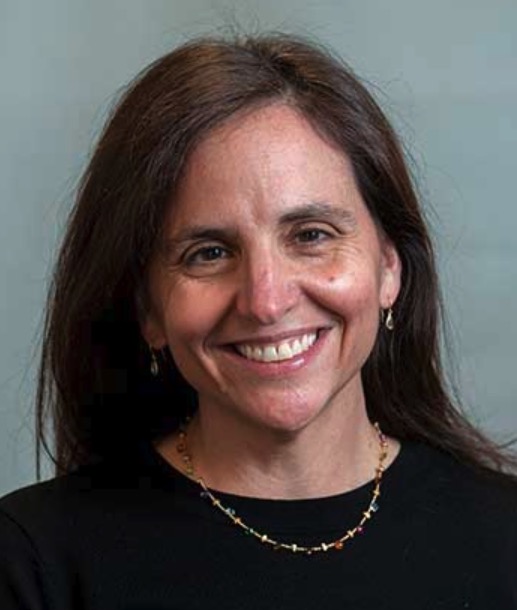 Jennifer Temel合作论文数Massachusetts General Hospital Cancer Center;Harvard Medical School;National Cancer Institute, National Institutes of Health154
 Joseph Greer合作论文数Department of Psychiatry, Massachusetts General Hospital;Harvard Medical School145
 Areej El-Jawahri合作论文数Mass General Cancer Center, Massachusetts General Hospital112
 William F. Pirl合作论文数Dana-Farber Cancer Institute;Harvard Medical School75
 Juliet Jacobsen合作论文数68
 Lara N. Traeger合作论文数Department of Psychiatry, Massachusetts General Hospital;Department of Psychiatry, Harvard Medical School56Emily R. Gallagher合作论文数50
 Ryan Nipp合作论文数The Hematology Oncology Section, Department of Internal Medicine, College of Medicine, The University of Oklahoma47
 Elyse Park合作论文数Cancer Center Smokefree Support Service, Massachusetts General Hospital;Harvard Medical School;Health Promotion and Resiliency Intervention Research Center47
 Inga T Lennes合作论文数21
 Ryan David P合作论文数21Vandusen Harry B合作论文数21Simone Rinaldi合作论文数19Mihir M. Kamdar合作论文数19Lage Daniel E合作论文数17
 Nora Horick合作论文数Massachusetts General Hospital Biostatistics17
 Thomas William LeBlanc合作论文数Duke Cancer Institute, Duke University;Department of Medicine, School of Medicine, Duke University16
 Ephraim Hochberg合作论文数Cancer Center, Mass General Research Institute, Massachusetts General Hospital;Leuko;Harvard Medical School16Barbara J. Cashavelly合作论文数15Sara M D'Arpino合作论文数14Eusebio Justin R合作论文数14
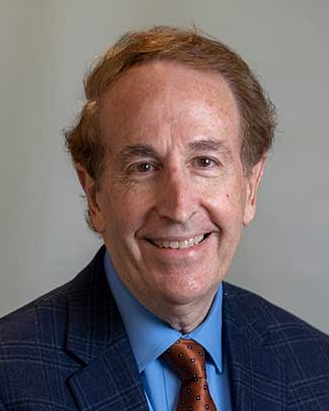 Thomas Spitzer合作论文数Mass General Cancer Center, Massachusetts General Hospital;Harvard Medical School13
 Alona Muzikansky合作论文数Biostatistics Center, Massachusetts General Hospital13
 Robert M. Arnold合作论文数Division of General Internal Medicine, Department of Medicine, University of Pittsburgh School of Medicine;Center for Research on Health Care, Department of Medicine, University of Pittsburgh13Anthony L. Back合作论文数13Constance Dahlin合作论文数Massachusetts General Hospital13Keri O Brenner合作论文数12
 Susan Dale Block合作论文数Brighamand Women's Hospital;Department of Psychosocial Oncology and Palliative Care, Dana-Farber Cancer Institute;Harvard Medical School12Charn-Xin Fuh合作论文数11
 Joel Fishbein合作论文数Univ Colorado11
 Nneka Ufere合作论文数Division of Gastroenterology, Massachusetts General Hospital;Harvard Medical School;Liver Center, Gastrointestinal Division, Massachusetts General Hospital11
 Christine Seel Ritchie合作论文数Division of Geriatrics, Department of Medicine, University of California San Francisco;Department of Medicine, Massachusetts General Hospital11Leah B. Rosenberg合作论文数11
 Andrew C. Billings合作论文数College of Communication and Information Sciences, The University of Alabama11Brandon Temel合作论文数10
 Daniel Shalev合作论文数1Division of Geriatrics and Palliative Medicine, Weill Cornell Medicine (D.S., M.D.S., M.C.R.), New York, New York, USA10
 Jamie M Jacobs合作论文数10
 Rabideau Dustin J合作论文数Massachusetts General Hospital10Wong Risa L合作论文数10P. Connor Johnson合作论文数Department of Biological Sciences, The University of Alabama10Laura Petrillo合作论文数Harvard Medical School, Massachusetts General Hospital10Steven L. Mcafee合作论文数10Samantha M. C. Moran合作论文数9Holly S Martinson合作论文数9
 Yi-Bin Chen合作论文数Mass General Research Institute, Massachusetts General Hospital;Harvard Medical School9Thomas J. Lynch合作论文数7
 Samantha Moran Graceffo合作论文数7Sophia L Landay合作论文数7Richard Newcomb合作论文数7




