Although Kaposi sarcoma-associated herpesvirus (KSHV)-associated disease (KAD) has long been recognized as a complication of transplantation, in the past 5 years, the incidence of KAD among solid organ transplant recipients in the United States has increased greater than 5-fold, exposing gaps in screening and monitoring protocols. The United States lacks a coordinated framework for KSHV risk assessment and posttransplant monitoring, primarily because serologic and molecular testing is not yet widely available. Current laboratory-developed tests are not standardized across laboratories and analytes, testing capacity is insufficiently available nationwide, and most tests are not approved for clinical use. This diagnostic gap limits the ability to define the KSHV status of donors and recipients before transplantation, distinguish graft-mediated transmission from reactivation of preexisting infection, and interpret KAD risk across organ type and numerous host factors. International experiences and the Human Immunodeficiency Virus Organ Policy Equity Act in action cohort in the US provide context, but do not readily translate into US policy. We outlined here priorities for a US response, including generation of representative epidemiologic data, diagnostic standardization, consensus testing and monitoring strategies, and clinician education to support safe, efficient, evidence-based organ utilization.
BACKGROUND:Due to high prevalence of Kaposi sarcoma-associated herpesvirus (KSHV) among people with human immunodeficiency virus (HIV), KSHV-associated disease (KAD) may be increased after kidney transplantation from donors with HIV (HIV D+) to recipients with HIV (HIV R+). METHODS:Anti-KSHV antibodies were measured in HIV R+ and donors with and without HIV (HIV D-) using a 30-antigen multiplex assay within 3 multicenter kidney transplantation studies. KSHV seropositivity was defined as reactivity to conventional KSHV antigens (≥1 ORF73 or K8.1); reactivity to expanded 5-antigen and 30-antigen panels were also reported. Risk factors were identified using modified Poisson regression. Recipients were monitored for posttransplant anti-KSHV antibody changes and KAD. RESULTS:KSHV seroprevalence was 40.6% (143/352) among HIV R+, 25.2% (33/131) among HIV D+, and 7.5% (4/53) among HIV D-. In the multivariable model, only men who have sex with men (MSM) status was associated with KSHV seropositivity (relative risk, 1.51 [95% confidence interval {CI}, 1.07-2.14] in recipients and 2.39 [95% CI, 1.03-5.53] in donors). Among 418 HIV R+ (215 HIV D+/R+, 203 HIV D-/R+), there were 5 KAD cases (incidence, 0.63 cases/100 person-years [95% CI, .26-1.52]): 3 skin-only Kaposi sarcoma (KS), 1 multicentric Castleman disease, and 1 allograft KS. The allograft KS occurred in a female HIV D+/R+ and was likely donor derived. Remaining KAD cases occurred in male HIV D-/R+ and were likely recipient KSHV reactivation or acquisition. CONCLUSIONS:In the United States, KSHV seroprevalence in donors and recipients with HIV was high, particularly among MSM. Reassuringly, KSHV-associated disease was rare and primarily attributed to recipient rather than donor-derived KSHV.
Abstract Background Human herpesvirus-8 (HHV-8), also known as Kaposi’s sarcoma-associated herpesvirus (KSHV), causes Kaposi’s sarcoma (KS) and other KSHV-associated disease (KAD). We previously described high KSHV seroprevalence and high KS incidence in a population of men who have sex with men (MSM) with HIV in Dallas, Texas. We now describe viral genetics in the same population.Table 1:Participant Characteristics Methods We analyzed samples from participants recruited in 2 different studies, one enrolling MSM with HIV with and without KAD, and the other enrolling MSM with HIV and KAD. We measured KSHV IgG in serum using a combination of ELISA and a bead-based multiplex assay. Oral fluid samples of all individuals with KAD and seropositive individuals with no KAD were analyzed by RT-PCR to detect and quantify KSHV DNA. Samples with detectable KSHV underwent Sanger and/or next generation sequencing to determine K1 subtype.Figure 1:Phylogenetic Tree of Participant Samples Results Overall, 281 participants were recruited; 59 shed enough virus for K1 subtyping. Of these, 37 did not have KAD, and 22 had KAD, all had KS. Table 1 describes the demographic characteristics of these participants. Notably, those with KS had lower median CD4 countsthan those without KS (p < 0.01). All known K1 subtypes, except for D, were identified in this cohort, including the rare E and F subtypes. The latter, which only recently had been described outside Africa was identified in 6 individuals. Four participants had mixed infections with 2 or more KSHV subtype (Figure 1). Figure 2 illustrates clinical presentations by KSHV subtype. Limitations in sequencing technology and study design permit no inferences on possible associations between KSHV subtype and KS onset or severity. We observed a larger proportion of subtypes B and F, typical of African populations, in participants with KS, than those with no KAD (8/27 subtypes detected vs 3/37). However, A and C were the most commonly identified subtypes in KS (19/27 subtypes in those with KS vs 32/37 subtypes in those without KS), including in advanced cases (i.e. T1 stage, 10/13).Figure 2:KSHV Subtypes and Clinical Presentation Conclusion In conclusion, we observed extreme diversity in KSHV genomes sequenced in a single institution in Dallas, TX. Further studies are needed to better understand the relationship between viral genetics and KSHV epidemiology and disease risk in the southern US. Disclosures Ank E. Nijhawan, MD, MPH, MSCS, Gilead Sciences: Grant/Research Support
Abstract: Kaposi sarcoma–associated herpesvirus (KSHV) inflammatory cytokine syndrome (KICS) is characterized by KSHV infection and severe inflammatory symptoms and signs (elevated cytokines, C-reactive protein, and KSHV viremia), without evidence of other causes. The primary objective of this study was to evaluate KICS natural history after exclusion of other inflammatory disorders, including multicentric Castleman disease (MCD) and, per a revised working definition, primary effusion lymphoma (PEL). Participants with KICS were treated for concurrent Kaposi sarcoma (KS) and/or received KICS-directed treatment with targeted therapies used in other KSHV-associated disorders (KAD), such as rituximab, tocilizumab, or high-dose valganciclovir/azidothymidine. KICS response was evaluated using the Clinical Benefit Response Criteria (KICS-CBR). Baseline inflammatory cytokines were compared between those with KICS and participants with other KAD. Seventy-three participants were enrolled from 2011 to 2022. Following exclusion of other inflammatory processes, 35 (34 with HIV) had KICS, and all but 1 had concurrent stage T1 KS. Among participants with KICS, 11 (43%) received rituximab (with liposomal doxorubicin [8] or paclitaxel [3] for concurrent KS) and 55% (95% confidence interval [CI], 23%-83%) had a response per KICS-CBR. Interleukin-10 (IL-10), IL-6, and IL-1β levels were higher among those with KICS than those with KS alone. The median overall survival among participants with KICS was 5.7 years (95% CI, 5.7 years to not reached). KICS is a diagnosis of exclusion from PEL and MCD. Nearly all patients with KICS have advanced KS, and the syndrome is associated with significant morbidity and mortality. Rituximab may benefit a subset of participants with KICS. This trial was registered at www.clinicaltrials.gov as #NCT01419561.
Background Due to high prevalence of Kaposi sarcoma-associated herpesvirus (KSHV) among people with human immunodeficiency virus (HIV), KSHV-associated disease (KAD) may be increased after kidney transplantation from donors with HIV (HIV D+) to recipients with HIV (HIV R+).Methods Anti-KSHV antibodies were measured in HIV R+ and donors with and without HIV (HIV D-) using a 30-antigen multiplex assay within 3 multicenter kidney transplantation studies. KSHV seropositivity was defined as reactivity to conventional KSHV antigens (>= 1 ORF73 or K8.1); reactivity to expanded 5-antigen and 30-antigen panels were also reported. Risk factors were identified using modified Poisson regression. Recipients were monitored for posttransplant anti-KSHV antibody changes and KAD.Results KSHV seroprevalence was 40.6% (143/352) among HIV R+, 25.2% (33/131) among HIV D+, and 7.5% (4/53) among HIV D-. In the multivariable model, only men who have sex with men (MSM) status was associated with KSHV seropositivity (relative risk, 1.51 [95% confidence interval {CI}, 1.07-2.14] in recipients and 2.39 [95% CI, 1.03-5.53] in donors). Among 418 HIV R+ (215 HIV D+/R+, 203 HIV D-/R+), there were 5 KAD cases (incidence, 0.63 cases/100 person-years [95% CI, .26-1.52]): 3 skin-only Kaposi sarcoma (KS), 1 multicentric Castleman disease, and 1 allograft KS. The allograft KS occurred in a female HIV D+/R+ and was likely donor derived. Remaining KAD cases occurred in male HIV D-/R+ and were likely recipient KSHV reactivation or acquisition.Conclusions In the United States, KSHV seroprevalence in donors and recipients with HIV was high, particularly among MSM. Reassuringly, KSHV-associated disease was rare and primarily attributed to recipient rather than donor-derived KSHV. The prevalence of Kaposi sarcoma-associated herpesvirus (KSHV) was high among kidney donor and transplant recipients with HIV. Posttransplant KSHV-associated disease incidence was similar to that observed in endemic countries but disease was generally mild and attributed to recipient KSHV.
11532 Background: Kaposi sarcoma herpesvirus (KSHV, also known as human herpesvirus 8) is an oncogenic virus that causes Kaposi sarcoma (KS), one of the most prevalent cancers in people with HIV (PWH) worldwide. KSHV also causes primary effusion lymphoma (PEL), a non-Hodgkin lymphoma, a plasmablastic variant of multicentric Castleman disease (MCD), and KSHV-associated inflammatory cytokine syndrome (KICS). KSHV-associated diseases (KADs) can occur alone or concurrently. The major KSHV genetic subtypes A, A5, B, C, D, E and F, based on the K1 open reading frame (ORF), are distributed by global region of origin. A and C genotypes are seen in Europe and North America whereas B and A5 variants are observed in Africa; D, E and F genotypes were described in isolated populations. There are limited data on the association between KSHV subtypes and survival outcomes. Methods: We investigated the ORF K1 subtype, disease characteristics, and impact on survival outcomes in 107 patients (pts) with KADs treated at the HIV/AIDS Malignancy Branch in the United States from 2010-2024. KSHV-DNA was extracted from peripheral blood mononuclear cells (PBMCs), KSHV-positive tissues and body fluids, including effusions. Extracted DNA was tested for KSHV using a CLIA-certified qPCR assay. Samples identified as KSHV-positive by qPCR were sequenced using either next-generation sequencing (NGS) or Sanger sequencing. Results: The cohort consisted of predominantly men (94%) and 55% were Black. Ninety-seven percent of pts had HIV (median CD4 count of 216 cells/mm3 and median HIV viral load 189,590 copies/mL). The most common KAD was KS (92%) followed by PEL (36%), MCD (23%), and KICS (22%). However, 64% had more than one concurrent KAD – 20% had KS and PEL. At the time of analysis, 39 (36%) pts were deceased, 26 (24%) had a PEL diagnosis. Seventy-nine percent of pts were from North America, 11% from Latin America and 9% were from sub-Saharan Africa; KSHV genotypes were consistent with a patient’s geographic origin. Overall, the most common genotype was A (44%), 30% of pts with genotype A had KS alone and 30% had PEL+/-KS (Table). KSHV subtypes based on K1 did not impact survival outcomes (Global Log-rank P=0.9) overall. In 98 pts with KS with and without other KAD, KSHV subtypes did not affect survival but the presence of concurrent PEL as compared to MCD or KICS lead to worse survival in pts [Hazard Ratio: 7.9 (95% confidence interval: 3.4-18.2, P<0.0001)]. Conclusions: In this large cohort of pts with KS and other KAD, KSHV genotype was not associated with survival outcomes. Among pts with KS, concurrent KAD, such as PEL, led to poorer survival. This suggests that clinical manifestations rather than underlying viral variants impacted survival. KSHV genotype prevalence (%) by KAD. Overall % A44% A58% B11% C26% Dual infection 8% KS 30 50 17 29 0 MCD +/- KS 11 0 17 14 22 PEL +/- KS 30 25 42 21 22 KICS + KS 17 25 17 29 33 MCD+PEL+/- KS 13 0 8 7 22
Recently published near full-length KSHV genomes from a Cameroon Kaposi sarcoma case-control study showed strong evidence of viral recombination and mixed infections, but no sequence variations associated with disease. Using the same methodology, an additional 102 KSHV genomes from 76 individuals with KSHV-associated diseases have been sequenced. Diagnoses comprise all KSHV-associated diseases (KAD): Kaposi sarcoma (KS), primary effusion lymphoma (PEL), KSHV-associated large cell lymphoma (KSHV-LCL), a type of multicentric Castleman disease (KSHV-MCD), and KSHV inflammatory cytokine syndrome (KICS). Participants originated from 22 different countries, providing the opportunity to obtain new near full-length sequences of a wide diversity of KSHV genomes. These include near full-length sequence of genomes with KSHV K1 subtypes A, B, C, and F as well as subtype E, for which no full sequence was previously available. High levels of recombination were observed. Fourteen individuals (18%) showed evidence of infection with multiple KSHV variants (from two to four unique genomes). Twenty-six comparisons of sequences, obtained from various sampling sites including PBMC, tissue biopsies, oral fluids, and effusions in the same participants, identified near complete genome conservation between different biological compartments. Polymorphisms were identified in coding and non-coding regions, including indels in the K3 and K15 genes and sequence inversions here reported for the first time. One such polymorphism in KSHV ORF46, specific to the KSHV K1 subtype E2, encoded a mutation in the leucine loop extension of the uracil DNA glycosylase that results in alteration of biochemical functions of this protein. This confirms that KSHV sequence variations can have functional consequences warranting further investigation. This study represents the largest and most diverse analysis of KSHV genome sequences to date among individuals with KAD and provides important new information on global KSHV genomics.
Objective:Kaposi sarcoma is a vascular tumor that affects the pulmonary system. However, the diagnosis of airway lesions suggestive of pulmonary Kaposi sarcoma (pKS) is reliant on bronchoscopic visualization. We evaluated the role of Kaposi sarcoma herpesvirus (KSHV) viral load in bronchoalveolar lavage (BAL) as a diagnostic biomarker in patients with bronchoscopic evidence of pKS and evaluated inflammatory cytokine profiles in BAL and blood samples.Design:In this retrospective study, we evaluated KSHV viral load and cytokine profiles within BAL and blood samples in patients who underwent bronchoscopy for suspected pKS between 2016 and 2021.Methods:KSHV viral load and cytokine profiles were obtained from both the circulation and BAL samples collected at the time of bronchoscopy to evaluate compartment-specific characteristics. BAL was centrifuged and stored as cell pellets and KSHV viral load was measured using primers for the KSHV K6 gene regions.Results:We evaluated 38 BAL samples from 32 patients (30 with HIV co-infection) of whom 23 had pKS. In patients with airway lesions suggestive of pKS, there was higher KSHV viral load (median 3188 vs. 0 copies/106 cell equivalent; P = 0.0047). A BAL KSHV viral load cutoff of 526 copies/106 cells had a sensitivity of 72% and specificity of 89% in determining lesions consistent with pKS. Those with pKS also had higher IL-1 beta and IL-8 levels in BAL. The 3-year survival rate for pKS patients was 55%.Conclusion:KSHV viral load in BAL shows potential for aiding in pKS diagnosis. Patients with pKS also have evidence of cytokine dysregulation in BAL.
Background:We report the impact of HIV infection within a household on oral Kaposi's sarcoma-associated herpesvirus (KSHV) shedding. Methods:We enrolled 469 individuals from 90 households. Mouthwash rinse samples collected at three monthly visits, were analyzed for KSHV DNA using quantitative polymerase chain reaction (qPCR). Generalized linear mixed effects logistic models were applied to analyze factors associated with KSHV ever shedding, and among shedders, always versus intermittent shedding. Linear mixed effects models were applied to models of KSHV viral loads. Intraclass correlation coefficients (ICCs) were calculated to assess the contribution of household-level factors to variations in shedding probabilities. Hotspot analyses of geospatial feature clusters were calculated using Getis-Ord Gi* statistic and visualized using inverse distance weighted interpolation. Results:Analyses included 340 KSHV seropositive individuals, aged 3 + years, with qPCR results from 89 households. Forty households had 1 + persons living with HIV (PLWH), while 49 had none. Among participants, 149(44%) were KSHV ever shedders. Of 140 who shed KSHV at two or more visits, 34(24%) were always shedders. Increasing number of KSHV seropositive household members was significantly associated with ever shedding [Odds ratio(OR) (95% Confidence Interval(95%CI)):1.14(1.03,1.26);p = 0.013]. Among KSHV shedders, a statistically significant age-related trend was identified with 10-19 years being more likely to be always shedders (type III test p = 0.039) and to have higher viral loads (type III test p = 0.027). In addition, higher viral loads were significantly associated with increasing number of household members [coefficient(95%CI):0.06(0.01,0.12);p = 0.042], increasing number of KSHV seropositive members [coefficient(95%CI):0.08(0.01,0.15);p = 0.021], and living in households with 1 + PLWH [coefficient(95%CI):0.51(0.04,0.98);p = 0.033]. Always shedders exhibited higher viral loads than intermittent shedders [coefficient(95%CI):1.62(1.19,2.05);p < 0.001], and viral loads increased with the number of visits where KSHV DNA was detected in saliva (type III test p < 0.001). Household-level factors attributed for 19% of the variability in KSHV shedding (ICC:0.191;p = 0.010). Geospatial analysis indicated overlapping hotspots of households with more KSHV seropositive individuals and KSHV shedders, distinct from areas where PLWH were clustered. Discussion:KSHV oral shedding is influenced by multiple factors at the individual, household, and regional levels. To mitigate ongoing KSHV transmission a comprehensive understanding of factors contributing to oral KSHV reactivation and transmission within households is needed.
This qualitative sub-study investigated household practices affecting orally shed infections using Kaposi’s sarcoma-associated herpesvirus (KSHV) as a focus. Participants enrolled from 50 households in rural south-western Uganda were followed monthly up to three times. At enrolment, in-depth interviews were completed, and venous blood collected. KSHV seropositivity was defined as anti-KSHV antibody detection to any of 25 antigens by multiplex bead-based assay. Mouthwash samples from every visit were tested by qPCR and KSHV shedders defined as individuals with KSHV DNA detected. At least one KSHV seropositive person was in 48/49(98%) households. Among those, 79% had 1+ KSHV shedders including 45% with 1+ always shedders and 92% with 1+ intermittent shedders, not mutually exclusively. All respondents reported feeding infants with pre-masticated hard food/fruits and testing food/tea temperature. Temperature was tested by tasting, pouring tea on their hand, or touching the cup to their cheek. Some cooled food/tea using a utensil or blowing over it. Food sharing amongst children and adults and using the same dish was common practice. To treat colic pain, carers/mothers reported chewing herbs and spitting into the child’s mouth. Feeding and treatment practices did not vary by KSHV status. We identified potential KSHV transmission modes in rural Ugandan households.
PURPOSE:Cancer Immunotherapy Trials Network 12 demonstrated safety of pembrolizumab in treating advanced cancer in people with HIV. Here, we report results of the Kaposi sarcoma (KS) cohort. METHODS:In this multicenter phase I trial, we enrolled participants with HIV-associated KS on antiretroviral therapy with CD4+ ≥50 cells/μL and HIV plasma RNA <200 copies/mL. Pembrolizumab 200 mg intravenously was administered once every 3 weeks for up to 35 cycles. The primary end point was safety, and the secondary end point was KS response by modified AIDS Clinical Trials Group Criteria. RESULTS:Thirty-two cisgender men enrolled with baseline median CD4+ T-cell count of 274 cells/µL. All but nine participants had received previous systemic KS therapy. Participants received a median of 11 cycles of pembrolizumab (range, 1-35). Sixty-six percent had grade ≥1 treatment-emergent adverse events, including one death from polyclonal KS herpesvirus-related B-cell lymphoproliferation. Thirty-one percent had ≥one immune-mediated AEs (imAEs) with 25% requiring systemic steroids. In 29 participants with evaluable KS, the overall response rate (ORR) was 62.1% (95% CI, 42.3 to 79.3) and did not differ by CD4+ T-cell count. ORR in the eight participants with evaluable disease without previous KS therapy was 87.5% (95% CI, 47.3 to 99.7). Median duration of response (DOR) was not reached, and the Kaplan-Meier estimate of DOR of ≥12 months was 92.3% (95% CI, 56.6 to 98.8). Median progression-free survival was 28.2 months (95% CI, 4.2 to noncalculable). CONCLUSION:Pembrolizumab yielded a high rate of durable responses in HIV-associated KS. imAEs were successfully managed with standard guidelines.
We previously found that age, sex and malaria were associated with KSHV in individuals from Uganda. In this study, we have evaluated these same factors in relation to EBV in the same specimens. Overall, 74% (oral fluids) and 46% (PBMCs) had detectable EBV. This was significantly higher than observed for KSHV (24% oral fluids and 11% PBMCs). Individuals with EBV in PBMCs were more likely to have KSHV in PBMCs (P = 0.011). The peak age for detection of EBV in oral fluids was 3-5 years while that of KSHV was 6-12 years. In PBMCs, there was a bimodal peak age for detection of EBV (at 3-5 years and 66 + years) while for KSHV there was a single peak at 3-5 years. Individuals with malaria had higher levels of EBV in PBMCs compared to malaria-negative individuals (P = 0.002). In summary, our results show that younger age and malaria are associated with higher levels of EBV and KSHV in PBMCs suggesting malaria impacts immunity to both gamma-herpesviruses.
Abstract Background Disparities in mortality in human immunodeficiency virus (HIV)–associated Kaposi sarcoma have been described, particularly in Black men in the southern United States. It is unclear if there are racial/ethnic differences in the seroprevalence of Kaposi sarcoma–associated herpesvirus (KSHV) that may be contributing. Methods This is a cross-sectional study of men who have sex with men (MSM) and transgender women with HIV. Participants were recruited from an outpatient HIV clinic in Dallas, Texas, for a 1-time study visit and were excluded from analysis if they had any history of KSHV disease. Plasma was tested for antibodies to KSHV K8.1 or ORF73 antigens, and KSHV DNA was measured in oral fluids and blood by polymerase chain reaction. KSHV seroprevalence and viral shedding in blood and oral fluids were calculated. Additionally, independent risk factors for KSHV seropositivity were assessed by multivariable logistic regression analysis. Results Two hundred five participants were included in our analysis. Overall, KSHV seroprevalence was high (68%) with no significant difference between racial/ethnic groups. Among seropositive participants, KSHV DNA was detected in 28.6% of oral fluids and 10.9% of peripheral blood specimens, respectively. The factors most strongly associated with KSHV seropositivity were oral–anal sex (odds ratio [OR], 3.02), oral–penile sex (OR, 4.63), and methamphetamine use (OR, 4.67). Conclusions High local seroprevalence of KSHV is likely a key driver of the high burden of KSHV-associated diseases regionally, though it does not explain the observed disparities in KSHV-associated disease prevalence among racial/ethnic groups. Our findings support that KSHV is primarily transmitted via exchange of oral fluids.
In sub-Saharan Africa, Kaposi's sarcoma-associated herpesvirus (KSHV) is endemic, and Kaposi's sarcoma (KS) is a significant public health problem. Until recently, KSHV genotype analysis was performed using variable gene regions, representing a small fraction of the genome, and thus the contribution of sequence variation to viral transmission or pathogenesis are understudied. We performed near full-length KSHV genome sequence analysis on samples from 43 individuals selected from a large Cameroonian KS case-control study. KSHV genomes were obtained from 21 KS patients and 22 control participants. Phylogenetic analysis of the K1 region indicated the majority of sequences were A5 or B1 subtypes and all three K15 alleles were represented. Unique polymorphisms in the KSHV genome were observed including large gene deletions. We found evidence of multiple distinct KSHV genotypes in three individuals. Additionally, our analyses indicate that recombination is prevalent suggesting that multiple KSHV infections may not be uncommon overall. Most importantly, a detailed analysis of KSHV genomes from KS patients and control participants did not find a correlation between viral sequence variations and disease. Our study is the first to systematically compare near full-length KSHV genome sequences between KS cases and controls in the same endemic region to identify possible sequence variations associated with disease risk.
Kaposi sarcoma (KS)-associated herpesvirus (KSHV)–associated multicentric Castleman disease (MCD) is a relapsing and remitting systemic lymphoproliferative disorder characterized by severe inflammatory symptoms most common among people living with HIV (PLWH). Patients with KSHV-MCD may present with concurrent KSHV-associated diseases, such as KS and/or primary effusion lymphoma (PEL). We evaluated clinical and immunologic characteristics, the effects of concurrent KSHV malignancies, and treatments from the largest prospective natural history study of participants with KSHV-MCD within the United States. Treatment options administered at investigator discretion included high-dose zidovudine with valganciclovir (AZT/VGC), rituximab, or rituximab with liposomal doxorubicin (R-Dox) during KSHV-MCD flares. Survival analyses and prognostic factors were explored for all participants. Sixty-two participants with HIV were enrolled, including 20 with KSHV-MCD alone, 34 with KSHV-MCD and KS, 1 with KSHV-MCD and PEL, and 7 with all KSHV-associated diseases. Forty-four percent of KSHV-MCD diagnoses were made at our institution. Forty-four participants received rituximab-based therapies, 20 of whom had maintenance AZT/VGC or interferon. Participants receiving R-Dox and then maintenance AZT/VGC had the highest 5-year progression-free survival (89%). Cytokine profiles during KSHV-MCD flares did not differ by the presence of concurrent KSHV-associated diseases. The 10-year survival was 71% (95% confidence interval [CI], 56% to 82%) for all participants. A concurrent diagnosis of PEL negatively impacted survival (PEL hazard ratio, 5.4; 95% CI, 1.8 to 16.8). KSHV-MCD is an underdiagnosed condition among PLWH, including those with KS. KSHV-MCD has an excellent prognosis with appropriate treatment. Physicians should be alert for patients with multiple KSHV diseases, which impact optimal treatment and survival outcomes. This study was registered at www.clinicaltrials.gov as #NCT00099073.
Background: Primary effusion lymphoma (PEL) is a rare, B cell non-Hodgkin lymphoma (NHL) caused by Kaposi sarcoma herpesvirus (KSHV), also known as human herpesvirus 8, that is strongly associated with HIV infection. PEL often presents as malignant body cavity effusions but can also present as extracavitary masses. Patients may also have concurrent Kaposi sarcoma (KS) or multicentric Castleman disease (MCD). 80% of PEL is also positive for EBV, and in a cohort of 20 patients we previously showed EBV + PEL had improved overall survival (OS) (Lurain et al. Blood 2019). PEL prognosis is poor compared to other HIV-associated NHL with median survival of 6-10 months. While patients are often treated with chemotherapy regimens used in other NHL, the optimal front-line and subsequent-line treatments are unknown. In this largest cohort of patients with PEL in the United States, we evaluated survival, prognostic markers, and second-line treatments in relapsed/refractory disease.
T cell responses to Kaposi’s sarcoma-associated herpesvirus (KSHV) are likely essential in the control of KSHV infection and protection from associated disease, but remain poorly characterised. KSHV prevalence in rural Uganda is high at >90%. Here we investigate IFN- γ T cell responses to the KSHV proteome in HIV-negative individuals from a rural Ugandan population. We use an ex-vivo IFN- γ ELISpot assay with overlapping peptide pools spanning 83 KSHV open reading frames (ORF) on peripheral blood mononuclear cells (PBMC) from 116 individuals. KSHV-specific T cell IFN- γ responses are of low intensity and heterogeneous, with no evidence of immune dominance; by contrast, IFN- γ responses to Epstein–Barr virus, Cytomegalovirus and influenza peptides are frequent and intense. Individuals with KSHV DNA in PBMC have higher IFN- γ responses to ORF73 ( p = 0.02) and lower responses to K8.1 ( p = 0.004) when compared with those without KSHV DNA. In summary, we demonstrate low intensity, heterogeneous T cell responses to KSHV in immune-competent individuals.
Abstract Background Despite a decrease in Kaposi’s sarcoma (KS) cases in much of the US, the incidence of KS and associated mortality is increasing in specific subpopulations, particularly young, African American men in the South. To further understand this disparity, we sought to describe the seroprevalence and risk factors associated with Kaposi’s sarcoma herpesvirus (KSHV) among men who have sex with men (MSM) and transgender women (TGW) with HIV in Dallas, Texas. Methods We enrolled MSM and TGW with HIV and without known KSHV-related disease from a large urban safety-net clinic in Dallas. Blood samples were collected from participants for IgG testing (K8.1 and ORF73), followed by KSHV PCR on blood and saliva samples for those with positive IgG results. We also collected demographics, sexual history, sexual practices, HIV history, substance use, and insurance status. Multivariate logistic regression modeling was performed to identify associations with KSHV seropositivity. Results Of 159 participants, 110 (69.2%) were seropositive for KSHV. Seroprevalence varied by race/ethnicity, with 27/34 (79.4%) Hispanic, 27/37 (73.0%) white, and 54/84 (64.3%) black participants testing positive for KSHV IgG, though this difference was not statistically significant. 31/104 (29.8%) seropositive participants had detectable KSHV in saliva and 10/104 (9.6%) seropositive participants had detectable KSHV in blood. Risk factors independently associated with KSHV seropositivity include oral-anal sex (OR 4.02, 95% CI 1.89 – 8.54), oral-penile sex (OR 3.66, 95% CI 1.16 – 11.57), and methamphetamine use (OR 2.73, 95% CI 1.23 – 6.04). Current CD4 count, HIV viral load, history of intravenous drug use, tobacco or alcohol use were not associated with KSHV seropositivity. Table 1. Patient Characteristics Conclusion We found that over two-thirds of MSM and TGW with HIV in Dallas are KSHV seropositive, which is relatively high compared to other studies of US MSM with HIV (30-70%). In our study, KSHV was more common among Hispanic and white individuals, and was associated with higher rates of oral sex and methamphetamine use. Differences in KSHV seroprevalence alone are unlikely to explain racial disparities in the incidence of KS. Further study is needed to better understand drivers of KSHV infection and KSHV-related diseases in highly impacted groups in the US. Disclosures All Authors: No reported disclosures
Background: Detectable Kaposi's sarcoma-associated herpesvirus (KSHV) DNA in blood and increased antibody titres may indicate KSHV reactivation, while the transmission of KSHV occurs via viral shedding in saliva. Methods: We investigated the risk factors for KSHV DNA detection by real-time polymerase chain reaction in blood and by viral shedding in saliva, in 878 people aged 3 to 89 years of both sexes in a rural Ugandan population cohort. Helminths were detected using microscopy and the presence of malaria parasitaemia was identified using rapid diagnostic tests. Regression modelling was used for a statistical analysis. Results: The KSHV viral load in blood did not correlate with the viral load in saliva, suggesting separate immunological controls within each compartment. The proportions of individuals with a detectable virus in blood were 23% among children aged 3-5 years and 22% among those 6-12 years, thereafter reducing with increasing age. The proportions of individuals with a detectable virus in saliva increased from 30% in children aged 3-5 years to 45% in those aged 6-12 years, and decreased subsequently with increasing age. Overall, 29% of males shed in saliva, compared to 19% of females (P = .008). Conclusions: Together, these data suggest that young males may be responsible for much of the onward transmission of KSHV. Individuals with a current malaria infection had higher levels of viral DNA in their blood (P = .031), compared to uninfected individuals. This suggests that malaria may lead to KSHV reactivation, thereby increasing the transmission and pathogenicity of the virus.
 Denise Whitby合作论文数79
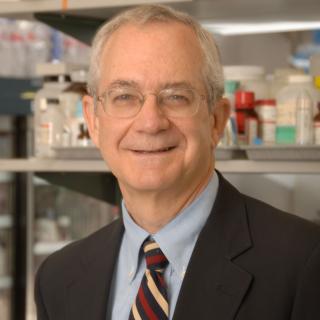 Robert Yarchoan合作论文数HIV and AIDS Malignancy Branch, Center for Cancer Research, National Cancer Institute, National Institutes of Health40
 Uldrick Thomas S合作论文数Ctr Canc Res, NCI36
 Nazzarena Labo合作论文数Frederick National Laboratory for Cancer Research34
 Polizzotto Mark N合作论文数Center for Cancer Research, National Cancer Institute;Center for Cancer Research, National Cancer Institute28
 Wendell Miley合作论文数27
 Karen Aleman合作论文数23Kathleen M. Wyvill合作论文数20
 Richard F. Little合作论文数Center for Cancer Research, National Cancer Institute, National Institutes of Health;HIV and AIDS Malignancy Branch, National Cancer Institute, National Institutes of Health;Division of Cancer Treatment and Diagnosis, National Cancer Institute, National Institutes of Health20Seth M Steinberg合作论文数Center for Cancer Research, National Cancer Institute, National Institutes of Health19
 Stefania Pittaluga合作论文数Laboratory of Pathology, Center for Cancer Research, National Cancer Institute, National Institutes of Health18
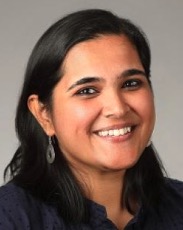 Ramya Ramaswami合作论文数HIV and AIDS Malignancy Branch, Center for Cancer Research, National Cancer Institute, National Institutes of Health15
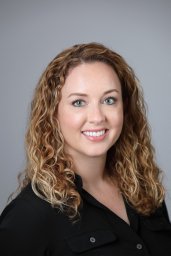 Kathryn Lurain合作论文数NCI, NIH14
 Elena M. Cornejo Castro合作论文数Hertie Institute for Clinical Brain Research, University of Tübingen13
 Giovanna Tosato合作论文数Laboratory of Cellular Oncology, Center for Cancer Research, National Cancer Institute10Robert Newton合作论文数9
 Xin Victoria Wang合作论文数Harvard T.H. Chan School of Public Health, Harvard University9Anaida Widell合作论文数8
 Elaine S. Jaffe合作论文数Laboratory of Pathology, Center for Cancer Research, National Cancer Institute, National Institutes of Health8Deirdre O'Mahony合作论文数8Romin Roshan合作论文数7Rachel K Bagni合作论文数6Filie Armando C合作论文数6Robert J. Biggar合作论文数National Cancer Institute, National Institutes of Health6Wang Hao-Wei合作论文数Memorial Sloan Kettering Cancer Center, Cornell University6
 Alex Ray合作论文数OpenAI6
 James Goedert合作论文数Division of Cancer Epidemiology & Genetics, National Cancer Institute6
 Rolf Renne合作论文数Department of Molecular Genetics and Microbiology, College of Medicine, University of Florida6Priscila H. Goncalves合作论文数5Ralph Mangusan合作论文数5David E Ott合作论文数Leidos Biomedical Research, Inc.;National Cancer Institute5
 Rosemary Rochford合作论文数5Adam Rupert合作论文数5Kyle Moore合作论文数4Irene Ekwede合作论文数4
 Brandon Keele合作论文数AIDS and Cancer Virus Program, Frederick National Laboratory, National Cancer Institute, National Institutes of Health, U.S. Department of Health and Human Services4
 Sam Mbulaiteye合作论文数4
 Angela Nalwoga合作论文数4
 Eric A. Engels合作论文数Division of Cancer Epidemiology & Genetics, National Cancer Institute4Han Soo-Jin合作论文数4Eugene V. Barsov合作论文数4Nicholas C Fisher合作论文数3Cheng-Dian Wang合作论文数3Jomy George合作论文数3Neneh Sallah合作论文数Wellcome Sanger Inst, Wellcome Genome Campus, Cambridge CB10 1HH, England3
 Paul Kellam合作论文数Section of Immunology of Infection, Department of Infectious Disease, Faculty of Medicine, Imperial College London;RQ Biotechnology Ltd3Nijhawan Ank E合作论文数3
 Irini Sereti合作论文数National Institute of Allergy and Infectious Diseases3
 Cody Peer合作论文数Amgen3




